Backpacking Tents
Best Freestanding Backpacking Tents 2026: Sea to Summit Telos TR2 vs Big Agnes Copper Spur HV UL2
A practical comparison of two popular two-person freestanding backpacking shelters, covering living space, ventilation, storage, packed weight, and price.
Introduction
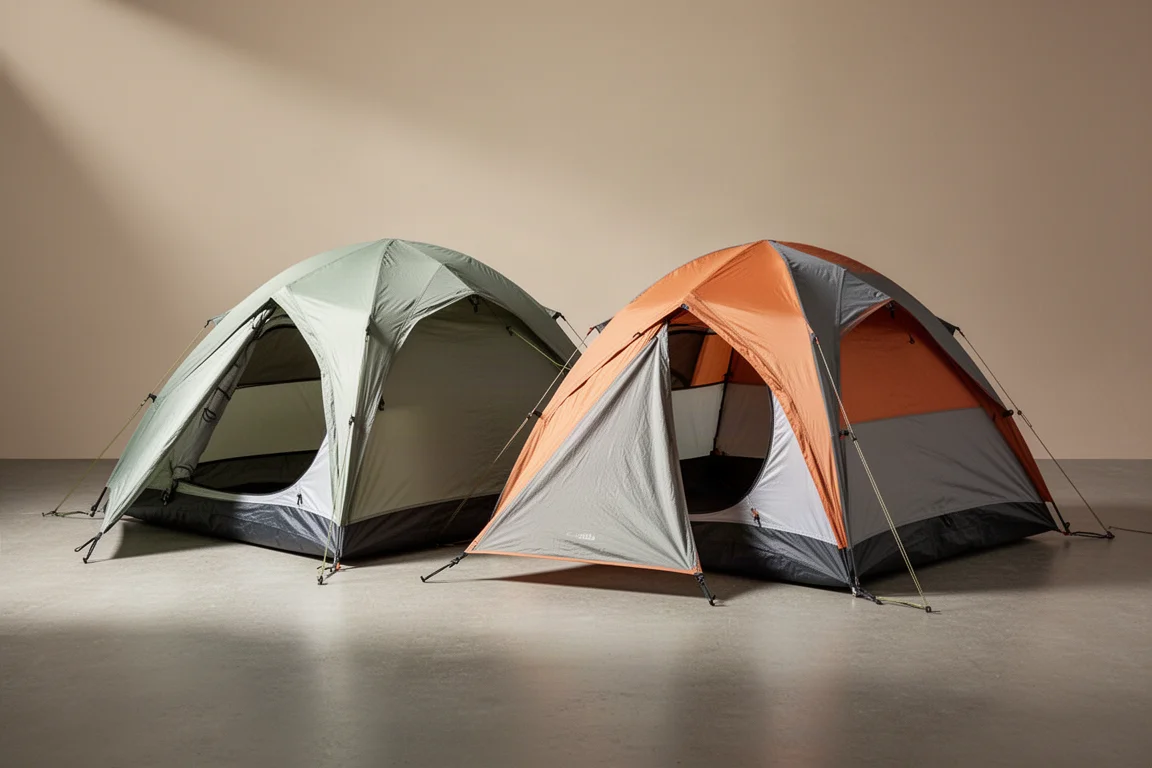
Two-person freestanding shelters are the default choice for a lot of backpackers, and two models come up again and again: the Big Agnes Copper Spur HV UL2 and the Sea to Summit Telos TR2. Both are double-wall, two-door, two-vestibule designs built for backpacking, and both sit firmly in premium territory on price.
They solve the same problem in different ways. The Copper Spur leans on a long-established design with a lighter packed weight and a lot of built-in interior storage. The Telos TR2 uses a tension ridge pole structure to open up interior volume and airflow. This comparison looks at design features, living space, ventilation, storage, packed weight, and price so you can decide which one suits the trips you actually take.
What Matters in a Freestanding Two-Person Shelter
When you compare two-person freestanding shelters, a handful of factors decide whether a tent feels good on night forty as well as night one.
Packed weight is the first. A shelter that carries easily gets used more. Floor dimensions and peak height come next, because two people sharing a small space need real room to sit up and organize. Ventilation matters just as much as weather protection on a double-wall design, since condensation is the most common source of a damp night. Interior storage, door and vestibule layout, and how the tent behaves in heavy rain and strong wind round out the list. Price and the transparency of the brand’s production practices are worth weighing too.
The two shelters here diverge on almost all of those points, which is what makes the comparison useful.
Big Agnes Copper Spur HV UL2: The Lighter Shelter
The Copper Spur HV UL2 is a long-running two-person freestanding design from Big Agnes, priced at around $500. It uses a double-wall layout with two doors and two vestibules, and the vestibule doors have a distinctive design that can be pitched out as a small awning. Double zippers make getting in and out straightforward.
Interior dimensions are generous for a two-person shelter: 88 inches of floor length, 52 inches of width at the head end, and 42 inches at the foot end, with a 42-inch peak height and fairly vertical walls. The 88-inch floor is long enough to accommodate taller hikers comfortably.
Storage is where this tent separates itself. A large 3D loft hangs across the upper body to lift gear off the floor, and there are additional pockets at the head end and on each side. With two people inside, that organization makes a genuine difference, especially when wet gear needs to stay off the floor and out of the vestibule.
The main frustration is the tie-out hardware. The corners use simple loops rather than line locks, and coated nylon stretches once it gets wet, so re-tensioning the shelter during rain takes more effort than it should. The awning feature is also easy to ignore in practice, since it rarely earns a place in camp.
At 50 ounces packed, the Copper Spur is light for a freestanding two-person shelter, handles weather well, and has a strong record for reliability.
Sea to Summit Telos TR2: The Roomier Shelter
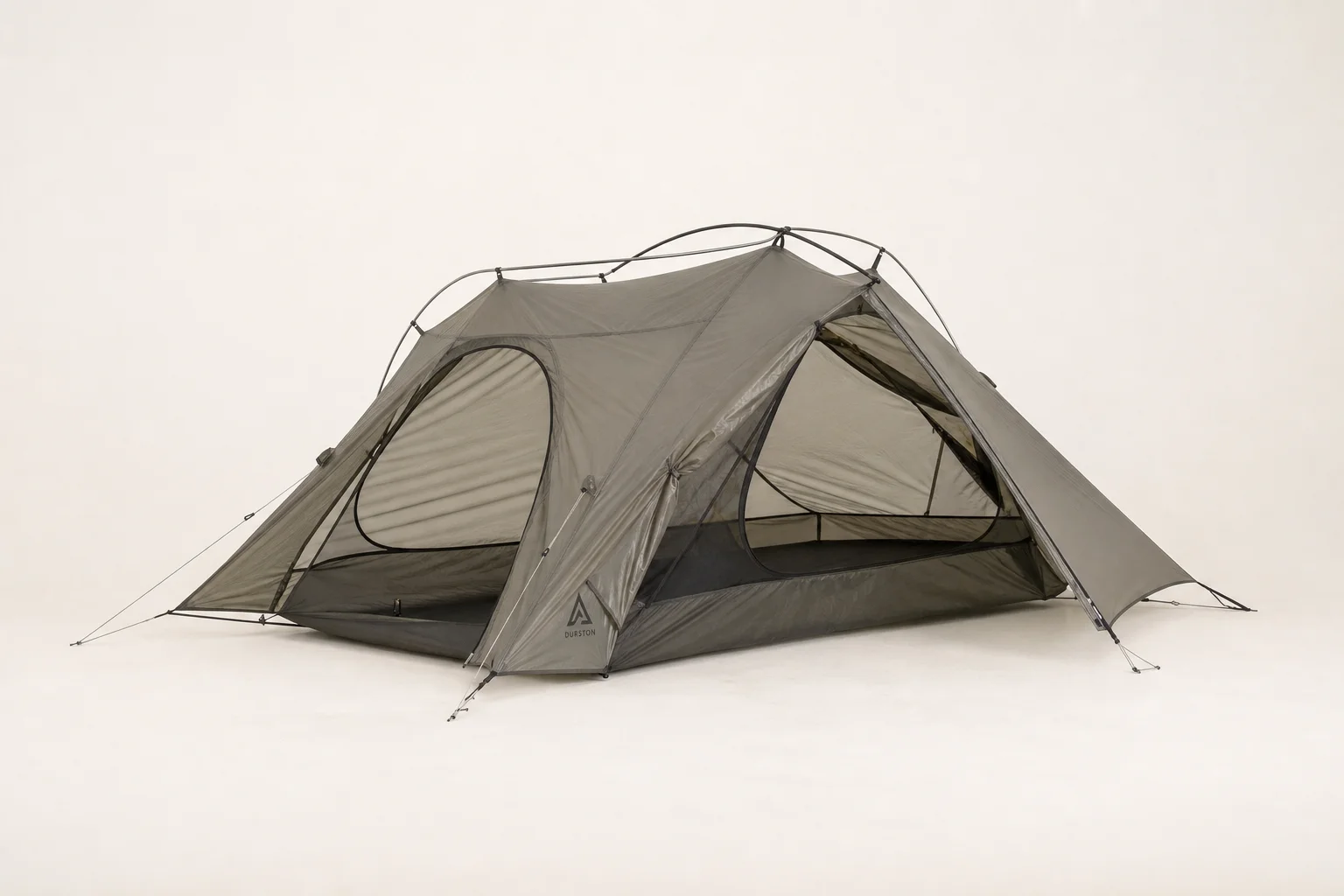
The Telos TR2 is a newer addition to the freestanding two-person category and sells for around $559. Its defining feature is a tension ridge pole structure: an elevated wing at the peak that raises headroom across the full width of the tent and creates noticeably more vertical walls.
The payoff is interior volume. Floor length is 85 inches, three inches shorter than the Copper Spur, with 53 inches of width at the head end and 43 inches at the foot end. The foot end is close to vertical and the head end nearly so, which makes the space feel larger than the numbers alone suggest. Anyone under six feet tall is unlikely to notice the shorter floor.
The door design is a highlight. With the door open the shelter feels wide and easy to move through, and even with the door closed down to vestibule-only access there is still plenty of room to get in and out from either side.
Storage is the trade-off. There is no built-in 3D loft. Instead, Sea to Summit gives the tent’s stuff sack clips that attach to the corner at the head end, turning it into a hanging storage bag for gear. Two elevated pockets at the head end and a tall bathtub floor round out the interior. At 59 ounces packed, the Telos is heavier than the Copper Spur, but it stays strong and stable in poor weather.
Ventilation and Weather Protection Compared
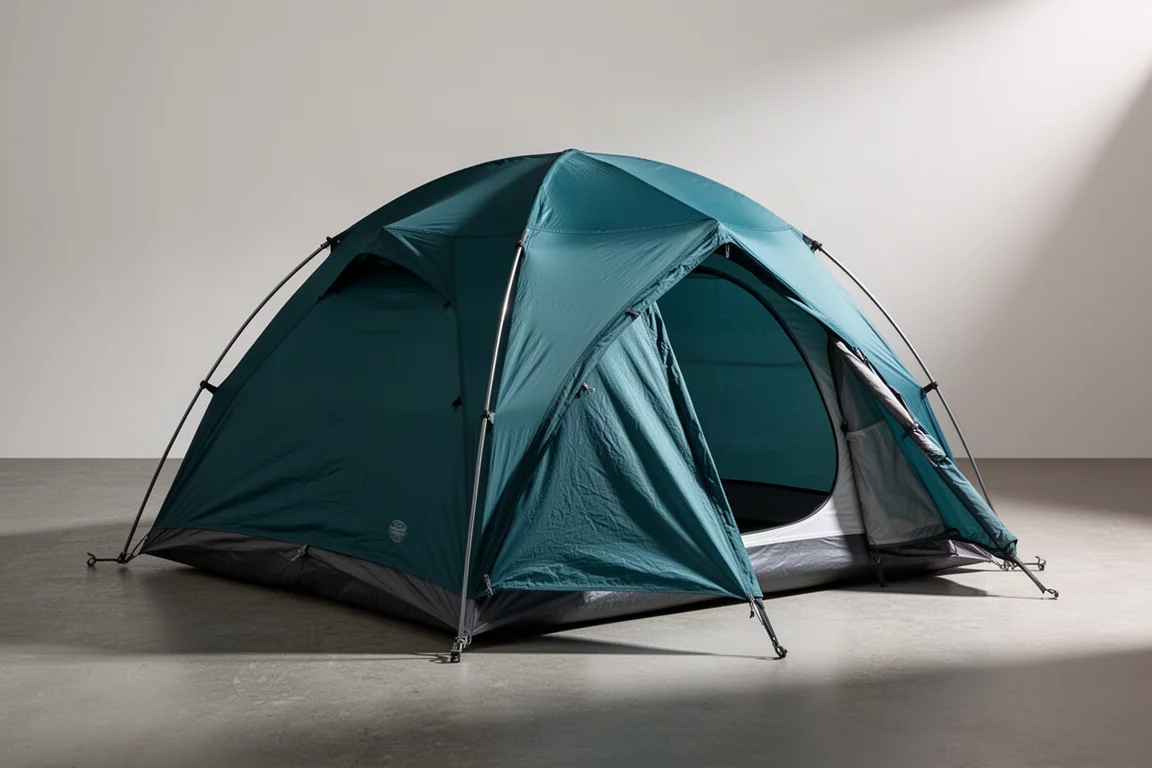
Double-wall shelters live or die by airflow, and this is where the Telos TR2 pulls ahead. The tension ridge design puts a large vent at the peak, and air moves through the body of the tent and up and out efficiently, which helps keep condensation in check on still, humid nights.
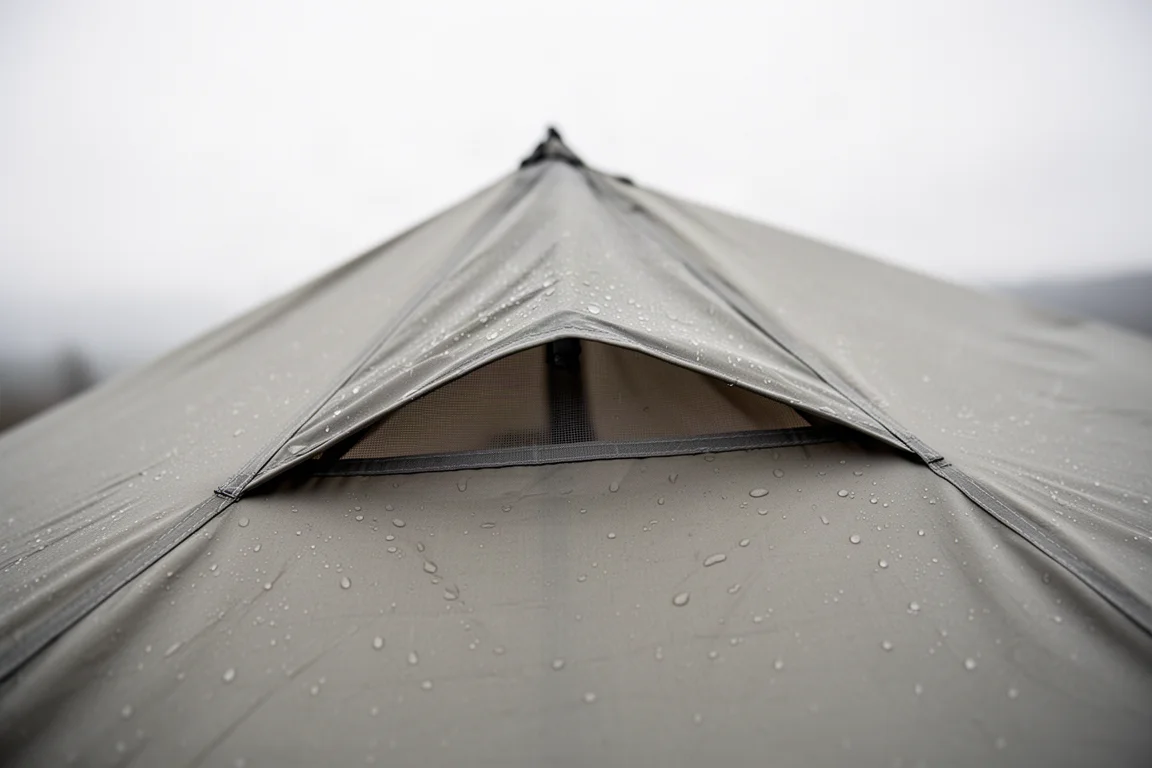
The Copper Spur uses a more traditional peak vent. It works, but it is a smaller opening and moves less air through the shelter. The Telos vent can be closed with a U-shaped zipper when driving rain threatens to push water through it, though that closure is only reachable from outside the tent.
On weather protection itself, the two are closely matched. Both stand up to heavy rain and to strong wind and gusts, and both are stable, well-designed shelters rather than fair-weather tents.
Interior Storage and Organization Compared
The Copper Spur’s built-in storage is one of its strongest arguments. The 3D loft, the head-end pocket, and the two side pockets are not something you find on most freestanding shelters in this class, and they keep gear organized and off the floor when two people are sharing the space.
The Telos TR2 takes a different route. With no large open loft, Sea to Summit turns the tent’s stuff sack into a clip-in storage bag that hangs from the head-end corner. Two elevated head-end pockets and a tall bathtub floor help, but the overall storage package is the less generous of the two.
For anyone who treats a shelter as a small base camp rather than purely a place to sleep, that difference is easy to feel within a single trip.
Doors, Vestibules, and Daily Use Compared
Both shelters give you two doors and two vestibules, which matters more than it sounds: each person gets their own exit and their own covered gear space.
On the Copper Spur, the vestibule door can be pitched out as an awning and the double zippers are easy to operate, even with cold hands. The awning is the one feature that feels like a gimmick, since it rarely gets set up in camp.
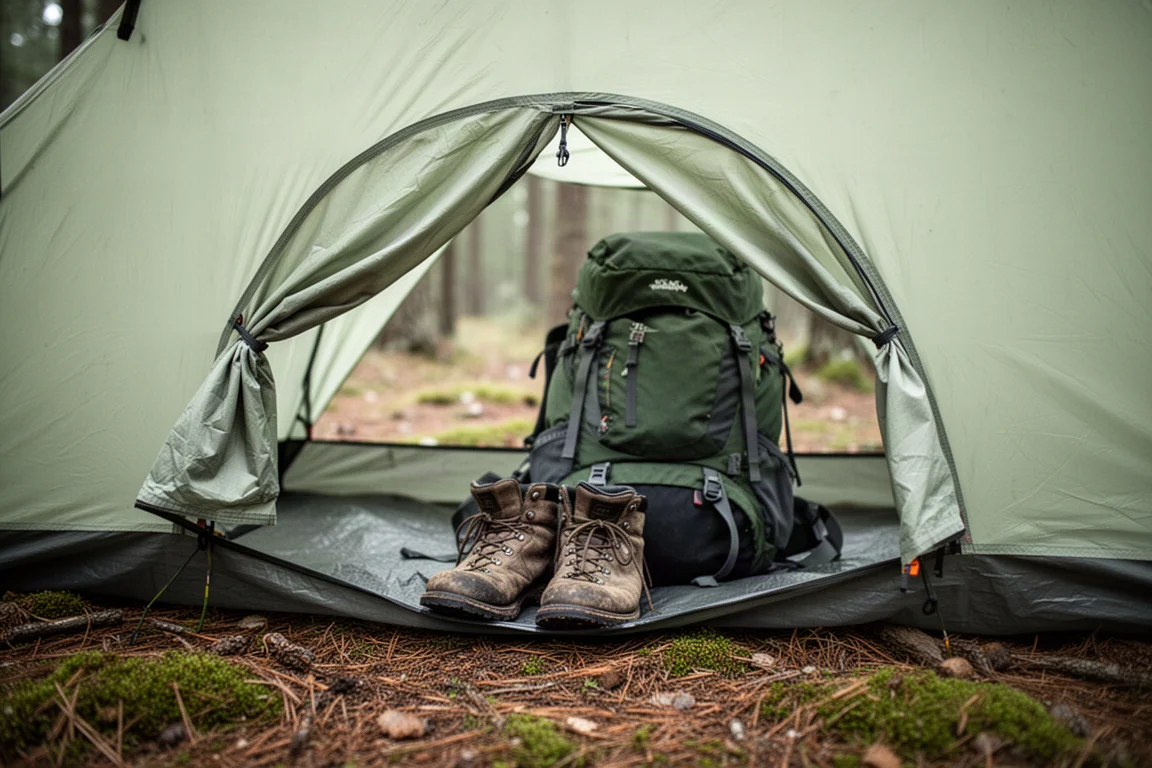
The Telos TR2 door opens very wide, which makes loading and unloading simple, and even when it is closed down to vestibule access there is still substantial covered space on both sides. For everyday camp routines, the Telos is the more comfortable of the two to move through.
Weight, Price, and Sustainability Compared
Weight is the clearest dividing line. The Copper Spur HV UL2 comes in at 50 ounces packed; the Telos TR2 comes in at 59 ounces. That 9-ounce gap is noticeable on a long carry, and it is the single strongest argument for the Copper Spur.
Price runs the other direction. The Copper Spur is around $500 and the Telos around $559, so the lighter tent is also the less expensive one. Neither is a budget purchase, and both should be treated as a long-term investment.
One shared limitation is worth flagging. At 52 inches and 53 inches of head-end width respectively, neither shelter comfortably fits two 25-inch wide sleeping pads side by side. Buyers who want that will need to look at wider or three-person designs.
On sustainability, Big Agnes publishes detailed information about reducing the footprint of its production process. There is no comparable public information available about Sea to Summit’s production footprint.
Buying Advice: Matching the Shelter to Your Trip
There is no clear winner here, and that is worth saying plainly. Both are well-designed freestanding shelters that handle heavy rain and strong wind, and either will serve a two-person backpacking trip well.
Choose the Big Agnes Copper Spur HV UL2 if weight matters most. It is 9 ounces lighter, costs less, has the longer 88-inch floor for tall sleepers, and comes with the interior storage system that keeps a shared shelter organized.
Choose the Sea to Summit Telos TR2 if interior comfort and airflow matter most. The tension ridge structure delivers more headroom and more vertical walls, ventilation is better, and the door and vestibule layout is easier to live with day to day. The trade-off is 9 extra ounces and a higher price.
The deciding question is usually simple: do you want to carry less weight, or do you want more room once you stop walking?
Conclusion
The Copper Spur HV UL2 and the Telos TR2 approach the same job from opposite directions. The Copper Spur is the lighter, more affordable option with class-leading interior storage and a floor long enough for taller hikers. The Telos TR2 gives up some weight and some money in exchange for more living space and better ventilation. Neither is a compromise on weather protection, so the right pick comes down to which of those trade-offs matches how you actually camp.
Further reading
Related Reviews
Backpacking Tents
3F UL Lanchan Pro 1 Review: A 1 lb 8 oz Single-Wall Trekking Pole Tent
A practical look at the 3F UL Lanchan Pro 1, a single-wall trekking pole shelter with a 1 lb 8 oz weight, 20D silnylon fabrics, and a roomy 90 x 31 x 49 inch interior.
Backpacking Tents
3F UL Taiji 2-Person Tent: A Convertible Backpacking Shelter Worth a Closer Look
A practical look at the 3F UL Taiji two-person tent, covering its materials, true two-person interior, fly-first pitching, and the seasonal inner swap that lets one shelter cover more of the year.
Backpacking Tents
3FUL Lanshan Twoerson Pro Review: A Light Trekking Pole Shelter That Struggled in Rain
A two-person trekking pole shelter with a 2026 redesign, pitched with sticks and put through a night of steady rain. Here is what worked, what did not, and what to check before buying.