Snowboard Bindings
Best Freeride Snowboard Bindings 2022-2023: Five Powerful Options for Charging Hard
Five stiff, drive-focused freeride snowboard bindings compared on power transfer, dampening, and fit, with practical guidance on choosing the right one.
Introduction
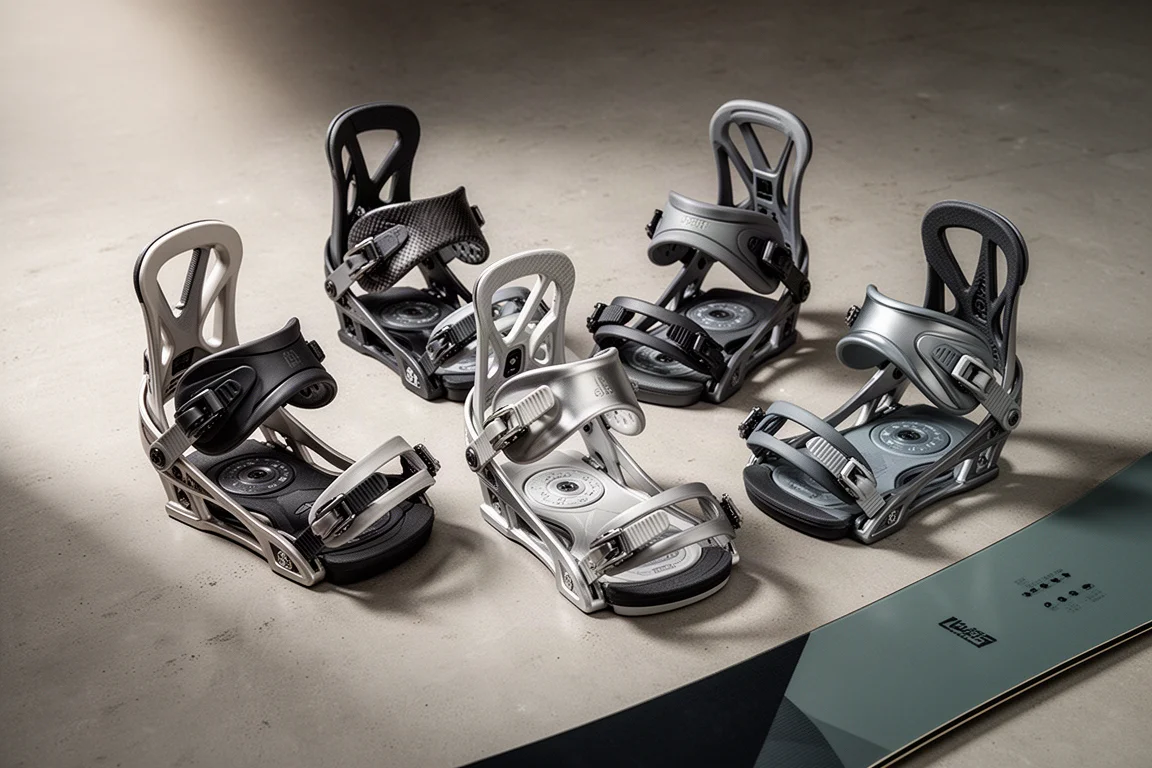
Freeride snowboarding asks a binding to do one thing well: take everything you put into it and send it straight to the edge with as little slop as possible. The five bindings below were built around exactly that idea, and each one takes a slightly different route to get there. Some lean on metal, some on carbon, and one changes how power physically reaches the board.
Plenty of capable bindings sit just outside this group, including the Nidecker K on CX, the Bent Metal Solution, and the Rome Cleaver, but the five covered here are the ones that commit hardest to a freeride-first design. What follows is a look at what each binding does well, where the trade-offs sit, and which type of rider each one suits.
What Separates a Good Freeride Binding
The core question with any freeride binding is power transfer. How much of your input actually reaches the edge, and how quickly does it get there. Stiffer constructions and larger mounting discs reduce lateral flex, which is why several bindings here use a bigger disc underfoot or metal components in the chassis. Less sideways give in the binding means more of your effort becomes drive along the edge.
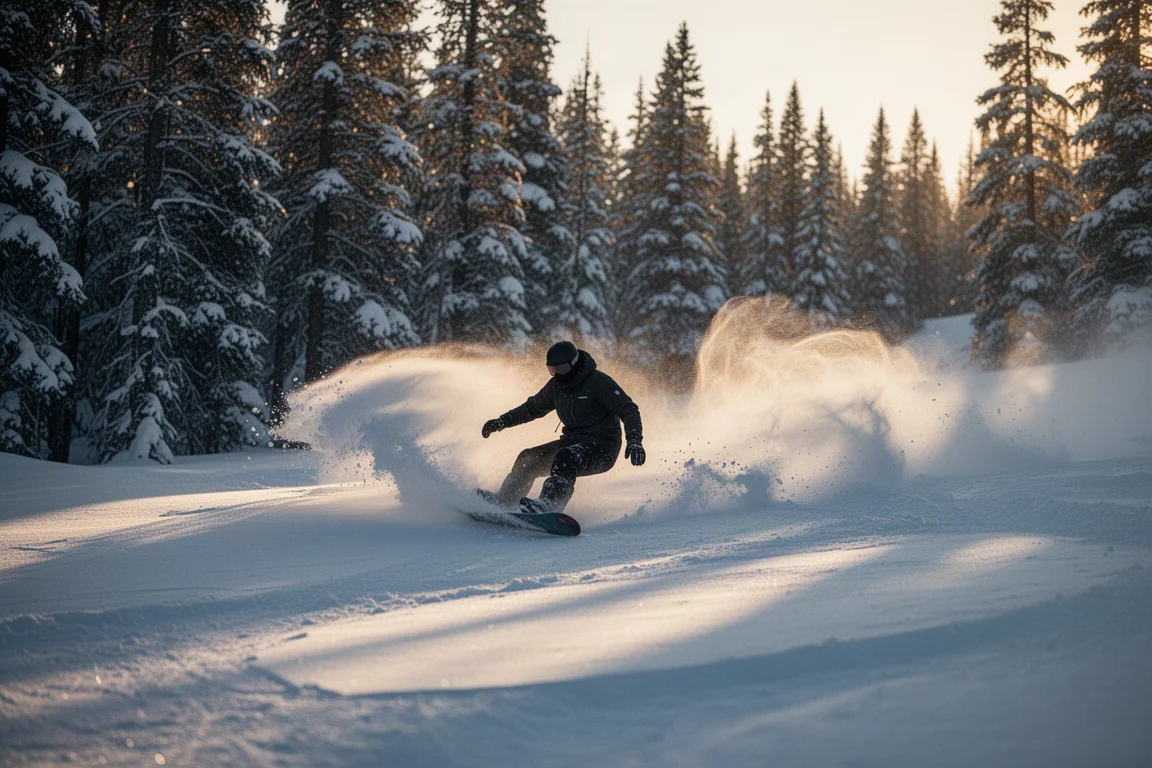
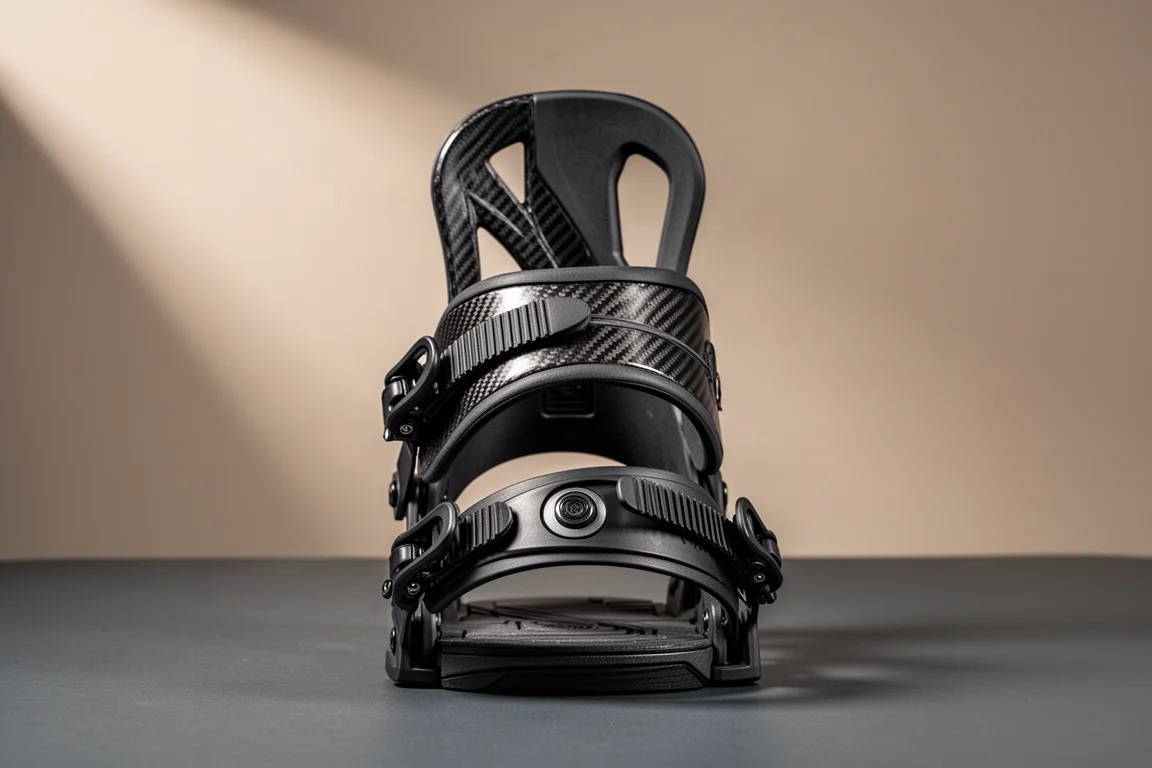
Straps and highbacks matter just as much as the chassis underneath them. A strap that stretches and contours under load gives away power, while one that holds its shape keeps your input moving into the board. The same logic applies to the highback, where trimming weight only helps if the highback still creates power around the outside of the boot, exactly where you push when you drive back into the binding.
Dampening is the other half of the equation. A binding that filters chatter lets you hold a line through rough snow instead of fighting it, and the footpad is usually where that comfort comes from.
Now O-Drive
The O-Drive sits at the top of this list because of how it moves power. Skate Tech is the centrepiece: instead of sitting flat on the board, the binding rocks on a Kingpin system. When you roll onto your toe edge, that motion picks up the heel and drives power down into the toe. When you go up onto your heel edge, it lifts the toe and pushes that power back into the heel edge. More power out of the binding translates directly into more control over the board.
It is also unusually customizable. The bushings can be swapped out, which means you can change how the binding feels underfoot rather than simply accepting the factory setup. For riders who like to tune their gear, that is a meaningful advantage.
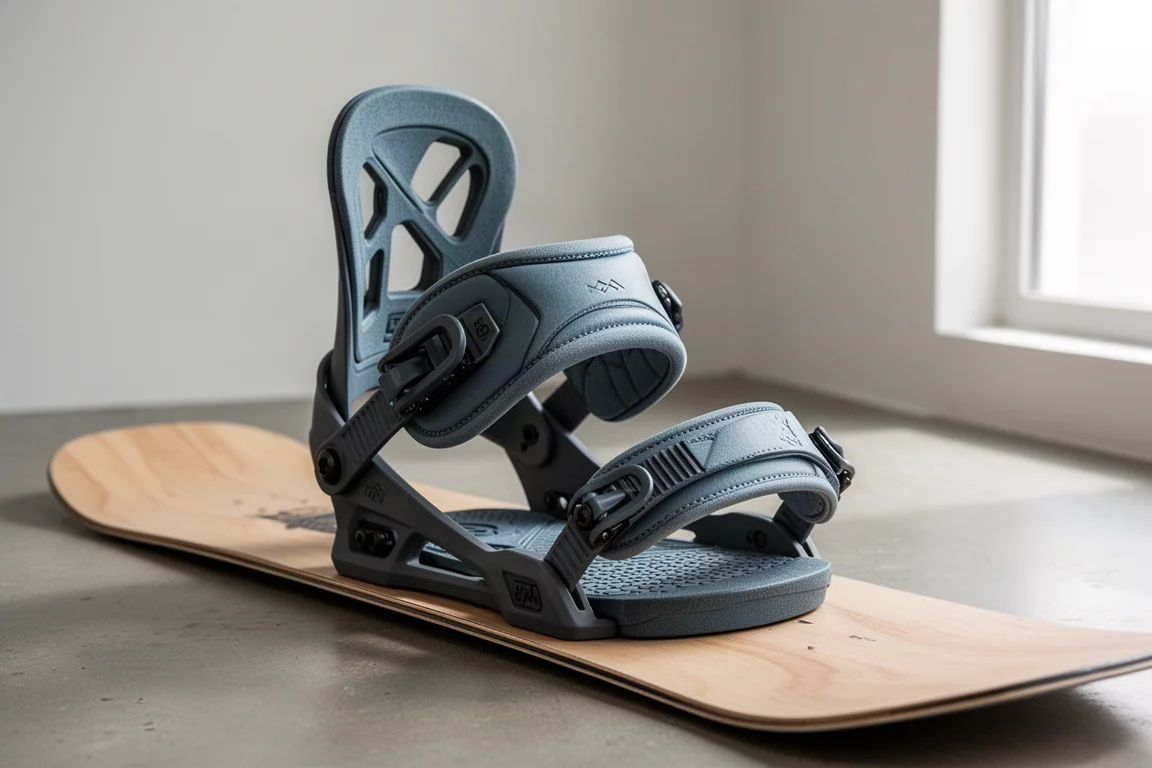
Bataleon Atom
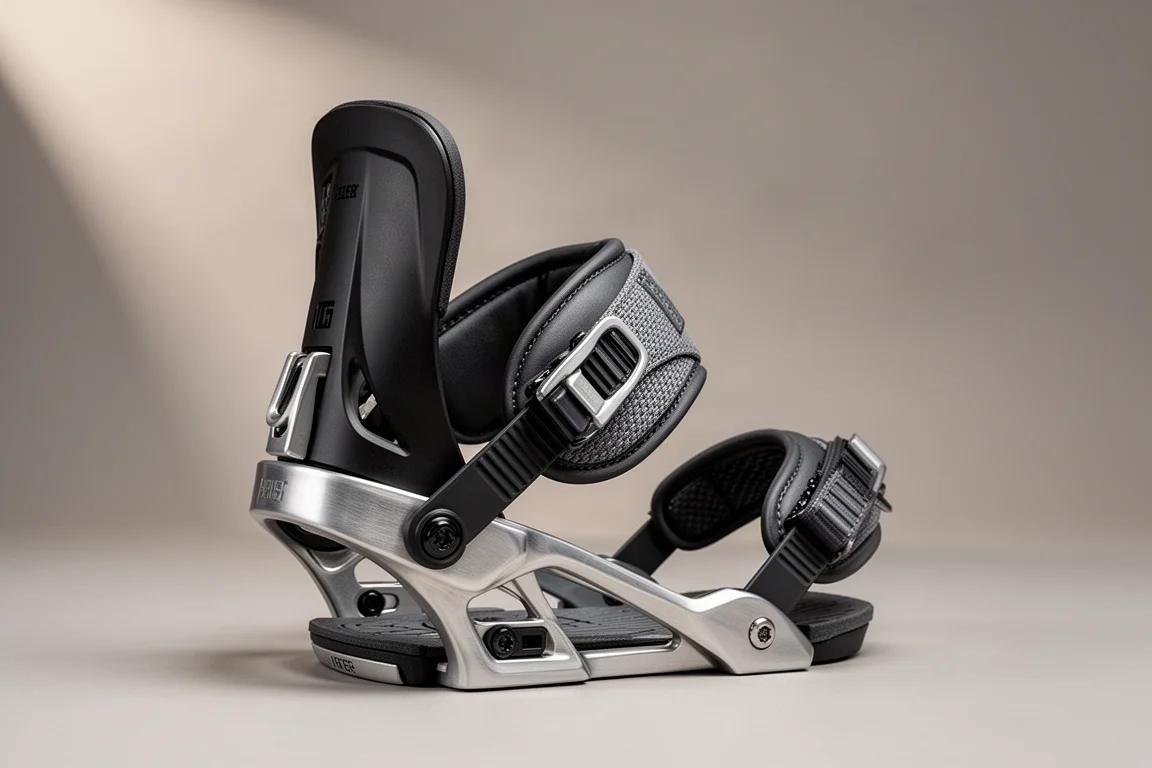
The Atom shares its chassis with Rome’s bindings, and the Asym wrap allows a little more lateral play on the outside of the binding without sacrificing any of the drive. That balance is what makes it feel lively in soft snow while still holding firm when you push an edge.
Dampening is where this binding really stands out. The dual-density footpad soaks up chatter, and it produces one of the smoothest rides in this group.
The Ox Tech heel strap is thicker than most, which means it does not stretch and contour as much under load, so more of your input goes into the binding when you push into it. The Air back highback trims weight while still creating power around the outside, exactly where you need it when you drive back into the binding.
Ride A-10
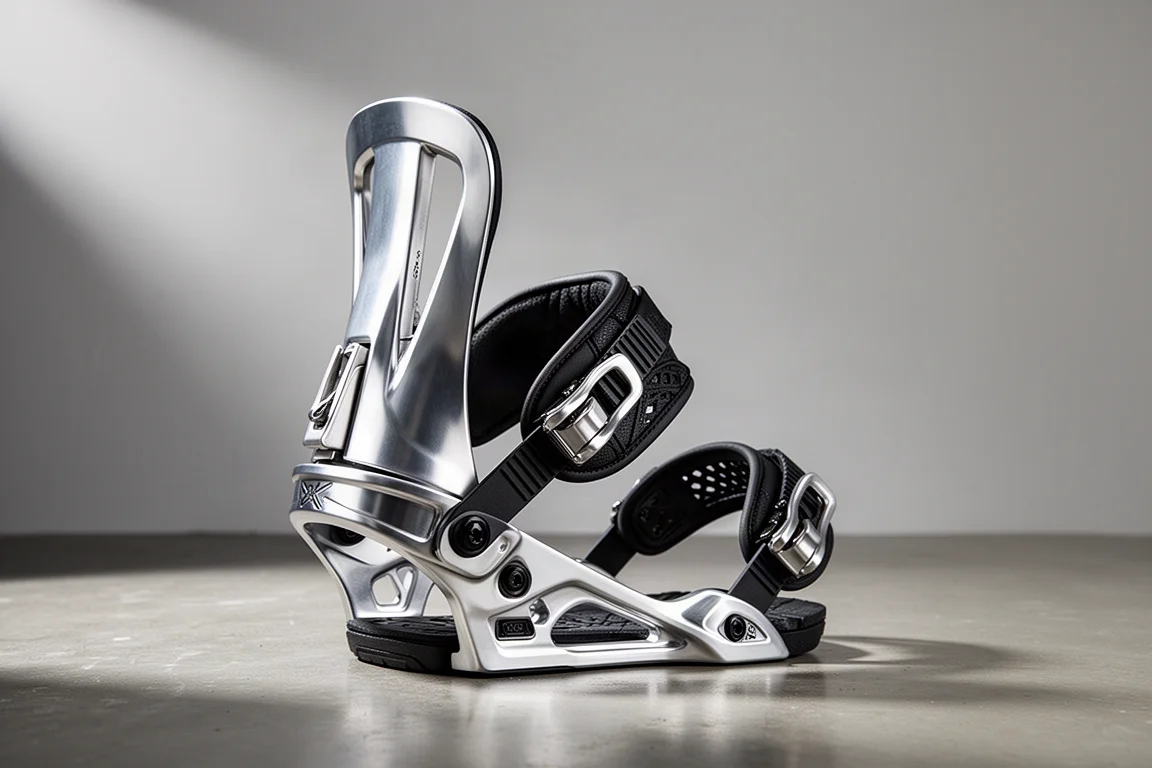
If you like aluminium bindings, want them stiff, and want a lot of power going into the board when you drive through the binding, the A-10 is the direct answer. It is aggressive and stiff, built to put energy straight into the board for optimal control.
The redesigned straps work exceptionally well, and the ratchets are excellent. Overall it is a powerful, solid binding with very little give anywhere in the package, which is precisely the point.
Salomon Quantum Carbon
The Quantum Carbon is built around Shadow fit. Some riders argue that pairing Shadow fit with a freeride binding introduces more lateral play, and that is a fair observation, but the play helps with the natural flexion of the ankle as you set up to steer and drive.
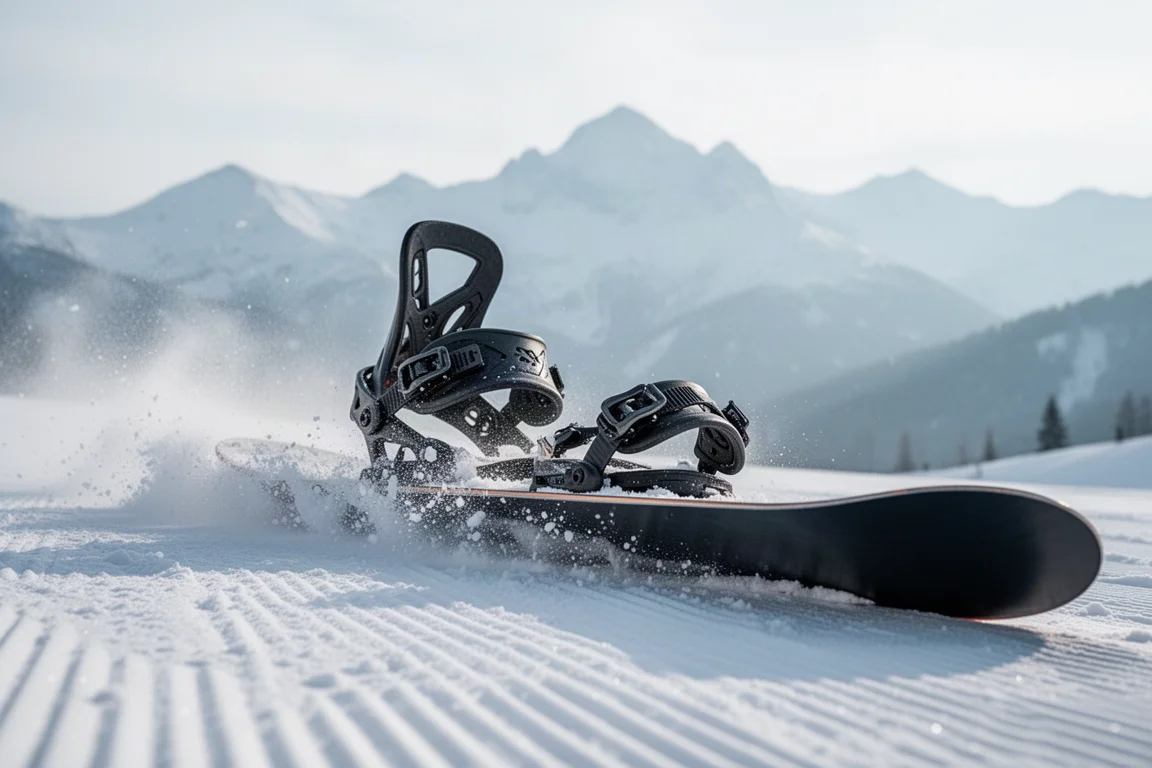
In practice it feels more like a traditional binding than the specification suggests, with the extra movement arriving just where you want it when you are slashing a turn in deep snow. Everywhere else you still get plenty of power, and you can drive hard through the straps and the highback.
Union Atlas Pro
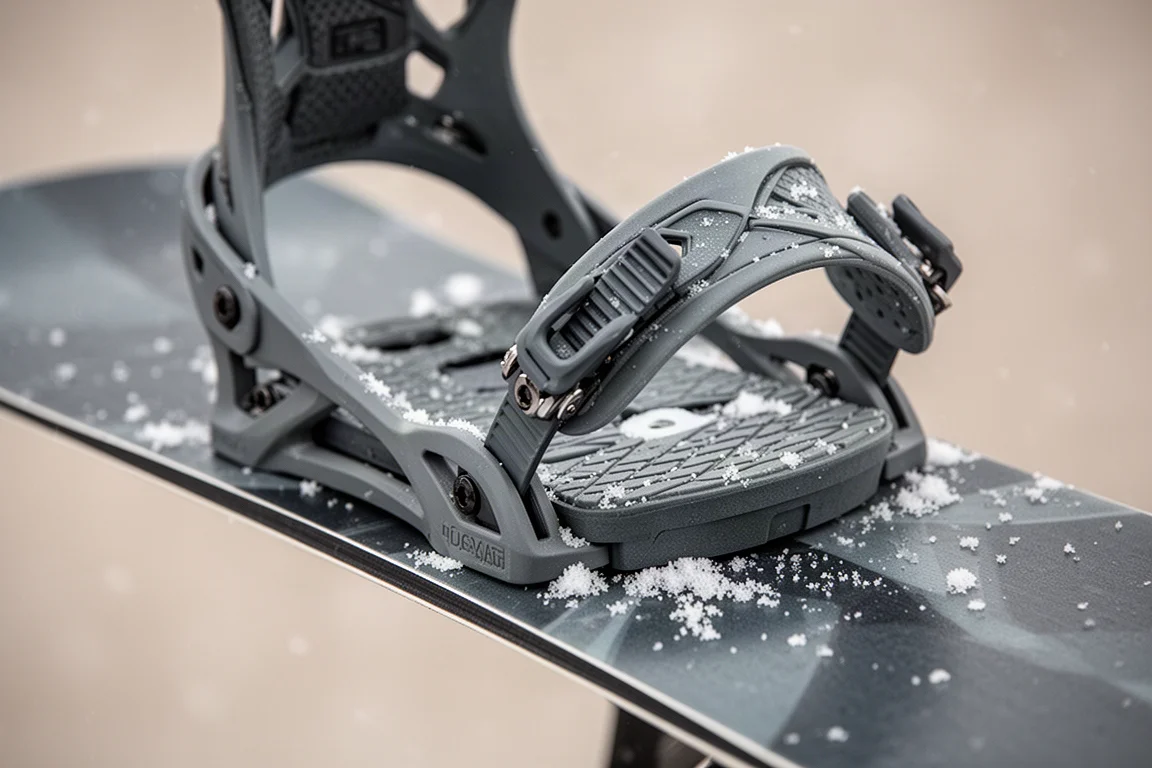
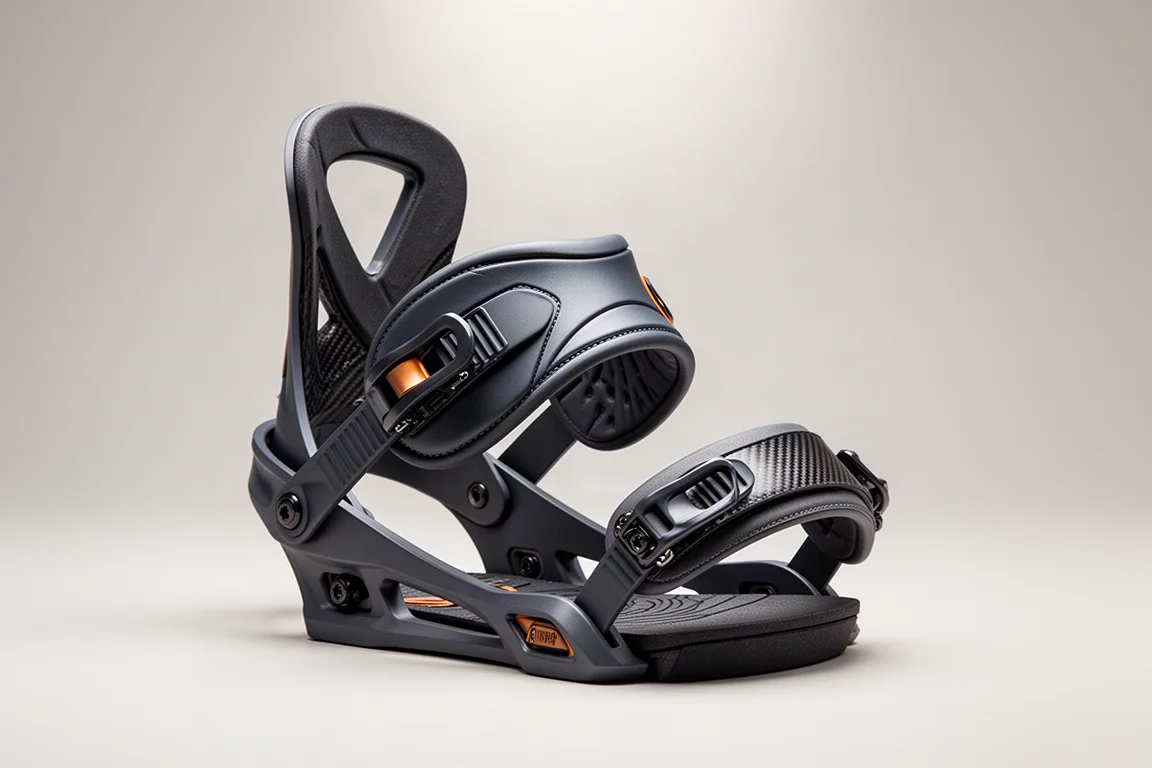
The Atlas Pro is a new model, and it blends forged carbon with Duraflex to create a performance-based, freeride-centric binding. It is essentially a lighter, stiffer version of the Atlas, pushed further toward freeride.
Two details stand out. The Aux Tech strap spreads load across the foot, and the bigger disc underfoot reduces lateral flex, which means more lateral drive into the binding when you push an edge. Riders who want a direct, planted feel without adding bulk will find a lot to like here.
Buying Advice
The right choice comes down to how you want power delivered. If you want the most direct and tunable power transfer, the O-Drive’s Kingpin system and swappable bushings are hard to beat. If a damp, smooth ride matters more than raw stiffness, the Atom’s dual-density footpad is the standout in this group.
Riders who want aluminium stiffness and a very direct feel should look closely at the A-10. If you prefer a binding that lets your ankle move naturally while still driving hard, the Quantum Carbon and its Shadow fit are worth considering. And if you want the lightest, stiffest option here with reduced lateral flex, the Atlas Pro is the one to pick.
All five are freeride-focused designs, which means they reward riders who already know how to drive a board. If you are still building that foundation, a softer all-mountain binding will be more forgiving while you develop the edge pressure these bindings are built to convert.
Conclusion
Each binding here earns its place for a different reason. The Now O-Drive leads on power delivery and customization, the Bataleon Atom leads on dampening, the Ride A-10 delivers uncompromising aluminium stiffness, the Salomon Quantum Carbon blends traditional feel with controlled ankle flex, and the Union Atlas Pro trims weight while sharpening lateral drive. Match the one that fits how you ride, and the binding will do its job quietly in the background all season.
Further reading
Related Reviews
Snowboard Bindings
2024 Union Ultra Snowboard Bindings Review: A Cushy, Freestyle-Focused Favorite
Two seasons on the 2024 Union Ultra: a lightweight, tweakable freestyle binding with standout comfort, a damp molecular bushing, and thoughtful hardware fixes.
Snowboard Bindings
32 Team Phase Binding Review: A Fast Entry Binding Built for Freestyle Laps
The first binding from 32 uses the Phase chassis for quick step-in entry with a softer, freestyle-leaning flex. Here's how it performed on the snow.
Snowboard Bindings
Arbor Cypress Snowboard Binding Review: A Laid-Back Cruiser That Can Charge
A closer look at the Arbor Cypress binding's adjustability, strap feel, and that oddly tall highback before you decide to buy.