Ski Gear
Best Freeride Skis 108-112mm: Eight Models Compared
A practical comparison of eight freeride skis in the 108-112mm range, from playful twins to directional chargers.
Introduction
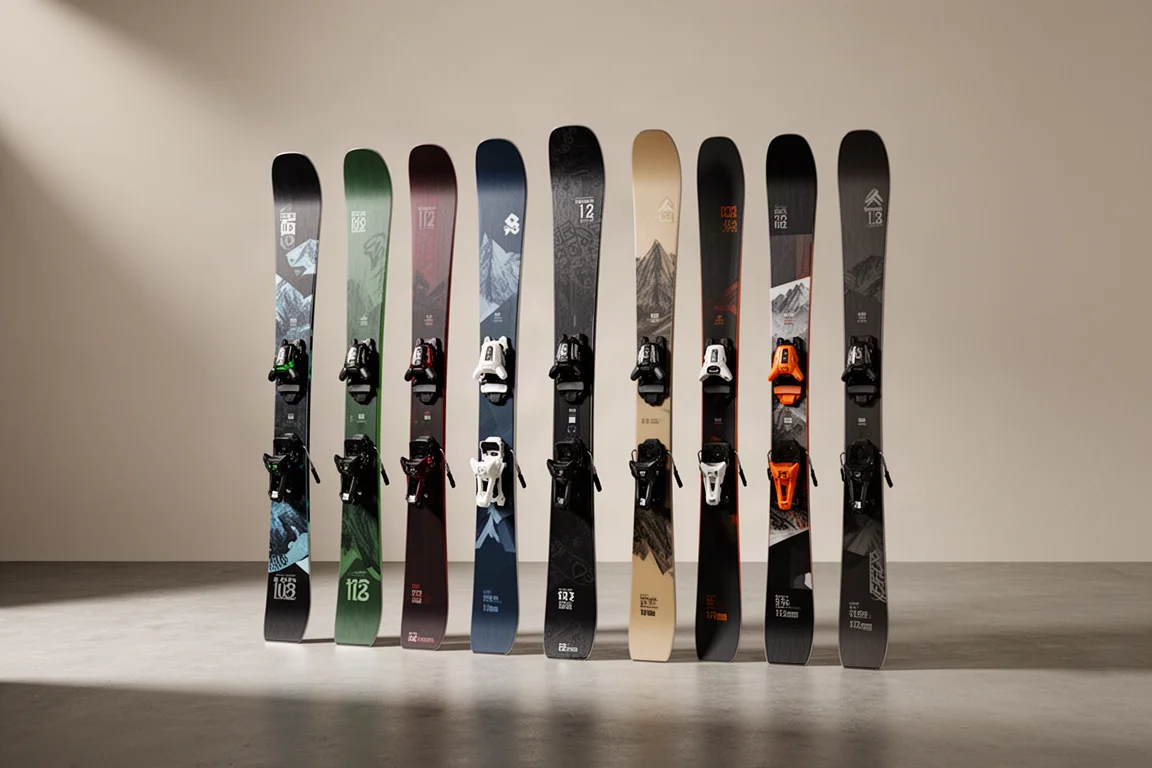
Around 110mm underfoot is a sweet spot for skiers who want a freeride ski that can handle soft snow, powder, and variable conditions without feeling like a dedicated powder plank. This comparison covers eight models in the 108-112mm range, from lightweight freestyle twins to directional chargers. The goal is to help you match a ski’s personality to your terrain, snow, and skiing style.
Each ski here has a distinct build and intended use. Some are playful and easy to flick, while others are stiff, damp, and built for speed. The notes below focus on construction, on-snow feel, and who each ski suits best.
What to Look For in a 108-112mm Freeride Ski
At this width, weight, flex, rocker profile, and turn radius matter as much as the waist width. Lighter skis are easier to maneuver in tight terrain and soft snow, but heavier builds tend to feel more stable at speed and in chop. Rocker in the tip and tail helps with flotation and smearing, while camber underfoot adds energy and edge grip. Turn radius influences how the ski behaves in powder and on groomers, but shape and flex can override the numbers. Consider your home mountain, typical snow, and whether you prefer a playful twin tip or a directional charger.
Elan Playmaker 111
The Playmaker 111 uses a tube light wood core with short carbon rods underfoot. At 188cm and 111mm underfoot, it weighs around 1925g, which is light for this category. The flex is relatively soft, and the ski has a surfy, freestyle-oriented shape with a 23.5m turn radius.
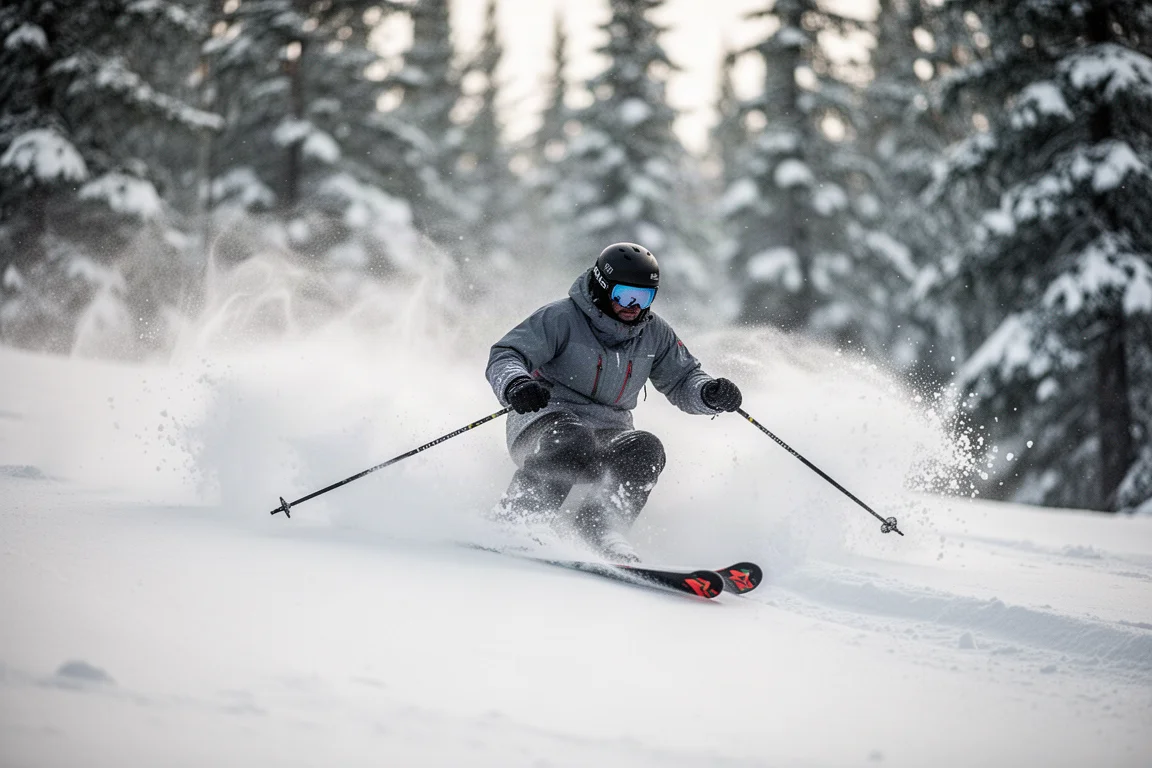
It shines in soft snow and powder, where it feels flickable and fun. The twin tip design works for landings and slashy turns. It is not a firm-snow carving ski, and heavier skiers may find its stability limited at speed.
Atomic Bent 110
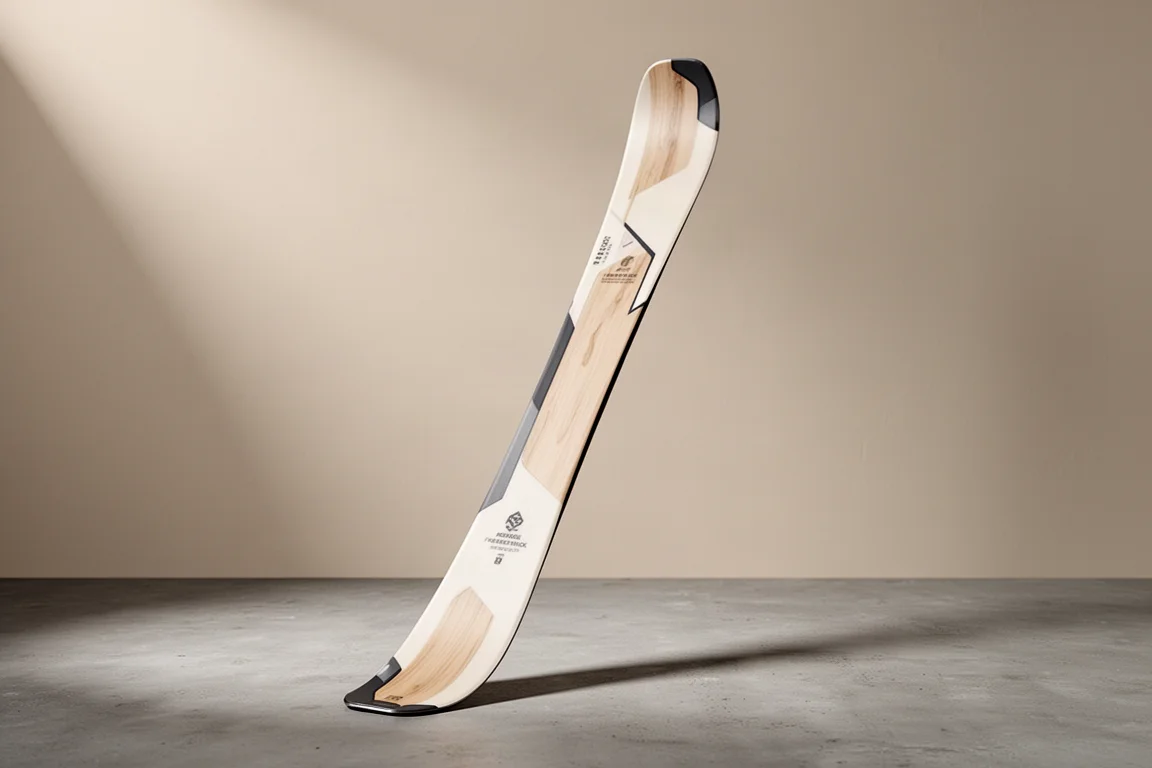
The Bent 110 has a lightweight poplar wood core and a mustache-shaped rocker profile with camber underfoot. In the 180cm length, it weighs around 1700g and has an 18m turn radius. The forward mount point and soft flex require a centered stance in powder.
It performs well in spring snow and soft groomers, where it can carve and pop. In deep powder, top-heavy skiers may struggle to stay centered. It is also a popular choice for park and freestyle riding.
Armada ARV 112
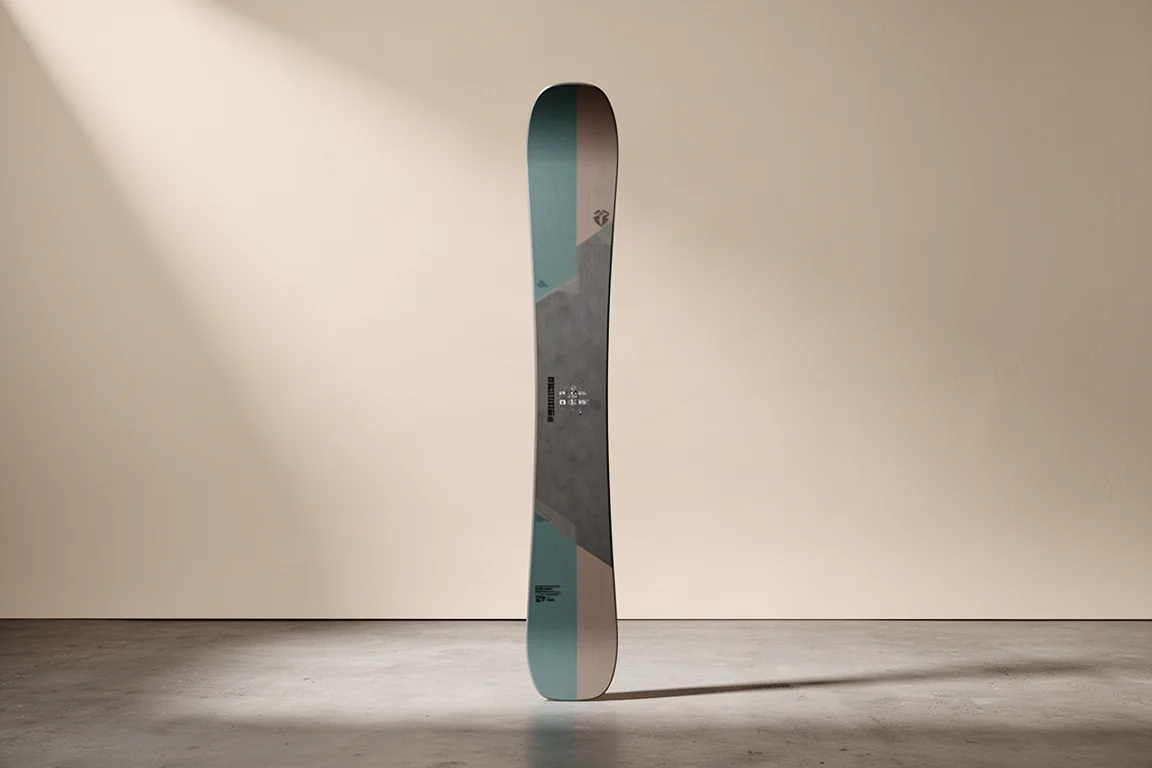
The ARV 112 uses a poplar wood core with an ash binding insert. At 185cm, it weighs around 2120g, making it heavier than the Playmaker and Bent. The flex is not stiff, but it offers more support and stability than lighter twins. The shape is freestyle-inspired with a near-symmetrical rocker profile.
It blends playfulness with enough backbone for bigger skiers and aggressive riding. It can slash and release the tail easily, yet it holds up when launching cliffs. It is less nimble than the lightest skis here, but more stable.
Elan Ripstick 108
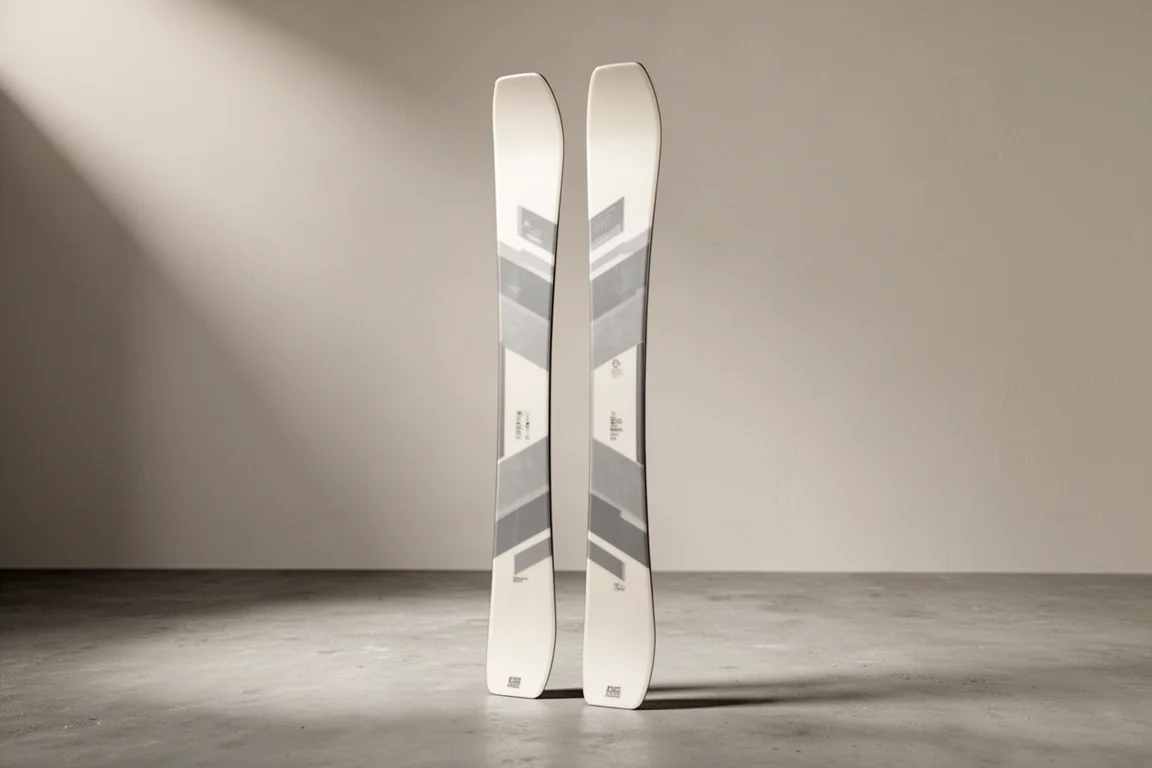
The Ripstick 108 follows Elan’s tube light construction with carbon rods and unidirectional carbon strips along the edges. It weighs around 1800g in the 180cm length. The Amphibia rocker profile places more rocker on the outside edge and camber on the inside. It has a more directional shape with less tail rocker than the Playmaker.
It feels smooth, natural, and energetic. The tail provides good rebound, and the ski handles powder, crud, and chopped snow well. It is not a hard-charging ski, but it is easy to steer and flick in tight terrain.
K2 Reckoner 110
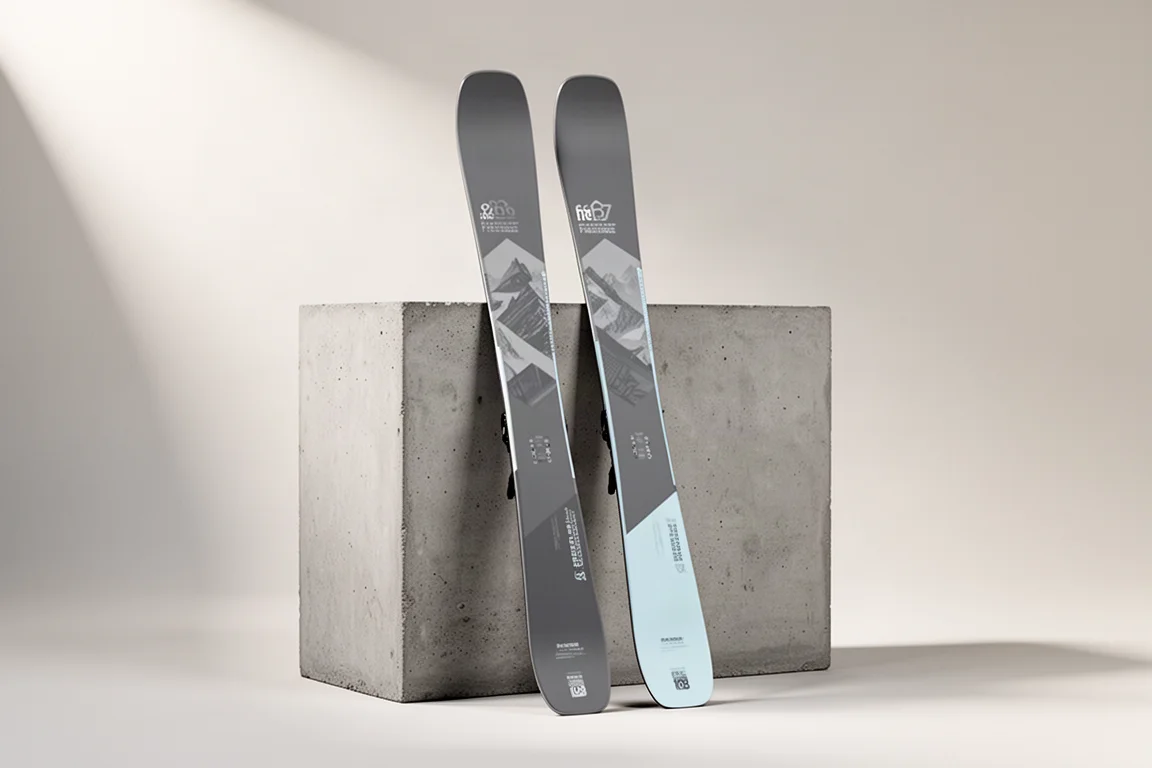
The Reckoner 110 has an aspen wood core with carbon spectral braid and carbon boost braid. At 191cm, it weighs around 2200g. It is a wide twin tip with a very symmetrical tip and tail rocker profile and a centered mount point, essentially a wide park ski that works in soft snow.
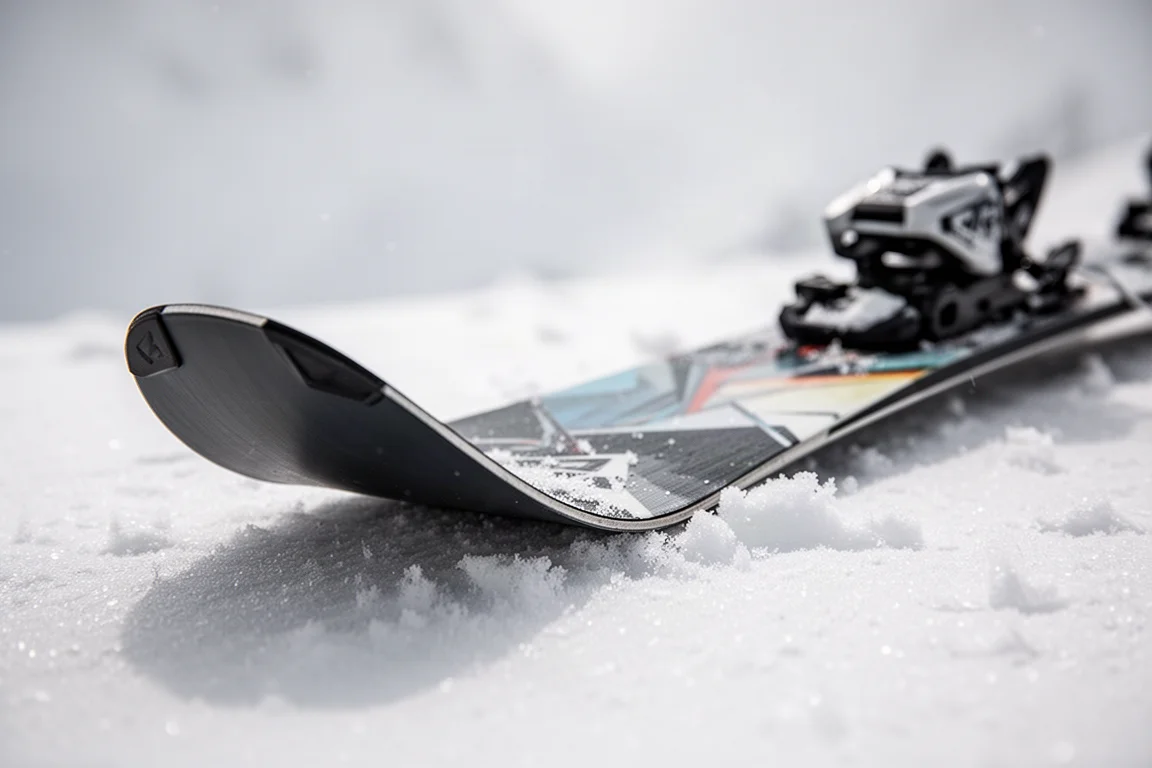
It is playful, agile, and easy to ski. The carbon construction adds vibration damping, and the durability has been improved over previous generations. It is not a powerful charger, but it is one of the most fun freestyle-oriented skis in this width.
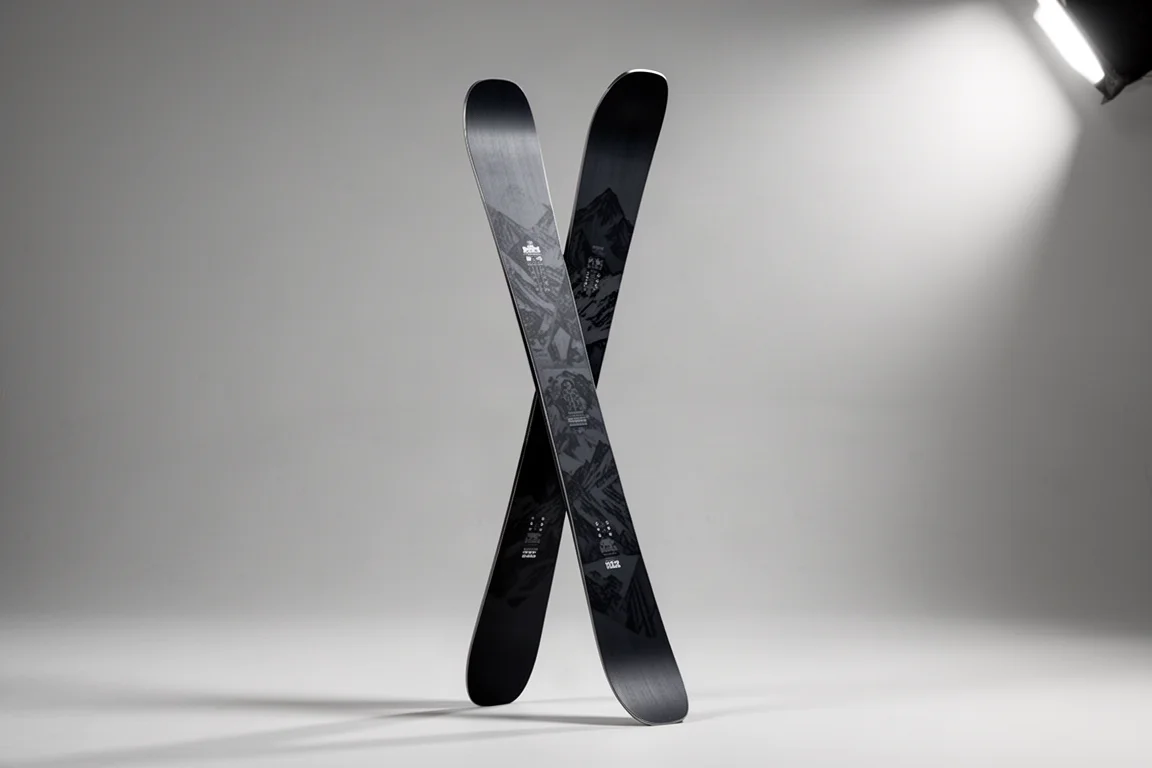
Dynastar M-Free 108
The M-Free 108 uses Dynastar’s hybrid core 2.0 with a polyurethane layer along the edge. At 178cm, it weighs around 2300g. It has a stiff shovel, a good amount of camber, and a surfy but supportive feel. The new sizing includes 178cm and 185cm.
It is a very well-rounded ski that can be pushed harder than its shape suggests. The PU layer makes it smooth and quiet on firm snow. It blends maneuverability with stability, making it a strong daily driver for directional skiers.
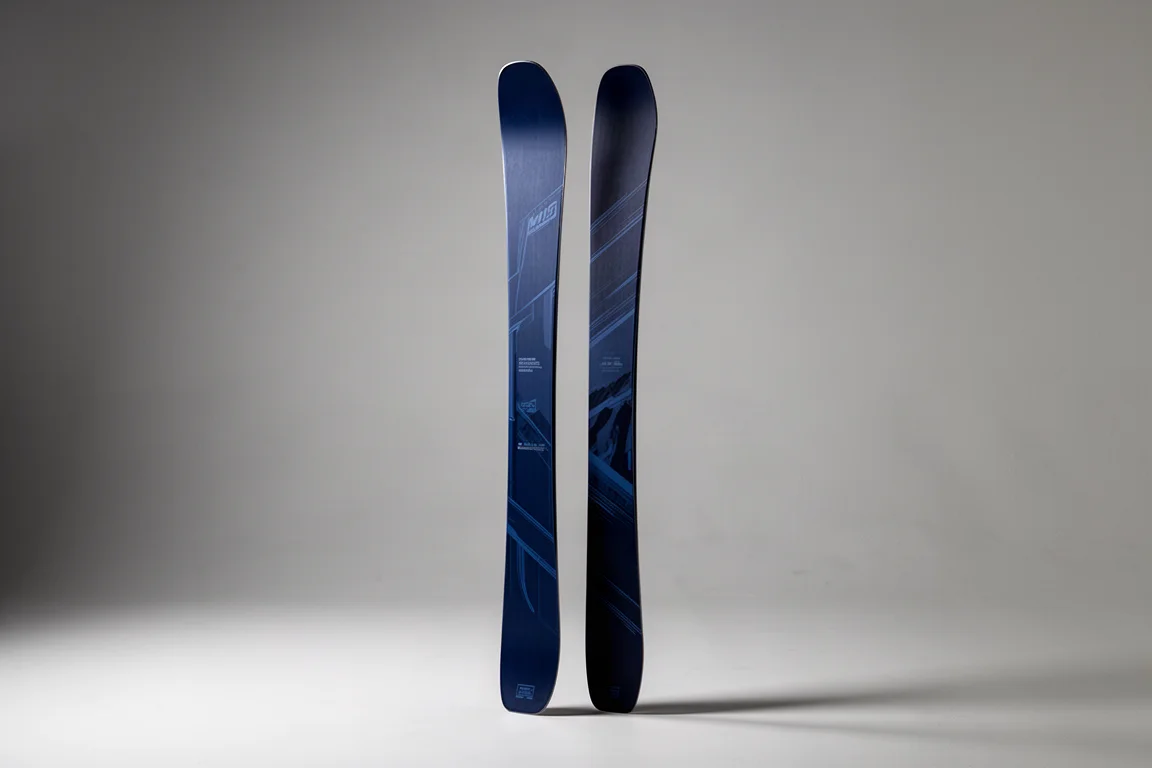
Salomon QST Blank
The QST Blank uses a poplar wood core with CFX superfiber, cork amplifiers in the tips and tails, and a double sidewall underfoot. At 194cm, it weighs around 2350g. It has a long tail rocker and an 18m turn radius, which is short for this category.
It is a standout powder ski that remains slashy and drifty in deep snow. It also performs surprisingly well on firmer snow for its width. The short turn radius does not make it twitchy in powder; it allows a range of turn shapes.
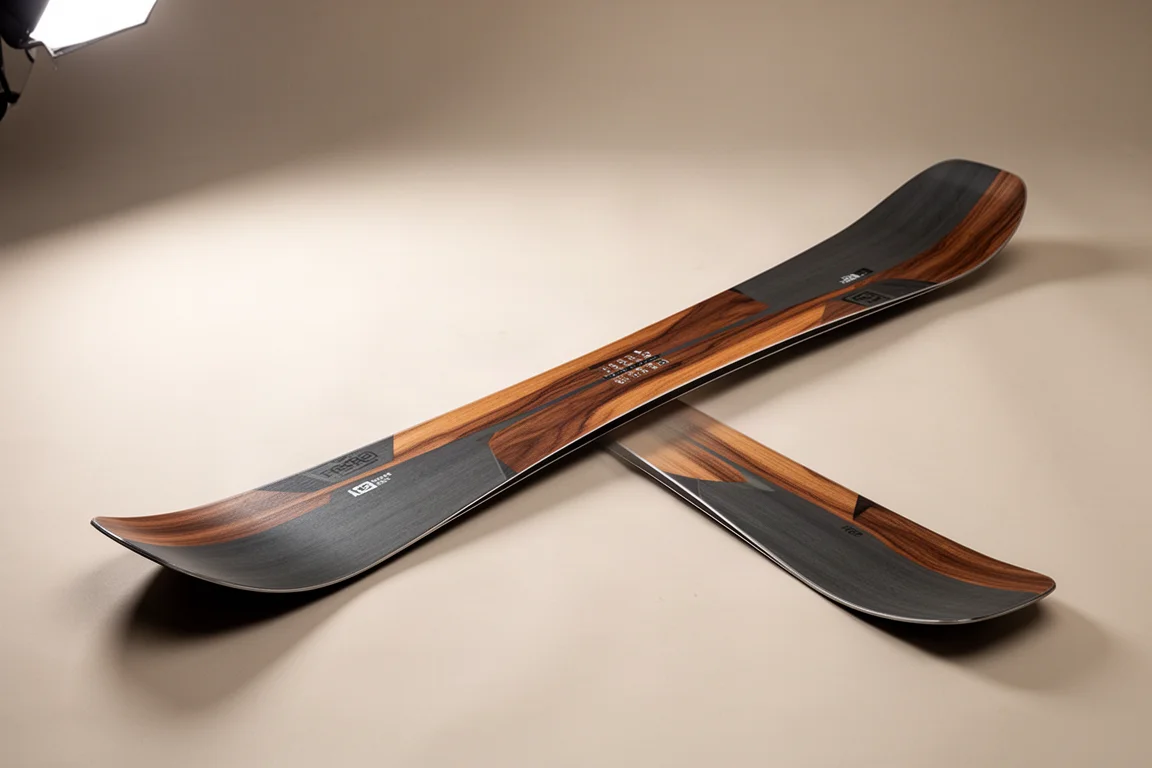
Völkl Mantra 108
The Mantra 108 has a multi-layer wood core with a titanal frame and a metal layer underfoot. It weighs around 2375g and is very stiff with a thick core. The 3D radius sidecut measures 39m in the shovel, 19m underfoot, and 34m in the tail, though it feels like a much longer radius on snow.
It is a high-speed, big-mountain charger that requires a strong, skilled skier. It is not playful or agile in tight terrain, but it is extremely stable and precise at speed. It works best in open, steep, and variable terrain where its damp, powerful build can shine.
Buying Advice
Choose a ski based on the snow you actually ski and the style you enjoy. If you want a playful, light ski for soft snow and freestyle, the Elan Playmaker 111, Atomic Bent 110, and K2 Reckoner 110 are strong options. If you prefer a more directional, stable ride that can still surf, the Elan Ripstick 108 and Dynastar M-Free 108 are well-rounded. For deep powder days, the Salomon QST Blank is a dedicated powder ski that remains fun. If you want a powerful charger for high-speed big-mountain terrain, the Völkl Mantra 108 is built for that purpose. The Armada ARV 112 sits between playful and stable, making it a good choice for bigger skiers who want a freestyle twin with backbone.
Conclusion
This category offers a wide range of personalities. The right choice depends on your terrain, snow conditions, and how you like to ski. Lighter, softer twins are easier to flick and more fun in soft snow, while heavier, stiffer directional skis provide stability and power at speed. Match the ski to your priorities, and you will get more enjoyment out of every day on the mountain.
Further reading
Related Reviews
Ski Gear
2023 Blizzard Hustle vs Rustler: Six Freeride Skis Compared
Blizzard's 2023 Hustle collection rebuilds the Rustler shape with a lighter core and no metal. Here is how all six skis differ, and which one suits your riding.
Ski Gear
2023 Skis of the Year: Atomic Maverick 88 TI, Salomon QST 106, and Look SPX 12 Pro
Three standout ski picks for all-mountain carving, powder days, and reliable binding performance, with practical buying notes for 2023 models.
Ski Gear
2025 Nordica Enforcer 104 Review: A Directional Charger Replaces the 104 Free
The 2025 Nordica Enforcer 104 drops the Free name and the twin-tip personality, gaining weight, stiffness and composure in rough snow. Here is what changed and who it suits.