Tools
Best Framing Hammers Compared: Four Tools for Different Trades
From a decades-old steel classic to a titanium form-setting workhorse and a multi-function layout hammer, here is how four hammers stack up for framing, finish work, and concrete form carpentry.
Introduction
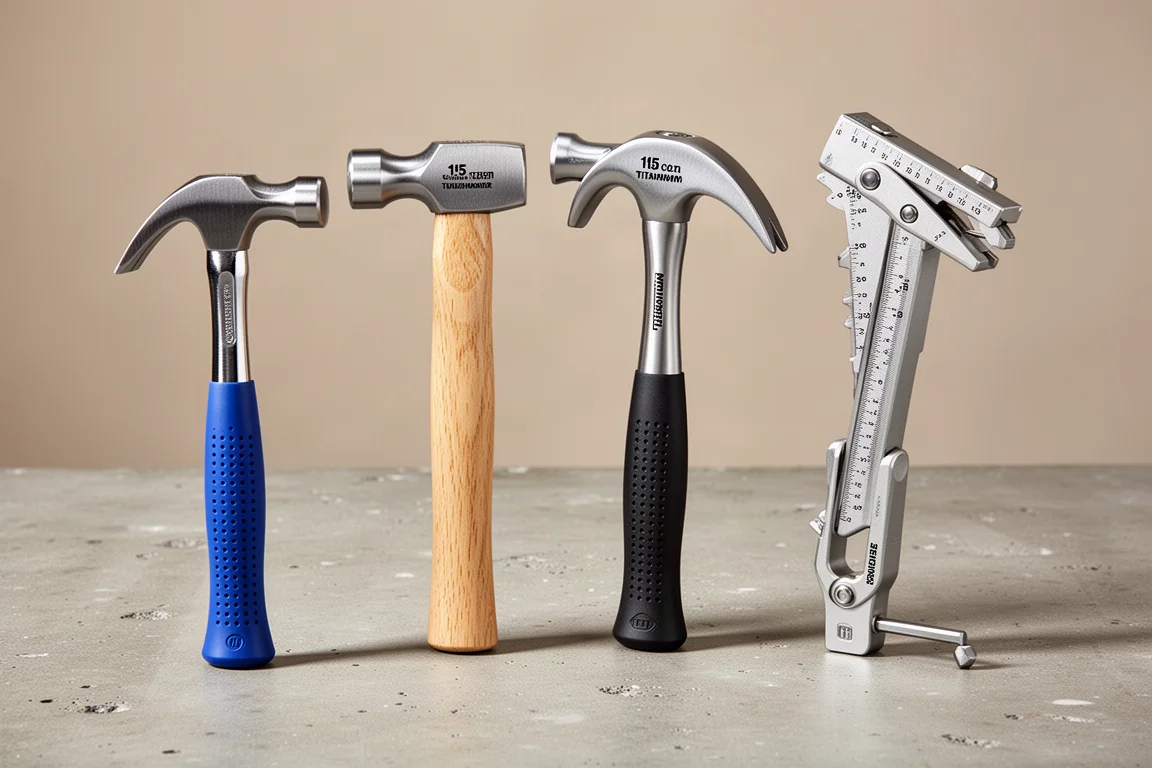
There are a lot of hammers on the market, and a lot to think about before you commit your money to the tool that will build a big portion of what you use to build your career: handle type, head material, weight, features, and price, which can range from around $20 to as much as $400. This guide breaks down four hammers with real miles on them, looking at handle characteristics, head design, and the features each one brings to the party, plus wear and tear on your body and maintenance on the tool.
The Trusted Classic: Estwing Hammer
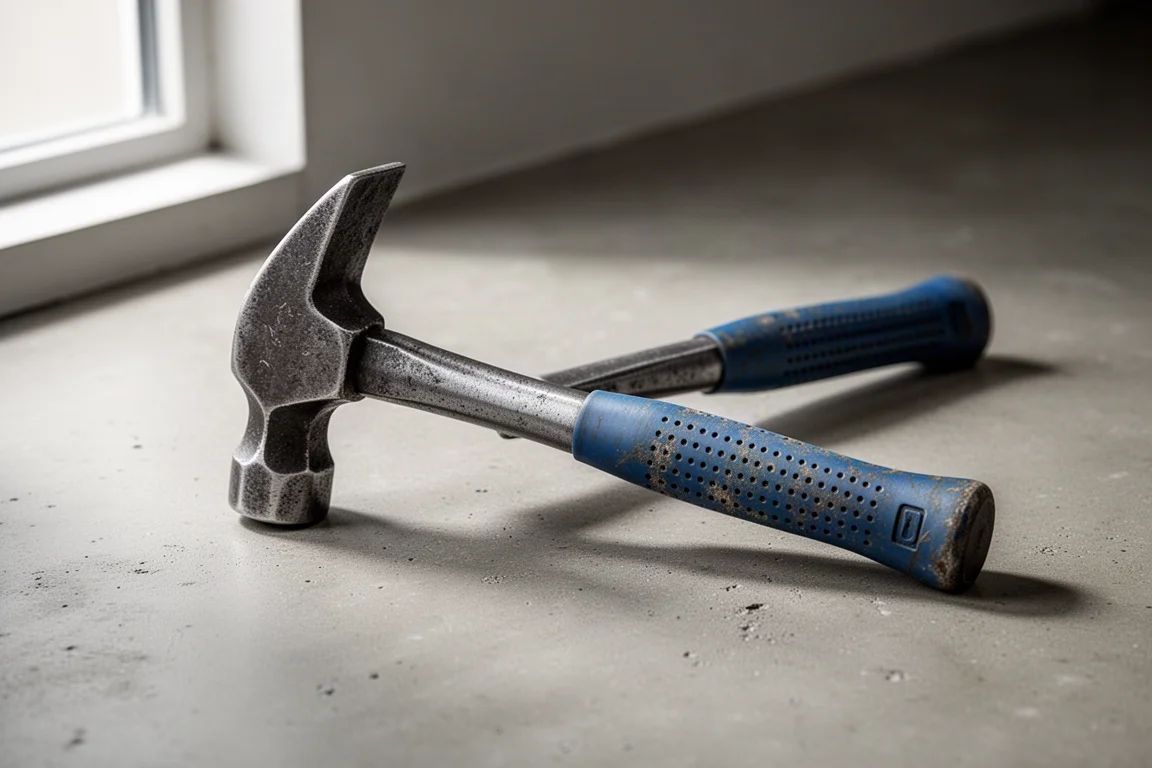
An Estwing is a value proposition. These are not boutique hammers and they are not priced like boutique hammers, but over time that blue handle takes on a boutique look of its own. There is something to the longevity here: your granddad had one like this, and your dad had one like this. They will drive nails just like anybody else, and a well-kept one can last twenty years or more of regular work.
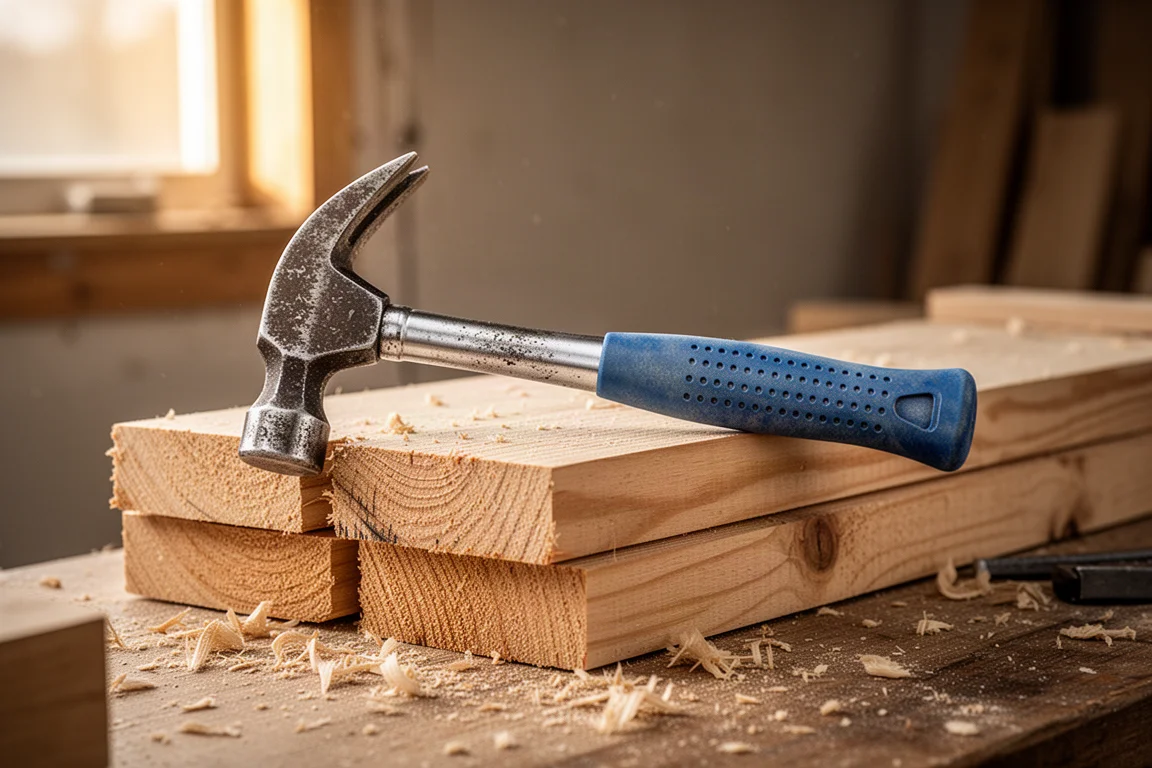
One caveat worth knowing about: there are whispers that one-piece steel hammers can be harder on your elbows. That is not something you can confirm from a single user experience, but it is a fair trade-off to weigh against the price and durability. An old smooth-faced steel finish hammer with a short wood handle, like ones handed down through generations, can still drive a sinker and tap finish nails without leaving many tracks, and you can find those antiques for almost nothing.
The Light Speed Option: Stiletto 14 oz Titanium Hammer
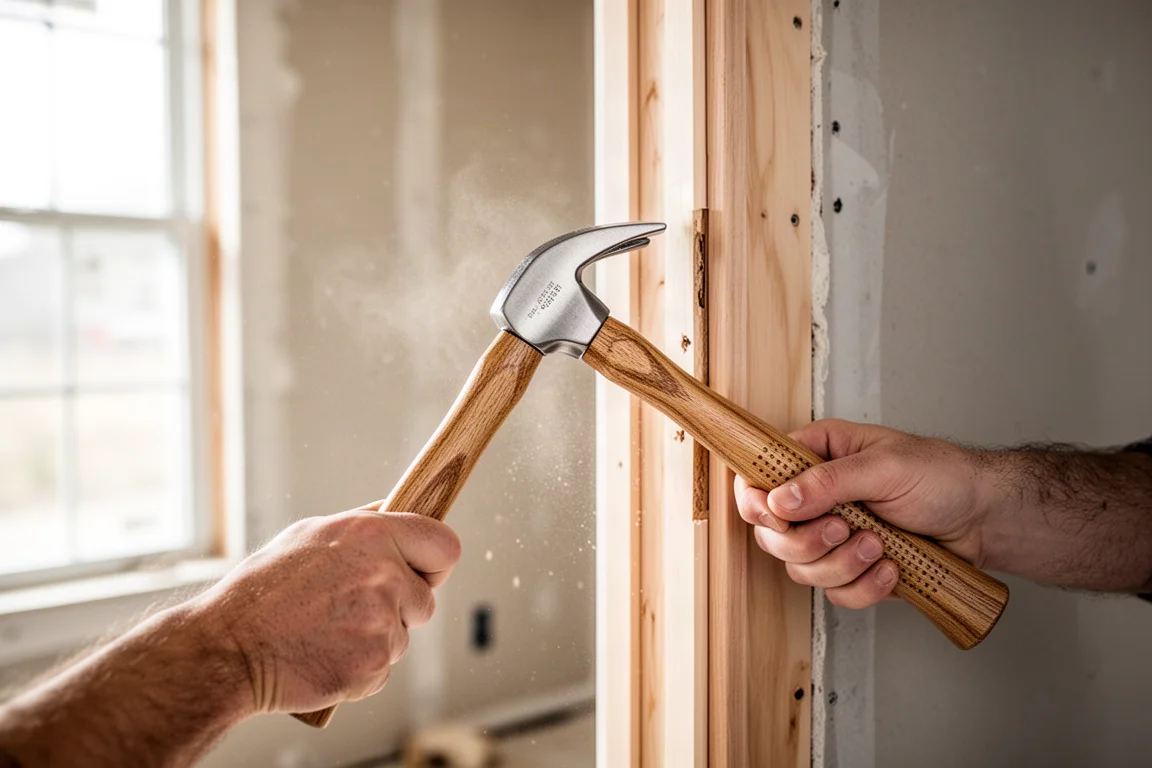
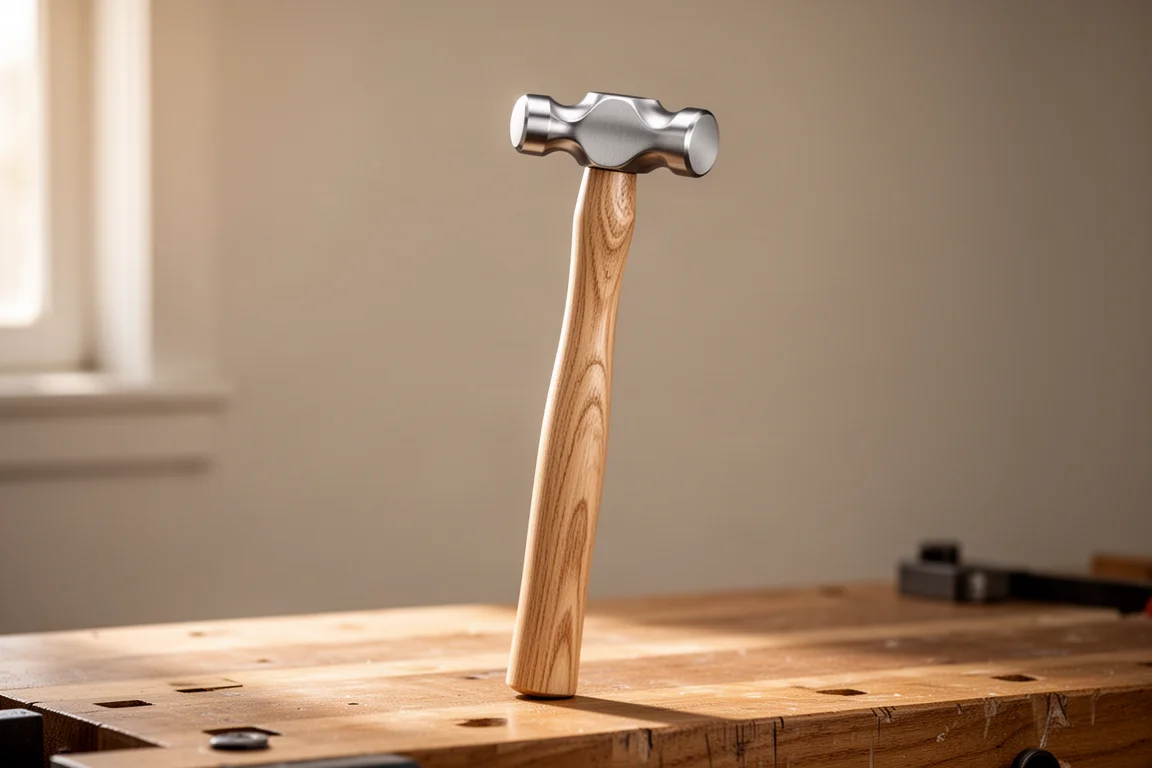
The Stiletto 14 oz titanium hammer is a different animal. Its lighter weight is compensated for with more swing speed, and the belief that a lighter head with a wood handle is easier on the joints is one your wrist will confirm quickly once you switch over. Show up with a light 10 oz version on a framing job and you will probably be sent down the road, but walk into a finish job hanging doors and running case and base, and you are right at home.
One lesson worth passing on from long-term use: handle replacement is only a thing if you are using the hammer for a job it was not intended for. One factory Stiletto handle lasted roughly fifteen years, gradually wearing away from hanging in a hammer loop during remodels and additions. When the work shifted to form setting, that is where a heavier hammer like an Estwing came back into play. The 14 oz version carries far more energy than the lightest hammers, plenty for real work.
The Heavy-Duty Choice: Stiletto T-Bone 15 oz Titanium Hammer
The T-Bone is the first cousin of the Stiletto above, same company, but built for a harder living. This 15 oz hammer is 100% titanium with a rubber handle, and it has been field tested by a concrete finisher who sets forms as well. The transition from a wood-handled hammer to this one happened after tearing out wood handles stripping forms, and finally tearing a head right off in a single blow while rushing curb form work at crunch time. The first T-Bone was even stolen, and he replaced it immediately. That is as strong a recommendation as you can get.
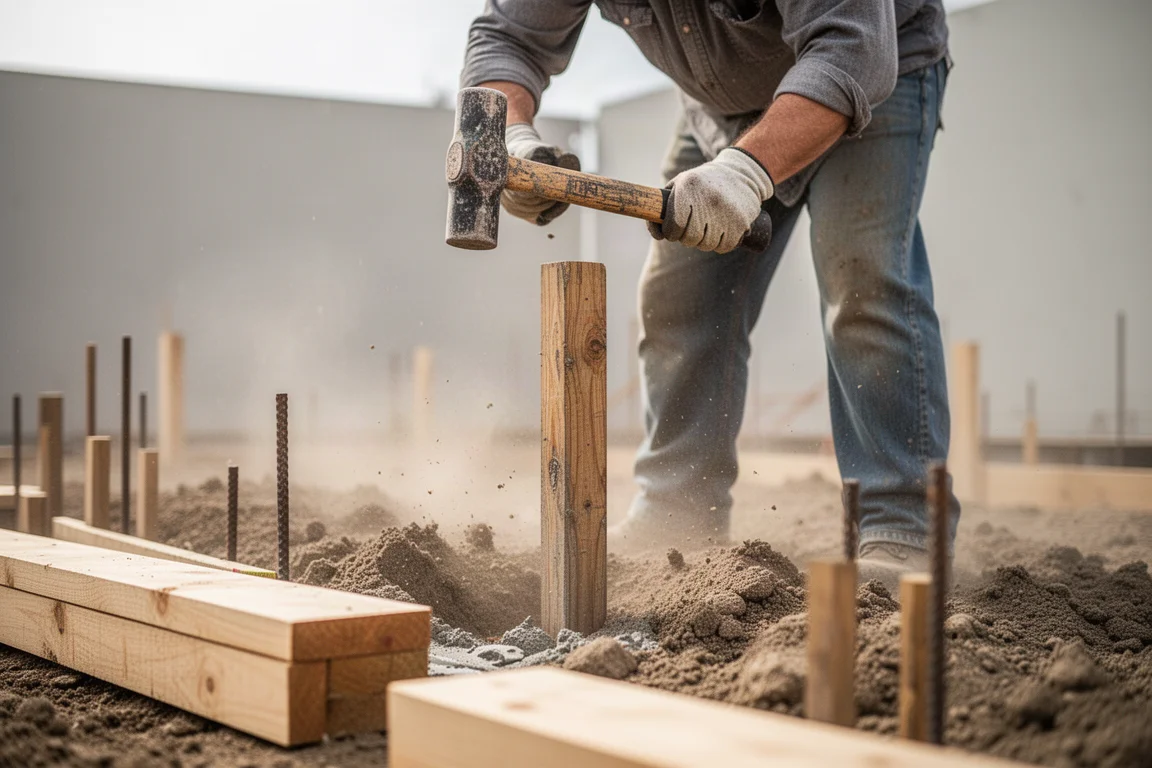
If your work involves knocking a lot of stakes out of the ground, some blasting and shredding, and a little framing, this is the class of tool to look at. For form setters especially, it is worth considering alongside dedicated stake-driving tools.
The Do-It-All Tool: Boss Hammer
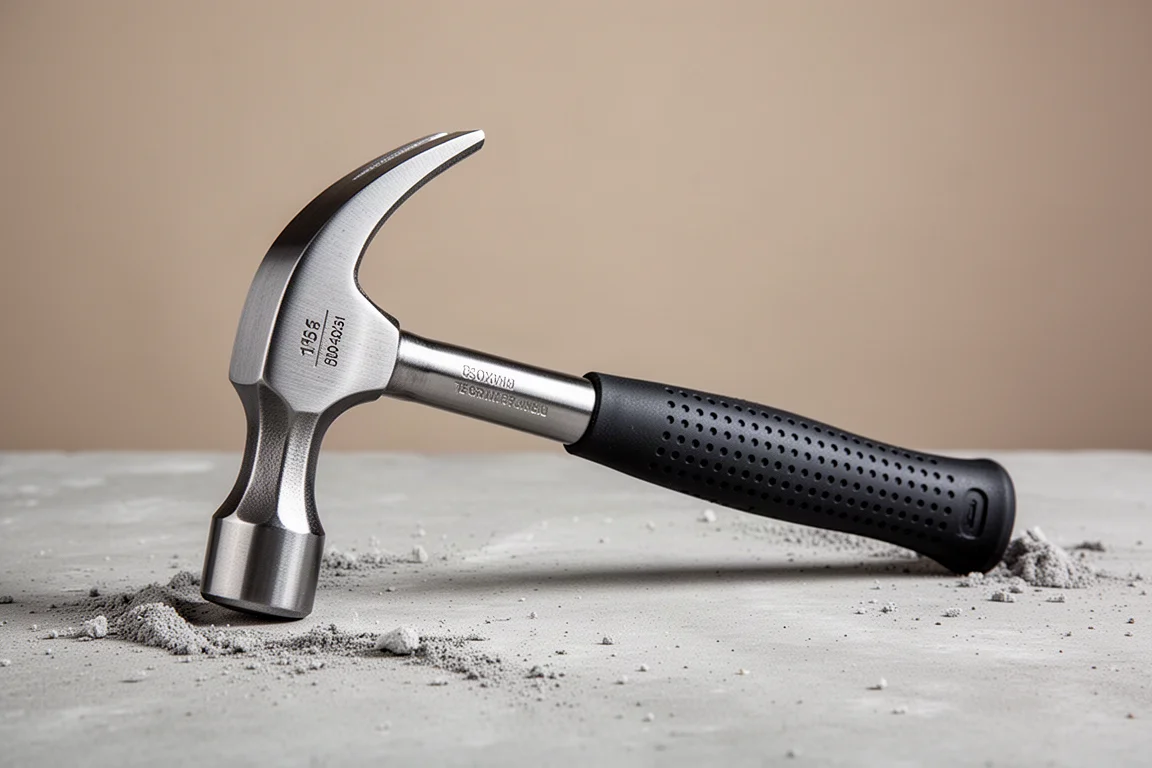
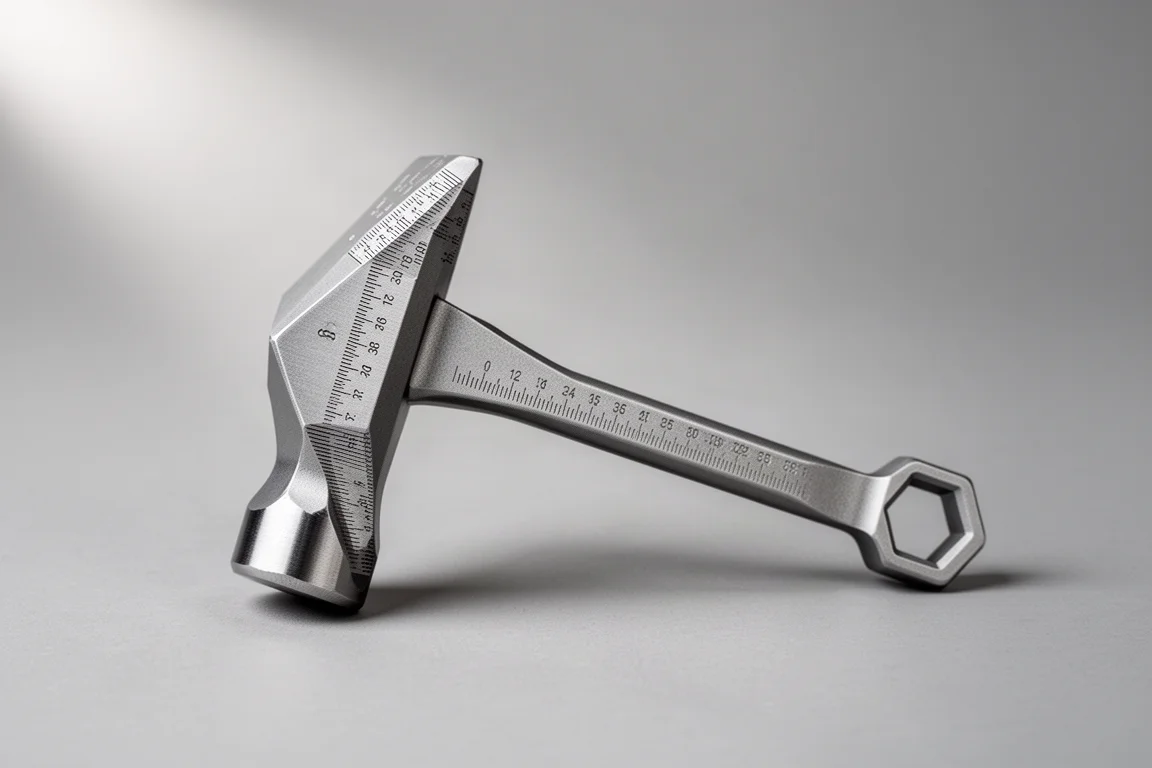
Here is something that does not look like any other hammer on the job site, because it is way more than just a hammer. It drives a nail with a comfortable feel, and it pulls a nail cleanly on the first try. The head carries a magnetic nail holder that will easily receive a duplex nail, which is a genuine advantage for form carpenters, and there is not much vibration on the strike.
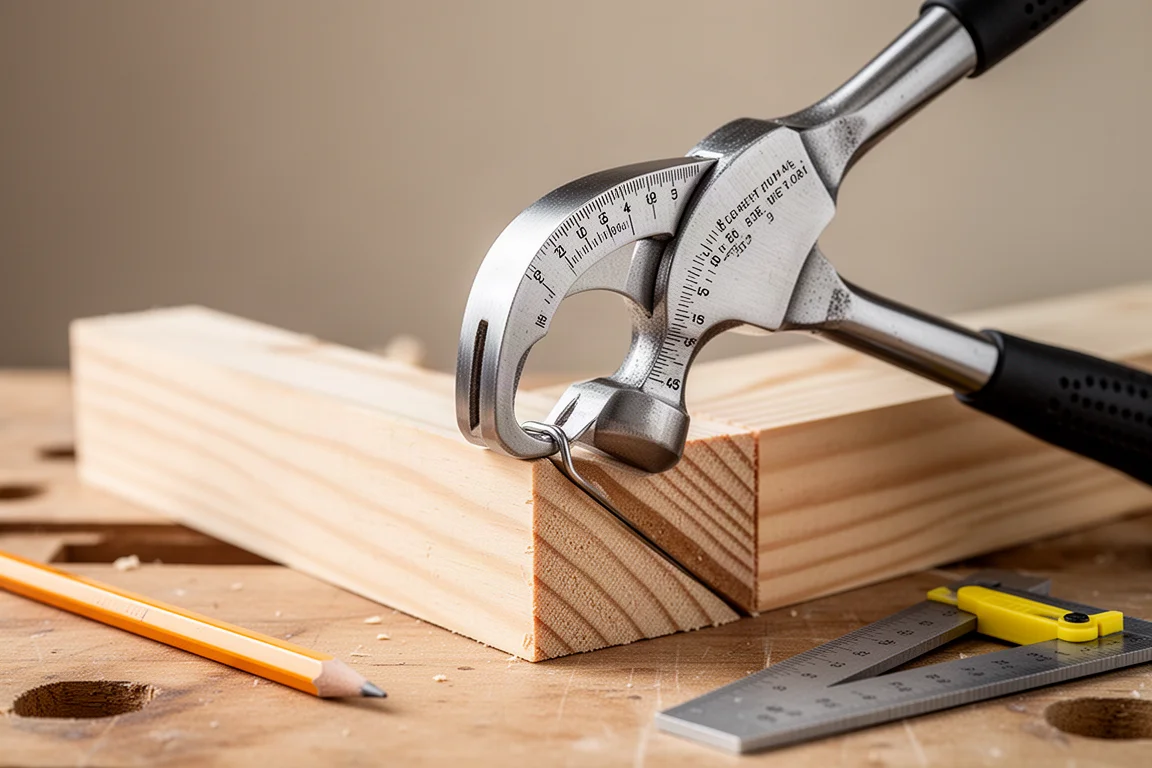
The layout features are where this earns its odd shape. Measurement markings across the head cover roughly 16 inches, 1.5 inches, 3 inches, and around 3.75 inches, so a working carpenter can start using the hammer itself instead of constantly pulling out a speed square. Hook the end of the face against your work and you have an instant 45-degree reference. And in a genuinely clever touch, there is a saw wrench built right into the end of the handle, handy when a carbide saw blade finally needs changing.
It also comes with plastic head caps for holding those tiny plastic-headed brad fasteners roofers use to tack down tar paper and synthetic underlayment, which is otherwise a nightmare to hold with your hand. For roofers alone, that could justify the purchase. For woodwork, you can tap frames together with it and not leave a hammer mark. All of this without a steep price tag.
Buying Advice
If you are starting out, a classic steel hammer like an Estwing is hard to beat. It is hard to do better and you can do a lot worse. If you are a roofer or a layout person and you want the time savers, a short fulcrum, and a magnetic nail set that will handle a duplex as well as a sinker, the Boss Hammer makes a lot of sense and does not cost too much. For all-around remodel, renovation, and framing work, the Stiletto 14 oz titanium is a joy to use. For heavier demolition and stake work, the T-Bone 15 oz has the field record to back it up. And if the hammer you really want is out of budget, put it on your Christmas or Father’s Day list. In the meantime, you have your nail gun, your hammer, and work to do.
Conclusion
The right hammer is the one matched to the job you actually do. Steel for value and longevity, light titanium for finish work and joint-friendly speed, heavy titanium for brutal form-setting days, and a multi-function design if you want your layout tool and nail puller riding in the same hand. Pick the one that fits, drop it in your bags, get out there, and get some work done.
Further reading
Related Reviews

Tools
Best Contractor Grade Tape Measures 2026: Eight Models Tested Head to Head
We tested eight contractor grade tape measures from Milwaukee, DeWalt, Crescent Lufkin, Tajima, Stanley, Irwin, Gelan, and Craftsman to find the best value and performance.

Tools
Best Precision Screwdriver Sets 2026: Manual and Electric Options Compared
We compare 19 precision screwdriver sets, from budget manual kits to electric drivers, to find the strongest bits and best value.

Tools
Best Stud Finders 2026: Five Popular Models Put to the Test
We tested five popular stud finders on drywall, firewall, and lath and plaster surfaces to see which ones really find studs and avoid false readings.