Fountain Pens
Best Fountain Pens for the Office: Sailor 1911L, Pilot Custom 823, and Kaweco Lilliput
Three fountain pens that suit professional life: a quiet luxury workhorse, a high-capacity piston filler, and a pocket-sized backup.
Introduction
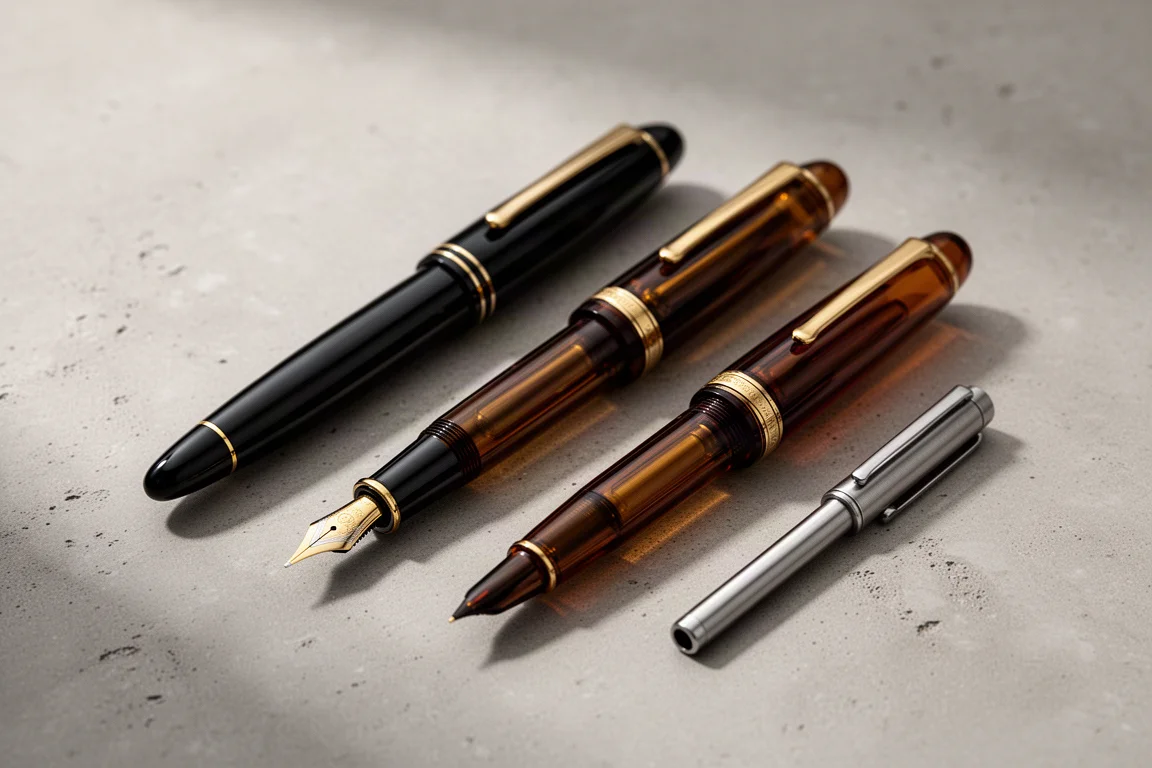
Fountain pens carry a certain reputation in professional settings. They read as a romantic relic from a gentler age, and in the office they reliably become a conversation starter with colleagues and clients alike. But beyond the gravitas, an office pen has a job to do: quick signatures, fast notes, cheap copy paper, and long days where the pen simply needs to work without fuss. Three pens cover the bases well: the Sailor 1911L as the everyday business workhorse, the Pilot Custom 823 as a high-capacity alternative, and the Kaweco Lilliput as a pocket-sized backup that should never be your only pen.
What Makes a Great Office Fountain Pen
The perfect business pen starts with how you use it. If your day is mostly quick signing and passing documents along, a very wet stub or broad nib is a problem: too much ink dries too slowly and smudges on the page. A fine, extra fine, or medium nib makes far more sense.
Cheap paper is the second constraint. Office documents are often printed on basic copy paper, which is exactly where the Japanese fines shine. Brands like Pilot, Namiki, and Sailor deliver a truly fine line that holds up better on inexpensive paper, dries faster, and resists feathering.
The third consideration is demeanor. A quiet luxury pen should assimilate into a meeting, not dominate it. No glistening palladium reflecting every light in the room, no vivid coloration, no diamonds or gold encrustation. Subtle, rich, unassuming, and still inspiring enough to remind you that you are writing with a fine instrument. That rules out anything with a heavy logo presence; the pen should never carry more weight than your words.
The Backup: Kaweco Lilliput
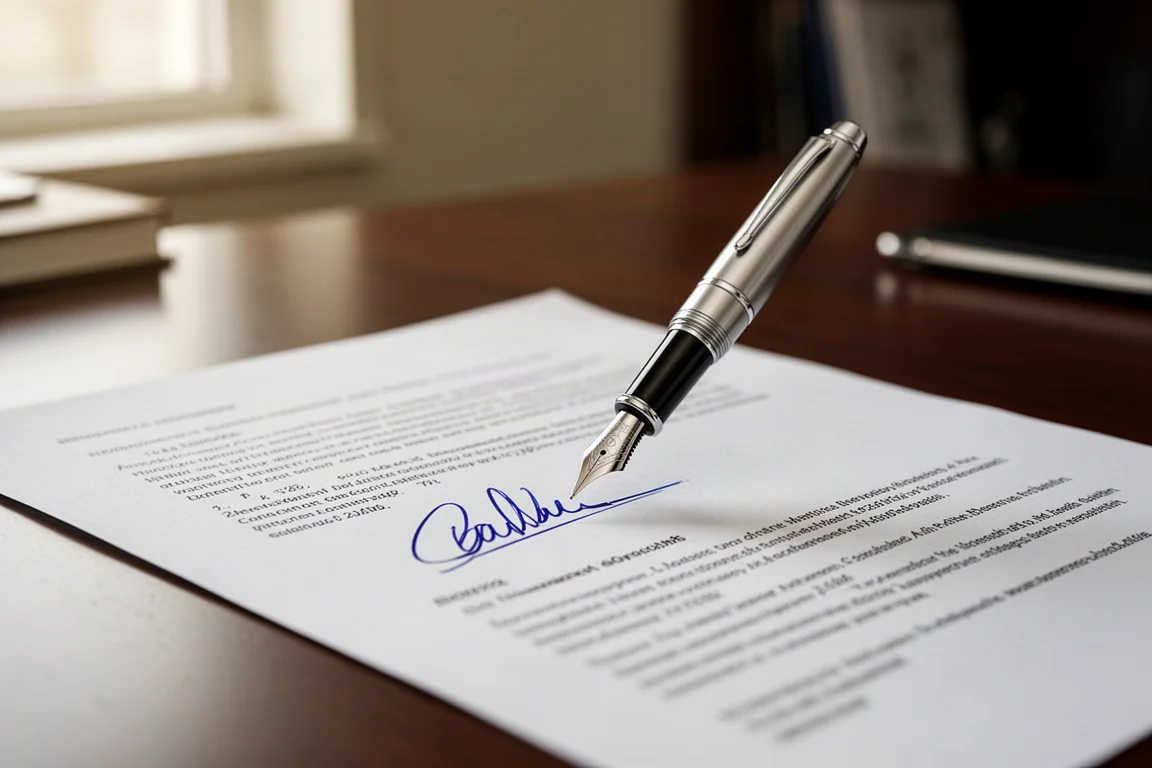
The Kaweco Lilliput earns a permanent place in a pocket as a backup piece. It is a genuinely fine pen and pleasant to write with, but it demands a lot of assembly: there is a whole lot of screwing and unscrewing to get it to a comfortable size. That constant putting together and taking apart slows you down precisely when you need speed, like signing a name or jotting a quick note.
As an emergency-only pen it works. As your sole daily writer, it does not, which is exactly what one forgotten pen day made clear. Keep it as the safety net, not the main event.
The Pick: Sailor 1911L
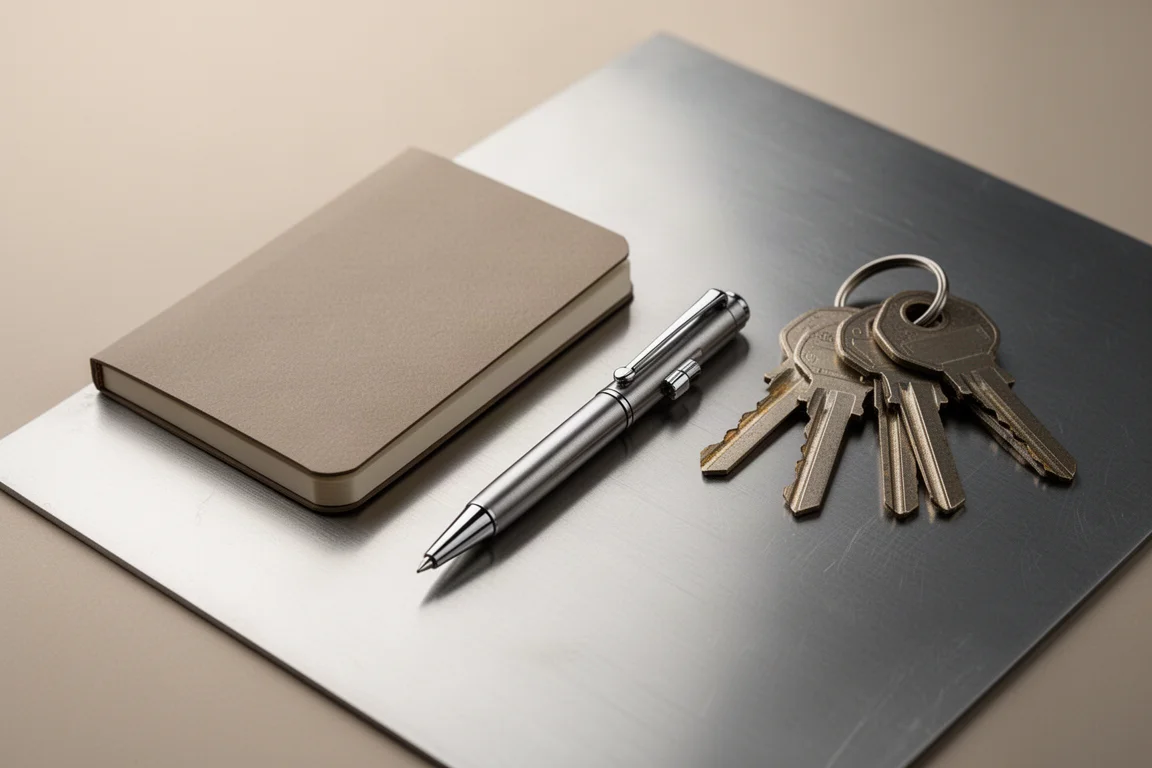
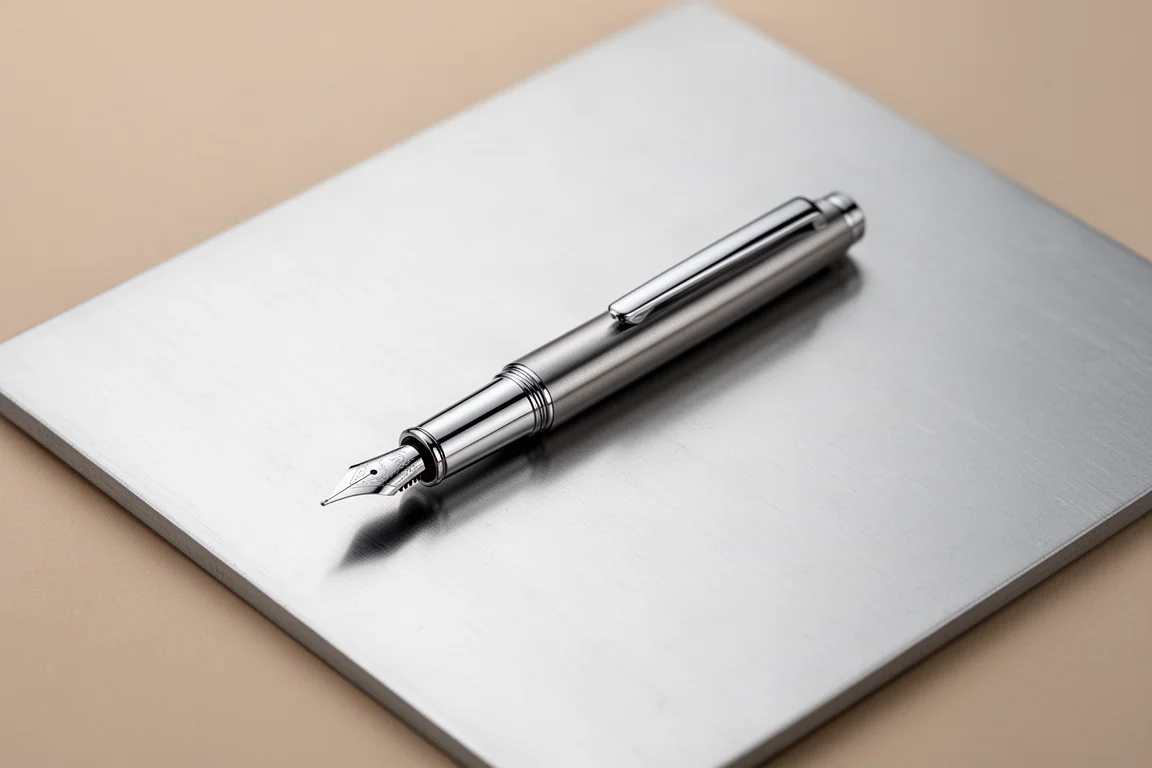
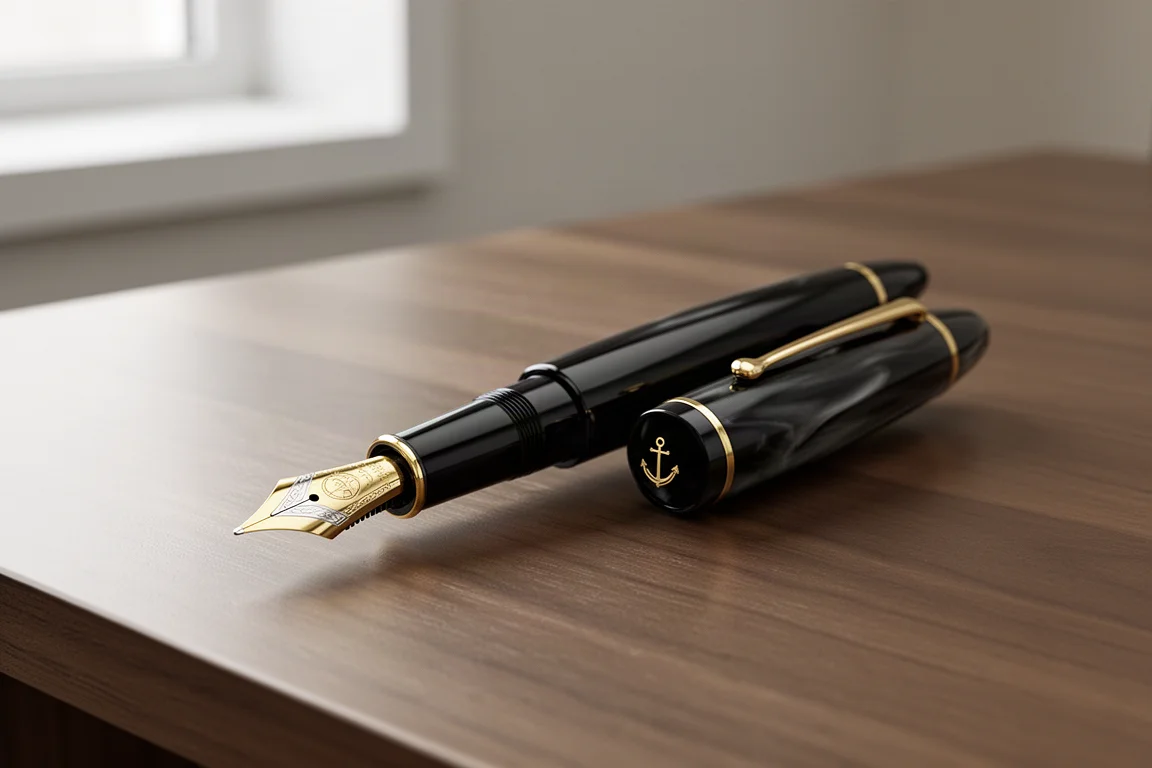
The Sailor 1911L is the pen that solves the office problem outright. It shares the basic weight and measurements of a Montblanc 146, a size many consider near perfect in balance, proportion, and writing comfort, and its elongated shape suits any office environment. With restrained resin and beautiful gold trim, it looks neither too flashy nor too cheap: simply the right business look, without the logo flash.
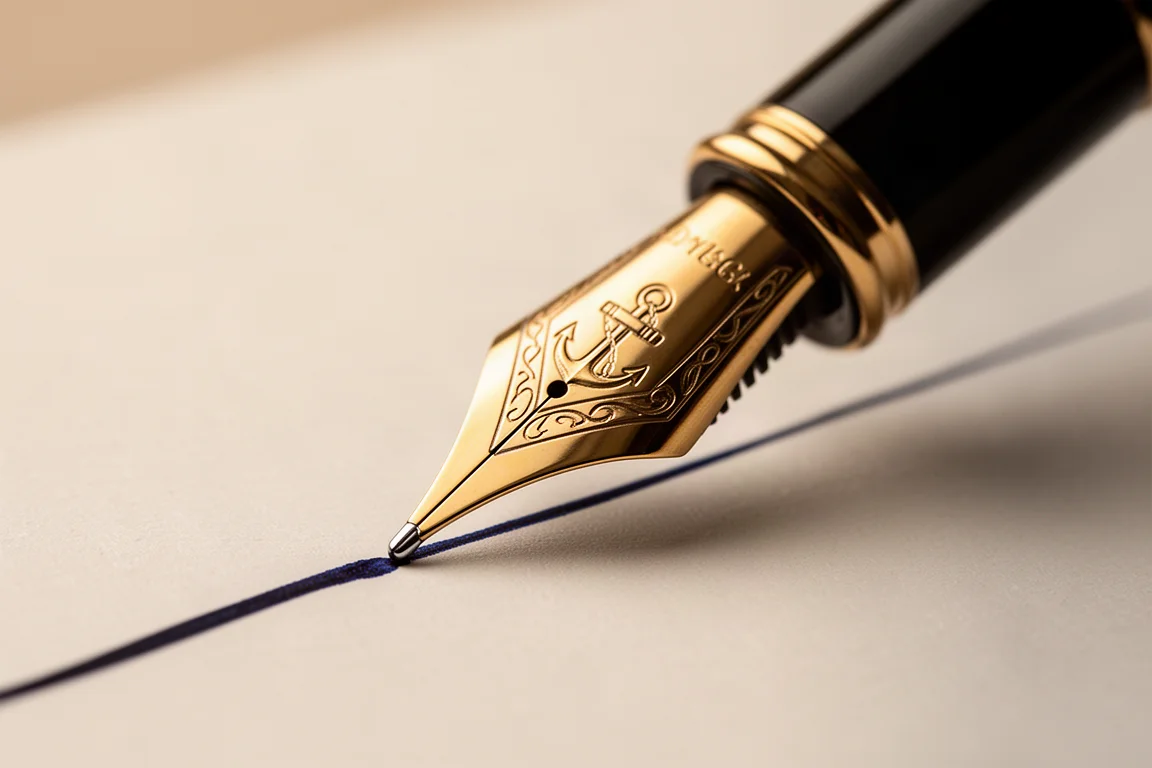
The nib is the headline. On pure aesthetics it is one of the most beautiful fountain pen nibs around, with a central anchor design surrounded by decorative detail in 21 karat gold, a rarity in the fountain pen world. In use, it strikes a remarkable balance of smoothness and feedback: a bit of softness, incredible smoothness, a lovely scribing sound, and a nib that still transmits the texture of the paper into your hand.
Ink flow is consistently beautiful and somewhat restrained, with no skips and no hesitation. Specs are equally sensible: 141 mm long, a grip of about 10.5 mm, and around 22 grams, light but nicely balanced. It is a cartridge converter pen rather than a piston filler, which some may see as a compromise, though a faulty converter can simply be swapped out. Note that Sailor converters and cartridges are proprietary, but cartridges can be refilled with a syringe in a pinch. The screw cap adds a bit of twisting, yet it comes off quickly and posting is comfortable if you prefer it. Common nib options include extra fine, fine, medium, and broad, with hard medium, medium fine, zoom, and music nibs also available.
One honest note on price: it has been found for as little as $126, but expect closer to 200 and change or above these days. It is worth every penny.
The Alternative: Pilot Custom 823
The Pilot Custom 823 came very close to being the pick, and it is a brilliant pen for almost any situation. Its vac fill system holds a huge amount of ink and is genuinely fun to use, and its writing feel shares that same balanced character of softness, smoothness, and feedback.
The reason it was not chosen for desk duty is practical rather than performance related: it is too loved. With only one in the collection, leaving it at the office means knowing that one weekend you will want to write with it and it will not be there. If you own more than one, or you are happy to let it live at work, it remains a completely valid choice for the same role.
Buying Advice
Match the pen to the reality of your workday. If you sign frequently on copy paper, prioritize a fine Japanese nib and restrained ink flow. If you take long-form notes in a ledger, comfort and balance matter more than flash. And always keep a backup, because the day you forget your pen is the day a pocket-sized spare saves you. Above all, choose quiet over flashy: the best office pen is the one that is there when you need it, performs without issue, and never draws the wrong kind of attention.
Conclusion
The Sailor 1911L earns desk residency for its near perfect proportions, gorgeous 21k nib, and unassuming business look. The Pilot Custom 823 remains a superb alternative if its huge ink capacity appeals and you can bear to leave it behind on weekends. And the Kaweco Lilliput fills the backup role, provided you accept its fussy assembly. Any of the three can anchor a working day, but the Sailor is the one that quietly does everything asked of it.
Further reading
Related Reviews
Fountain Pens
Best Budget Fountain Pens Tested: 9 Pens, One Clear Winner
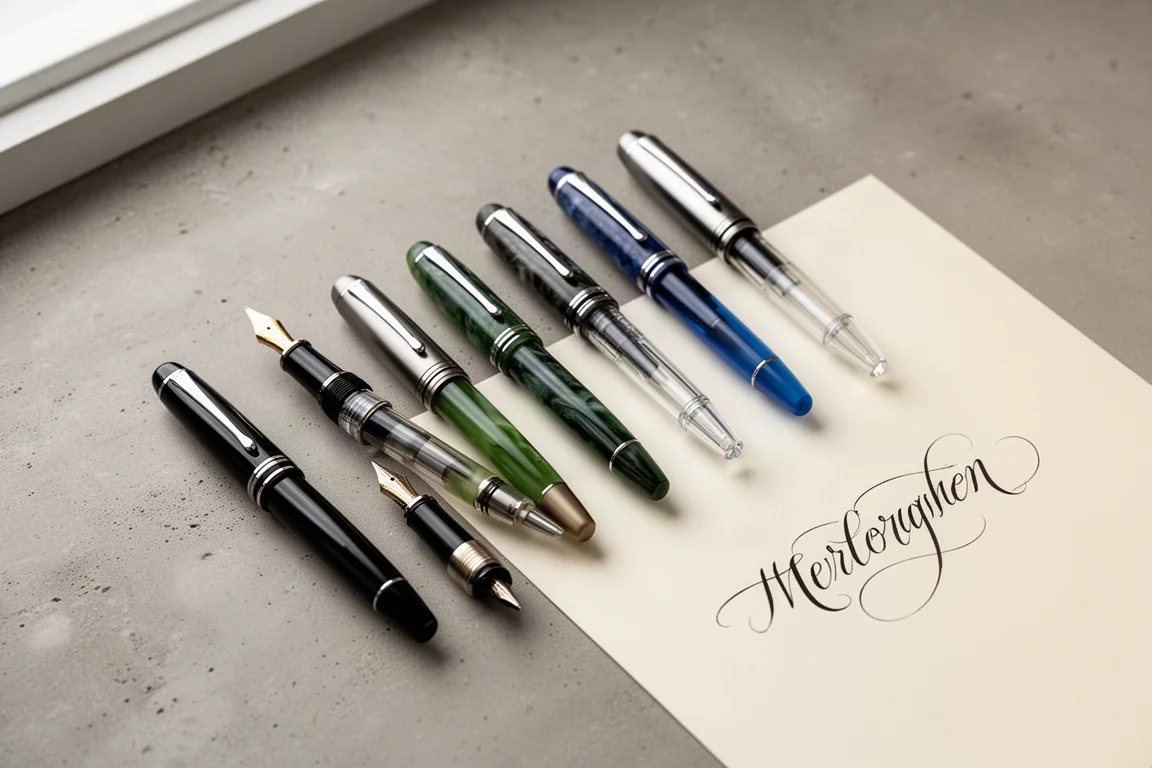
A hands-on comparison of nine affordable fountain pens for everyday writing, calligraphy, and sketching, with a clear standout for flexible nib fans.
Fountain Pens
Aurora Optima Review: An Italian Piston Filler That Punches Above Its Price
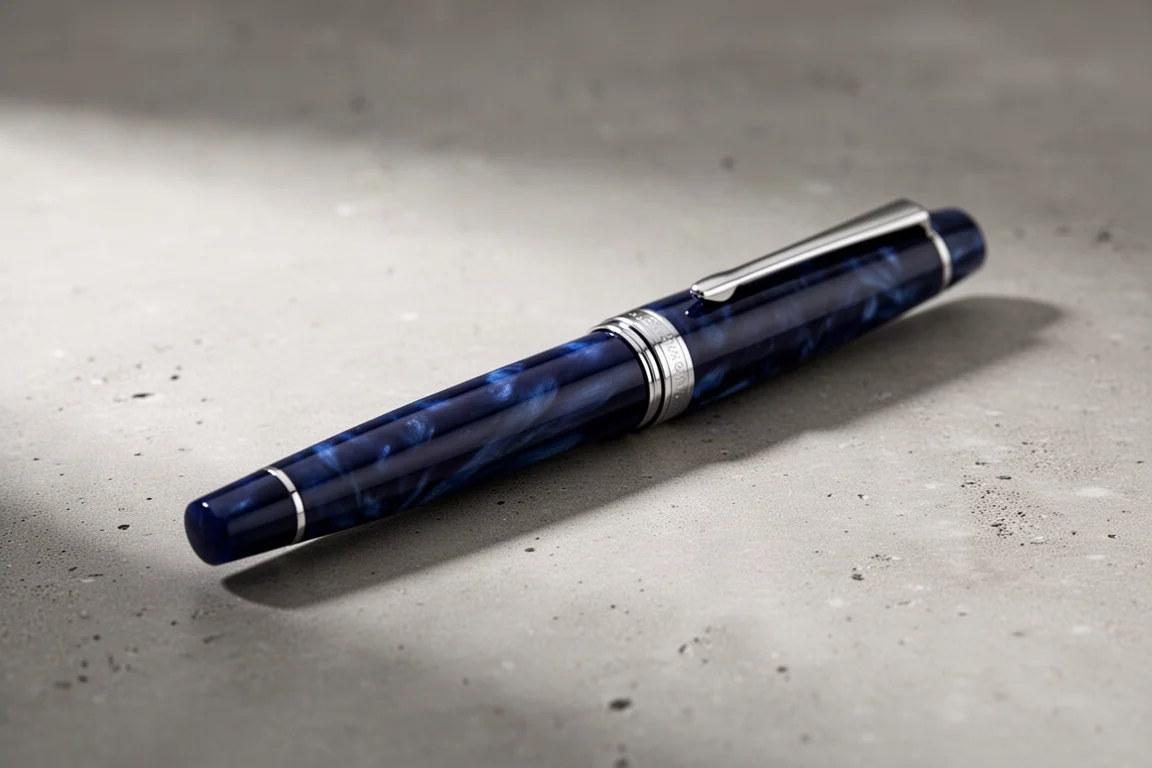
A 14k gold nib, ebonite feed, and a beautifully deep oraloid body make the Aurora Optima one of the most rewarding piston fillers around.
Fountain Pens
Cross Bailey Light Review: The Entry-Level Fountain Pen Worth Keeping at the Office
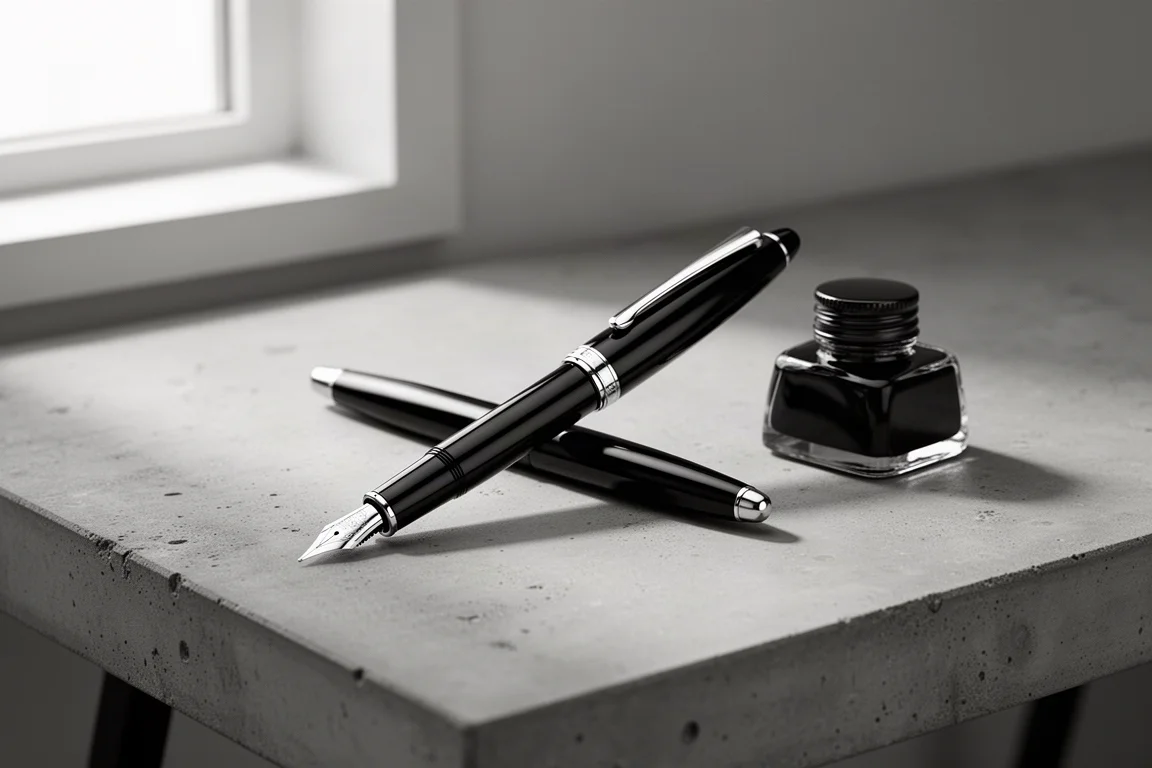
A plastic-bodied Cross with a metal clip, snap cap, and famously smooth extra fine steel nib. Around $15, available almost everywhere, and easy to recommend.