Ski Gear
Best Forgiving and Intermediate All-Mountain Skis: Reader Questions Answered
Practical ski recommendations for returning skiers, intermediates, and anyone torn between two all-mountain models, including the Black Crows Octo Birdie, Blizzard Rustler 10, Black Crows Justis, and Elan Ripstick 96.
Introduction
Choosing the right ski becomes much easier when you narrow it down to what you actually need: how forgiving it should be, where you will spend most of your time, and how confident you feel at speed. This guide works through several common scenarios, from a skier returning after an ACL tear to an early intermediate ready for a proper first real ski, with specific model recommendations and the trade-offs behind each one.
Choosing Goggles for Young Racers
For kids in a race program or skiing with light racing on the side, the best goggle depends heavily on head size, helmet compatibility, and whether the child wears glasses. Junior helmet and goggle combinations from the same brand are usually well matched and tend to leave fewer goggle gaps. If a child wears prescription glasses, note that inserts are mostly found in adult goggles rather than kids models.
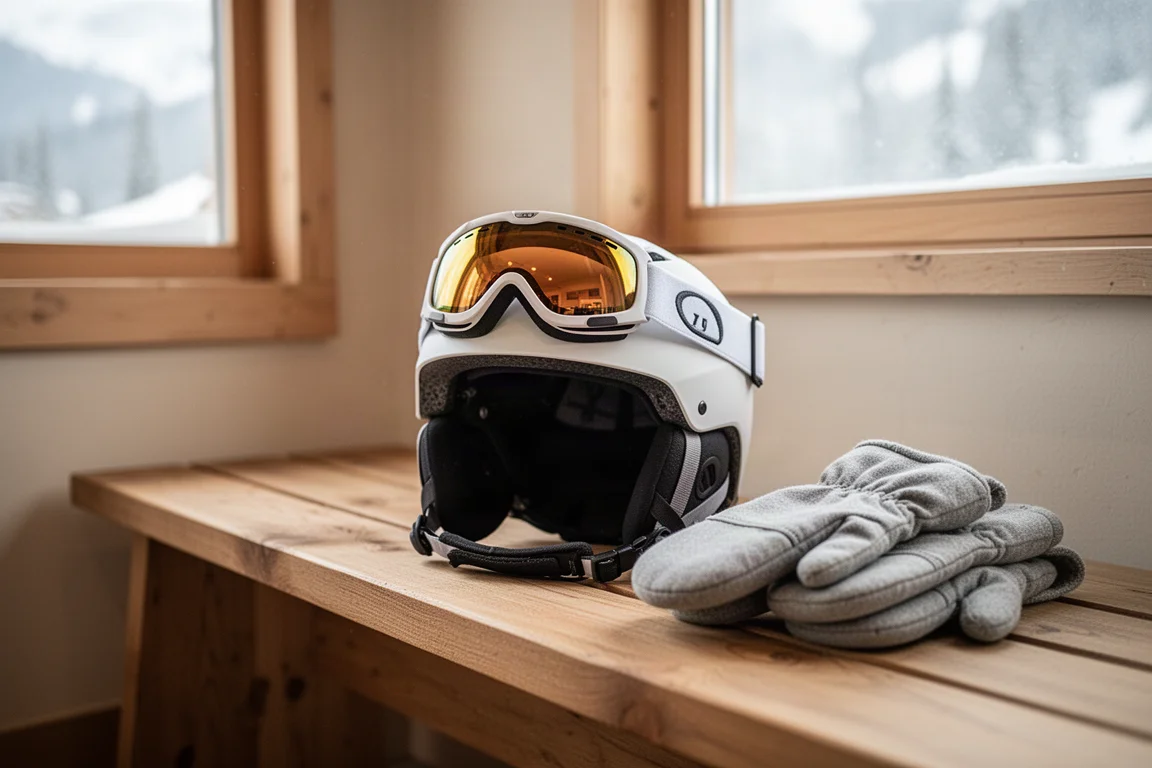
Care matters as much as the model. Goggles that get tossed into a ski bag next to boots rarely survive the season, so it is worth taking them off the child yourself, cleaning the lens, and storing them in their bag after every session. Used kids goggles can be a good value since families often sell barely used gear after a single trip, though a used helmet should never be bought.
A Forgiving All-Mountain Ski After an ACL Injury
A skier returning from an ACL tear needs two things above all: easy turn initiation and a softer, more forgiving flex that never feels like it is fighting back. A stiff ski such as the Atomic Maven 93 can feel demanding in that situation. Short-radius skis also help here, because you can make sharp, fun turns at moderate speeds rather than carrying high speed to enjoy the mountain.
The Black Crows Octo Birdie stands out as the first choice in this scenario. It initiates turns easily, rewards short-radius skiing, and handles everything in between well. It is not a deep-powder specialist, so if off-trail and powder performance is the real priority, something wider such as the Völkl Blaze 104 or the Atomic Bent would be worth a demo instead.
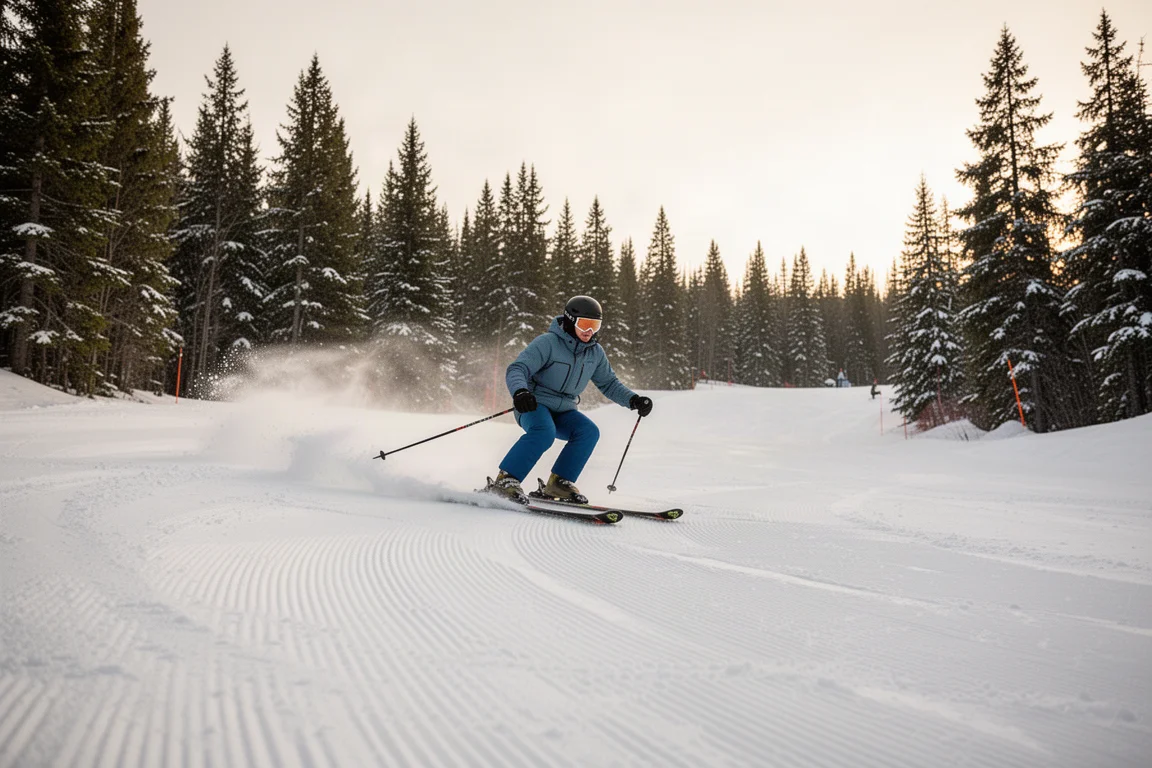
For alternatives in the same forgiving lightweight category, the Head Kore 87 is notably light and easy to get along with, and the Fischer Ranger series is another reasonable try. But for a skier managing an injury who wants to enjoy carving again, the Octo Birdie is the strongest starting point.
View more details for Black Crows Octo Birdie
Blizzard Rustler 10 vs Black Crows Justis
Both of these are versatile all-mountain skis, but they reward different priorities. The Blizzard Rustler 10 is remarkably even across its stat sheet: it does everything pretty well, makes a smooth carved turn, and is the softer, more well-rounded and damp-feeling option of the two, thanks to its construction. If you want a safe bet that never surprises you, that is a real strength.
On sizing, a skier around 5’10” and 160 lb who normally skis 176 to 178 cm faces a gap between the Rustler 10’s 174 and 180 cm lengths. If the skiing will be mostly off trail, go 180. If it will be mostly groomed runs, 174 is the better fit.
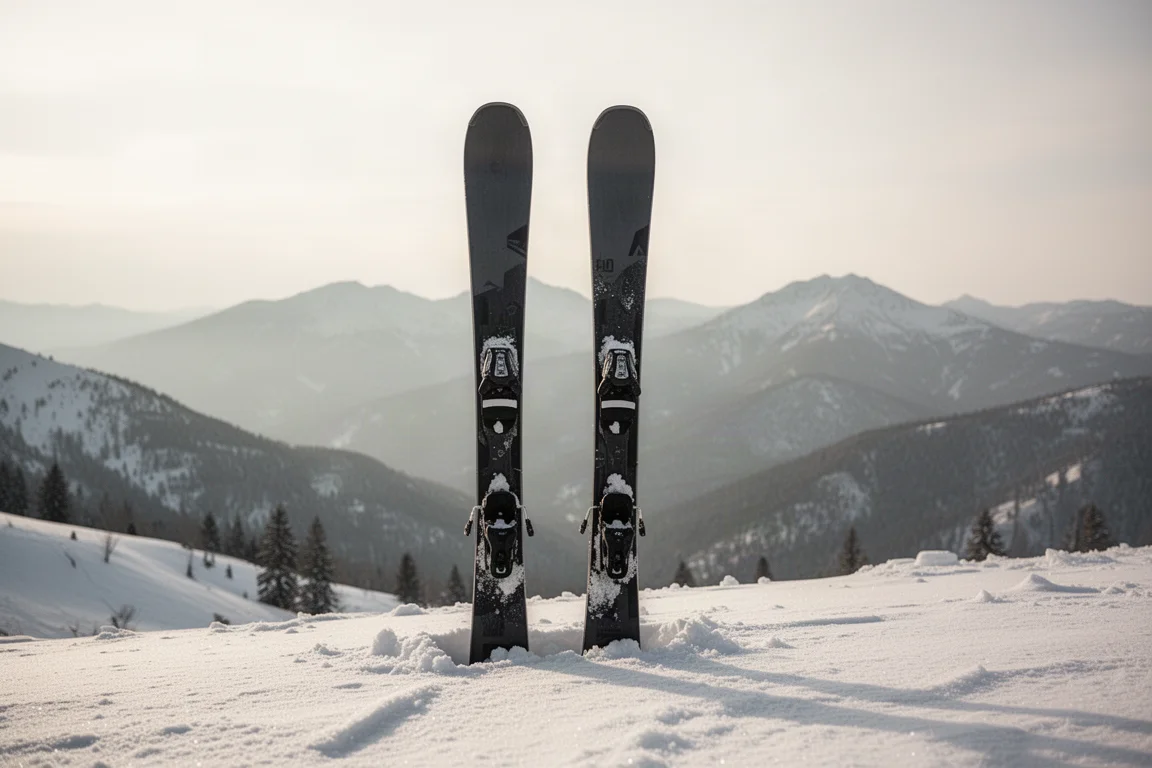
View more details for Blizzard Rustler 10
The Black Crows Justis is the more distinct ski of the two. Its flex is not as soft as the Rustler 10’s, and it is not the most damp ski on the market, but the distinctive tip shape hooks into the turn and makes initiation feel genuinely rewarding. It also holds a slight edge in powder flotation thanks to its shape. For skiers who want character and feedback in and out of every turn, the Justis is the more compelling pick.
Best Intermediate All-Mountain Ski: Elan Ripstick 96
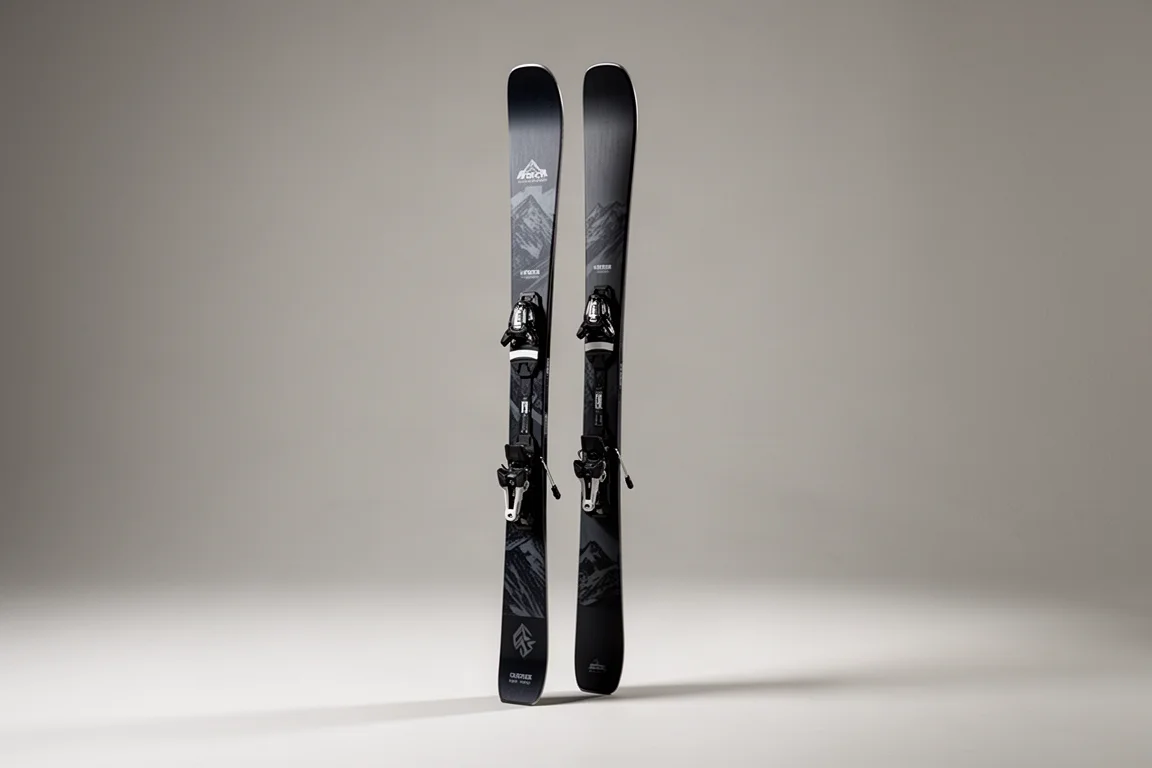
For an early intermediate progressing on groomers with the occasional bump run and a growing interest in off-trail skiing, the Elan Ripstick 96 is the strongest recommendation. It has good turn initiation, carves well, and carries enough width that leaving the groomed trail does not leave you lost at sea. The standard green version is the smarter buy here: it is lighter and allows tighter turn radiuses than the black edition, which an intermediate does not need.
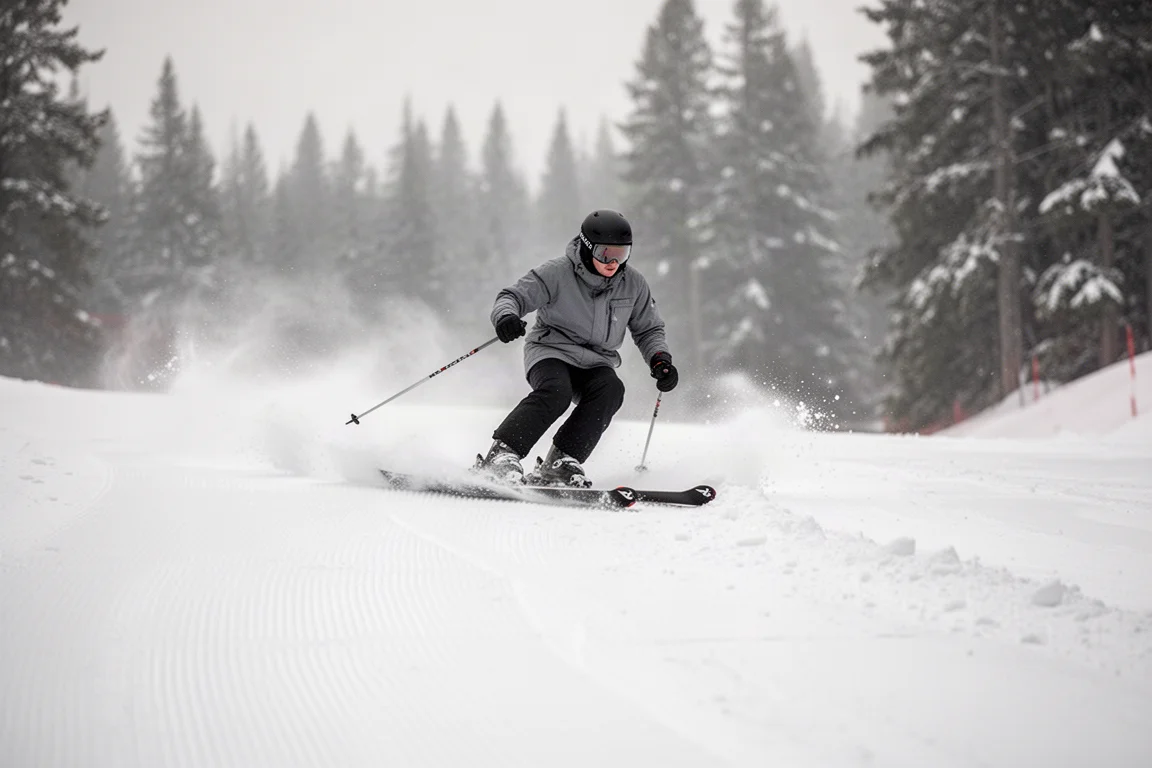
If you want options to compare, the Head Kore 93 is a safe all-mountain alternative, the Salomon Stance 90 is a solid choice, and the Fischer Ranger 90 is worth a try if the Ripstick does not feel right. On-trail-only skiers might consider something with strong easy turn initiation such as the Atomic Redster, though that style struggles more off trail. For pure value, the Salomon QST 92 frequently shows up at attractive prices and is a reasonable intermediate pick even if the fit is not perfect. The Black Crows Octo is a lovely ski, but an intermediate may not fully appreciate it yet.
How to Choose Between Two Skis
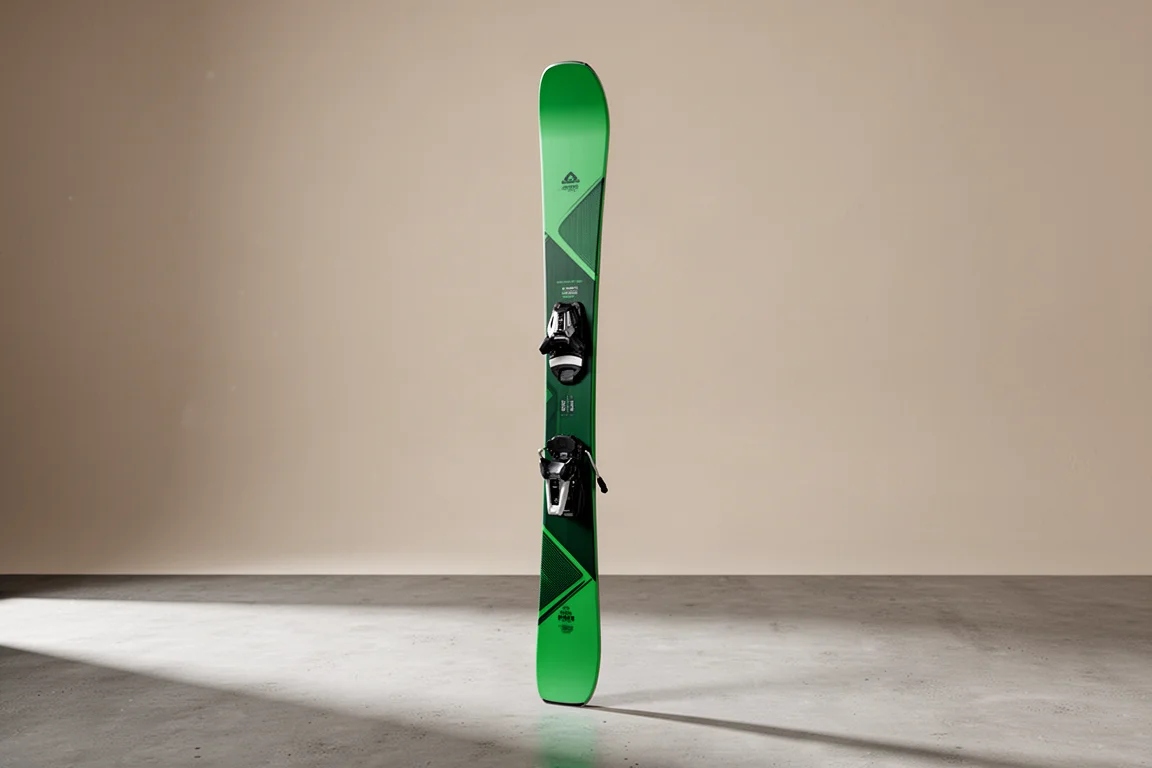
When stuck between two models, write down the characteristics you care about most before doing any further research, then check each ski against that list. It prevents the common trap of reverse-engineering a fit after reading about a ski you already like. If you demo or try the Rustler 10 and genuinely enjoy it, that matters more than any comparison on paper. Your own priorities, whether carving, moguls, powder, or a mix, should drive the final call.
Conclusion
The right ski depends on the situation: the Black Crows Octo Birdie for a returning skier who needs forgiveness and easy short-radius turns, the Black Crows Justis for those who want a more distinct and rewarding turn feel than the Blizzard Rustler 10, and the Elan Ripstick 96 as the standout all-mountain pick for a progressing intermediate. Match the ski to where you actually ski and how you want each turn to feel, and the decision gets much simpler.
Further reading
Related Reviews
Ski Gear
2023 Blizzard Hustle vs Rustler: Six Freeride Skis Compared
Blizzard's 2023 Hustle collection rebuilds the Rustler shape with a lighter core and no metal. Here is how all six skis differ, and which one suits your riding.
Ski Gear
2023 Skis of the Year: Atomic Maverick 88 TI, Salomon QST 106, and Look SPX 12 Pro
Three standout ski picks for all-mountain carving, powder days, and reliable binding performance, with practical buying notes for 2023 models.
Ski Gear
2025 Nordica Enforcer 104 Review: A Directional Charger Replaces the 104 Free
The 2025 Nordica Enforcer 104 drops the Free name and the twin-tip personality, gaining weight, stiffness and composure in rough snow. Here is what changed and who it suits.