Kitchen
Best Food Storage Containers: Glass vs Plastic Tested
After months of real-world testing, two Rubbermaid Brilliance sets stand out. Here's what actually matters when choosing between glass and plastic food storage.
Introduction
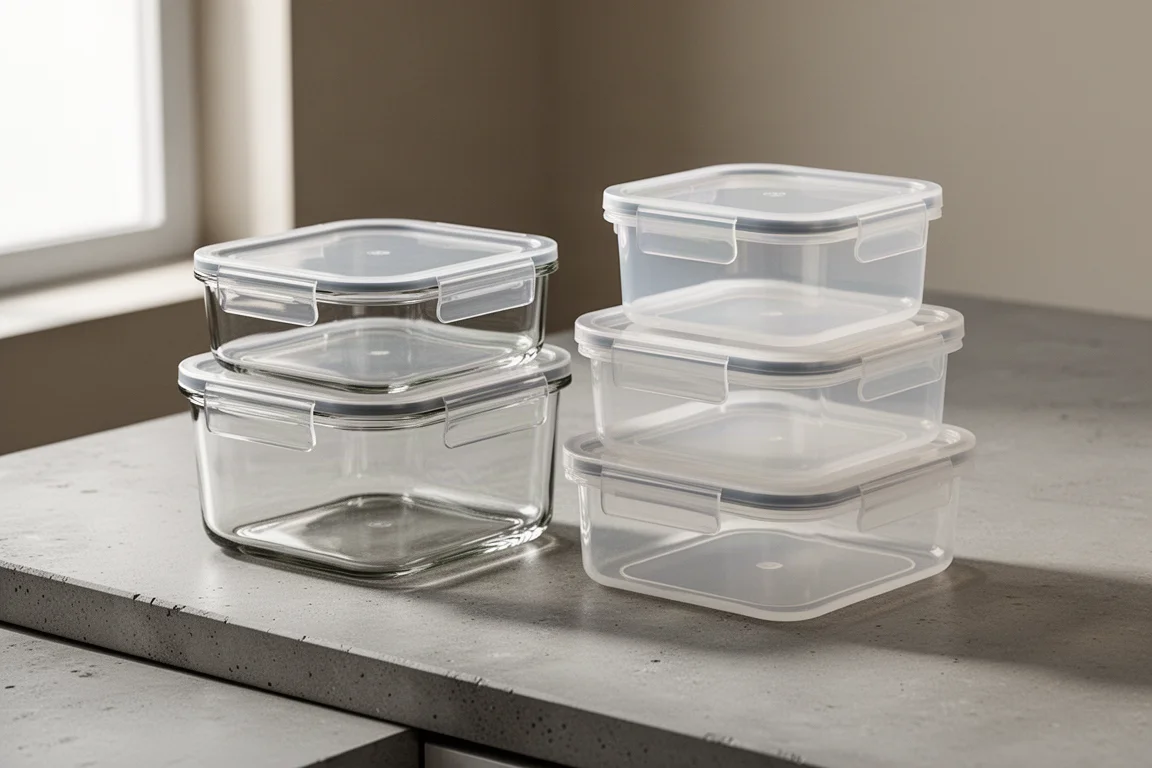
Everyone knows the frustration: a cupboard full of containers and not a single matching lid. To settle the glass versus plastic debate properly, months of hands-on testing were carried out on the top-rated glass and plastic container sets, covering leak resistance, odor retention, staining, durability, and everyday usability.
The result was a clear winner for most kitchens, plus a plastic pick that still earns its place for life on the go. Both top performers came from the same Rubbermaid Brilliance line, which makes building a hybrid system surprisingly easy.
Glass vs Plastic: The Honest Breakdown
Plastic is undeniably useful: it is lightweight and it does not break. But the safety case for it is conditional on never heating it. When plastics are heated, they can shed microscopic particles into food, and chemical leaching is a separate concern. Many BPA-free plastics use alternatives like BPS and BPF, which researchers describe as regrettable substitutions because early research suggests similar hormonal disruption risks.
In practice, that means no microwave, no dishwasher, and no hot leftovers straight into plastic. Acidic foods like tomato sauce can also eat into plastic over time. That permanent orange tint after a microwave session is not just a stain; it is a sign of an interaction between your sauce and the container.
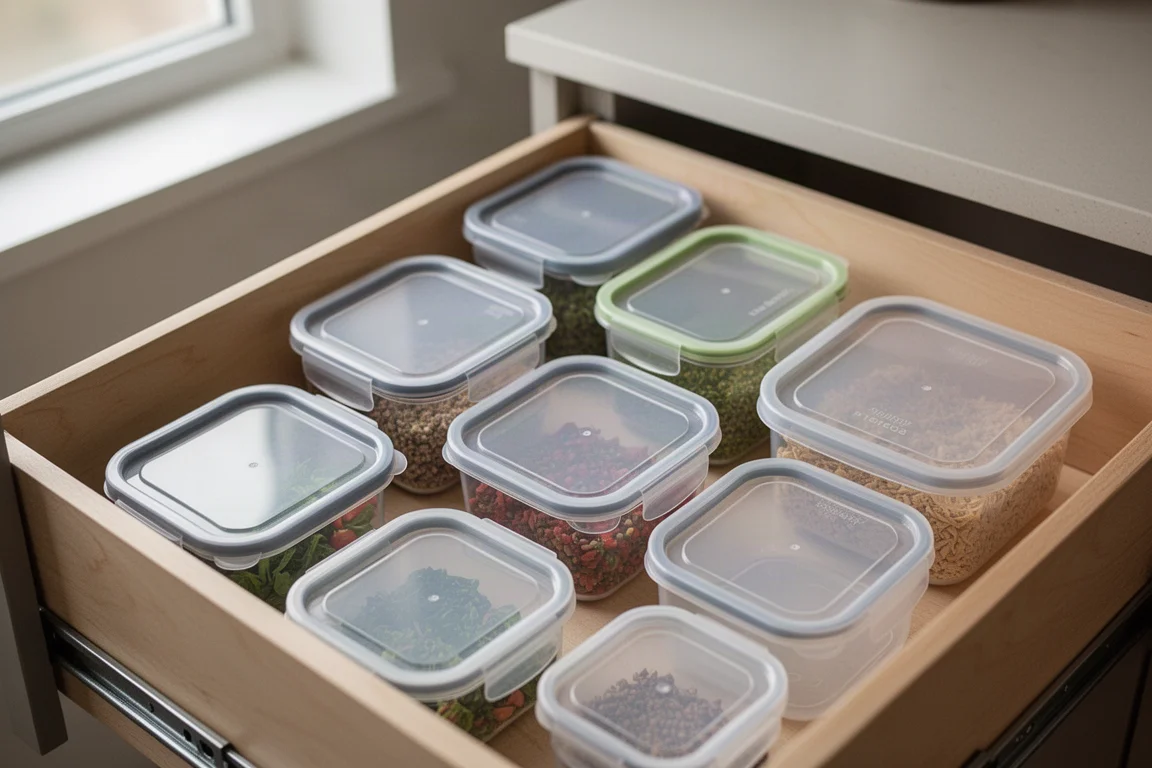
Glass, by contrast, is inert. It does not leach chemicals or shed nanoplastics, and that inert nature unlocks genuine versatility: fridge, oven, microwave, and table in a single dish. You can bake in it, serve from it, snap the lid on, and put it straight in the fridge. It is also naturally stain and odor resistant, so the tomato sauce that permanently stains plastic washes right out of glass.
Glass is not perfect. It is heavy and it can shatter. But for storing, reheating, and meal prepping at home, the advantages clearly outweigh the drawbacks.
The Leak Test: Why Gaskets Decide Everything
Each container was filled with blue-tinted water and shaken hard to see whether the seal would hold. The results were dramatic: some sets came out perfectly dry while others made a gigantic mess, with expensive sets failing and affordable sets succeeding.
The deciding factor was always the gasket under the lid. The failures had plain plastic lids with no gasket at all, performing barely better than cling wrap. The leakproof winners had high-quality silicone gaskets that ran all the way around, squishing down to close off any gap between lid and container, combined with secure latches.
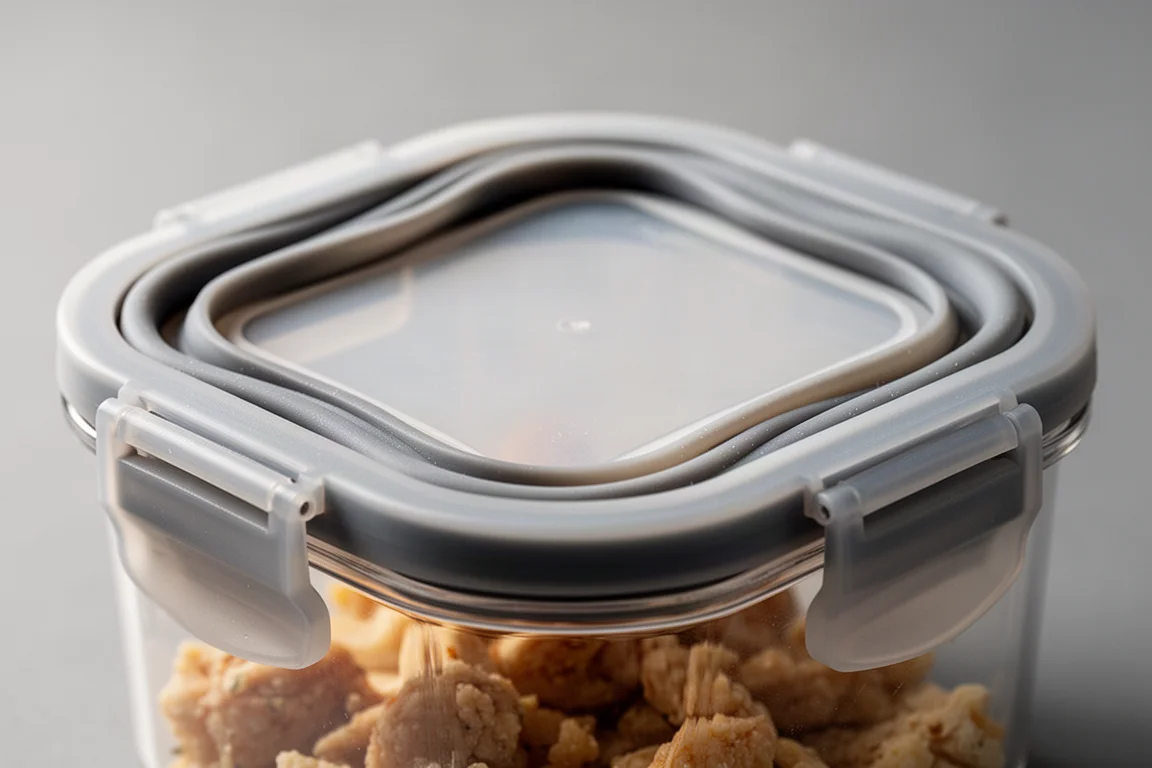
Channel design matters too. Narrow channels trap moisture and food gunk and can become a mold factory, so wide, easy-to-clean channels are worth prioritizing. Fixed gaskets are also preferable, since removable ones are a pain to keep track of and get back in place.
The Tuna and Tomato Sauce Tests
Oily tuna was stored in every container overnight, then washed with soap and hot water and sniffed the next day. Some containers retained a fishy smell even after a thorough wash, usually because the gaskets had gaps behind them that were hard to clean, letting fish oil hide out of reach. Silicone gaskets are absorbent, and ordinary polyethylene plastic is porous enough to hang onto odors.
Tritan, a harder plastic, proved much more resistant to soaking up smells, especially when the gasket design leaves space to clean underneath and around it.
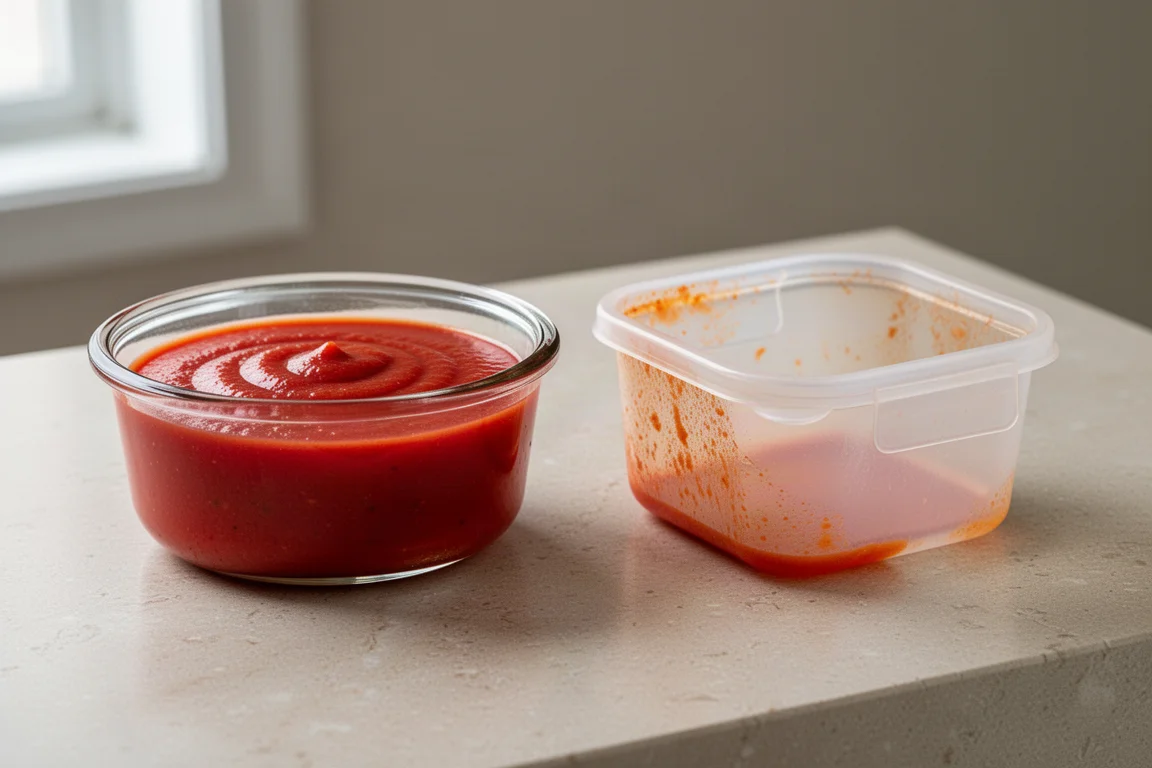
The tomato sauce test told a similar story. Containers were filled with sauce, stored overnight, washed, and inspected for stains and smells. Some plastic sets emerged visibly yellowed around the corners with a lingering tomato aroma. Glass came out clear and odor-free, and a well-designed tritan lid with an open C-shaped gasket, attached on one side and open on the other, flushed clean with no trapped residue.
Glass Types and Drop Testing
Does the type of glass matter? Borosilicate, the old Pyrex formula, resists thermal shock better, making it less likely to crack from sudden temperature changes. Tempered soda-lime glass is generally tougher against physical impact like being dropped. After months of testing, though, no meaningful performance difference showed up between the two. Neither type should go straight from freezer to a fully preheated oven; let containers reach fridge temperature first. Latches and design details mattered far more than glass type.
Plastic durability was tested more aggressively: water-filled containers were knocked off a kitchen counter, then frozen overnight and dropped from about two and a half feet onto the floor. Some shattered or lost a corner, while the best sets survived frozen and full with nothing breaking open. That resilience comes down to a good latch, a good lid, a good gasket, and material that flexes without failing.
Buying Advice: What to Look For
The testing distilled into a short checklist:
- A secure, fixed gasket with a wide channel. This is the foundation for leak-proofing and easy cleaning.
- Smooth, sturdy latches that click shut with a gentle push, not a struggle.
- Flat lids, which are non-negotiable for stacking and saving space.
- A wide rim on glass containers so you can grip them securely with pot holders when pulling them screaming hot from the oven.
- Tough, thick material. Avoid anything that flexes or feels flimsy; a thin container bowing outward under a full load of stew will spray food everywhere if knocked in the fridge.
One feature that disappointed in practice: nesting. It sounds efficient, but when you need a middle size, you end up dismantling the whole stack. It was not actually easier day to day.
The Winners
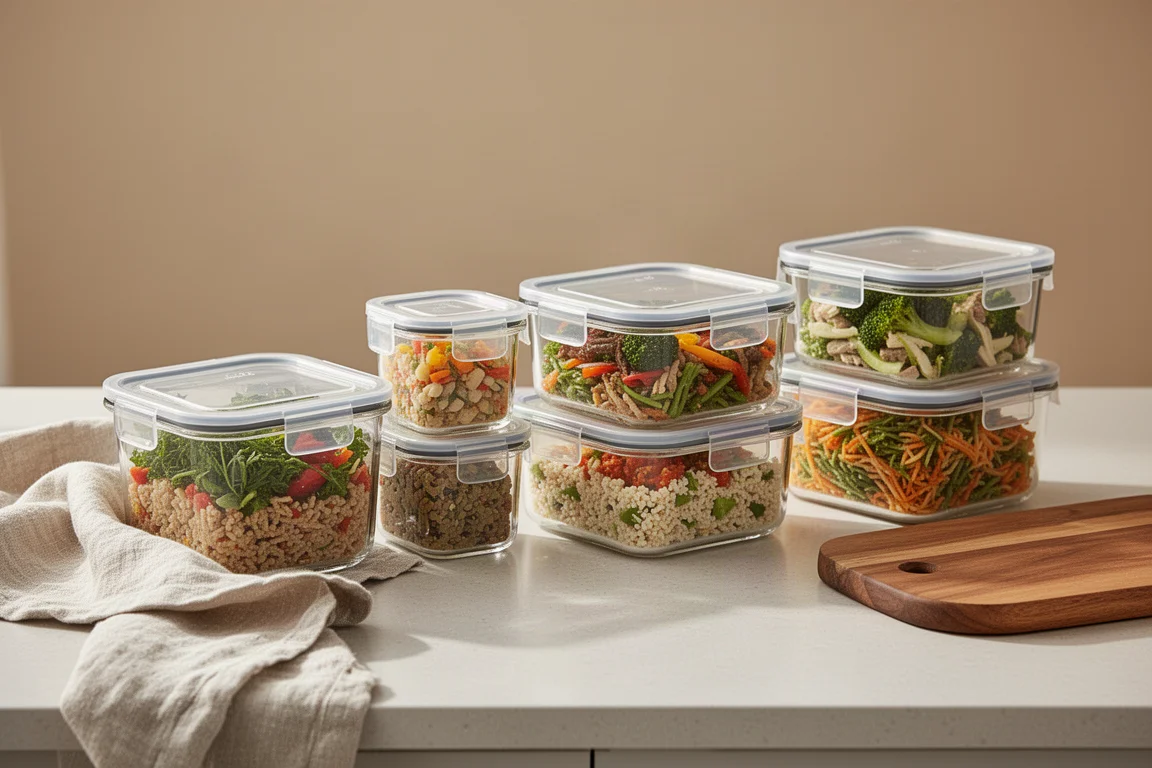
For roughly 90% of home kitchen needs, storing, reheating, and meal prepping, glass is the clear winner as the safest and most versatile material. The top-rated glass set, the one that aced every single test, was the Rubbermaid Brilliance Glass Set. It was leakproof, oven safe, and remarkably user friendly.
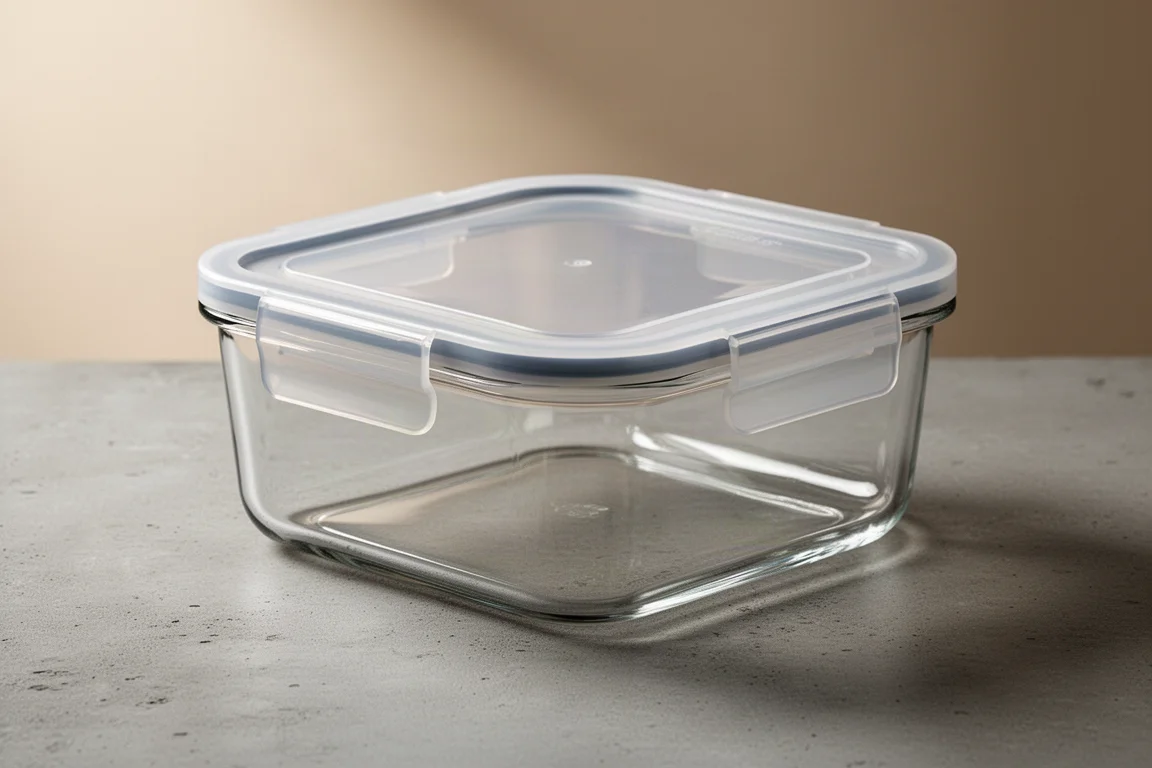
Plastic still has a role, and the top plastic pick also came from Rubbermaid. The Brilliance Plastic Set won its own independent testing, which is no surprise given how much the two lines share in latch and lid design. A further bonus: Brilliance line lids are interchangeable between glass and plastic, so you can build a hybrid system with the safety of glass at home and the lightweight convenience of plastic on the go, with far less rummaging for matching lids.
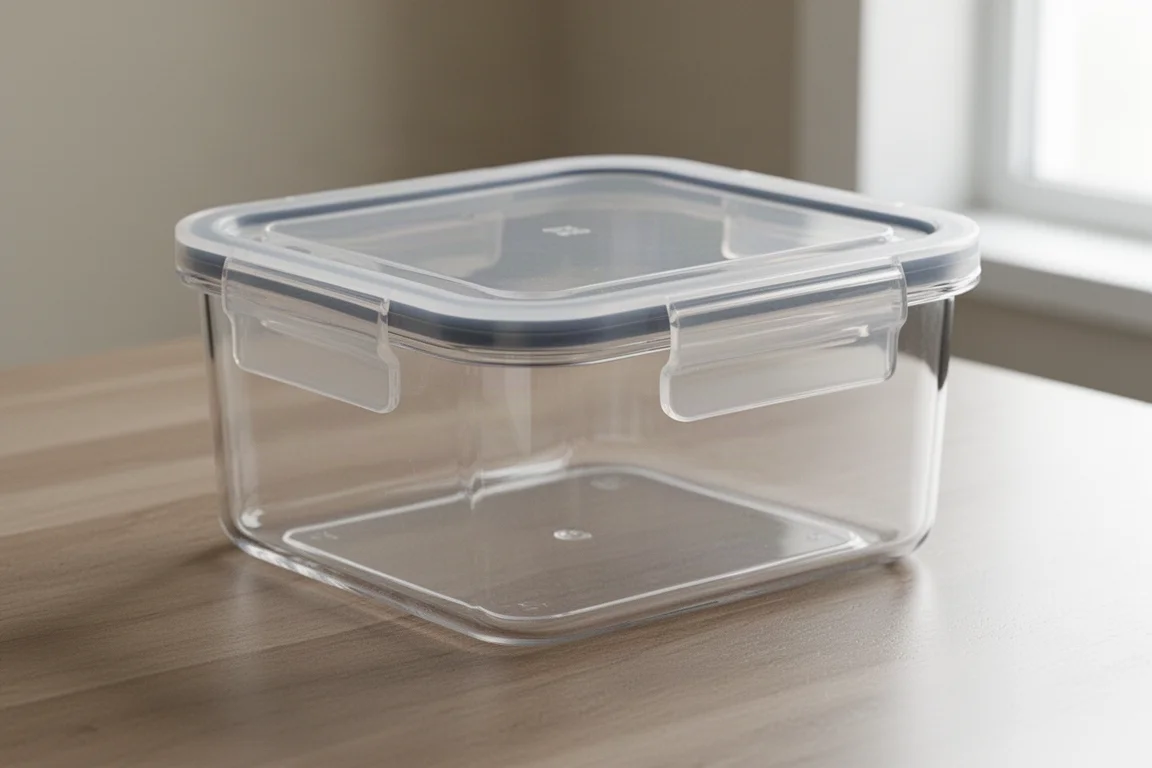
Both sets are fully clear, which matters more than it sounds: food that is out of sight at home tends to be forgotten until it stages its own comeback.
Conclusion
Plastic containers are light and convenient for travel, but for most kitchen tasks glass is best. The Rubbermaid Brilliance Glass Set is the strongest all-around choice for storing, reheating, and meal prep, while the Brilliance Plastic Set covers lunch bags and on-the-go use. With interchangeable lids, there is no reason not to run both.
Further reading
Related Reviews
Kitchen
Best Nonstick Frying Pans Compared: 11 Skillets From $16 to $185, Tested
Eleven nonstick frying pans go head to head in pancakes, eggs, heat distribution, thermal efficiency, and scratch resistance to find out whether a cheap pan can really compete with a premium one.
Kitchen
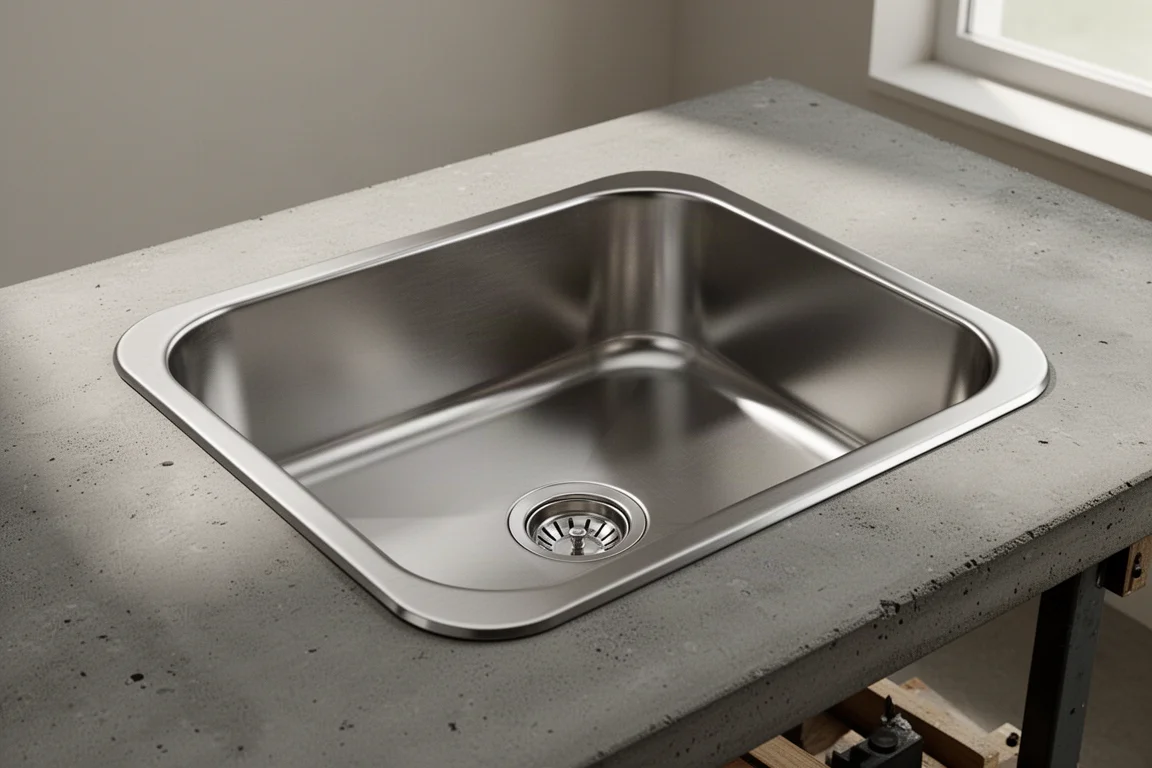
Vivor Stainless Steel Kitchen Sink Review: A Solid Drop-In Upgrade With One Weak Spot
An all-stainless single-basin drop-in sink with easy-clean rounded corners and a drain-sloped base, at a roughly $200 price point.
Kitchen
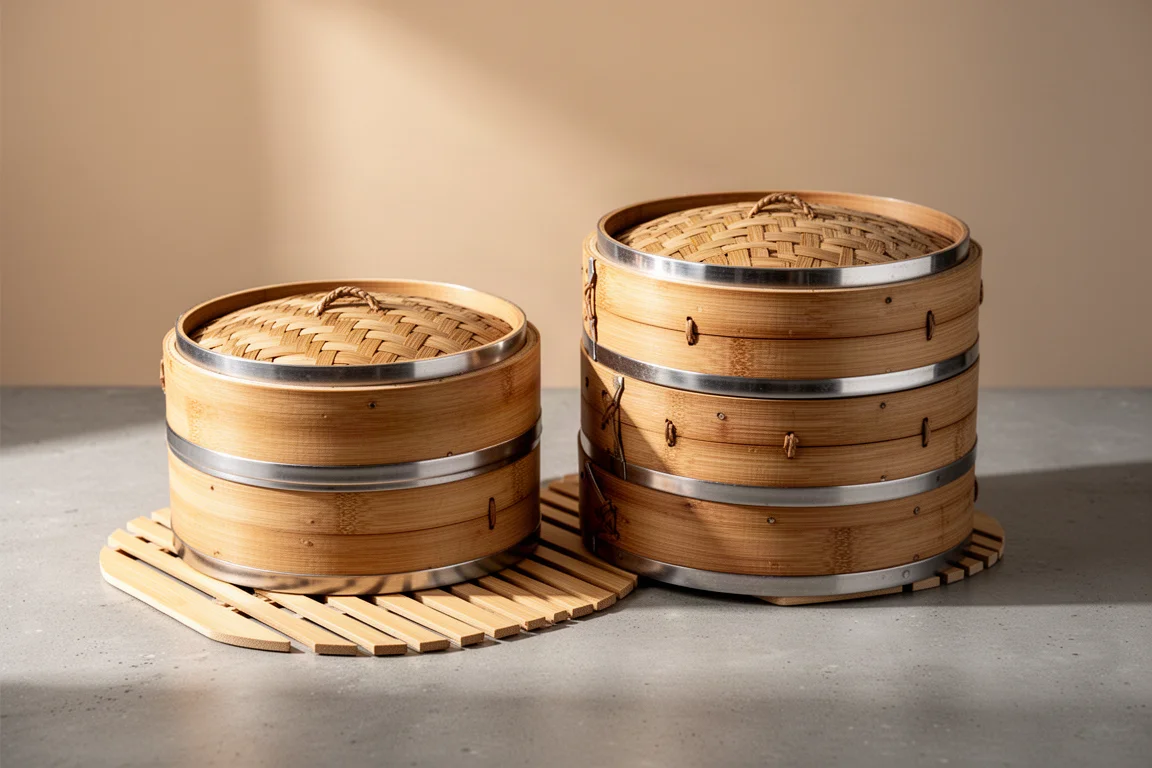
Best Bamboo Steamers: Two Tested Picks for Dumplings, Bao, and More
After hands-on steaming tests with dumplings and bao, two bamboo steamers stood out for build quality and staying in alignment.