Kitchen Appliances
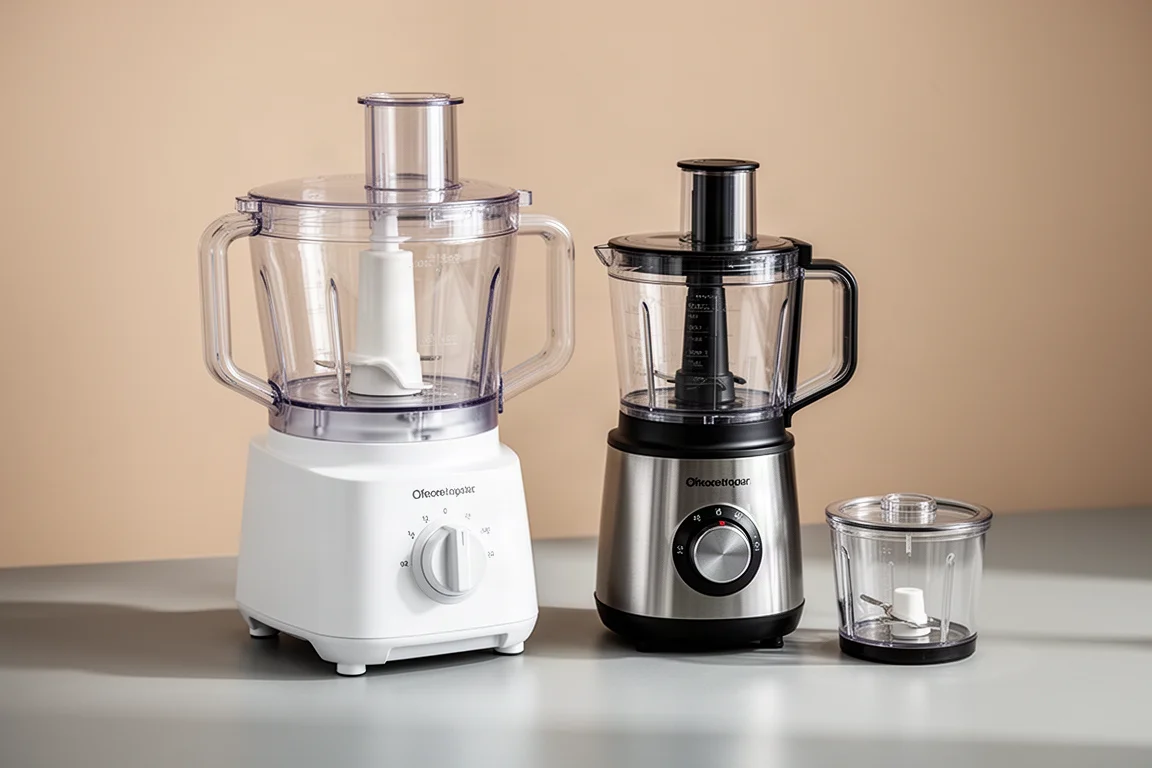
Best Food Processor: Cuisinart Custom 14 Cup vs Breville Sous Chef 12+
Two food processors went head to head through chopping, blending, slicing, and dough tests. Here is which one came out on top and who should pick the other.
Introduction
A food processor is one of those appliances that either becomes a daily workhorse or a frustrating counter ornament. The difference comes down to how well it handles the fundamentals: chopping, blending, slicing, and dough.
To find out which machines actually deliver, seven food processors were tested side by side across dozens of tasks, at prices ranging from $35 to $350. After all that testing, an older favorite held onto its crown, with one newer challenger close behind. Here is how the two standouts compare.
How the Testing Worked
Chopping and grinding are among the most important food processor jobs, so testers started there: mincing parsley, making mirepoix from celery, onions, and carrots, and chopping cold beef with butter for hamburger meat. The goal was uniform pieces, and not every machine managed it.
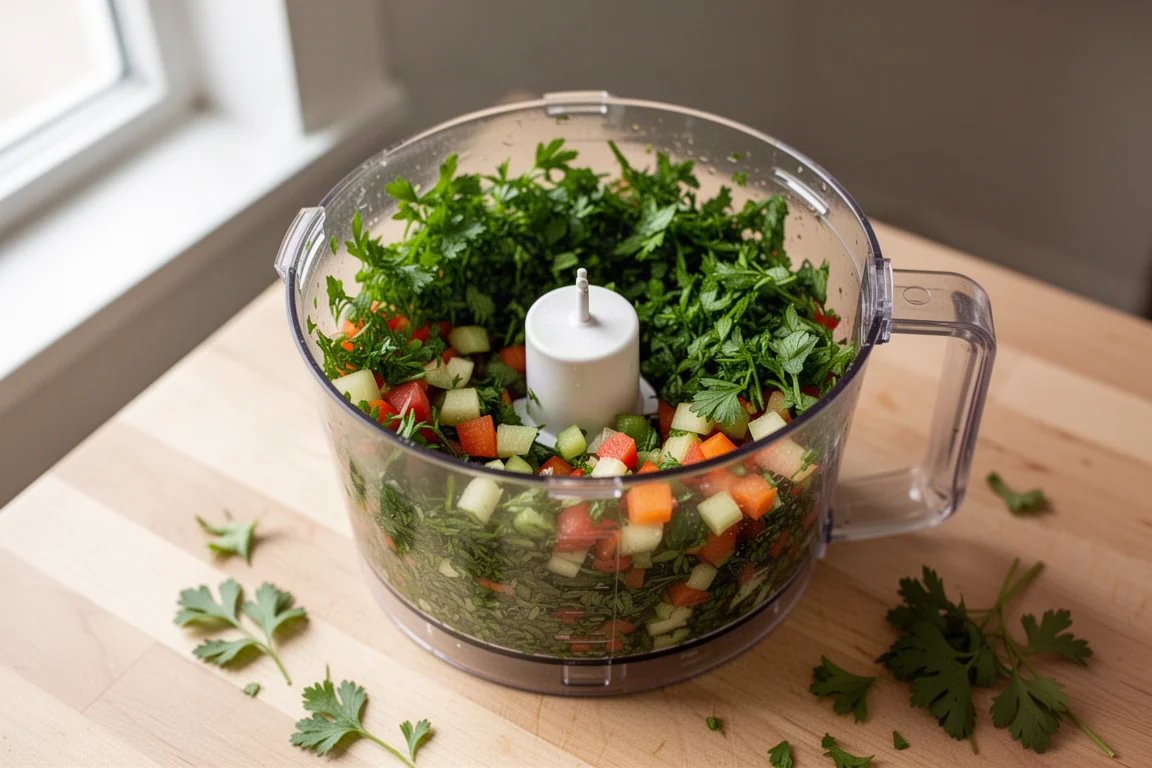
Two traits separated the winners. First, a responsive pulse feature: when a finger lifted off the pulse button, the blade stopped immediately. Machines that kept spinning for a couple of extra seconds over-processed the food. Second, tight tolerances between the end of the blade and the side of the work bowl. Across the lineup, those gaps ranged from 2.9 to 6.1 millimeters, and the tighter the fit, the more efficiently and neatly the blade engaged the food.
Blending and Mixing Performance
Blending was assessed with a clever test: a cup of plain yogurt in the work bowl, a single drop each of blue and yellow food coloring on either side of the blade, then 30 seconds of running time. Lesser machines left visible stripes of blue and yellow. The better ones produced a uniform, perfect green, a clear sign of efficient blending.
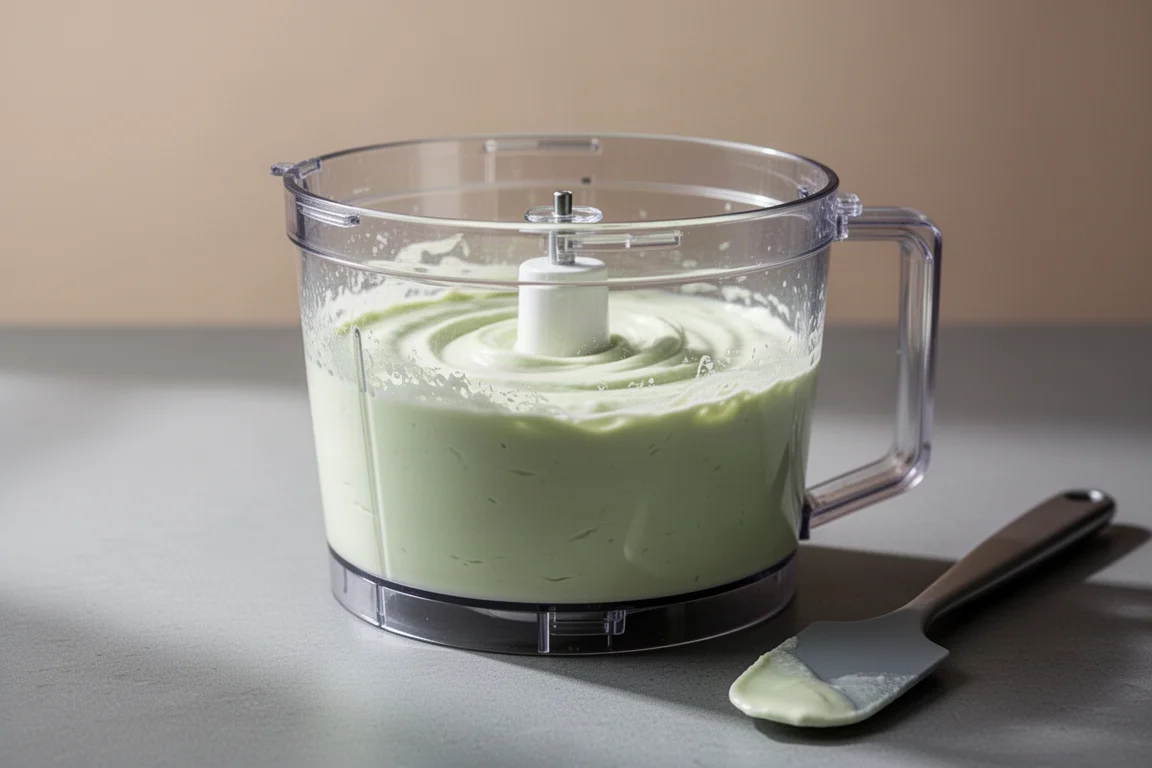
Testers also made mayonnaise with two yolks and three quarters of a cup of oil. That is where a surprise appeared: one long-time favorite, the Cuisinart, had been redesigned with the blade sitting 3.2 millimeters higher on the stem, which meant it passed over the egg yolks and struggled with the recipe.
Slicing and Feed Tube Design
Slicing tomatoes and potatoes sounds simple, but success depends heavily on feed tube design. Food has to stand up straight and even as it hits the blade, so machines with more sizing options in the feed tube kept everything aligned and produced neat, even slices.
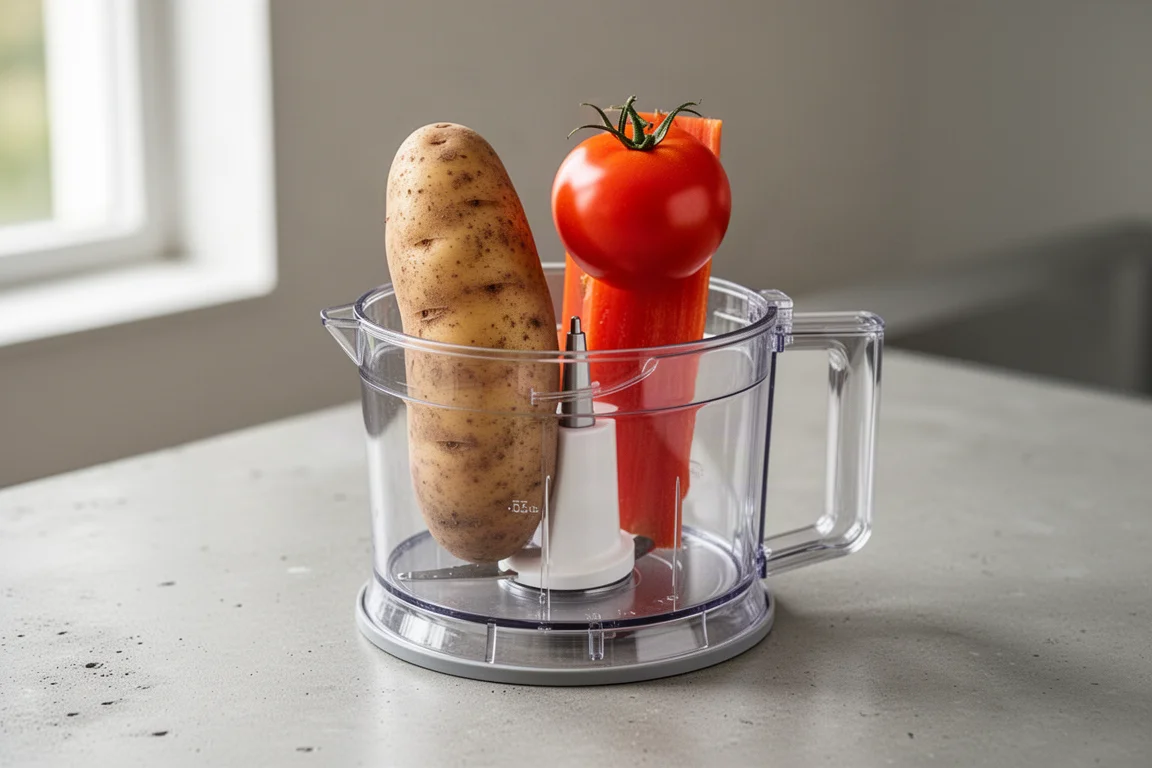
If you slice a lot of vegetables, this is a detail worth checking before you buy.
Dough Test: The Wet and Sticky Challenge
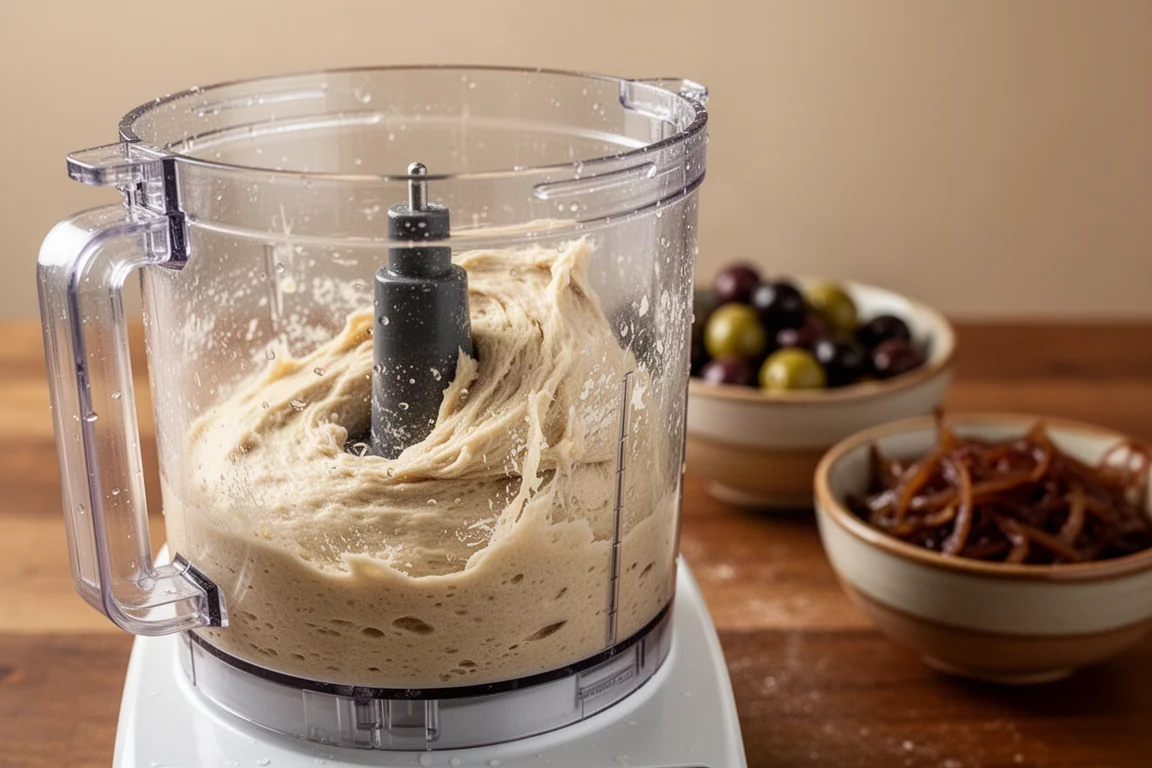
One of the toughest tests was a double batch of pizza dough, a French rustic style topped with caramelized onions, anchovies, and olives. The dough is very wet and sticky, which pushes any machine to its limit.
One nine-cup model could not quite handle the double batch, and its motor stalled out a couple of times, raising questions about long-term durability. The larger-capacity machines handled it without trouble, which is exactly where capacity pays off.
The Winner: Cuisinart Custom 14 Cup Food Processor
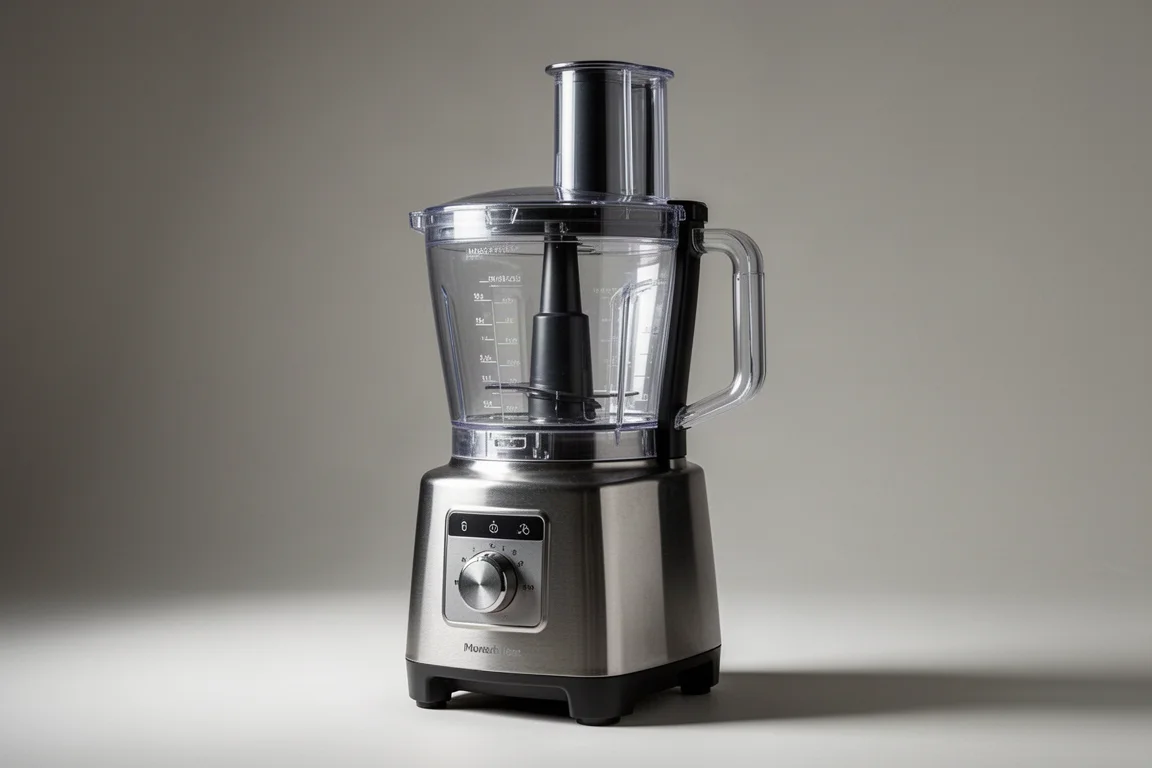
After everything was weighed, the Cuisinart Custom 14 Cup Food Processor won again. Priced around $150, it did everything well, with one notable exception: the mayonnaise test, thanks to that slightly raised blade redesign.
If you want a reliable all-rounder with a generous 14-cup capacity and strong chopping and dough performance, this remains the machine to beat.
The Alternative: Breville Sous Chef 12+ Food Processor
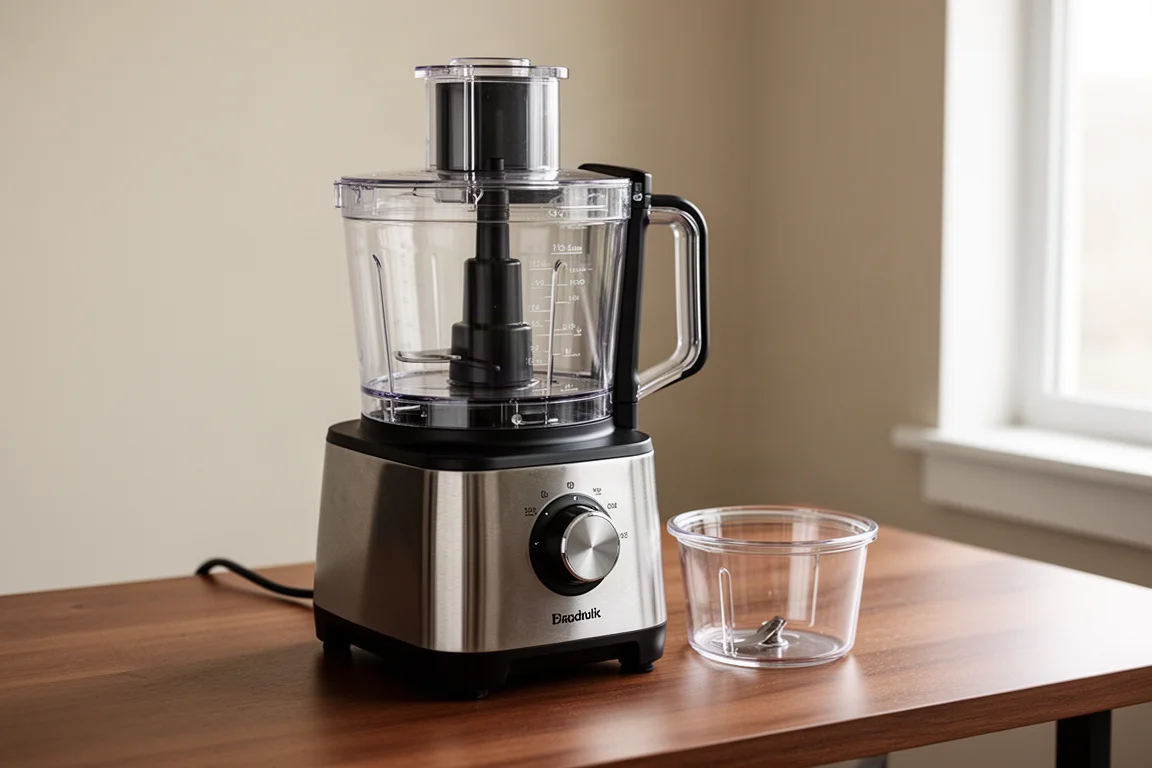
The Breville Sous Chef 12+ Food Processor is the pick if a mini bowl matters to you. It performed almost on par with the Cuisinart and adds a small second work bowl, which is genuinely useful for small jobs like dressings, sauces, and small batches of mayonnaise.
The trade-off is price: it costs around $330, more than twice the Cuisinart. If you make mayonnaise often or value the flexibility of two bowl sizes, the premium is easier to justify.
Overall Buying Advice
Before choosing, think about what you actually cook. If chopping vegetables, grinding meat, and making dough are your priorities, the larger, more affordable Cuisinart is the clear value pick. If you want a mini bowl for small jobs and are willing to pay for it, the Breville makes a strong case.
Whichever you choose, check the pulse response and the fit of the blade in the bowl. Those two details explained most of the difference between the great machines and the frustrating ones.
Conclusion
The new winner is the old winner: the Cuisinart Custom 14 Cup Food Processor, at around $150, remains the best all-around food processor. The Breville Sous Chef 12+ earns its place for cooks who want the extra mini bowl and are happy to spend more for it.
Further reading
Related Reviews
Kitchen Appliances
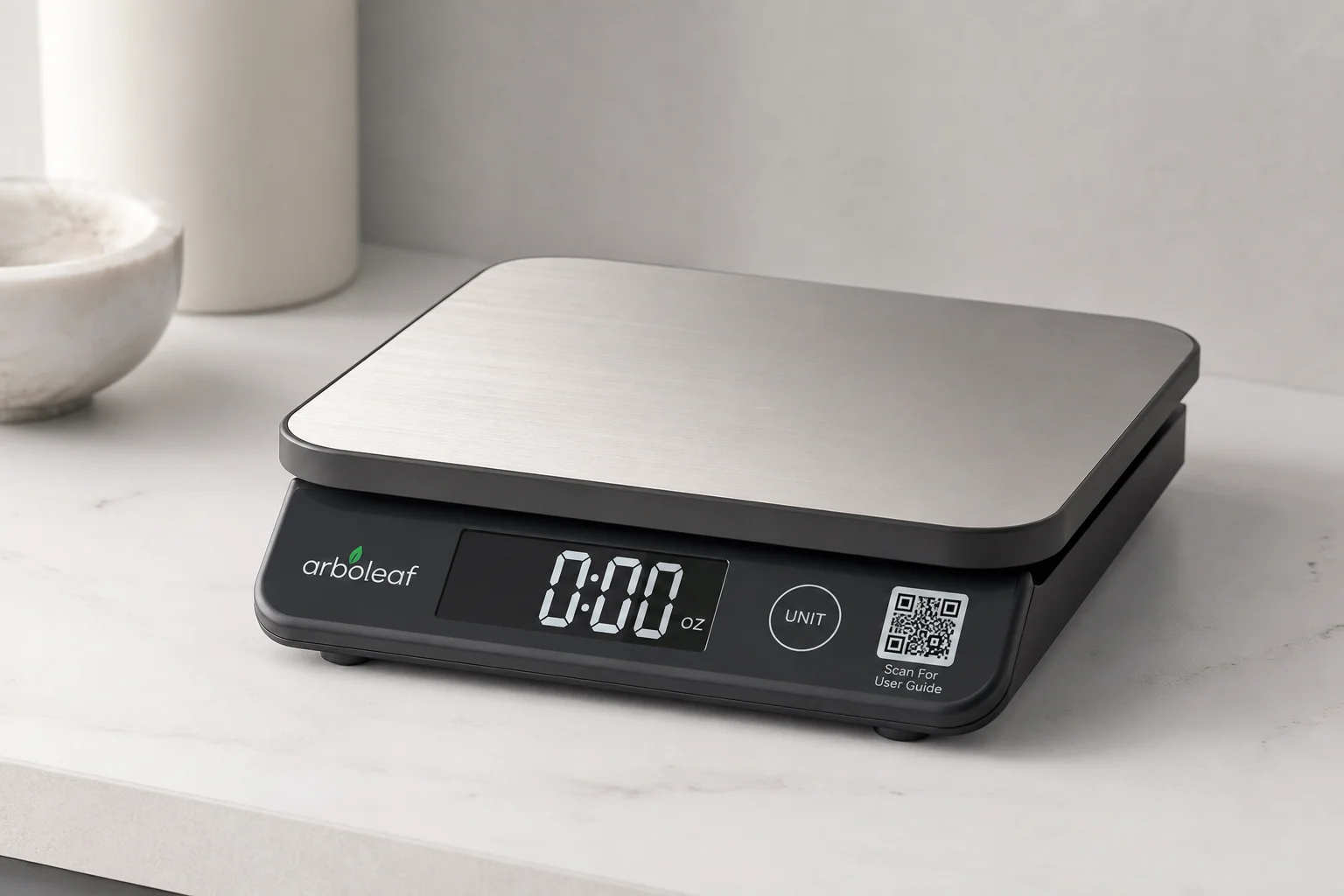
Arboleaf Smart Kitchen Scale Review: Connected Cooking Made Simple
A Bluetooth-enabled kitchen scale that syncs with a nutrition-tracking app, offering real-time weight monitoring and recipe guidance for home cooks.
Kitchen Appliances
Best Air Fryer Toaster Ovens Under 100: Five Practical Options for Budget-Conscious Kitchens
Five air fryer and toaster oven combinations that deliver real cooking performance without breaking the bank, each with distinct strengths for different kitchen needs.
Kitchen Appliances
Best Air Fryer Toaster Ovens: Three Top Picks for Multi-Function Cooking
Three high-performing air fryer toaster ovens tested for versatility, ease of use, and real-world cooking results. Find the right fit for your kitchen.