Garden Tools
Best Folding Pruning Saws 2026: 16 Saws Tested, These Are the Ones That Cut
We compared 16 folding pruning saws on sharpness, cutting speed, hardwood performance, edge retention, and build quality. Here are the picks worth your money.
Introduction
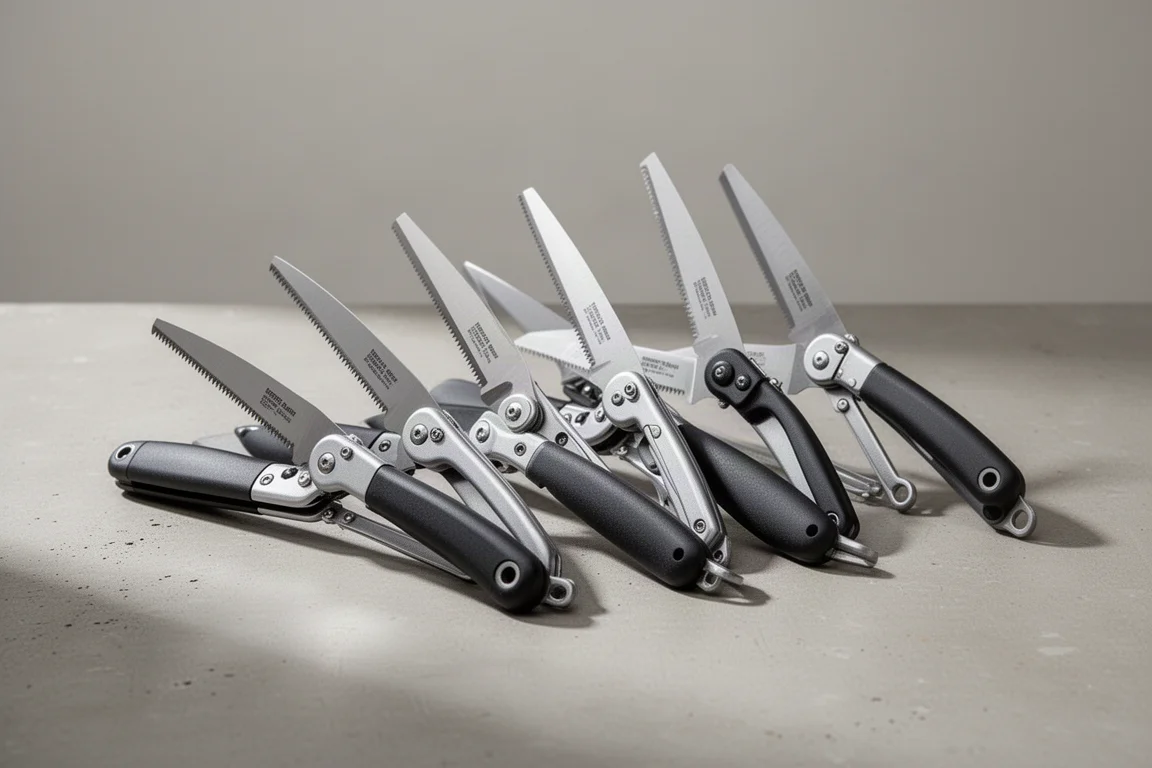
Folding pruning saws look almost identical on a product page: a blade, a handle, a lock. In practice, they cut very differently. We ran 16 folding pruning saws through a full head-to-head: blade sharpness measured on a sharpness tester, cutting speed on softwood dowel, hardwood performance on green hedge apple wood, timed cuts through a 2x4, edge retention after 100 abrasive cuts, blade stiffness, and lock strength.
The results were full of surprises. Some of the sharpest, fastest saws were also the cheapest, and a few of the most expensive names finished near the bottom. Here is what actually matters before you buy.
How We Evaluated the Saws
Every saw went through the same sequence. First, sharpness: the pull side of the teeth was measured on a certified sharpness tester, where a double-edge razor blade scores around 50, a utility blade 150 to 200, and new high-end cutlery 250 to 350. Lower numbers mean sharper edges.
Then came the cutting tests. A weighted rig applied consistent 4.24 lb of downward force for repeatable cuts through a 3/4-inch softwood dowel, followed by green hedge apple hardwood, and a timed 2x4 cut. Finally, each blade was dragged across fully cured hedge apple wood 100 times to test edge retention, and we measured lateral blade bend under 2.5 lb plus lock strength with 10 lb of weight. Tooth geometry and blade tip sharpness matter as much as raw edge sharpness, which is why several saws outperformed their sharpness score.
Best Overall: Corona Folding Pruning Saw
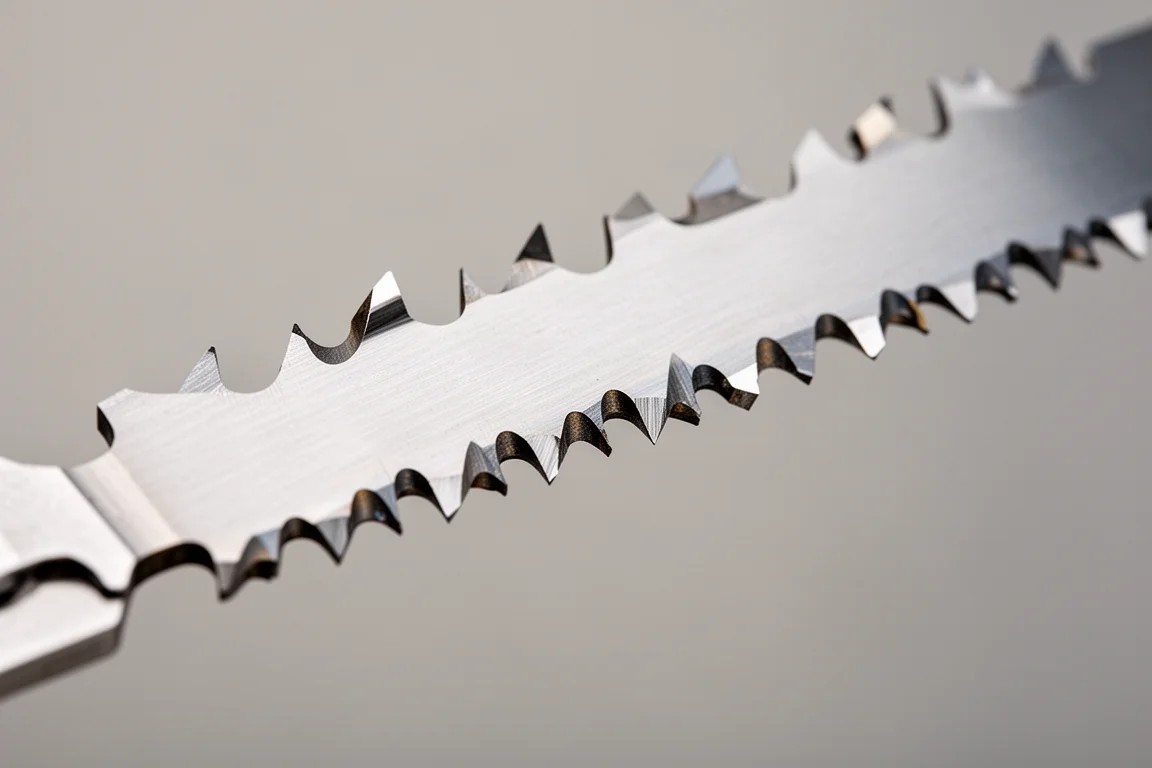
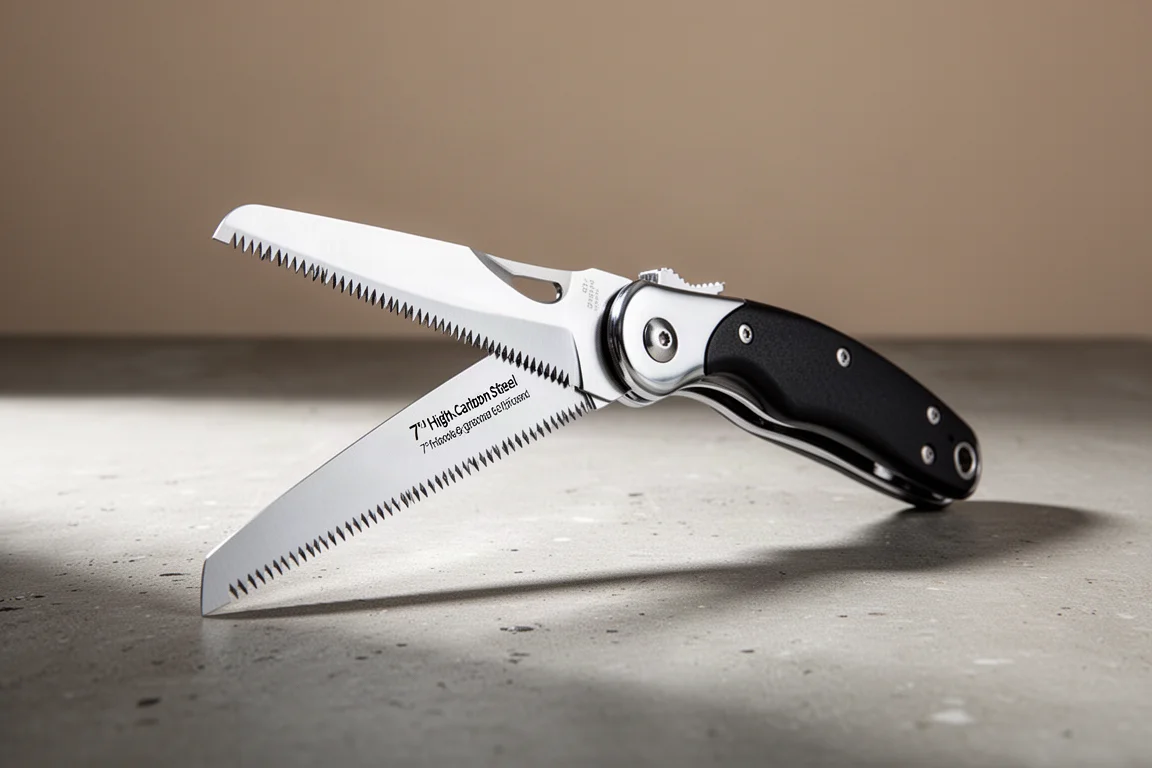
The Corona took the overall win with an average finish of second place across all tests, and it did so at $17. Its 7-inch high-carbon steel blade is heat treated for hardness with a chrome finish coat for smooth action, and triple ground teeth for maximum cutting efficiency. It recorded the sharpest score of the entire field at 255 on the sharpness tester, then backed it up by winning both the softwood dowel test at two strokes and the hardwood test at 11 passes.
After the 100-cut edge retention test, the Corona was still the sharpest saw in the lineup at 2.7 passes on the dowel. It is made in Korea and weighs 196 g. If you want one saw that won every meaningful category without a premium price, this is it.
Sharpest Softwood Specialist: Fujiwara Folding Pruning Saw
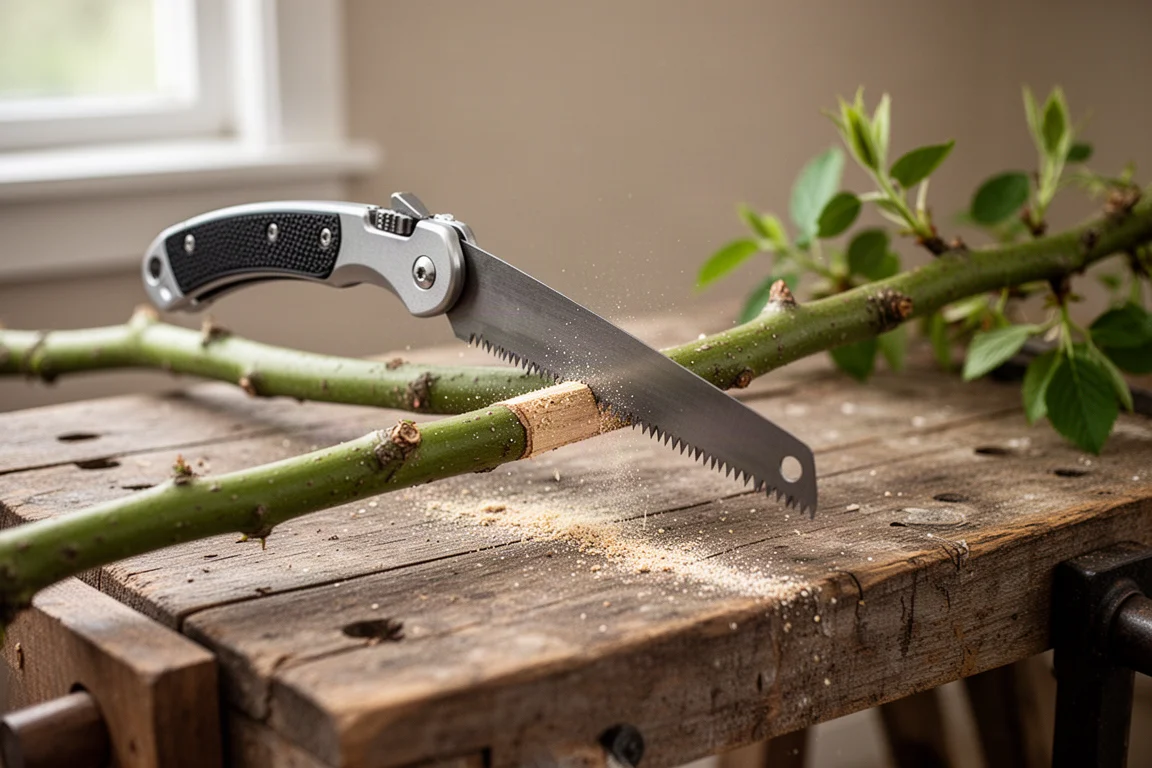
The Fujiwara, at $12 with an 8-inch SK5 steel blade, was the standout on softwood. It cut the dowel in 2.2 strokes, tied with the Gerber for the fastest softwood performance, and ripped through the 2x4 in 3.44 seconds, second only to the Samurai. Its Japanese-made triple cut razor teeth are hardened to stay sharp, and it scored 335 on the sharpness tester.
Two caveats: the blade does not completely fold into the handle, and after the abrasion test it dropped from 2.2 to 3.1 passes. Still, for green wood and quick pruning cuts, it is hard to beat at this price.
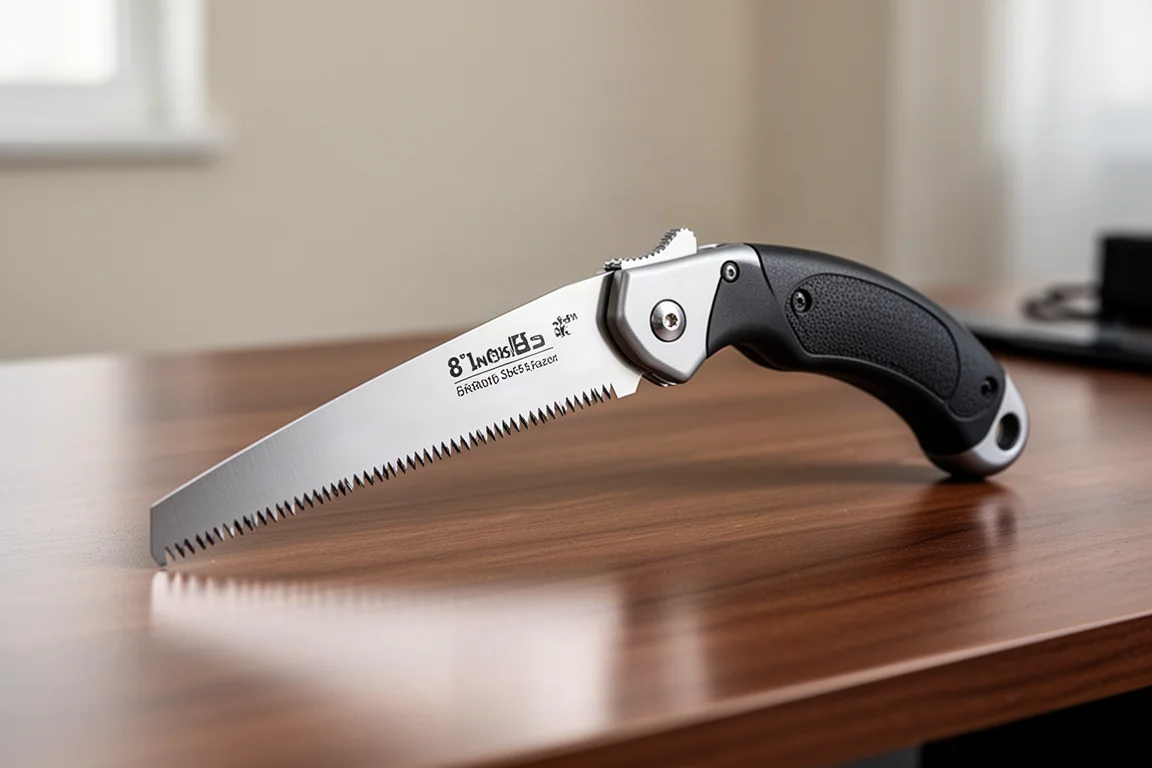
Fastest on a Timed Cut: Samurai Folding Pruning Saw
The Samurai lived up to its name with the sharpest new blade in the field at 230. Its impulse-hardened steel blade with triple ground teeth made the timed 2x4 cut in just 3.28 seconds, the fastest of all 16 saws, helped by its long blade. It cut the softwood dowel in four strokes and finished third in hardwood at 16 passes, with an average ranking of 2.2 overall.
The trade-off appeared in edge retention, where it slipped from 3.2 passes, and it costs $24. If raw cutting speed on thicker wood is your priority, this Japanese-made saw delivers.
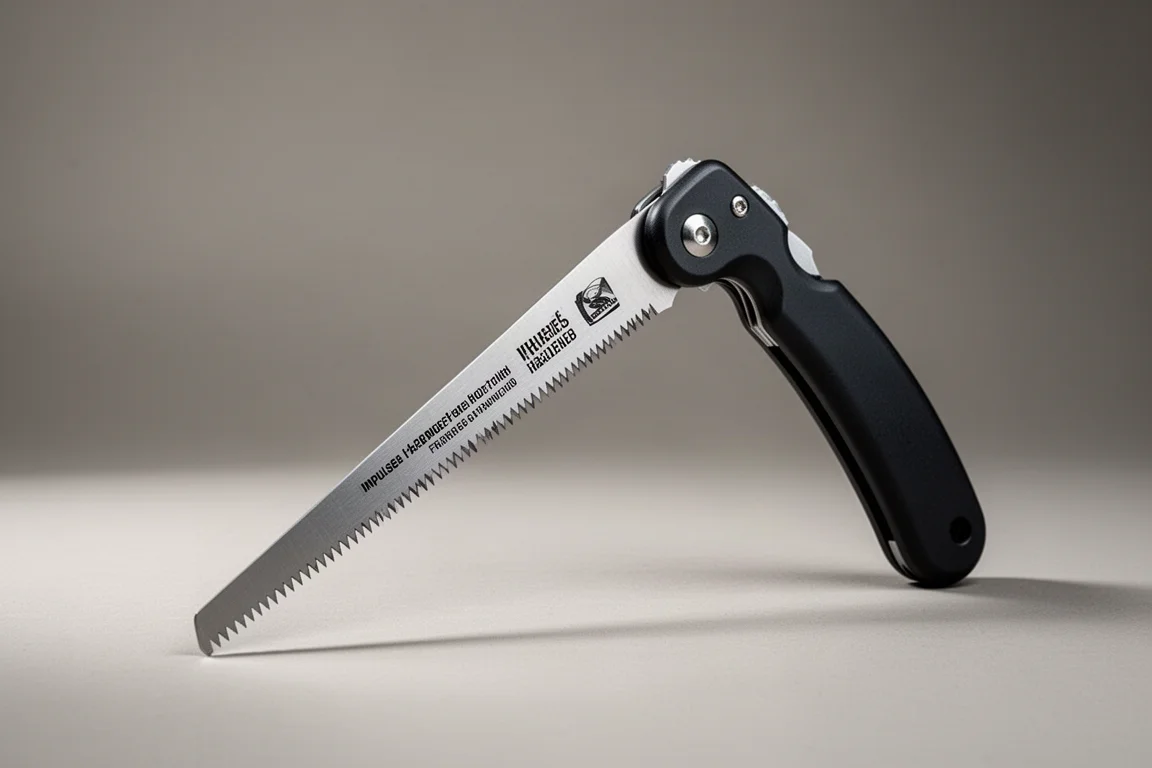
Best Balance of Weight and Speed: Gerber Folding Pruning Saw
The Gerber is the lightest saw tested at 154 g, yet it tied the Fujiwara for the fastest softwood dowel cut at 2.2 strokes and hit 320 on the sharpness tester. It features interchangeable stainless steel blades with a push button blade lock, a 7.1-inch blade length, and a carrying case that includes a fine tooth blade. Its aggressive tooth count near 7 TPI helped it finish fourth in hardwood at 20 passes.
Edge retention was its weak spot, losing ground from 2.2 to 4.4 passes after the abrasion test. Even so, it finished fourth overall, and at $25 the interchangeable blade system adds versatility the others do not offer.
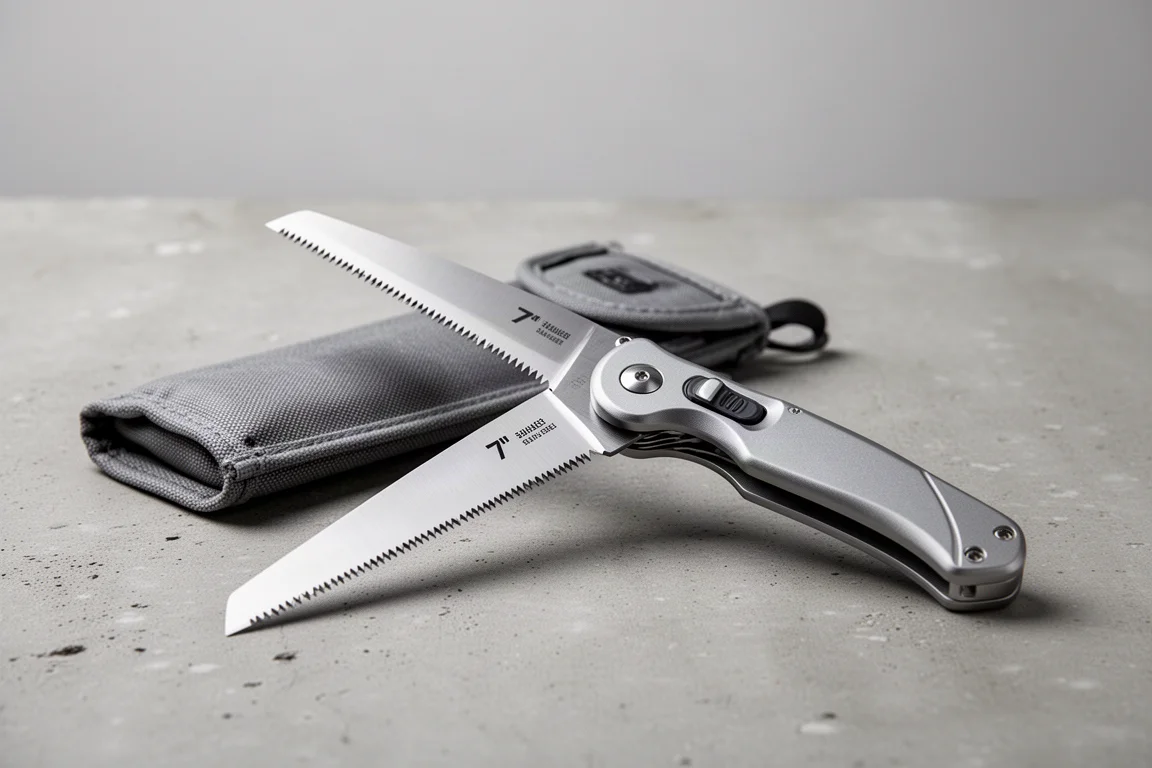
Best Premium Handle Comfort: Silky Pocket Boy
At $43, the Silky Pocket Boy is the most expensive saw tested, and you can feel where the money goes: it has the most comfortable handle of the entire field. The Japanese-made blade is taper ground to reduce resistance, hard chrome plated for a durable surface, and its instantly heat-treated teeth are claimed to stay sharper about three times longer than non-hardened teeth. It can rip cut, cross cut, and slant cut, leaving a smooth surface after cutting.
Performance stayed consistently above average: 4.5 strokes on softwood, 24 in hardwood, and 4.1 seconds on the 2x4. It lost some sharpness after the abrasion test, from 4.5 to 7.2 strokes, but few saws felt this refined in hand.
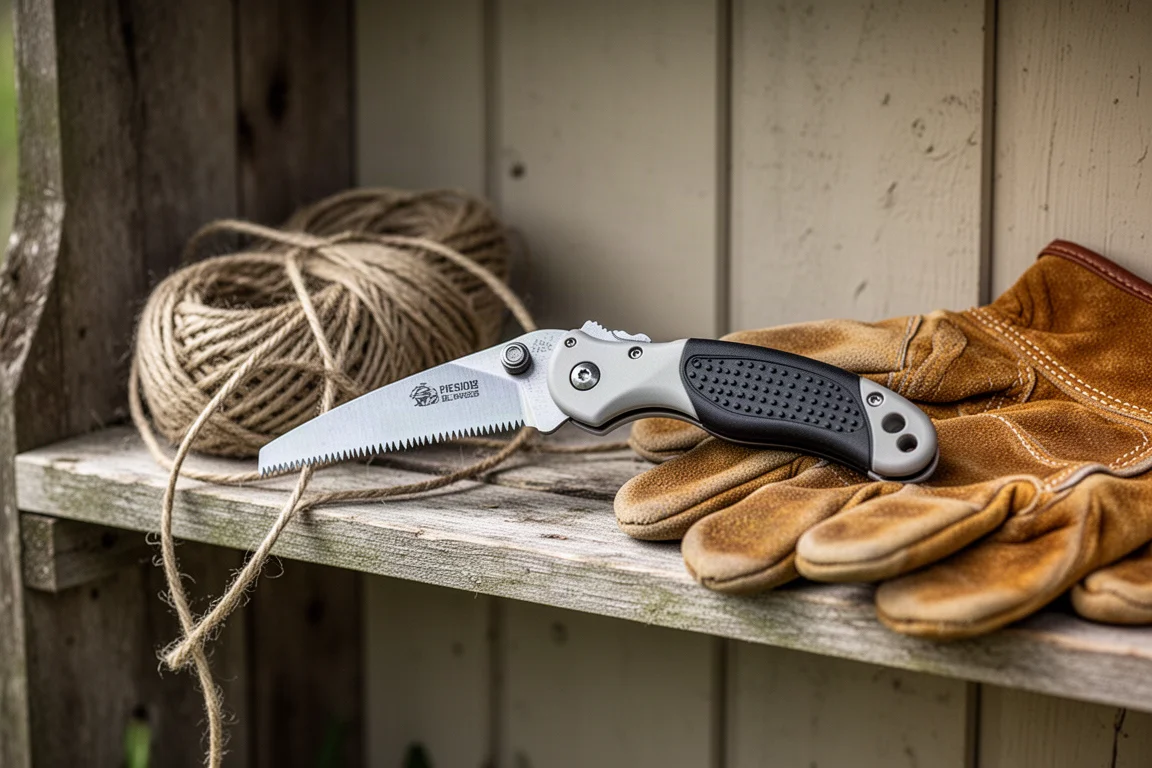
Best Budget Performer: Workpro Folding Pruning Saw
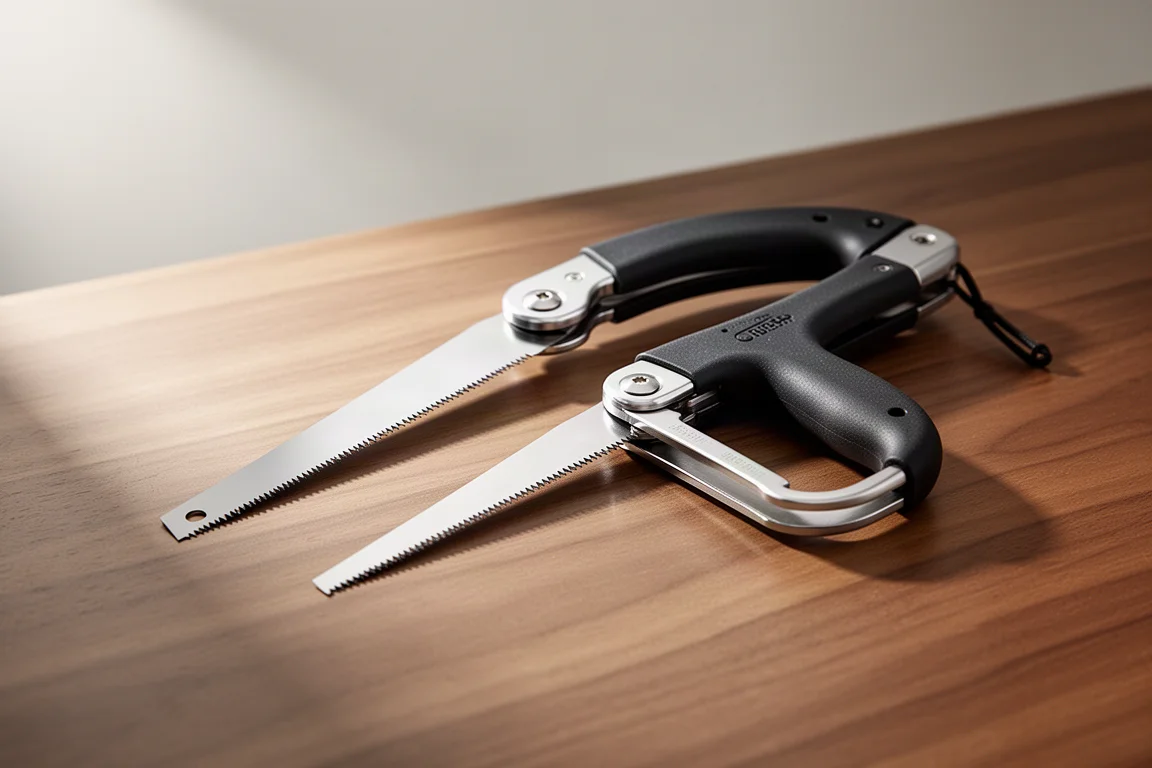
The Workpro is the pick if you want solid performance at $15. Its ultra-high strength, high-speed steel blade with a Teflon coating resists rust and dust, and the 7 TPI aggressive staggered tooth design cut the softwood dowel in 6.2 strokes, second only to the Fujiwara at that point. It cut hardwood in 28 strokes and the 2x4 in 6.5 seconds, both better than average, and it is the second lightest saw at 170 g.
Sharpness measured 555, close to the far cheaper One Stop Gardens, and the blade favors one side when closing. Those are minor gripes at this price for performance that regularly beat saws costing twice as much.
The Rest of the Field
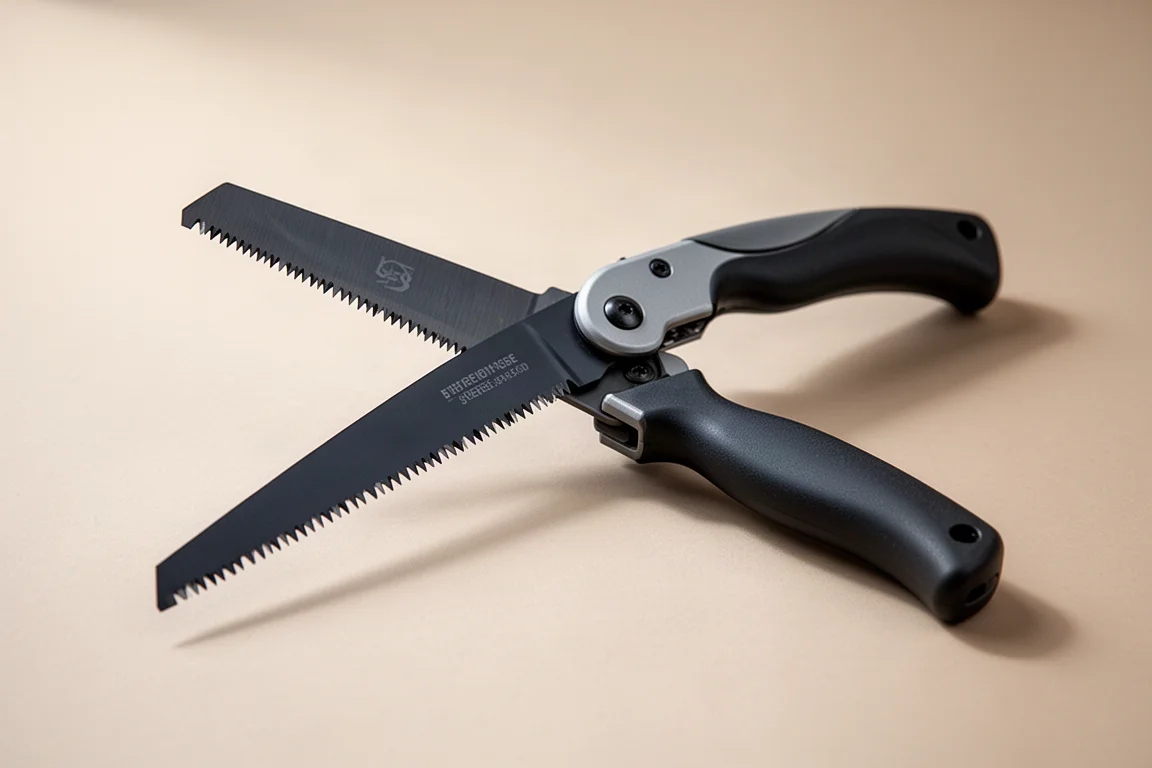
The remaining ten saws all had clear weaknesses worth knowing about. The $6 One Stop Gardens from Harbor Freight actually scored well on sharpness at 475 but took 123 passes on hardwood and was damaged before the 2x4 test. The Flora Guard was the slowest overall, needing 212 passes on hardwood. Amazon Basics arrived with a blade favoring one side and failed the 10 lb lock strength test, the only saw to do so.
Jin Wood’s 10-inch SK5 blade was genuinely good on hardwood at 48 strokes, though the extremely stiff blade makes deploying and closing it a chore. Gruntek, made in Germany, cut softwood well at seven strokes but scored just 820 on sharpness. Mossy Oak and SOG both scored a dull 1,000, with the Ever Saw the dullest of all at 1,835. Bahco’s coated blade sharpened as its paint wore away, improving from 9 dowel passes to 7. Gekko’s razor-sharp Japanese steel was undermined by a very thin 0.6 mm blade with noticeable wobble, and Kershaw lost sharpness after the abrasion test, going from 10 passes to 13.
Buying Advice: Which Saw Should You Pick?
For most gardeners, the Corona is the safest all-around choice: sharpest out of the box, fastest on both softwood and hardwood, and the most consistent after heavy use, all for $17. If green wood and quick cuts dominate your workload, the Fujiwara at $12 is the value pick. For maximum cutting speed on thicker branches, the Samurai is worth its $24 price. The Gerber suits anyone who wants the lightest saw with interchangeable blades, and the Silky Pocket Boy justifies its premium if handle comfort and refined cutting matter most.
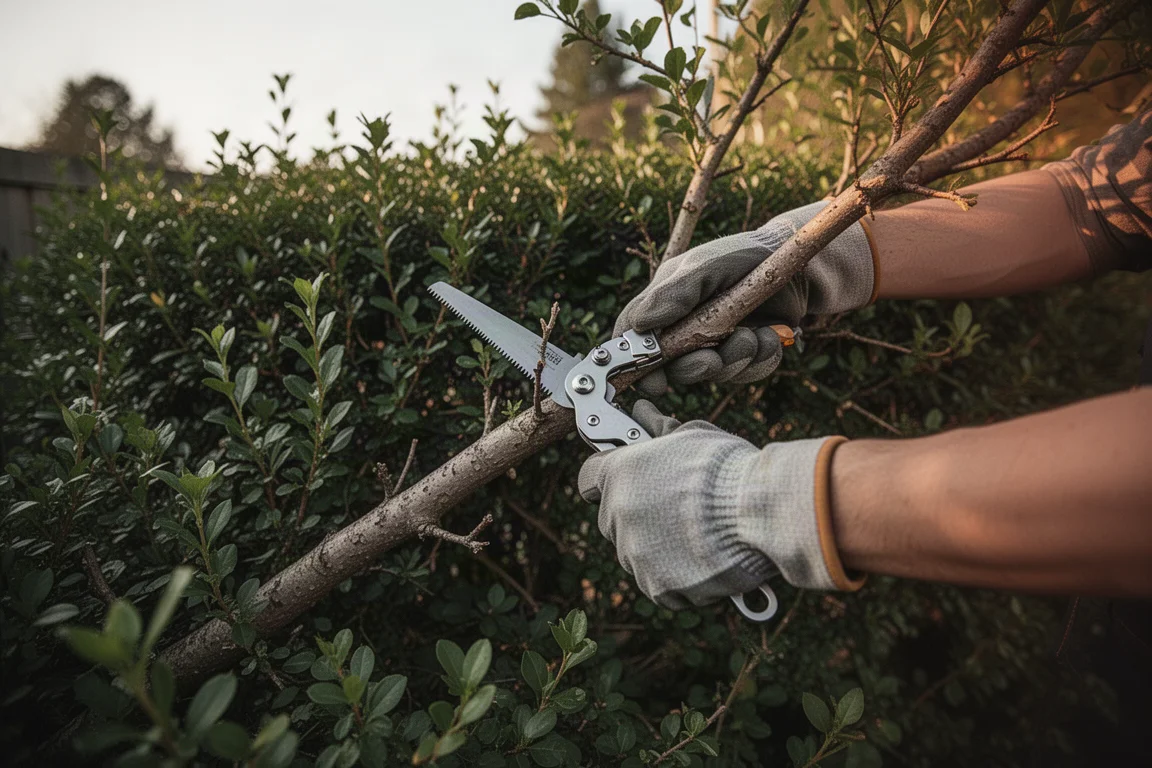
Budget shoppers should note that cheap does not always mean slow here, but it did correlate with rougher build quality: blades that do not fold fully, favor one side, or struggle to lock. Check the blade folds cleanly and locks securely before committing to any saw.
Conclusion
After 16 saws and five rounds of testing, the Corona earned the overall win, proving an affordable saw can outperform premium brands. The Fujiwara, Samurai, Gerber, and Silky Pocket Boy each lead in a specific discipline, and the Workpro delivers dependable performance on a budget. Match the saw to the wood you cut most, and any of these picks will feel like a genuine upgrade over a generic hardware store folder.
Further reading
Related Reviews
Garden Tools
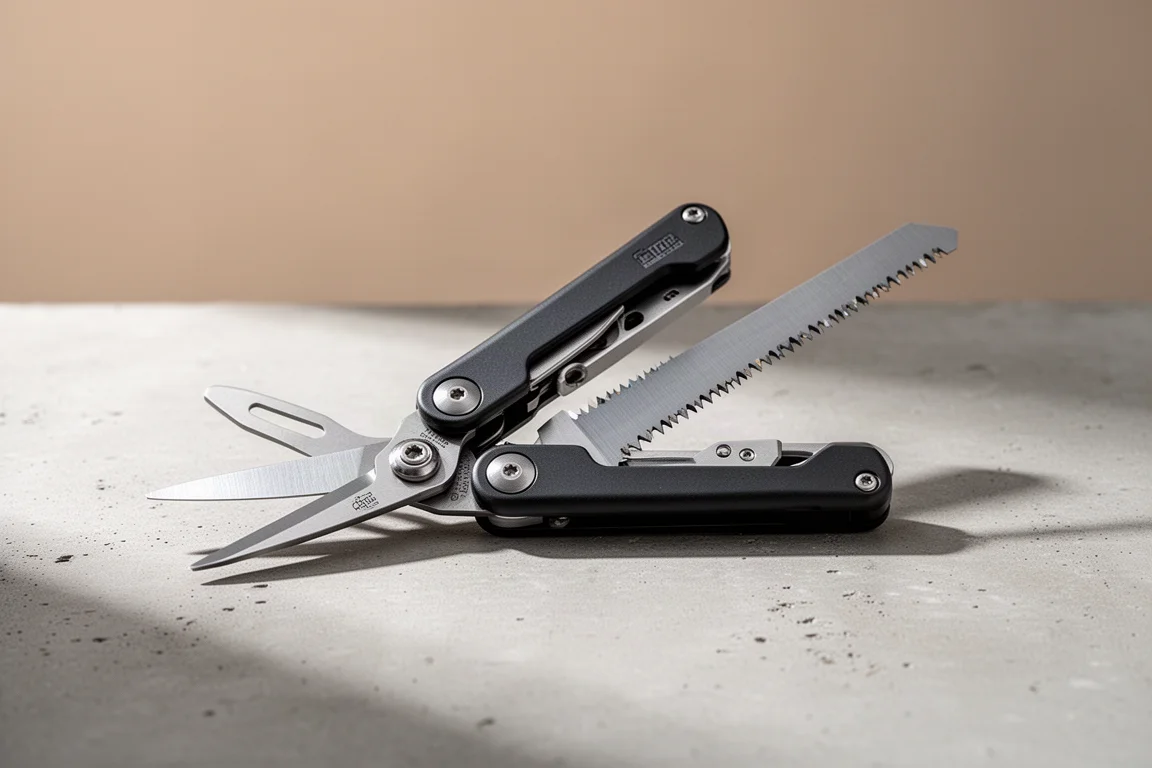
Bibury Folding Trimming Multi-Tool Review: Shears, Saw, and Blade in One
An inexpensive folding trimming multi-tool with shears, a surprisingly capable saw, and a blade we would not rely on. Here is how it held up on real overgrown branches.
Garden Tools
4 Garden Power Tools Worth a Look: Ryobi Patio Cleaners and DeWalt XR Garden Tools
Two Ryobi patio cleaners and two DeWalt XR garden tools put through real springtime work, with honest strengths and trade-offs for each.
Garden Tools
AEG ALP18 Pruning Shears Review: A Cordless Pruner With Real Muscle
The AEG ALP18 cordless pruning shears cut up to 30mm soft wood, keep operation easy on the hands, and add more torque than rival pruners, with a few quirks to know first.