Tools
Best Folding Hawk Bill Knives: Milwaukee vs Klein vs Doy
Three folding hawk bill knives take very different approaches to the same classic blade shape. Here is how they compare for cutting, scoring, and everyday work.
Introduction
The hawk bill blade shape has been around for a very long time, and for good reason. Its deeply curved profile is what flooring knives and linoleum cutters have relied on for decades, and the folding versions of this design bring that same controlled slicing ability to a pocket-friendly format.
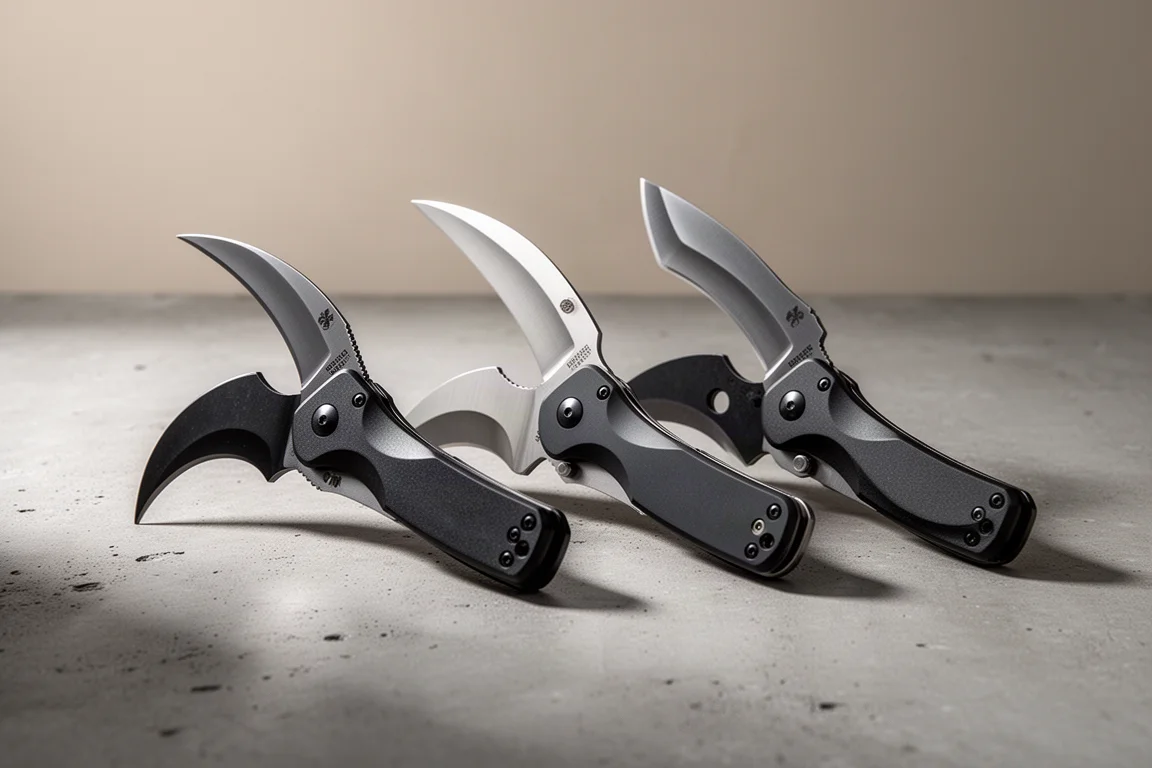
We compared three folding hawk bill knives: the Milwaukee, the Klein, and the Doy. All three follow the same basic theme, but each takes a noticeably different approach to the blade point, the handle, and the details that matter in daily use. One of them stood out as the favorite.
Why the Hawk Bill Shape Endures
The core appeal of the hawk bill is control. Because the blade curves inward toward a fine point, you can drop the tip into material and pull it along a cut with very little effort, which makes it ideal for opening packaging, trimming flooring material, and cutting cable insulation.
That tiny section right at the tip is where nearly all of the work happens. It is also the part most likely to get damaged, which is worth keeping in mind when you compare how each of these knives handles blade wear.
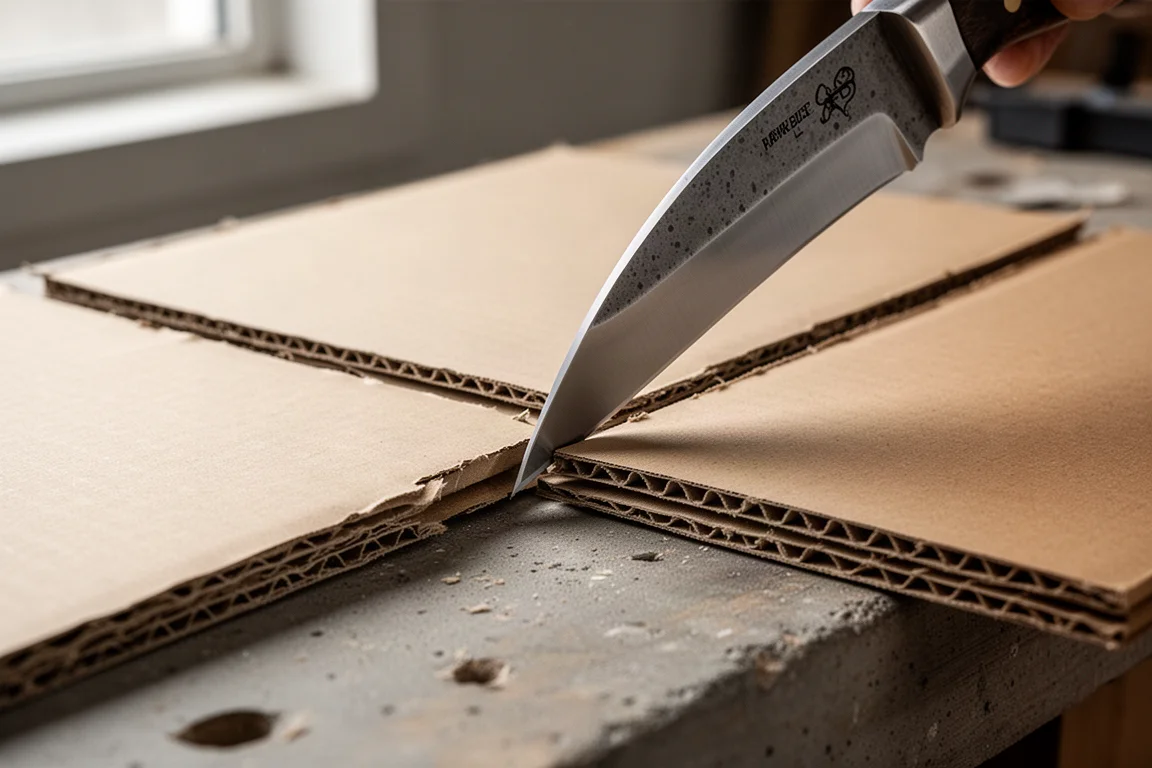
The classic fixed versions, like old USA-made Red Devil knives, lean more toward scoring material than snapping it. The folding versions here are more oriented toward outright cutting, which is how electricians and other trades tend to use them.
Milwaukee Folding Hawk Bill Knife
The Milwaukee is the standout of the group, mainly because of how far it pushes the hawk bill concept. Its blade comes to the finest point of the three, and the overall shape is a genuinely refined take on the design that works well for general-purpose cutting.
One of its biggest advantages is the replaceable blade. Because the blade can be swapped out, Milwaukee can overbuild the handle, and you are not throwing the whole knife away if you damage the front end. That is a practical difference compared with fixed-blade designs where a ruined tip means a ruined knife.
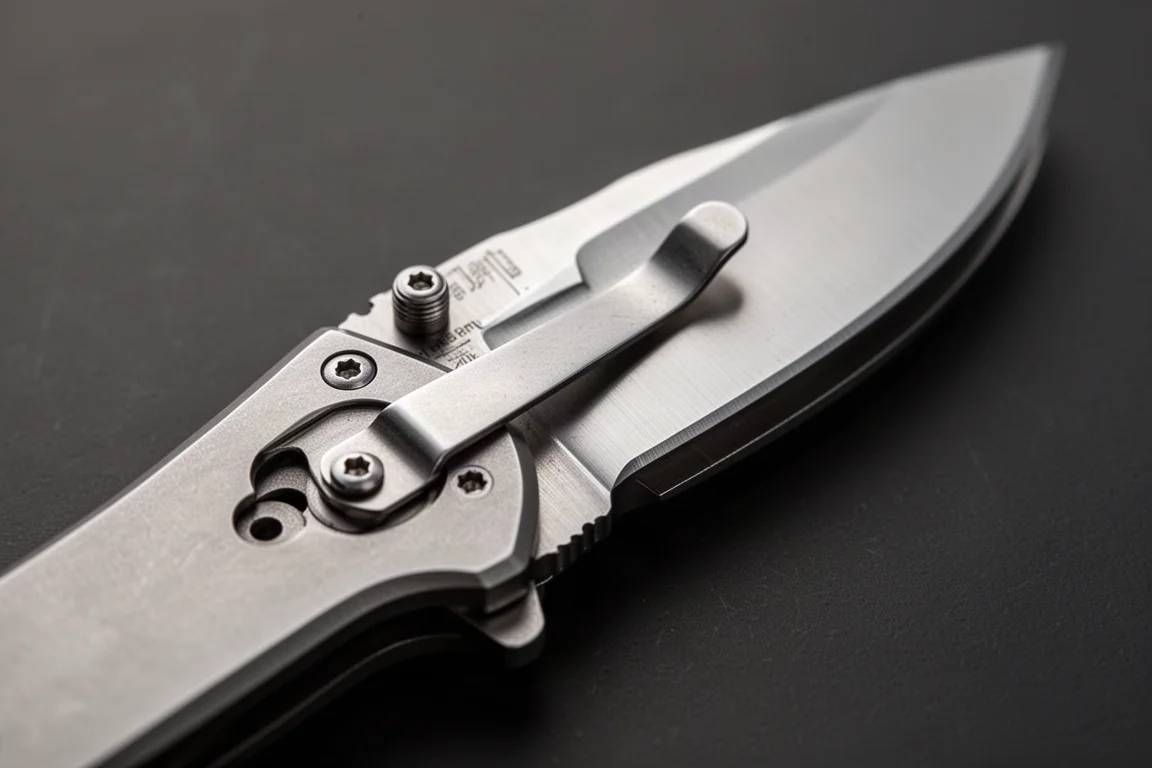
The deployment uses a push button, and it pairs with a liner lock for a familiar, secure feel in the hand. The pocket clip is another highlight: it is a simple wire clip held by its own separate screw, so it comes off easily, and it looks reversible if you prefer to switch sides.
Klein Folding Hawk Bill Knife
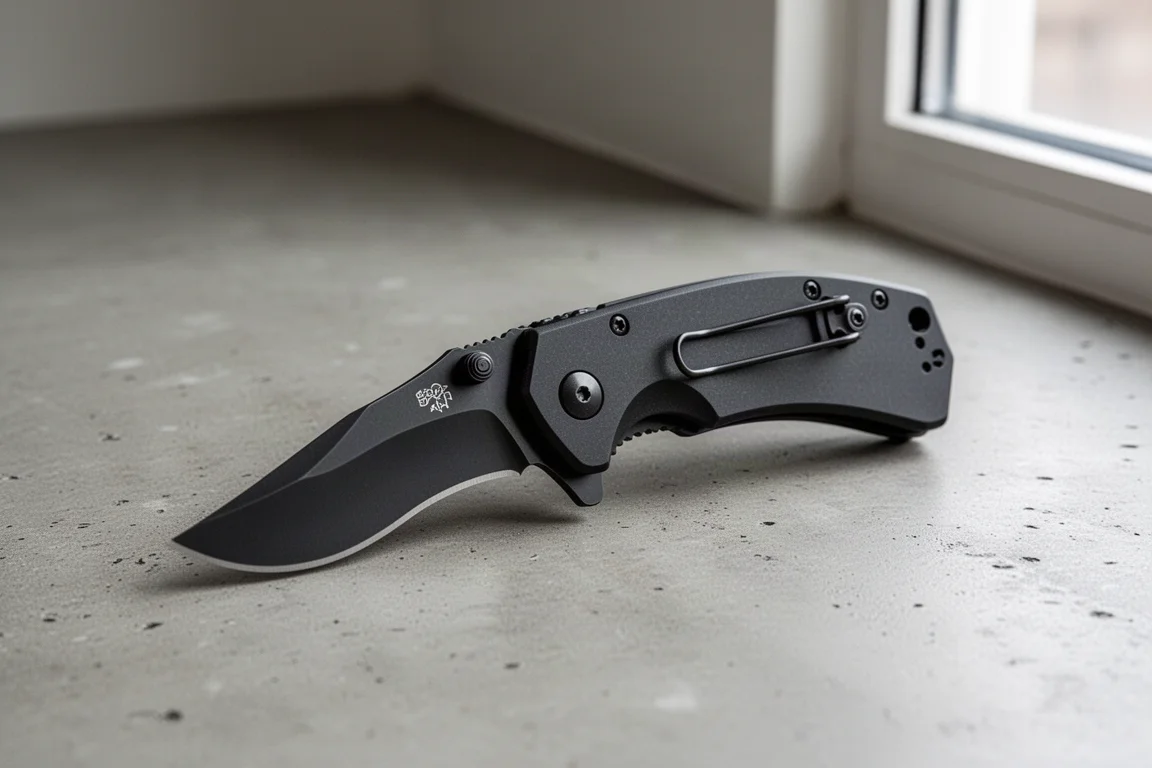
The Klein takes a stouter approach. It has more meat up front and a somewhat less aggressive point than the Milwaukee, which makes it a better match for tougher jobs like cutting flooring or working through cable sheathing where a finer tip might dig in too deep.
Build quality feels solid, and the push-button deployment with a liner lock mirrors the Milwaukee’s setup closely. In practice, the two feel quite similar in how they open and lock.
The main drawback is the pocket clip. It is mounted at the pivot, which means removing it requires essentially disassembling the pivot bolt, and it needs two different Torx drivers to get anywhere. Even then, it does not come free easily. The clip itself works fine once installed, but modification is not practical.
As a cutting tool, the Klein is not bad at all. It slices packaging cleanly once you get it going, and it suits anyone who wants a slightly tougher nose on their hawk bill.
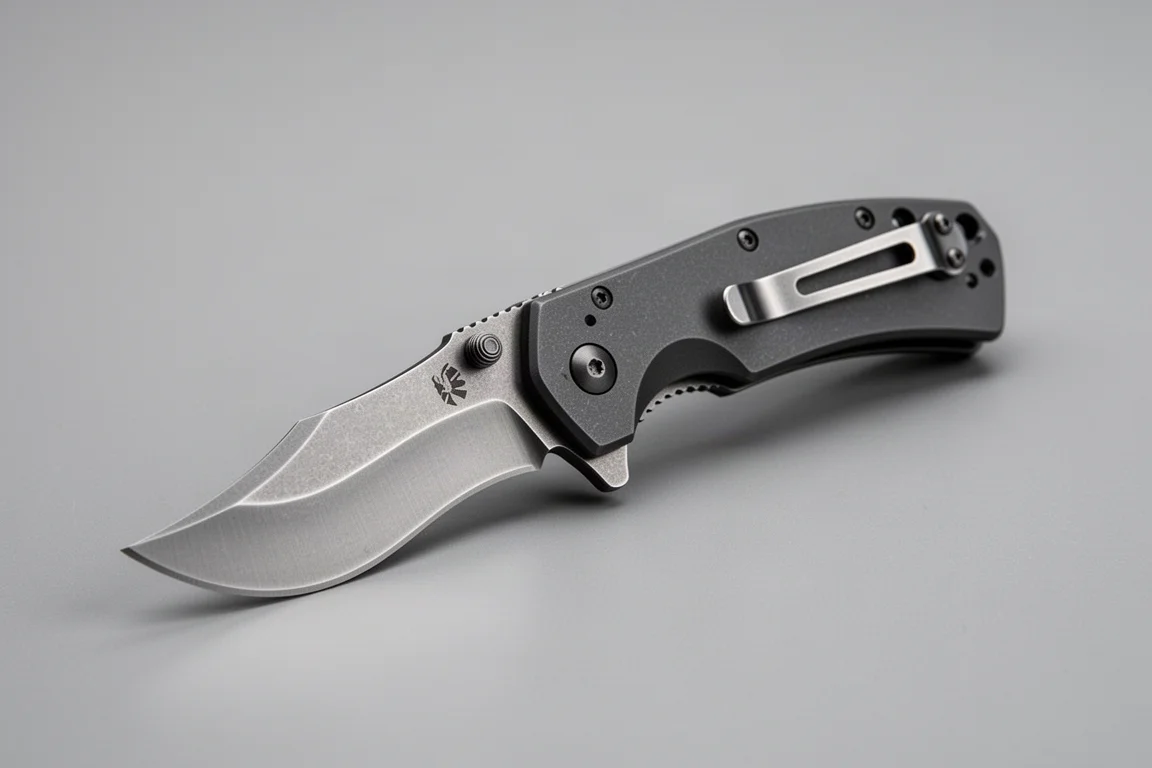
Doy Folding Hawk Bill Knife
The Doy is another variation on the same theme, and it rounds out the comparison nicely. Its blade profile differs again from both the Milwaukee and the Klein, offering a third interpretation of where the point should sit and how aggressive the front end should be.
Like the others, it handles packaging and slicing tasks well once the cut is started. It is a functional folding hawk bill at a presumably accessible position in the lineup.
Where it falls short is in the same clip department as the Klein. The single-pivot design means the pocket clip is not easily removable, and it lacks the separate-screw simplicity of the Milwaukee’s setup. If you care about customizing how the knife carries, this is not the one.
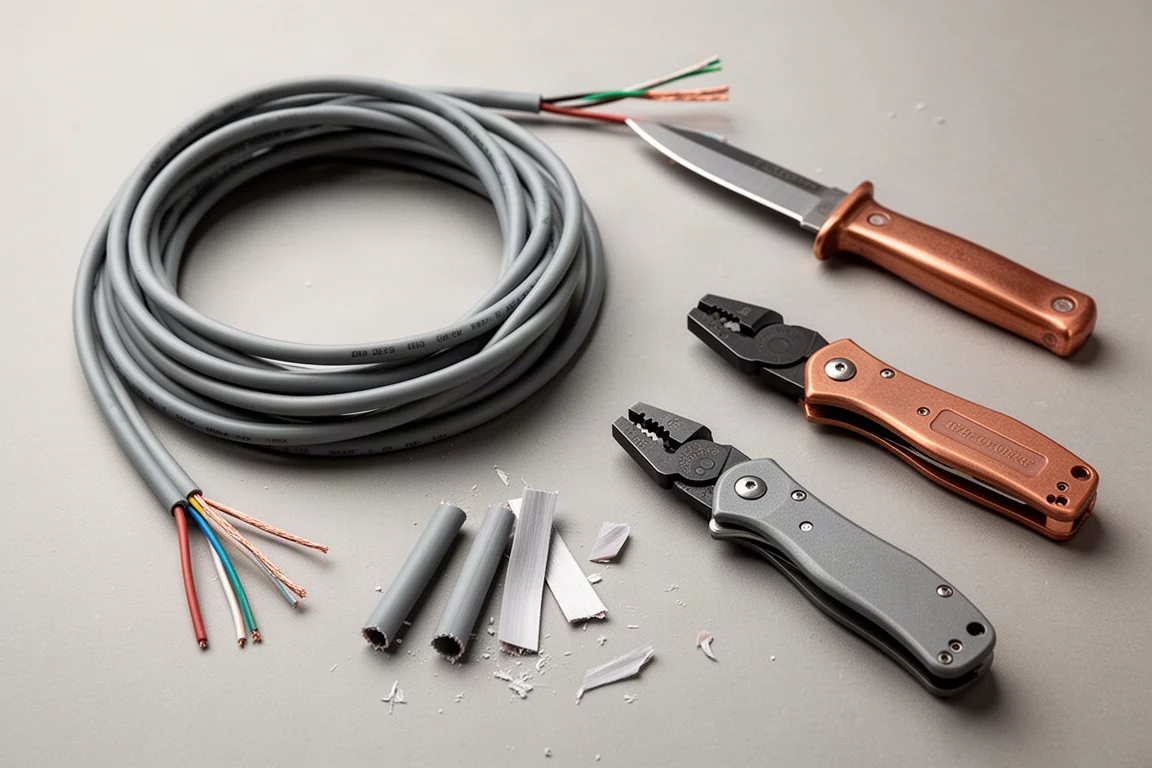
For cable work and insulation cutting, the Doy can hold its own, though the sharper-pointed alternatives may be more precise for that kind of split-and-slice work.
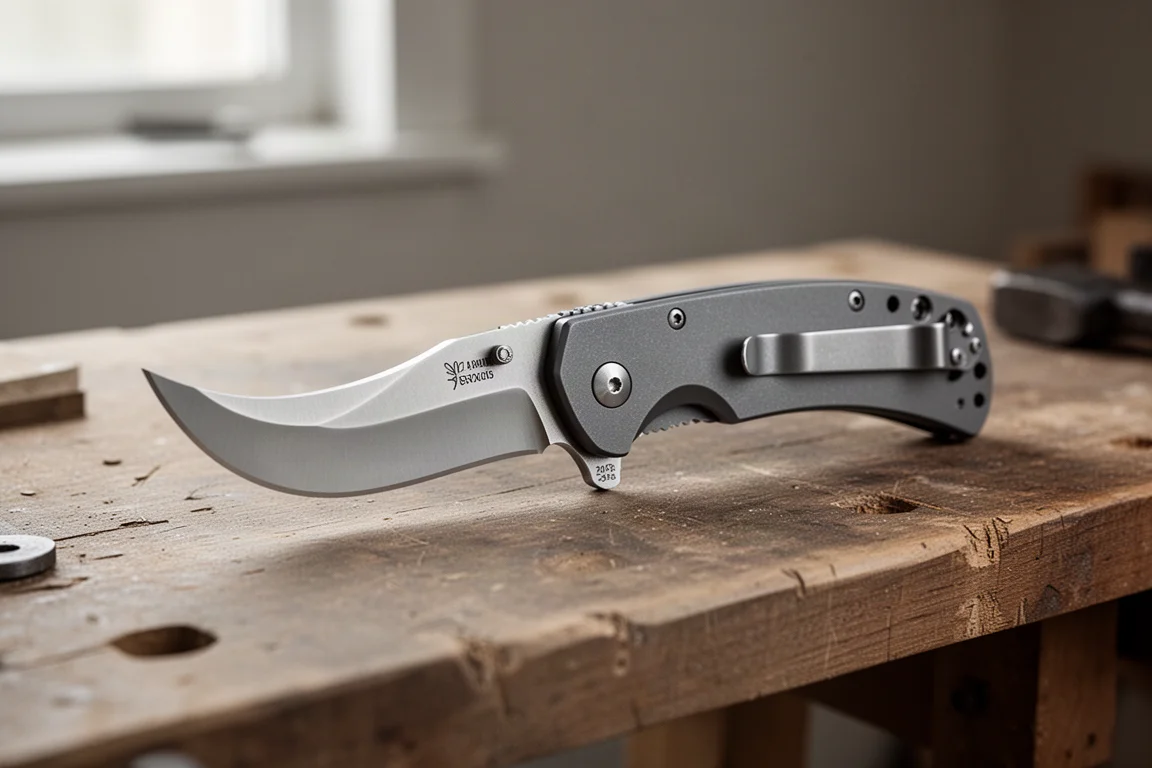
Which One Should You Buy?
If your needs are non-specific, meaning general cutting, packaging, and everyday trade tasks, the Milwaukee currently looks like the ideal folding hawk bill. The fine point, the replaceable blade, and the user-friendly pocket clip add up to the most complete package of the three.
If you have specific cable sheathing or flooring needs, you likely already know what profile suits your work, and the Klein’s stouter front end may be the better fit. The Doy is a reasonable third option if you want another take on the shape, but its clip situation is the least flexible.
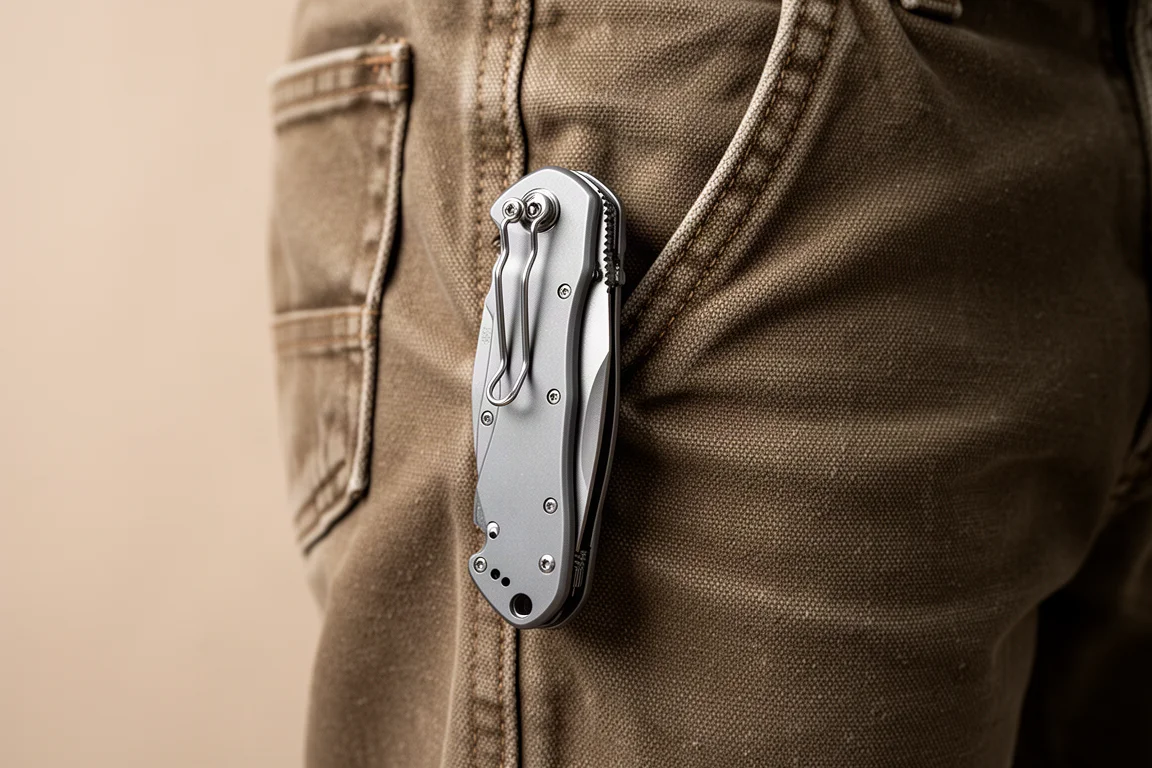
It is also worth noting that Klein makes another hawk bill variant worth trying, so the comparison may not be finished. For now, though, the Milwaukee holds the top spot among folding hawk bills.
Conclusion
All three knives prove there are many valid ways to interpret the hawk bill shape. The Milwaukee wins on refinement, replaceability, and carrying convenience. The Klein brings more material up front for tougher cuts. The Doy offers yet another profile variation. Match the blade point to your typical cutting task, and any of these will serve you well.
Further reading
Related Reviews

Tools
Best Contractor Grade Tape Measures 2026: Eight Models Tested Head to Head
We tested eight contractor grade tape measures from Milwaukee, DeWalt, Crescent Lufkin, Tajima, Stanley, Irwin, Gelan, and Craftsman to find the best value and performance.

Tools
Best Precision Screwdriver Sets 2026: Manual and Electric Options Compared
We compare 19 precision screwdriver sets, from budget manual kits to electric drivers, to find the strongest bits and best value.

Tools
Best Stud Finders 2026: Five Popular Models Put to the Test
We tested five popular stud finders on drywall, firewall, and lath and plaster surfaces to see which ones really find studs and avoid false readings.