Running Shoes
Flagship Daily Trainer Showdown: 16 Neutral Trainers Picked Down to One
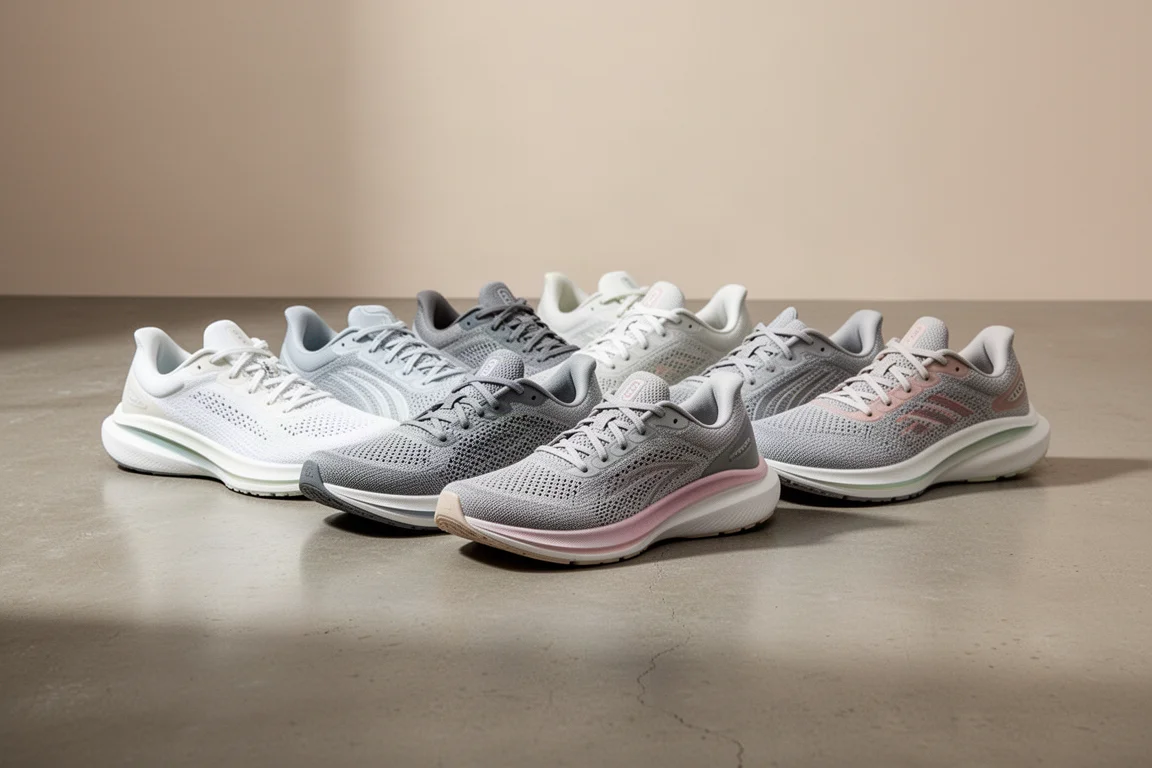
Sixteen flagship neutral trainers from major running brands went head to head, with our picks narrowing the field to a single winner.
Introduction
Every major running brand has one shoe it presents as its flagship neutral daily trainer, the model that defines the lineup. Put sixteen of them in a single-elimination bracket and you get a genuinely useful comparison exercise: not a lab test, but a clear sense of which shoe suits which runner. Here is how the field played out, from the first round to the final.
How the Bracket Worked
Sixteen flagship neutral trainers were seeded primarily on legacy: how long each model has been around and how widely it is known, rather than on individual preferences. Head to head, a shoe needed two of three votes to advance. Seeding was based on reputation and popularity, so some strong recent releases landed lower in the draw than their quality alone would justify.
For a run-focused shopper, the takeaway is less about who wins the whole thing and more about which matchups describe your own needs. If a comparison below sounds like your training, that shoe deserves a try-on.
Round One
Asics Novablast vs Diadora
The Asics Novablast won comfortably, and deservedly. Its foam is livelier and more responsive than the Diadora entry, the upper is well executed, and it typically costs less than the Diadora’s roughly $180 asking price. The Diadora is a firmer EVA-feeling shoe with admirable geometry and ride quality, and it is excellent for standing and walking, but the Novablast’s overall running versatility carried it through.
The Novablast 6 did not land as universally as the 5, with some finding the transition snappier and slappier than they would like, but the forefoot remains the highlight of the shoe.
Hoka Clifton 11 vs Mount to Coast R1
The Hoka Clifton 11 advanced on the strength of comfort and structure. Testers praised a smoother transition, a softer feel, and a rearfoot design that breaks in nicely, even though the outsole wears faster than they would like. The Mount to Coast R1 is impressively durable and clearly aimed at ultramarathon miles, but the fit sizing and initially firmer midsoles need refinement before it can upset an established name.
Saucony Ride 19 vs Altra Experience Flow 3
The first upset of the bracket: the Altra Experience Flow 3 took down the Saucony Ride 19. The Ride has drifted toward a plush, mushy midsole that a do-it-all trainer should not have, while the Altra’s P35 midsole, 4mm drop, and improved fit deliver a pleasant, light, soft-enough ride that handled long runs and tempo work alike.
New Balance 1080 vs Topo Phantom 4
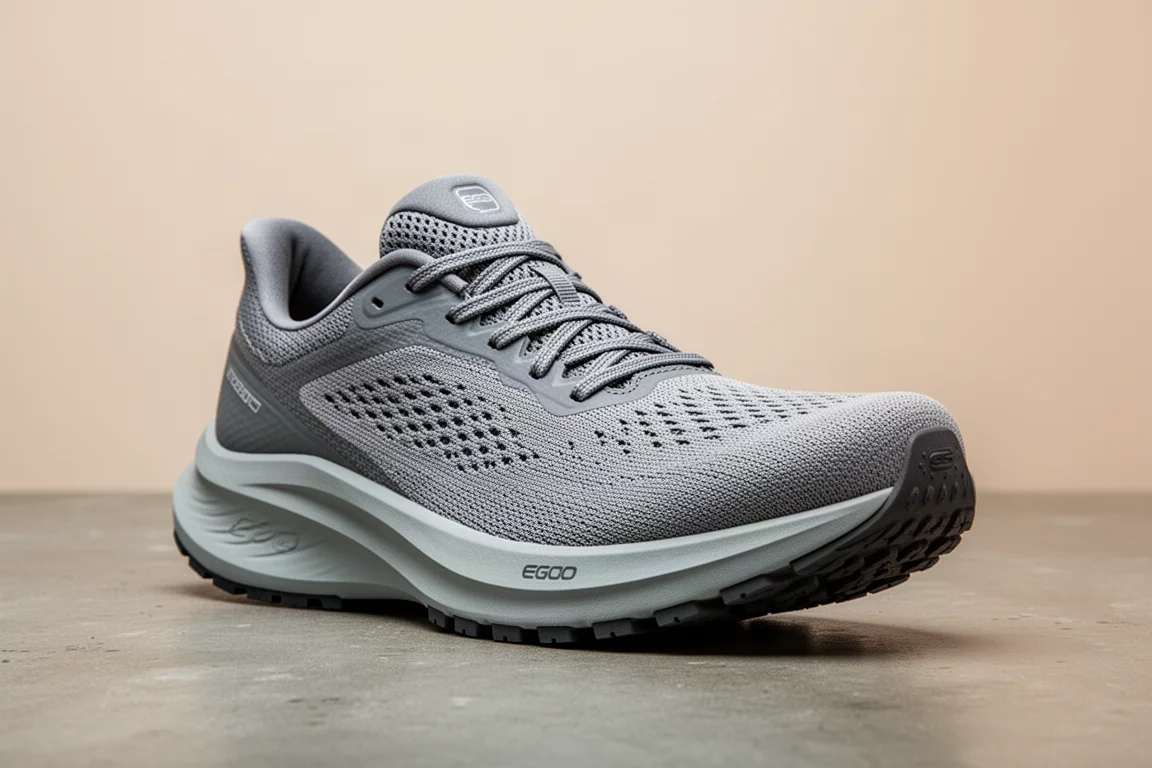
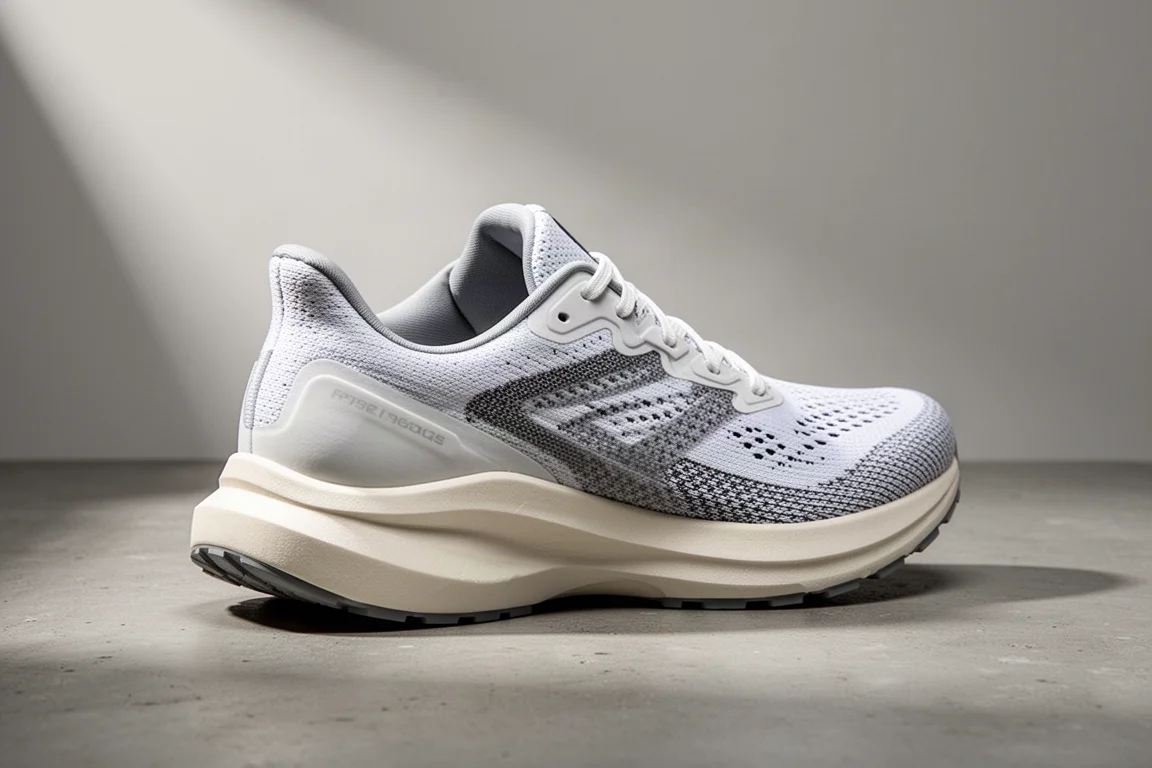
The Topo Phantom 4 upset the New Balance 1080 in a unanimous vote. The 1080 has changed character, now plush but flexible up front, with an upper that testers found stretchy and hard to lock down, plus some exposed outsole durability concerns. The Phantom is not the most lively midsole in the category, but the geometry and upper are superbly done and it costs noticeably less.
Nike Pegasus 42 vs Adidas Supernova Rise 3
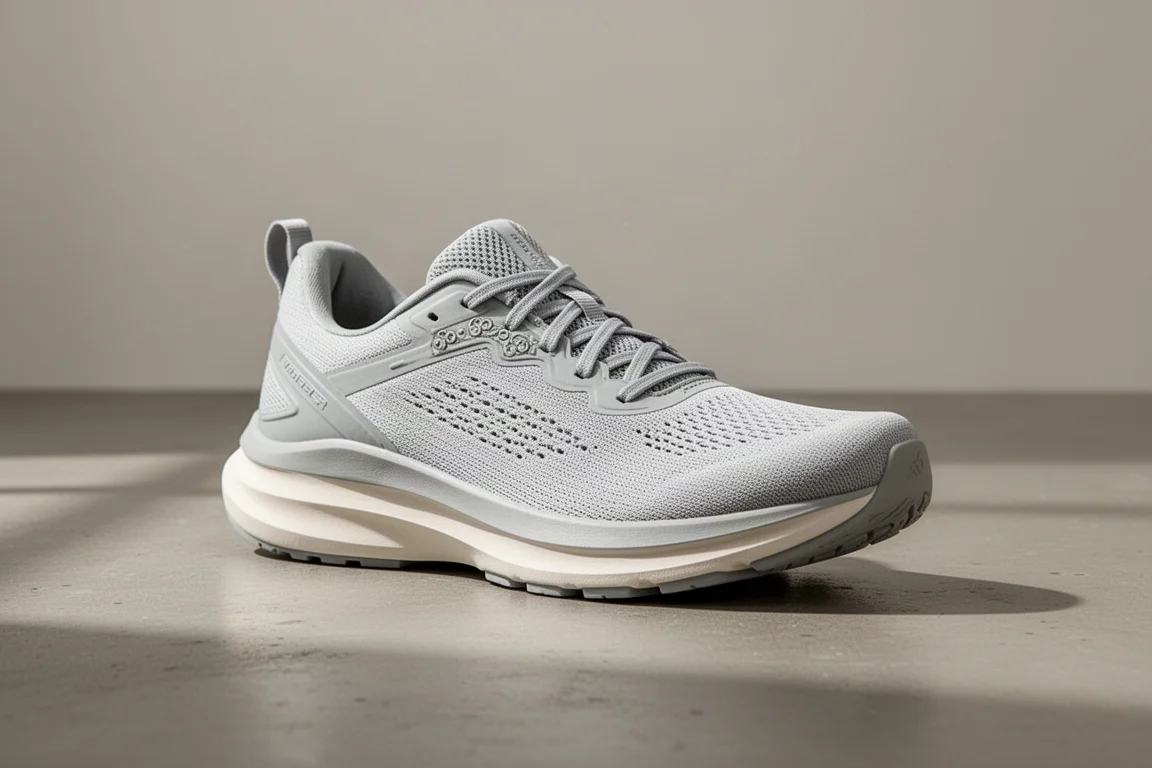
The Adidas Supernova Rise 3 edged the Nike Pegasus 42 in a close call. The Rise 3 grew on testers after a break-in period: a stable-neutral platform with a compliant DreamStrike midsole that is ideal for easy miles. The Pegasus remains a genuinely versatile shoe with a fast-feeling fit and Zoom Air pockets in the forefoot, but for pure daily training the Rise won people over.
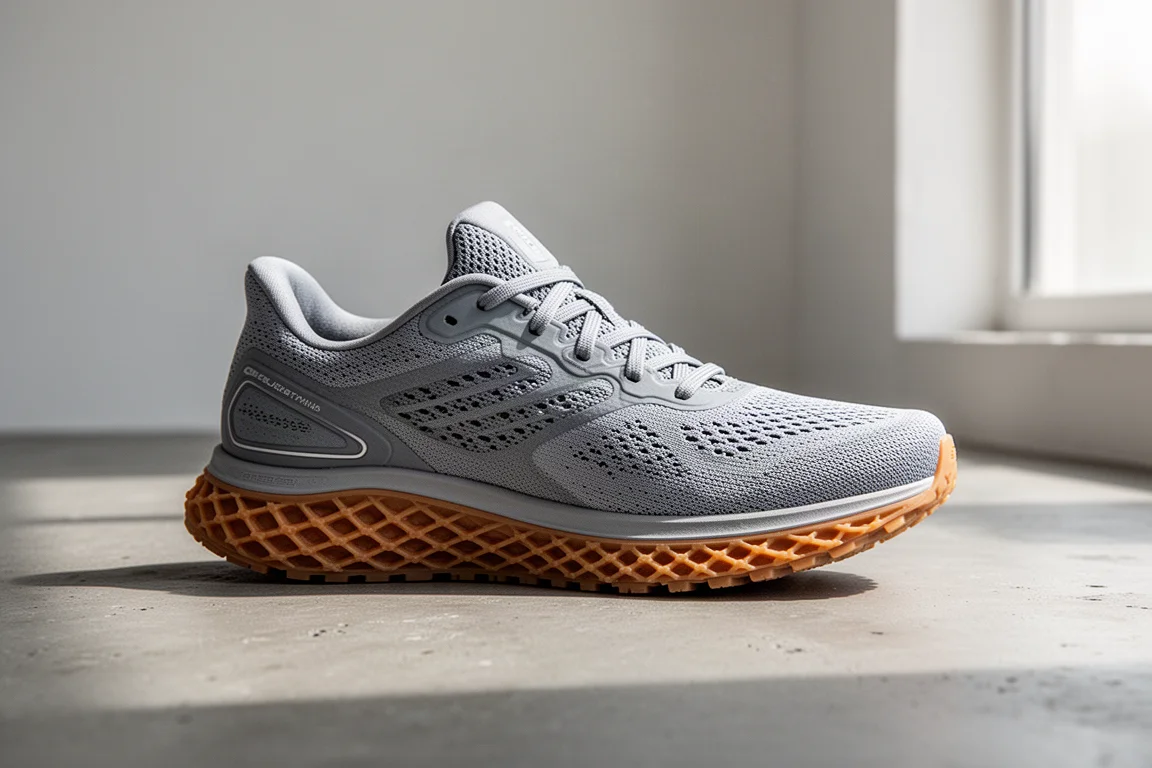
Brooks Ghost 18 vs Skechers Arrow Burst
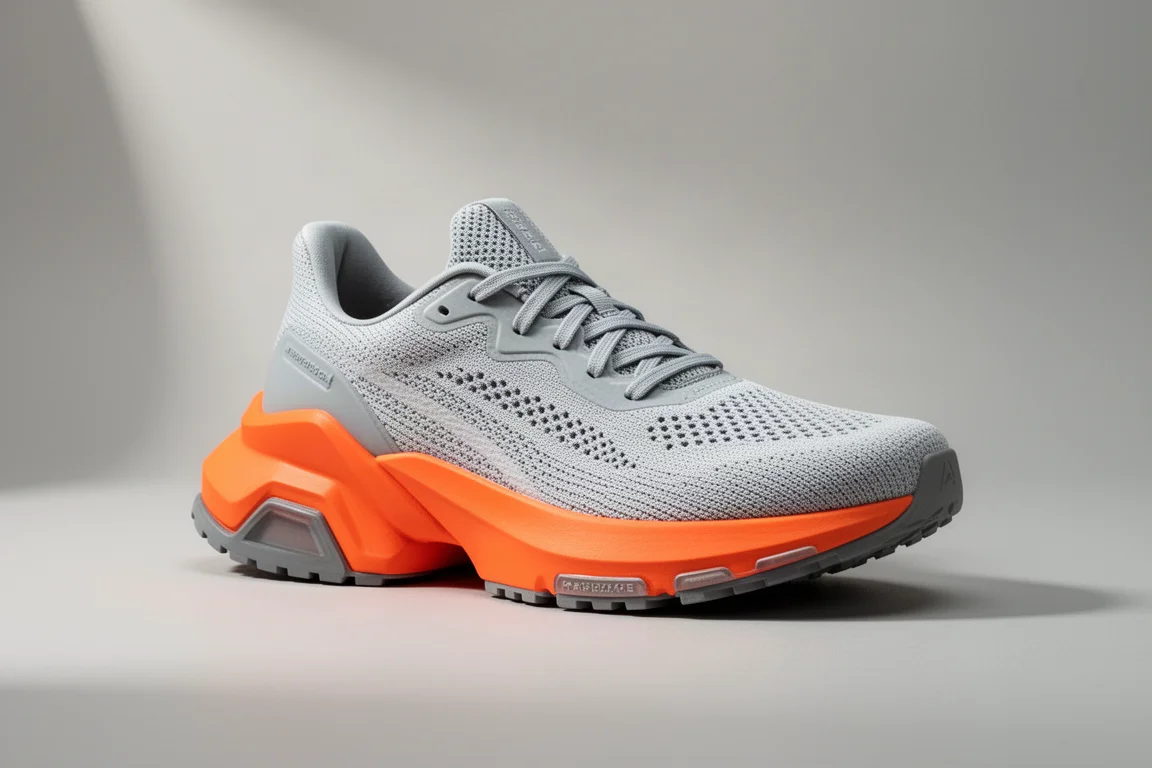
The Skechers Arrow Burst took down the Brooks Ghost 18. At around $140, the Arrow Burst offers a compliant, bouncy ride with a stable platform that punches well above its price. The Ghost remains a firmer, higher-drop option with excellent durability and stable-neutral structure, and it is a solid entry-level pick, but the midsole felt uninspiring in this generation and the newest sizing ran short.
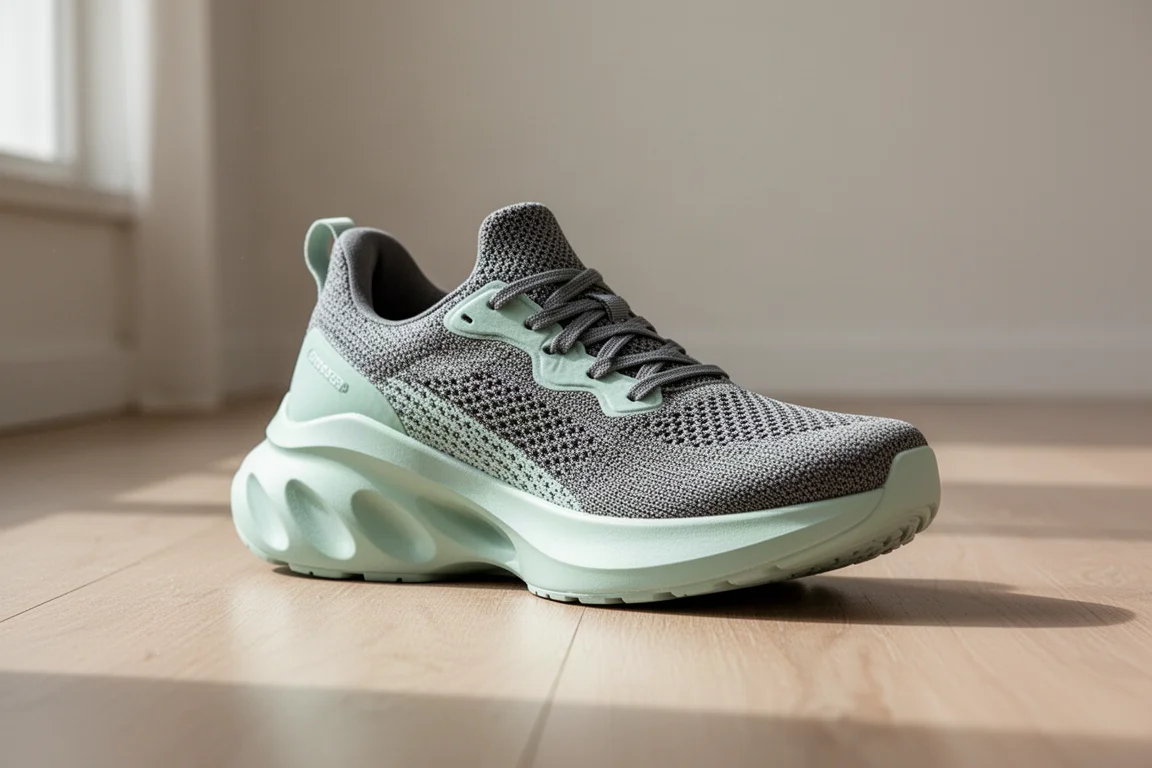
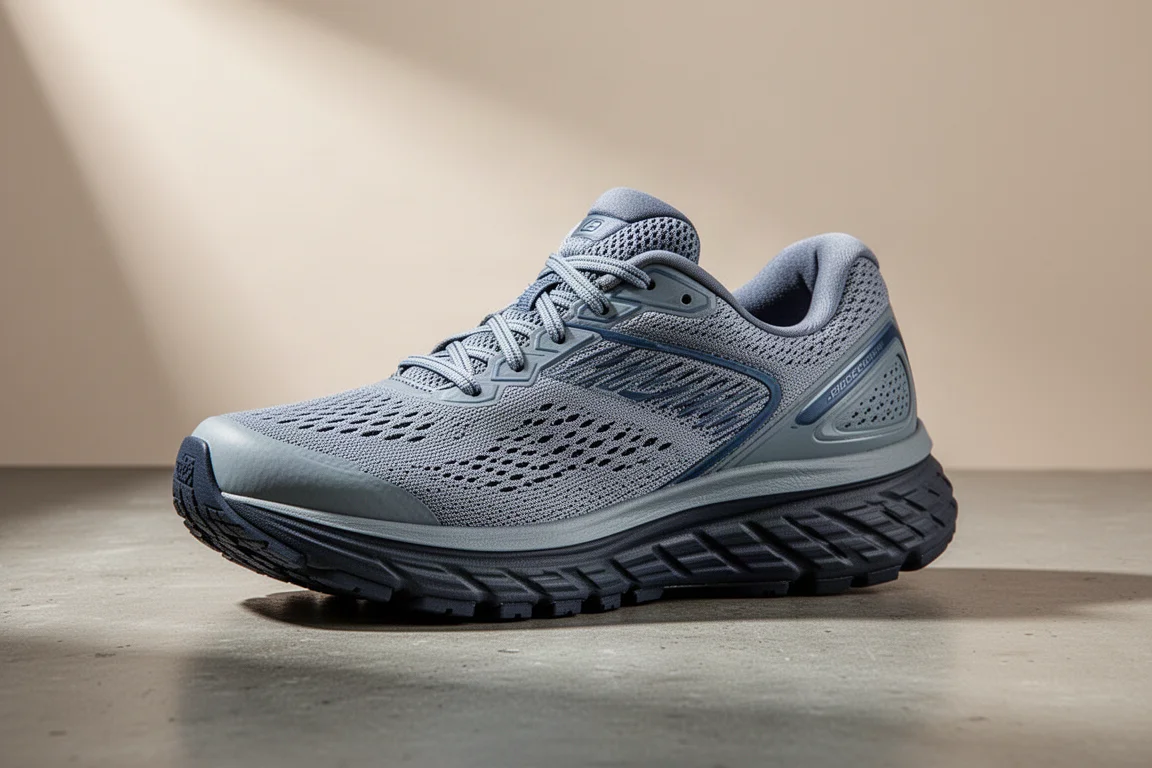
Mizuno Wave Rider 30 vs Puma Velocity Nitro
The Mizuno Wave Rider 30 advanced in one of the closest matchups of the round. The latest Wave Rider is a major update: a supercritical EVA midsole that is genuinely soft and bouncy, a full-length yet flexible wave plate, an 8mm drop, and roughly 9.4 ounces in a men’s size 9, at 42.5mm of stack. It handled track work surprisingly well. The Puma Velocity Nitro shines at faster paces but felt less versatile for easy running.
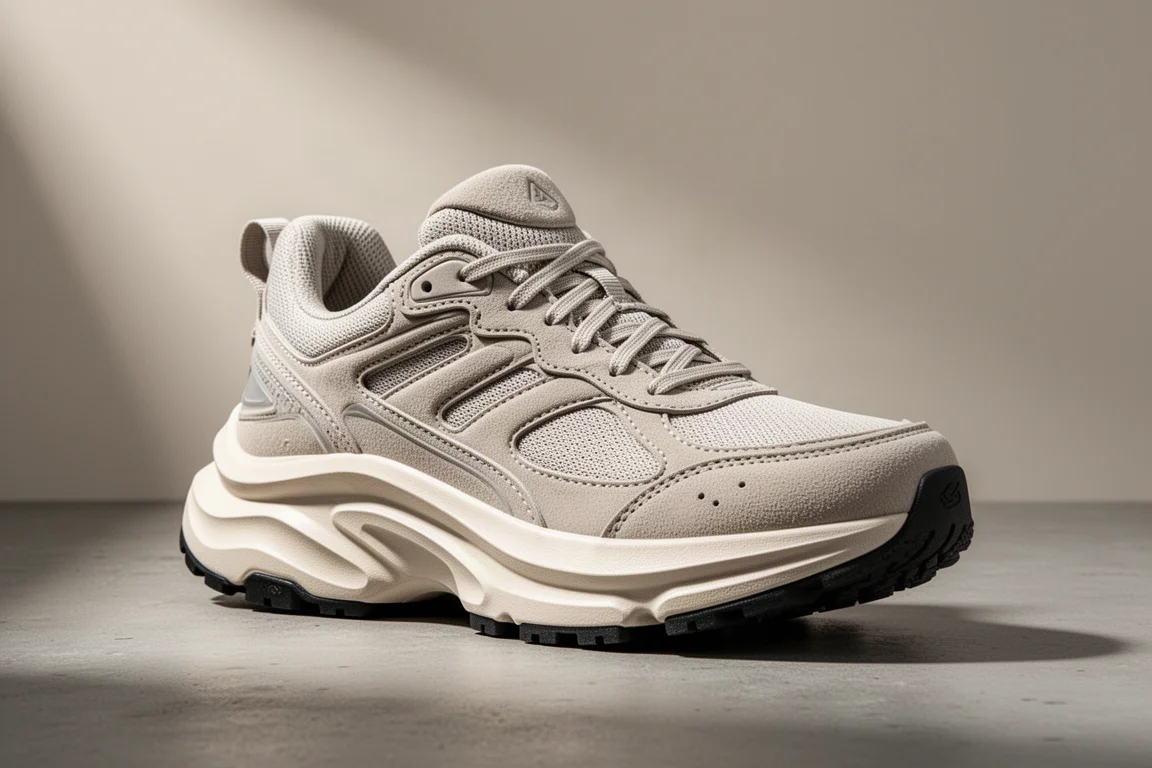
On Cloud Surfer 2 vs Salomon Aeroglide 4
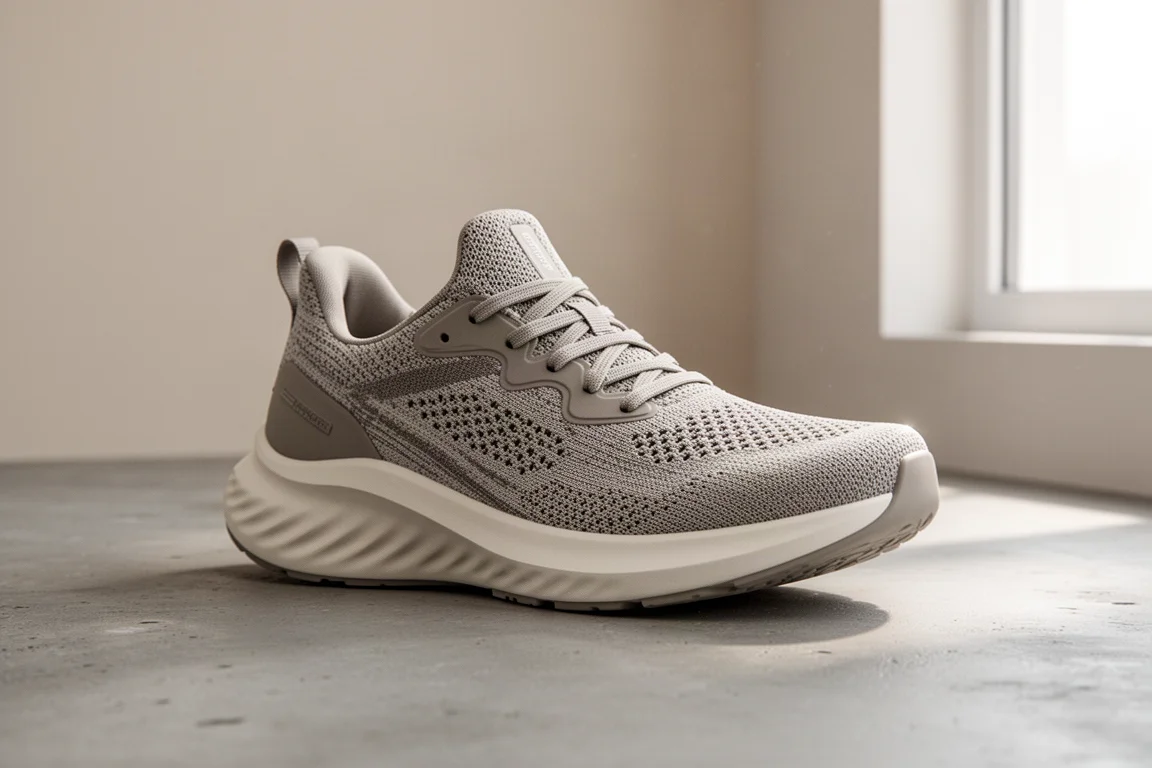
The On Cloud Surfer 2 closed out round one against the Salomon Aeroglide 4. The Aeroglide’s foam has improved dramatically over two generations and the geometry is well set up, but lateral sole flare caused discomfort for multiple testers. The Cloud Surfer is not the most lively On shoe, and version 2 is firmer than the original, but it offers a predictable, smooth-riding platform with excellent uppers and flexibility up front.
Quarterfinals
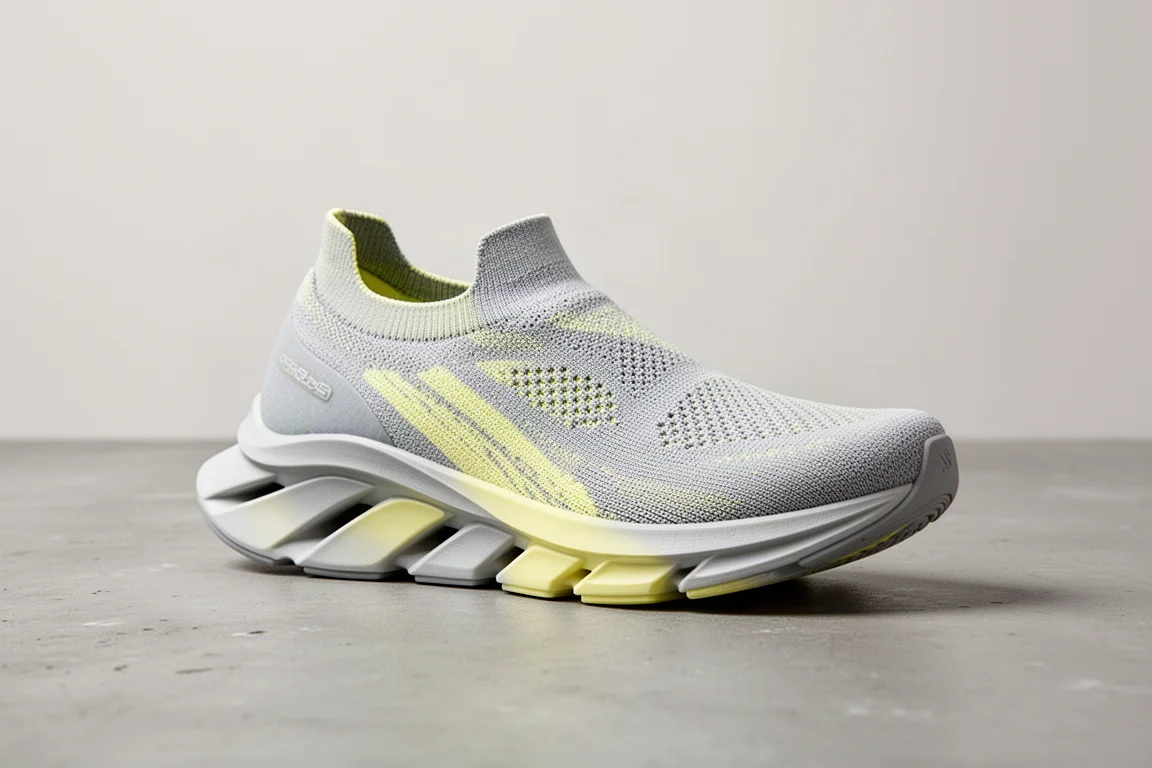
The Novablast dispatched the Cloud Surfer easily, with the Novablast’s livelier forefoot and softer ride proving decisive. The Clifton 11 eliminated the Wave Rider 30 in a genuinely tough quarterfinal. The Wave Rider’s versatility, weight, outsole durability, and traction impressed, but the Clifton’s comfort and structure won out. The Experience Flow 3 handled the Arrow Burst, and the Phantom 4 continued its run past the Rise 3 on the strength of a dialed-in fit.
Semifinals
The Novablast against the Phantom 4 was a battle of craftsmanship versus innovation, and the Novablast survived despite the strongest possible argument for the Phantom’s beautifully finished fit and geometry. The versatility and forefoot life of the Novablast ultimately carried it to the final.
The second semifinal went the Altra’s way. The Experience Flow 3 beat the Clifton 11 in another split decision, with the P35 midsole and fit winning two of three votes over the Clifton’s airiness and improved upper.
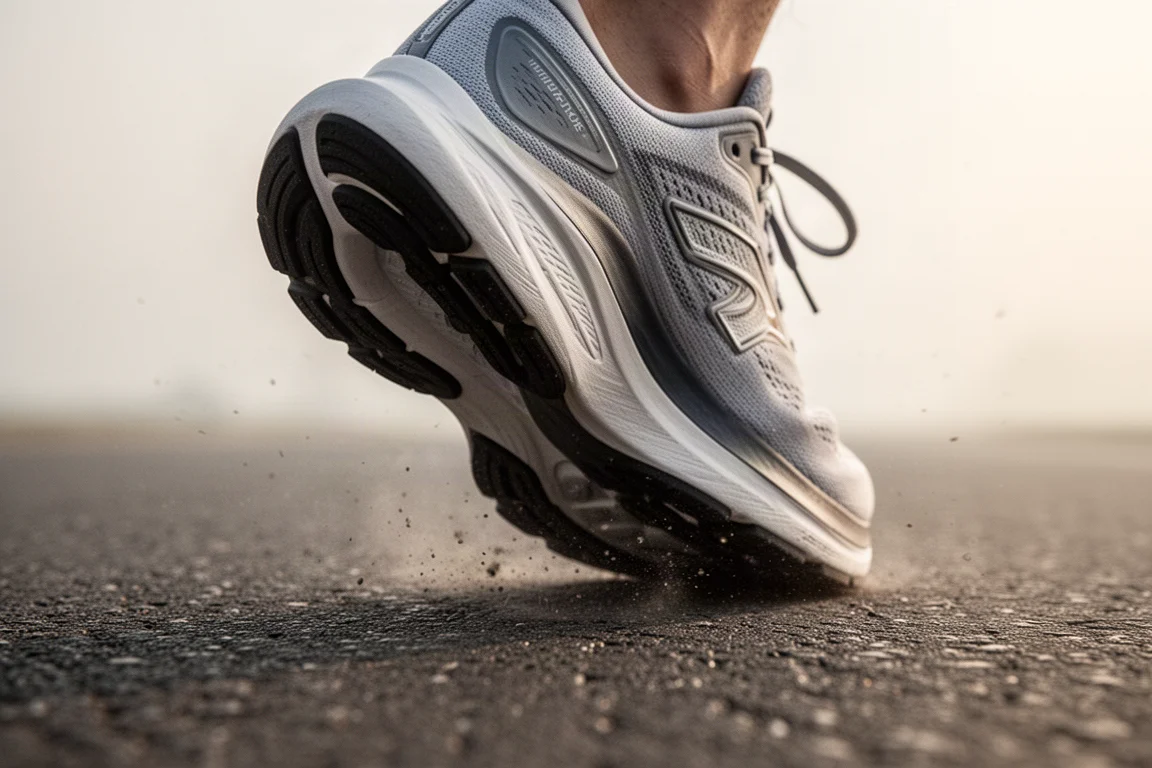
In the third-place match, the Topo Phantom 4 took bronze over the Altra Experience Flow 3, with the Phantom’s refined upper, sidewalls, and overall polish earning the deciding vote.
The Final
The final paired the one seed against the two seed: Asics Novablast versus Hoka Clifton 11. The Novablast has more forefoot life and broader versatility, and it can be pushed to faster paces. The Clifton 11, though, delivered the better overall package this cycle: exceptionally smooth transitions from heel to toe, a much improved upper, a resilient-feeling midsole with good durability, and outstanding all-day comfort for easy miles, walking, and standing.

By two votes to one, the Clifton 11 claimed the crown. The deciding argument was simple: when reaching for one shoe for comfortable daily miles, the Clifton 11 is the one that keeps getting picked.
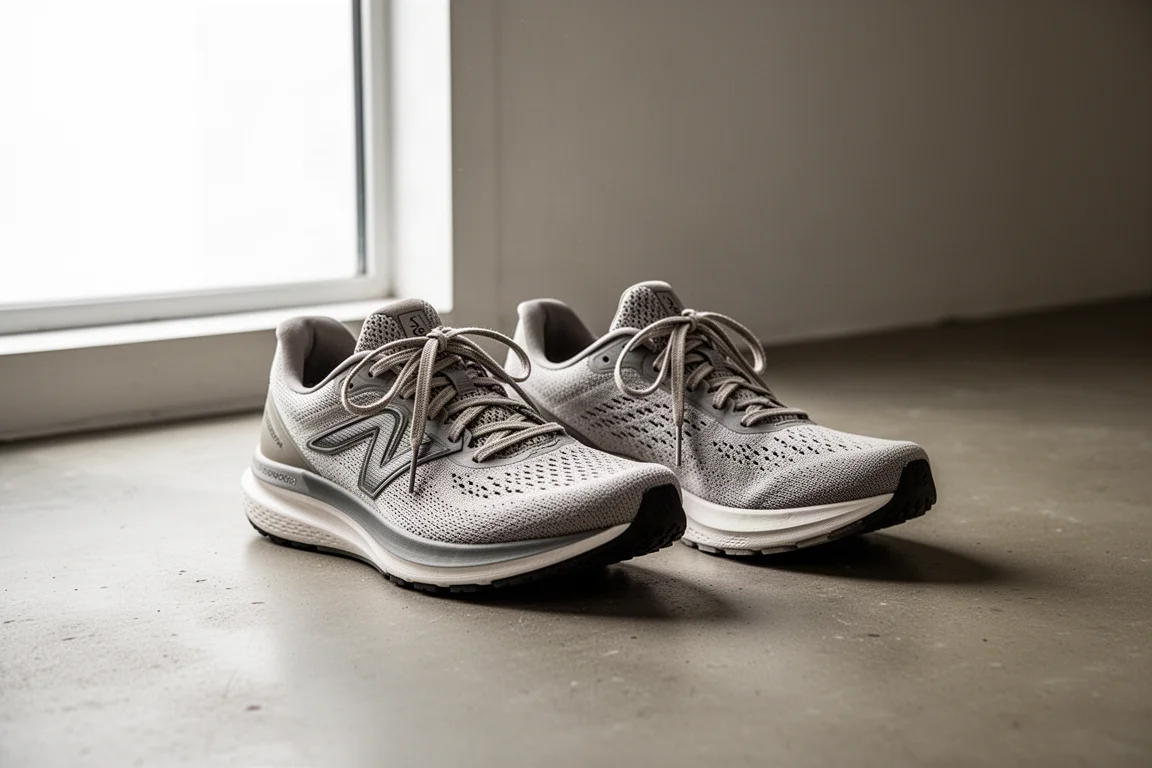
The Clifton 11 is not built for workouts, and neither finalist is. Both are easy-day specialists, and that is precisely what a flagship trainer should be. If you want a shoe that does everything well but nothing at top speed, the Clifton 11 is the safest pick in this entire field.
View more details for Hoka Clifton 11
Conclusion
A sixteen-shoe bracket makes one thing clear: there is no single best flagship trainer, only the best fit for your running. The Clifton 11 won this draw on comfort and smoothness, the Novablast offers more versatility, the Phantom 4 proves craftsmanship still matters, and the Experience Flow 3 shows how far zero-drop adjacent platforms have come. Match the shoe to your easiest miles, and any of the semifinalists will serve you well.
Further reading
Related Reviews

Running Shoes
Best Road-to-Trail Running Shoes: Three Versatile Options for Mixed Terrain
A practical guide to three road-to-trail running shoes that handle both pavement and mild trails, with clear strengths and trade-offs for different runner types.

Running Shoes
Best Running Shoes for Achilles Tendonitis: Three Options Explained
Three running shoes with different heel drops and support features designed to help reduce Achilles tendon pain during walking and running.

Running Shoes
Best Running Shoes for Women: Five Top Choices Ranked
A ranked guide to five women's running shoes, from versatile daily trainers to high-performance racing options, with real strengths and trade-offs for each.