Camping Gear
Best Family Camping Gear Upgrades: 7 Items That Make Camping Easier
Seven family camping upgrades, from a low insulated camp sofa to a complete baby sleep system, with the real strengths and trade-offs to weigh before buying.
Introduction
You can start camping with almost anything: gear from a garage sale, a used marketplace listing, or a hand-me-down tent that still works. That is a perfectly good way to get outside. This roundup is about the next step, the upgrades that make a trip more fun, easier, tastier, and more comfortable once the basics are already covered.
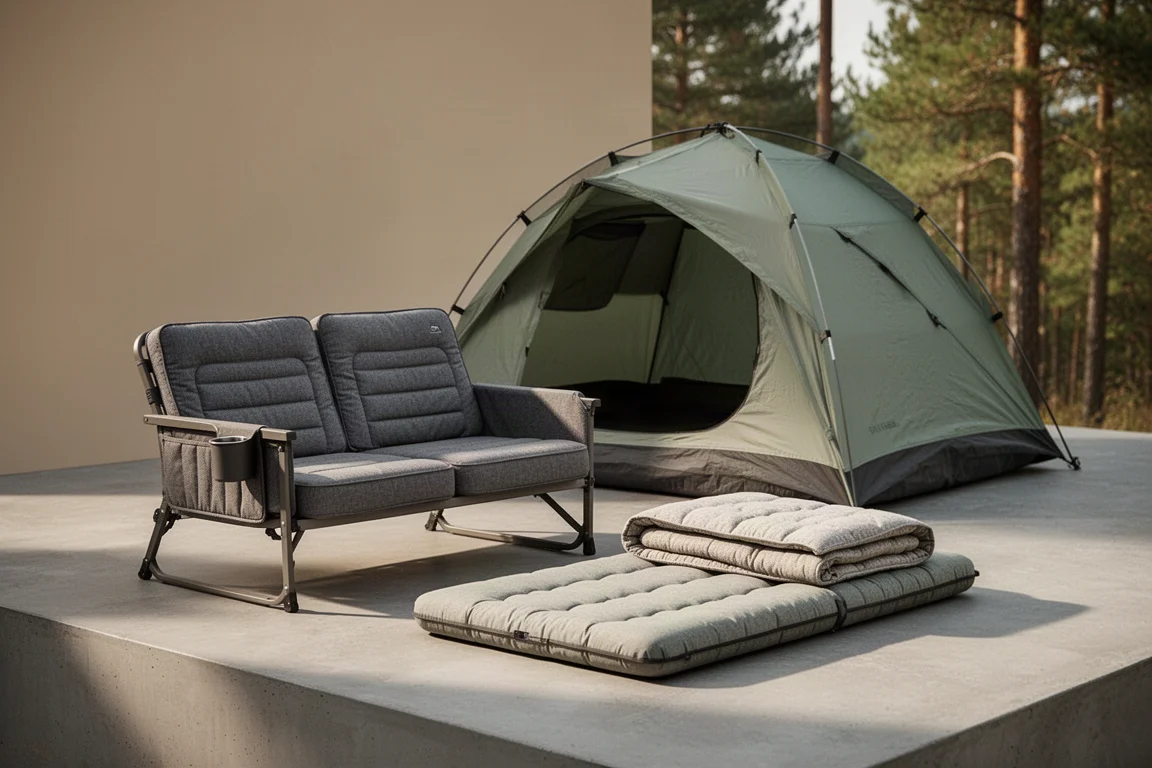
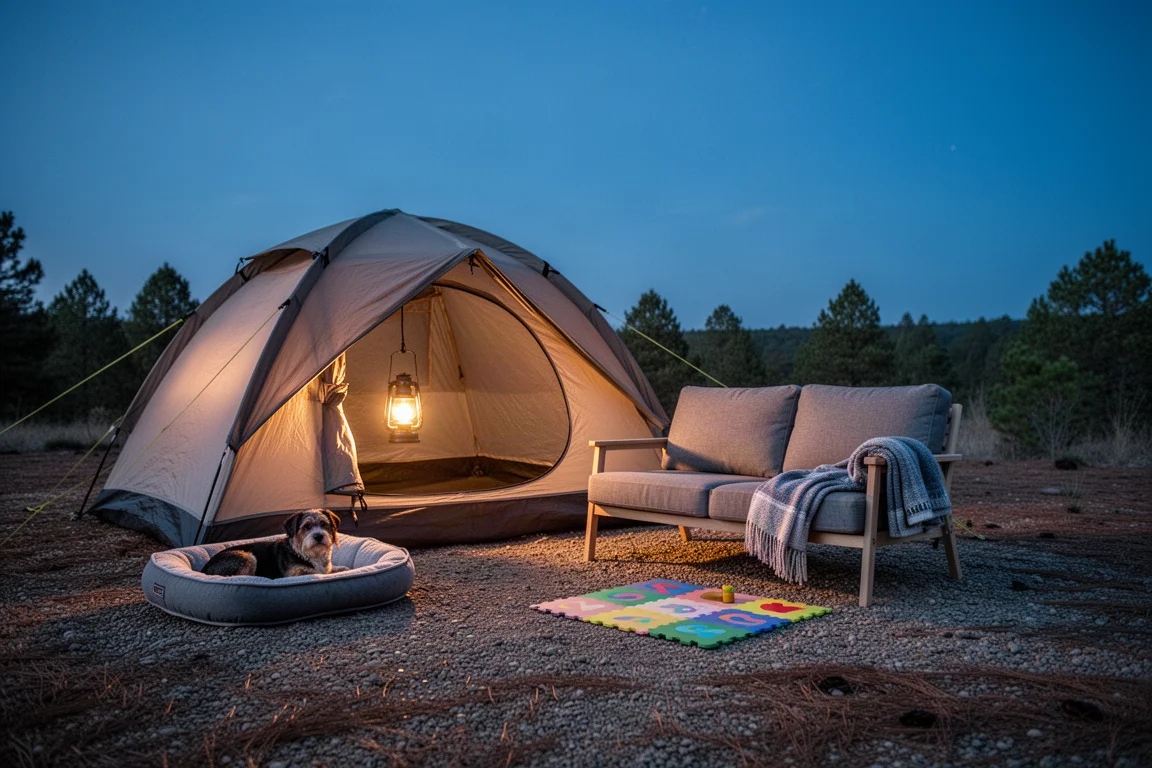
Every item here was used on a real family camping trip with a baby and a dog, in conditions that included an overnight low of 7°C and a midsummer evening that stayed bright until around 10 p.m. The list covers a low insulated camp sofa, a larger family tent, a thick sleeping pad with a washable topper, a baby sleep pod and sleep sack, an adult sleeping bag, and a baby seat that doubles as a camp high chair.
For each item, the sections below explain what stood out in use and what to check before you buy. Where a cheaper alternative might do the same job, that is called out plainly.
How We Evaluated This Gear
Five things mattered more than spec sheets: comfort across a full night, warmth once temperatures dropped, how much space each item took up in the car, how simple it was to set up and pack away, and how the gear behaved with a baby and a dog in the middle of everything.
Value came into it too. A premium price only makes sense if the difference is noticeable in use, and one item on this list raised a genuine question about whether a far cheaper foam alternative would feel the same.
Kelty Love Seat: A Low, Insulated Camping Sofa
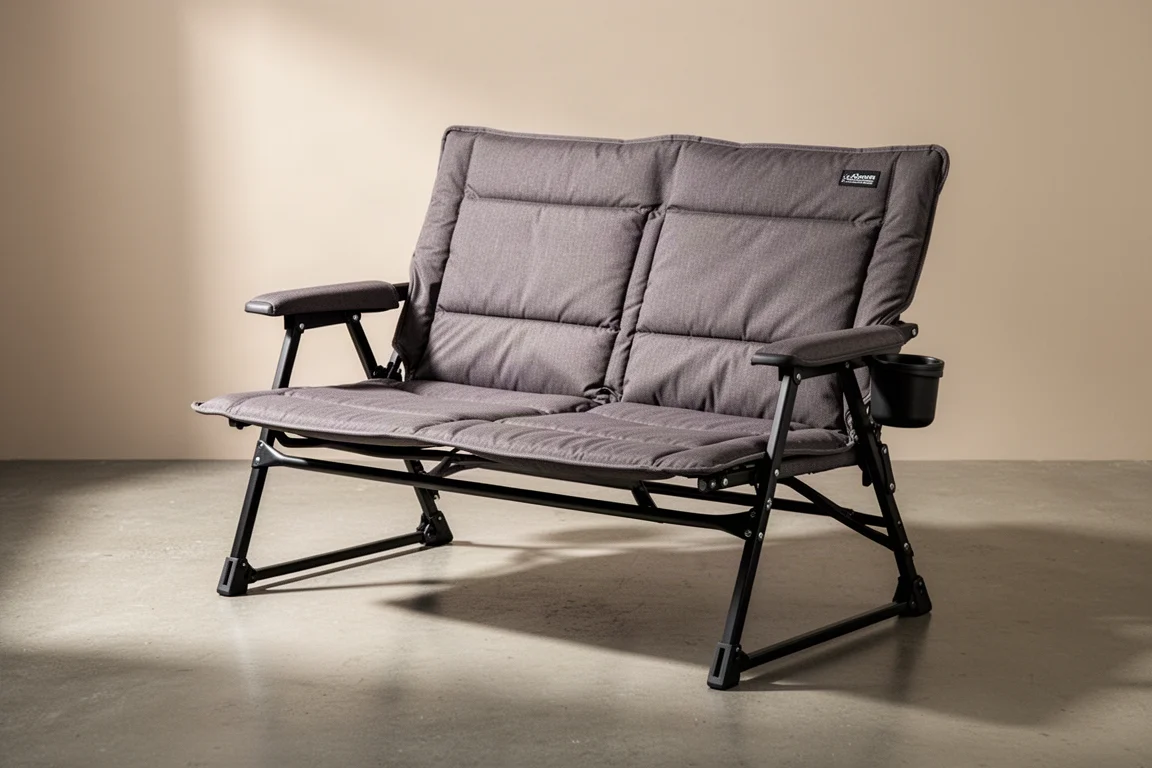
The defining feature of this two-seat camp sofa is how low it sits. A low seat changes how you use a camp chair: you can stretch your legs out and let them relax instead of bracing them, and there is far less pressure on the back of the thighs during a long evening of lounging.
Height also matters when a dog or a small child is climbing on and off. A low seat is easier for both, and if a toddler does tumble off, the drop is short enough to be a minor event rather than a scare. In practice, the dog claimed a spot next to it and the sofa stayed in use from dinner through to the end of the evening.
The version used here is insulated, which keeps the seat and back warm on cool nights. That is a real benefit where summer evenings turn cold, and it is the reason this version was chosen over the mesh model, which is more ventilated and better suited to hot climates. It is also noticeably more compact than a tall loveseat, packing down to roughly half the size, and the armrest cup holder holds a wine glass without drama.
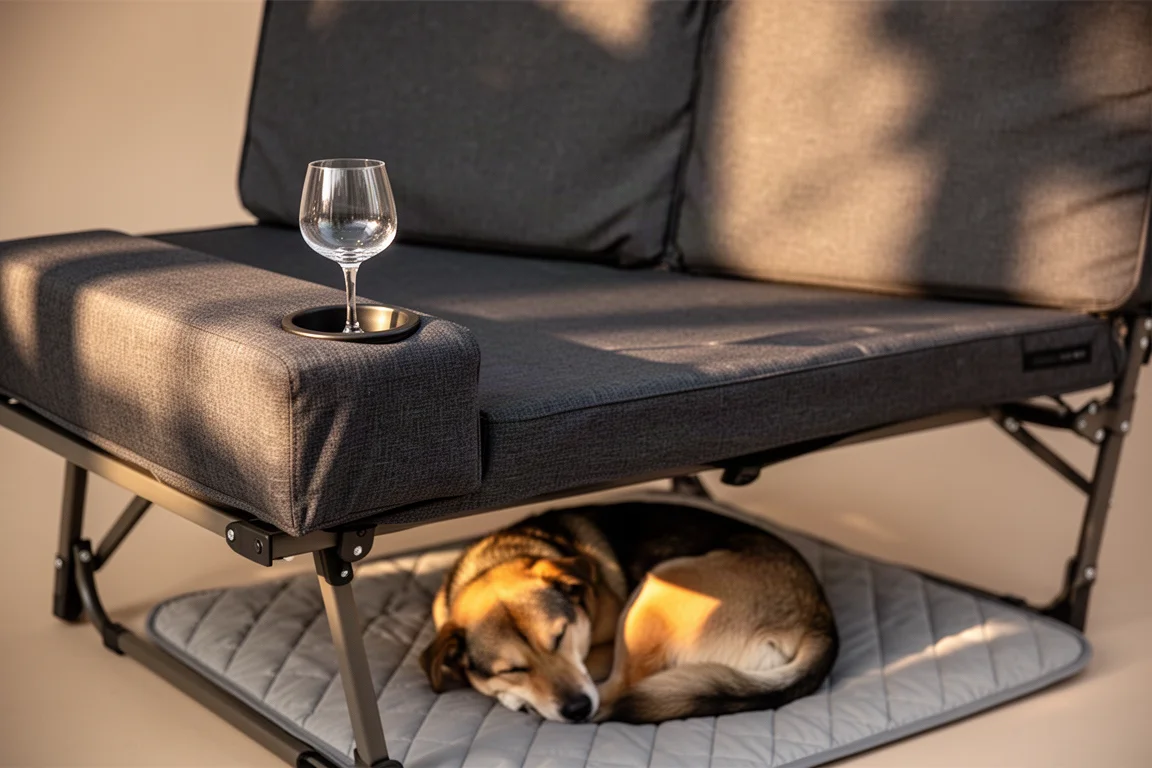
Two things could be better. A belted pillow would make lounging more comfortable, since reclining without one is not as relaxed as it is on a taller chair. The raised section in the middle is also awkward when an adult and a small child sit together, because there is no comfortable spot for the child.
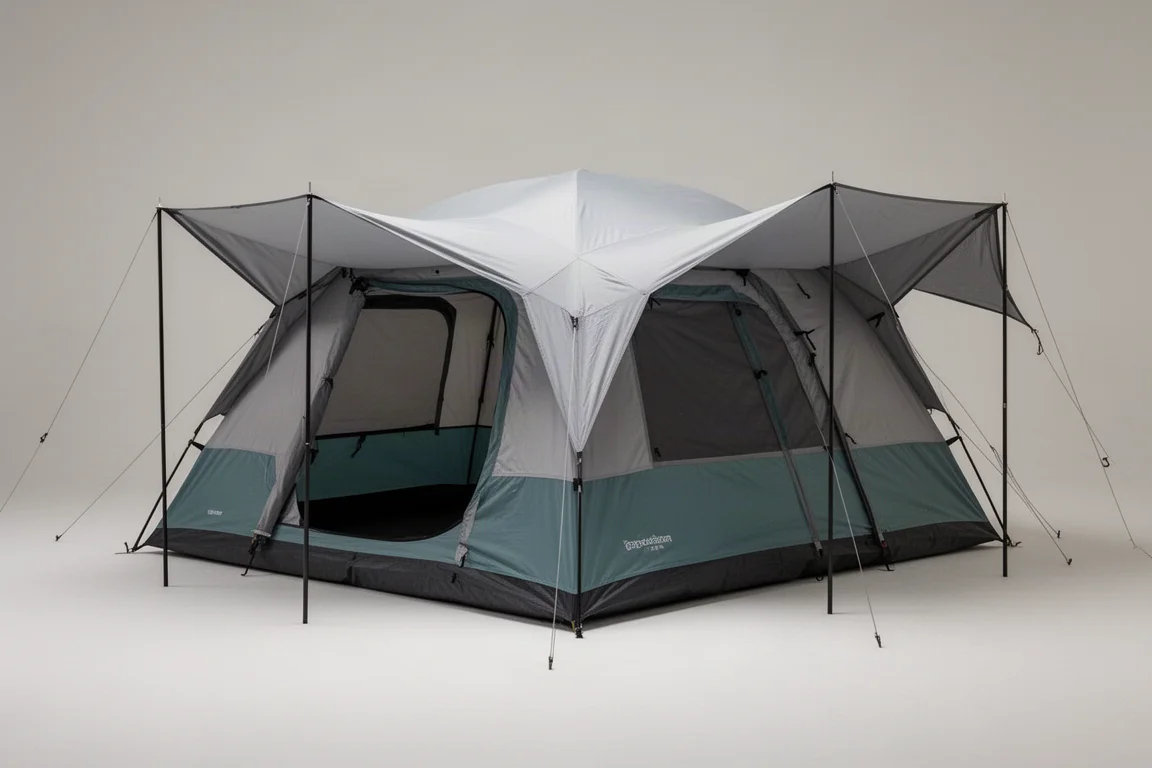
Nemo Aurora High-Rise: More Room for a Family
This is the six-person version of a tent that was already a favorite in its four-person form, and the upgrade was purely about space. Adding two berths makes a difference once a baby, a dog, and the usual pile of camp gear all need somewhere to be, and the extra room is felt most at bedtime and on a wet morning when everyone is inside at once.
Because it is a familiar design rather than a new experiment, the setup routine carried over. The trade-off is cargo space: a tent this size takes up a serious share of the trunk, and that is the main thing to plan around before buying.
Exped Lux Mat: Comfort With a Washable Wool Topper
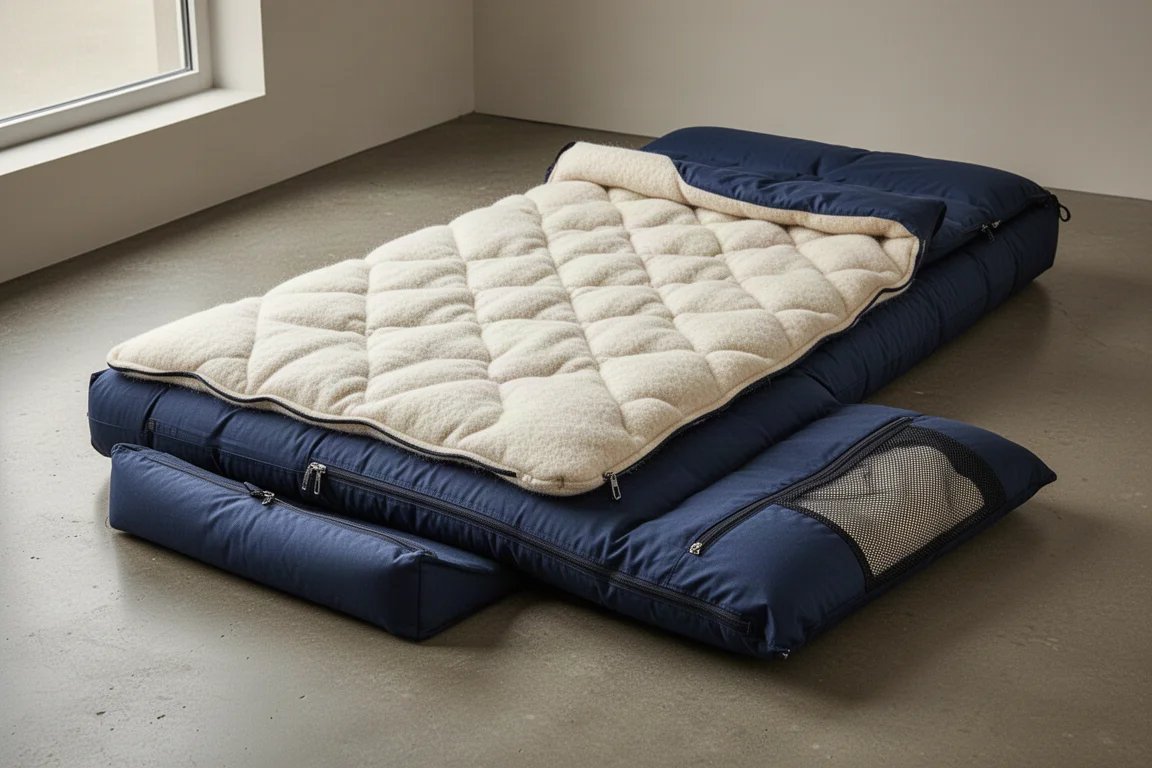
A thick car-camping pad with a removable quilted wool topper. The topper is the standout detail: it makes the surface feel soft rather than plasticky, and it can be taken off and washed, which matters on trips where a baby or a dog is sharing the tent.
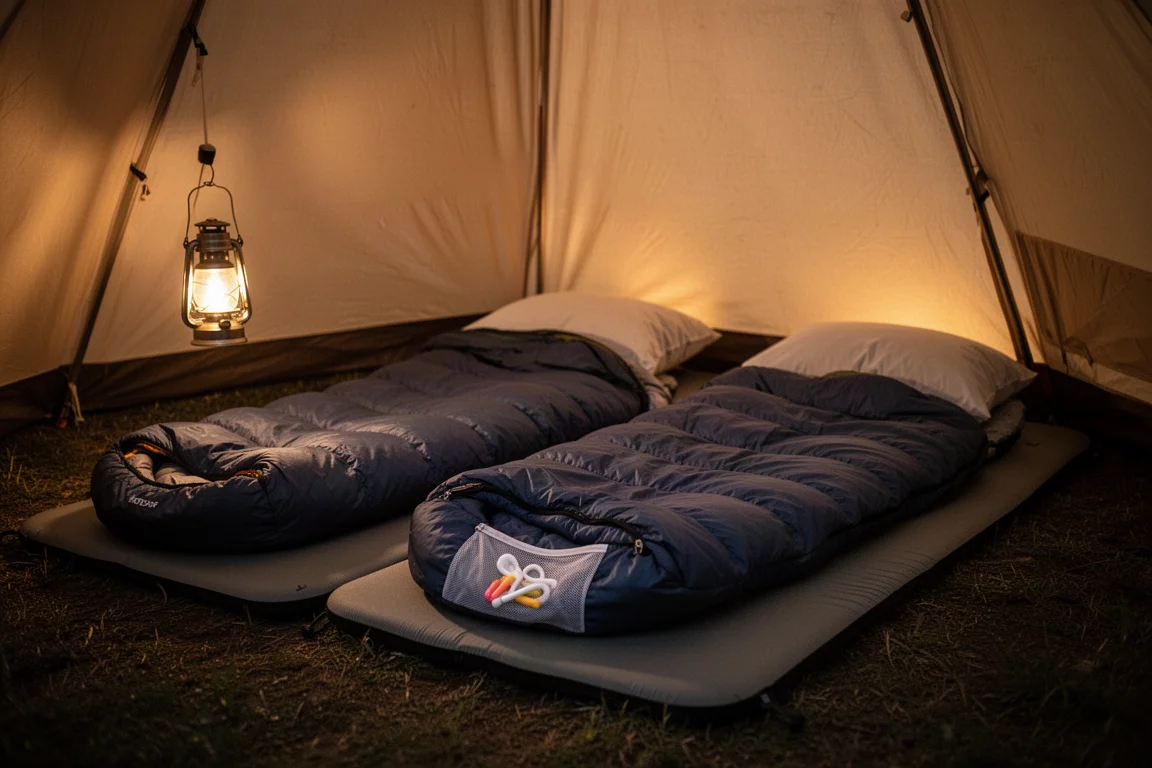
The pad itself is thick, and it did the two things a sleeping pad has to do on a cold night. It was warm, and it was comfortable. The sheet surface is soft enough that lying directly on it would be pleasant, although a sleeping bag was used on this trip. Zippers run along both sides, so a single mat can be joined to a second one to create a double, which is a neat option for couples.
Storage at the head end is a small feature that punches above its weight: a zippered pocket plus a stretchy mesh pocket hold lip balm, earplugs, and other small items, which keeps the inside of a tent from turning into a loose-parts bin.
The value question is the part worth pausing on. It was as comfortable as the other brand-name foam pad in the tent, but it was not clearly more comfortable than foam pads that look very similar and sell for a fraction of the price. If comfort per dollar is your priority, comparing a cheaper foam pad first is a sensible move.
PeaPod: A Portable Sleep Space for a Baby
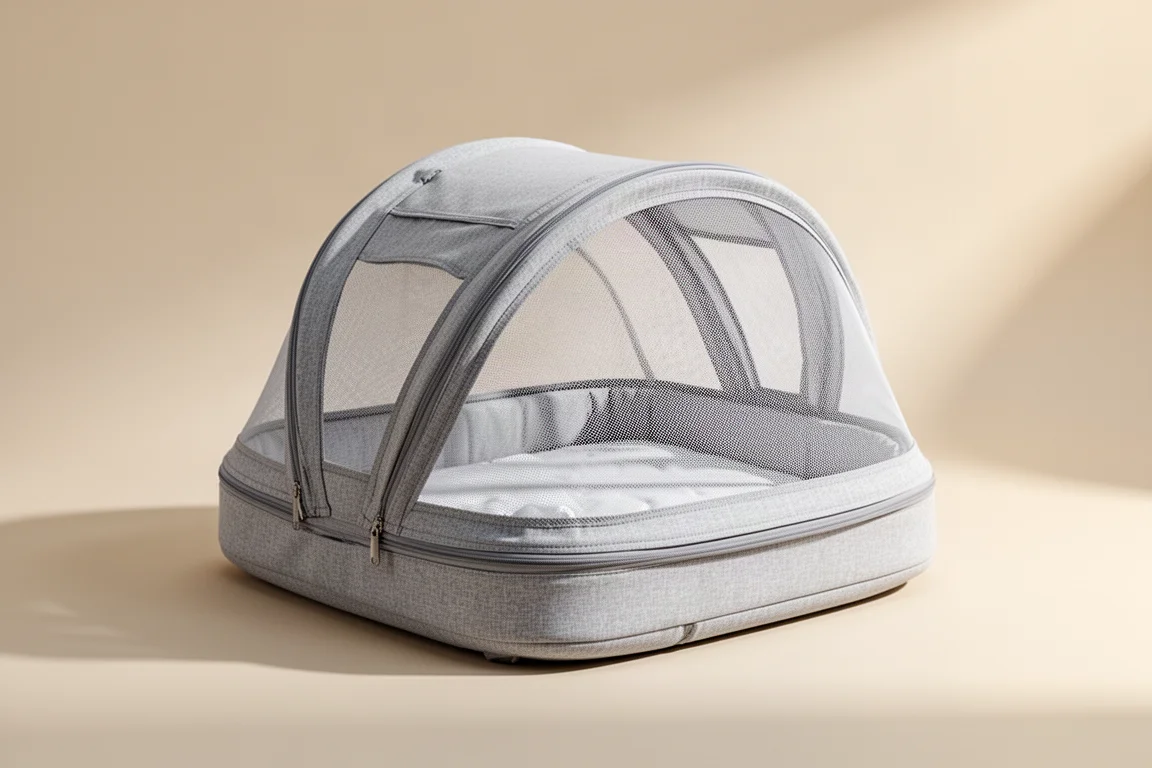
A portable, enclosed sleep space that sits on top of foam mattresses. For a baby on a first camping trip, the appeal is familiarity: it is a defined bed rather than an open corner of a tent floor, and the baby settled and slept inside it through the night.
Two other parts of the setup mattered almost as much. A battery-powered white noise machine was essential, because the baby sleeps with white noise at home, and it clearly helped. The second factor was timing. Bedtime was attempted at the usual 6:30 p.m., but sleep did not arrive until around 9 p.m., and two things got in the way: a midsummer tent that stayed bright until about 10 p.m., and an evening warm enough that the sleep sack was too much.
The fix for the next trip is straightforward: a light sleep sack or fleece for naps and early bedtime, plus some way to darken the tent. Both are worth planning before you rely on a portable sleep space to settle a baby at camp.
Morrison Sleep Sack: Matching Insulation to the Night
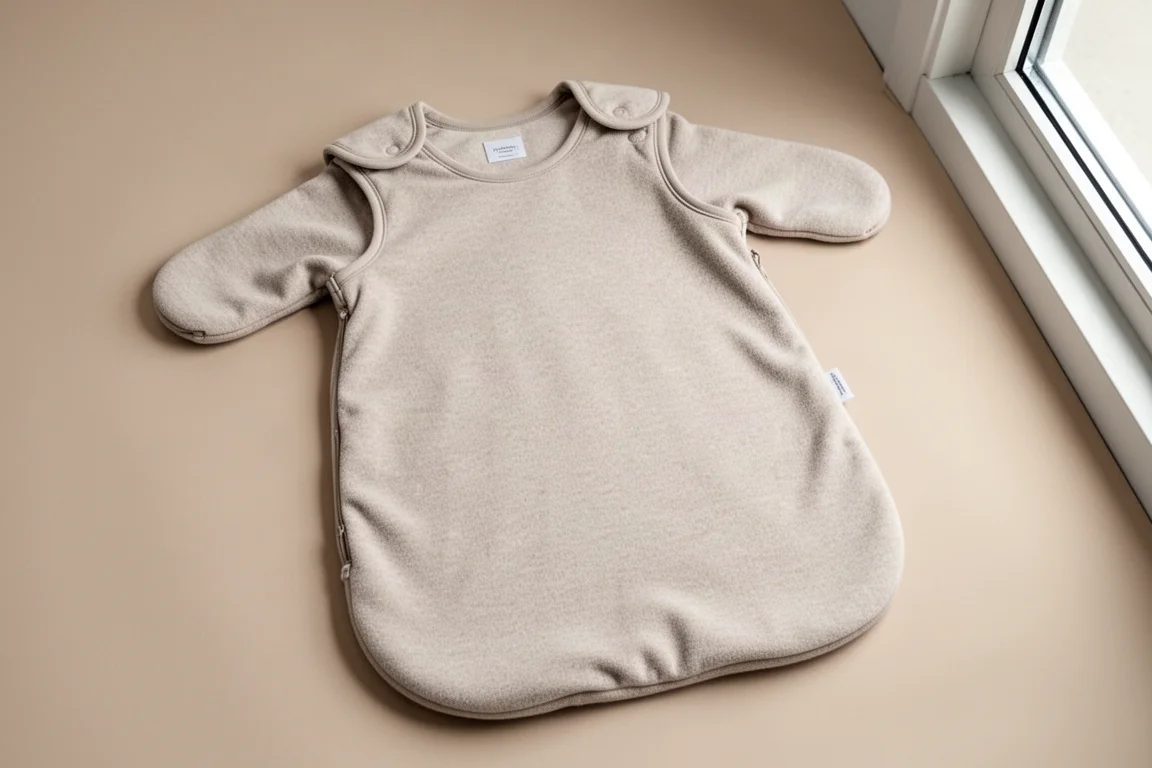
A sleep sack is the baby equivalent of a sleeping bag, and the useful thing here is the choice of warmth. Two versions were packed, one warmer and one slightly cooler, and the synthetic version was the right match for a night that dropped to 7°C.
The same flexibility worked in the other direction. When bedtime was warm, the sack came off entirely and the baby slept in a onesie inside the pod. That is the argument for carrying two weights rather than one: insulation you can adjust is more useful than insulation you have to guess at.
Nemo Jazz Sleeping Bag: Adult Comfort
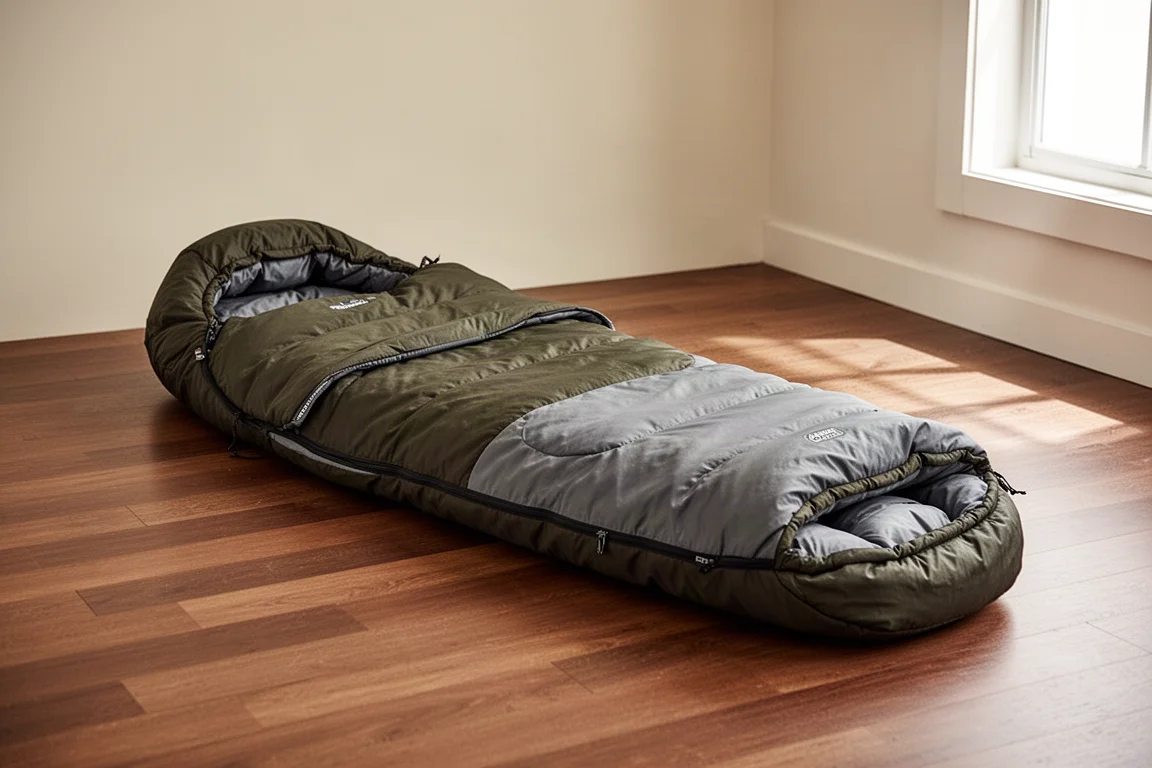
This is the adult side of the sleep system, used by two people sharing a tent with a baby sleeping alongside them. The bag was comfortable enough for a full night in cool conditions, and the detail that mattered most was not the bag at all: bringing pillows from home.
Pillows take up space, and they are easy to leave behind when the car is already full. They are also one of the cheapest ways to sleep well on a camping trip, and the difference is noticeable the next morning.
If you are upgrading a sleep system piece by piece, get the bag right first, then the pillow, then the extras.
Bumbo Baby Seat: A Camp High Chair
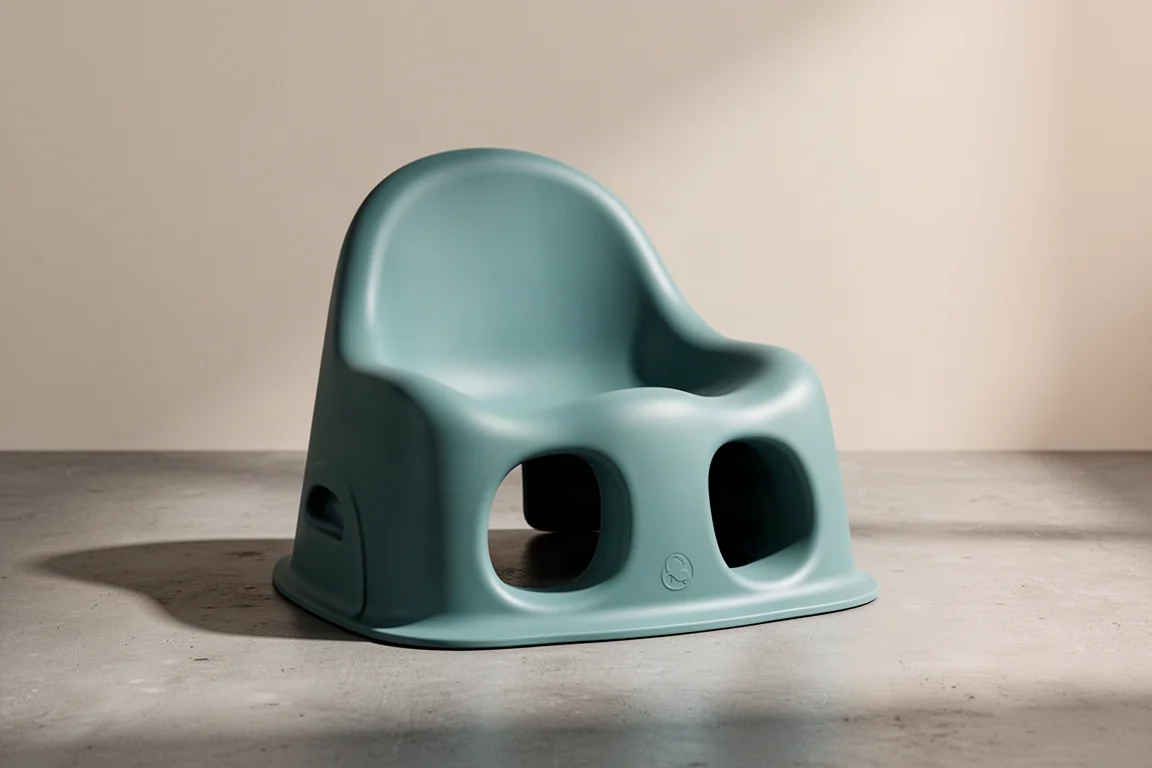
A compact molded floor seat that lets a baby sit upright and join the table for meals. At camp it gave the baby a stable place to eat dinner while the adults cooked and ate, which is the difference between a calm meal and a lap-based balancing act.
Its usefulness is not limited to camping. The same seat is used at restaurants and at home on the kitchen counter, so it earns its place in the car rather than being a single-purpose camping item.
Other Gear That Earned Its Space
Some of the most useful items on this trip were not the headline upgrades. A canopy with side panels and bug netting provided shade and kept insects away from a baby who could not yet swat them off. A ground mat with pen fencing created a safe play area on gravel, which matters at the age when anything on the ground goes straight into the mouth. A propane fire pit made evening fires practical without smoke or the risk profile of an open wood fire, and a battery-powered white noise machine, plus pillows from home, rounded out the sleep setup.
Not everything earned a return trip. A cast iron hot dog cooker that holds three sausages cooked them in about four minutes over the propane fire pit and kept the barbecue clean, but it was a lot of work and awkward to clean, so it stays home next time.
Buying Advice: Which Upgrades Are Worth It
Start with sleep, because that is where spending changes a trip the most. A warm, comfortable pad is the foundation, but compare affordable foam pads before paying a premium: the thick pad here was warm and comfortable without being clearly better than much cheaper foam options. Add a sleeping bag that suits your conditions, then bring a pillow from home.
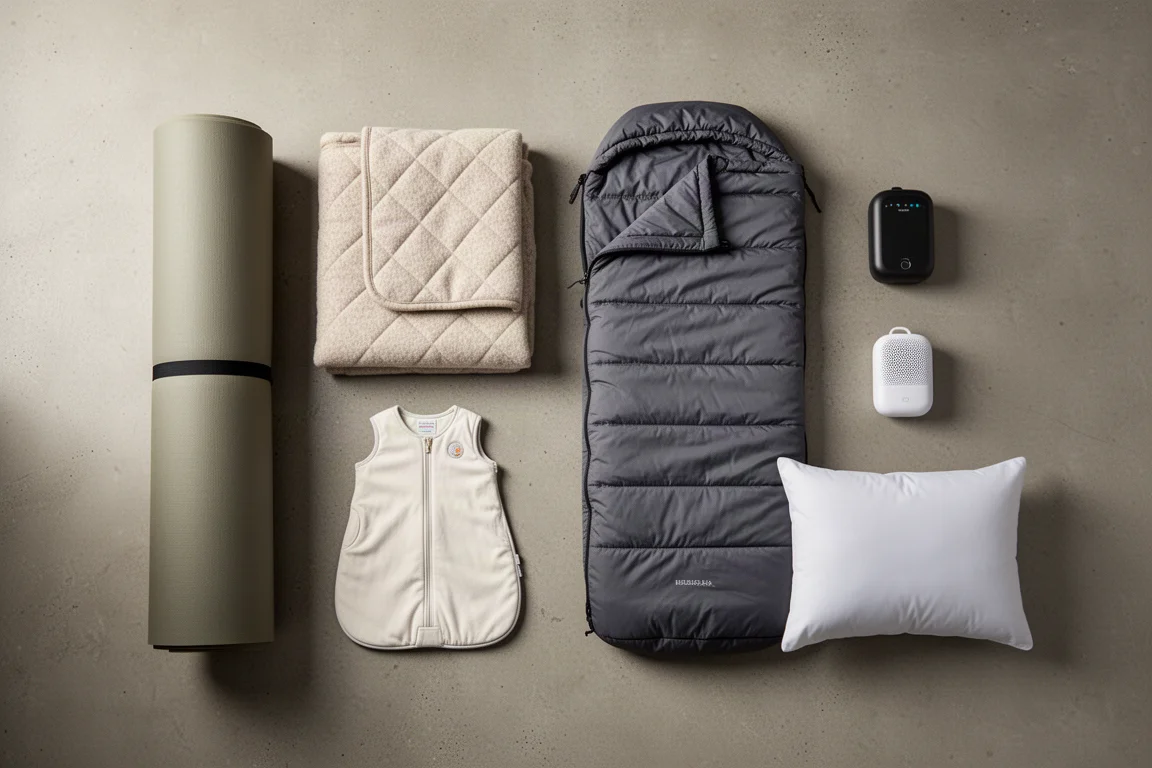
If you camp with a baby, invest in adjustability and darkness rather than gadgets. Two sleep sack weights let you match the night’s temperature, a portable sleep space gives the baby a familiar bed, and white noise travels well. A way to darken the tent is the missing piece in midsummer, when it stays light until around 10 p.m. A canopy with bug netting and a fenced play mat are bulky, but with a baby on the trip they are the items you will not want to leave behind.
For seating, a low loveseat is easier to live with than a tall one. It is more comfortable for lounging, simpler for a dog or a small child to get on and off, and it packs smaller. Choose the insulated version for cold evenings and the mesh version for hot climates.
For the tent, moving from four person to six person is worth it for a family with a baby and a dog, as long as you have the cargo space. Expect the tent, the play area, and the seating to fill a trunk between them.
Conclusion
The upgrades that mattered most were the ones tied to sleep and to keeping a baby comfortable: a warm pad, a sleeping bag suited to the conditions, two sleep sack weights, a portable sleep space, and a way to darken the tent. The low insulated loveseat and the larger tent were the two everyday improvements felt across the whole trip, from lounging in the evening to getting everyone to bed. Anything that adds work without adding comfort, like the hot dog cooker, is easy to leave at home.
Further reading
Related Reviews
Camping Gear
3FUL Ultralight Ground Sheet Review: A Two-Person Footprint Worth Packing
A 6.7 oz two-person ground sheet in ripstop silnylon, priced around $30. Here is what it protects, what it does not do, and who should pack it.
Camping Gear
Backcountry Light Dual-Function Tarp and Floor Review: A Footprint First
A dual-purpose tent floor and tarp that keeps falling rain off you, but cannot block wind. Here is where it works and where it does not.
Camping Gear
Best 2-Person Camping Mattresses for Couples: 10 Options Compared
A practical comparison of ten two-person camping mattresses, covering self-inflating pads, air pads and air mattresses for couples.