Running Shoes
Best All-Around Everyday Running Shoes at Five Price Points
Five one-shoe-garage trainers from budget to premium, covering easy runs, tempo sessions, and everything in between.
Introduction
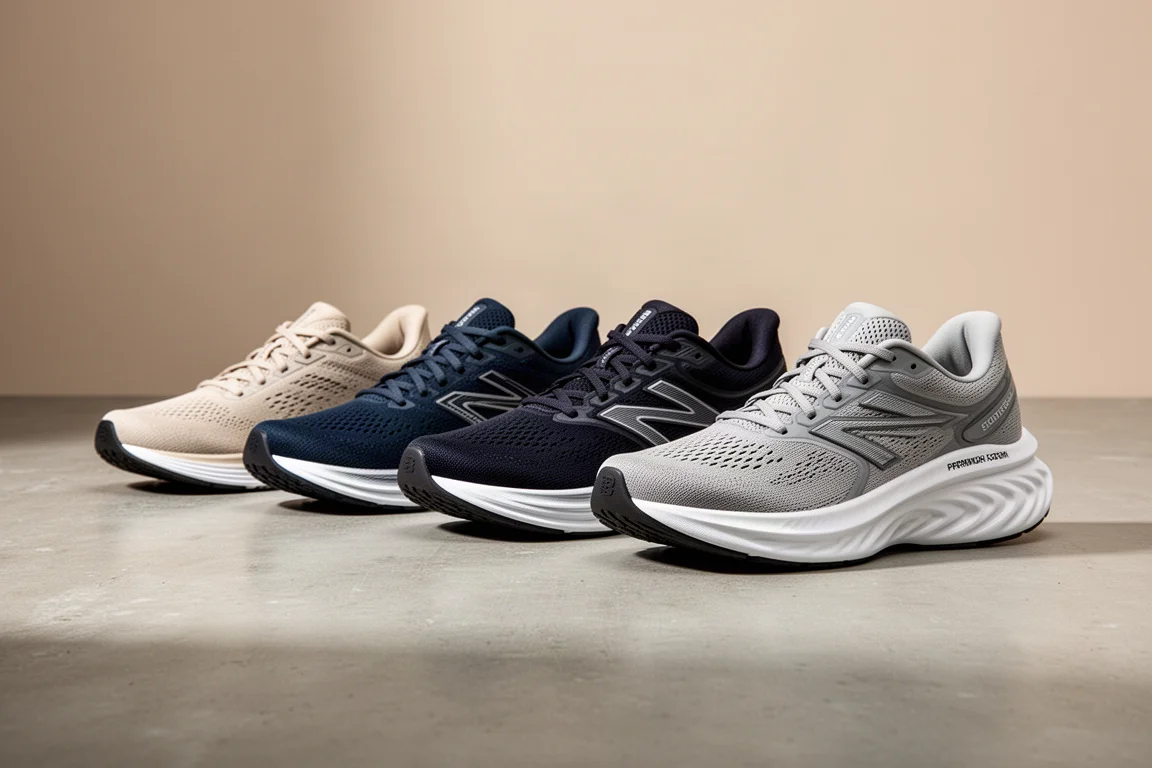
If you want a single shoe that handles easy runs, recovery days, tempo sessions, and even the occasional race, an all-around everyday trainer is the answer. This guide covers five strong options at five different price points, from around 70 pounds up to 200 pounds, so your money goes further and lands on the right shoe for you.
A quick note on why prices climb as you go up the range: higher-priced shoes generally use the latest foams and more research and development, often look more refined, and can be a touch more durable in this everyday category. Brand sponsorship of elite athletes also plays into pricing at some brands.
Best Value Trainer: Reebok Floatride 5
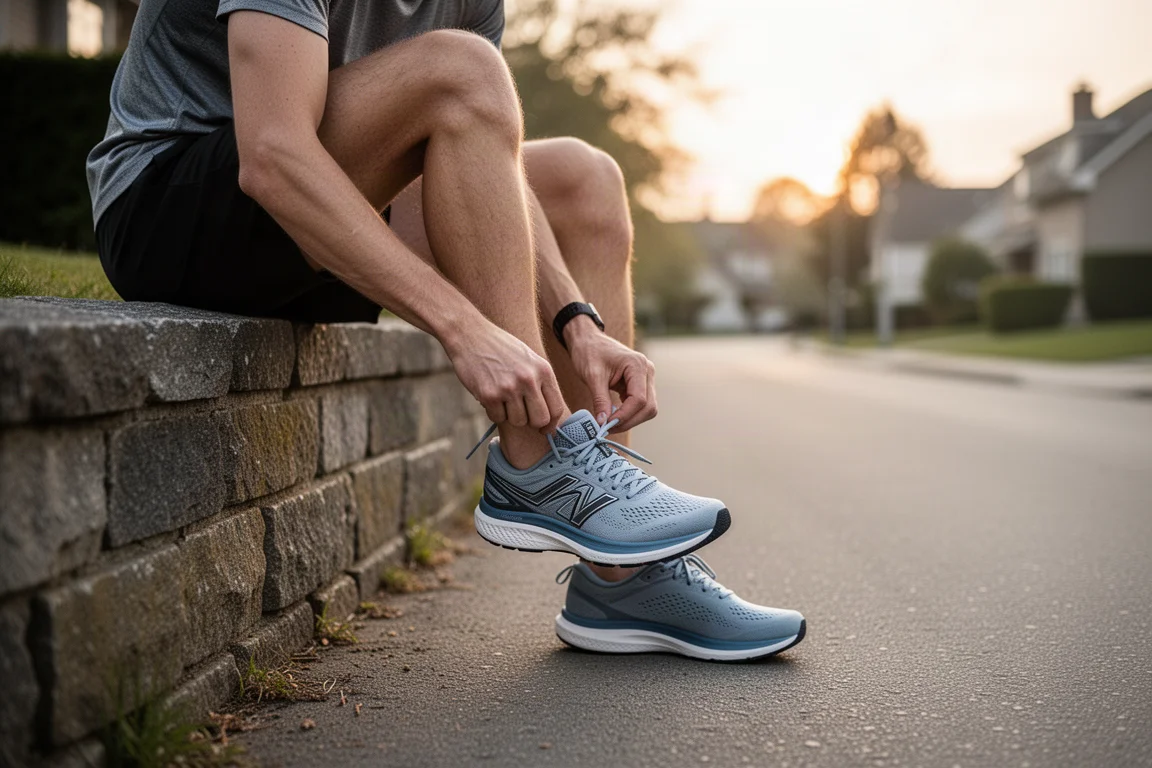
At around 70 pounds (about 90 US dollars), the Reebok Floatride 5 is excellent value, and discounts can bring it closer to 45 pounds. It has a 27mm heel stack, 19mm at the forefoot, an 8mm drop, and weighs about 315 grams in a UK size 12. It is a neutral shoe, true to size, with no width options.
The standout update is a stability plate on the bottom of the shoe that fixes the stability issues of earlier models, making corners feel much more secure. The fit is slightly wider than the outgoing version, the upper is comfortable and breathable, and added ankle padding at the rear is a genuinely good touch. As an all-rounder it is solidly okay at everything: pace, cushioning, and comfort.
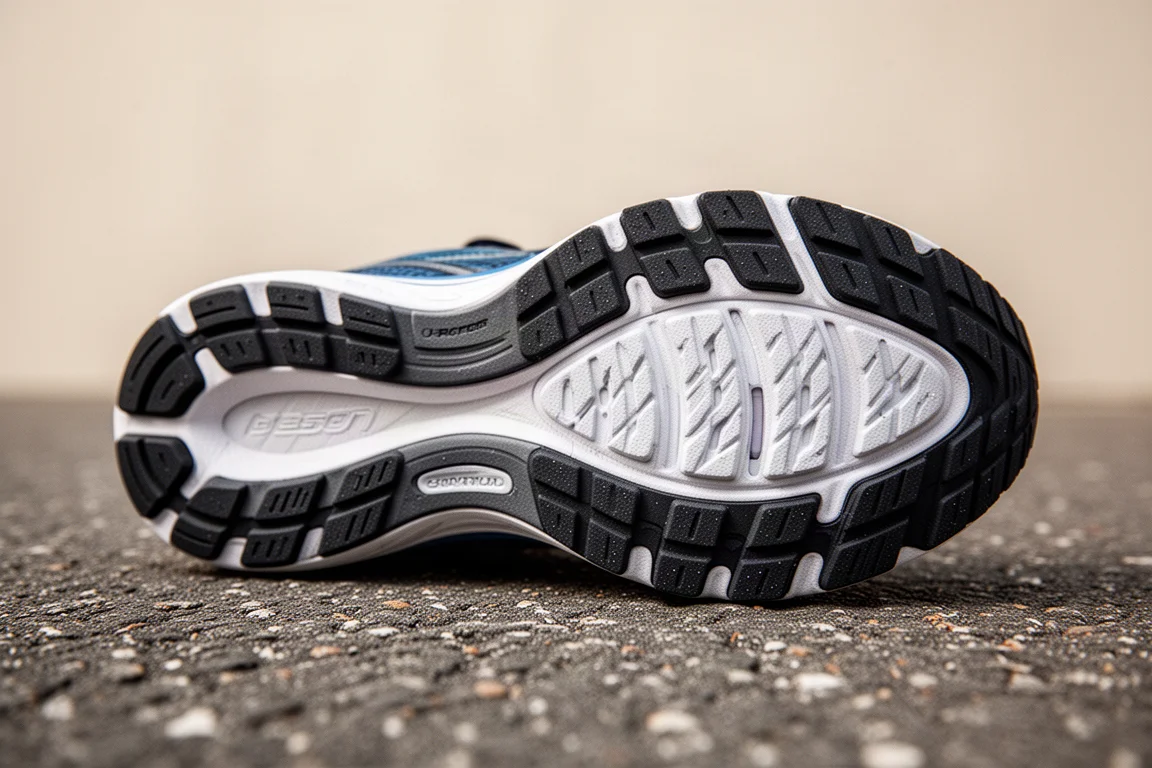
The drawbacks are short laces and some heel slip, solvable with heel-lock lacing, plus grip that is fine but not the best. If you want an alternative, the Atreyu Base Model at around 85 US dollars is worth a look.
Best Durable Workhorse: Nike Pegasus 40
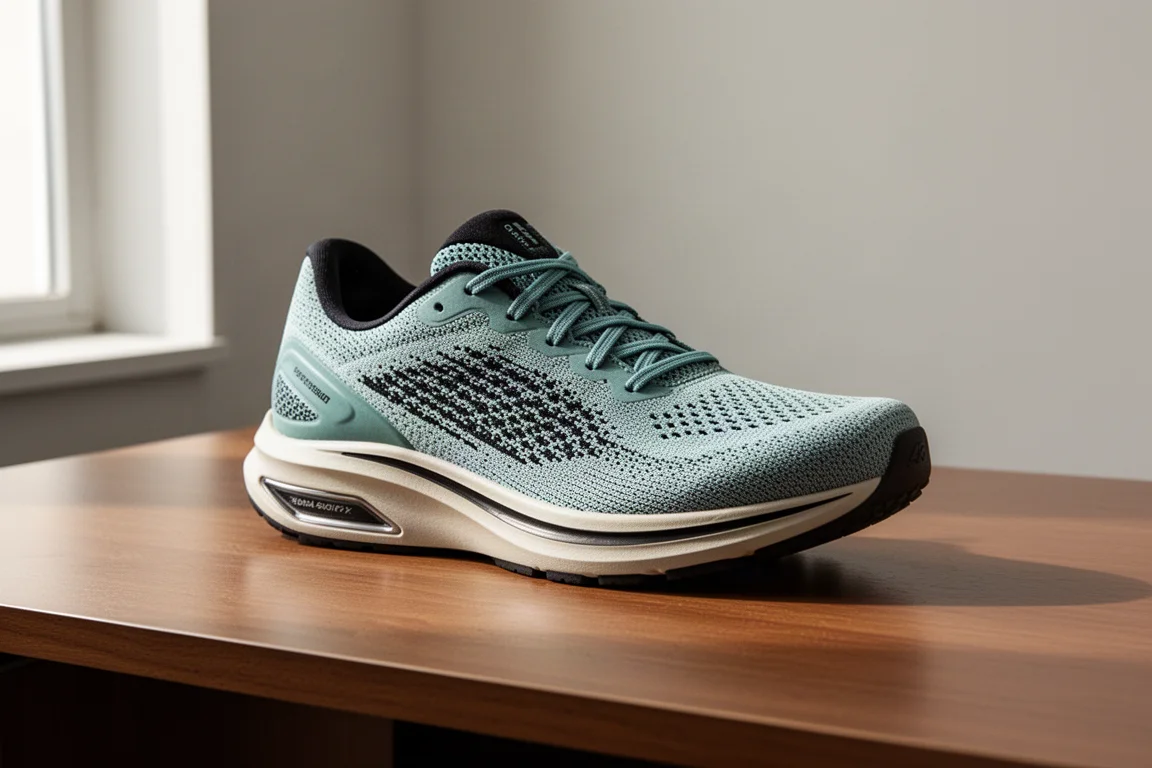
At around 100 pounds (about 130 US dollars), the Nike Pegasus 40 buys you durability and stability. The stack is 33mm at the heel and 23mm at the forefoot with a 10mm drop, and it weighs about 347 grams. It is a neutral shoe with width options available, runs fairly wide in standard form, and was true to size. There is no plate, just air pods at the front and rear for comfort and shock absorption.
The upper is a highlight: breathable, stretchy, and friendly to wider feet, with good lockdown and comfort. Durability is fantastic, with 600 miles no problem and many runners getting far more. The downside is that the shoe is getting a little dated, with foam that is not especially springy. For someone running two to four times a week, though, it will look after you very well. The Puma Velocity Nitro 2 at around 105 pounds RRP is a good alternative if you find a better deal.
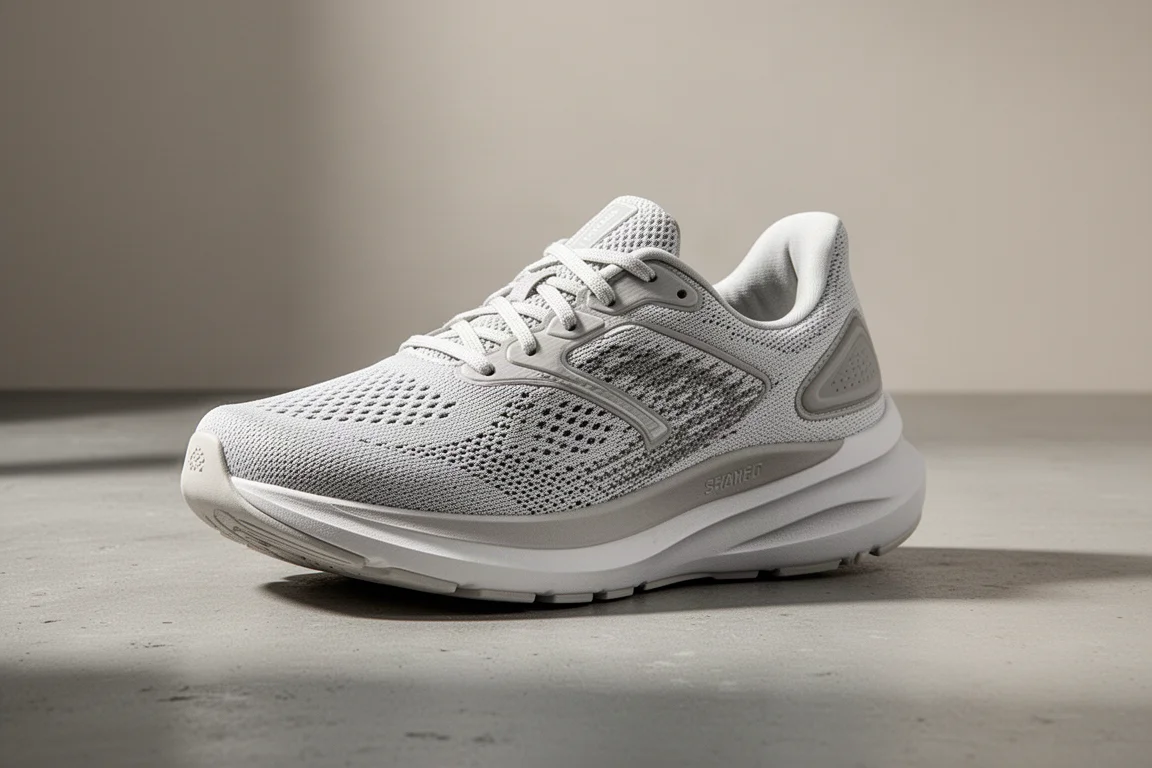
Best Overall Feel: Hoka Mach 5
At around 130 pounds (about 165 US dollars), the Hoka Mach 5 brings genuinely responsive foam: a thin layer of Hoka’s Profly Plus midsole with a hard-wearing EVA outsole for durability. Specs include a 29mm heel stack, 24mm forefoot, 5mm drop, and about 262 grams, roughly 90 grams lighter than the Pegasus. It is neutral, has no plate, no width options, and was true to size.
This is arguably the most versatile shoe here. It is a joy at easy and recovery paces, tempos, strides, long runs, even races. It feels light to the point of barely being there, squishy yet snappy, and it is more fun than the Pegasus and the Clifton, its closest Hoka sibling. Lockdown is excellent with no blisters or hot spots, and the ride is smooth from landing through toe-off.
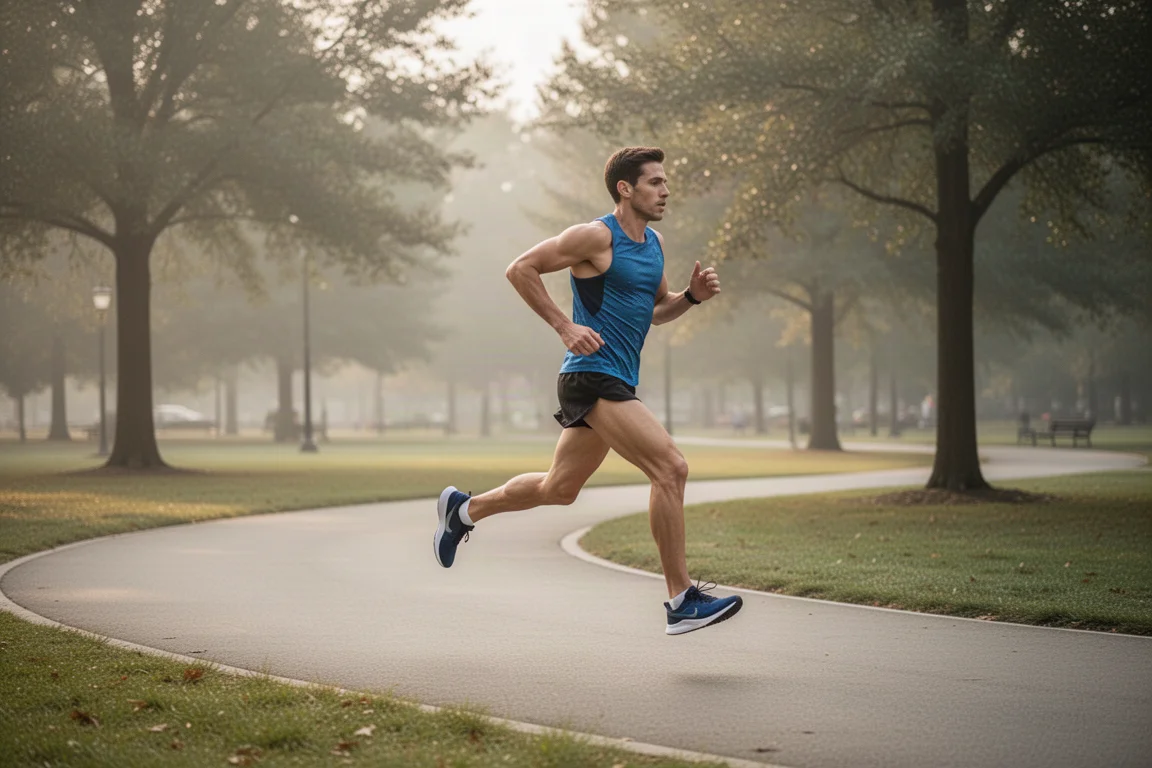
The main concern is durability: there is no rubber on the outsole, so long-term wear is a question, though plenty of runners report 300 to 400 miles. That is well short of the 600-plus you get from the Pegasus. The Novablast 3 is a good alternative with a bit more cushioning, but it is not quite as fast or snappy.
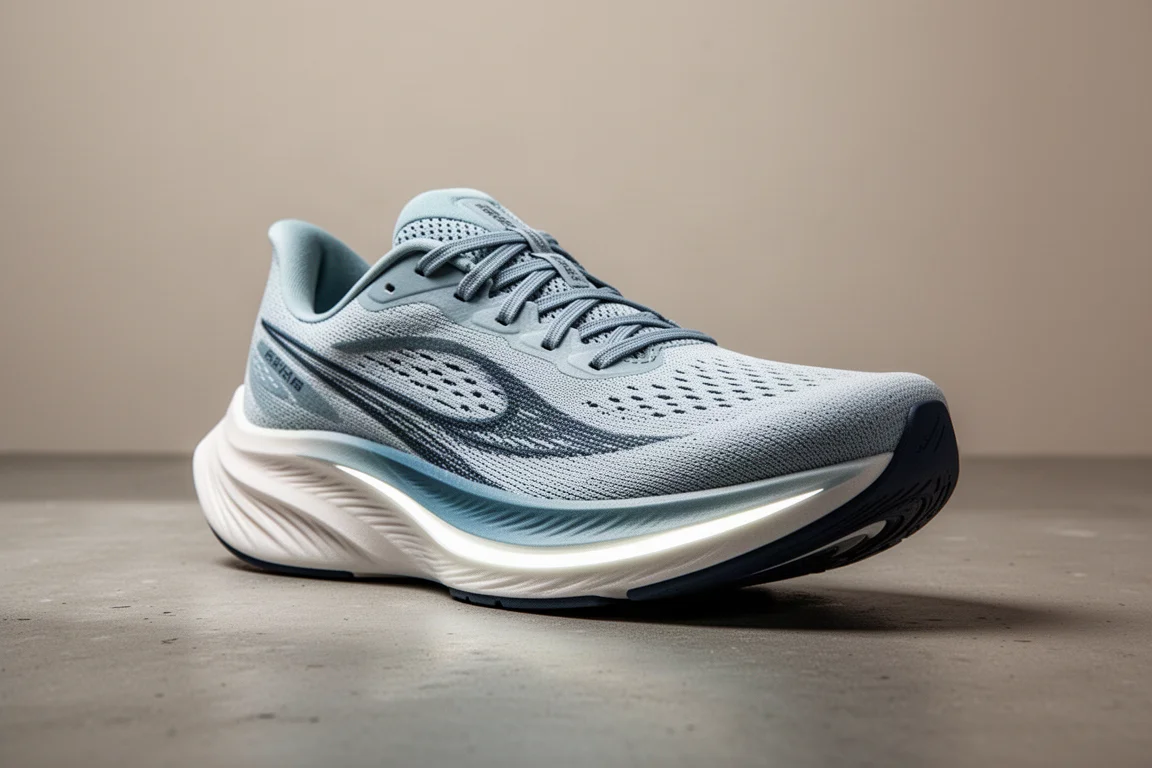
Best Max-Cushion Cruiser: On Cloudmonster
At around 200 US dollars, the On Cloudmonster brings Swiss design and build quality, and a thermoplastic plate to add snappiness, speed, and a touch of propulsion. It has roughly a 33mm stack with a 6mm drop, weighs about 333 grams in a UK size 12, and is a neutral shoe with no width options. It was not true to size for the tester.
It is genuinely soft and squishy, yet the plate pushes you forward so effectively that running on it feels almost effortless, which is kinder to your body and joints. It is very stable at all paces, including rep work, and it is fast, though a little heavy for racing. Lockdown is good straight out of the box with no hot spots.
The main negatives are price, with a premium for the Swiss brand, and a look that will not suit everyone, though many people love On’s styling. For those with narrow feet, the New Balance 1080 is a better fit and comes in extra-wide options.
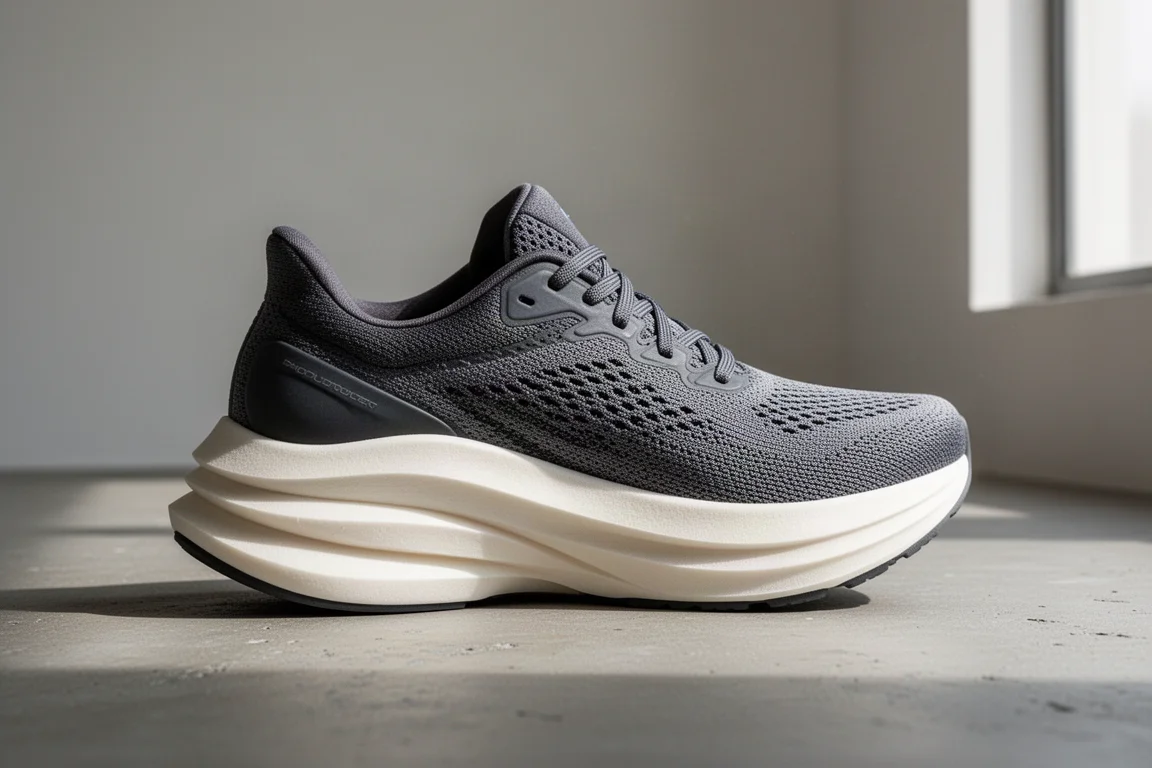
Premium Pick: Asics Superblast
At around 200 pounds (about 250 US dollars), the Asics Superblast is one of the best-rated trainers around and one of the most-loved all-rounders ever made. It uses a big chunk of Asics’ premium FF Turbo foam, is reasonably stiff despite having no plate, and stays remarkably light. Specs: a huge 46mm heel stack, 38mm forefoot, 8mm drop, and about 290 grams. It is neutral, plateless, and ran half a size small, so consider going down half a size.
The stability is outstanding, with a wide, planted base that inspires confidence in corners. It is the smoothest, most beautiful-riding shoe in this lineup: a big rocker, effortless toe-off, and a natural feel with feet cycling nicely underneath you. It is supremely comfortable and genuinely versatile, able to handle a race for runners who do not want a carbon plate, hard sessions, and slow recovery miles alike.
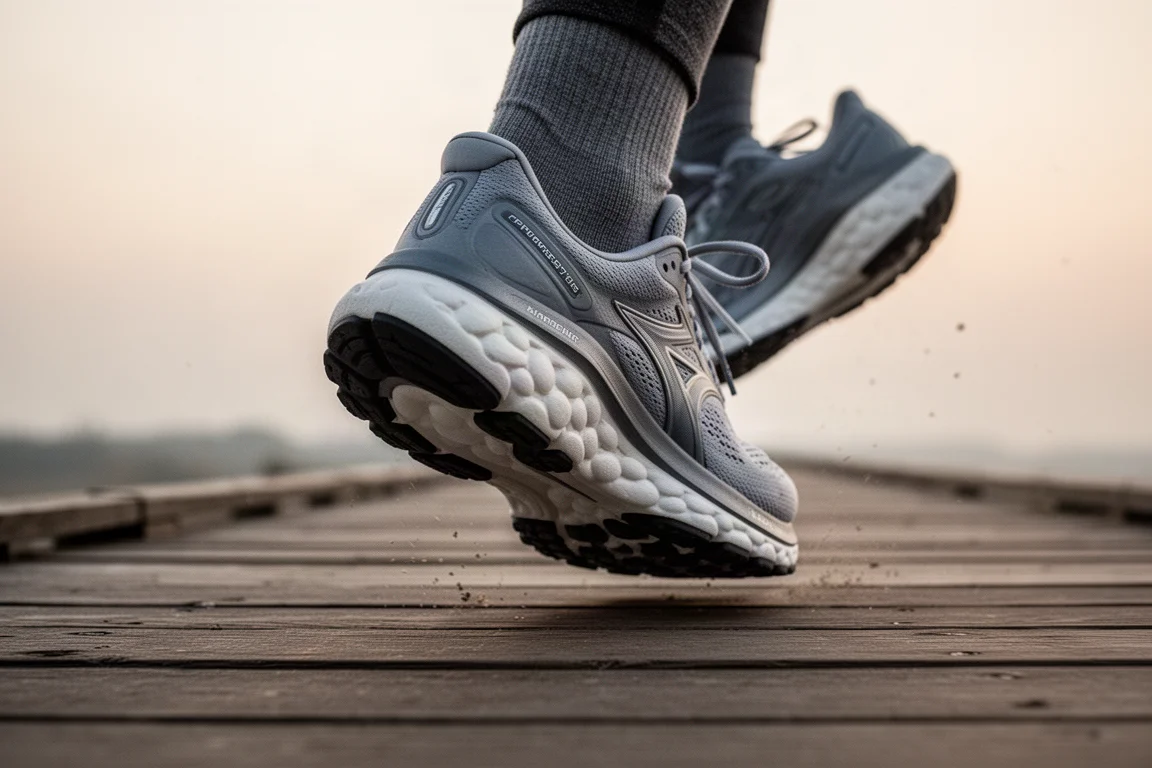
The only real criticism is the price: nearly 200 pounds for a shoe without a carbon plate. That said, it sits roughly 50 pounds below carbon-plated super shoes, and it is hard to fault the shoe itself.
Which One Should You Buy?
Match the shoe to your priorities. On a tight budget, the Floatride 5 delivers remarkable value. If durability matters most, the Pegasus 40 is the dependable choice. For the best all-round feel per pound, the Mach 5 is hard to beat. The Cloudmonster suits runners who want maximum cushioning with a responsive plate, and the Superblast is the do-everything premium pick. Whichever you choose, each of these will serve you well as a one-shoe garage.
Conclusion
Price matters less than fit and purpose in the everyday trainer category. Every shoe here can be your only shoe; the right one is the one that matches your budget, your foot shape, and the paces you run most often.
Further reading
Related Reviews

Running Shoes
Best Road-to-Trail Running Shoes: Three Versatile Options for Mixed Terrain
A practical guide to three road-to-trail running shoes that handle both pavement and mild trails, with clear strengths and trade-offs for different runner types.

Running Shoes
Best Running Shoes for Achilles Tendonitis: Three Options Explained
Three running shoes with different heel drops and support features designed to help reduce Achilles tendon pain during walking and running.

Running Shoes
Best Running Shoes for Women: Five Top Choices Ranked
A ranked guide to five women's running shoes, from versatile daily trainers to high-performance racing options, with real strengths and trade-offs for each.