Art Supplies
The Best Erasers for Graphite Drawing: Five Options We Put to the Test
Five erasers for graphite artists compared, from broad highlight-lifting workhorses to fine detail sticks, plus one graphite putty that did not live up to the hype.
Introduction
Erasers are not an afterthought in graphite drawing. Used deliberately, they shape highlights, carve structure, and keep a drawing from collapsing into a smudgy mush. The trick is that no single eraser does everything: broad lifting, subtle toning, and razor-fine detail each call for a different tool.
This guide covers five erasers and one graphite putty that gets a verdict of its own. Along the way it explains how eraser strength varies, why blending everything to death can hurt a drawing, and how to protect finished work.
Broad-Block Erasers for Big Highlights
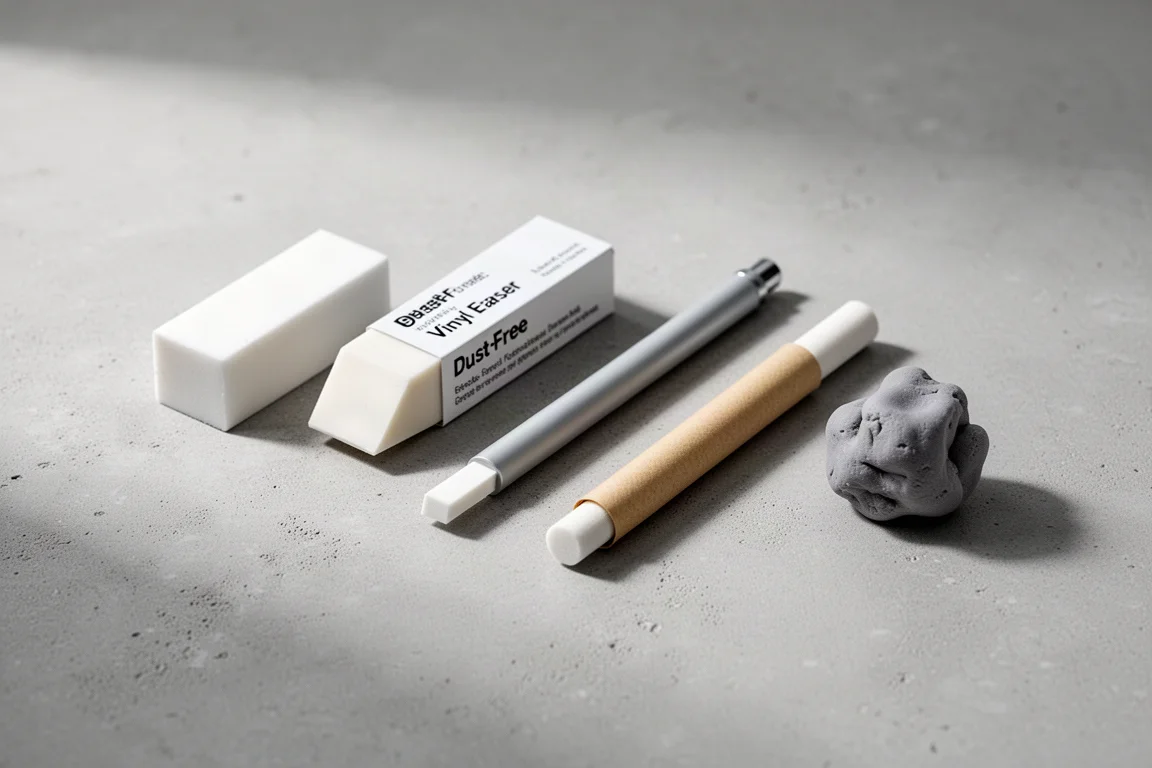
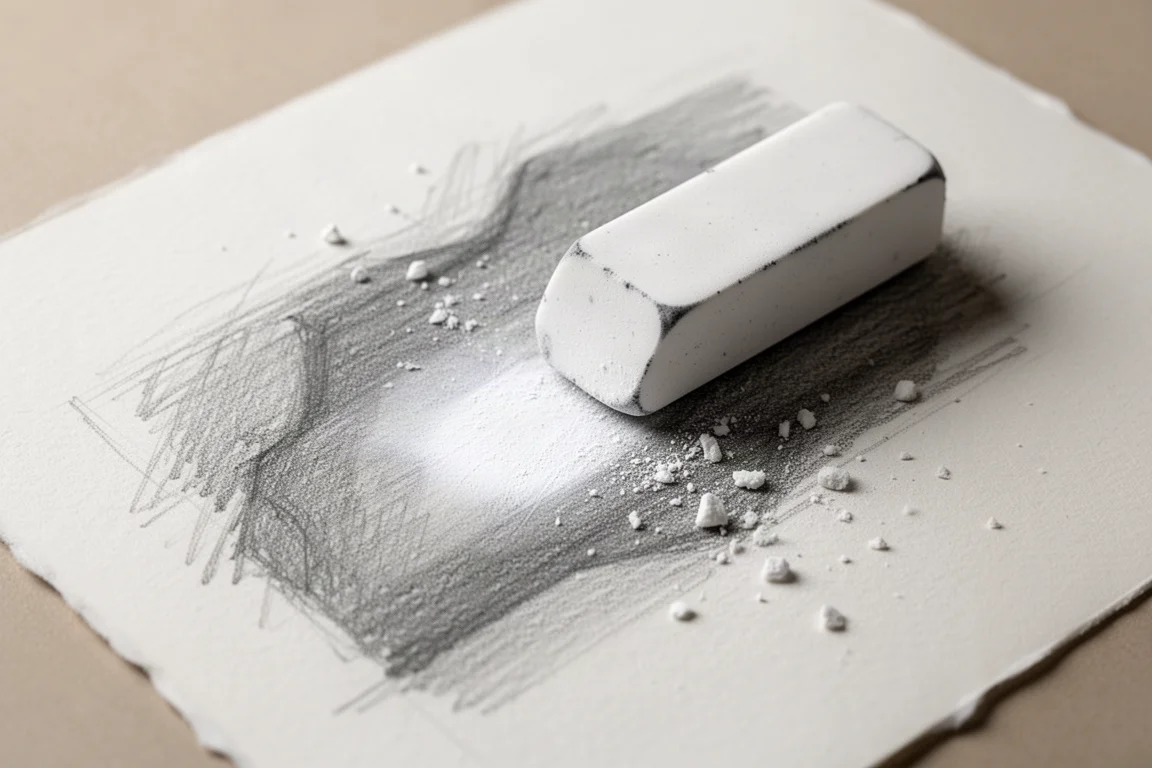
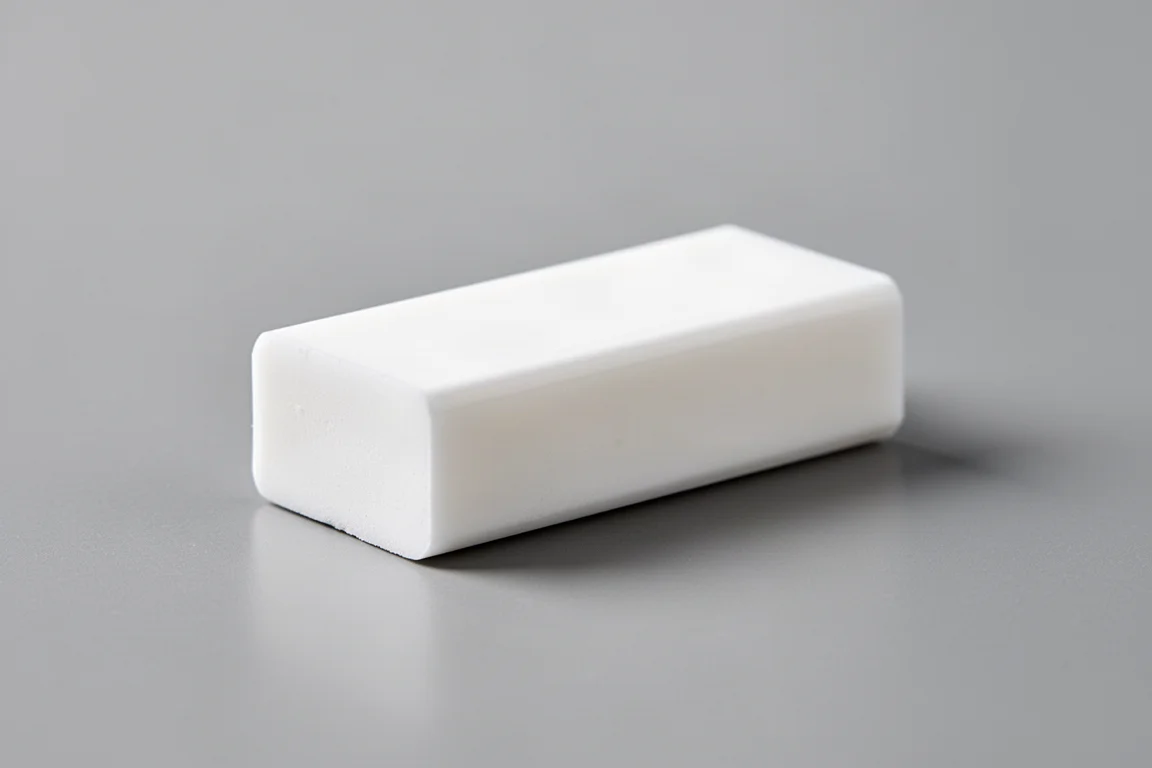
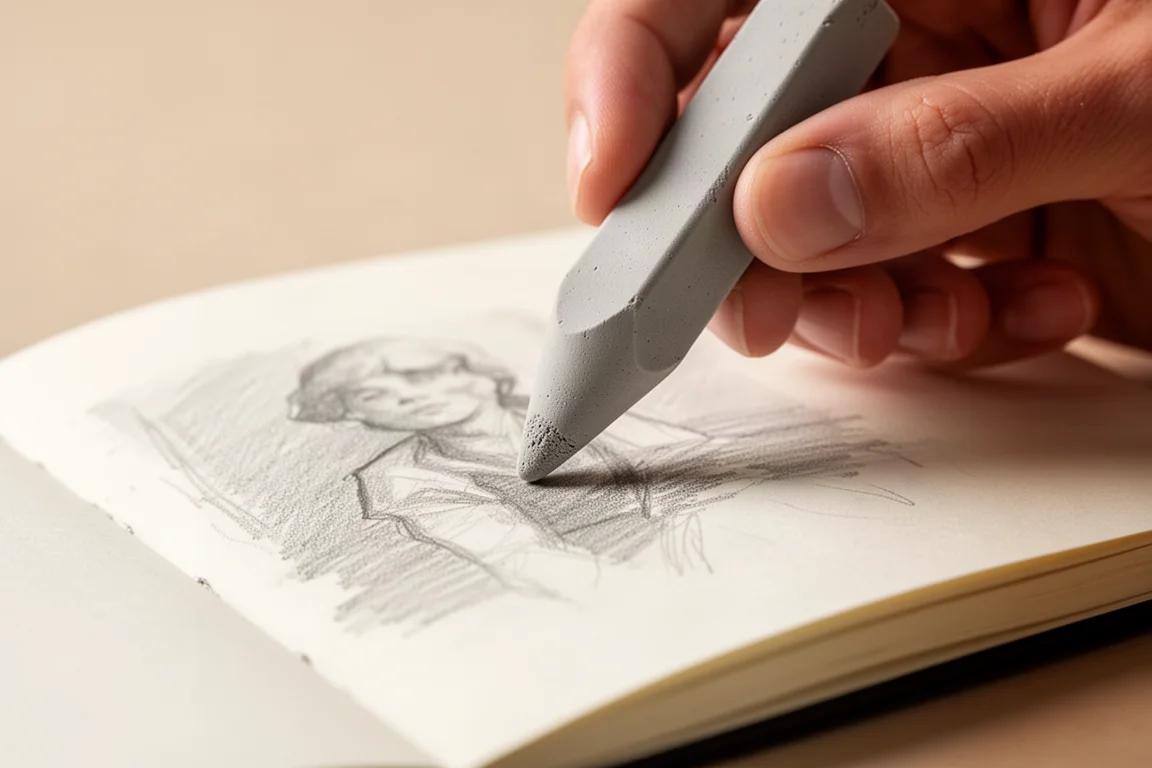
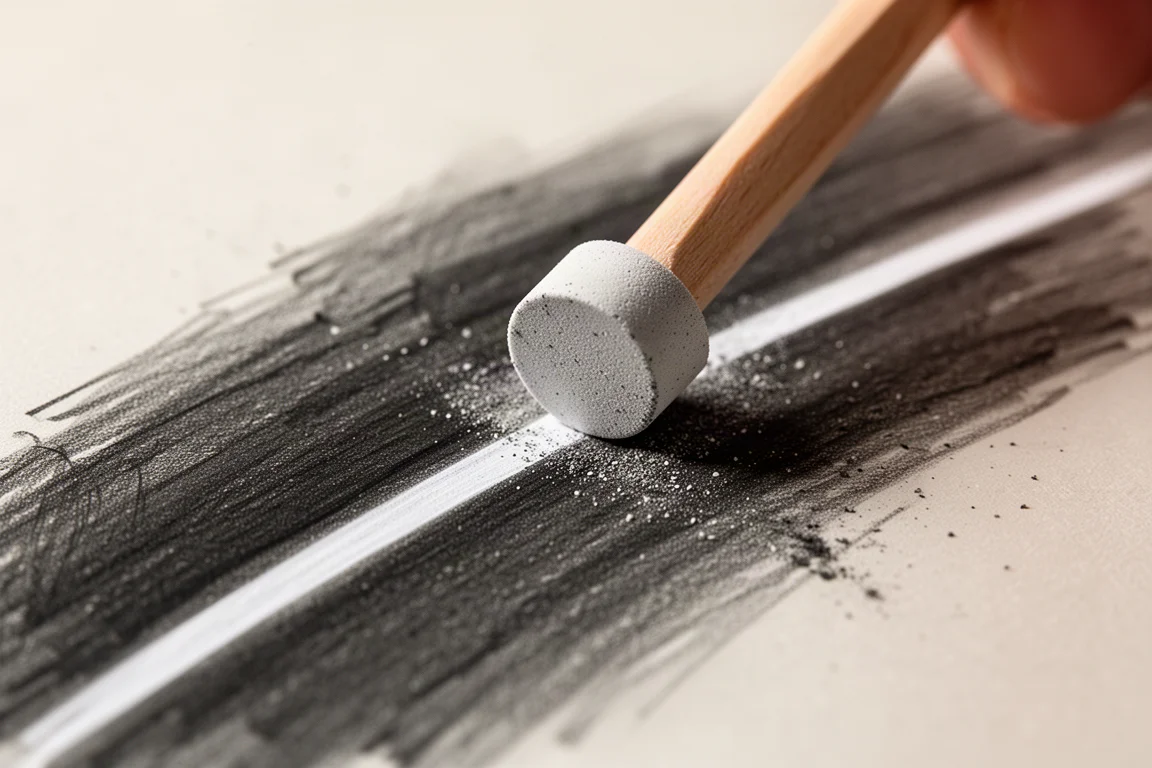
The Faber-Castell dust-free eraser and the Staedtler white plastic eraser are nearly interchangeable, with the dust-free version feeling slightly softer. Both are blunt, powerful tools. One artist nicknamed this category “the bulldozer”: you can knock out a gigantic area of highlight in seconds, but the tip is too blunt for detail work and the result is never subtle.
That lack of subtlety can be an advantage. Pushing a firm eraser into a drawing creates marks with tension and structure. Blend everything to death and the drawing starts to look mushy and undefined. For artists who build rich, deep graphite tone and then carve light back out, a broad block eraser is the workhorse of the kit.
Kneaded Erasers for Subtle Lift
Kneaded erasers play a different role. They are genuinely weak and will not do much on a heavily built-up graphite passage, so they are best saved for the final stages of a drawing. Their talent is subtle lift: softening an area of tone a little, rather than erasing it hard.
The real advantage is formability. You can sculpt a kneaded eraser into a specific shape to reach into a small area, which makes it a useful precision-adjacent tool even though its raw power is limited.
Detail Eraser Sticks for Fine Lines
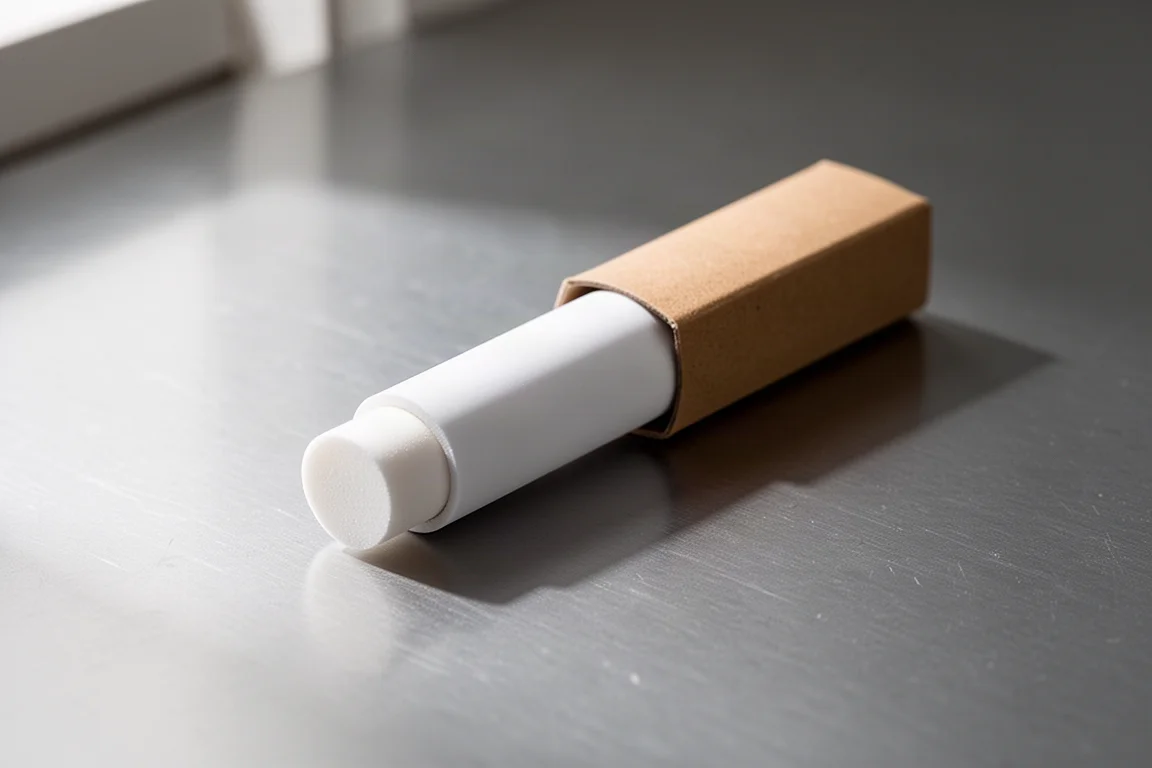
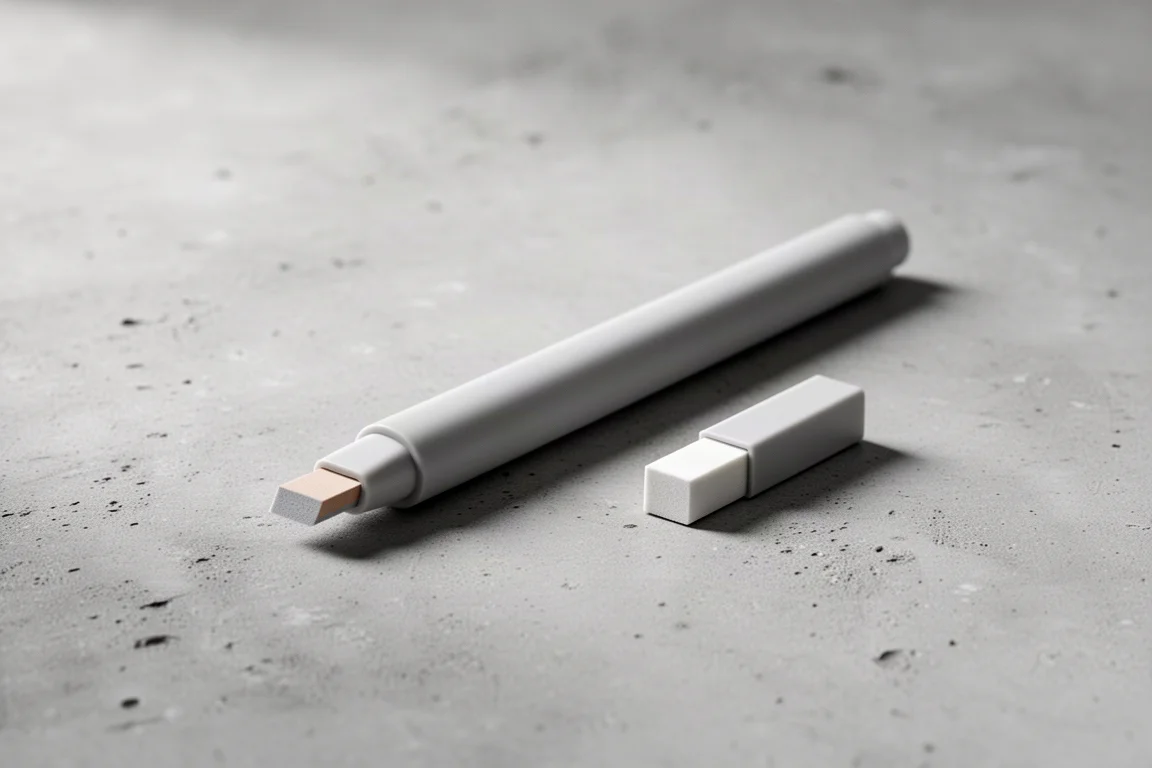
This is where erasers earn their keep in tight passages. The General’s Factis BM2 is a favorite because it holds itself up even under firm pressure, yet still lays down clean, visible highlight lines. That combination of rigidity and clean output makes it the pick for detail work, especially compared with holding a tiny soft eraser, which is awkward to grip.
The Tombow eraser pen is the contrast case. It is thin and not very strong, and it can be difficult to pull a really clear line out of it. The tip is shaped like a rectangle and does not make a very consistent line. On the plus side, both the Tombow and comparable stick-style erasers come with refills, which keeps running costs down.
Knable Graphite Putty: A Fun Idea That Fell Apart
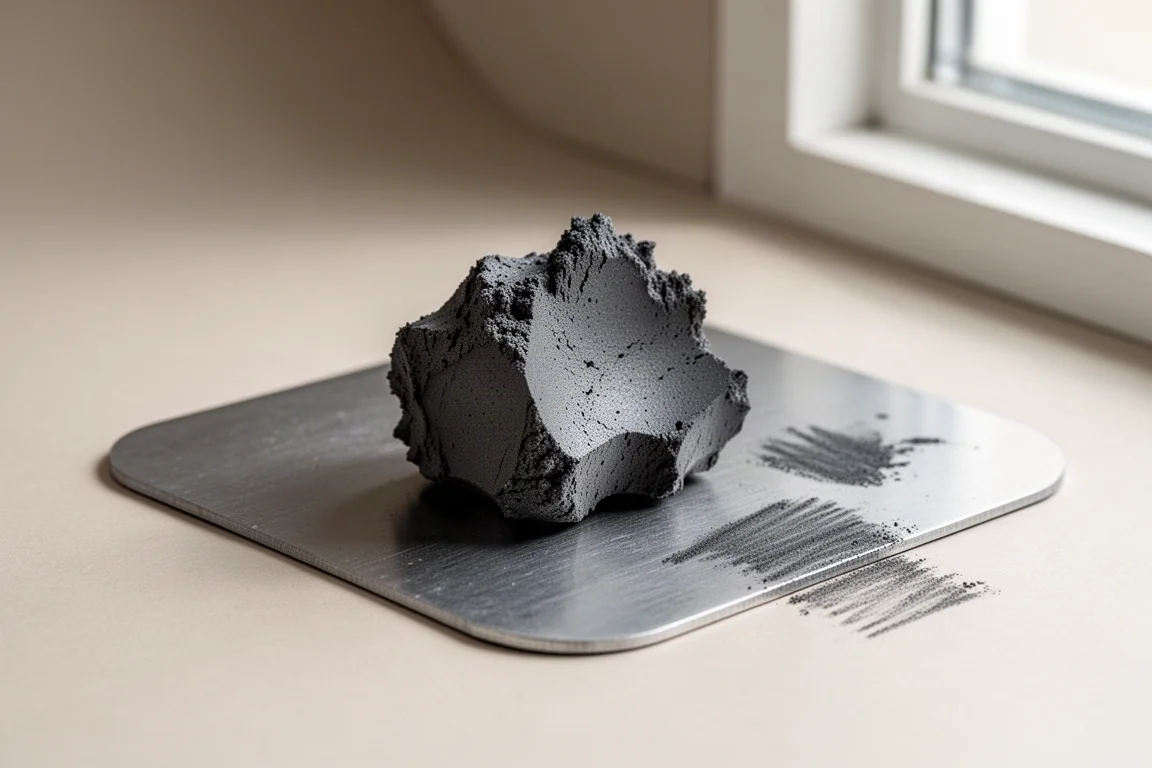
Graphite putty sounds irresistible: an incredibly malleable, water-soluble material that seems made for producing all kinds of marks. In practice, the Knable graphite putty was crumbly. Every attempt to make a mark ended with the material falling apart.
Other users report theirs never crumbles, but a material that is sometimes crumbly and sometimes not is inconsistent, and inconsistency is a poor quality in a drawing tool. The verdict here: skip it and spend the money on erasers that behave predictably.
Working Habits: Pressure, Pencils, and Paper
Eraser choice is only half the equation. Graphite tone is built with physical pressure, so developing a soft, sensitive touch produces delicate tones, while pressing harder builds the super-rich darks that some artists live for. If tone-building is a struggle, pressure is often the reason.
On the pencil side, H pencils are hard and limited in darkness, ideal for light sketching, though pressing hard can scratch the paper. B pencils go soft and dark, up to 9B, with 2B a sensible starting point. Woodless pencils are worth trying because the full side of the graphite tones areas far faster than a wood-cased tip. Pencil extenders, meanwhile, simply let you use up the last stub of every stick.
Paper matters too. Sketch paper suits quick drawings, mixed-media paper holds up better for longer pencil work, and textured paper adds atmosphere, though that look may not fit every drawing.
Protecting Finished Graphite Work
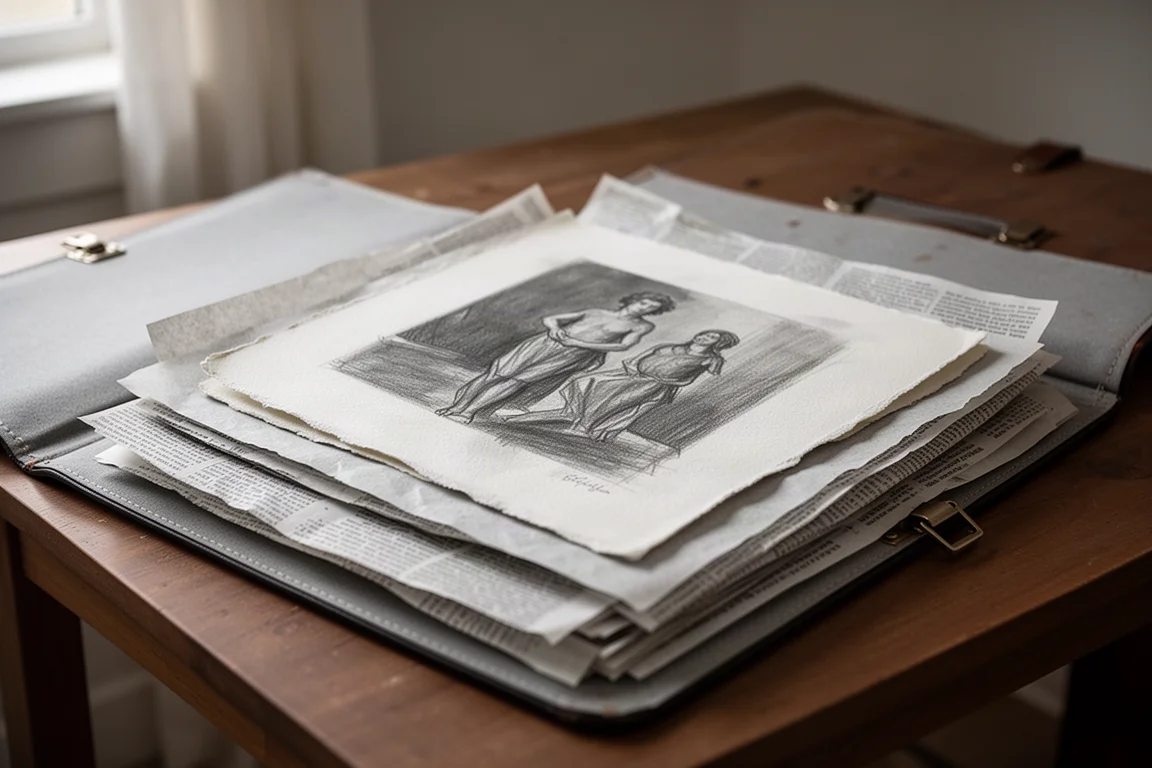
Graphite smudges, so finished drawings need a plan. Fixative comes in two kinds: workable fixative, which lets you keep working after application, and crystal clear fixative for drawings that are completely finished.
Two cautions. First, fixative darkens a drawing, which some artists notice more than others, and it is common to skip it on graphite entirely. Second, hairspray is cheaper, but it is probably not archival. The alternative is low-tech: lay a sheet of newsprint over the drawing and store it in a strong portfolio.
Conclusion
A well-rounded graphite kit rarely needs more than a few erasers. A broad block like the Faber-Castell dust-free or the Staedtler white plastic eraser handles big highlight work, a kneaded eraser handles gentle late-stage lift, and a rigid detail stick like the General’s Factis BM2 handles fine lines. The Tombow eraser pen is workable but weaker, and the Knable graphite putty is best passed over. Match the eraser to the job and the drawings improve immediately.
Further reading
Related Reviews
Art Supplies
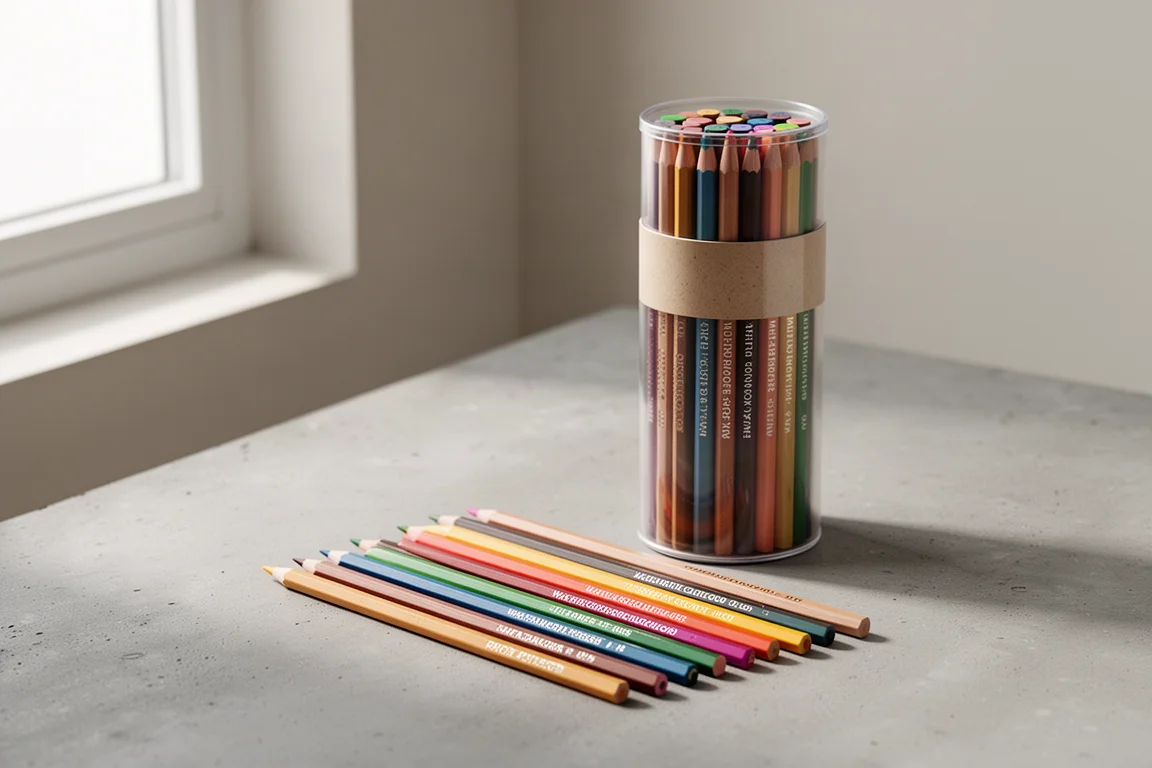
Art Pop Watercolor Pencils 48-Color Set: A Thoughtfully Designed Student-Grade Option
The Art Pop 48-color watercolor pencil set blends well, dissolves smoothly, and includes artist-friendly details like barrel-printed color names, all at an affordable price.
Art Supplies
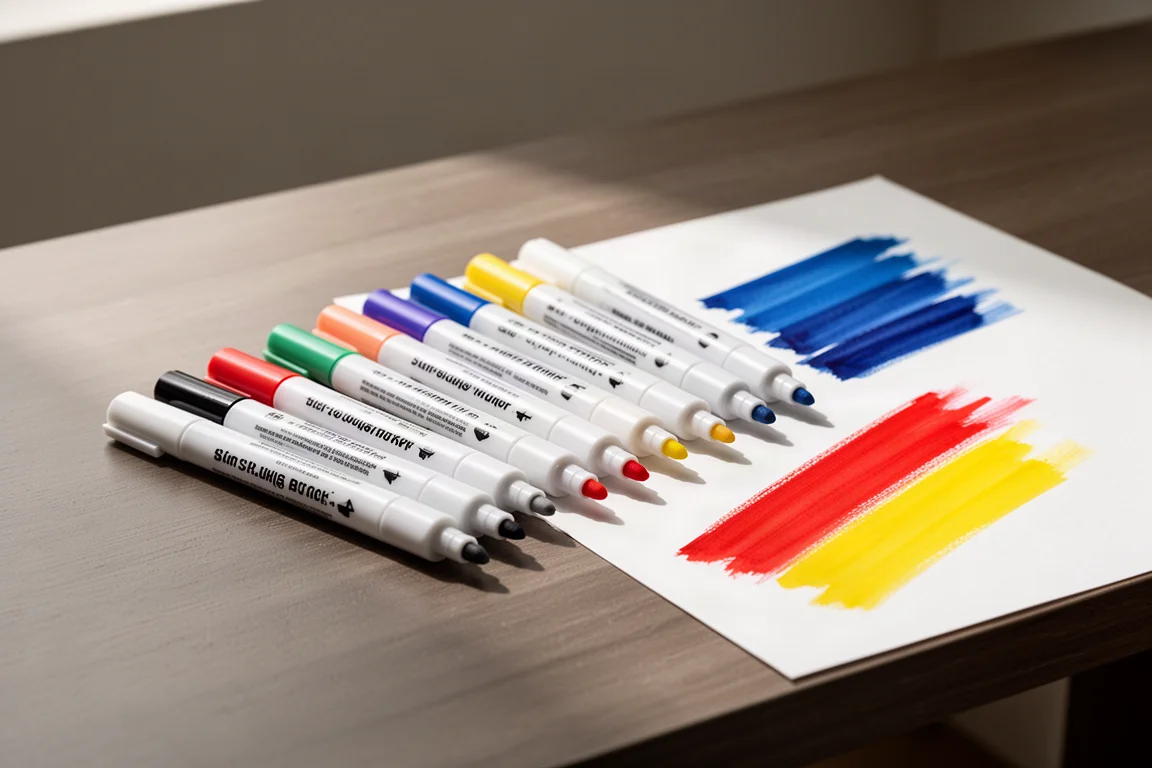
Artics Acrylic Markers 3mm Review: Versatile Paint Markers With a Few Caveats
A 48-color set of water-based acrylic paint markers that blend while wet, dry permanent, and keep the price low, though safety transparency remains a question.
Art Supplies
Best Art Supplies Worth Your Money: Pencils, Pens, Paints, and Paper That Earned Their Spot
After years of daily use and testing, these are the pencils, pens, watercolors, gouache, brushes, sketchbooks, and erasers that stand above the rest.