Fountain Pens
Best Entry-Level Gold Nib Fountain Pens: 11 Pens Worth a First Leap
Eleven fountain pens that make the jump from steel to gold nibs easier, with prices, nib quirks, and trade-offs for each.
Introduction
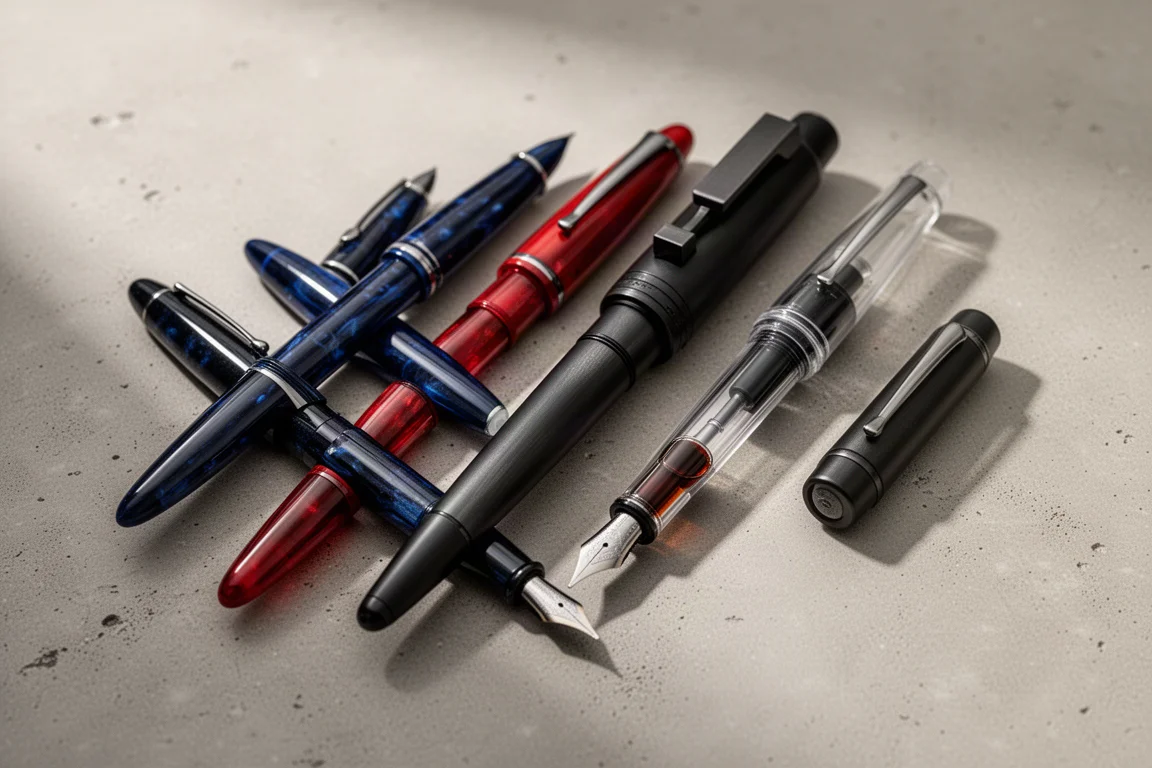
Moving from a steel-nibbed pen to your first gold nib is one of the biggest hurdles in the fountain pen hobby, and it is easy to understand the nervousness. Entry-level gold nib pens generally sit in the $175 to $200 range, and nobody wants to make a mistake at that price. This guide collects eleven pens that make that leap easier, chosen because they offer genuinely good gold nibs at the friendlier end of the price spectrum.
Why Make the Jump to a Gold Nib?
In very general terms, steel nibs tend to be a bit stiffer, and some can feel a bit rougher. That is not a bad thing, as plenty of steel nibs are excellent. But gold nibs have their own individual personalities, and many writers find them softer, springier, and more enjoyable over long sessions.
Worth noting: vintage pens are another route into affordable gold nibs. None made this list, but some vintage models offer very good 14 karat gold nibs at reasonable prices, and they are a world of their own worth exploring.
Pilot Custom 74
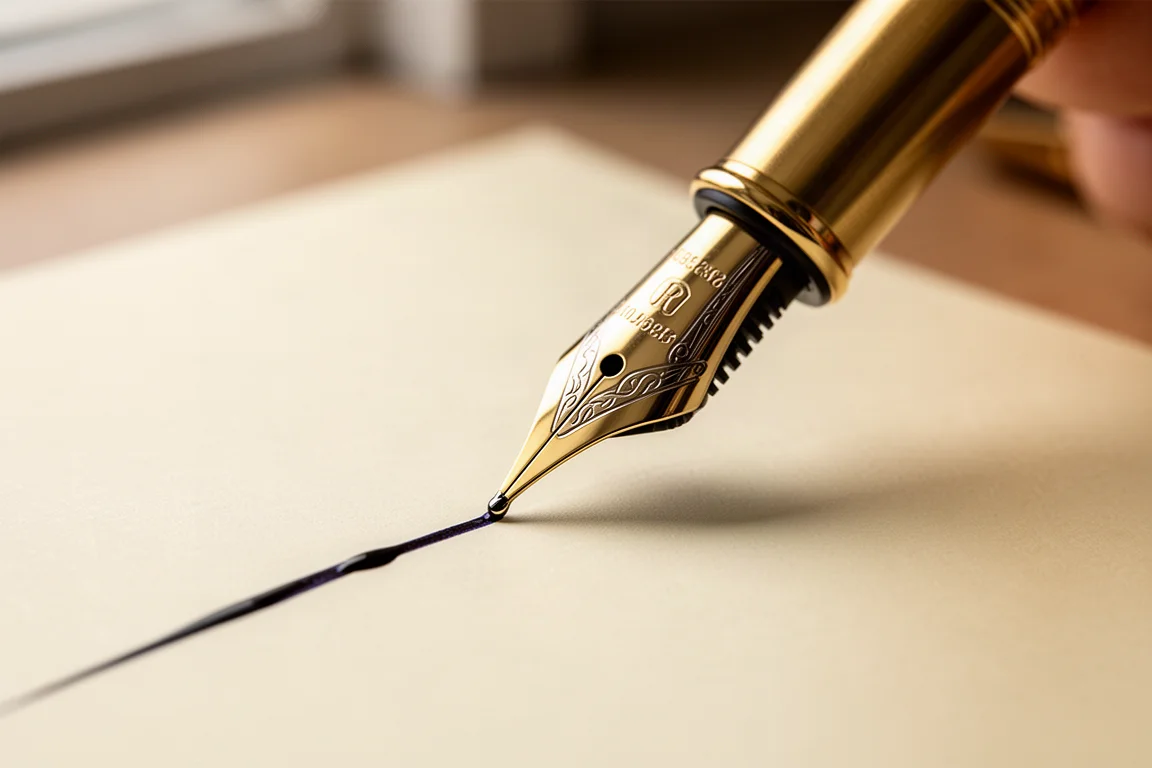
The Pilot Custom 74 retails for around $160 and comes in a wide variety of colors, including a clear demonstrator. It carries a 14 karat gold Pilot number 5 nib. The stamping next to the 14K reads 585, meaning 585 out of 1000 parts pure gold; 14 karat works out to 58.3 percent, and some manufacturers produce their 14 karat gold slightly purer and call it 585. For the price, the Custom 74 is a great pen. It is less traditional in styling than some other Pilot offerings, but it is a very nice entry point.
Pilot Custom 742
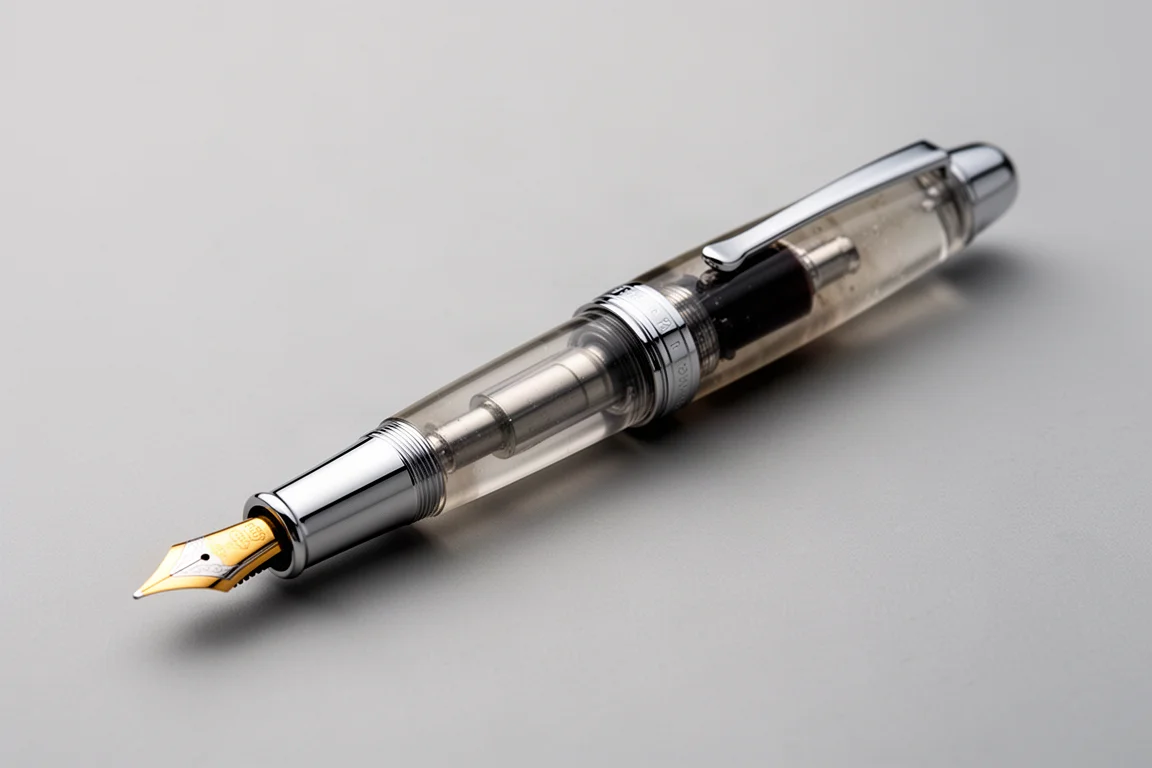
The Custom 742 is the more traditional sibling. Pilot’s numbering reflects the year of release counted from the company’s founding in 1918, so the 74 dates to 1992, and a third digit relates to the original Japanese yen price. The 742 was released in 1992 at 20,000 yen, roughly $175. It uses the slightly larger number 10 nib, which is outstanding, and the pen is similar in size to a Montblanc 146. The catch is availability: the 742 is not readily available through US retailers, so you will typically need an Asia-based retailer, eBay, or Amazon.
Sailor 1911 Standard
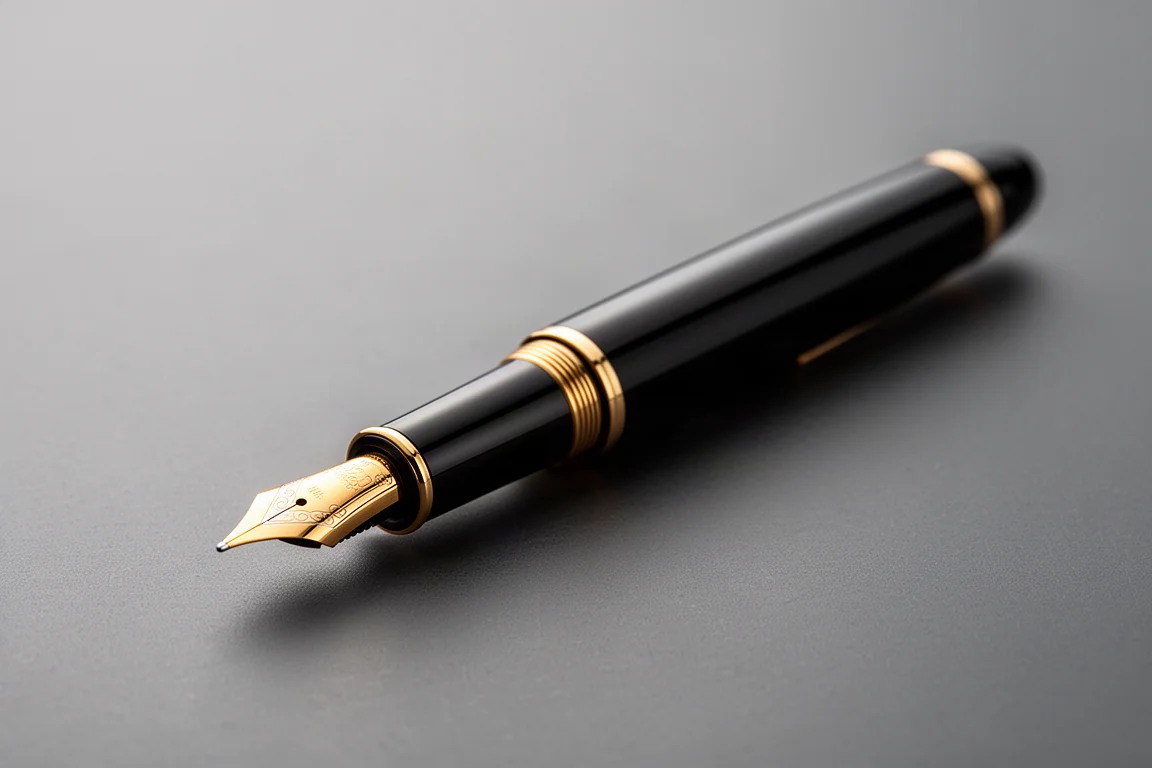
The Sailor 1911 Standard retails for around $180; the Fresca variant shown here costs slightly more but shares the same size and nib as the base model. This example carries a zoom nib, which is genuinely fun: you can significantly vary the line width by changing the angle of the nib to the paper, and it even writes well upside down. Sailor makes some very good gold nibs, and this pen is a strong argument for them.
Platinum 3776 Century
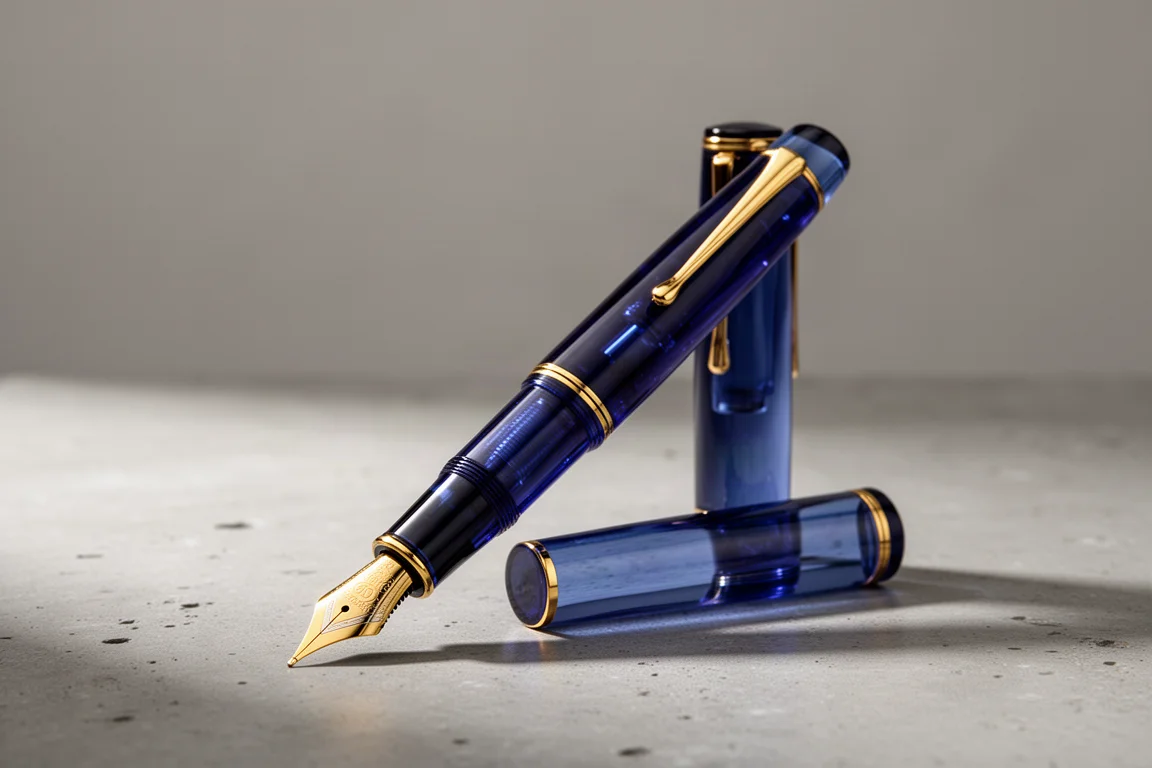
Platinum’s 3776 Century typically retails for around $175 and comes in a range of colors, from the Chartres Blue base model to more premium releases like Carnelian Red and the Yamanaka wave-pattern demonstrator. The 14 karat gold nib is a little flatter than Pilot’s more rounded profile. Platinum nibs tend to have a bit more bounce, which some people enjoy, though it is not everyone’s favorite characteristic. Overall, the 3776 is a quality offering and a great entry into gold nibs.
Pilot Vanishing Point and Pilot Decimo
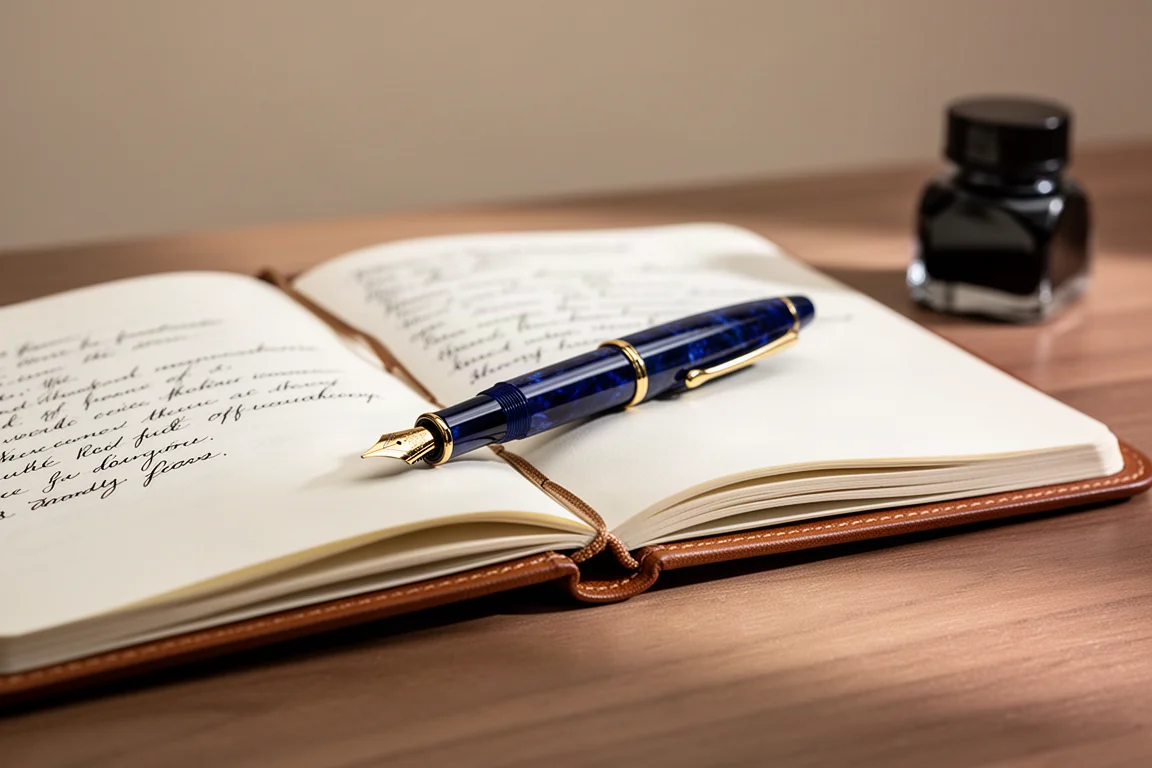
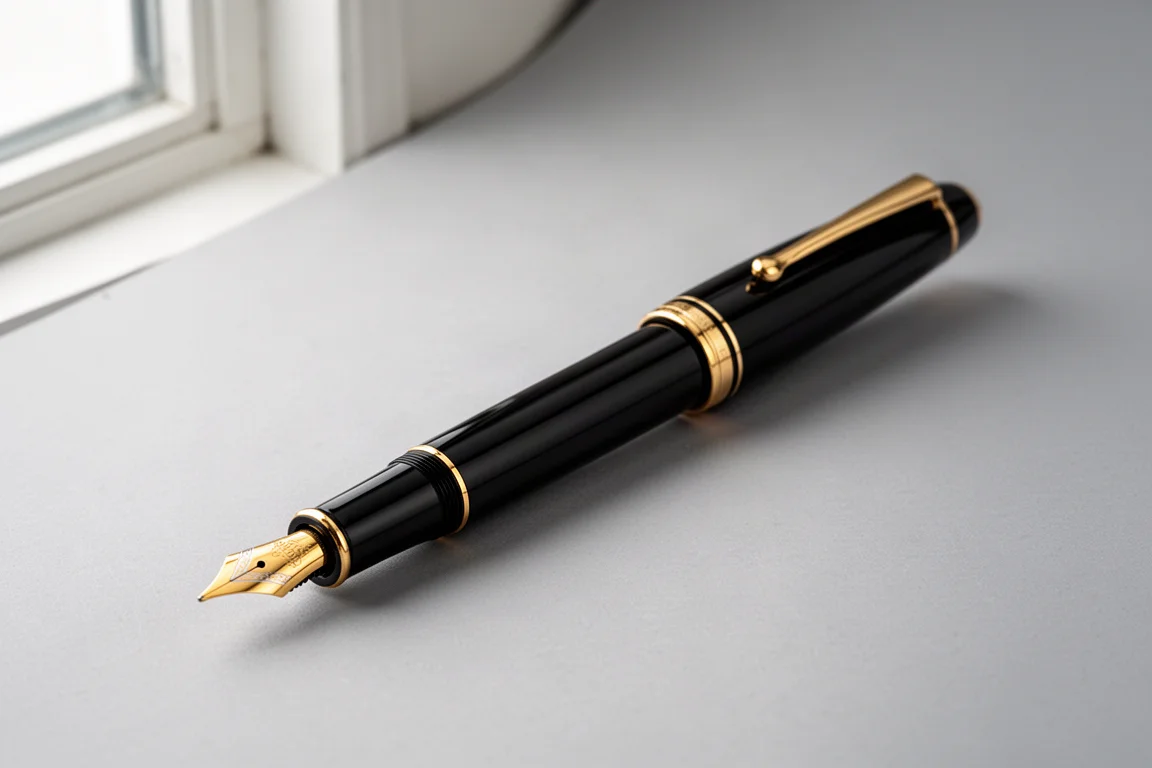
These two are essentially the same pen: the Vanishing Point, or VP, is the larger of the pair at around $156, while the Decimo is a bit smaller at $144. Both use the same 18 karat gold retractable nib unit, which is significantly narrower than the other nibs here but does not lack performance. The Vanishing Point nib is very soft and lays down a decent amount of ink, though it does not have as much flex or bounce as some others on this list. These are extremely popular pens and a very common first gold nib purchase.
Pilot Stella 90s
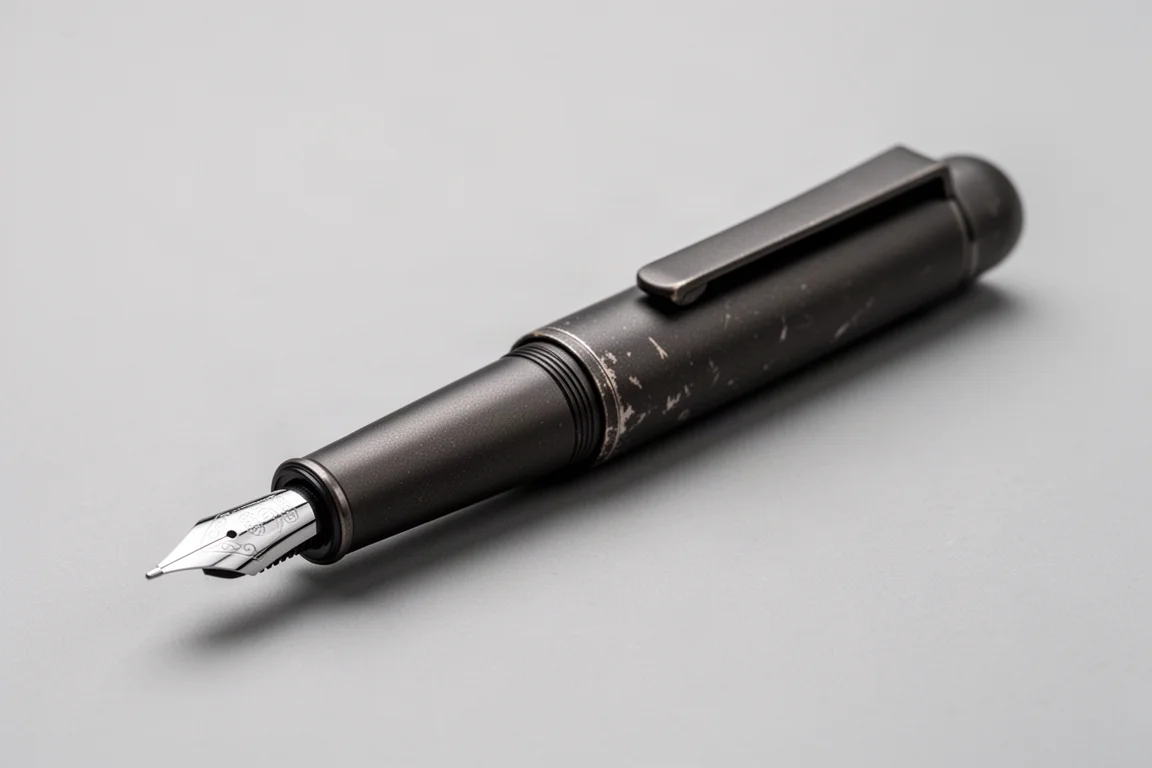
This pocket pen was marketed as the Stella 90s in Asian markets and the Stargazer in the West, and Pilot discontinued it a few years back. It is a shame, because it topped a previous ranking of favorite pocket pens. It uses a 14 karat gold number 3 nib, believed to be the smallest gold nib Pilot manufactures, but what it lacks in stature it makes up for in performance: the medium nib is very soft and decently smooth with better than average ink flow. If you can find one on the secondary market or as old stock, a fair price would be roughly $135 to $150, and it comes highly recommended.
Lamy 2000
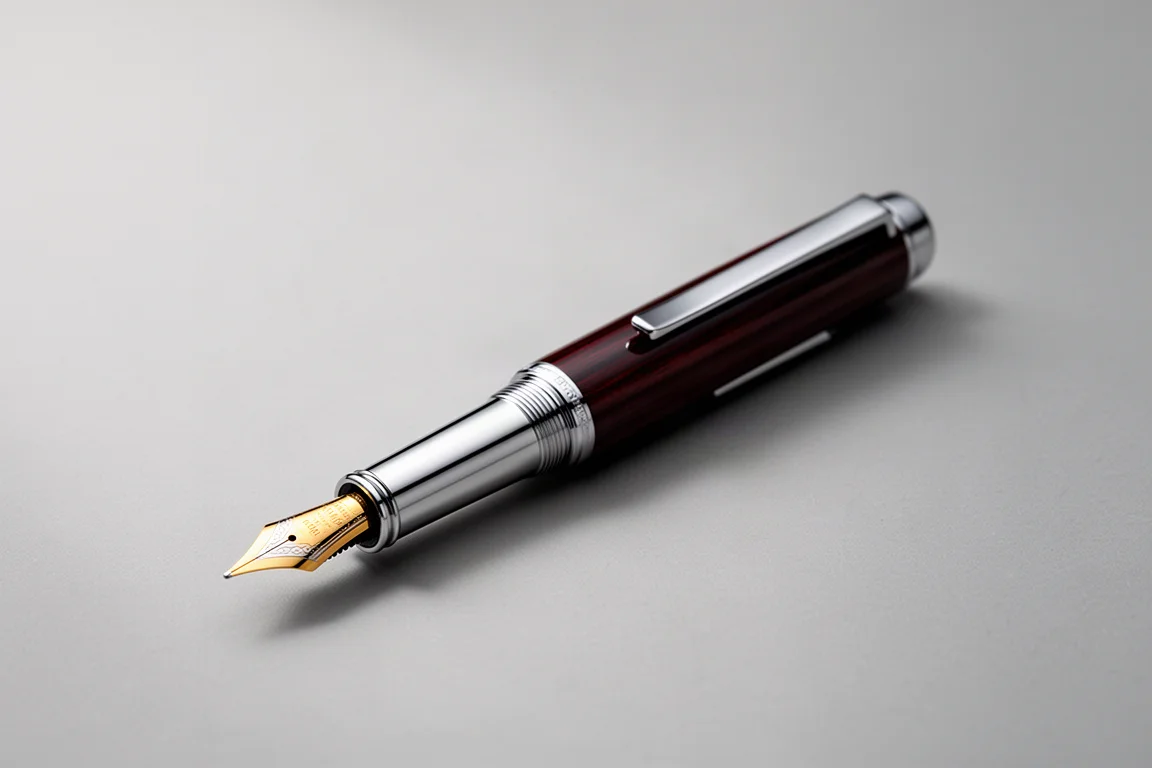
Over 50 years old and still looking like it could have been released this week, the Lamy 2000 typically retails for around $200. There is a lot to like: the unique Makrolon material, the blocky clip, and the timeless design. The sharply tapered metal section can be polarizing, though texturing keeps it from being overly slick. The hooded rhodium-plated 14 karat gold nib, a double broad in this example, lays down a fat juicy line. Some owners feel the nib has a small sweet spot, performing best at certain writing angles. As an honorable mention, Lamy sells a gold replacement nib for around $100 that clips onto the same feed used by the Safari and Al-Star, so you could equip a budget pen with gold if that appeals to you.
Pilot Falcon
The Pilot Falcon has arguably the most unique nib on this list, distinctive in both looks and feel: a little bulbous, then a little flat. Formerly branded as the Namiki Falcon, the resin version of this model retails for about $180, with a metal version selling for a bit more. What sets it apart is that it provides a fair amount of flex without overly taxing the nib, and a decent amount of flex can be had with very little effort. It is a fun pen to use and often shows up on lists of all-time favorite pens.
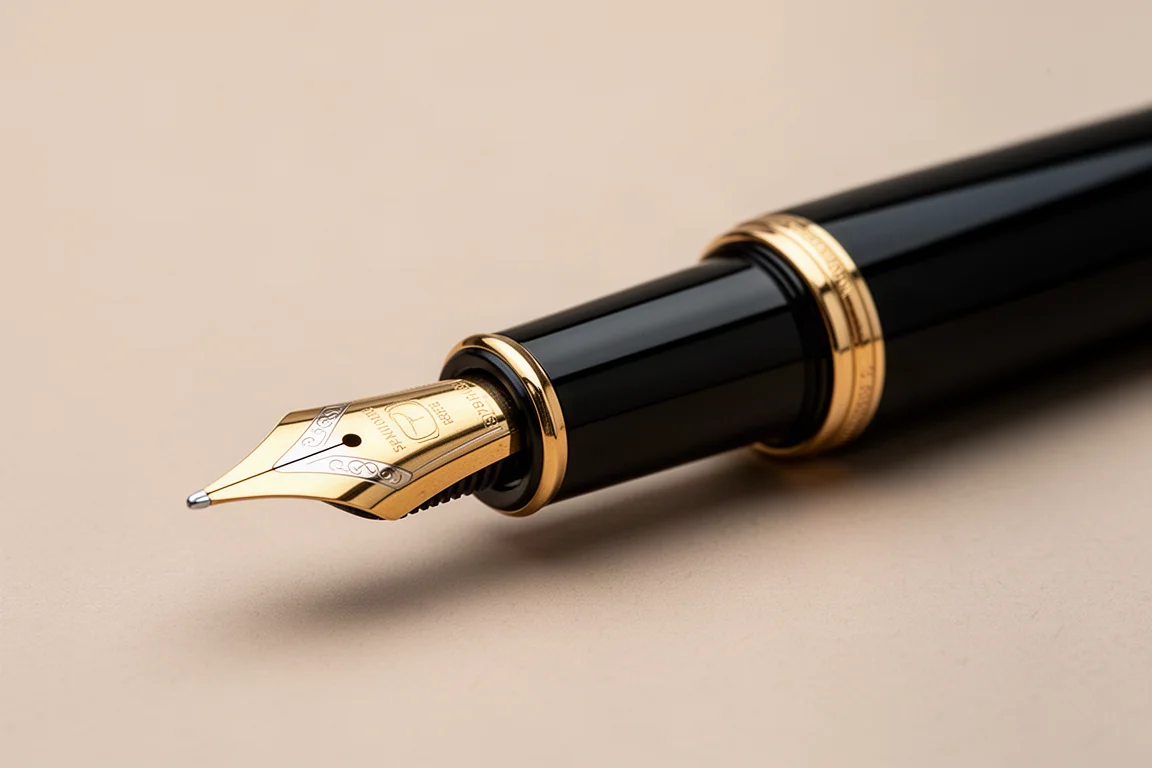
Sailor Pro Gear Slim
The Sailor Pro Gear Slim, shown here in a Four Seasons special edition called Yuki Tsubaki, retails for around $180 in its standard form. It is essentially the same pen as the 1911 Standard, with the same cap, barrel, and nib size. The main difference is visual: the 1911 Standard has tapered ends, while the Pro Gear’s ends are flat. Sailor makes some of the best nibs around, and as a first gold nib, you would not likely be disappointed with either Sailor on this list.
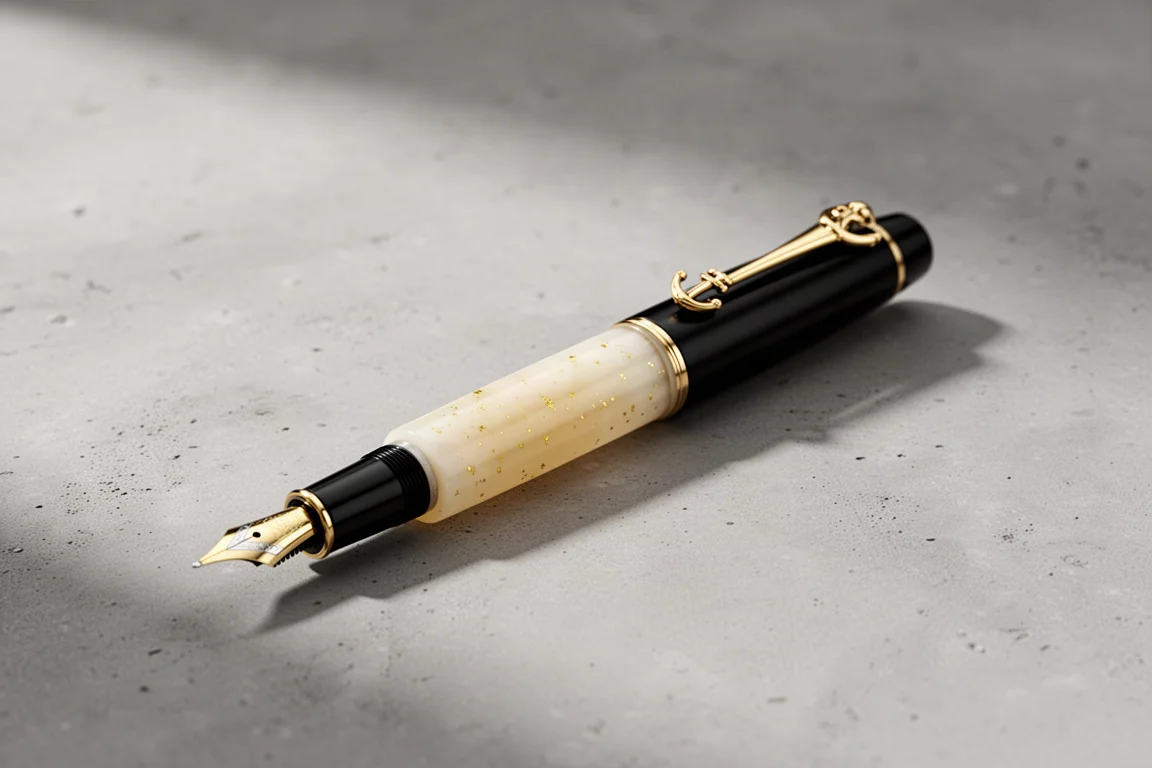
Pilot Custom Heritage 92
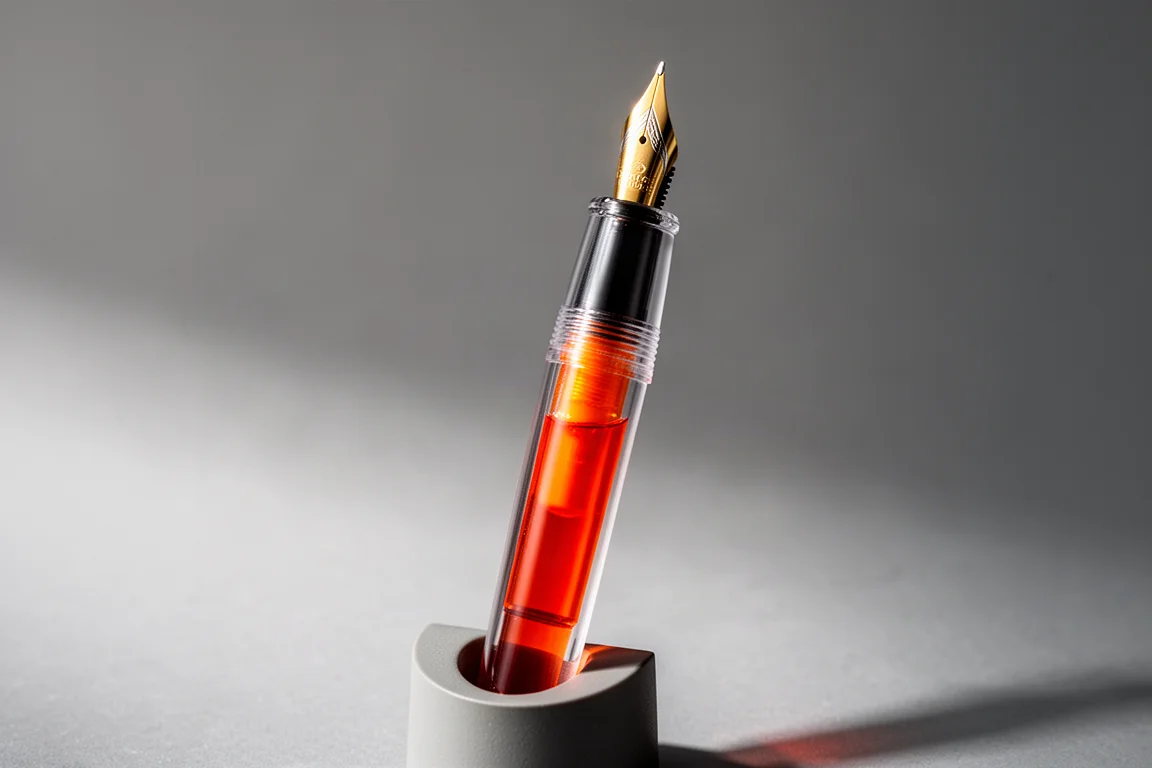
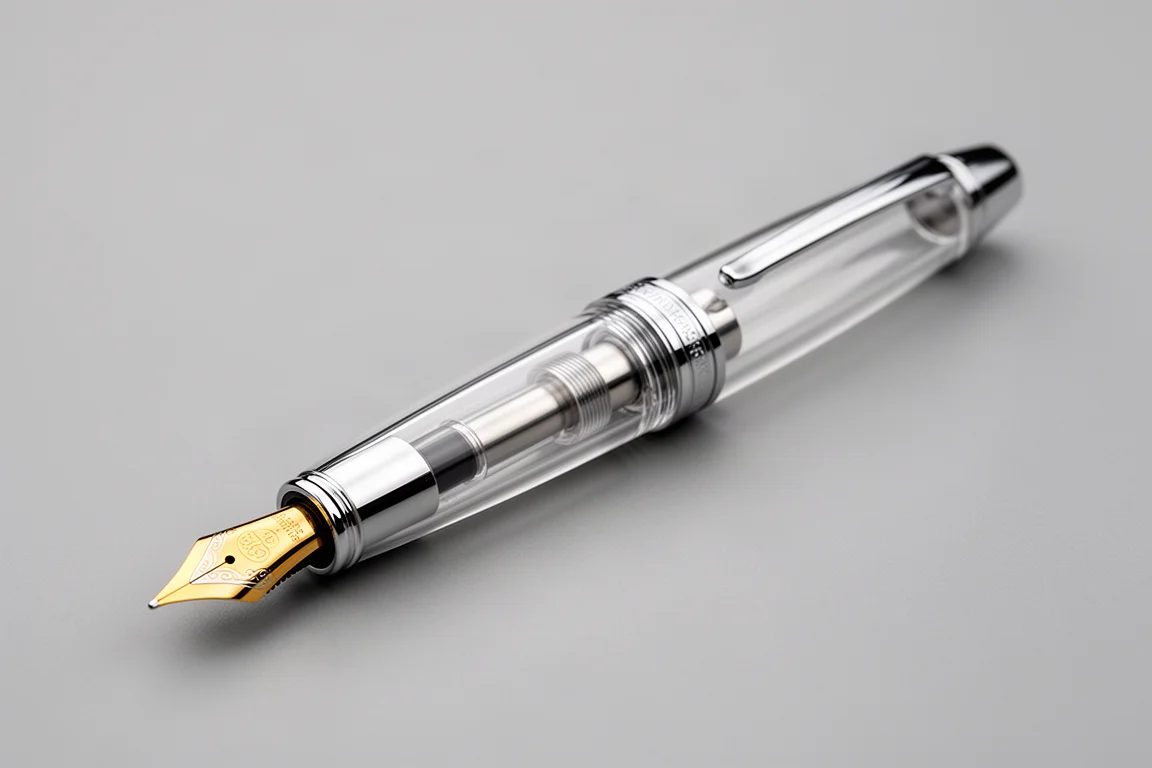
At $220, the Custom Heritage 92 is the most expensive pen on this list, and one of the best. It has unique elements not found on any other Pilot pen: it is a piston filler, believed to be the only one in Pilot’s lineup outside of the vacuum-filling 823 and cartridge-converter models. The translucent plastic gives a fantastic view of your ink of choice. One caveat: cleaning can be a bit of a pain if ink gets behind the inner sleeve. The nib is outstanding, and note that the medium here is very much an Asian medium, closer to a Western fine, laying down a really nice line.
Buying Advice
If you want the safest all-around first gold nib, the Custom 74, Sailor 1911 Standard, and Platinum 3776 Century are all proven choices in the $160 to $180 range. If a retractable pen fits how you write, the Vanishing Point and Decimo are among the most common first gold nibs for good reason. If flex is what tempts you, the Falcon is the clear pick, and if you want the most character, the Custom Heritage 92’s piston filler justifies its higher price.
Conclusion
Every pen here offers a genuine gold nib experience without straying far from the $135 to $220 range. Match the pen to your priorities, whether that is nib personality, filling system, or form factor, and any of these would make a confident first step into gold.
Further reading
Related Reviews
Fountain Pens
Best Budget Fountain Pens Tested: 9 Pens, One Clear Winner
A hands-on comparison of nine affordable fountain pens for everyday writing, calligraphy, and sketching, with a clear standout for flexible nib fans.
Fountain Pens
Aurora Optima Review: An Italian Piston Filler That Punches Above Its Price
A 14k gold nib, ebonite feed, and a beautifully deep oraloid body make the Aurora Optima one of the most rewarding piston fillers around.
Fountain Pens
Cross Bailey Light Review: The Entry-Level Fountain Pen Worth Keeping at the Office
A plastic-bodied Cross with a metal clip, snap cap, and famously smooth extra fine steel nib. Around $15, available almost everywhere, and easy to recommend.