Outdoor Gear
Best Emergency Sleeping Bivys: Five Lightweight Shelters for Unpredictable Weather
Five compact emergency bivys designed to retain body heat and provide reliable protection when outdoor conditions turn dangerous. Each offers distinct durability and warmth trade-offs for different preparedness needs.
Introduction
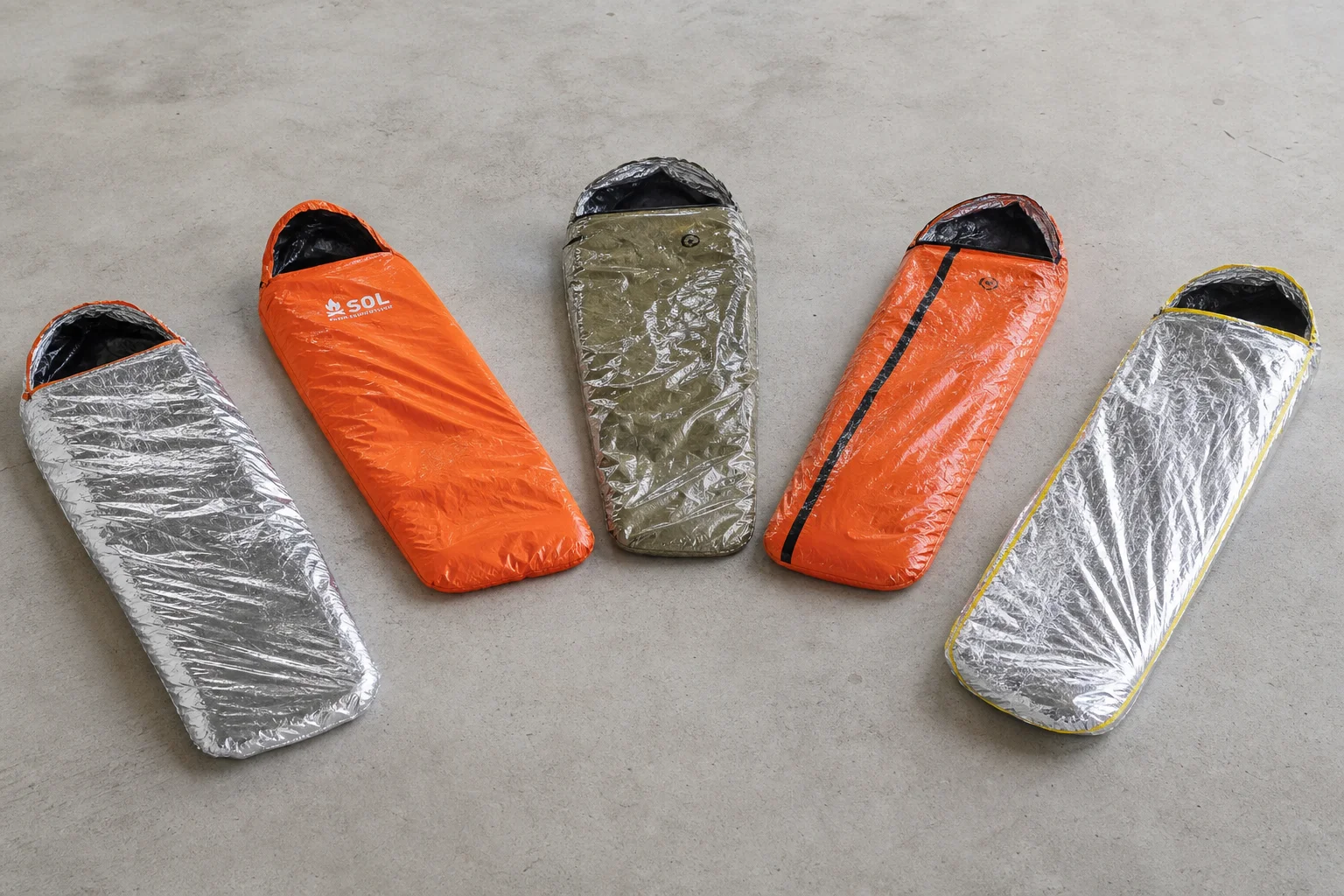
Emergency sleeping bivys are lightweight thermal shelters designed to trap body heat and protect against wind, moisture, and cold when outdoor conditions deteriorate unexpectedly. Unlike full sleeping bags, these compact tools pack into a pocket or backpack corner, making them practical additions to hiking kits, vehicle emergency supplies, and go bags. The five options below represent different approaches to warmth retention, durability, and visibility—each with clear strengths and trade-offs worth understanding before choosing.
133 SUPPLY Sleeping Bivy
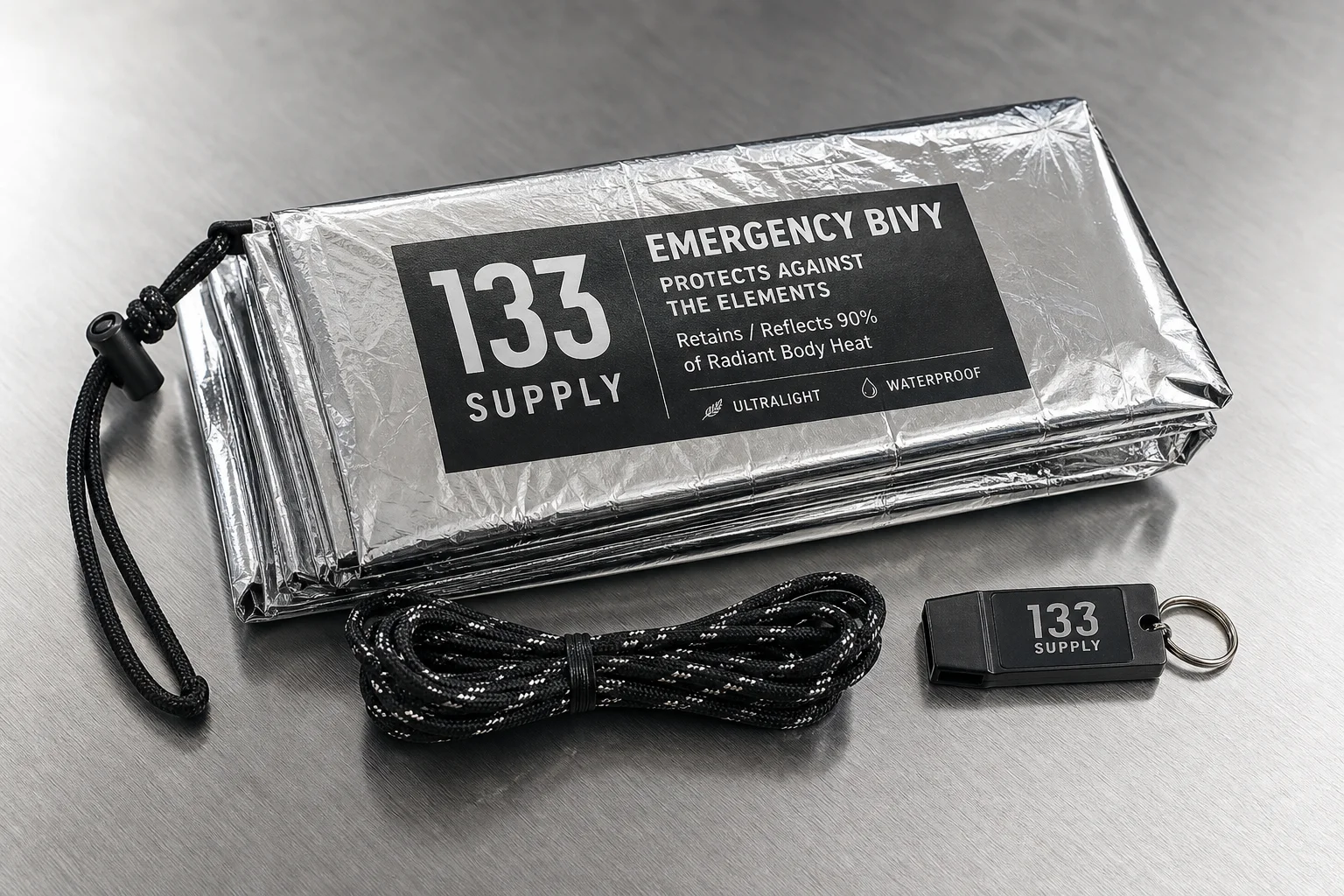
The 133 SUPPLY Sleeping Bivy combines a warmth-retaining mylar shell with reinforced material designed to withstand rough terrain and sharp debris. The construction feels sturdier than many thin emergency sacks, and the included whistle and compact paracord add practical safety features beyond basic thermal protection.
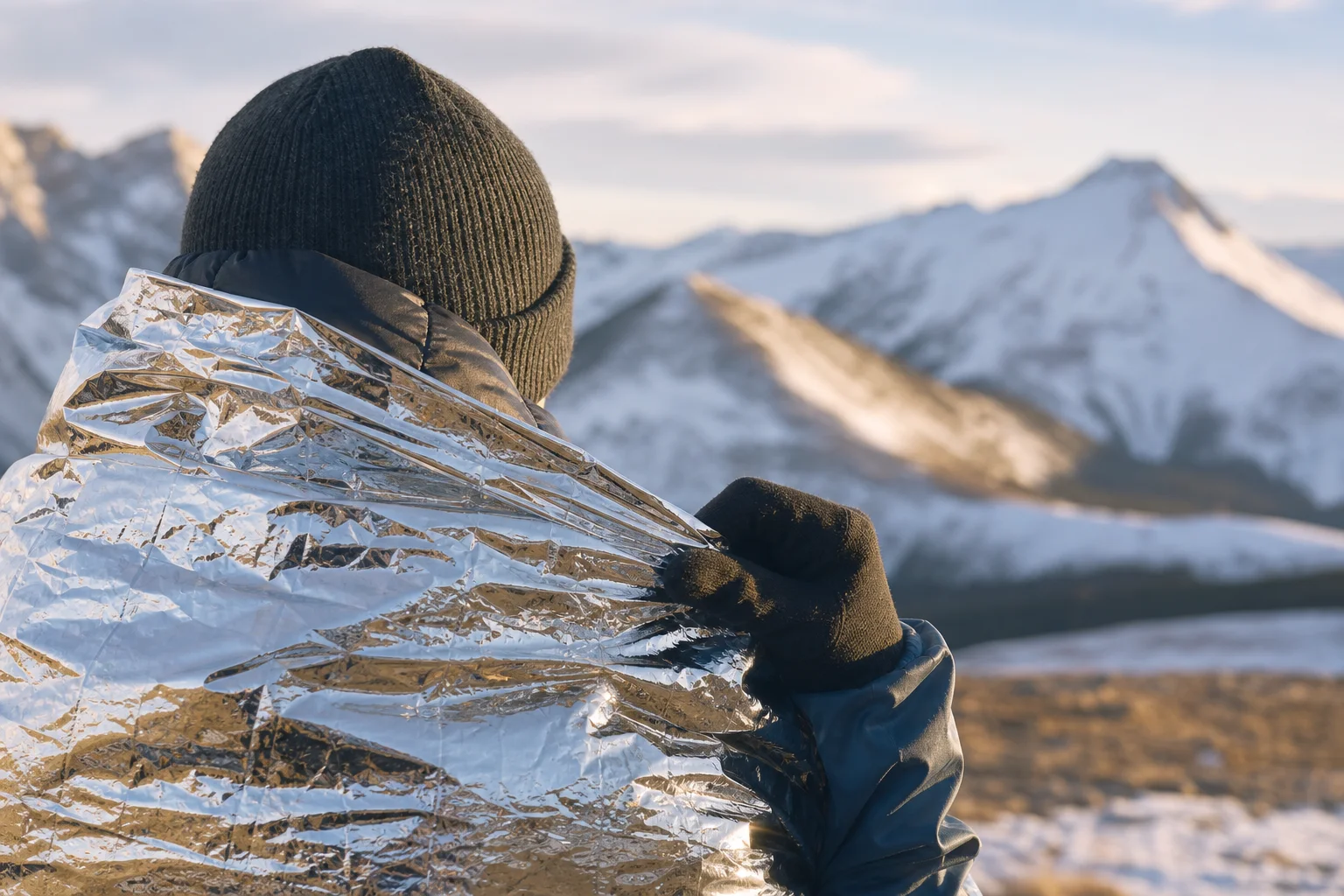
The size accommodates most adults without feeling restrictive, and the heat-trapping properties deliver immediate relief when wrapped around the body. This bivy suits hikers, backpackers, and anyone building winter car kits or emergency hiking gear who prioritize durability and peace of mind over absolute minimalism. The main trade-off is material crinkle, which is louder than softer alternatives but typical for this category.
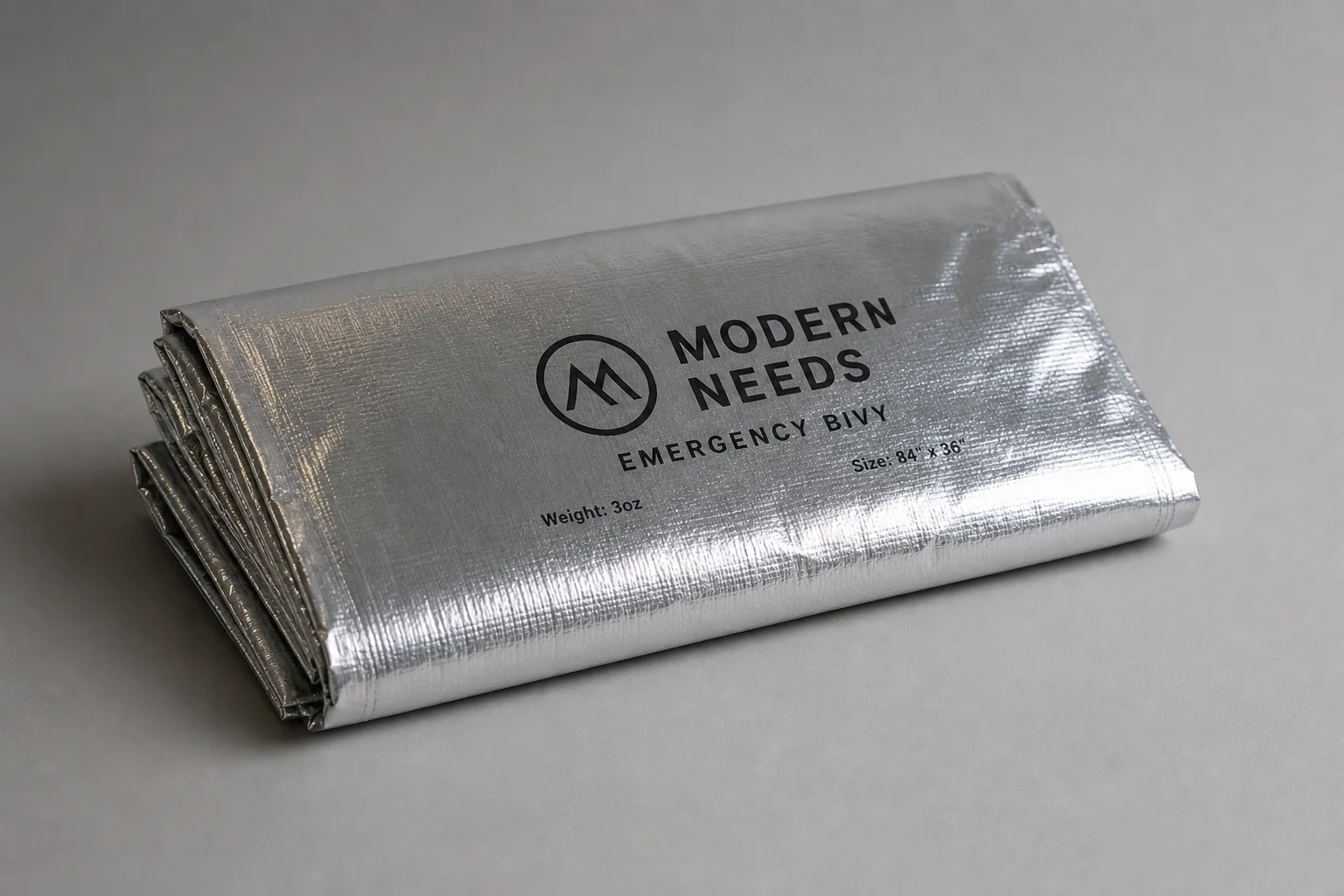
MODERN NEEDS Sleeping Bivy
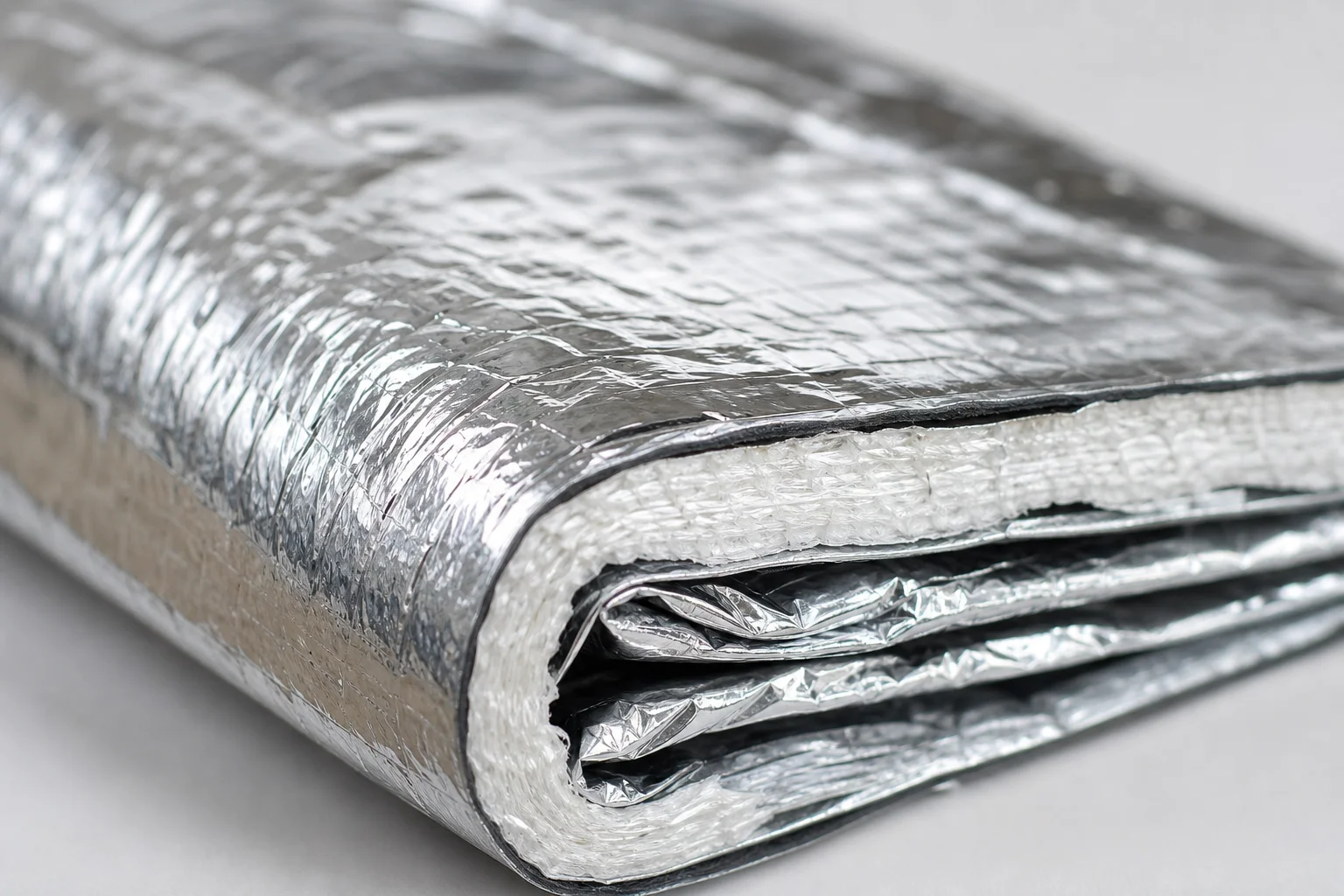
The MODERN NEEDS Sleeping Bivy emphasizes rugged polyethylene construction with sealed seams, offering durability that many hikers find reassuring in unpredictable conditions. The reflective insulation delivers rapid heat reflection, and the lightweight profile—lighter than some hand warmers—makes it practical for everyday carry without noticeable bulk.
The versatility stands out: it functions as a standalone bivy, an emergency blanket, or an insulating shell over existing sleeping gear. The sealed seams and sturdy material inspire confidence in bug-out bags and backpacking kits where reliability matters. Like other compact bivys, the material crinkles noticeably, but the warmth retention and tough construction offset this minor drawback for most users.
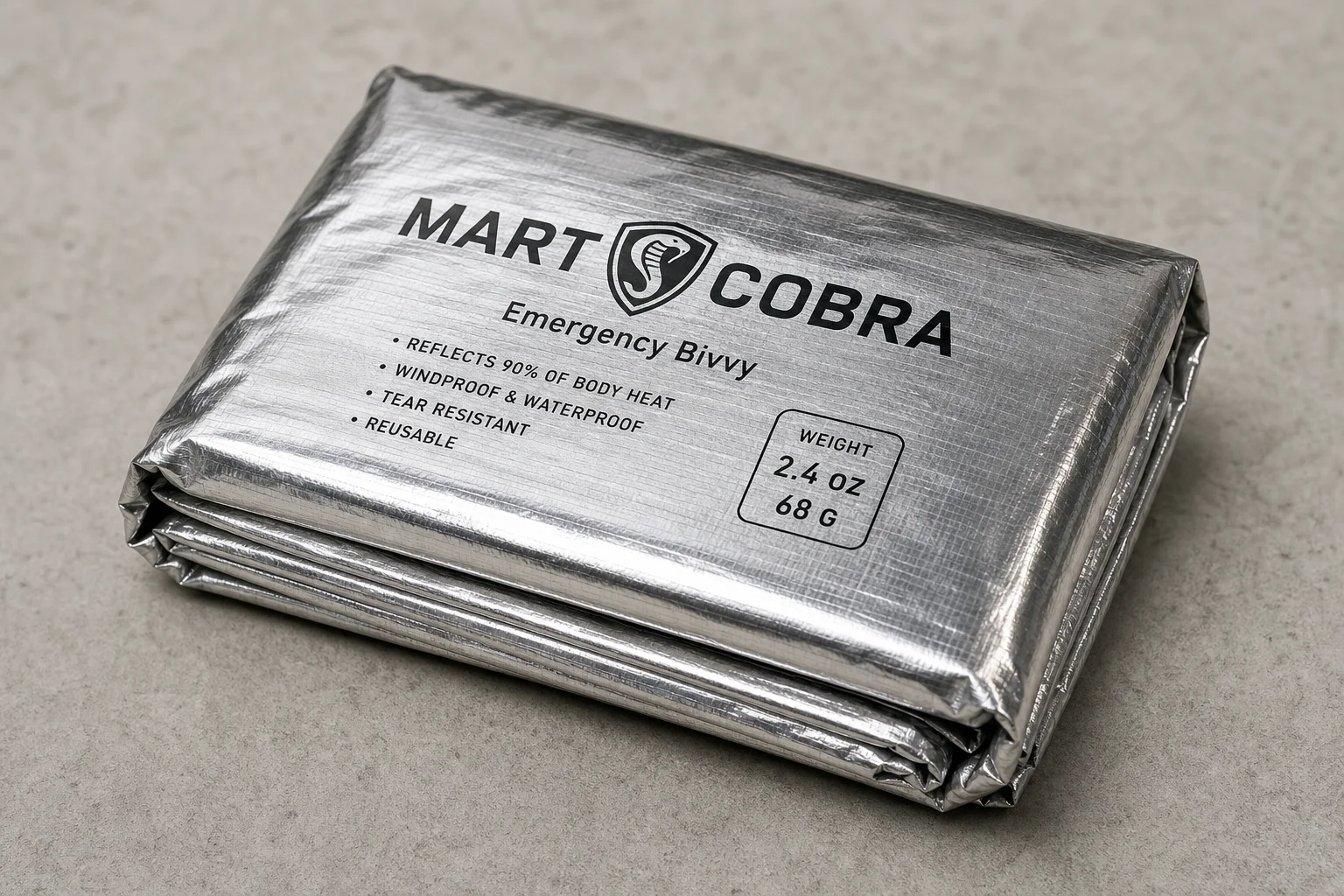
Mart Cobra Sleeping Bivy
The Mart Cobra Sleeping Bivy uses lightweight mylar construction that weighs less than a phone while offering full-body coverage for adults and children. The material resists tears better than thinner alternatives, and the heat-trapping efficiency remains impressive even during extended waits or unexpected overnight stays.
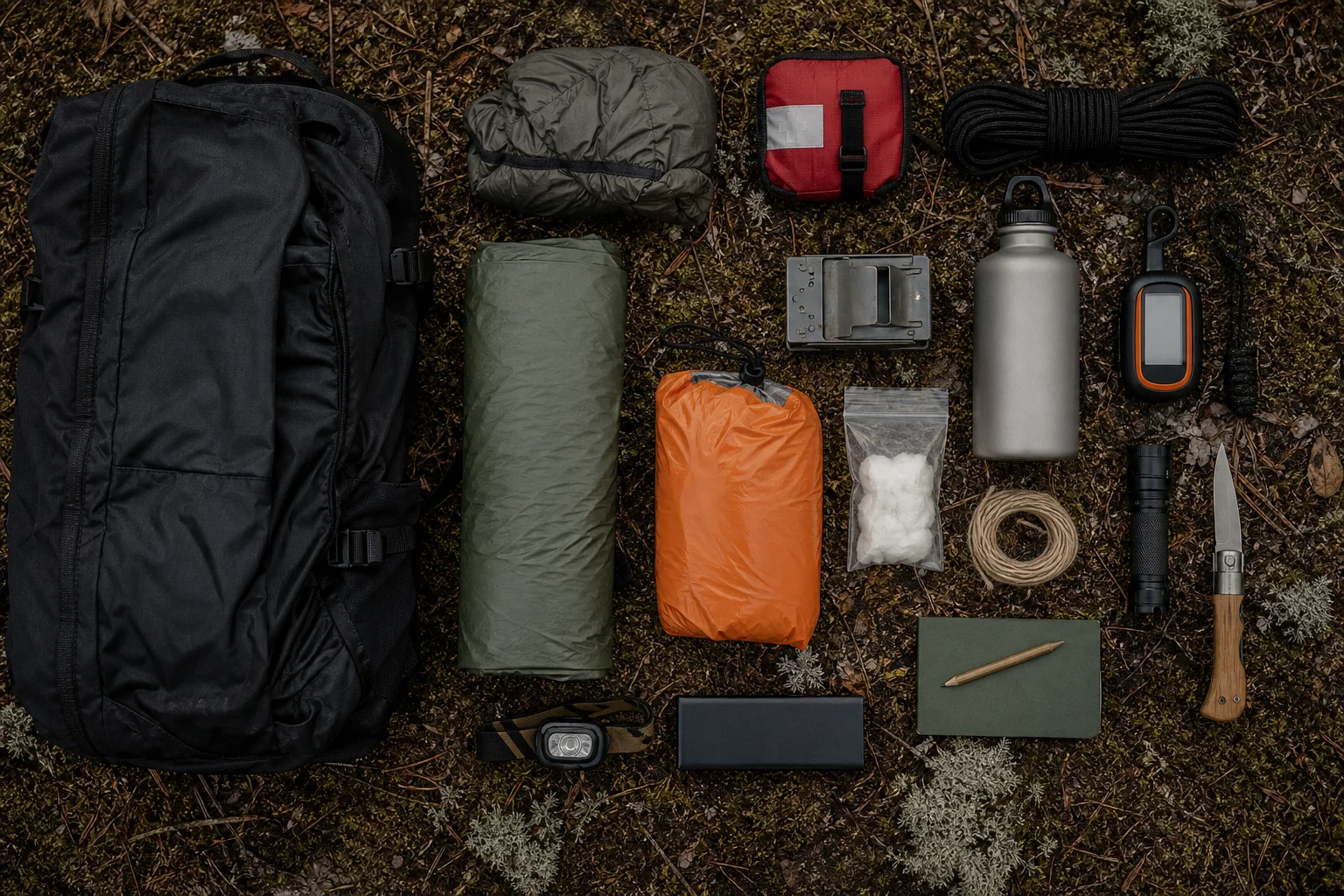
The compact pack-down size makes it ideal for go bags, hiking packs, and vehicle emergency kits. The adaptability in real-world scenarios—functioning as a bivy, ground cover, or temporary shelter—adds practical value. The mylar material lacks breathability and produces noise, which is standard for this category and acceptable given the thermal performance. This bivy appeals to anyone building reliable emergency setups or hiking in unpredictable weather who wants low-cost, effective protection.
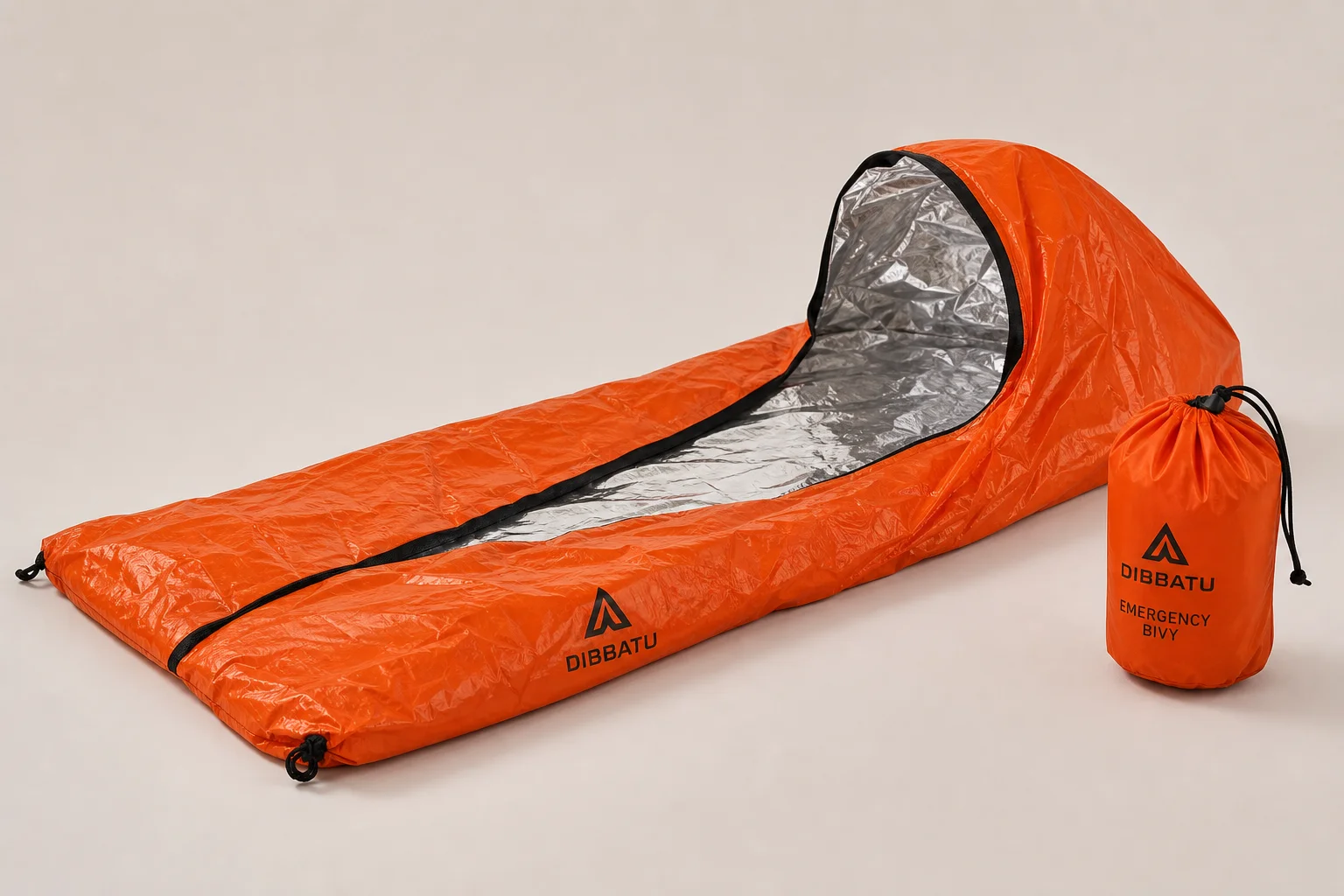
DIBBATU Sleeping Bivy
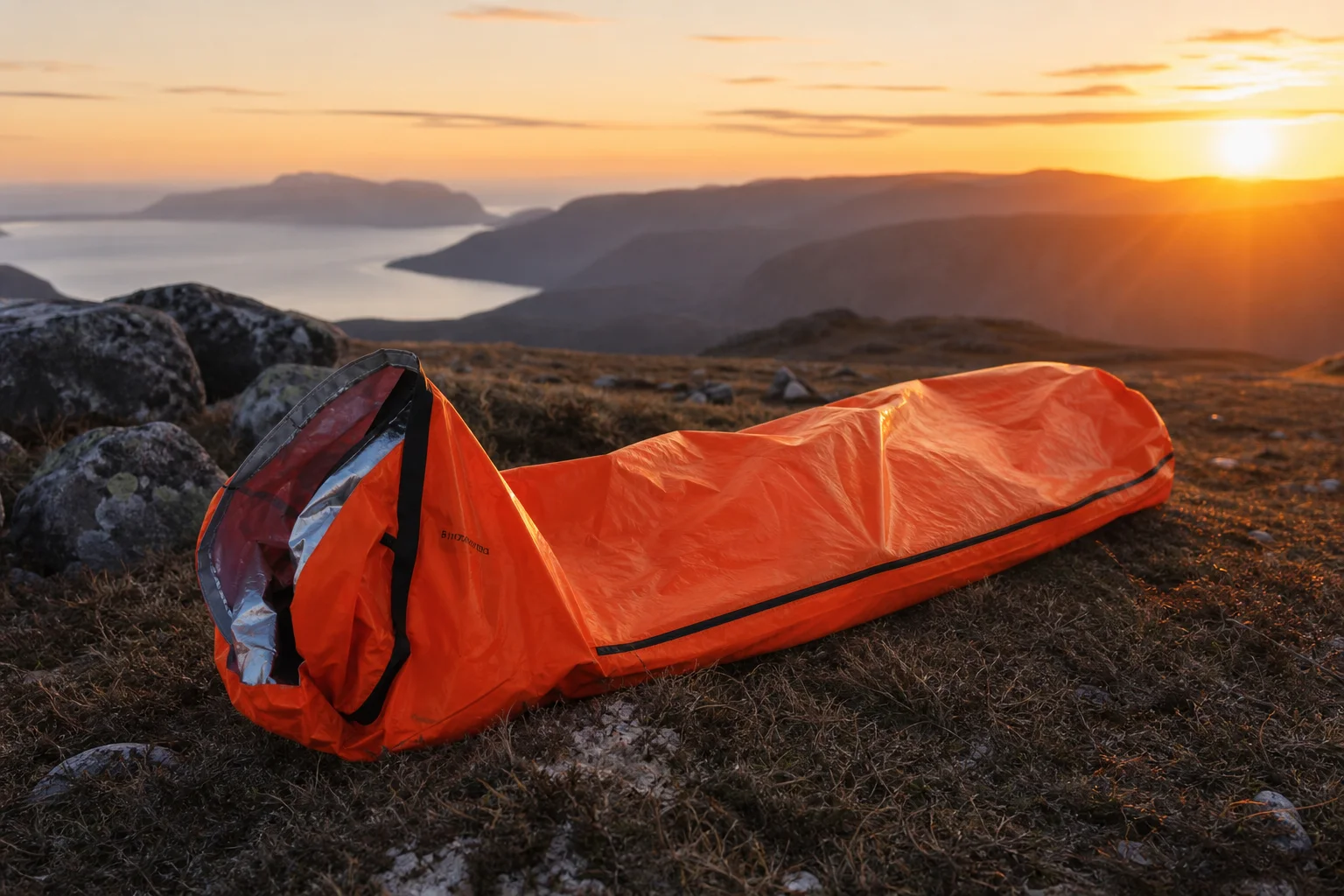
The DIBBATU Sleeping Bivy stands out for its generous sizing and bright orange exterior, which serves dual purposes: full-body coverage without cramped feeling, and high visibility in low-light scenarios. The reflective nylon material holds up well against snags, damp ground, and rough terrain, making it practical for deep trail hiking and roadside emergency kits.
The orange color becomes a genuine safety asset when visibility matters, adding a signaling dimension beyond warmth. The material resists damage better than ultralight alternatives, though the mylar-style crinkle and limited breathability are typical trade-offs. For anyone who camps, hunts, or backpacks, the combination of warmth, durability, and visibility makes this a smart choice for go bags and car kits.
Zmoon Sleeping Bivy
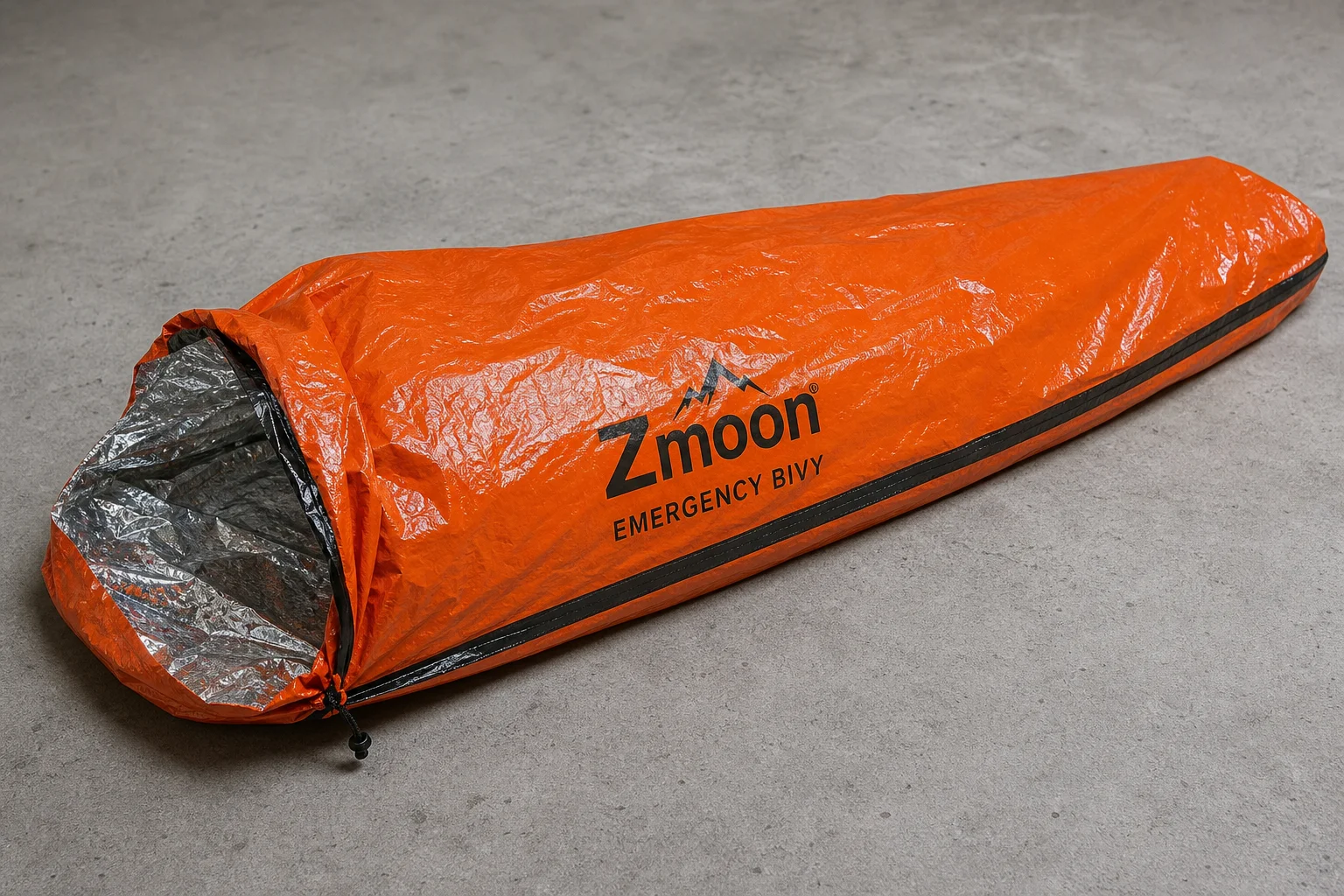
The Zmoon Sleeping Bivy delivers full-body coverage with tear-resistant mylar foil and a bright exterior that doubles as a signaling tool. The reflective nylon shell catches body heat effectively, and the generous sizing eliminates the cramped, airtight feeling common in cheaper versions.
The lightweight profile makes it a practical must-have for outdoor kits, car emergency setups, and serious bug-out bags. The material blocks wind and moisture effectively, creating a protective bubble that feels reassuring in cold rain or unexpected snow. While the mylar texture is noisy and not suitable for long-term sleeping bag replacement, the rapid warmth, visibility, and survival focus are where this bivy excels. Anyone who values preparedness or spends time on remote roads or trails will appreciate the security this lightweight gear provides.
Conclusion
Choosing an emergency bivy depends on your primary use case: durability and included safety features (133 SUPPLY), versatility and sealed construction (MODERN NEEDS), compact weight and adaptability (Mart Cobra), visibility and ruggedness (DIBBATU), or signaling capability and tear resistance (Zmoon). All five options prioritize heat retention and pack-down size, making them practical additions to hiking kits, vehicle emergency supplies, and outdoor preparedness plans. Consider your typical terrain, climate exposure, and whether visibility or maximum durability matters most to your situation.
Further reading
Related Reviews
Outdoor Gear
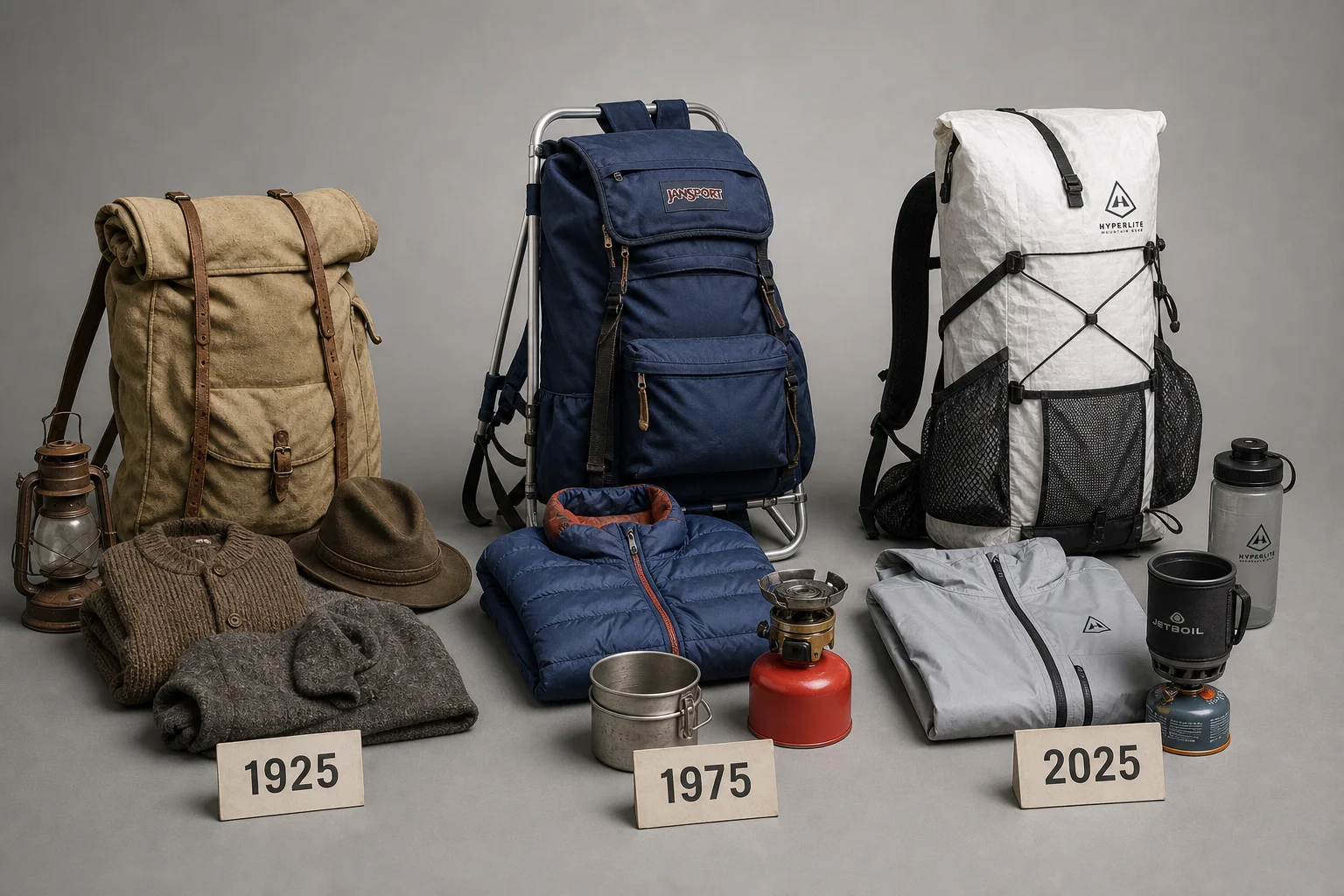
Backpacking Gear Evolution: 100 Years of Technology Compared
We tested backpacking gear from 1925, 1975, and 2025 across a three-day hike in Yosemite. Here's how technology has transformed comfort, weight, and the outdoor experience.
Outdoor Gear
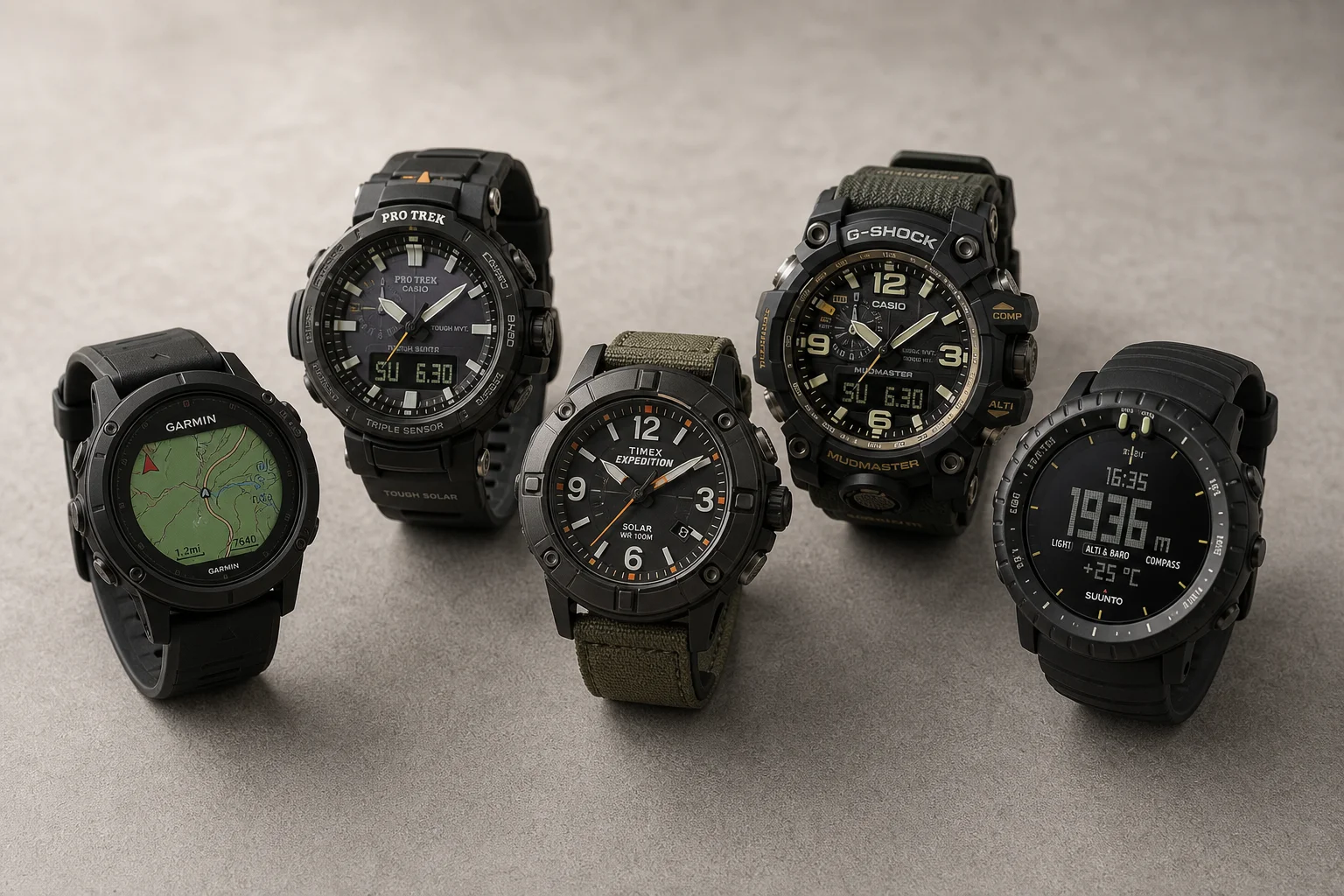
Best Affordable Hiking Watches: Five Rugged Options for Outdoor Adventures
Five durable hiking watches that balance ruggedness, functionality, and value for outdoor enthusiasts who need reliable GPS tracking and weather resistance.
Outdoor Gear
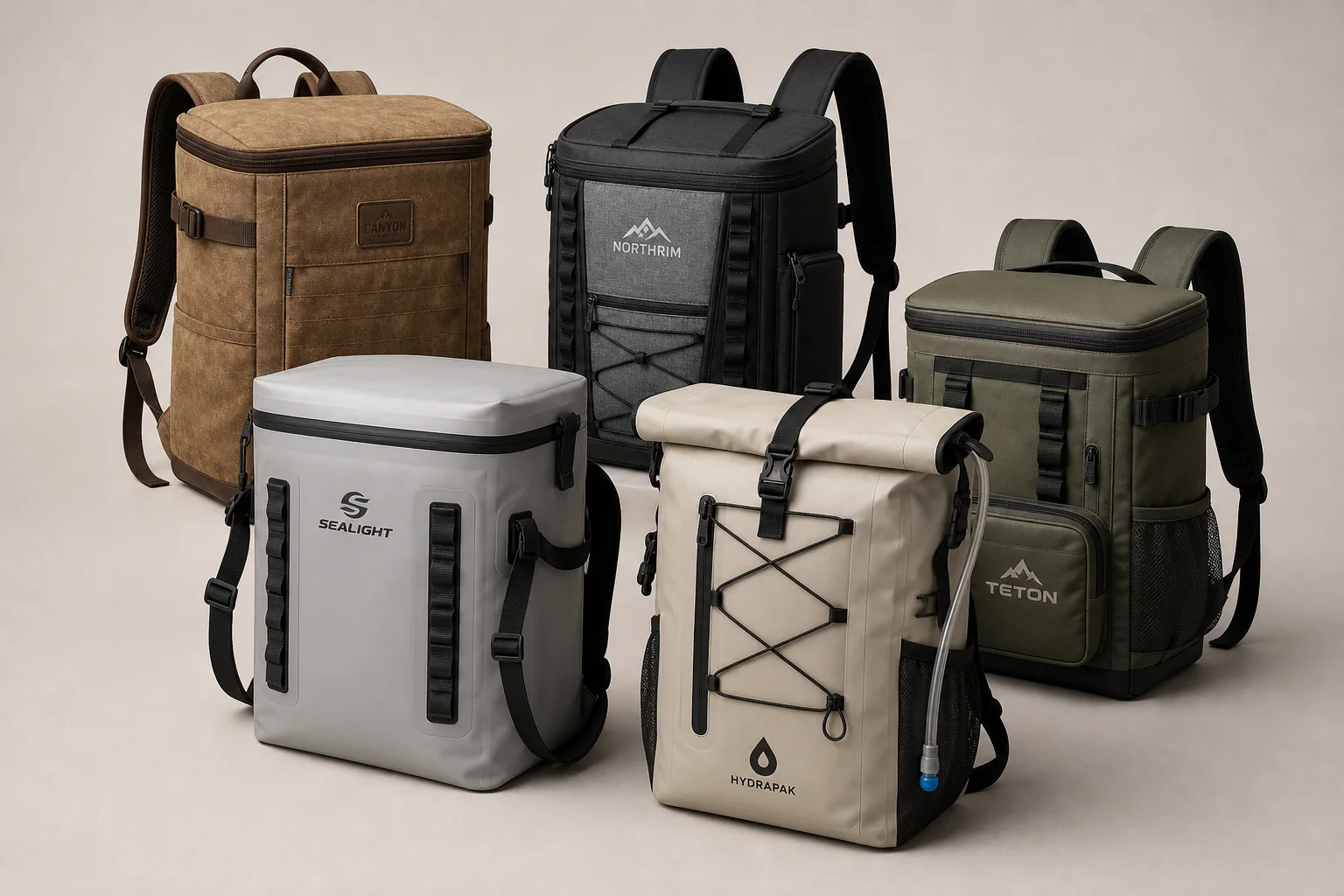
Best Backpack Coolers 2026: Five Practical Options for Outdoor Adventures
Five backpack coolers with distinct cooling capabilities, storage features, and design trade-offs to help you choose the right one for your outdoor needs.