Running Shoes
Best Elite Carbon Racing Shoes: Brooks Hyperion Elite 6 and Three Strong Alternatives
Brooks finally enters the elite race day conversation with the Hyperion Elite 6. We compare it with the Hyperion Elite 5, Hoka Cielo X1 3.0, and Li-Ning Feidian 6 Elite.
Introduction
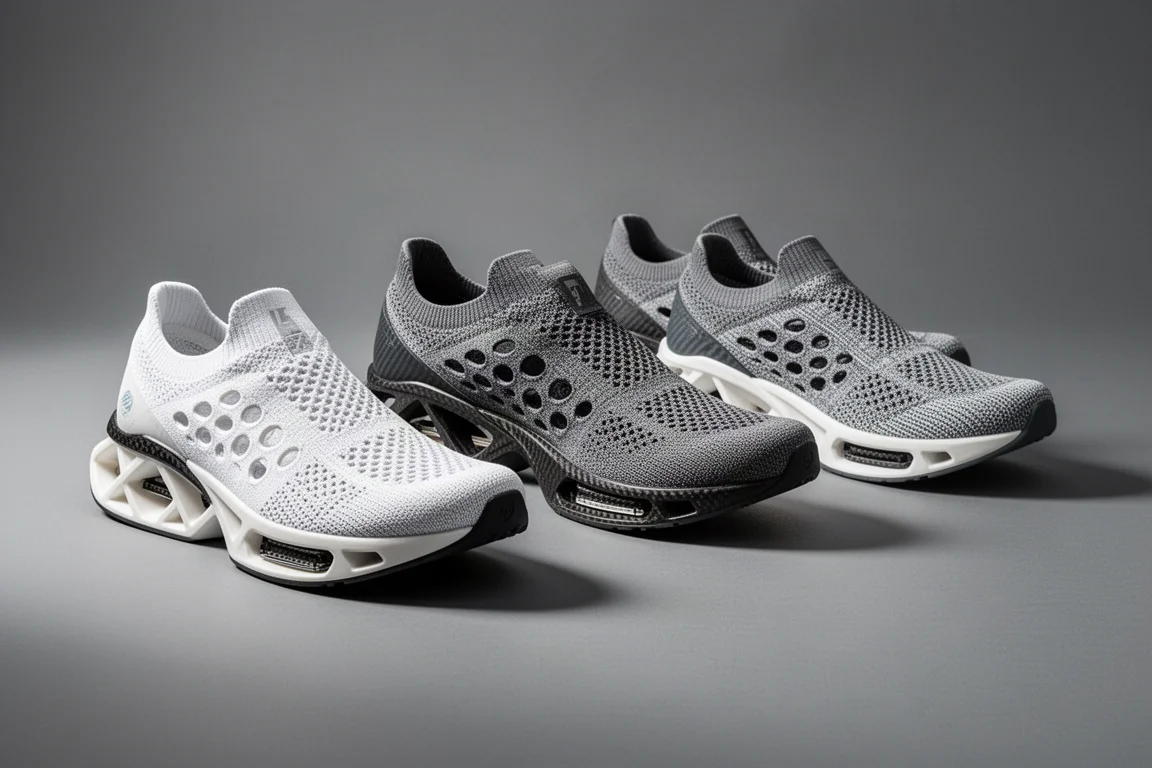
Brooks has long been one of the best-selling running shoe brands in America, built on broad appeal to everyday runners. But pinnacle performance has always been the weak spot: the brand never quite broke into the upper echelon of elite racing. The Hyperion Elite 6 is its most serious attempt yet at a genuine marathon racer, and this time the result is good enough to sit alongside the best in the category.
In this guide we break down the Hyperion Elite 6 in detail, look at the discounted Hyperion Elite 5 as a budget-conscious alternative, and compare two rivals in the same midfoot-striker racing space: the Hoka Cielo X1 3.0 and the Li-Ning Feidian 6 Elite.
Brooks Hyperion Elite 6
The Hyperion Elite 6 is a 40 mm stack shoe with a 7 mm drop, which means 33 mm of foam under the forefoot. The midsole uses DNA Loft v3, Brooks’ supercritical PEBA foam, paired with a carbon fiber plate. Three major updates separate it from last year’s model.
First, the “shark teeth” bubbles on the sidewall are gone. The side is mostly filled in now, though some wedges and concavities built into the sidewall achieve a similar physical effect. Second, the SpeedVault Plus carbon plate has been revised. In earlier versions it was more of a scaffolding of carbon rather than a solid plate; this year the visible portion appears filled in. The plate starts high in the back and swoops aggressively down toward the forefoot, ending very close to the ground with plenty of foam between the plate and the foot, a setup typically aimed at heel strikers or runners with a very quick cadence.
The third change is the outsole, with an updated tread pattern similar to Brooks’ newer max-cushion shoes, two skids of rubber in the heel, and a slightly harder crystal rubber compound that still carries lugs for grip.
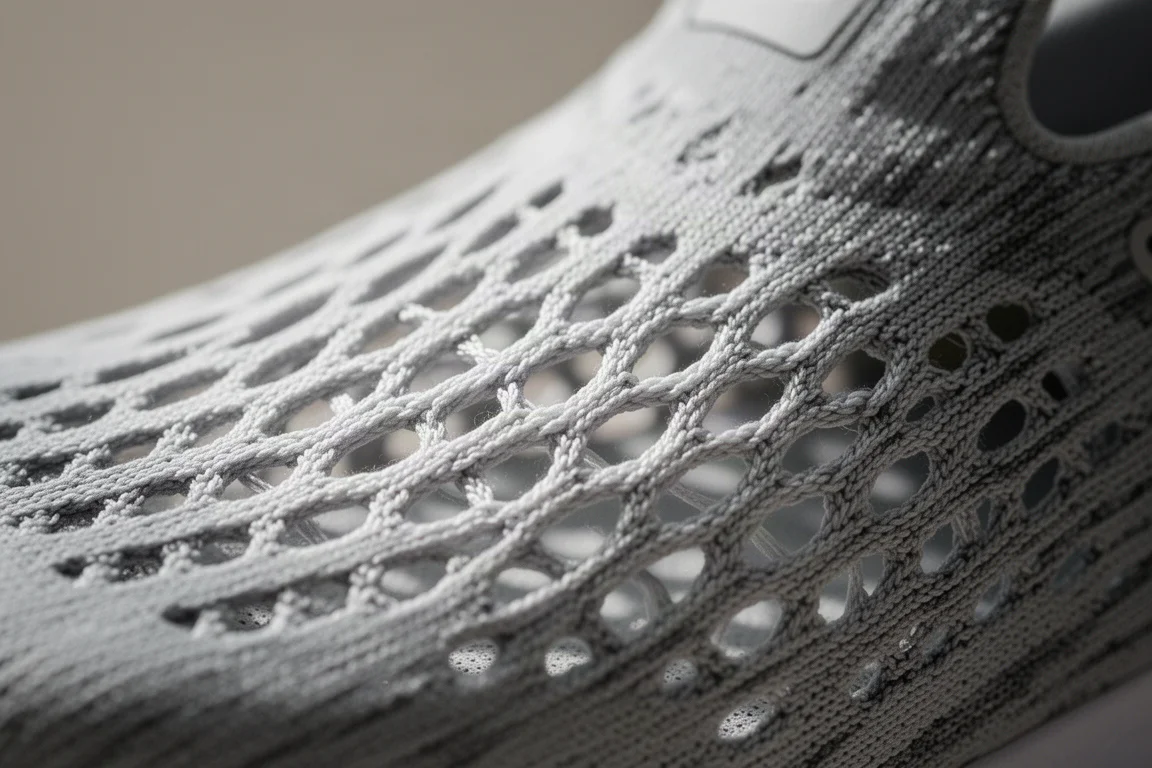
The upper is arguably the star of the show. Brooks coats yarns in TPU for strength and flexibility, allowing large holes and gaps for airflow while producing a pattern that looks delicate and powerful at the same time. The thin tongue is not gusseted but sits flush once laced, the heel collar has a felt-like lining, and there are hidden bumper pads under the collar for a touch of detail most people will never see.
Fit is straightforward: your regular running shoe size should work for most people. Compared with the Hyperion Elite 5, there is more volume in the toe box, especially over the pinky toe. On the scale, a US men’s size 9 came in at 7.0 oz (200 g), which sits at the top end of respectable for an elite racing shoe, yet on the foot it feels lighter than the numbers suggest.
On the road, the DNA Loft v3 is not super squishy. There is a touch of density that keeps things responsive, with a pleasant, powerful compress-and-decompress feel and noticeably more energy than the previous version. Near marathon effort is where the foam and plate work together best, delivering bounce and energy at moderate paces. At threshold and faster, the forefoot foam feels great, though the aggressive forefoot rocker leaves little stack under the toes, so forefoot strikers may notice some extra wear on the toes when riding up front. It takes a small, conscious adjustment to lock into the shoe’s rhythm, but once set, the pieces work together well. The verdict: this is the best Hyperion Elite Brooks has ever made, and the shoe that finally puts Brooks in the elite race day conversation.
Brooks Hyperion Elite 5
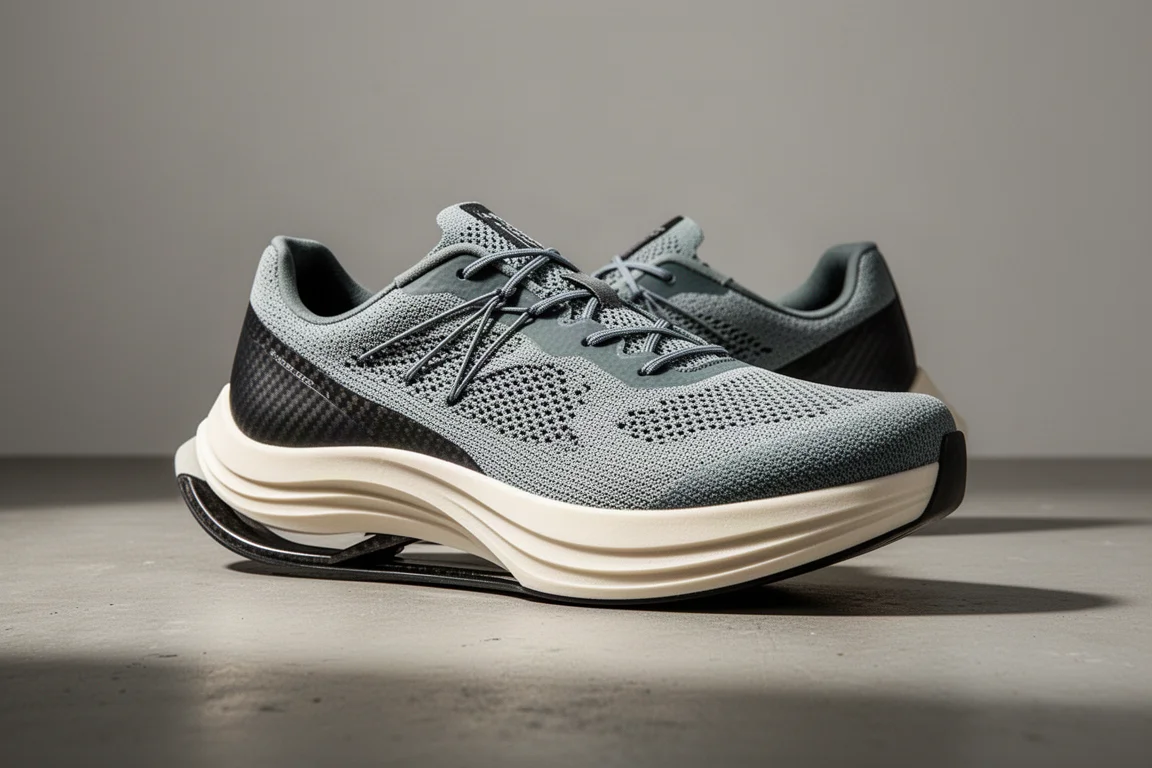
If you want to stay with Brooks but save money, the Hyperion Elite 5 is worth a close look. It reads as a transitional shoe between the Hyperion Elite 4 and the Hyperion Elite 6, starting the shift from a heel-striker special toward a more midfoot-friendly racer.
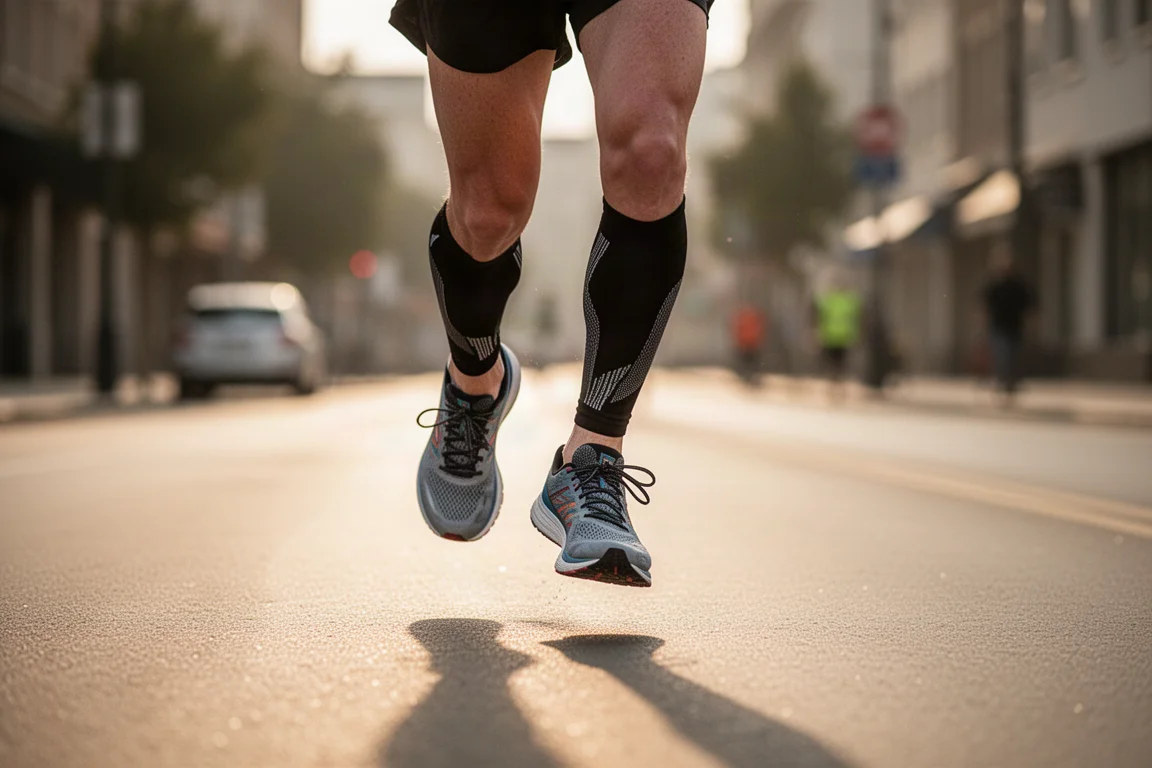
On paper the stack heights are nearly identical, with only 1 mm difference in the forefoot, but in practice the Hyperion Elite 5 feels much more stable and lower to the ground. Runners who prefer a big, tall, airy shoe may not love it, but those who liked the Hyperion Elite 4, or who land more on their heels, are likely to prefer it strongly.
It originally retailed for $275, but because it has been around for a while it can now be found discounted to around $200, which is a very good price for this level of shoe.
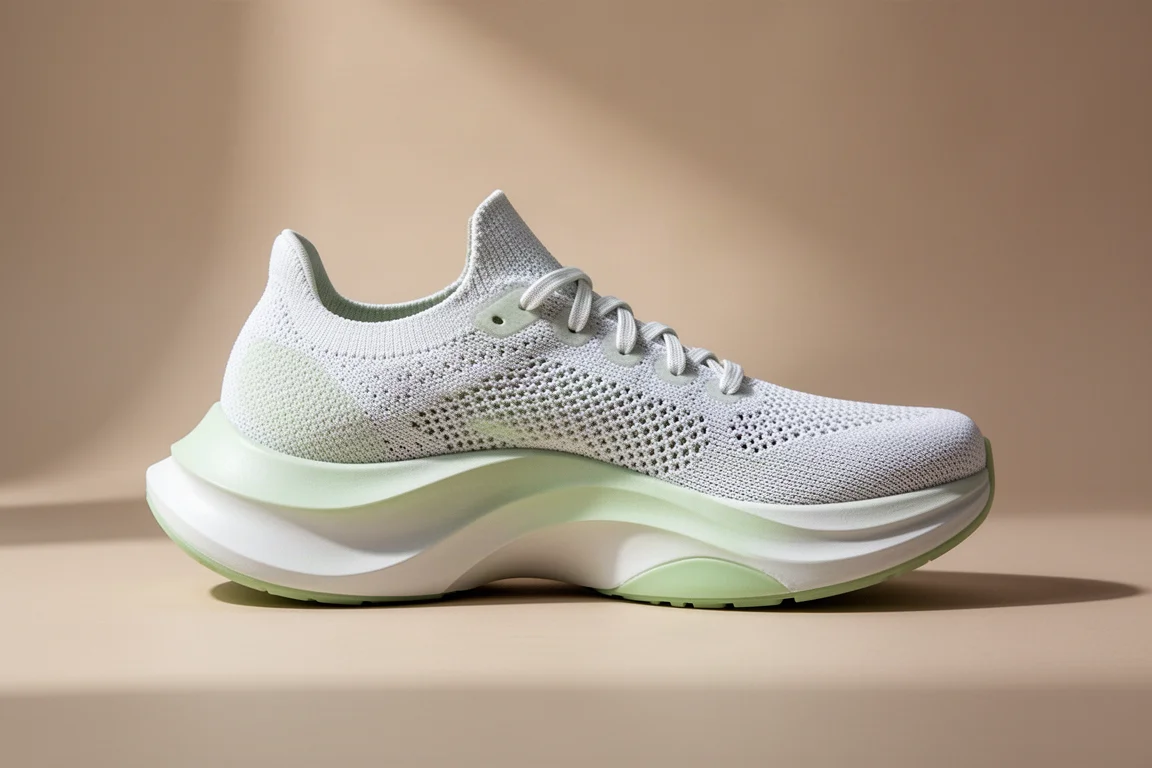
Hoka Cielo X1 3.0
The Hoka Cielo X1 3.0 shares a lot of structure with the Hyperion Elite 6: a large central cavity exposing the carbon plate, two sidewalls of PEBA acting as rails from midfoot to heel without much flare (slightly more heel flare than the Brooks), and a relatively narrow forefoot that encourages a midfoot landing rolled forward into push-off.
The difference is intensity. If the Hyperion Elite 6 is an airier, lighter, bouncier take on Brooks’ formula, the Cielo X1 3.0 pushes all of that even further. The foam compresses deeply on landing and decompresses with a quick, snappy snap, producing serious bounce for midfoot strikers. It is also a 40 mm heel stack shoe, yet it feels taller and airier despite weighing about the same on the scale.
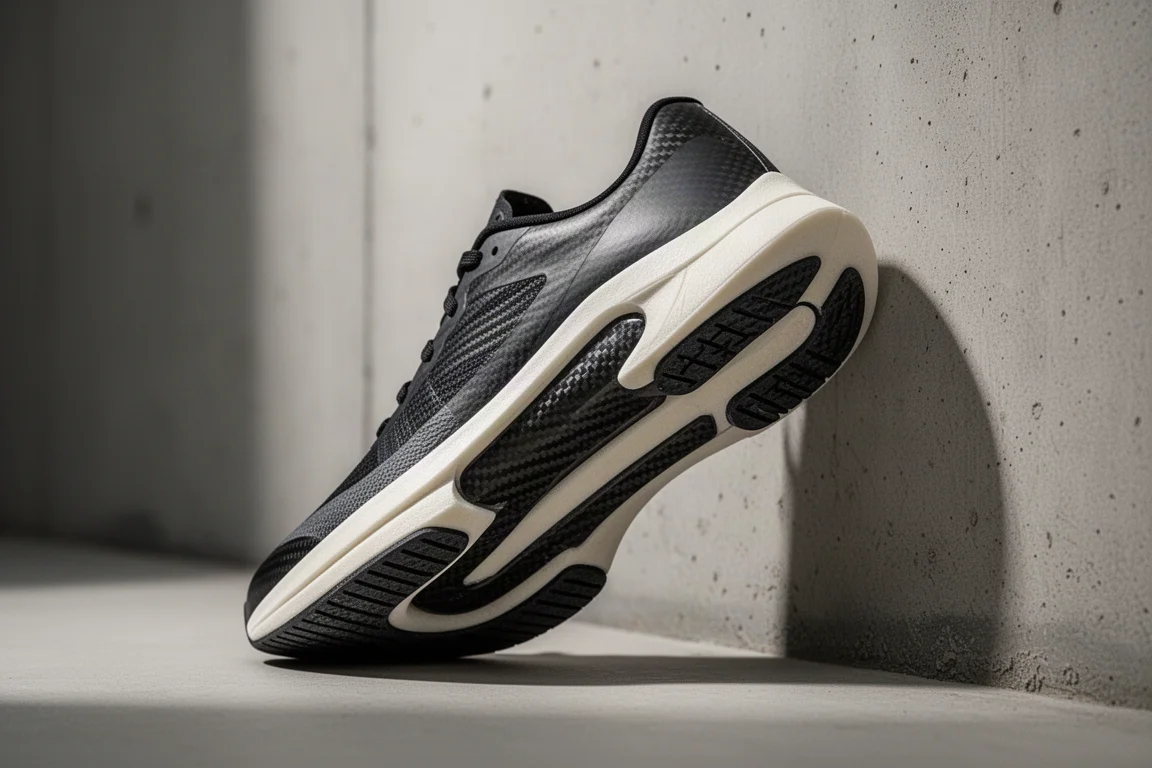
For runners who like a racing shoe that feels dynamic and explosive, even borderline chaotic, the Cielo X1 3.0 takes everything good about the Brooks and turns it up a notch. If you prefer something a bit more refined, the Hyperion Elite 6 is the safer choice. Pricing is identical at $275, which feels a touch expensive on both brands.
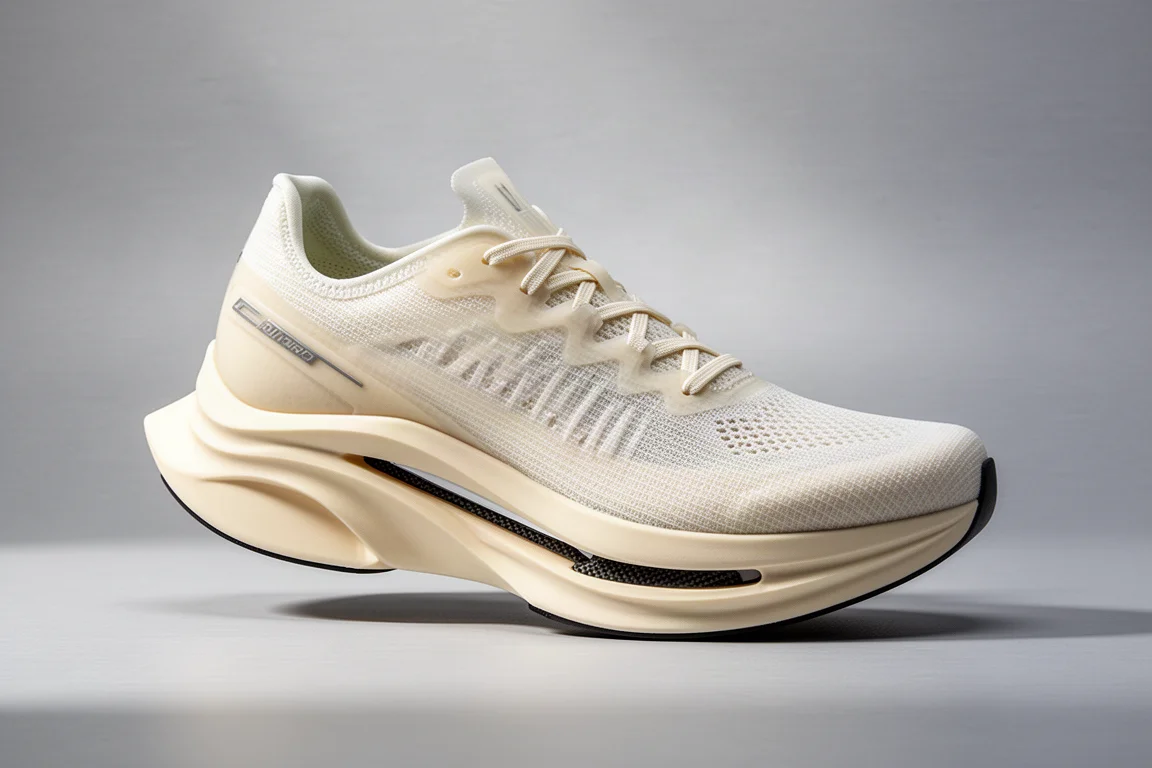
Li-Ning Feidian 6 Elite
The Li-Ning Feidian 6 Elite uses a similar skeleton: a large cavity showing the carbon plate, two rails of PEBA foam running from midfoot back to the heel with little flare, and a narrow forefoot. What sets it apart is a slightly wider landing pad in the forefoot and a foam-and-plate setup intended for landing on the forefoot and bouncing into the next stride.
This makes it a forefoot striker shoe first and a midfoot striker second, which also helps late in a race when fatigue pushes your landing further back. It matches the Hyperion Elite 6 in weight but feels taller and heavier, and the foam reads as slightly mushier by comparison. For a runner whose foot strike varies with effort and fatigue, though, that softer, more forgiving character is exactly the trade-off worth making.
Pricing is the catch. The retail price is unclear, and availability outside China is not always confidence-inspiring. The brand lists two main routes in the United States: Amazon at around $209, which is excellent value for this level of shoe, and AliExpress, where pricing fluctuates wildly and sat at about $229 at the time of this comparison. If you are comfortable buying through those channels, the savings are real.
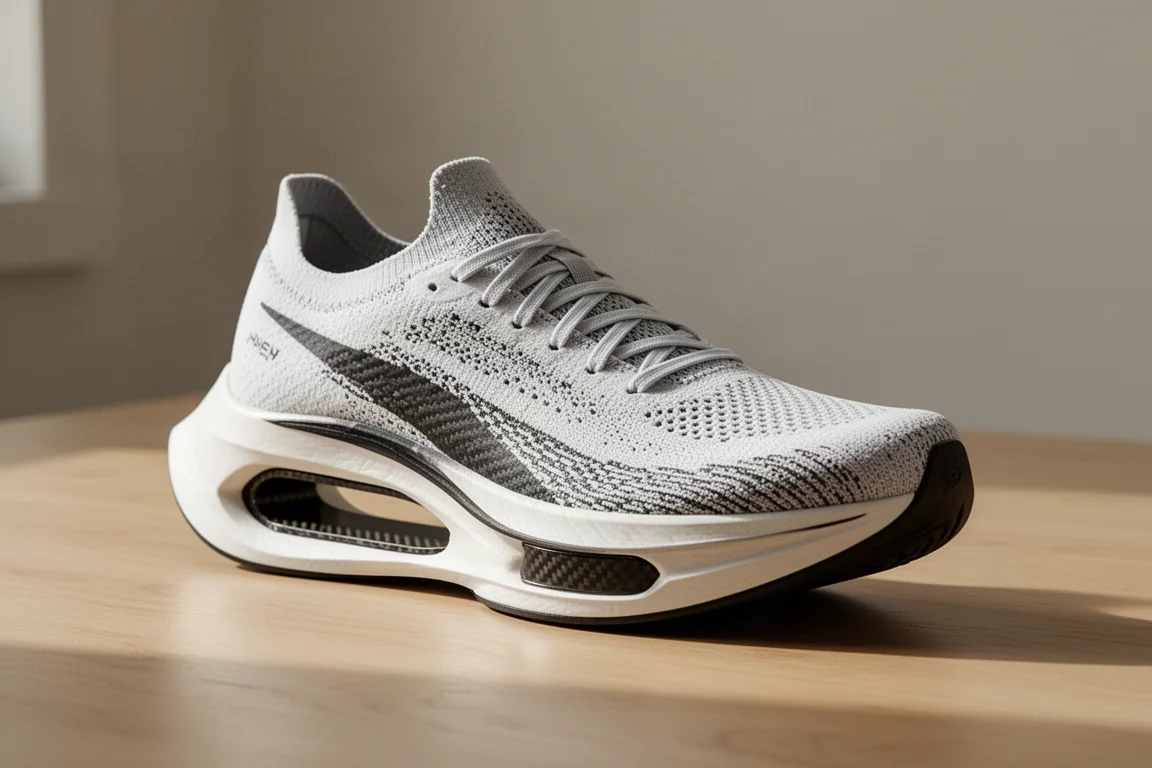
Buying Advice
For long-time Brooks fans, the Hyperion Elite 6 is an easy recommendation, and it is now good enough to tempt runners who were never Brooks loyalists. Midfoot strikers in particular should put it at the top of the list. It launches on August 1st at $275, which is a little expensive but roughly in line with other shoes of this caliber.
If $275 is too much, the discounted Hyperion Elite 5 at around $200 is the value play, especially for heel strikers or anyone who found the Elite 4 appealing. If you want maximum bounce and an explosive, borderline chaotic ride at the same $275 price, the Hoka Cielo X1 3.0 is the more extreme option. And if your foot strike shifts between forefoot and midfoot depending on fatigue, the Li-Ning Feidian 6 Elite offers the most adaptable ride at a significantly lower price, provided you are comfortable with its less conventional buying channels.
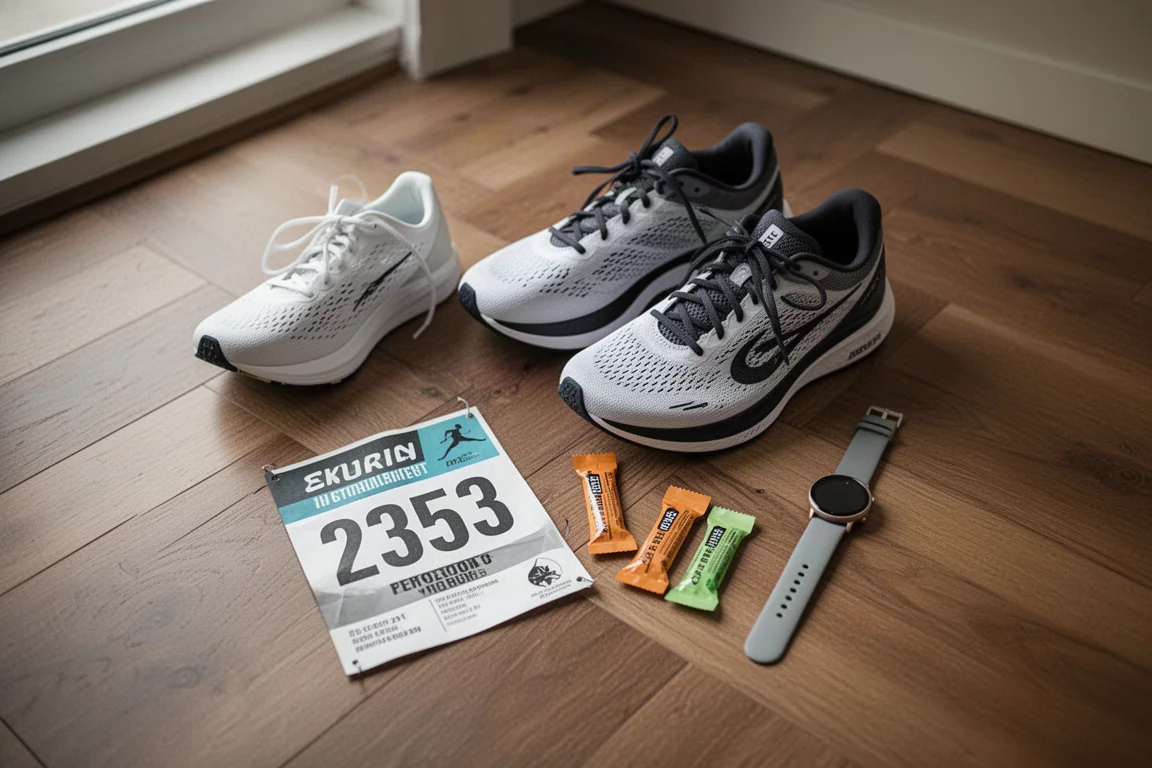
The honest bottom line: match the shoe to your strike pattern and budget, and all four of these can earn a place on the start line.
Conclusion
The Brooks Hyperion Elite 6 marks the moment Brooks finally breaks the carbon ceiling, delivering a lighter, bouncier, more energetic racer than anything the brand has produced before. The Cielo X1 3.0 out-intensifies it, the Feidian 6 Elite out-flexes it for variable strikers, and the Hyperion Elite 5 undercuts it on price. Whichever you choose, the midfoot racing shoe market has never offered more genuinely competitive options.
Further reading
Related Reviews

Running Shoes
Best Road-to-Trail Running Shoes: Three Versatile Options for Mixed Terrain
A practical guide to three road-to-trail running shoes that handle both pavement and mild trails, with clear strengths and trade-offs for different runner types.

Running Shoes
Best Running Shoes for Achilles Tendonitis: Three Options Explained
Three running shoes with different heel drops and support features designed to help reduce Achilles tendon pain during walking and running.

Running Shoes
Best Running Shoes for Women: Five Top Choices Ranked
A ranked guide to five women's running shoes, from versatile daily trainers to high-performance racing options, with real strengths and trade-offs for each.