Tools
Best Electrical Disconnect Pliers: Four Options Compared
Four electrical disconnect pliers for stubborn automotive connectors, compared on precision, grip, and value.
Introduction
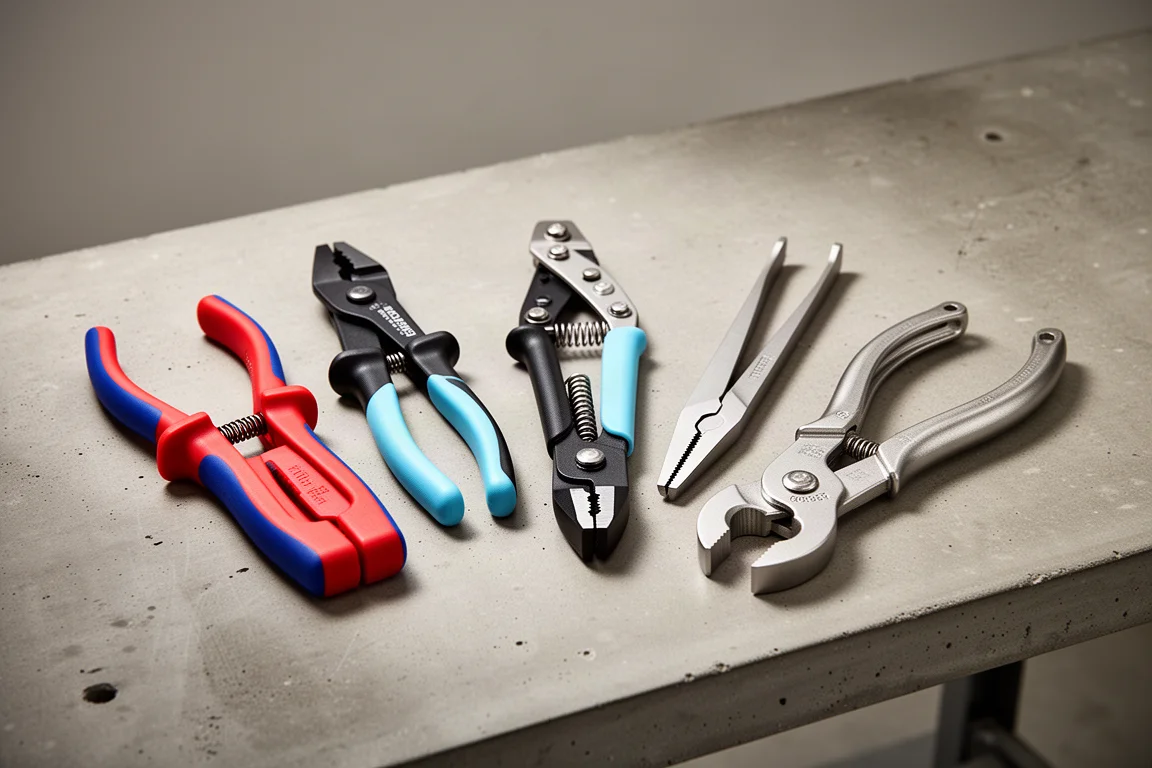
Electrical connectors that sit deep under a dash or behind an engine can be miserable to release by hand. Disconnect pliers solve this by pushing the locking tab while holding the connector body, and there are several very different approaches to the same job. Here are four options that cover a wide range of budgets and working styles.
Evaluation Criteria
The key factors for this kind of tool are how precisely you can place the jaws on a small connector tab, whether the tips grip securely enough to pull the connector out, how much handle spread the tool needs in tight spaces, and whether the jaw geometry lets you work from angles other than straight along the wire.
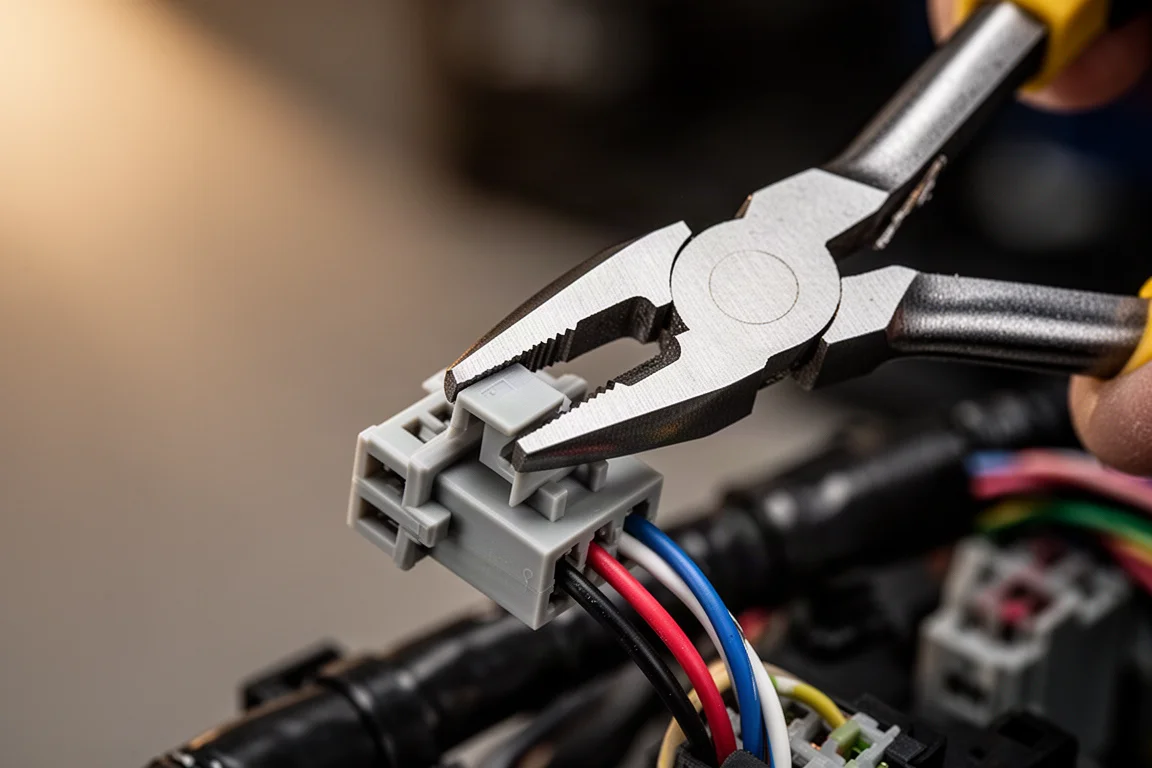
Because these pliers often work in recessed areas, size and handle travel matter more than they might seem. A big, beefy tool can be harder to use exactly where you need it most.
Lisle 37160 Disconnect Pliers
The Lisle 37160 is a disconnect plier that is mostly associated with fuel line work. It is worth knowing that its jaw design is oriented toward a specific connector style, so it may not be the right fit if your main goal is releasing electrical connectors in cramped spots.
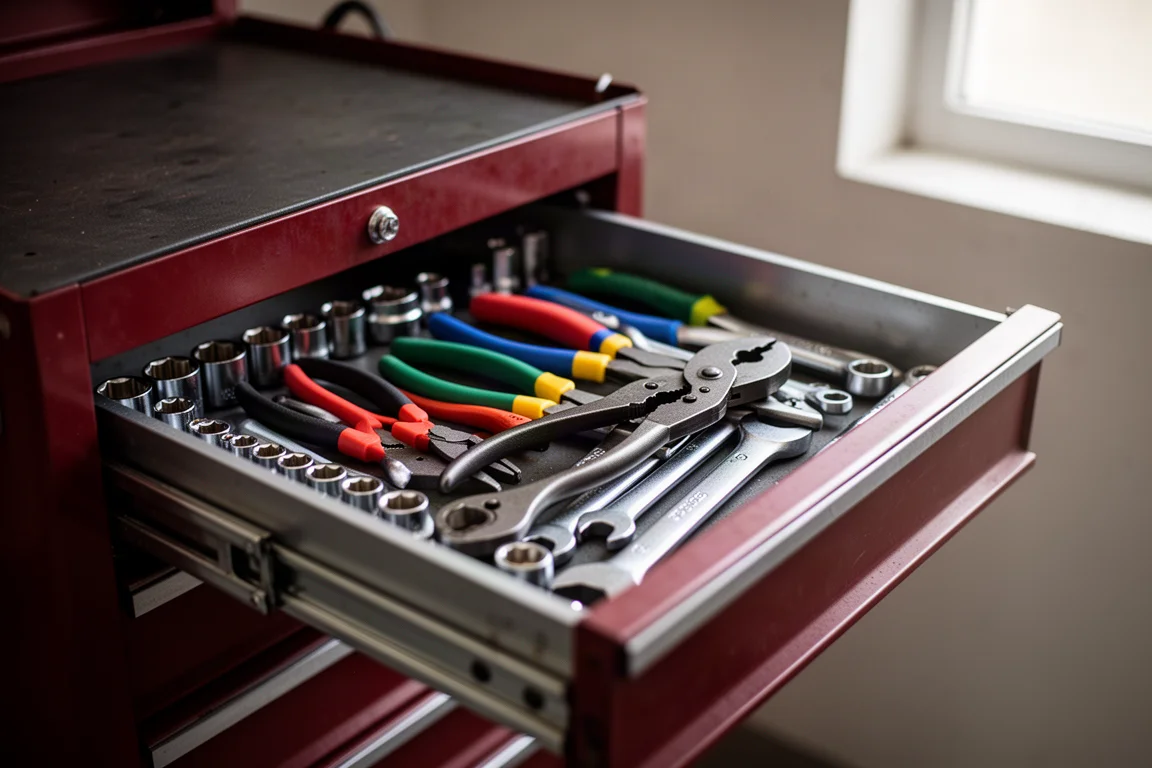
It is a legitimate tool for its intended use, but if you were disappointed using it on electrical connectors, the issue may simply be that it was designed for a different connector type rather than a flaw in the tool itself.
Lisle 37960 Electrical Disconnect Pliers
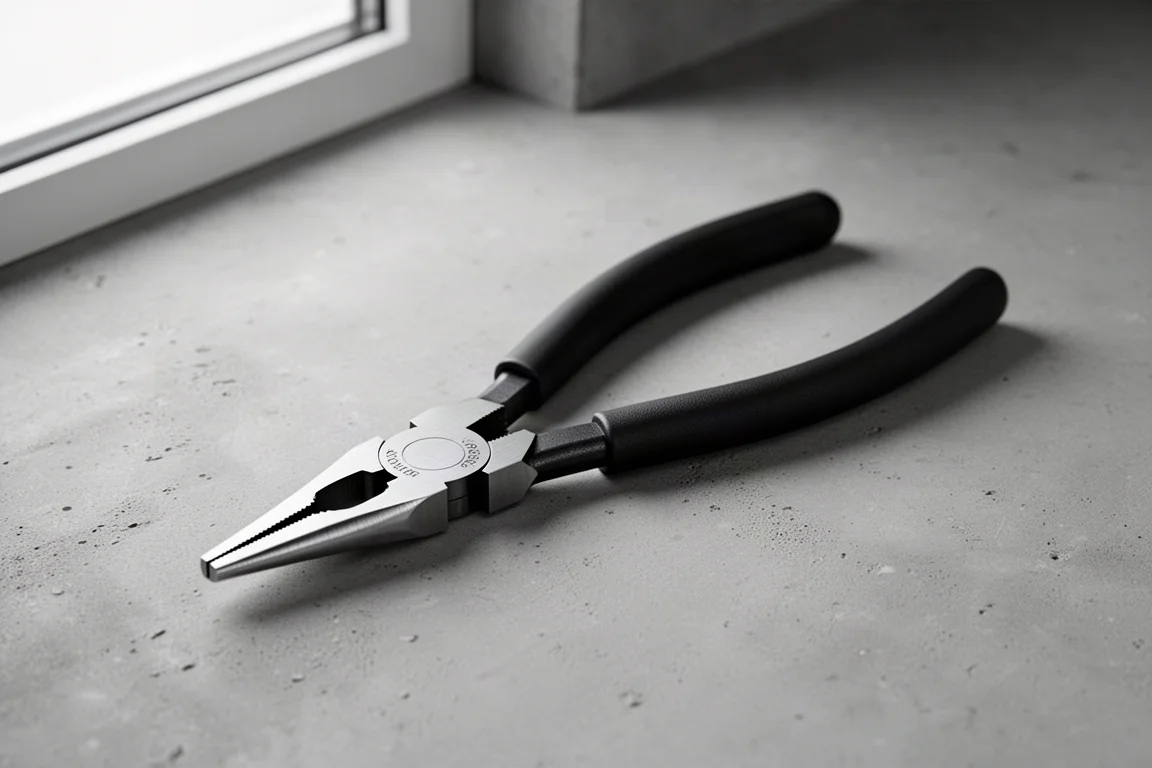
The Lisle 37960 is the electrical-focused version, and it works quite well on electrical connectors. One jaw hits the locking tab while the other controls the connector body, which means you can grab tightly enough to pull the connector straight out. It also helps with insertion, which is a nice bonus.
The trade-off is that it is quite oriented: you naturally work along the line of the cable. Coming at a connector from the side is possible, but it takes careful alignment, and the connector can spin around fairly easily. The jaws also have a large head end, so opening them wide needs more clearance and more hand room, which can be awkward in recessed areas where you cannot get your whole hand around the handles.
Mary HS 175C Pliers
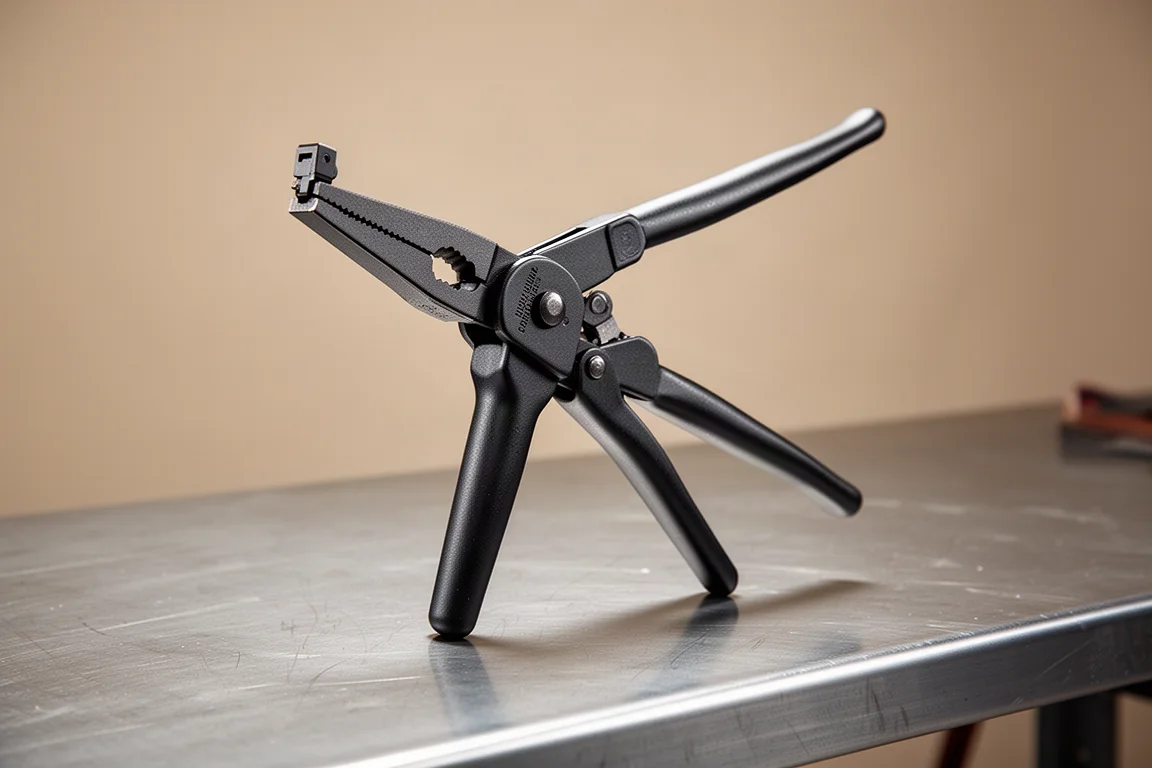
The Mary HS 175C, made in Japan, is the most precise of the group and a clear favorite for careful work. The jaw tips are highly textured, so they stick onto a connector very securely, and the tool opens at any point in its rotation rather than locking you into one position. That means you can drop the jaws exactly where you need them, at nearly any angle, with a soft grip.
It is spring-loaded and lightweight, which helps enormously in tight recesses where you cannot swing your hand fully around the pliers. The handle spread needed is small compared with the bulkier options. The main downside is price: these sit in the low thirty dollar range, making them the most expensive option here.
Jingpin Disconnect Pliers
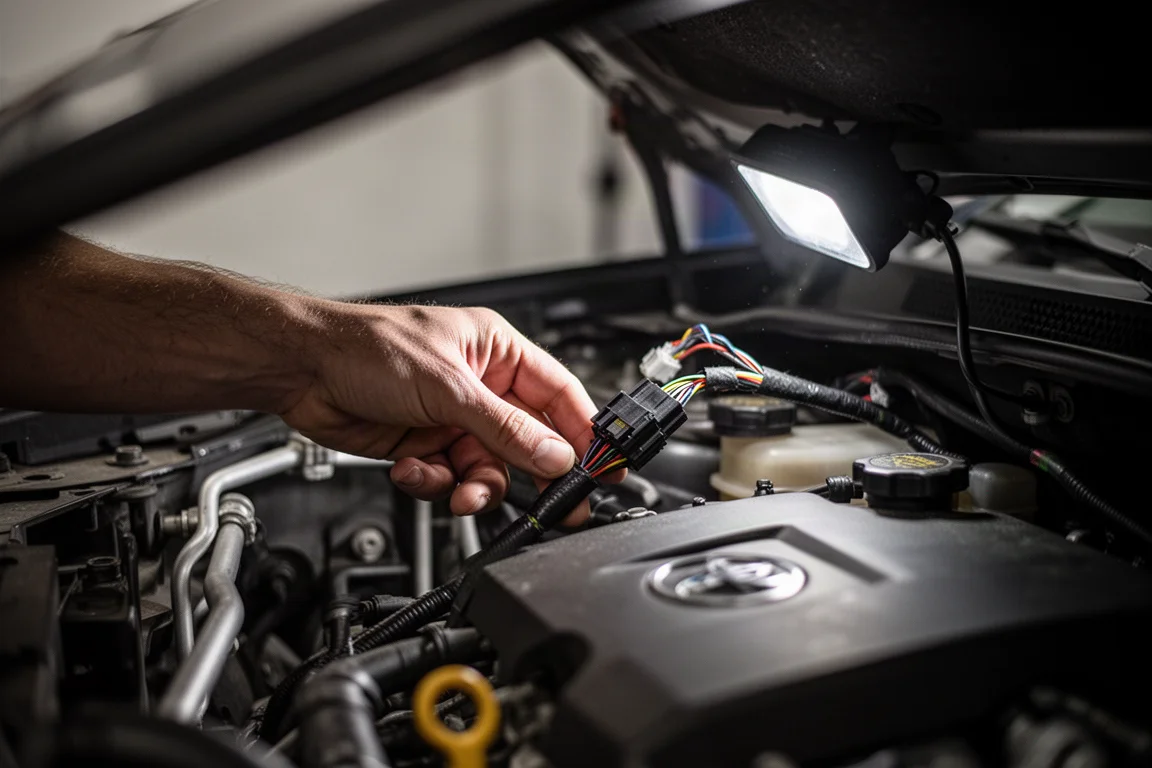
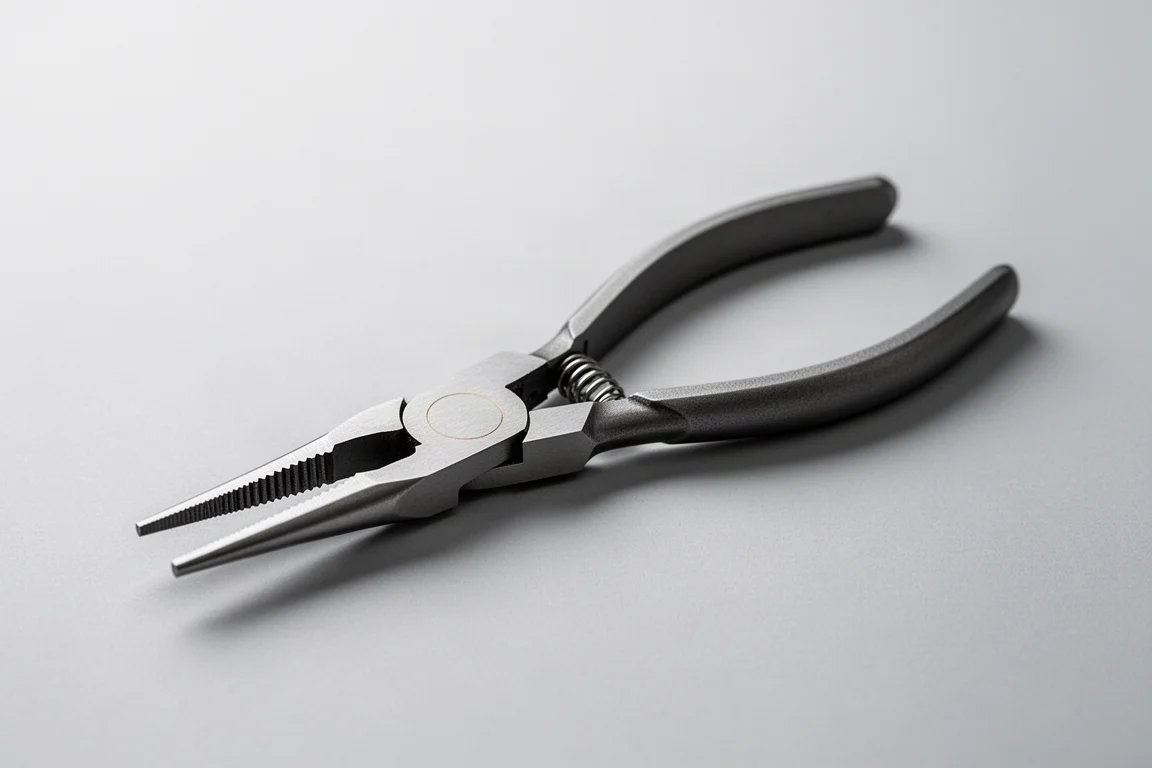
The Jingpin is a budget option at around nine or ten dollars, and it is wildly different in character. It is super beefy, a genuinely heavy piece of metal, and the finish is crude, with visible tool marks all over. Notably, the jaw tips are silky smooth with zero texture, which is the one place you would want grip, though it can still grab a connector from many different angles without much trouble.
The jaws open wide with very little handle travel despite the big body, so it can get right into tight spots surprisingly well. Quality control is dialed in enough that a second pair checked out consistent. It is a solid choice if you are new to these pliers, if you only disconnect connectors occasionally, or if you want a cheap pair to experiment with, such as grinding texture into the jaws or modifying the design for other uses.
Which One Should You Buy
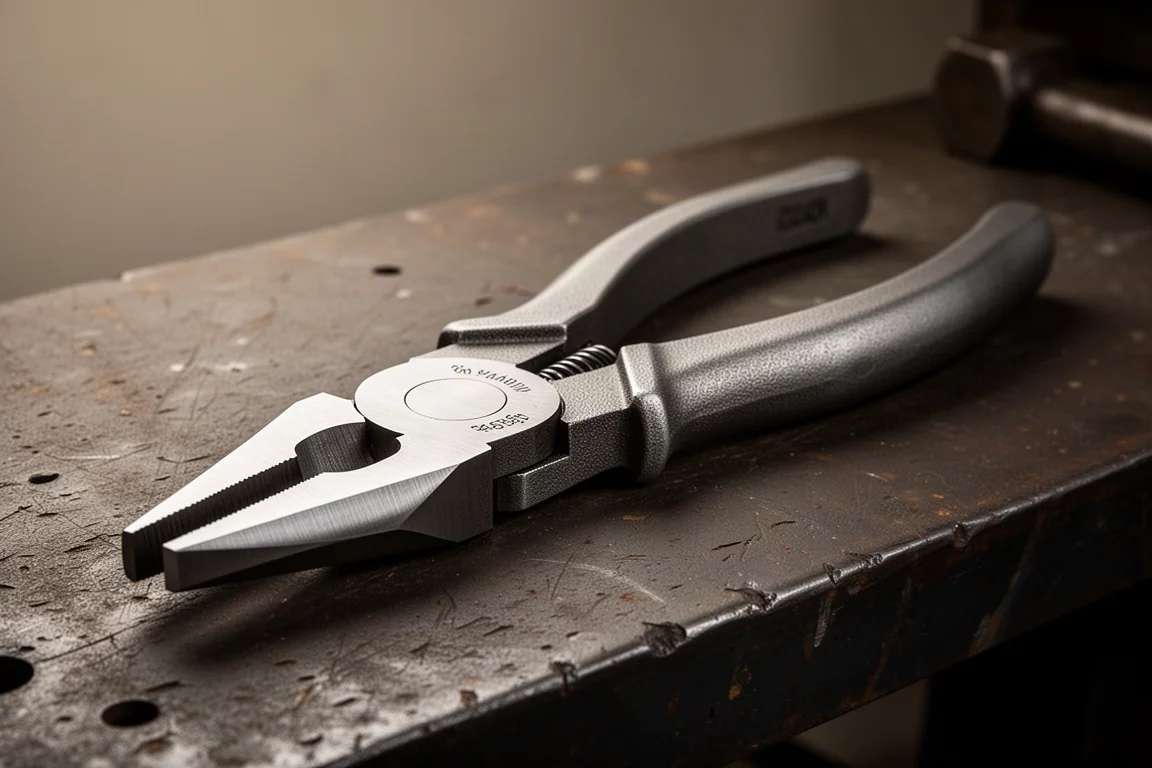
If you are fighting a dirty, stuck coupler and need raw grip and brute strength, the beefy Jingpin is the way to go. For more precise work on connectors in better condition, the Mary HS 175C is hard to beat thanks to its textured tips, free rotation, and compact handle spread.
The Lisle 37960 is a solid middle ground if your connectors are accessible along the wire direction, and the Lisle 37160 remains worthwhile only if fuel line work is actually on your list. For ten dollars, the Jingpin is also the easiest way to find out whether this style of plier earns a permanent spot in your toolbox.
Conclusion
Four pliers, four philosophies. The Mary HS 175C wins on precision, the Jingpin wins on value and muscle, and the Lisle options cover electrical and fuel-line niches respectively. Match the tool to the connectors you actually fight with most, and any of these can save a lot of frustration under a dash or in an engine bay.
Further reading
Related Reviews

Tools
Best Contractor Grade Tape Measures 2026: Eight Models Tested Head to Head
We tested eight contractor grade tape measures from Milwaukee, DeWalt, Crescent Lufkin, Tajima, Stanley, Irwin, Gelan, and Craftsman to find the best value and performance.

Tools
Best Precision Screwdriver Sets 2026: Manual and Electric Options Compared
We compare 19 precision screwdriver sets, from budget manual kits to electric drivers, to find the strongest bits and best value.

Tools
Best Stud Finders 2026: Five Popular Models Put to the Test
We tested five popular stud finders on drywall, firewall, and lath and plaster surfaces to see which ones really find studs and avoid false readings.