Coffee Equipment
Best Electric Gooseneck Kettles: Eight Models Tested for Pour Quality and Speed
A detailed comparison of eight temperature-controlled electric gooseneck kettles, tested for heating efficiency, pour quality, and everyday usability.
Introduction
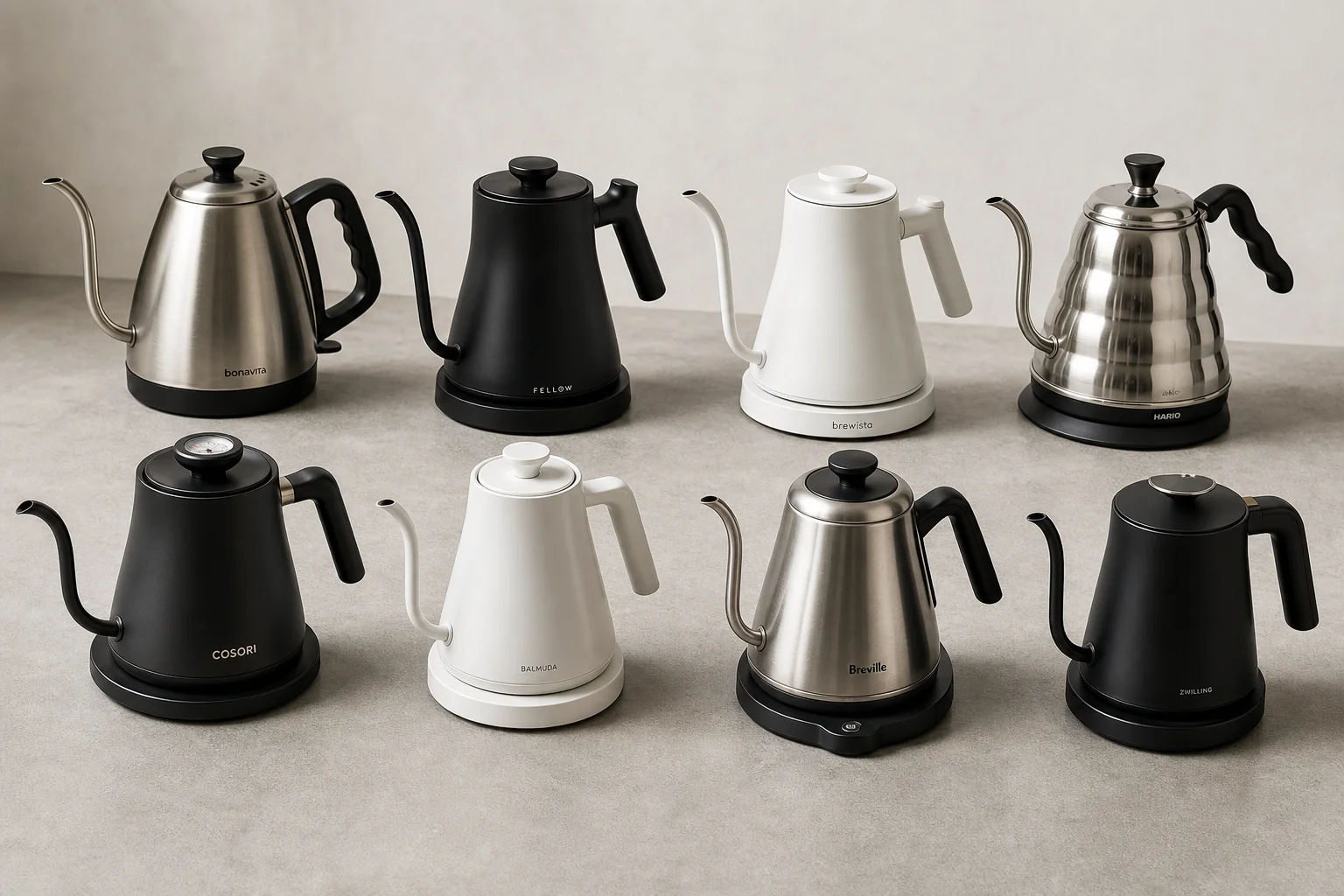
Temperature-controlled electric gooseneck kettles have become essential tools for precision coffee brewing, yet comparing them objectively is surprisingly complex. Each model offers different heating speeds, pour characteristics, and user interfaces, making it difficult to determine which suits your needs best. This review tests eight popular models across measurable criteria including heating efficiency, maximum flow rate, and pour stream quality, alongside practical assessments of everyday usability.
Testing Methodology: Heating Efficiency and Flow Rate
To evaluate these kettles fairly, we conducted two heating tests. The first measured how quickly each kettle reached a target temperature of 95 degrees Celsius starting from 500 grams of room-temperature water at 22 degrees Celsius. Since kettles have different wattage ratings, we plotted results against their power consumption to identify which models heated most efficiently for their given power draw.
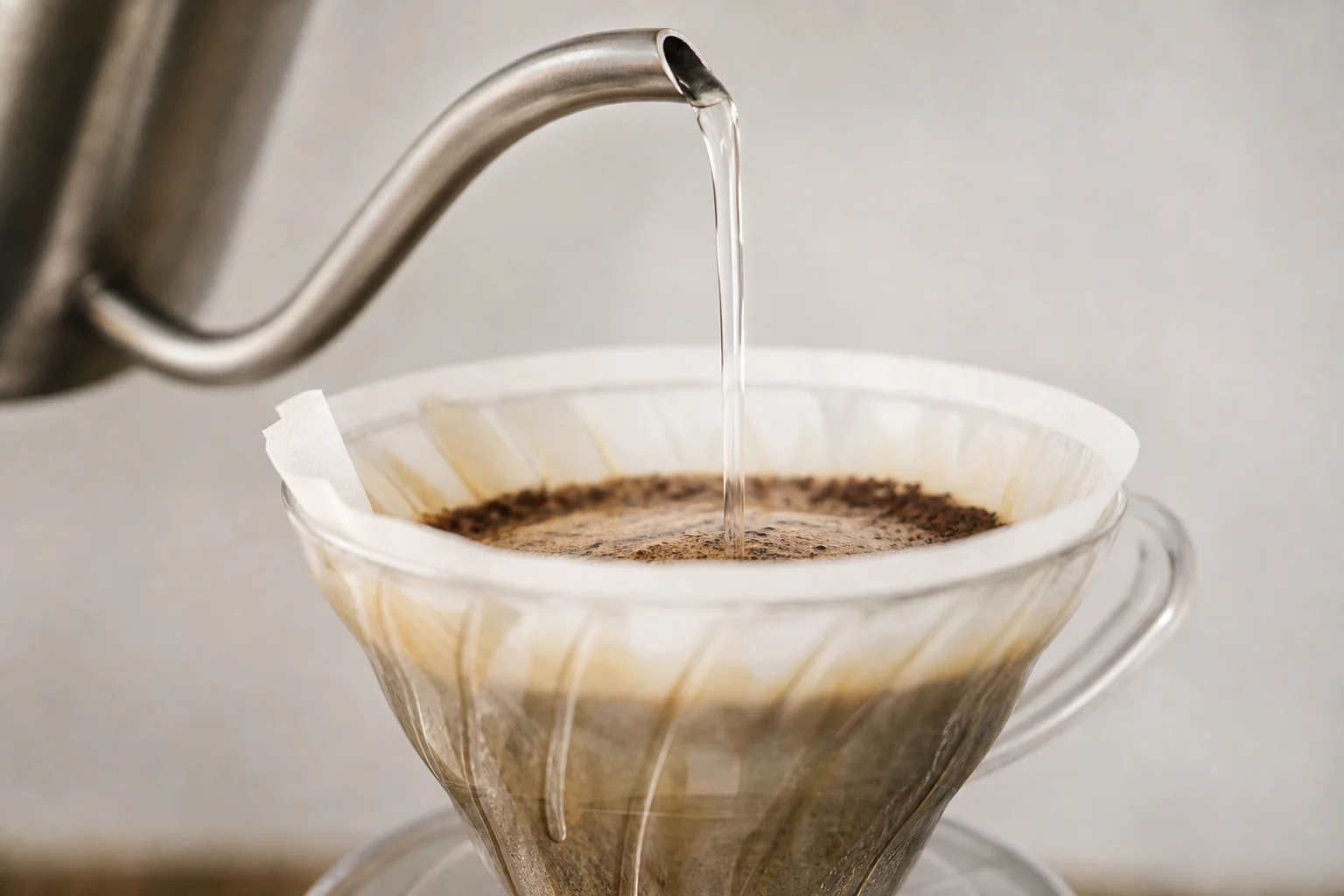
The second test measured boiling speed, which matters for applications beyond pour-over brewing such as making tea or French press coffee. We also measured the maximum flow rate each kettle could produce, as this determines whether the kettle works well for uses beyond specialty coffee brewing. Three kettles produced flow rates below 30 milliliters per second, which we found too slow for convenient everyday use outside of pour-over applications.
Pour Quality and Stream Integrity
The most interesting testing involved measuring what’s called breakup length, which describes the point at which a steady water column begins to break into droplets. We tested each kettle at two flow rates: 10 milliliters per second and 5 milliliters per second, using slow-motion video to measure where the stream integrity failed.
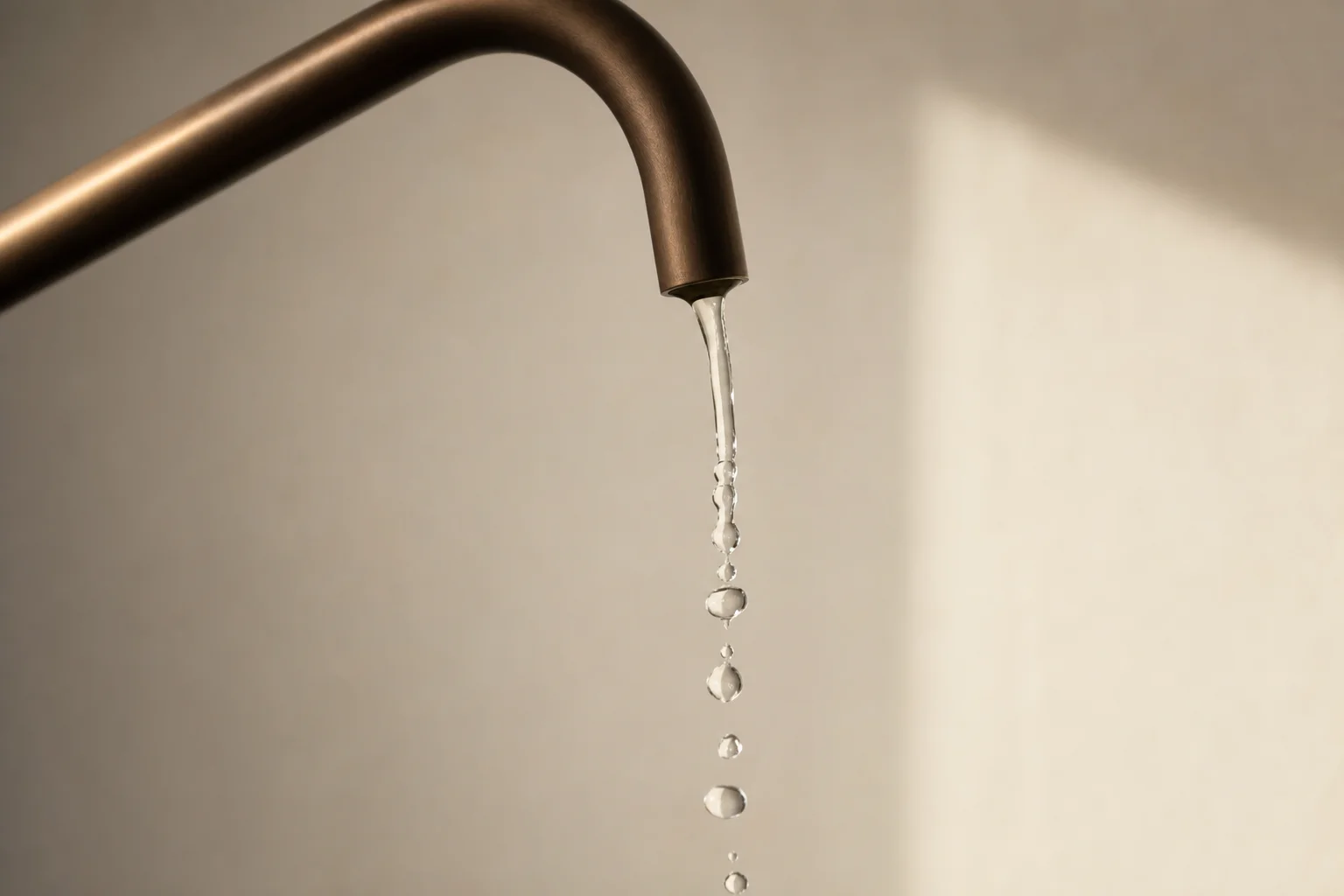
This matters because the quality of the water stream directly affects how the water agitates the coffee bed during brewing. A steady, unbroken column penetrates deeper and agitates more effectively than a stream that has already broken into droplets. The Hario Buono and Fellow Stagg EKG both maintained excellent stream integrity across both flow rates, while the Diguo showed earlier breakup than most competitors.
Individual Kettle Reviews
Diguo Electric Gooseneck Kettle
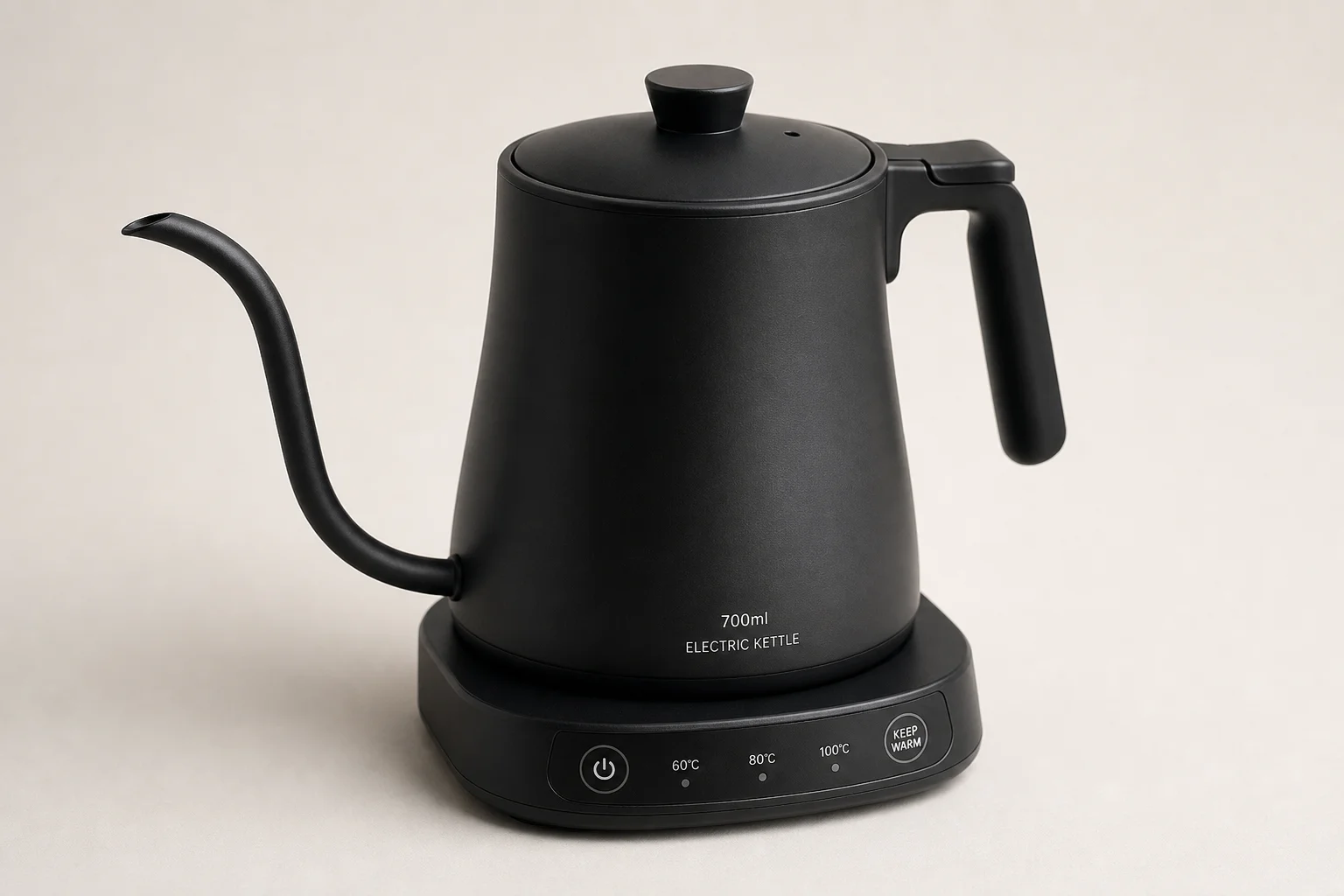
The Diguo is the most affordable option at £53 with a 700-milliliter capacity. It offers basic temperature control with a cycling button to select your target temperature, plus and minus buttons for fine adjustment, and a hold function to maintain temperature. The interface is straightforward but the overall build quality feels budget-oriented. The handle sits at an awkward angle that makes pouring uncomfortable, and the spout produces one of the poorest stream qualities in the group. For the price, it delivers the essentials, but longevity and ergonomics are concerns.
Dualit Electric Gooseneck Kettle
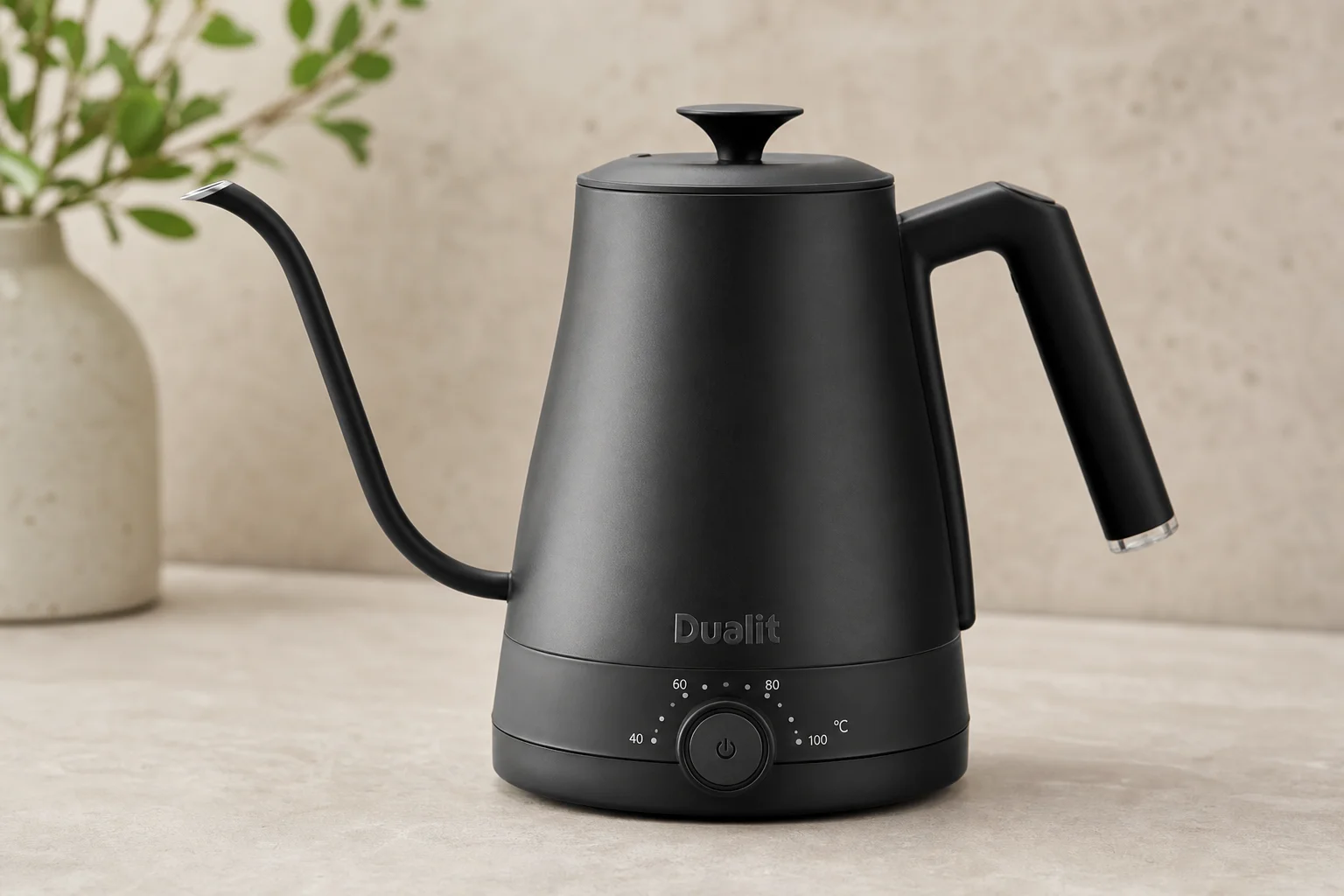
The Dualit costs £85 with an 800-milliliter capacity and presents a well-finished, matte-black design from an established brand. It uses a dial for temperature selection and a central button to start heating. The build quality is noticeably better than the Diguo, and the buttons feel responsive. However, the kettle uses a two-element heating system that switches to half power as it approaches target temperature, resulting in slower heating than expected for its wattage. The spout also projects water quite far forward, making controlled pouring less intuitive than some alternatives.
Timemore Smart Kettle
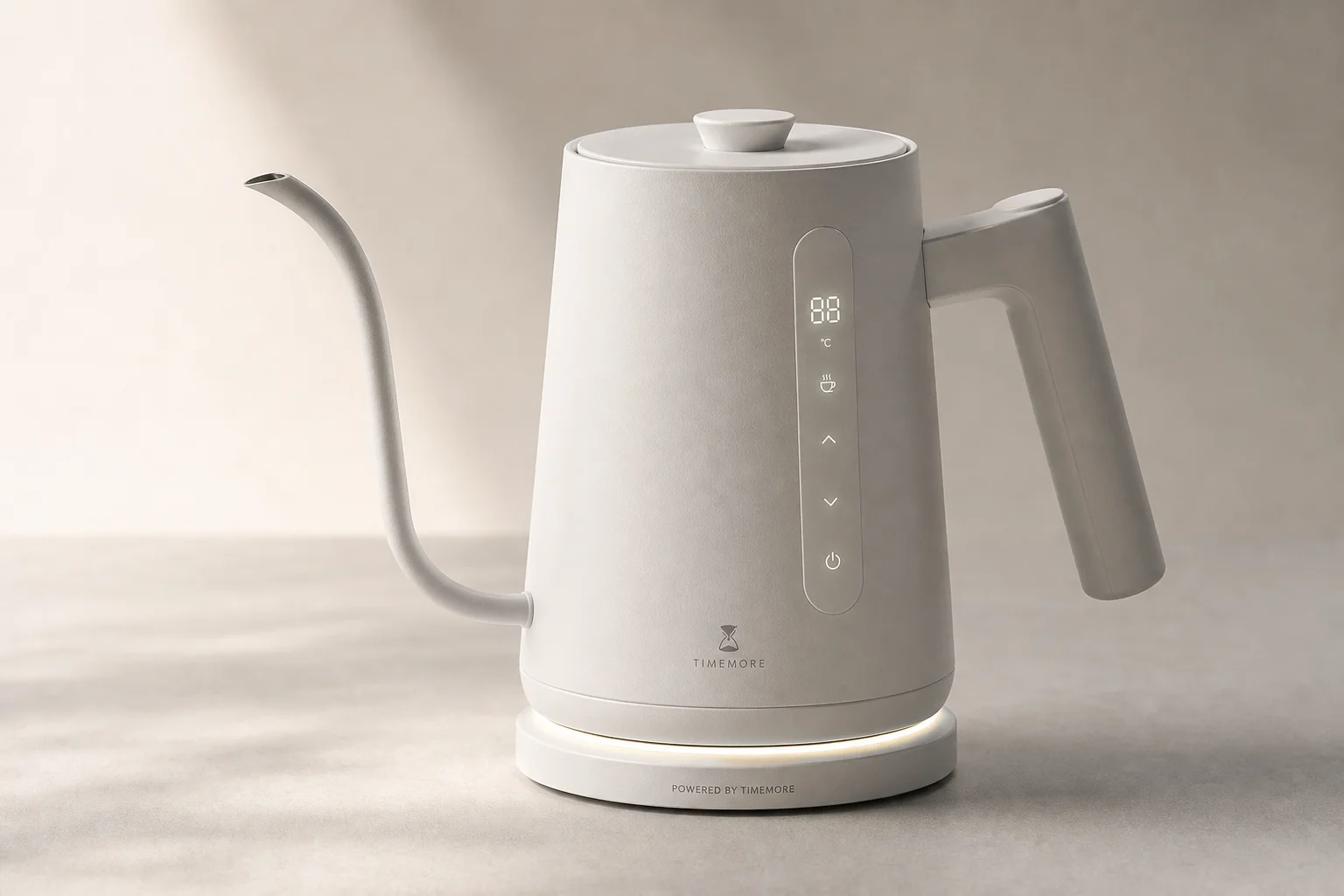
The Timemore Smart Kettle costs £95 but holds only 600 milliliters. Its minimalist design is visually appealing with a clean base and integrated LED lighting. However, the temperature control uses a capacitive touch strip that requires stroking your finger up and down the surface, which is an awkward and unreliable interaction. The lid features a rubber gasket that is difficult to seat properly, and the kettle stops displaying live water temperature once it reaches the target, instead only showing your set temperature. The spout itself pours well, but the base interface frustrates the overall experience.
Felicita Square Electric Kettle
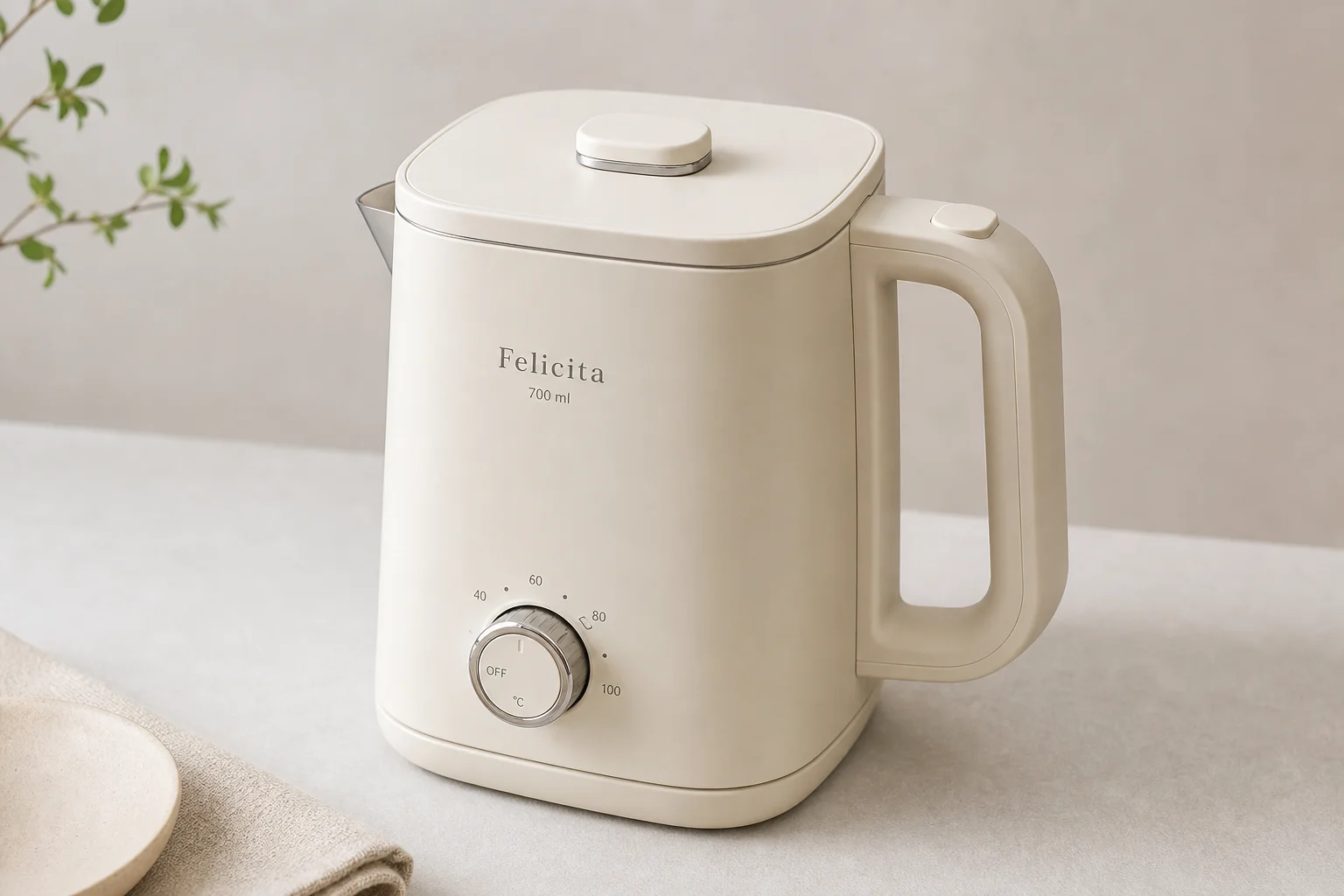
The Felicita Square costs £125 with a 700-milliliter capacity. Its most significant design flaw is the square-shaped lid with rounded corners. Because a square’s diagonal is longer than its sides, the lid can easily fall into the kettle opening, which is a poor design choice. The dial for temperature control has noticeable play and doesn’t feel precisely machined for a kettle at this price point. The kettle also overshoots its target temperature, peaking at 97-98 degrees Celsius when set to 95 due to residual heating element energy. The spout pours adequately, but the overall build quality doesn’t justify the premium price.
Bonavita Electric Gooseneck Kettle
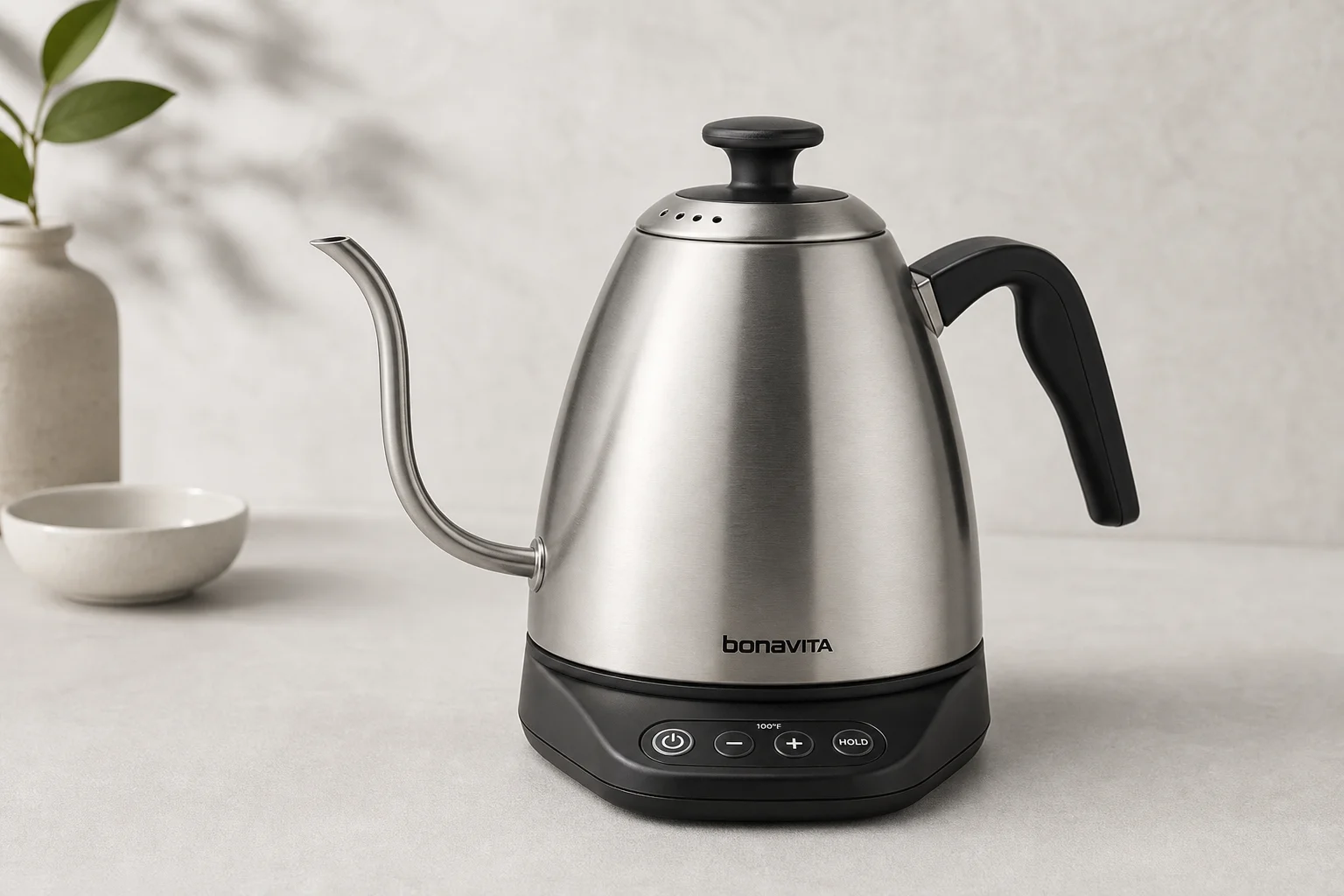
The Bonavita costs £90 with a one-liter capacity and represents a solid benchmark in this group. It uses a simple button-based interface with temperature cycling and a hold function, though it lacks an audible alert when reaching temperature. The cable is relatively short, which limits placement flexibility. The kettle pours smoothly with good control and predictable behavior. It does what it’s designed to do without unnecessary complications, making it a reliable choice for those who prioritize straightforward functionality over premium features.
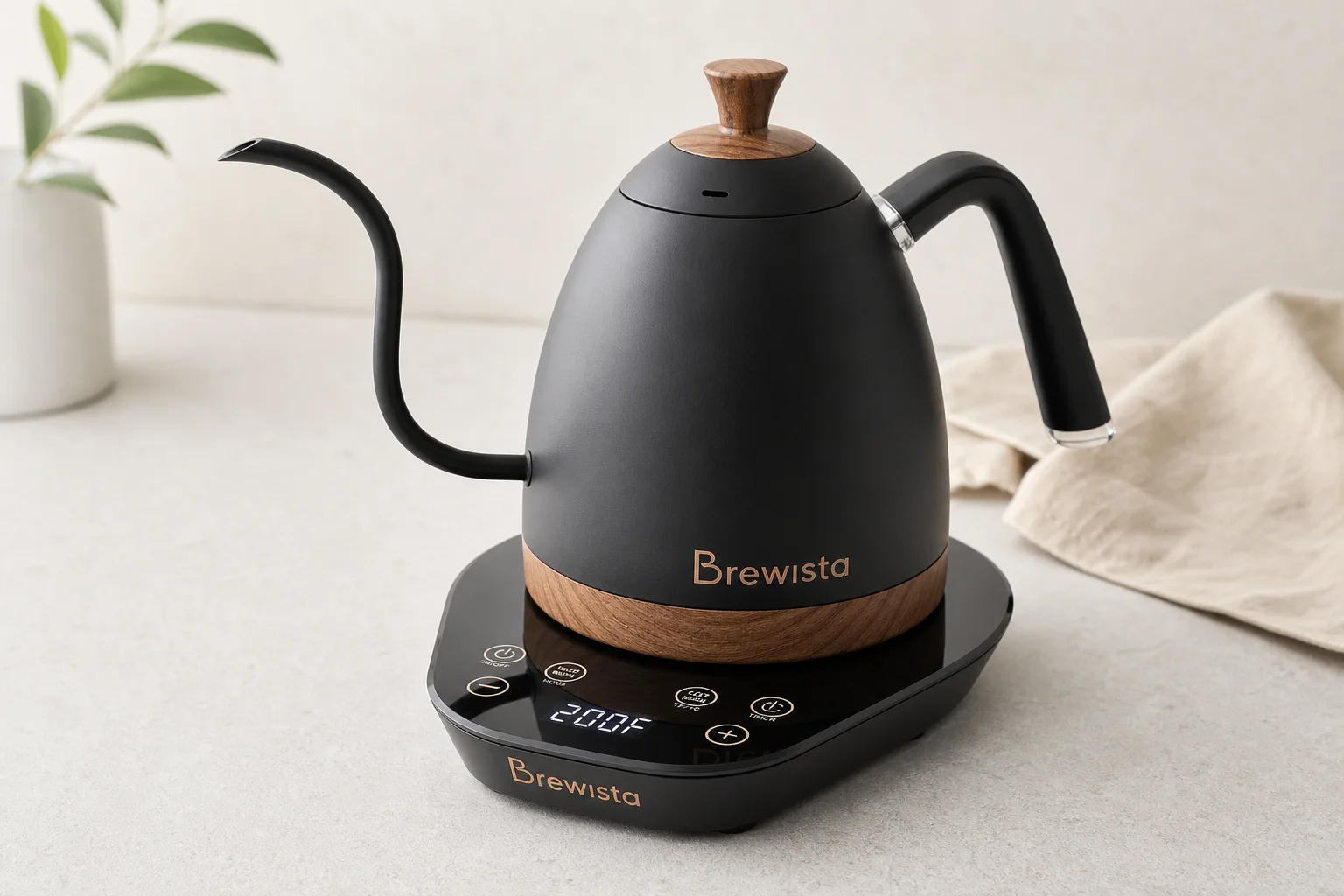
Brewista Electric Gooseneck Kettle
The Brewista costs £100 with a 1.2-liter capacity, the largest in this comparison. It features a dedicated rapid boil button that bypasses temperature control and simply heats to 100 degrees Celsius, which is useful for applications beyond pour-over brewing. It also includes a timer function and an auto-start feature that pre-boils water at a scheduled time. However, the 500-milliliter minimum fill level is wasteful if you need less water, and the touch-based controls under glass lack the tactile feedback of physical buttons. The display is also smaller and dimmer than ideal. Despite these quirks, it pours excellently and works well across multiple brewing applications.
Hario Buono Electric Kettle
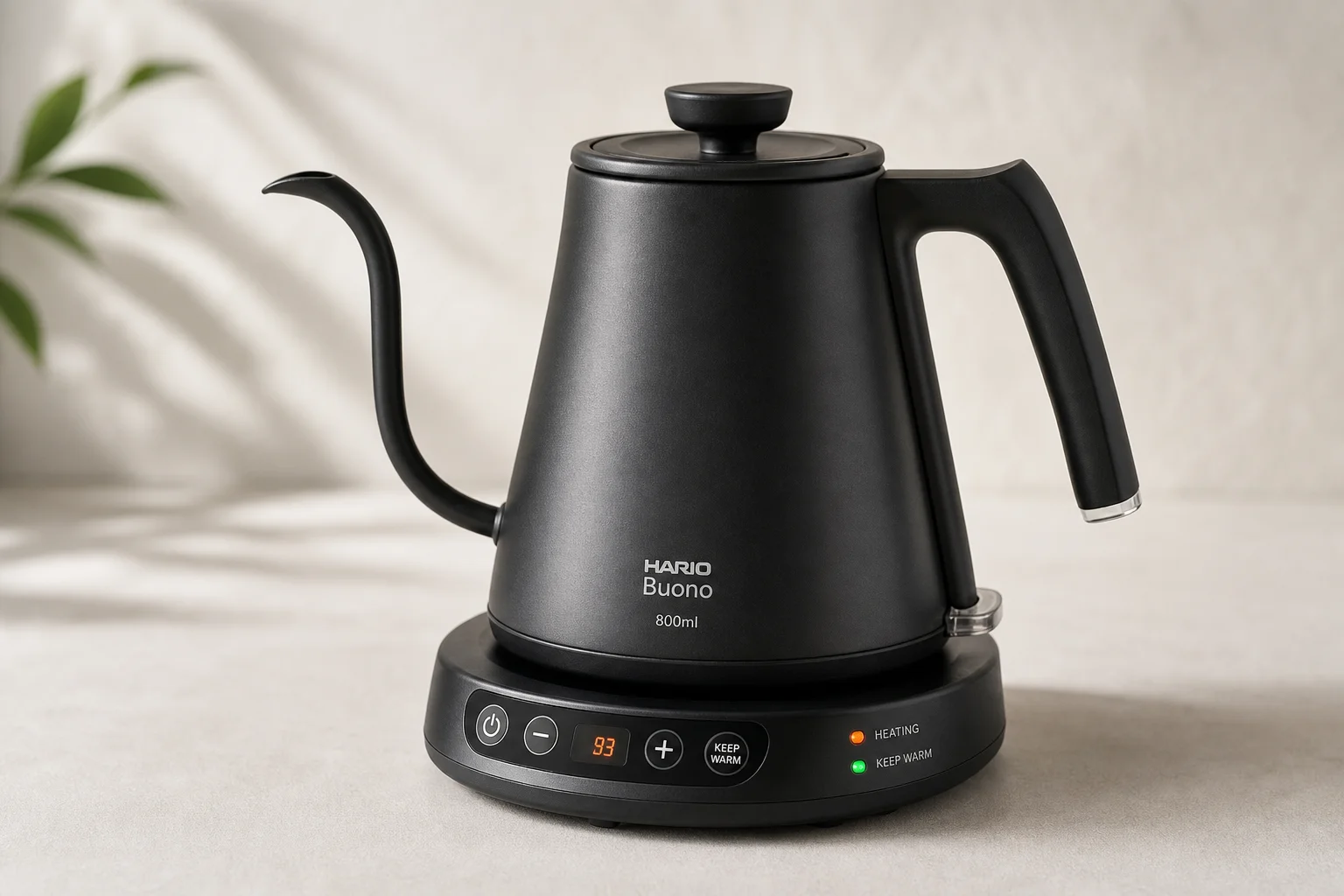
The Hario Buono costs £195 in the UK, making it the most expensive option with an 800-milliliter capacity. It exhibits some unusual interface behaviors: temperature settings cycle downward from 100 degrees rather than upward, you cannot select 97, 98, or 99 degrees Celsius, and you must press the power button twice to start heating after setting your temperature. The LED indicator changes from orange to green when the target is reached. Despite these quirks, the spout angle is distinctly different from other models and produces exceptional stream integrity. The kettle pours beautifully with excellent control, and the overall build quality is solid. The high price is difficult to justify, but the pouring experience is arguably the most refined in the group.
Fellow Stagg EKG
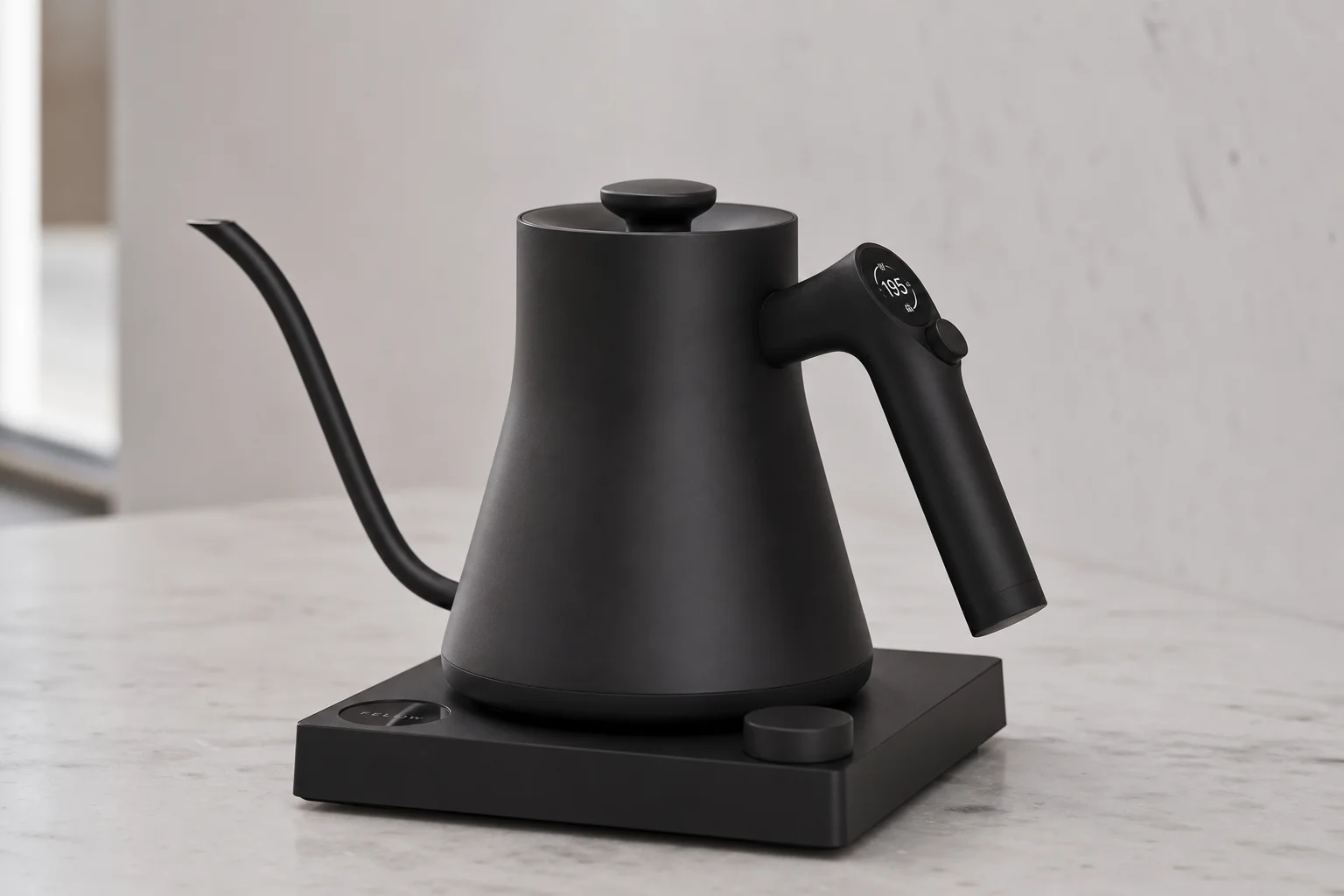
The Fellow Stagg EKG costs £150 in the UK with a 900-milliliter capacity. It features a well-designed base with an intuitive click wheel for temperature adjustment and a small display. The build quality is excellent throughout. However, the restricted spout neck produces the lowest maximum flow rate in the group at just 17 milliliters per second, making it impractical for applications beyond pour-over brewing. At 100 degrees Celsius, the kettle continues drawing power even after reaching temperature, which is an unusual behavior. For dedicated pour-over enthusiasts, the slow, controlled pour is ideal. For those who need versatility, the restricted flow is a deal-breaker. The kettle also includes a hidden Easter egg: toggling the Celsius/Fahrenheit switch reveals a Pac-Man-style game.
Buying Advice
Choosing the right kettle depends on your primary use case. If you brew pour-overs exclusively and value the most refined pouring experience, the Hario Buono or Fellow Stagg EKG are worth considering despite their premium prices. If you need a kettle that works well for multiple applications including tea and French press, the Brewista or Bonavita offer better versatility. For budget-conscious buyers, the Bonavita provides solid performance at a reasonable price, though the Diguo’s low cost comes with noticeable compromises in build quality and ergonomics. The Dualit and Timemore occupy a middle ground but have specific drawbacks: the Dualit’s slow heating and the Timemore’s frustrating touch interface. The Felicita’s square lid design is a genuine flaw that should disqualify it from consideration.
Conclusion
No single kettle emerges as a universal winner because each model makes different trade-offs between price, heating speed, pour quality, and versatility. The best choice depends on whether you prioritize pour-over precision, multi-application flexibility, budget constraints, or premium build quality. Testing these kettles revealed that expensive doesn’t always mean better, and that thoughtful design choices—like the Hario’s spout angle or the Brewista’s rapid boil button—matter more than price alone.
Further reading
Related Reviews
Coffee Equipment
9Barista Espresso Machine Review: Stovetop Espresso for Single-Cup Enthusiasts
A cleverly engineered stovetop espresso maker that generates nine bars of pressure without electricity. Excellent coffee quality, but requires patience and suits solo drinkers only.
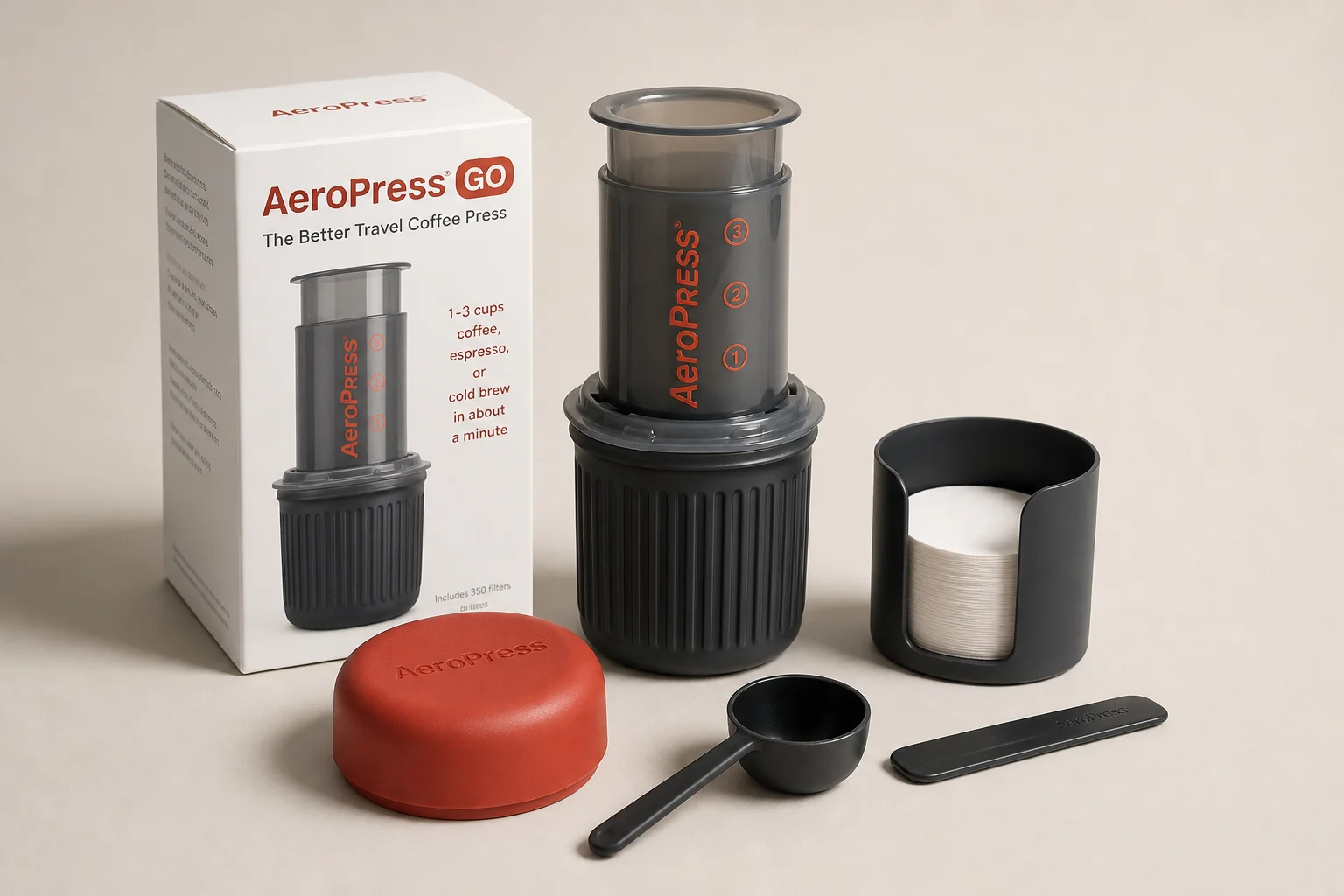
Coffee Equipment
Aeropress Go Review: A Compact Travel Brewer That Solves One Specific Problem
The Aeropress Go shrinks the original design and adds an integrated cup, but it may not address the travel challenges most coffee enthusiasts actually face.
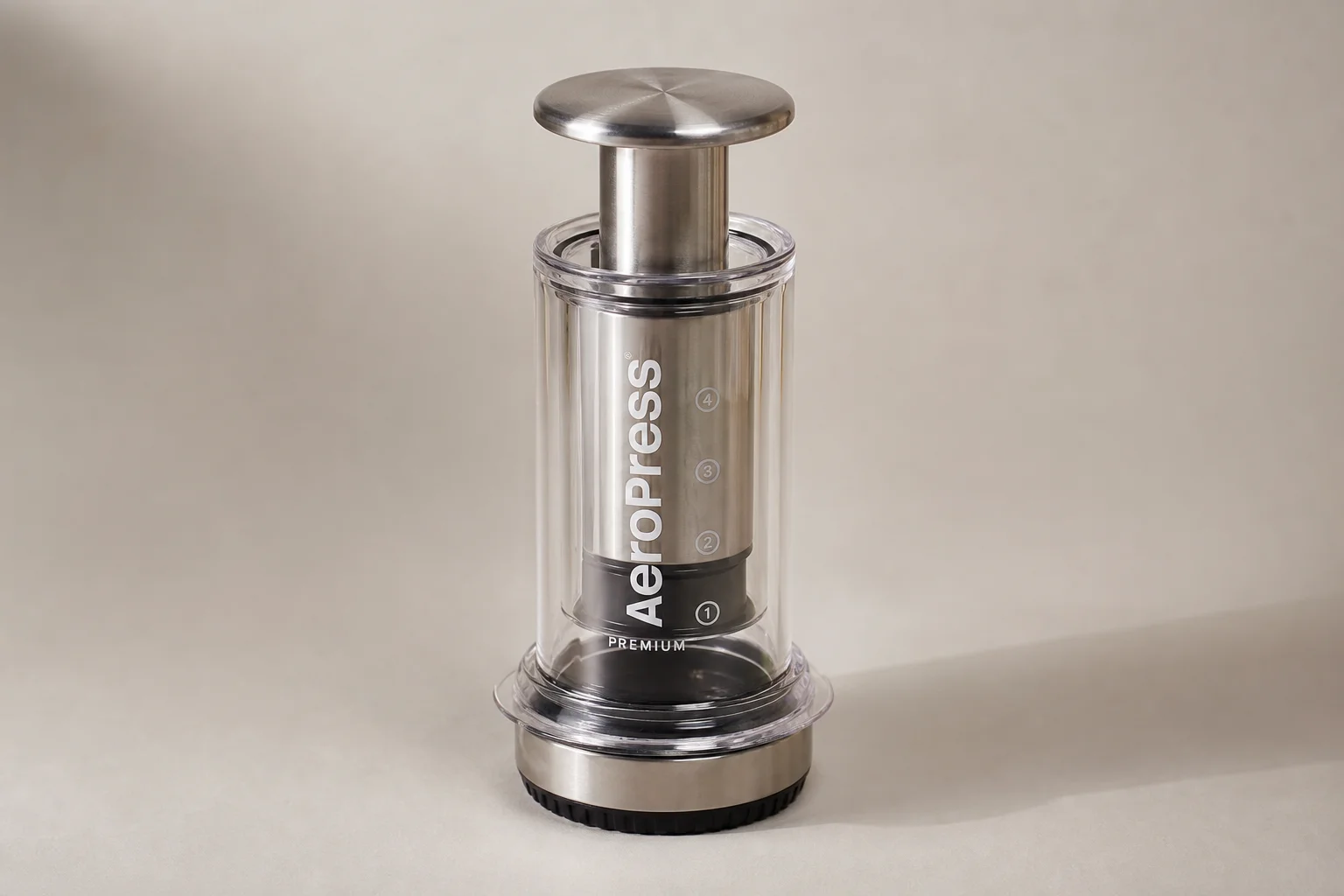
Coffee Equipment
AeroPress Premium Review: Premium Materials, Practical Trade-offs
The AeroPress Premium brings glass and metal construction to a beloved brewer, but trades portability and durability for a more refined feel. Here's what changes in the cup and what matters before you buy.