Snowboard Bindings
Best Easy-Entry Snowboard Bindings: Step-On, Supermatic, Phase, Flow and More Compared
A straightforward look at every major easy-entry binding system on the market, with honest pros, cons, and buying advice for each.
Introduction
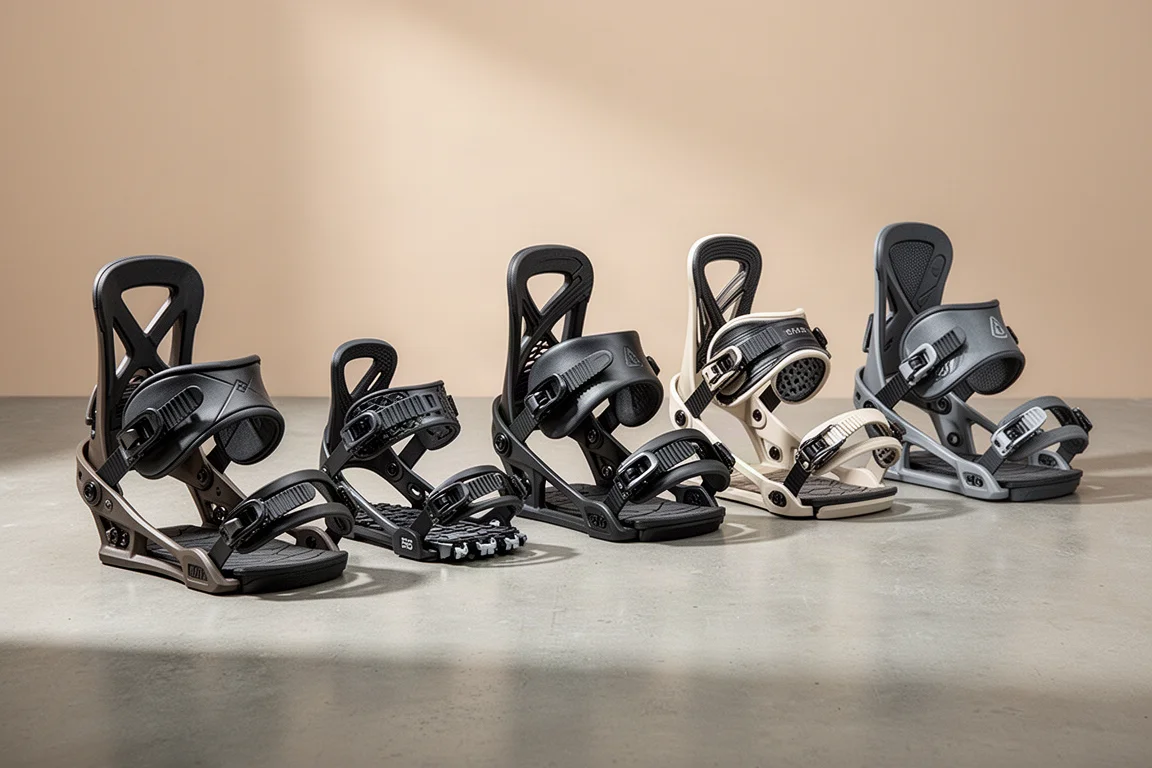
Easy-entry bindings have gone from a niche curiosity to a full category, and the market now spans several genuinely different approaches. Some are rear-entry designs with folding highbacks, some are cleat-based step-on systems, and some try to blend strap comfort with quick entry. They do not all perform at the same level, and they are not all built for the same rider.
The honest answer to “which one should I buy” depends on how you ride, how many days you put in, and whether you care more about convenience or response. Below is a rundown of every major system, including the strengths, the trade-offs, and who each one actually makes sense for.
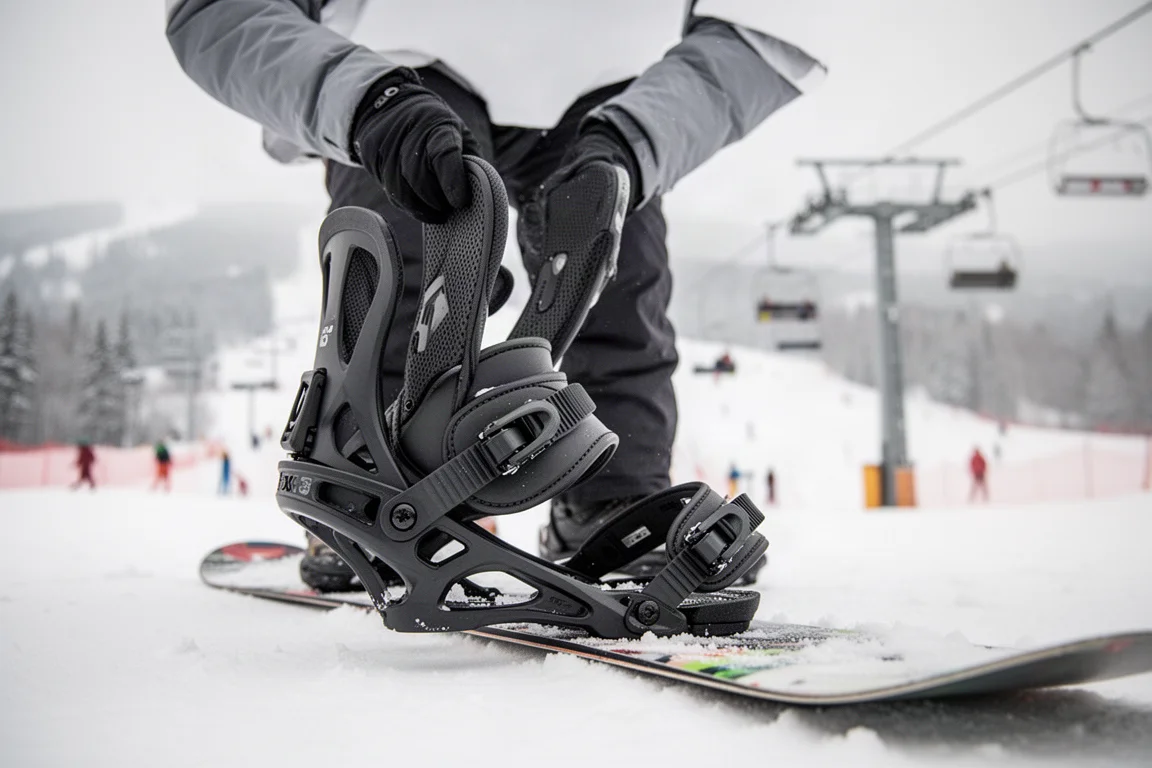
One thing worth stating up front: all of these bindings have real pros and real cons, and the differences between them are bigger than the marketing suggests. Taking a few minutes to understand how each system engages, what it weighs, and how it transfers power to the board will save you from buying the wrong one.
Flow Bindings: The Original Rear-Entry Design
Flow has been in this space longer than anyone, building rear-entry bindings since the mid-90s, and that long development history shows. Now under the Nidecker umbrella, the line has had more resources for research and refinement, and the current bindings are a clear step up from earlier generations.
The defining design choice is the lack of a separate heel cup: the highback and heel cup are a single piece, which reduces material back there and gives the binding a different power dynamic. The so-called power triangle, running from the highback down across the chassis and back up through the straps and cable, changes the toe-to-heel response and gives these a slightly more responsive feel. You also get real adjustability: tweakable straps, forward lean, and heel cup positioning, plus the option to enter through the front by releasing the straps if the rear-entry route is not working for you.
Burton Step-On: Comfort First
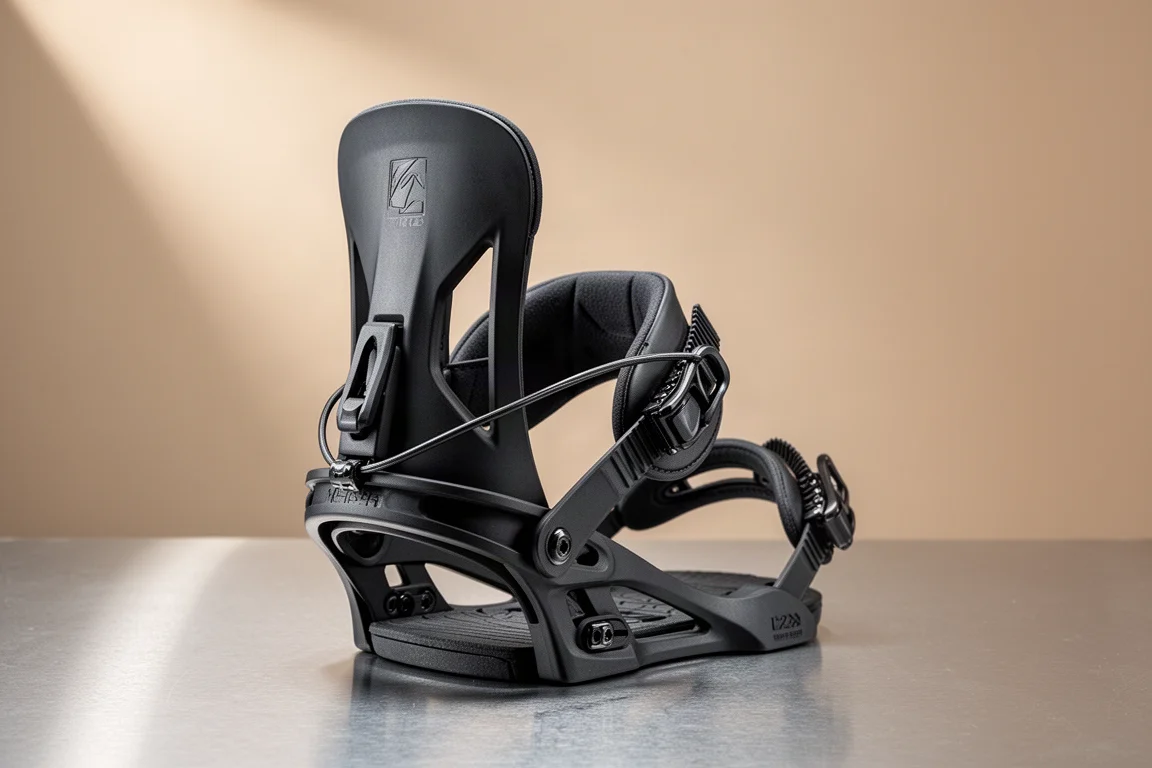
Burton invested heavily in developing Step-On and has licensed or supplied the parts to other brands including Nitro, Flux, and Union. The Burton version is unapologetically a comfort-first binding. There are no straps, entry is quick, and the whole system is noticeably lighter than any of the other bindings in this comparison, which weight-conscious riders will appreciate.
The trade-offs are real, though. Boot compatibility is limited to a handful of brands, and because the front cleats change how a boot flexes, boots can loosen or break down at the cleat flex point over hard use. The heel engagement also moves the flex point higher on the instep, which some riders feel directly and do not enjoy. And if a cleat does fail, there is no strap to jerry-rig your way down the mountain with. This is a binding for casual riders who value convenience over outright response.
Union Step-On: The Performance Option
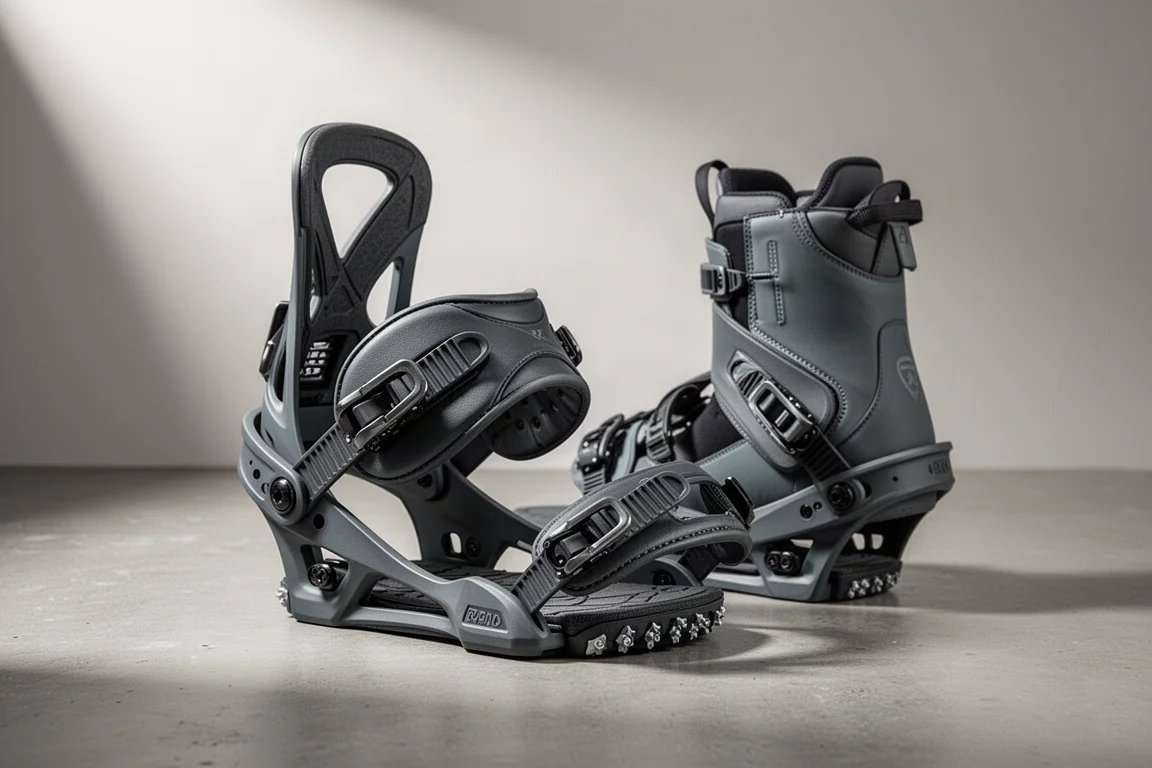
Union’s take on the Step-On concept is the most performance-focused version of this system. Developed with input from a pro rider with a racing and carving background, it offers a tighter boot-to-binding fit than the Burton version and a more performance-based feel overall. If you want the speed of step-in entry without giving up as much response, this is the Step-On to look at.
There is some practical modularity too: the heel cup is removable and replaceable, which helps if something breaks. The ecosystem is also growing, with Union entering the boot market and more compatible boots on the way. On the downside, compatible boots are still limited to a small group of brands, the system is new to market so long-term durability is unproven, and like all step-on systems there are no straps as a backup if the engagement hardware fails.
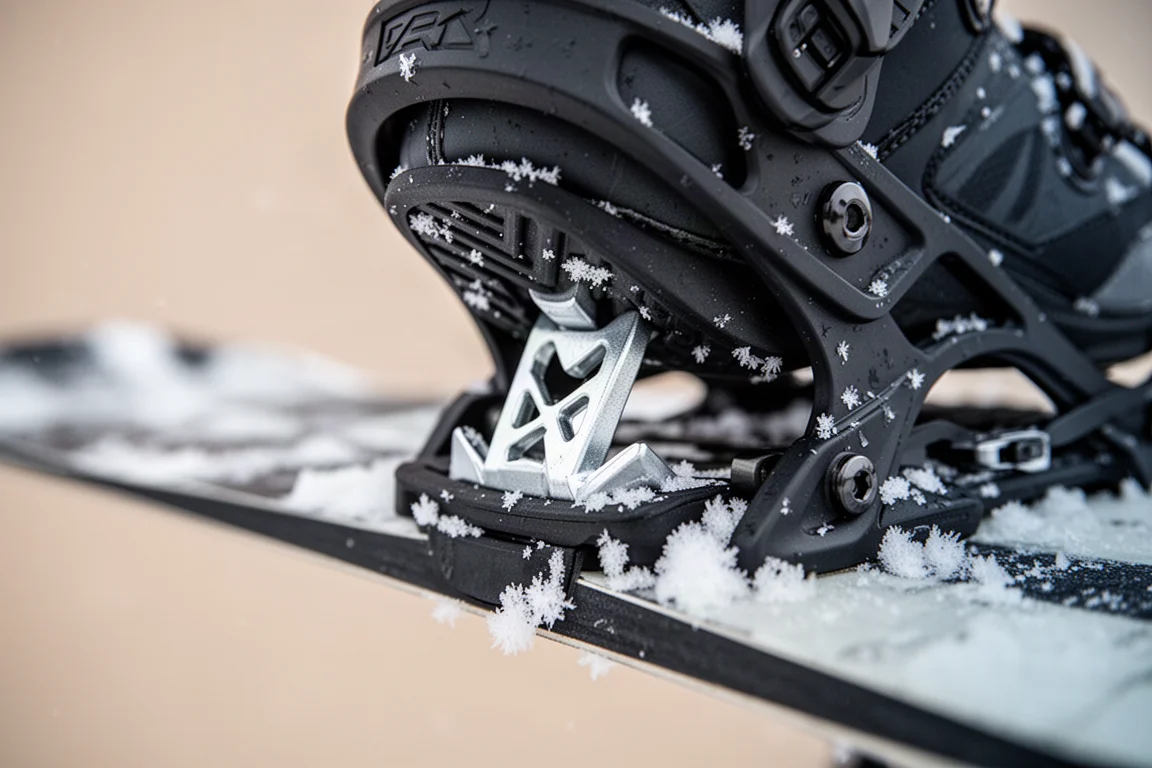
This is the option for higher-end riders who want step-in convenience, including riders with knee or back issues who still want real performance from their setup. Between the Burton and Union versions, the Union is the one that trades comfort for response.
Nidecker Supermatic: Comfort Without Straps to Cinch
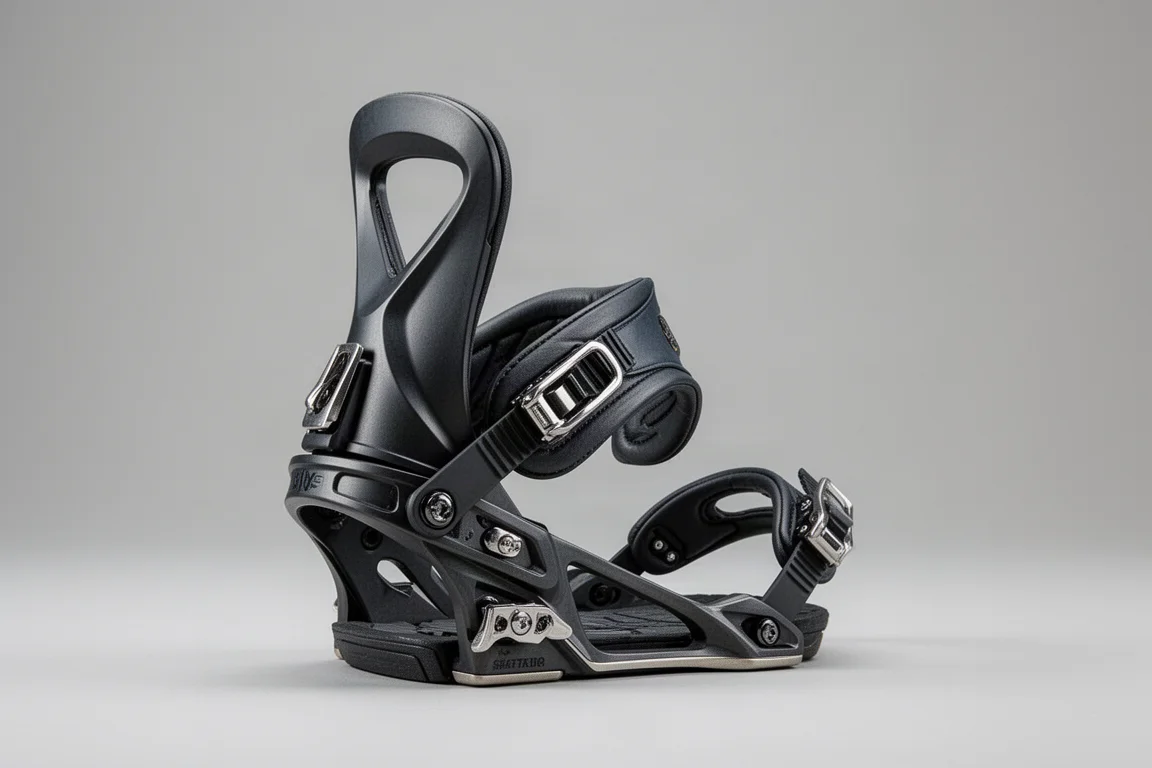
The Supermatic exists in a lineage that traces directly back to Flow’s rear-entry work, and it takes that concept in a more refined direction. You still get adjustable straps you can tighten like a regular binding, but the main entry method means you slide your foot in, lock the highback, and go. The only bending required is hitting the release tab to step out. It comes in three versions: the standard Supermatic, the stiffer and more responsive Supermatic Carbon, and the Supermatic LT.
This is a comfort binding, full stop. It makes sense for riders with back or knee issues, or anyone who simply does not want to bend over and crank straps every run. The trade-offs are significant: it is a heavy binding, it has a large dead spot underfoot that reduces board feel, it has many moving parts that could complicate long-term durability, and even with the highback folded down it sits tall enough that a low chairlift can clip it. Adjustability is limited to strap length, forward lean, and foot ramp position, and the hinge piece underfoot feels odd to some riders.
Rome Phase: The Most Customizable Option
The Phase platform, offered by Rome along with Battalion and versions through 32 and Jones, is the newest entry in this category and, in our view, the most performance-based. It is also the most customizable easy-entry binding available, with the Rome version offering the most articulation in the heel strap design. Entry is quick: step in, hit the paddle, the highback locks, tighten the speed strap, and you are done.
Two things set it apart. First, it rides like a real binding. The weight sits close to a regular performance strap binding, and once you are in, the difference versus a traditional binding is hard to notice until you get in or out. Second, it is modular and repairable: if the paddle or the spring inside it fails, you replace that part rather than the whole binding. The highback also folds down fully without the bulk of a Supermatic or Flow, and you can still enter through the front if the situation calls for it.
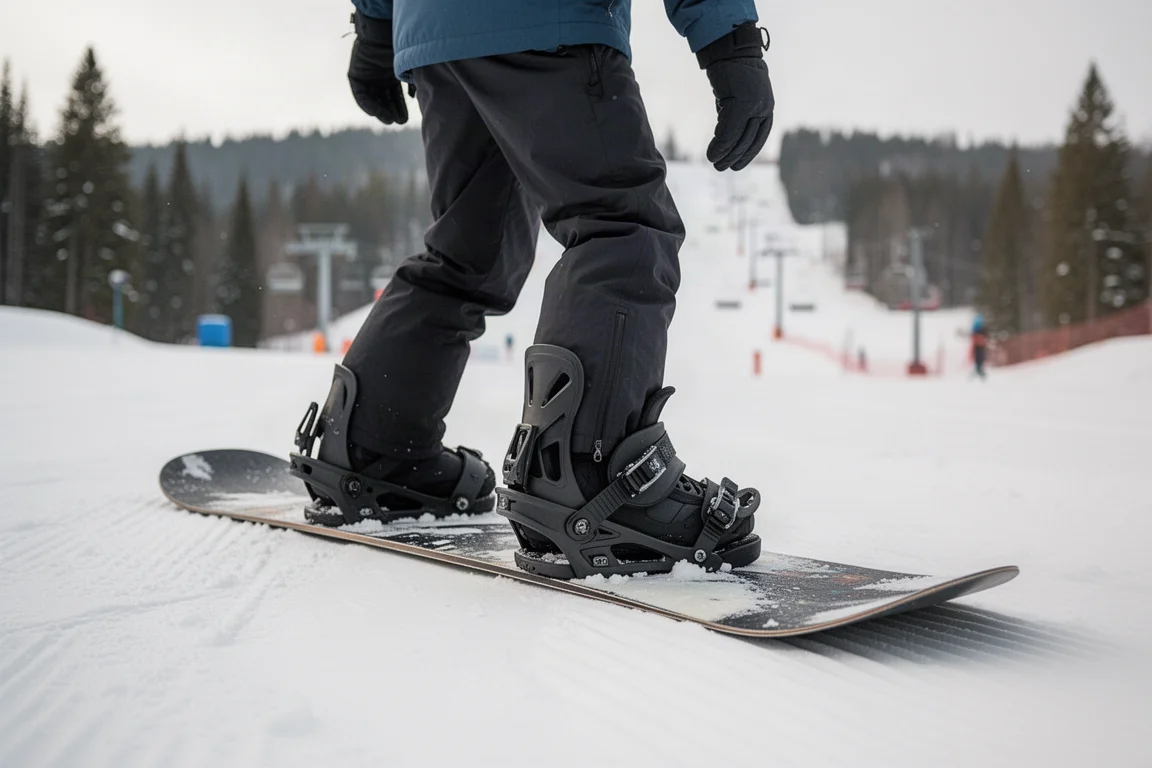
It is a first-year product, and that shows in a few places. The toe strap on the Rome version does not always sit right out of the box, the heel strap can take some fiddling to line up, the forward lean hardware feels like the weakest link, and the long-term durability of the paddle and spring mechanism is still an open question. This is the pick for riders who want near-traditional performance with fast entry: instructors, riders at smaller resorts with quick laps, anyone popping in and out on cat tracks, or riders coming back from knee or back injuries who want to ease back into full use.
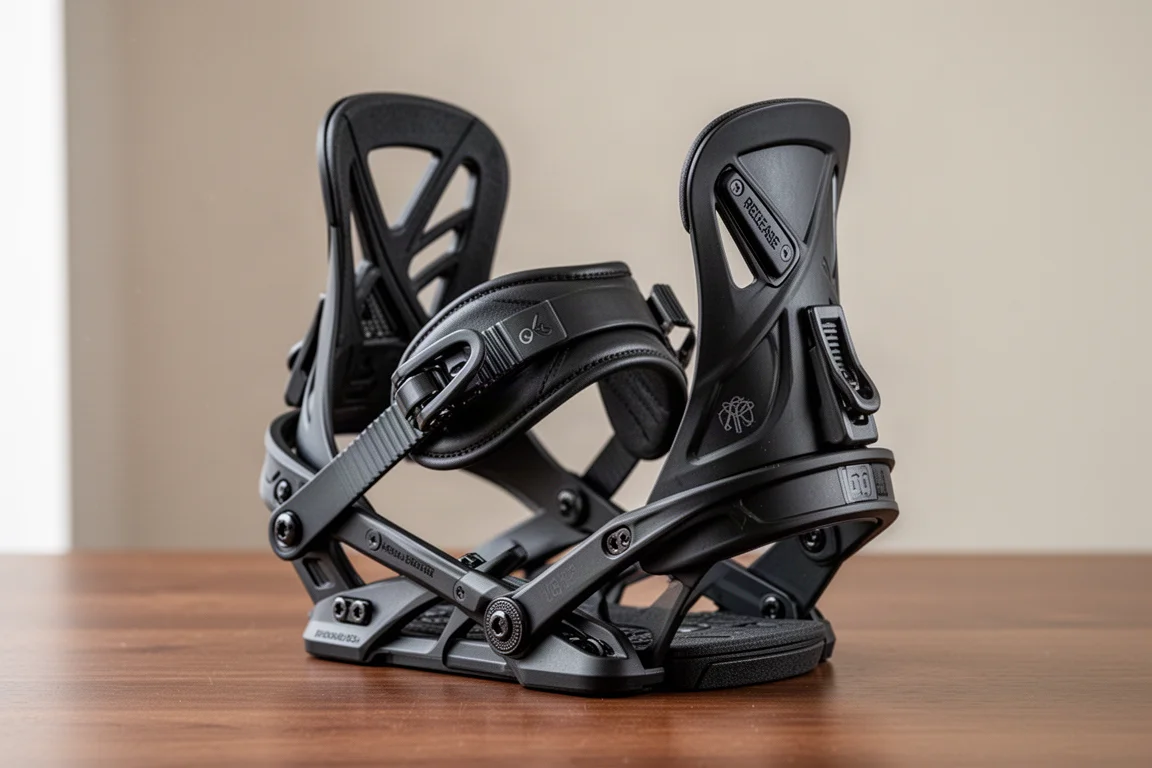
Clew: The Stirrup-Style Option
The Clew takes a different approach entirely: a rear stirrup with no highback at all, which you simply step onto and lock down. The pitch is convenience, mainly making skating and lift-line maneuvering easier, and the entry is undeniably fast.
Beyond that, the criticism from experienced riders is consistent and severe. The build uses parts that feel cheap next to a traditional binding, the adjustability is poor, and the open design leaves a large air pocket underfoot with almost no dampening, which riders report as noticeable underfoot harshness and even back discomfort on harder terrain. Heel mobility and lateral play are restricted compared to a strap binding, which changes how you can drive the board. Durability has also become a concern, with reported failures in the field and limited transparency from the brand about manufacturing numbers despite consistent sellouts. At its price point, the value proposition is hard to defend.
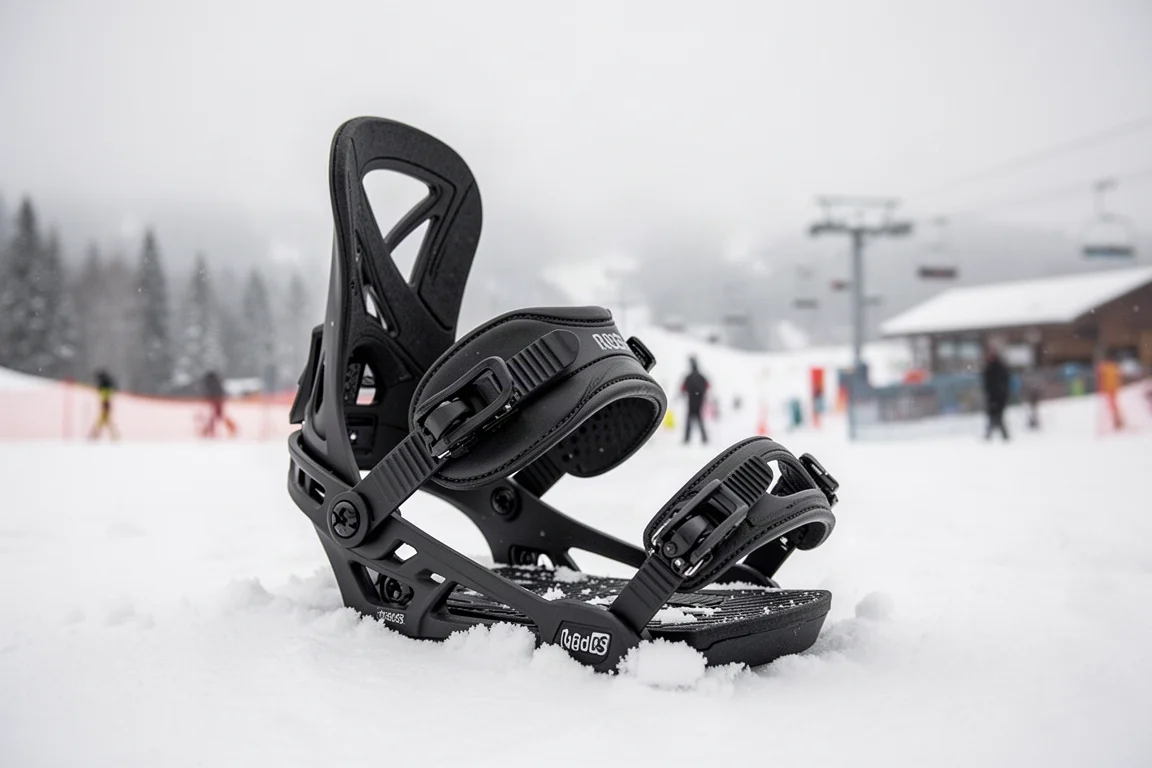
The main use case is genuinely casual riding where convenience is the only priority. For anyone riding at a moderate level or above, there are stronger options in this list at similar or better value.
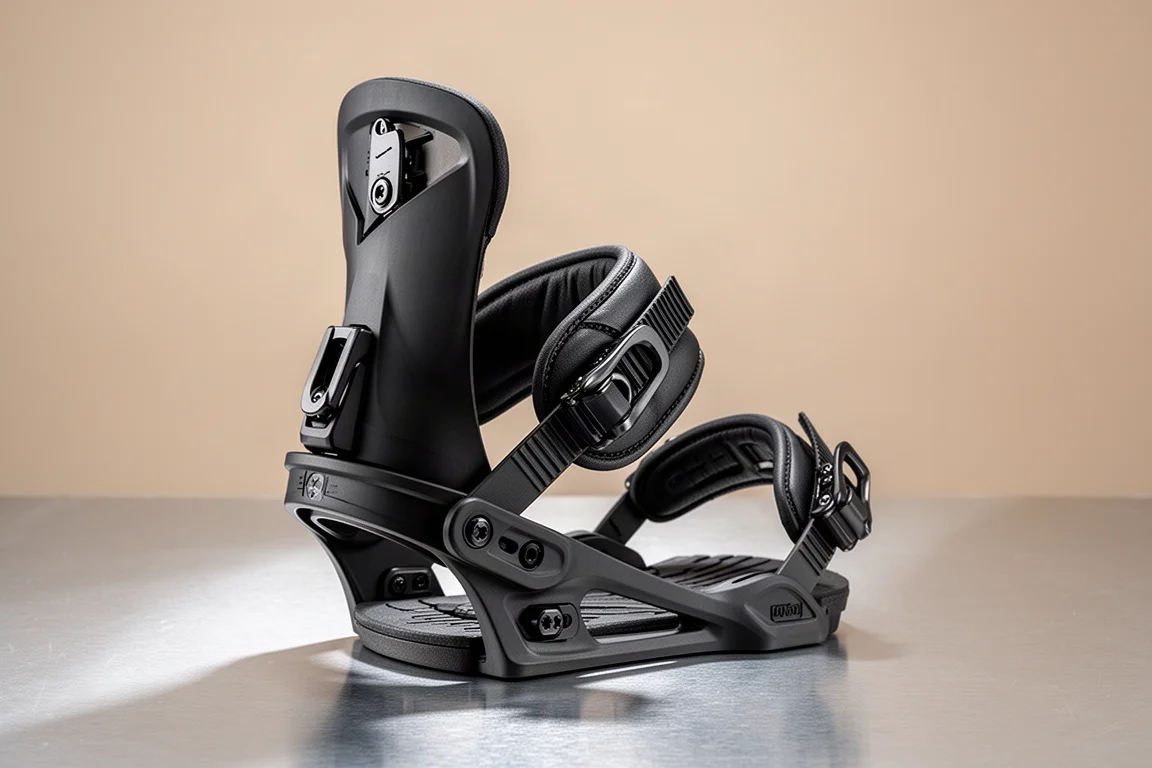
Buying Advice
If you want maximum convenience and ride a modest number of days a year, the Burton Step-On delivers exactly that, provided a compatible boot fits your foot. If you want step-on convenience but refuse to give up performance, the Union Step-On is the stronger choice in that system.
If bending over is the issue rather than speed, the Nidecker Supermatic is purpose-built for it, but go in knowing the weight and underfoot feel penalties. If you want an easy-entry binding that rides closest to a traditional strap binding, the Rome Phase is the most convincing option in the category right now, with the caveat that it is a first-generation product. Flow remains the proven rear-entry workhorse with genuine adjustability, best suited to riders willing to take the time to dial it in.
Skip the Clew unless convenience is truly your only criterion. Almost everything else in this list is a better-built product for the money.
Conclusion
Easy-entry bindings have matured into a real category with distinct tiers: Burton for comfort, Union for performance step-on, Flow for proven rear-entry, Nidecker Supermatic for bend-free entry, and Rome Phase for riders who want it all with the fewest compromises. There is no single winner, because each system solves a slightly different problem. Match the binding to how you actually ride, and any of the serious options here will make your days on snow easier without costing you the ride quality you paid for.
Further reading
Related Reviews
Snowboard Bindings
2024 Union Ultra Snowboard Bindings Review: A Cushy, Freestyle-Focused Favorite
Two seasons on the 2024 Union Ultra: a lightweight, tweakable freestyle binding with standout comfort, a damp molecular bushing, and thoughtful hardware fixes.
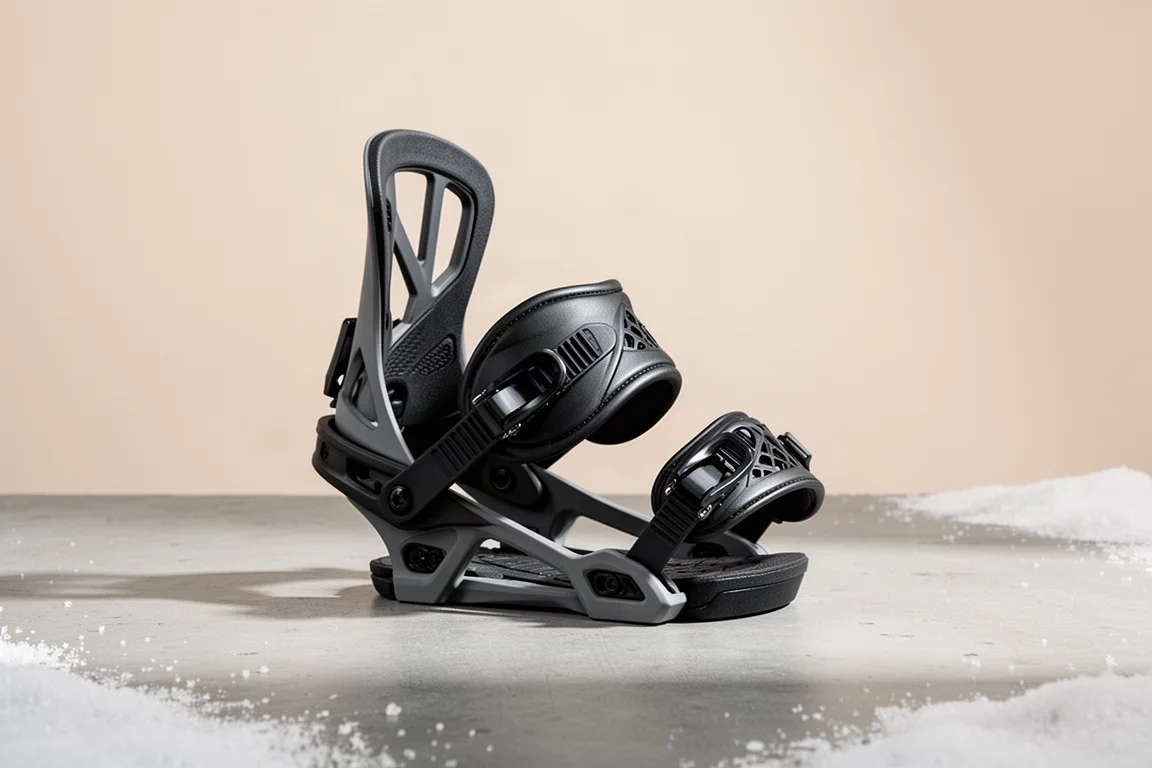
Snowboard Bindings
32 Team Phase Binding Review: A Fast Entry Binding Built for Freestyle Laps
The first binding from 32 uses the Phase chassis for quick step-in entry with a softer, freestyle-leaning flex. Here's how it performed on the snow.
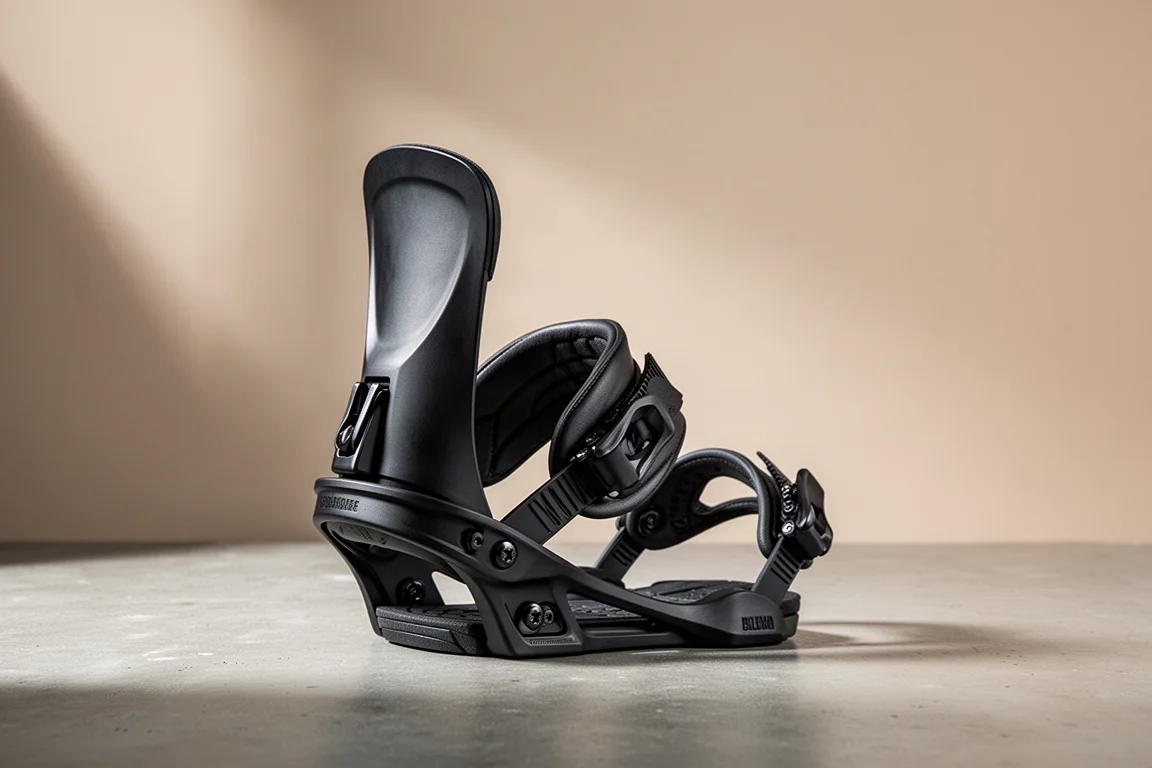
Snowboard Bindings
Arbor Cypress Snowboard Binding Review: A Laid-Back Cruiser That Can Charge
A closer look at the Arbor Cypress binding's adjustability, strap feel, and that oddly tall highback before you decide to buy.