Kitchen
Best Dutch Ovens: What to Look For Before You Buy
Le Creuset, Staub, and Made In compared, plus the sizing, shape, and design details that separate a great Dutch oven from an expensive mistake.
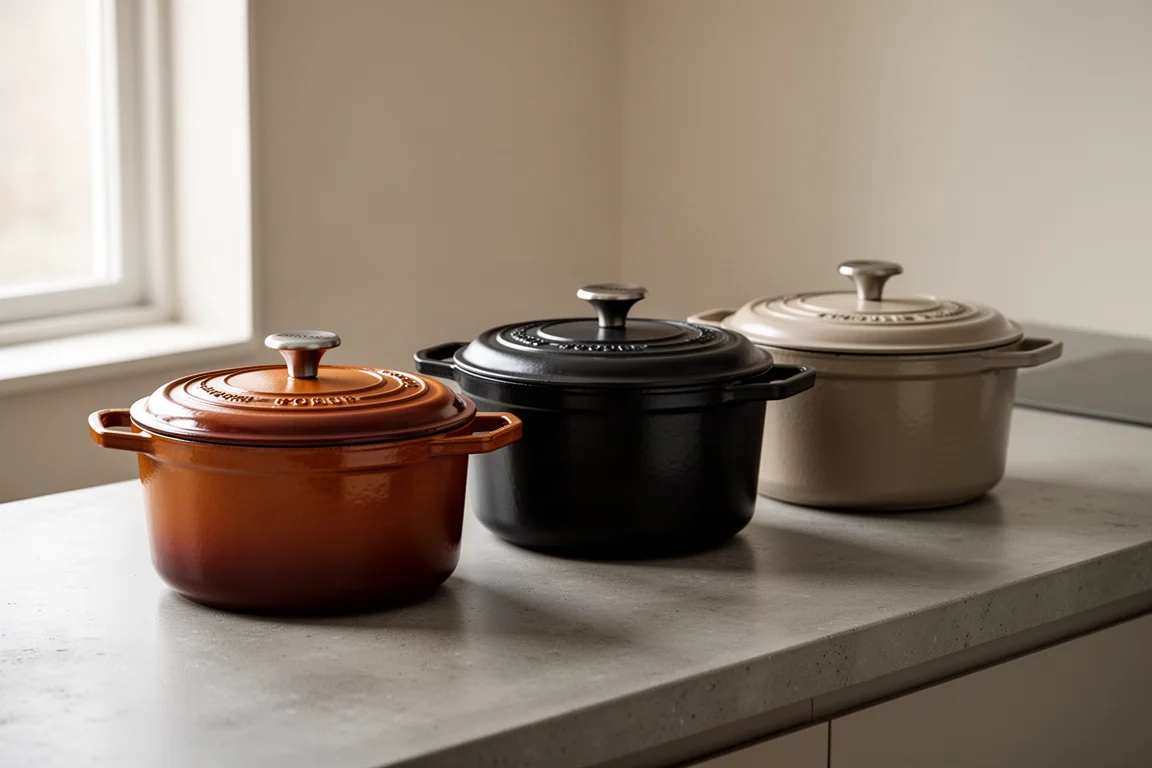
Introduction
A Dutch oven is one of those purchases you make once and live with for decades, so it pays to get the details right. Size, shape, material, and even the lid knob all affect how well the pot fits the way you actually cook.
This guide walks through the most common mistakes buyers make, then highlights three trusted brands at different points in the market: Le Creuset, Staub, and Made In. By the end, you should know exactly what to look for and which pot suits your kitchen.
Choose the Right Material
The first and biggest decision is material. There are two main types of Dutch ovens: bare cast iron and enameled cast iron. Bare cast iron needs to be seasoned with oil to prevent rusting, and when you simmer liquids for long periods, especially acidic ones like tomato sauce, the seasoning degrades and tiny bits can flake into the liquid.
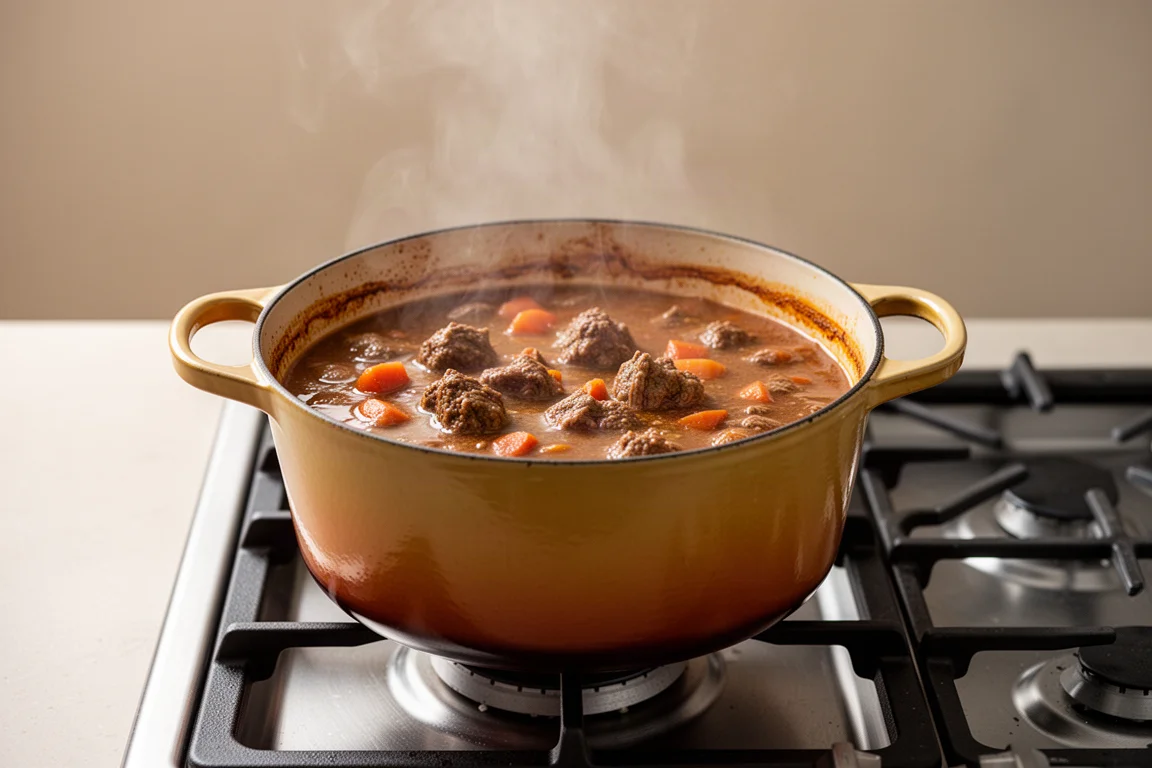
Enameled cast iron solves all of this. The coating is made of fused glass particles melted and sprayed onto the cast iron, creating a hard, non-reactive surface. You can cook any ingredient for any amount of time without worrying about rust, and there is no seasoning to maintain. Bare cast iron is still excellent for searing, roasting vegetables, and baking, but for a large pot used primarily for liquids, enameled is the smarter choice unless you plan to cook over a campfire.
Pick the Right Size
Dutch ovens come in a wide range of sizes, but for the vast majority of home cooks, 5 to 7 quarts is ideal. These sizes are large enough for generous batches of soup, stew, and chili without being so big that they crowd your burner or your cabinet.
Smaller 1 to 3 quart pots are nice for side dishes and serving, but they are not big enough to be your primary Dutch oven. Even if you cook for one or two people, a 5 to 7 quart pot is more versatile and leaves room for leftovers. Anything over 7 quarts is generally too big and heavy unless you have a household of more than five people.
Round or Oval?
Shape matters more than most buyers expect. Round Dutch ovens fit nicely on round burners, heat evenly, take up less stovetop space, and stack more easily in storage.
Oval Dutch ovens take up more space and heat less evenly on the stove because the ends extend past the burner, but they excel at roasting long cuts of meat like a leg of lamb or pork shoulder, and they allow you to bake a traditional long loaf of bread instead of a round one.
Neither shape is a mistake; the mistake is not thinking about what you cook most often. For most home cooks, round is the better pick because it is more versatile and many Dutch oven recipes start on the stove. If you plan to roast a lot of long cuts or bake long loaves, consider oval.
Pick the Right Interior Color
Most Dutch oven interiors are either black or a light sand color. Dark interiors hide stains and scratches better, but they make it harder to monitor browning or see whether food is sticking or burning.
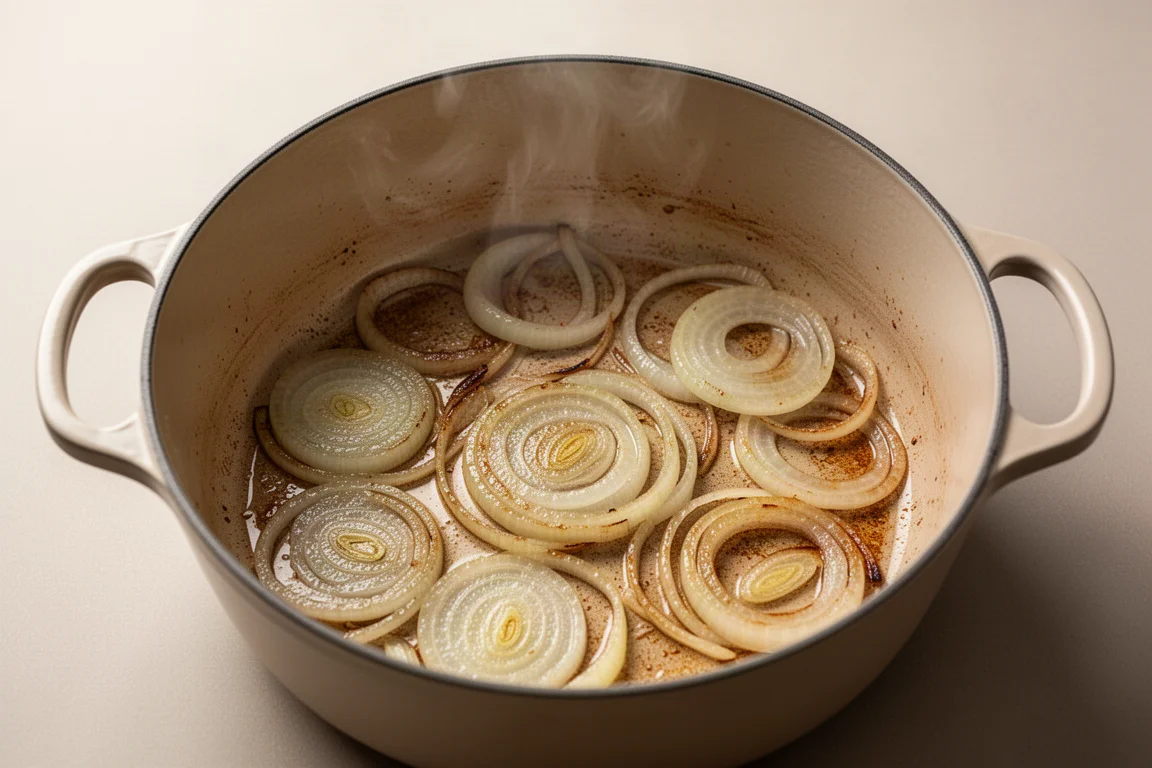
A light interior makes browning much easier to see. While discoloration is less noticeable on a dark interior, being able to monitor your food’s progress matters more. If everything else is equal, choose a light interior.
Check the Lid Knob
The lid knob is easy to overlook, but its material affects the maximum oven-safe temperature and stovetop safety. Le Creuset, for example, offers a black plastic knob or stainless steel knobs in brushed steel, metallic gold, or copper finishes. The Classic black knob is oven-safe up to 390°F, the Signature black knob up to 480°F, and all steel knobs up to 500°F.
Plastic knobs cannot handle as much oven heat, but they stay cooler on the stovetop. Since most knobs are easily removable, you can buy both and swap: plastic for stovetop cooking, steel for high-temperature oven work.
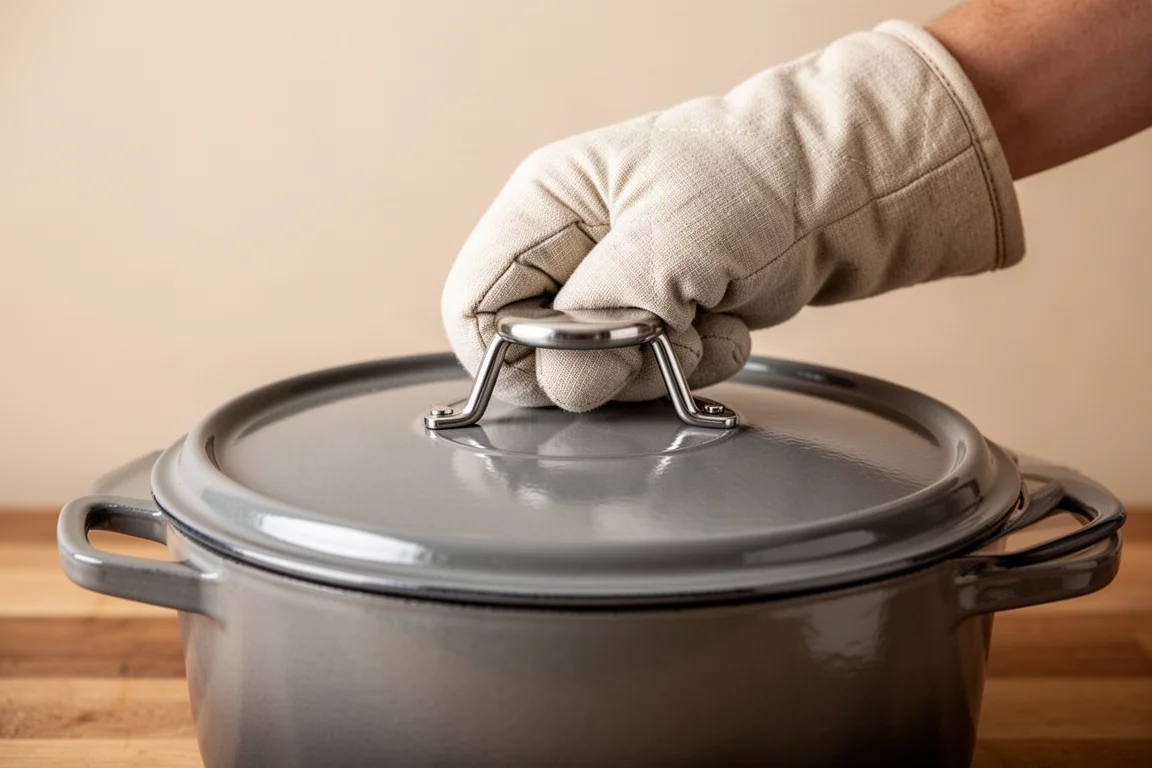
Knob design matters too. Look for a wide top with a long stem so you can grip and tilt the lid even with an oven mitt on, without your knuckles touching the hot lid. Staub pots are excellent overall, but their small lid knobs are one of the few downsides. Also avoid looped handles that only fit a couple of fingers.
Look at Lid Design
A heavy lid with a tight seal locks in moisture, and a few extra features make a real difference. A groove on top for resting a spoon is nice; even better is a flat lid with raised edges, which lets you rest utensils and even place ice on top while cooking. Hot steam condenses against the cold surface and drips back into the dish, creating an even more moist cooking environment.
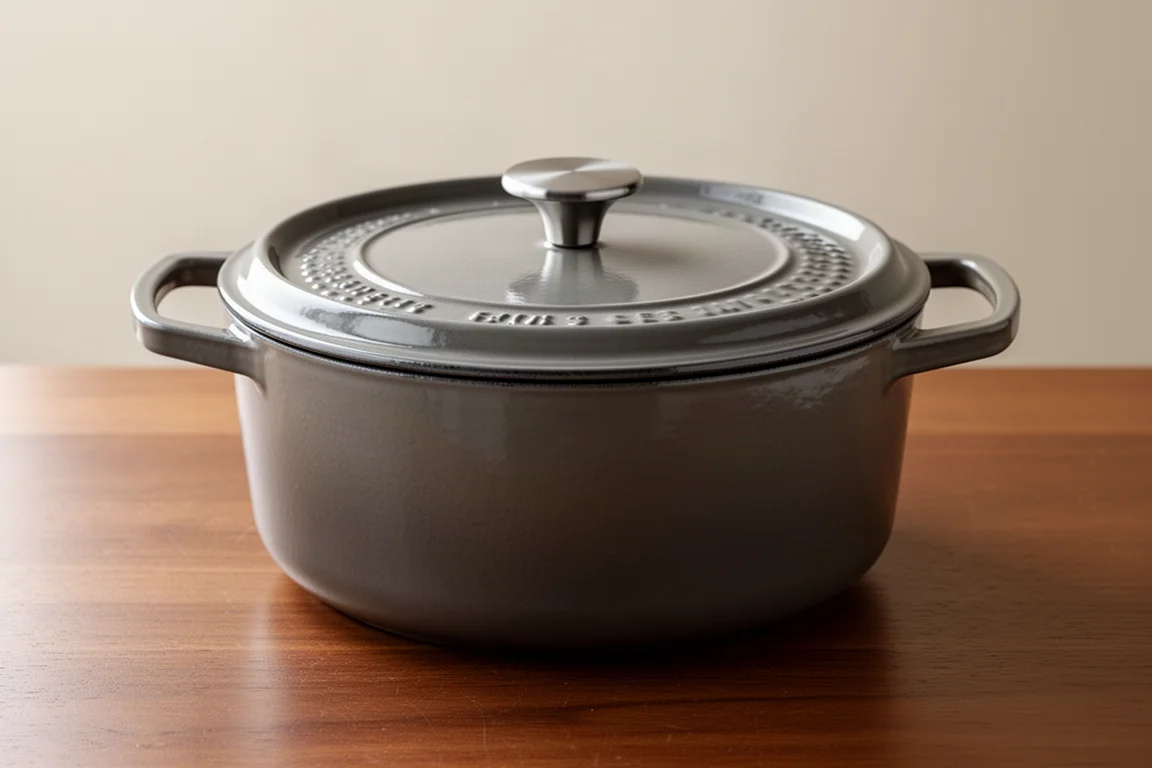
The lid interior matters as well. Brands like Made In and Staub add tiny bumps that capture evaporating liquid and redistribute it back into the pot, and in real use this feature genuinely works, collecting and distributing moisture more evenly than a smooth lid.
Check the Side Handles
Avoid small side handles, handles with a thin opening, or handles that are just ledges with no opening at all. Look for handles that stick out at least 1.25 inches with an opening of 0.75 inches. Ideally, they stick out 1.5 inches with an opening over one inch.
These pots are extremely heavy and you will be lifting them hot, so the handles need to feel secure even with a bulky oven mitt on.
Mind the Weight
With thick walls, Dutch ovens can weigh anywhere from 5 to 20 pounds depending on size. Most 5 or 6 quart pots weigh around 13 pounds empty and over 20 pounds filled with liquid.
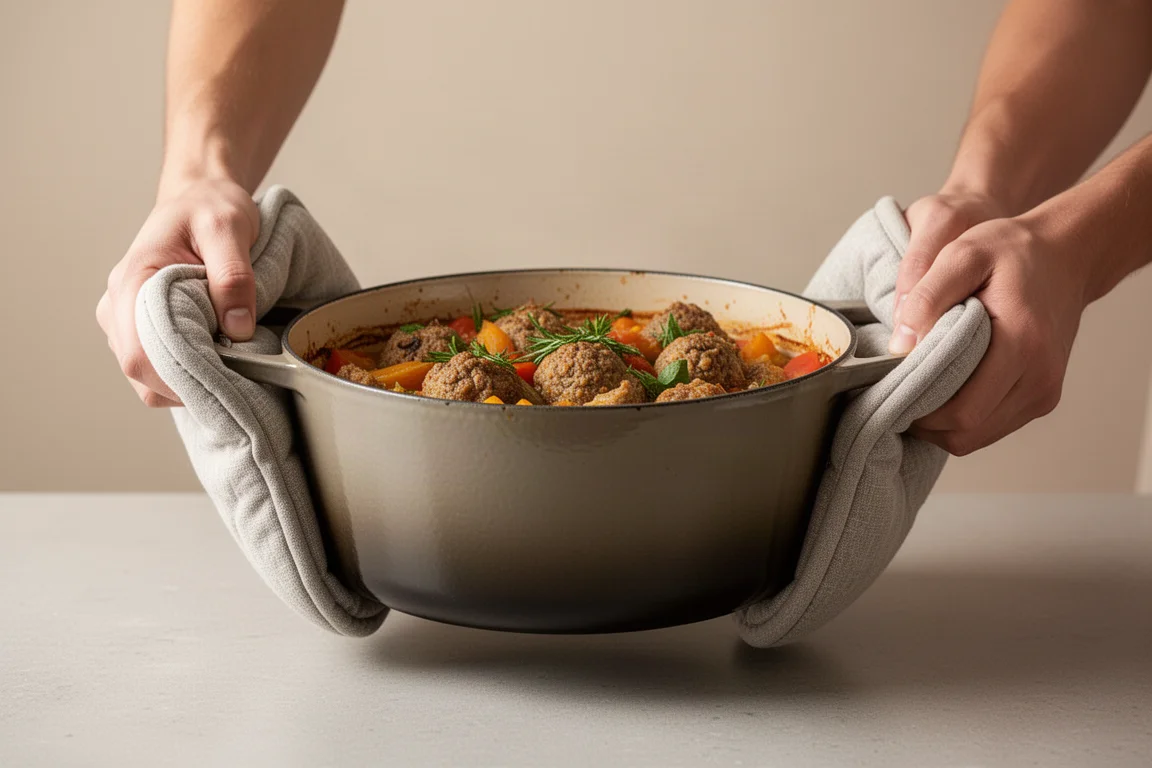
Make sure the pot you buy is light enough for you to lift and carry. A useful trick: when checking weights online, add roughly 2 pounds per quart of capacity to estimate the nearly full weight.
Should You Spend on a Premium Brand?
Le Creuset and Staub make quality Dutch ovens, but you do not need to spend around $400 to get one that performs well and lasts. Many lesser-known brands use similar materials and construction processes at lower prices, either because they sell primarily online, spend less on advertising, or lack the brand recognition that drives up demand. With that context, here are three brands worth considering.
Le Creuset Dutch Oven
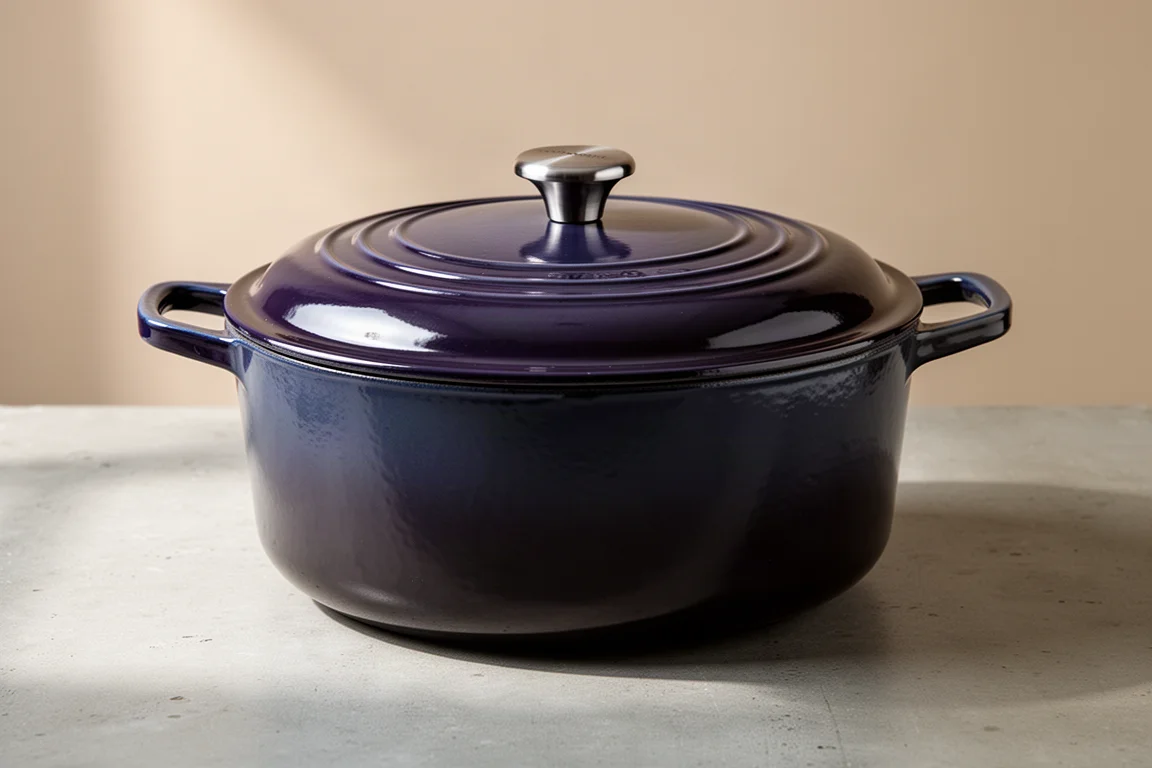
Le Creuset is the classic premium choice, with excellent build quality and flexible knob options. The black Classic knob is rated to 390°F, the Signature black knob to 480°F, and stainless steel knobs to 500°F, and knobs are easily swappable depending on whether you are cooking on the stove or at high oven temperatures.
Staub Dutch Oven
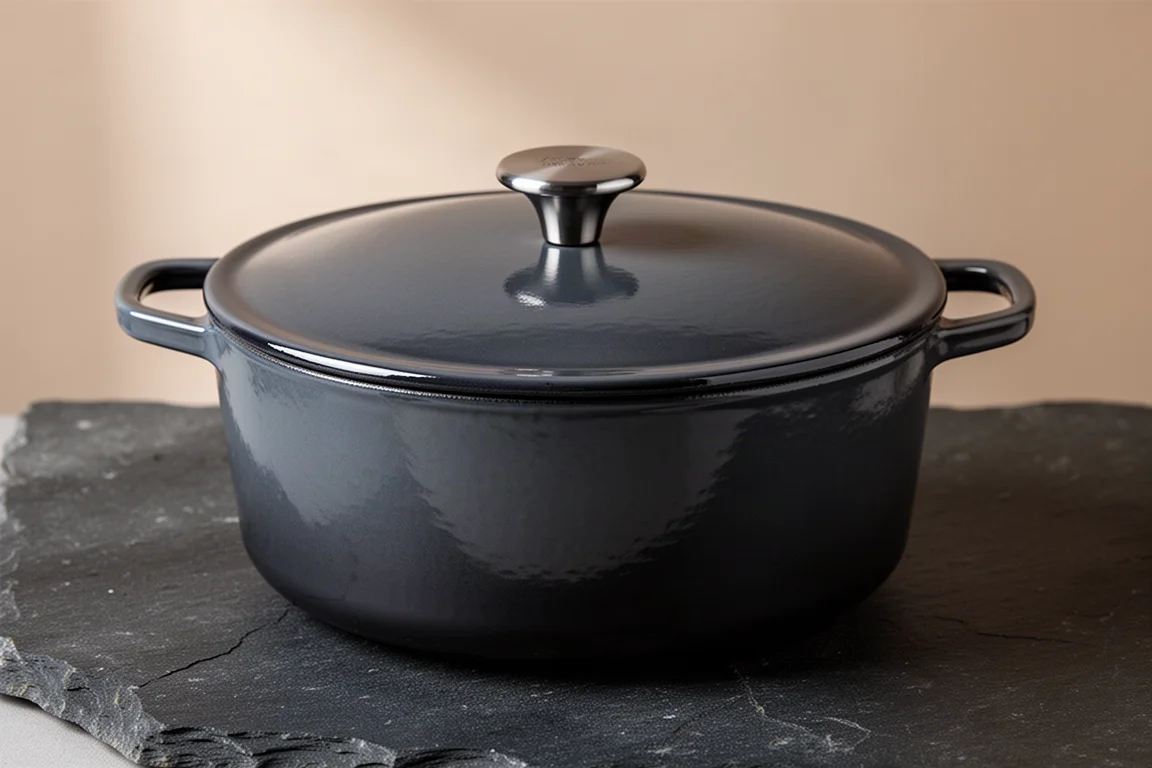
Staub Dutch ovens are strong performers overall, with a self-basting lid that genuinely redistributes moisture back into the pot during cooking. The main drawback is the small lid knob, which is harder to grip with an oven mitt and offers less clearance for your knuckles.
Made In Dutch Oven
Made In takes the value-focused path, using similar materials and construction to the high-end brands while selling primarily online. The lid features self-basting dimples that capture evaporating liquid and redistribute it evenly, a feature that holds up in real cooking.
Buying Advice
For most buyers, the ideal Dutch oven is enameled cast iron, 5 to 7 quarts, round, with a light interior, wide and well-designed knob, a heavy flat or self-basting lid, and comfortable side handles. Match the brand to your budget: Le Creuset for the premium icon, Staub for a strong alternative with a self-basting lid, or Made In if you want comparable performance for less.
Conclusion
A Dutch oven rewards careful buying. Choose enamel over bare cast iron, size for versatility rather than household size, and pay attention to the small details like knobs, handles, and lid texture that you will live with every time you cook. Get those right and any of these three brands will serve you well for decades.
Further reading
Related Reviews
Kitchen
Best Nonstick Frying Pans Compared: 11 Skillets From $16 to $185, Tested
Eleven nonstick frying pans go head to head in pancakes, eggs, heat distribution, thermal efficiency, and scratch resistance to find out whether a cheap pan can really compete with a premium one.
Kitchen
Vivor Stainless Steel Kitchen Sink Review: A Solid Drop-In Upgrade With One Weak Spot
An all-stainless single-basin drop-in sink with easy-clean rounded corners and a drain-sloped base, at a roughly $200 price point.
Kitchen
Best Bamboo Steamers: Two Tested Picks for Dumplings, Bao, and More
After hands-on steaming tests with dumplings and bao, two bamboo steamers stood out for build quality and staying in alignment.