Outdoor Gear
Best Down Puffy Jackets for Backpacking: Three Lightweight Options Compared
Three high fill power down jackets under ten ounces, ranked by warmth, packed size, hood design, and fit, with honest trade-offs for each.
Introduction
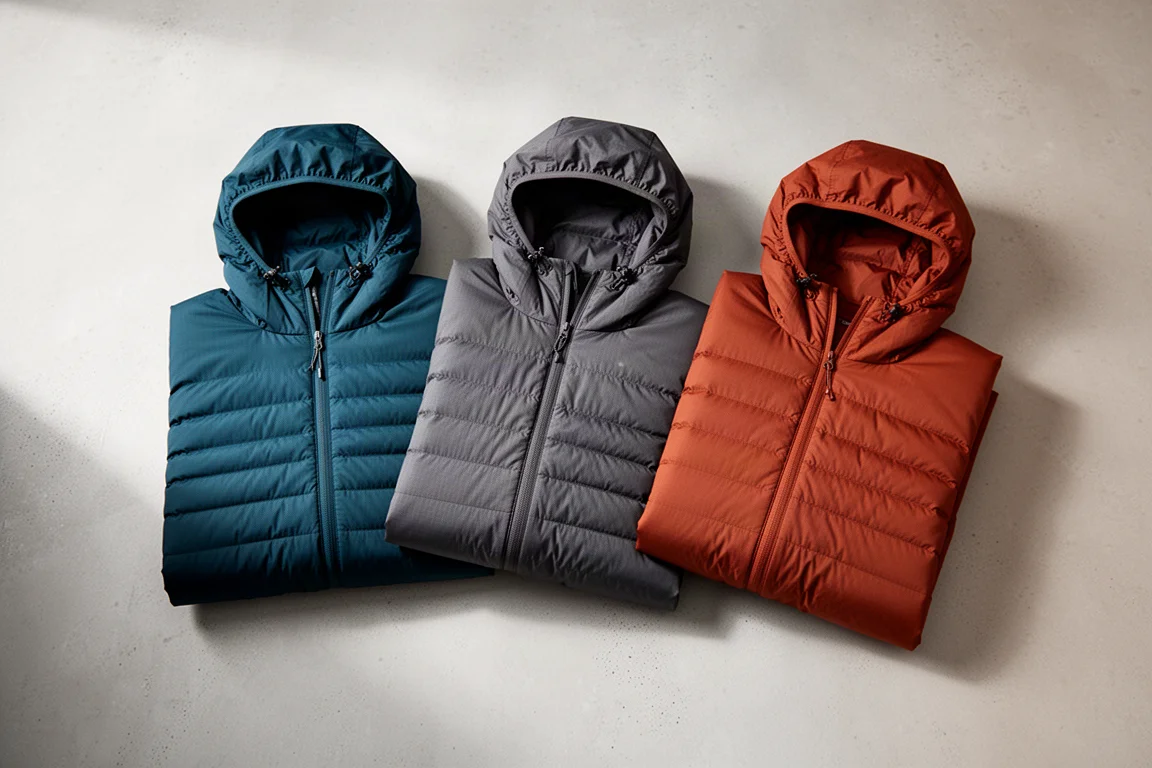
A down puffy jacket does two jobs on a backpacking trip: it keeps you warm the moment you stop moving, and it disappears into your pack when you start again. The three jackets in this comparison all use high fill power down and all come in under ten ounces, yet they behave very differently on the trail. Warmth, packed size, hood design, and fit are what separate a jacket you reach for every evening from one you leave at home.
This ranking places the Arc’teryx Women’s Cerium LT Hoodie third, the Mountain Hardwear Ghost Whisperer Down Jacket second, and the Montbell Plasma 1000 Alpine Down Parka first.
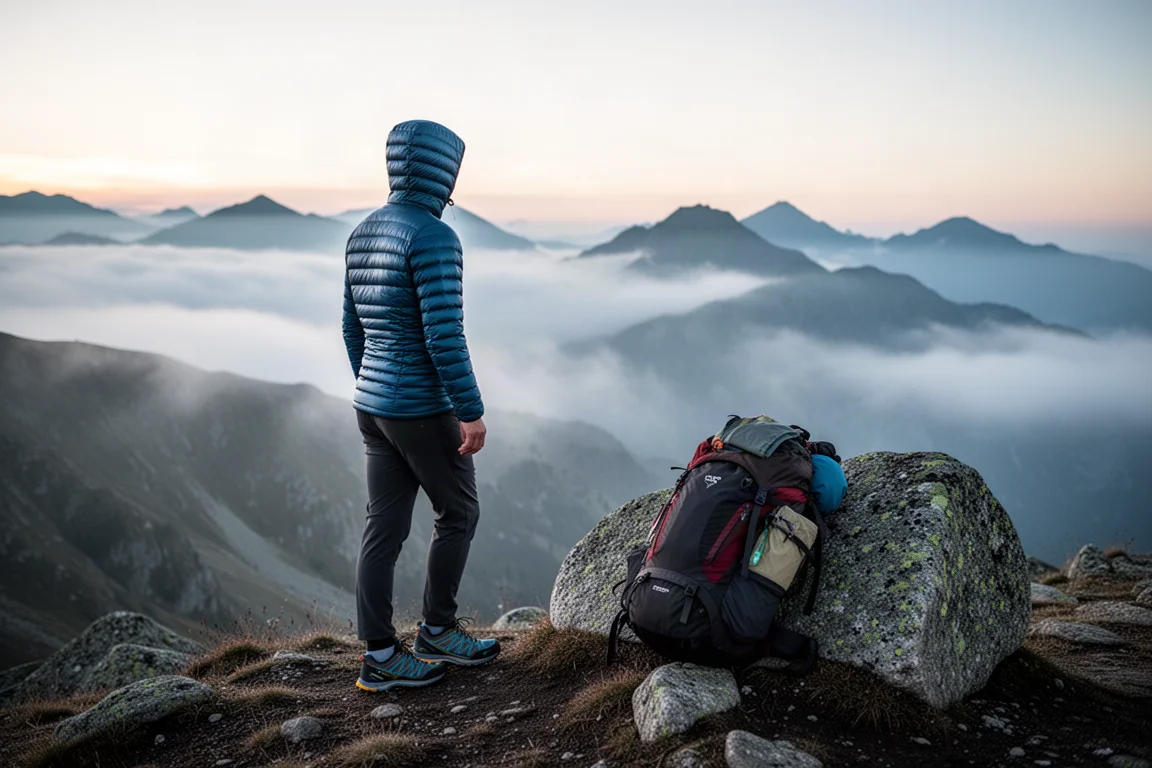
Each of the three has a clear use case. Two are strong all-rounders for three-season backpacking, and one is aimed squarely at people who feel the cold and want maximum warmth for the least weight.
How These Three Puffies Were Compared
Five things decided the order: fill power and real-world warmth, weight in ounces, how small each jacket compresses into a pack, hood adjustability, and how the fit works on a longer torso and longer arms.
Fill power is the headline number on any down jacket, but it is only part of the picture. A 1,000 fill power jacket and an 850 fill power jacket can feel very different depending on how much down sits in each baffle, how the hood is built, and how much of your body the jacket actually covers. Weight and packed volume matter just as much, because the best puffy is the one you never resent carrying.
Price was weighed last. All three sit in the same broad bracket, so the gaps between them are a matter of comfort and use case rather than a few dollars either way.
Third Place: Arc’teryx Women’s Cerium LT Hoodie
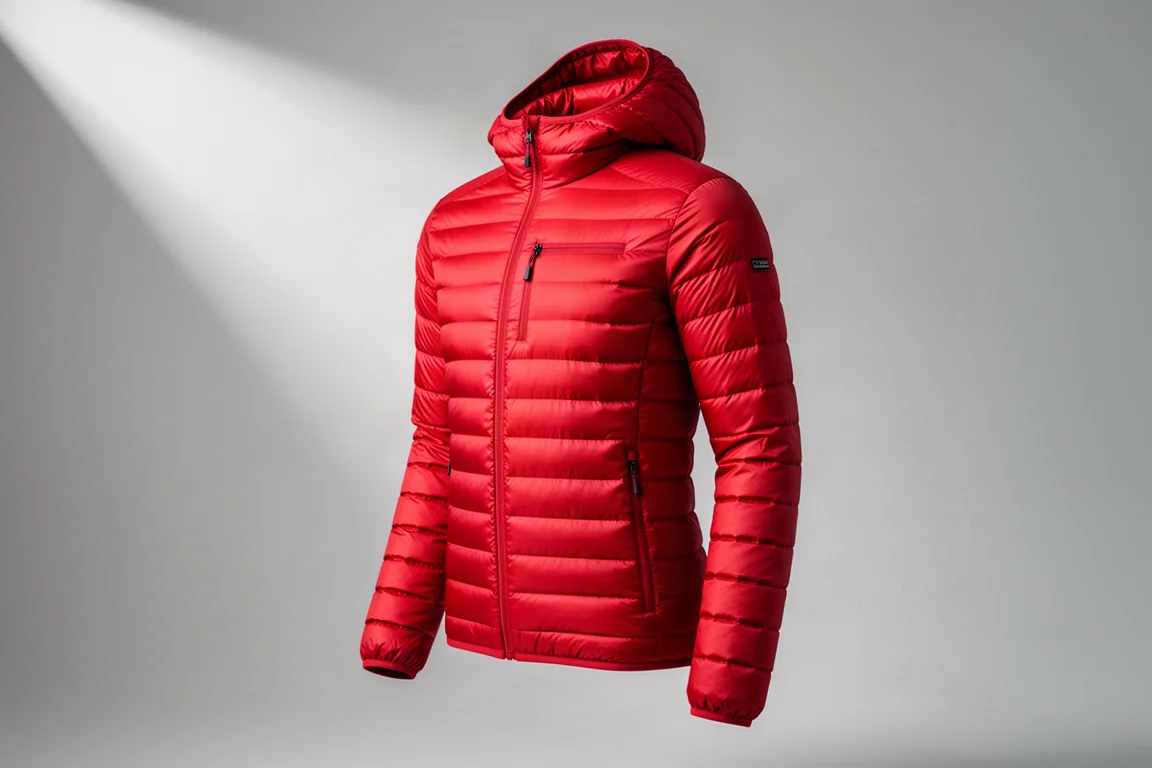
The Cerium LT is a genuinely good jacket that landed in third place on fit rather than on quality. It weighs just under ten ounces, heavier than the other two but still firmly in lightweight territory, and it is insulated with 850 fill power down. In practice it feels warmer than the Ghost Whisperer, which makes the extra ounces easier to justify on cold trips.
The hood is adjustable, though the adjustment sits behind the head. That means reaching back with both hands to cinch it down, which is awkward when trekking poles occupy your hands and you want to make a quick change mid-hike.
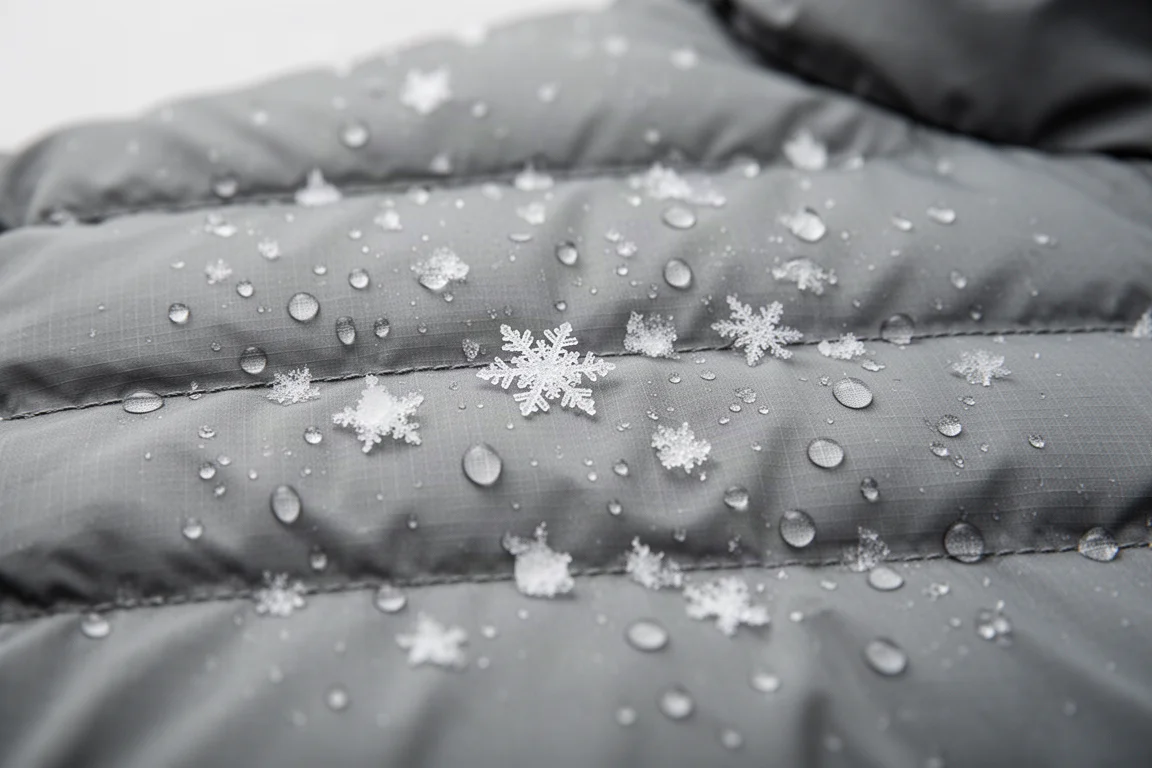
One of the best details is an interior pocket, a secure place for a phone or a small item you would rather not keep in an open hand pocket. The shell also handles wet weather better than expected. On a stretch of trail where rain, sleet, and eventually snow arrived unannounced, water beaded on the fabric and brushed off easily, and the jacket never soaked through. That is not a substitute for a rain jacket in cold weather, but it buys you time while you dig one out of your pack.
There are plenty of color options, with one caveat: on lighter colorways, darker down feathers can show through the shell.
The trade-offs are what pushed this jacket down the list. It is the least packable of the three and does not compress as small as the others. More importantly, it runs short. The body sits high on a long torso, and when you stretch your arms out, the sleeves pull back and your wrists are exposed. For someone with a shorter torso, that same cut may feel like a perfect fit.
At $379, this was the least expensive of the three at the time of purchase.
Second Place: Mountain Hardwear Ghost Whisperer Down Jacket
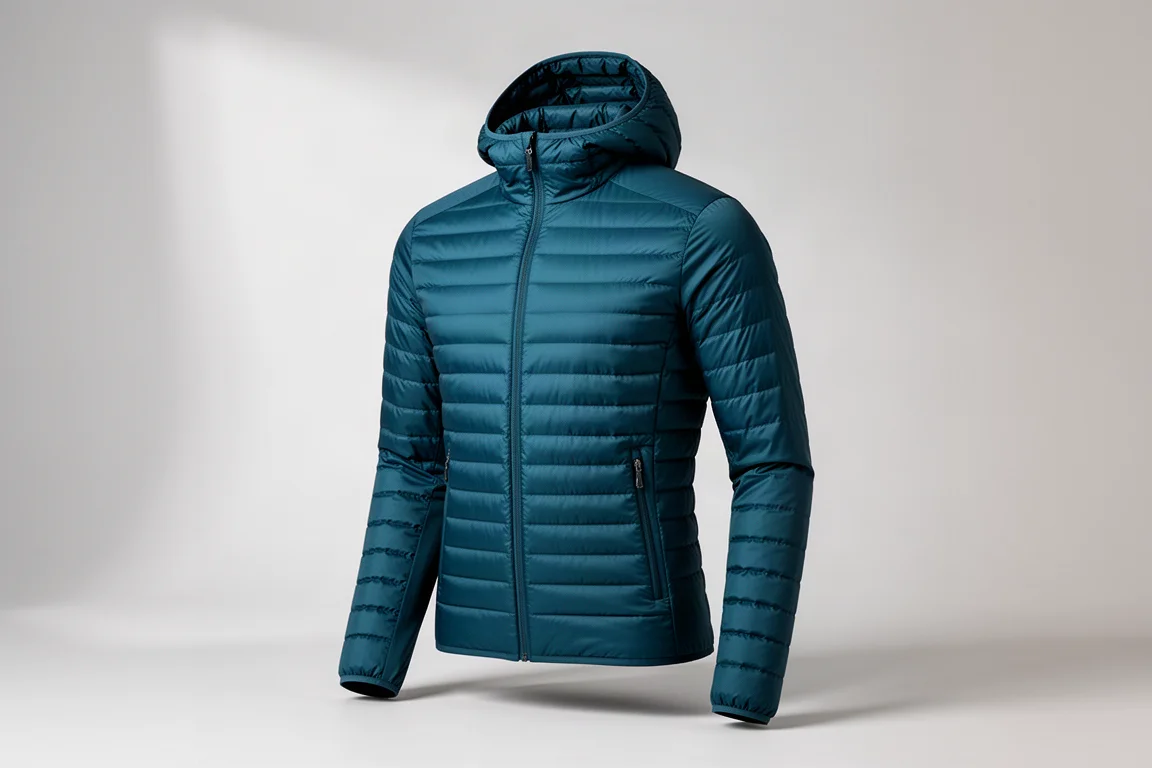
The Ghost Whisperer has been the dependable go-to for good reason. It weighs just eight ounces and uses 800 fill power down, making it the lightest and least fussy of the three. It is available online for around $200 depending on the retailer, well below what it once cost, and there is now a 1,000 fill power version offered at $375 for anyone who wants more warmth from the same design.
Fit is the quiet strength here. The jacket could stand to be slightly longer, but torso coverage never became a problem, and the cut works well on a longer frame. It also packs down into a very small ball, which matters more than most specifications when you are deciding what to carry for a week.
The only real drawback is the hood. It is not adjustable, so in strong wind it can lift away from your head, and there is no way to cinch it down to trap warmth around your face. Durability is not in question. A well-used example ended up with burn holes from sitting too close to a campfire and still kept going.
First Place: Montbell Plasma 1000 Alpine Down Parka
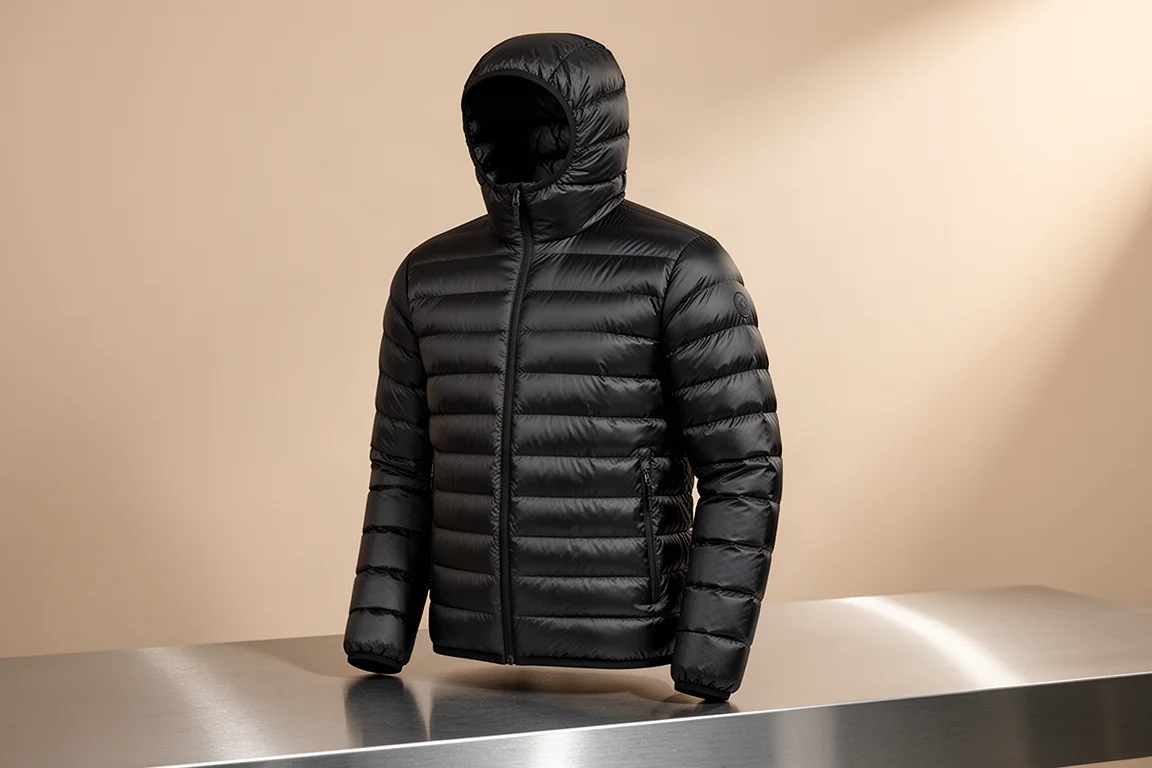
The Plasma 1000 Alpine Down Parka is the warmest jacket here, and the difference is obvious the moment you put it on. It is insulated with 1,000 fill power down and feels noticeably loftier and warmer than either of the other two. The men’s version weighs 8.4 ounces, while the women’s version is 7.9 ounces, which makes it lighter than the eight-ounce Ghost Whisperer.
The hood is the other standout. It is two-way adjustable, so you can cinch it down around your face and separately control how much space is left between your head and the jacket. That combination traps heat effectively without pressing the hood against your skin.
The catch is price. At $440, the Plasma 1000 is expensive even by down puffy standards. The step up from the 1,000 fill power Ghost Whisperer option costs roughly $65 more while adding a negligible amount of weight, which is easy to justify if you run cold and harder to justify if you do not.
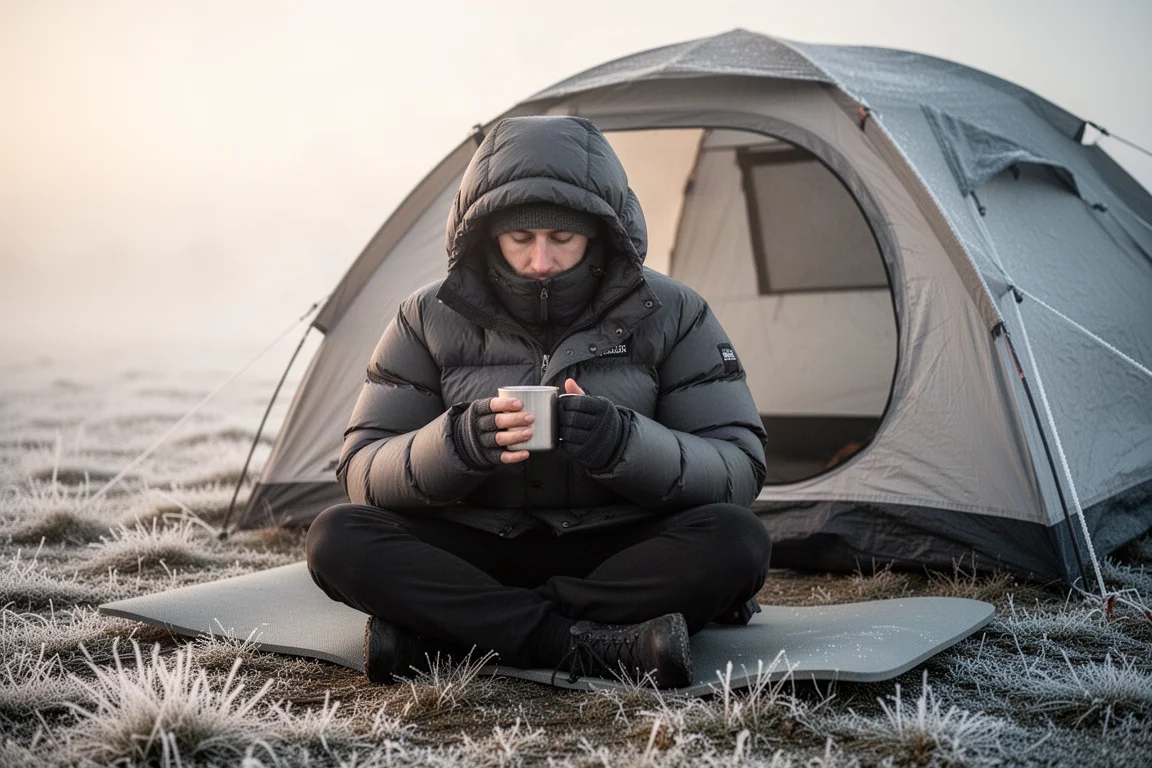
Warmth can also work against it. If you are not particularly cold-natured, this jacket may be too warm for the way a puffy is actually used: worn in camp and on cold mornings, then packed away as soon as you warm up. A jacket this warm means more stopping to take it off and put it back on, and for those hikers the Ghost Whisperer is the better middle ground between warmth and versatility.
Buying Advice: Ways to Save on a Down Puffy
Down puffies are expensive, and most sit somewhere between $200 and $500. None of that is a requirement for backpacking. A fleece mid-layer does much of the same job at a fraction of the cost, and a synthetic insulated jacket is a cheaper alternative that still keeps you warm when conditions turn damp.
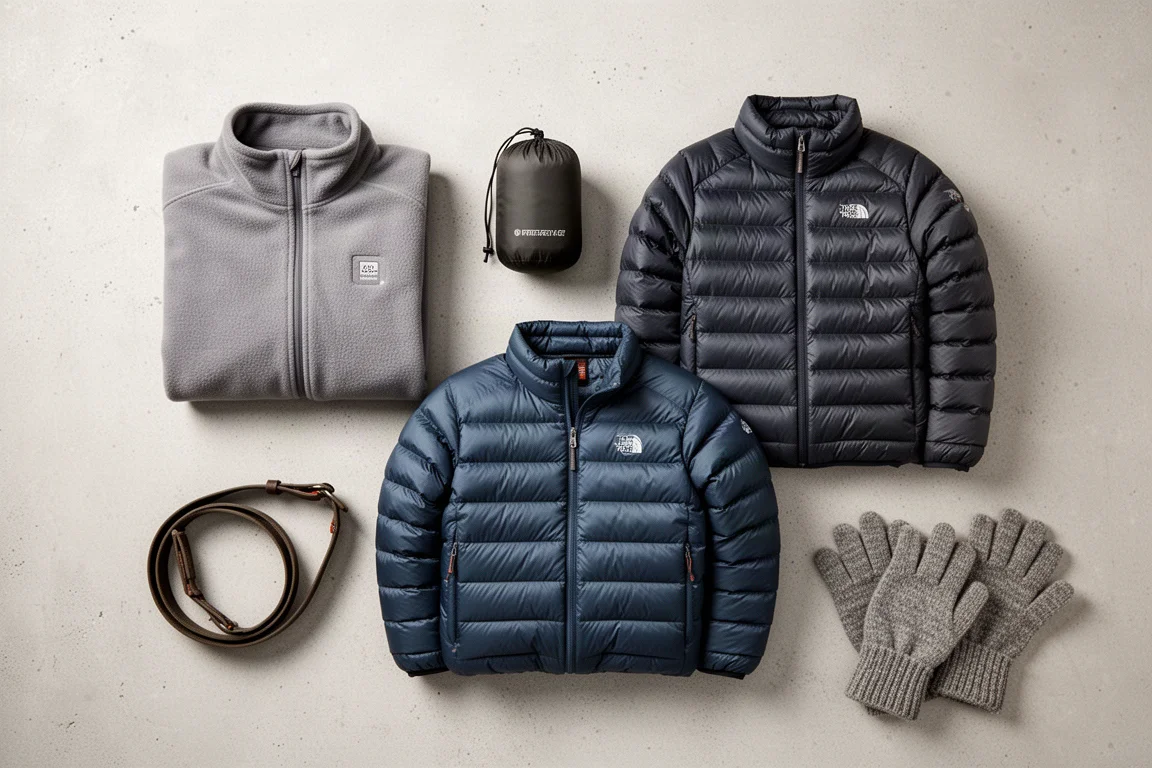
If you want down without paying full price, there are several routes worth checking. Thrift stores turn up the occasional bargain, used backpacking gear groups on Facebook regularly list jackets and other equipment at roughly half price, and REI yard sales, which run about once a month for members, often include returned gear in good condition.
The practical takeaway is to match the jacket to how cold you actually get rather than to the number printed on the label. A lighter, more packable jacket that you wear often is worth more on the trail than a warmer one that spends the trip stuffed at the bottom of your pack.
Conclusion
All three of these jackets are capable, lightweight options, and the ranking comes down to how each one fits a specific kind of hiker. The Arc’teryx Women’s Cerium LT Hoodie offers 850 fill power warmth, an interior pocket, and solid weather resistance, but its shorter cut and larger packed size suit shorter torsos better. The Mountain Hardwear Ghost Whisperer Down Jacket remains the easiest recommendation for most people: eight ounces, a very small packed size, and a price that has come down considerably. The Montbell Plasma 1000 Alpine Down Parka wins on pure warmth and hood design for anyone who feels the cold, provided the $440 price and the extra warmth make sense for the trips you actually take.
Further reading
Related Reviews
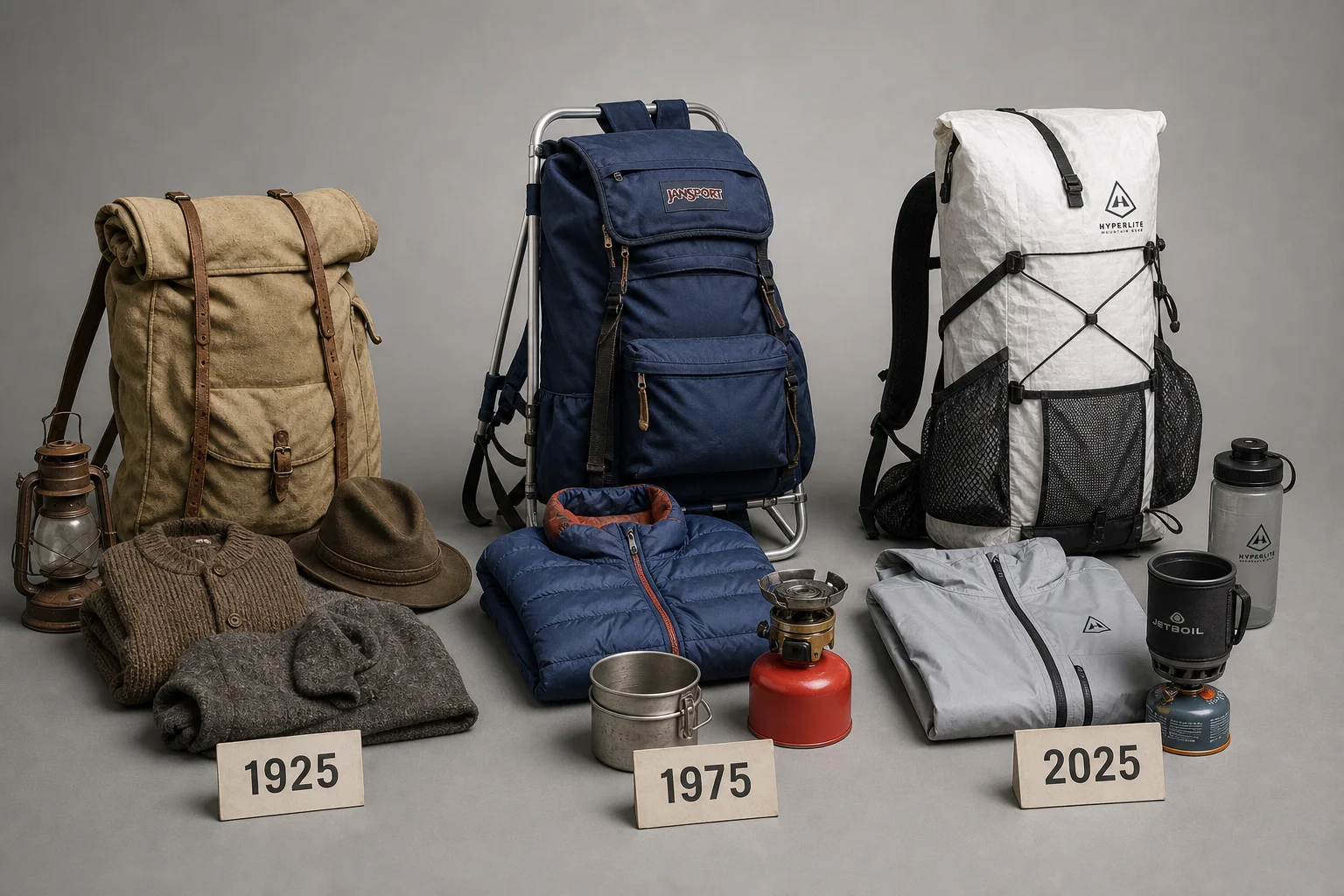
Outdoor Gear
Backpacking Gear Evolution: 100 Years of Technology Compared
We tested backpacking gear from 1925, 1975, and 2025 across a three-day hike in Yosemite. Here's how technology has transformed comfort, weight, and the outdoor experience.
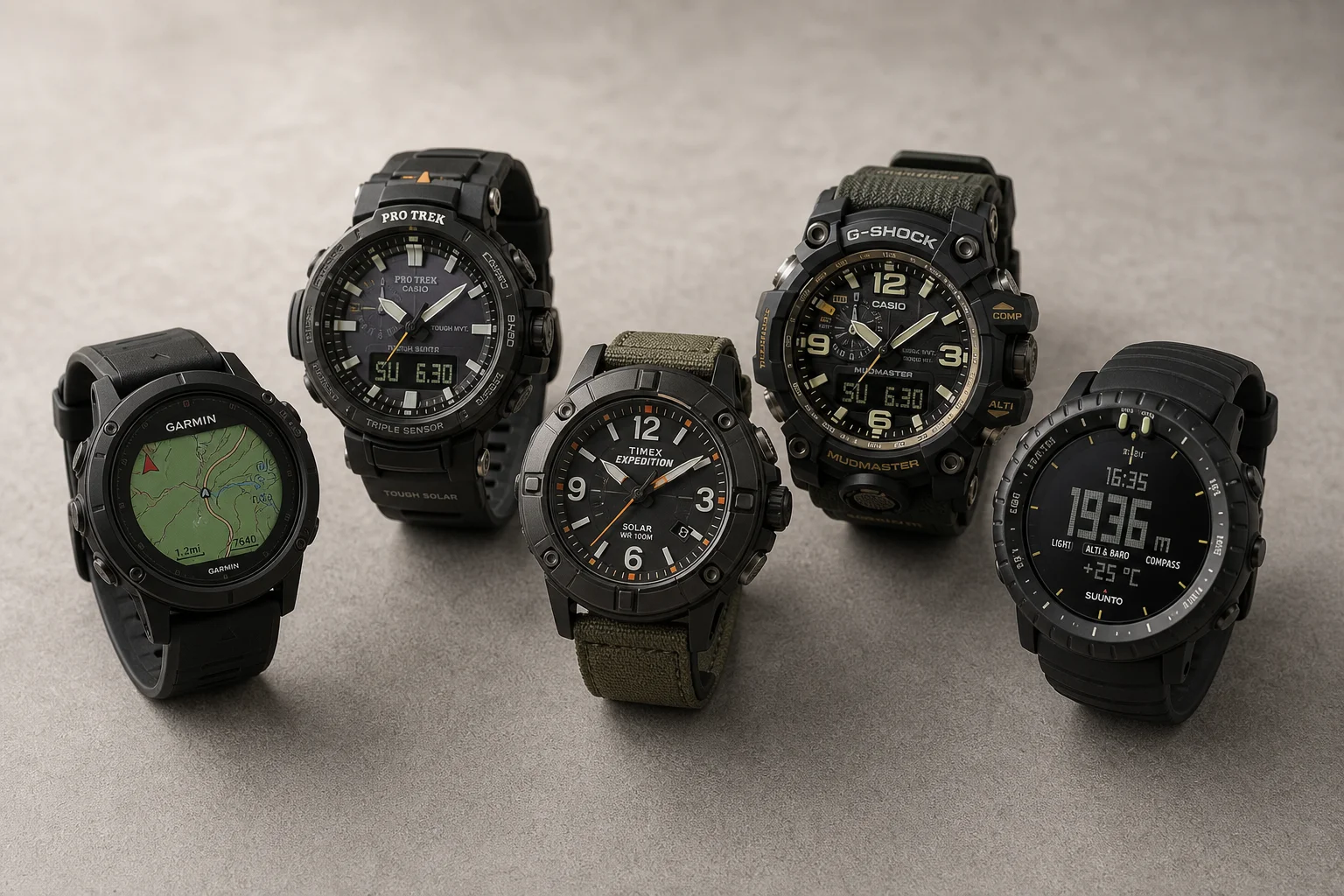
Outdoor Gear
Best Affordable Hiking Watches: Five Rugged Options for Outdoor Adventures
Five durable hiking watches that balance ruggedness, functionality, and value for outdoor enthusiasts who need reliable GPS tracking and weather resistance.
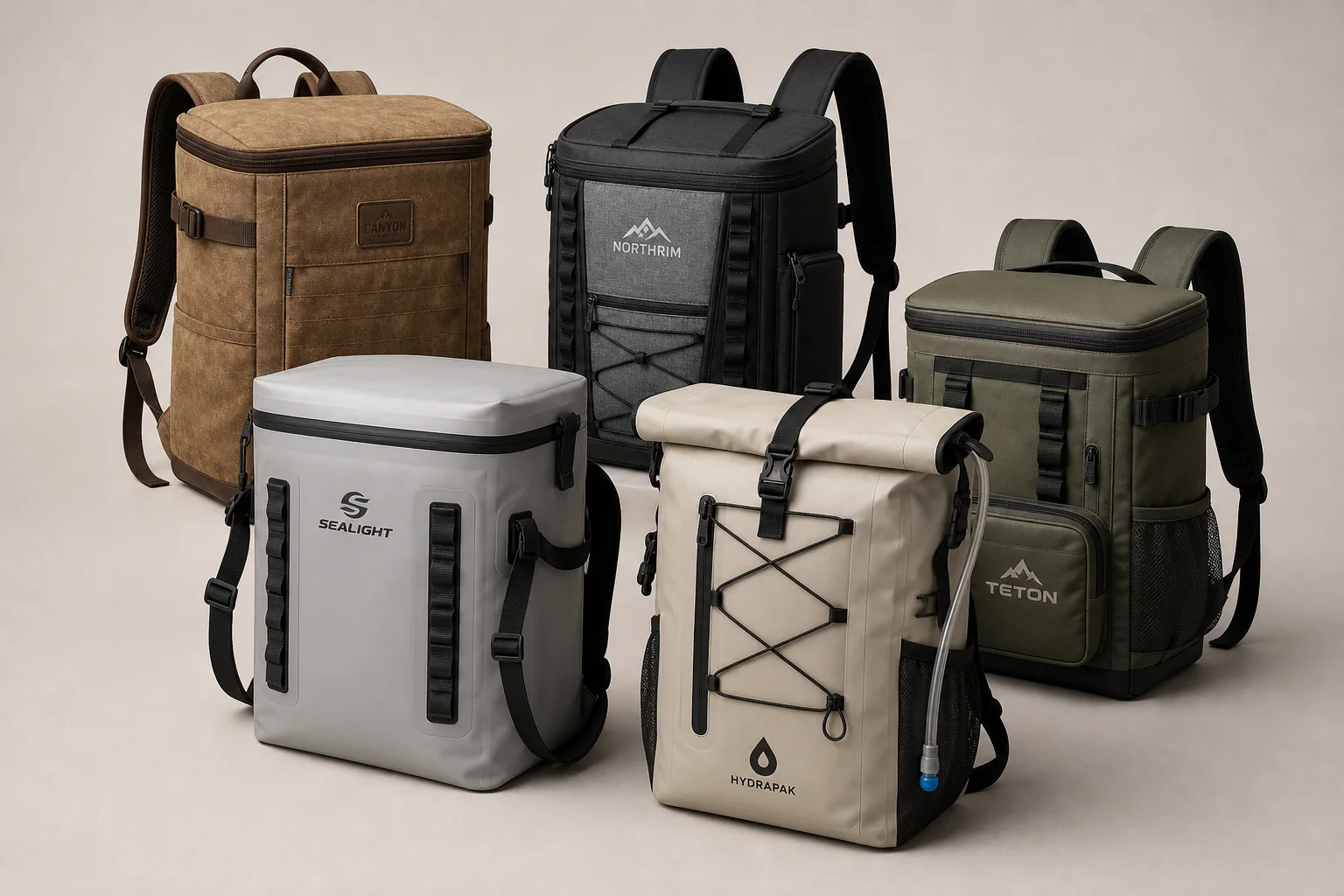
Outdoor Gear
Best Backpack Coolers 2026: Five Practical Options for Outdoor Adventures
Five backpack coolers with distinct cooling capabilities, storage features, and design trade-offs to help you choose the right one for your outdoor needs.