Running Shoes
Best Discounted Running Shoes: Building a Full Rotation on a Budget
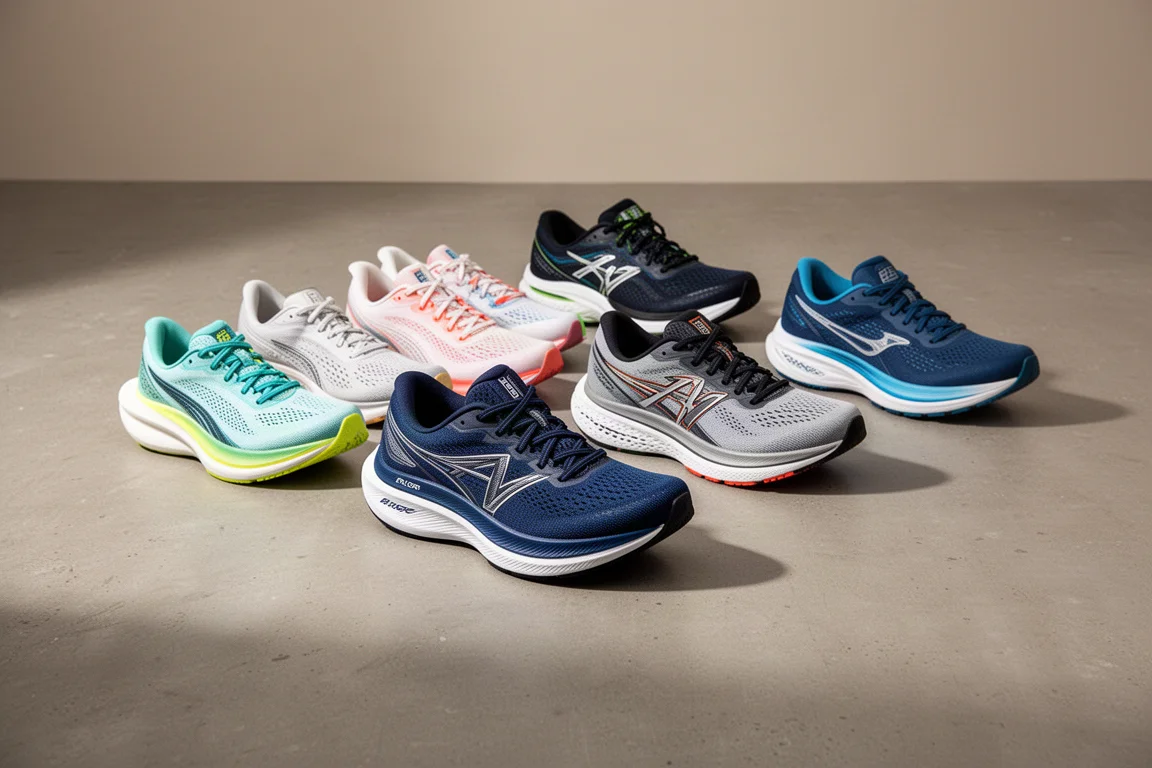
Four shoe categories, three takes, and a lineup of last-generation favorites that still compete with this year's releases at a much lower price.
Introduction
New running shoes arrive constantly, and the latest releases always launch at full price. That creates a quiet opportunity: last generation’s best shoes are still excellent, still competitive, and often heavily discounted once their successor is announced. A shoe from a year or two ago can cover your training and racing needs almost as well as whatever just hit the shelves, at a fraction of the cost.
To find out how far that logic goes, this breakdown pits four categories against each other: daily trainers, super trainers, race day shoes, and max cushion recovery shoes. Each pick comes from discounted inventory rather than current full-price releases, and the final rotation prices come in well under what a fresh, full-price lineup would cost.
Daily Trainers
The daily trainer category is where a discounted shoe makes the most sense. You rack up the most miles here, so value matters. The first pick is a shoe built to handle nearly everything: firm and supportive enough for daily miles, with a carbon composite plate and power plate geometry that gives it a snappy feel. It can even handle a race if you ask it to, and the newer version’s dual density foam only makes the case that this line has been quietly excellent for a while.

The Adidas Adizero Evo SL is the shoe one editor loves but deliberately left off the rotation anyway. Not because it can’t do the job; it probably can. It’s popular with nearly everyone, buyers tend to come back for a second pair, and it’s available at solid savings right now. The main complaints are minor: some find the upper fit finicky, and others find the midsole a touch soft. As an all-arounder, though, it’s hard to argue with.
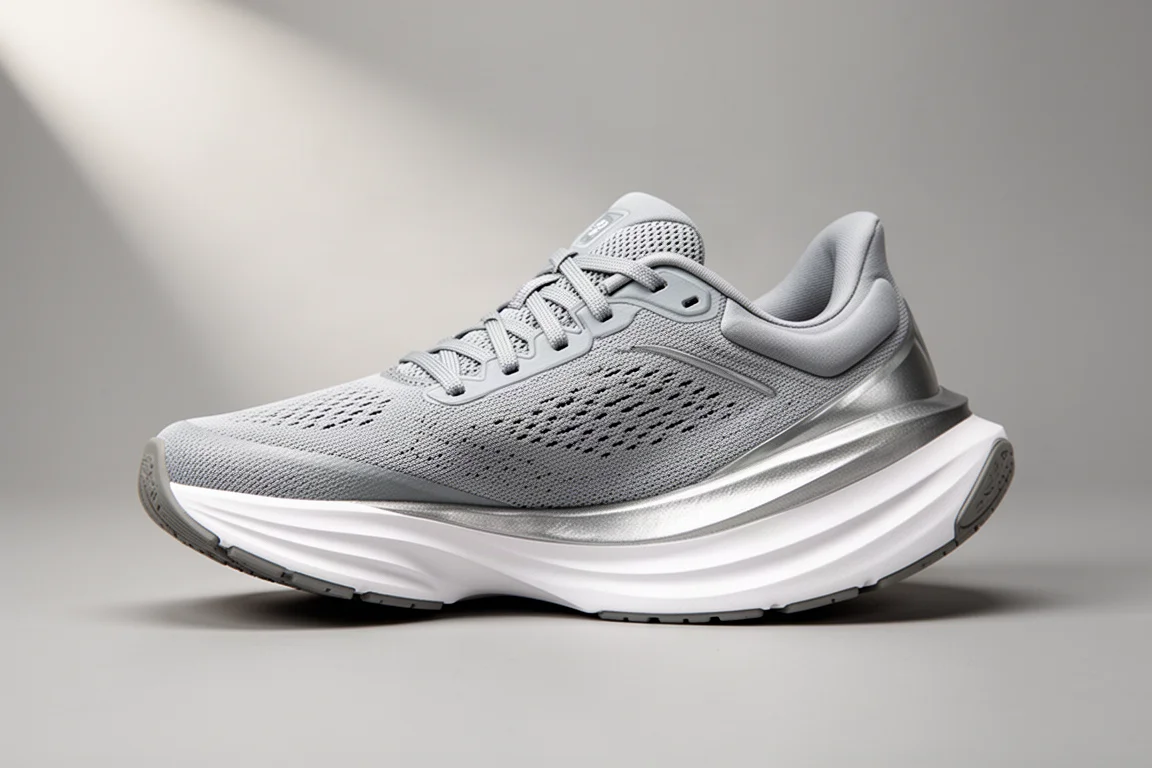
The Mizuno Neo Zen takes the third slot as a genuinely fun daily trainer underfoot, picked specifically over the Evo SL because of a fit issue: between sizes, the Evo SL never quite locked in for one runner, while the Neo Zen just worked. It’s a little unstable in the corners but lighter and more entertaining than the Brooks Glycerin 22, which read as firm and a bit joyless by comparison. On sale, it’s a straightforward, versatile pick.
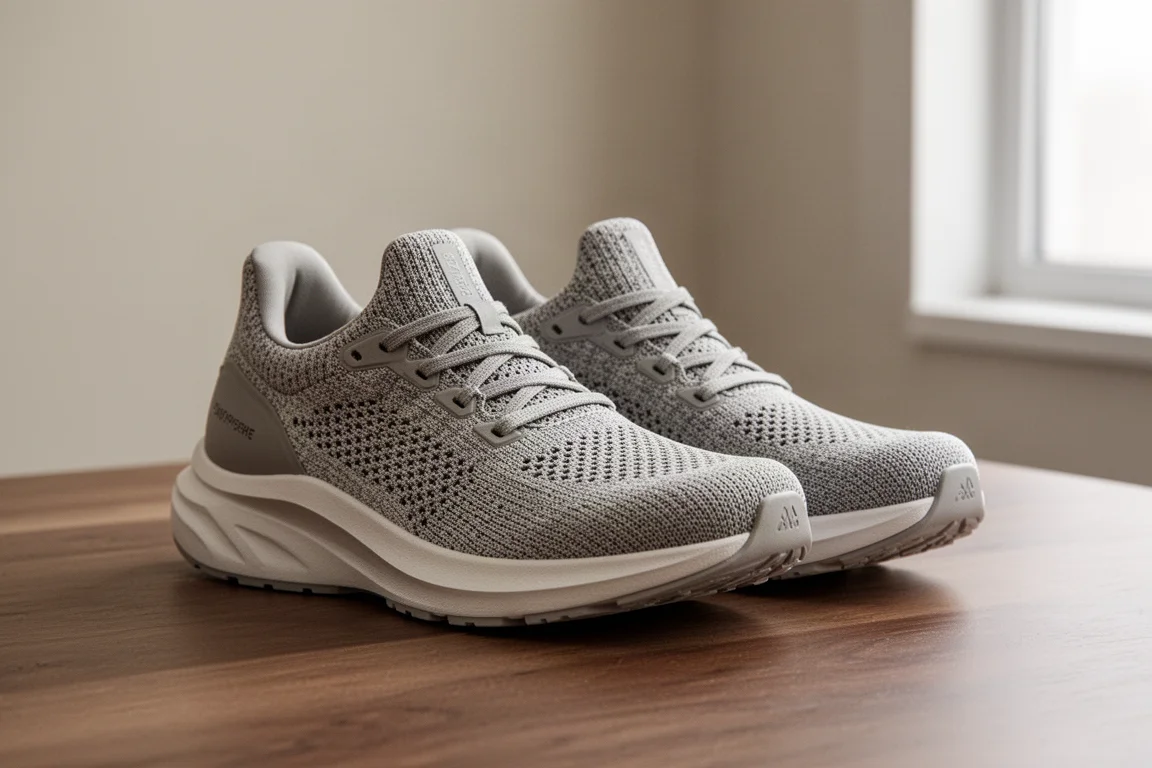
The Puma Deviate Nitro 3 rounds out the category. It’s arguably a bit aggressive for some runners as a pure daily trainer, but at around $115 on sale it covers daily miles, tempo work, and even race duty, making it one of the most flexible bargains in the group.
Super Trainers
Super trainers borrow the best ingredients from race day shoes, better foams and sometimes plates, and shift them into something you can enjoy every day. These are the shoes that make running fun, and the discounted options here are unusually strong.
The ASICS Super Blast 2 is the standout. It didn’t win Shoe of the Year only because it was a carryover from the previous year, but its popularity speaks for itself: it can cover everything from daily miles all the way through a marathon, and one editor ran the Tokyo Marathon in it with great results. With the Super Blast 3 arriving soon, the previous version should only get cheaper.
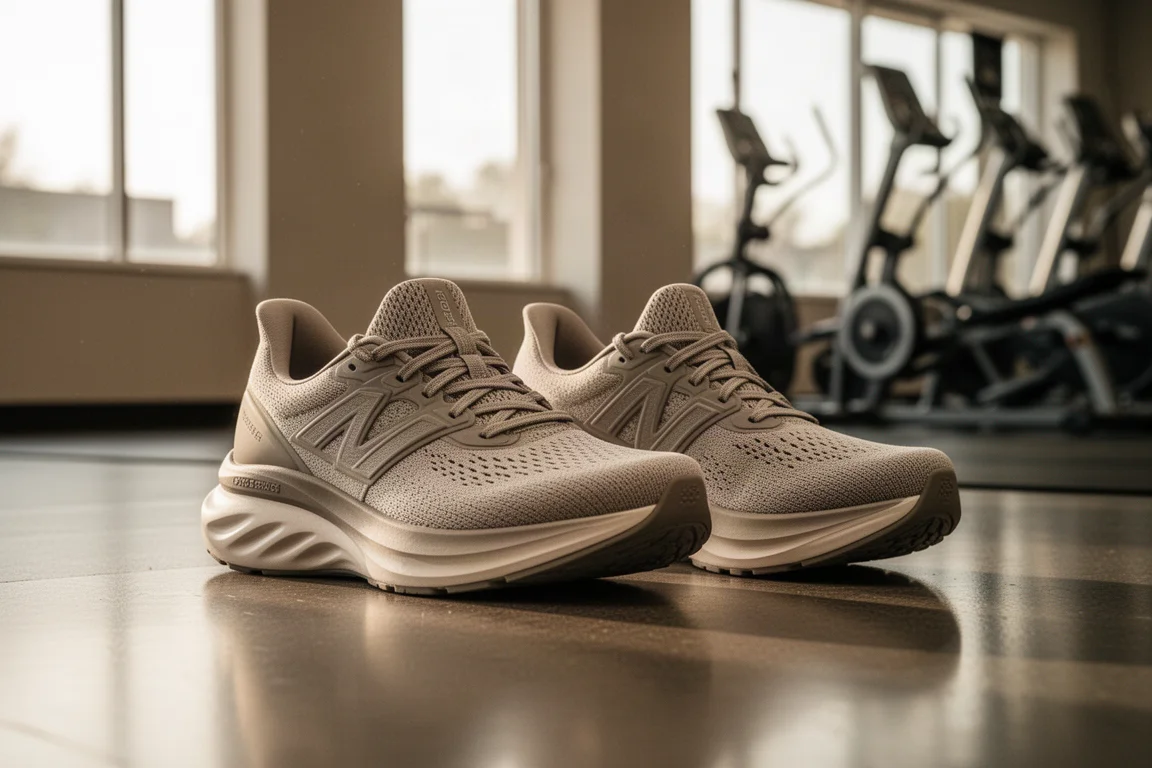
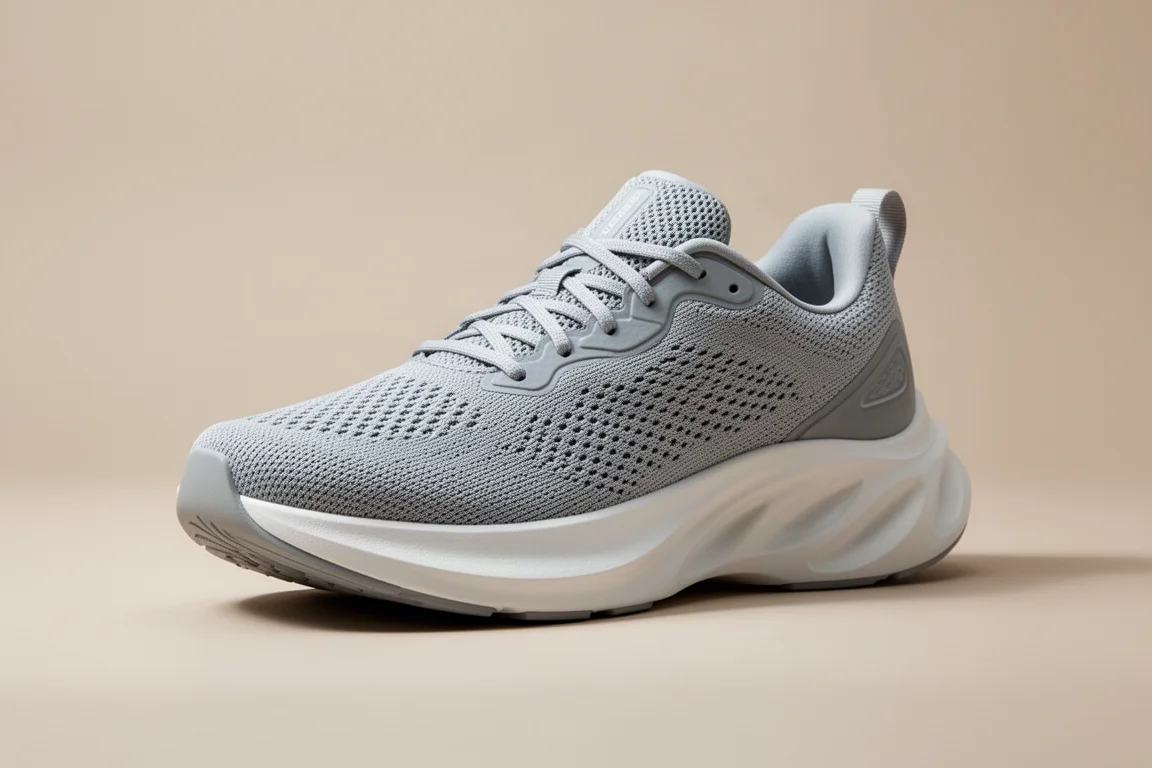
The ASICS Sonic Blast actually took Shoe of the Year honors, and another editor picked it here over the Super Blast precisely because it has a plate and more propulsive character. It sits in an odd middle space for one reviewer, who found it slightly blocky and bettered by the Super Blast for versatility, but at around $160 on sale it’s a legitimate pick if you want a bit more snap.
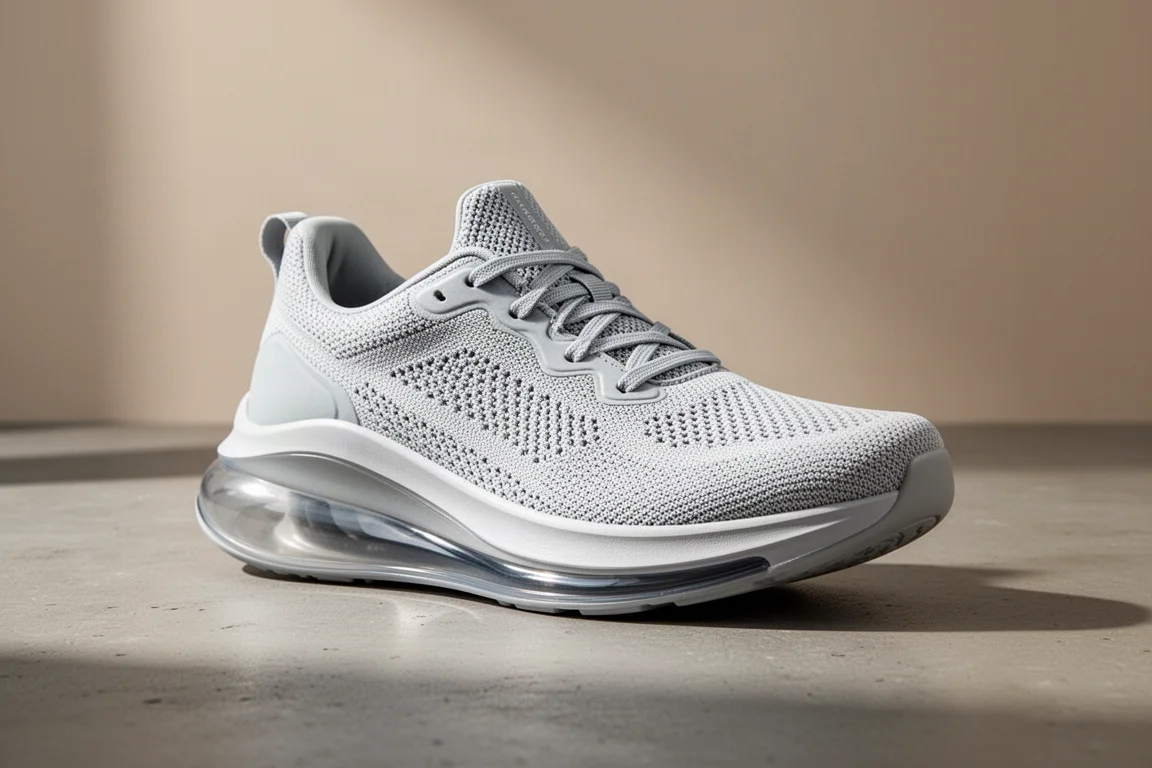
Other names came up and fell away in this category. The New Balance SuperComp Trainer and the Mizuno Neo Vista both have fans; the Neo Vista in particular was described as really fun, comparable to the New Balance in squish and bounce, though both lean heavy. The Super Blast’s lack of a plate ruled it out for one editor’s super trainer definition, but not for the overall win.
Race Day Shoes
Race day used to be a one-shoe kingdom, with the Nike Vaporfly on top and everyone else chasing. Now every brand has strong options, all riding the same wave of super foams, plates, and aggressive geometry. That means bargains on older racers are more competitive than ever.
The Adidas Adizero Adios Pro 4 is the consensus pick. One editor calls it a marathon PR shoe that also handles 5Ks and speed workouts, noting it isn’t the snappiest or the fastest but simply works, with an upper they genuinely enjoy. Fit runs snug in the toe box, so a half size up may be wise for longer distances. At $200 on sale, it’s a deal by racing shoe standards.
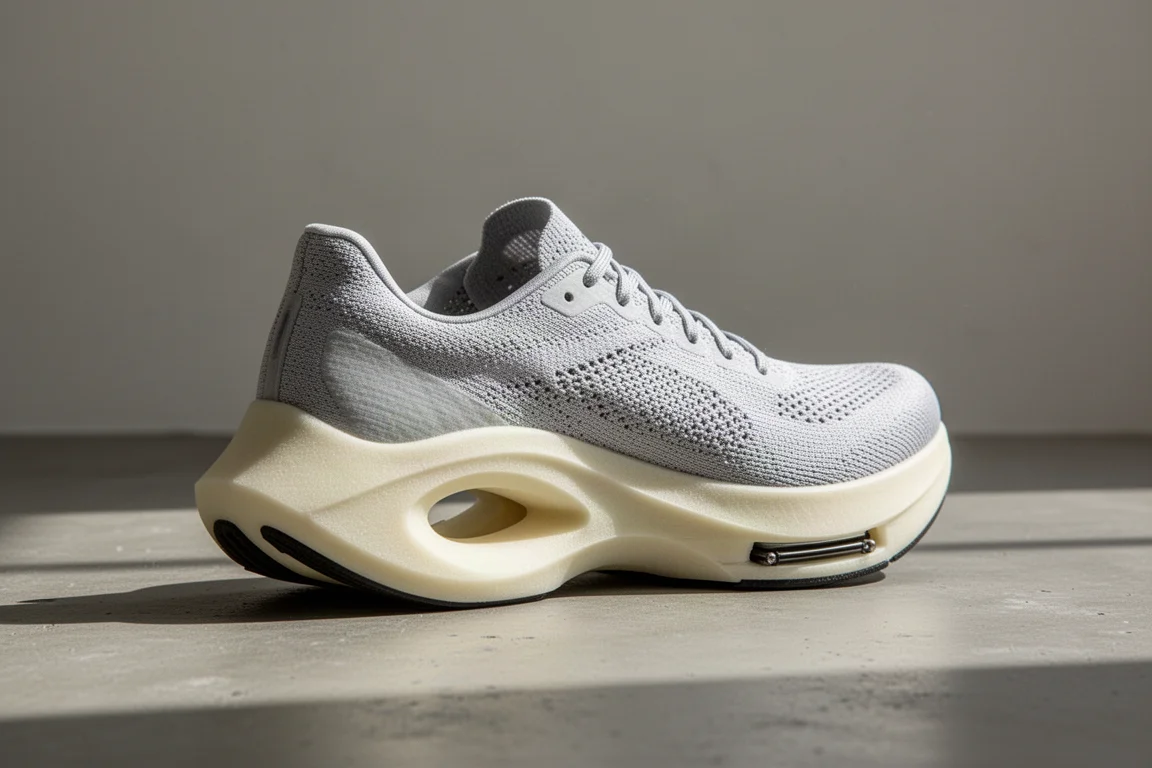

The Nike Vaporfly 4 remains perennially consistent and a really great racer, especially for shorter efforts. One editor preferred it for the half marathon, finding its sweet spot in 5K and 10K racing even while disliking those distances themselves. It’s still completely in the space.
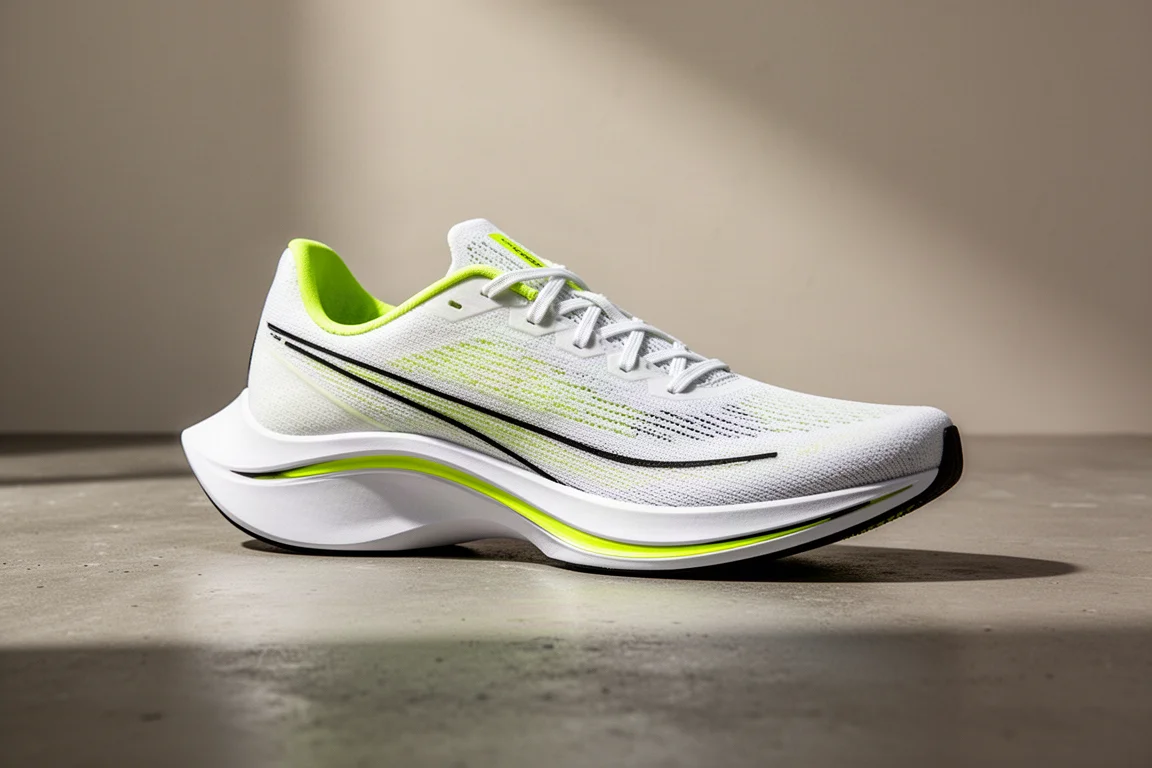
The Nike Alphafly 3 is the pick for runners who want maximum cushioning on race day, and one editor chose it on sale as unbeatable. It doesn’t work for everyone; one reviewer found the medial arch area aggravating beyond six miles. If it fits your foot, though, it’s a top-tier option at a discount.
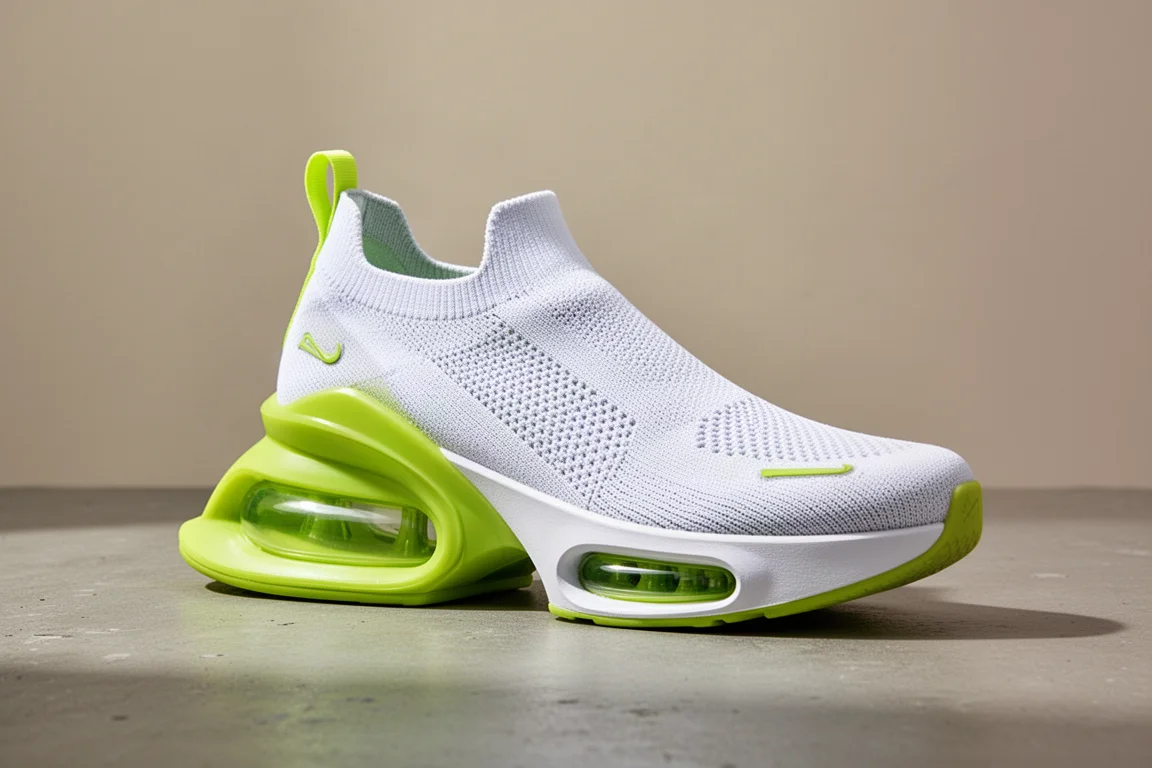
The Saucony Endorphin Pro 4 deserves mention because its successor, the Pro 5, is not considered an upgrade worth buying. If you liked this line, the previous version on sale is the smarter purchase. It handles races and speed workouts alike, even if it doesn’t quite beat the Adios Pro 4 head to head. The ASICS Takumi Sen also lingers as a fun short-distance racer for 10K workouts and anything under a half marathon, if you can find older versions lying around.
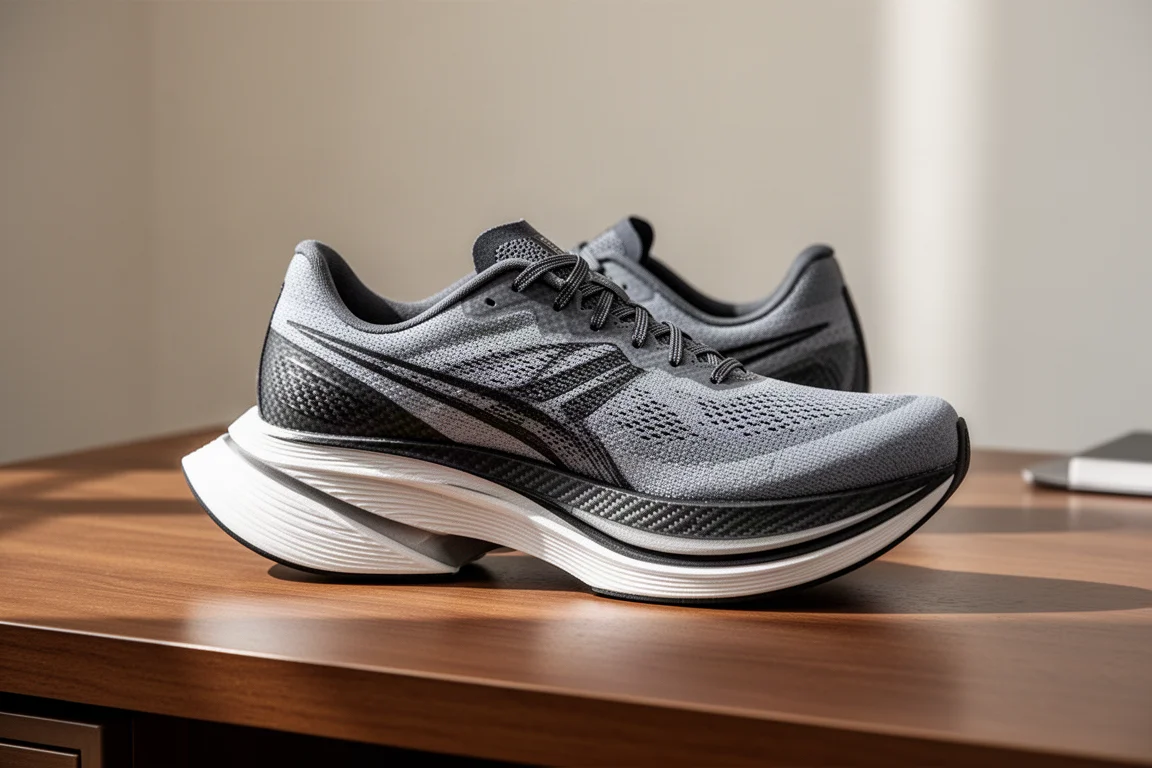
Max Cushion and Recovery Shoes
The final category goes by different names: max cushion, recovery shoe, comfort cruiser. The use case is simple: after a long run or hard workout, put these on and give your body an easier day. Some runners even turn them into daily trainers.
The Puma MagMax Nitro wins the category across the board. Its Nitro foam has a nice bounce, it’s lighter on the foot than the classics in this class, and it can take more speed than a typical recovery shoe, making it feel like a performance max cushion option. Puma’s grip outsole adds confidence in wet and icy conditions, and the whole package is simply built for comfort.
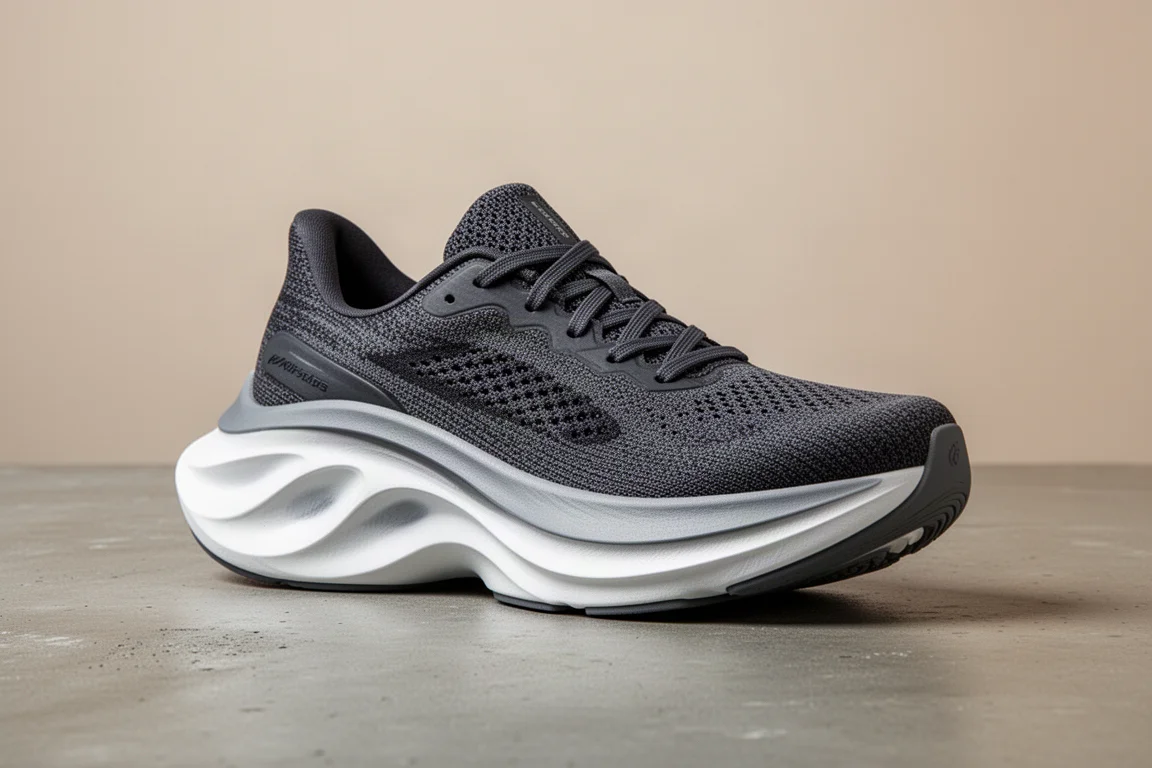

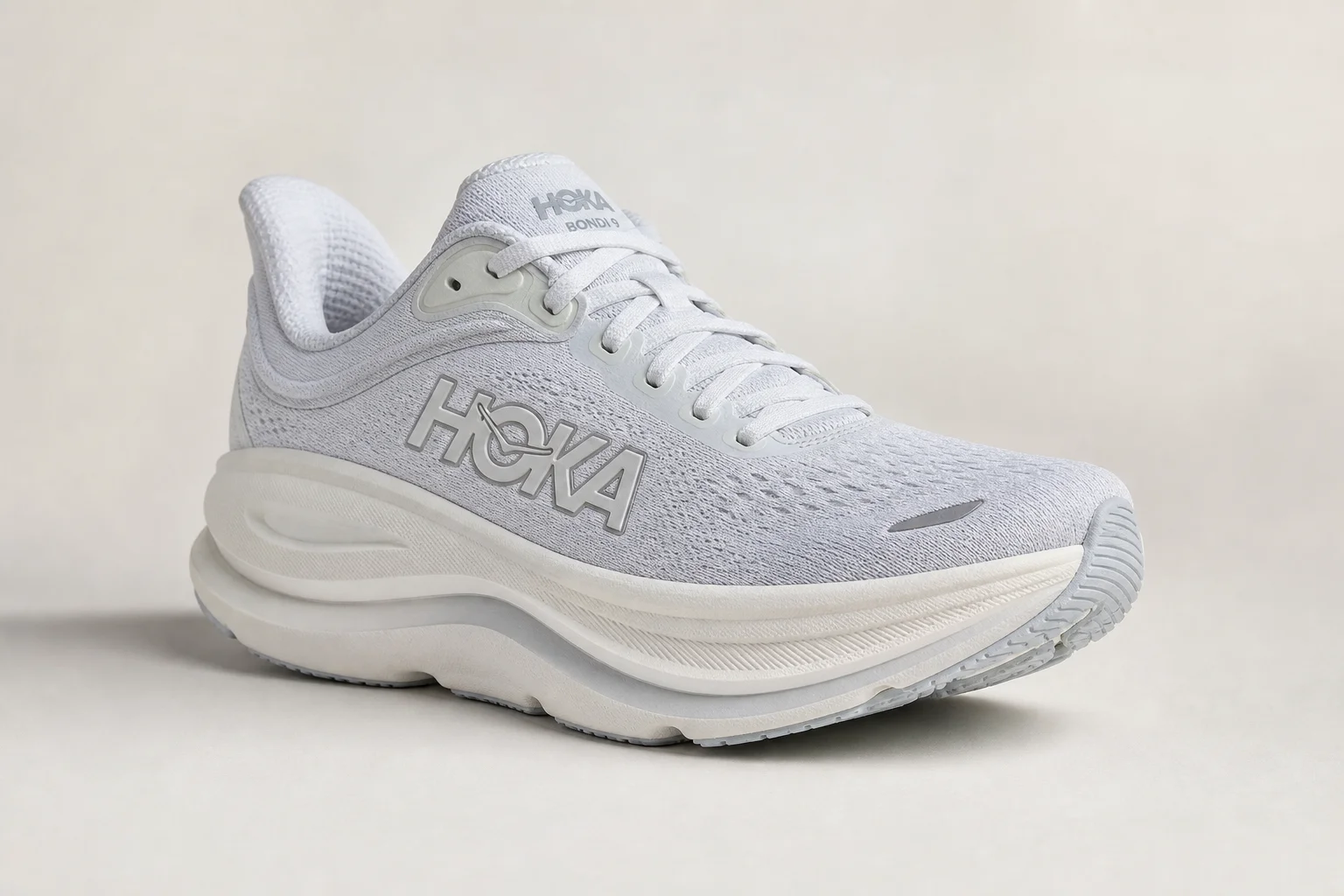
The Hoka Bondi 9 is the former king of max cushion, the shoe everyone once chased. It still delivers all-day comfort, and it works well as a walking shoe, a standing-all-day shoe, or a pick for people who work in the medical industry. The criticism is that the foam hasn’t been updated much and the shoe still runs heavy, while newer rivals have lightened up without losing cushion.
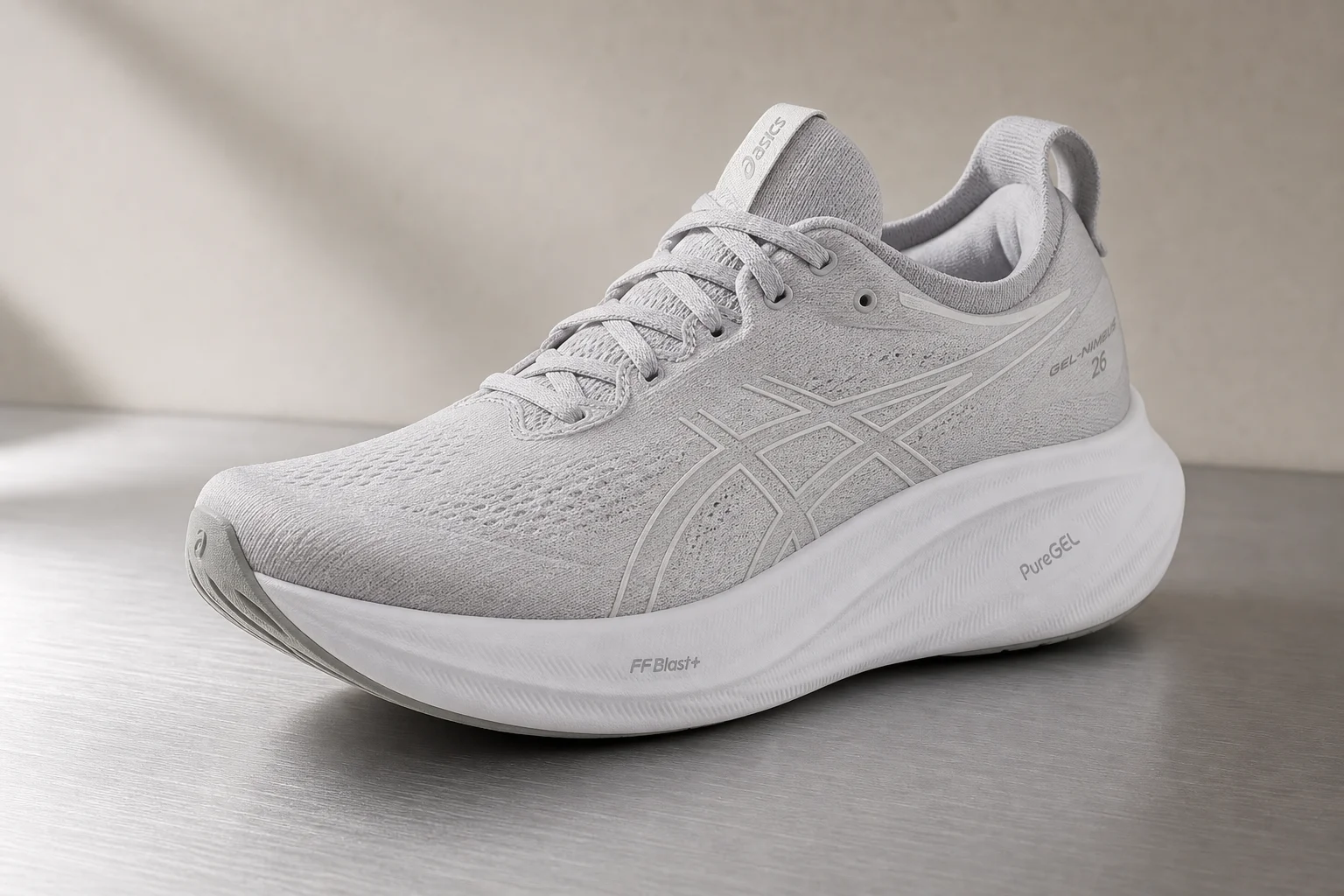
The ASICS Gel Nimbus 26 is the other classic here, a touch softer than the Bondi with still-decent stack height. It’s a fine daily trainer if you find a good sale, though it inspires less enthusiasm overall. Between the two, both are safe comfort buys; the MagMax just does more.
What the Full Rotation Costs
Pricing from Running Warehouse (with two exceptions from brand sites) puts the cheapest rotation at $576, built around the Mizuno Neo Zen at $100, the Super Blast 2 at $150, the Adios Pro 4 at $200, and the Puma MagMax Nitro at $126. A similar lineup swapping in the Evo SL at $120 and the Alphafly 3 at $220 came to $626, and the Deviate Nitro 3-based rotation landed at $591. Every one of these rotations covers daily training, fast work, racing, and recovery, at prices no current-generation lineup would touch.
Conclusion
You don’t always need the latest and greatest. A rotation built entirely from discounted, one-generation-old shoes covers everything a runner needs: a Neo Zen or Deviate Nitro 3 for daily miles, a Super Blast 2 for fun and versatility, an Adios Pro 4 for race day, and a MagMax Nitro for recovery. Shop the sales, check the fit carefully on snug uppers like the Adios Pro 4 and Evo SL, and you can put together a rotation that performs close to full-price options for hundreds less.
Further reading
Related Reviews

Running Shoes
Best Road-to-Trail Running Shoes: Three Versatile Options for Mixed Terrain
A practical guide to three road-to-trail running shoes that handle both pavement and mild trails, with clear strengths and trade-offs for different runner types.

Running Shoes
Best Running Shoes for Achilles Tendonitis: Three Options Explained
Three running shoes with different heel drops and support features designed to help reduce Achilles tendon pain during walking and running.

Running Shoes
Best Running Shoes for Women: Five Top Choices Ranked
A ranked guide to five women's running shoes, from versatile daily trainers to high-performance racing options, with real strengths and trade-offs for each.