Ski Gear
Best Discounted All-Mountain Skis 2026: 12 Deals Worth a Look
A dozen all-mountain skis now selling below their usual advertised price, from precise metal-laminate carvers to soft, playful powder shapes, with the trade-offs worth weighing before you buy.
Introduction
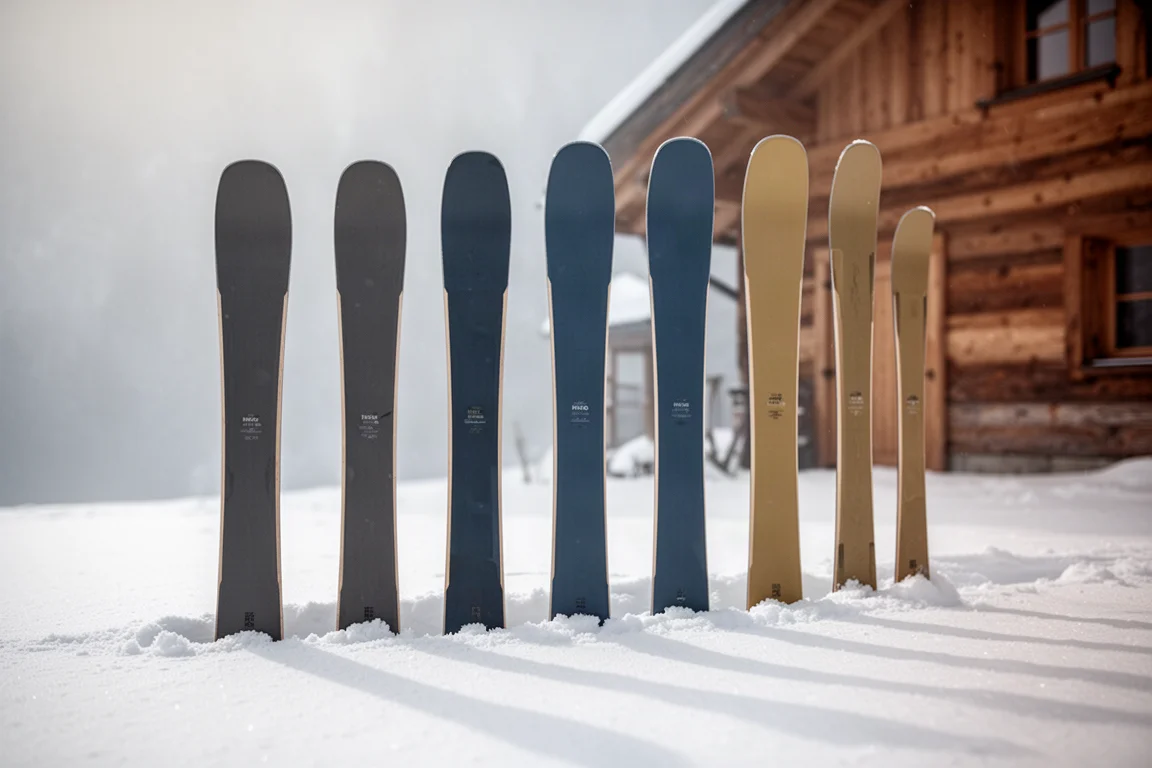
Ski prices usually hold steady through the heart of a season, so a round of genuine discounts on well-known all-mountain models is worth a closer look. The twelve skis below have all dropped below their usual advertised price, and nearly every one of them returns next season with the same shape and construction, so you are not buying into a design that is about to be replaced. Two exceptions are flagged in their own sections.
The spread covers a lot of ground. There are 84mm to 110mm waists, metal-laminate carvers built around precision, lighter freeride shapes built for soft snow, and one park ski durable enough to serve as an everyday tool. The prices quoted here are the reduced flat-ski prices, and most of these models can also be ordered as a package with bindings.
Völkl Kendo 88 for Precision-Focused Skiers
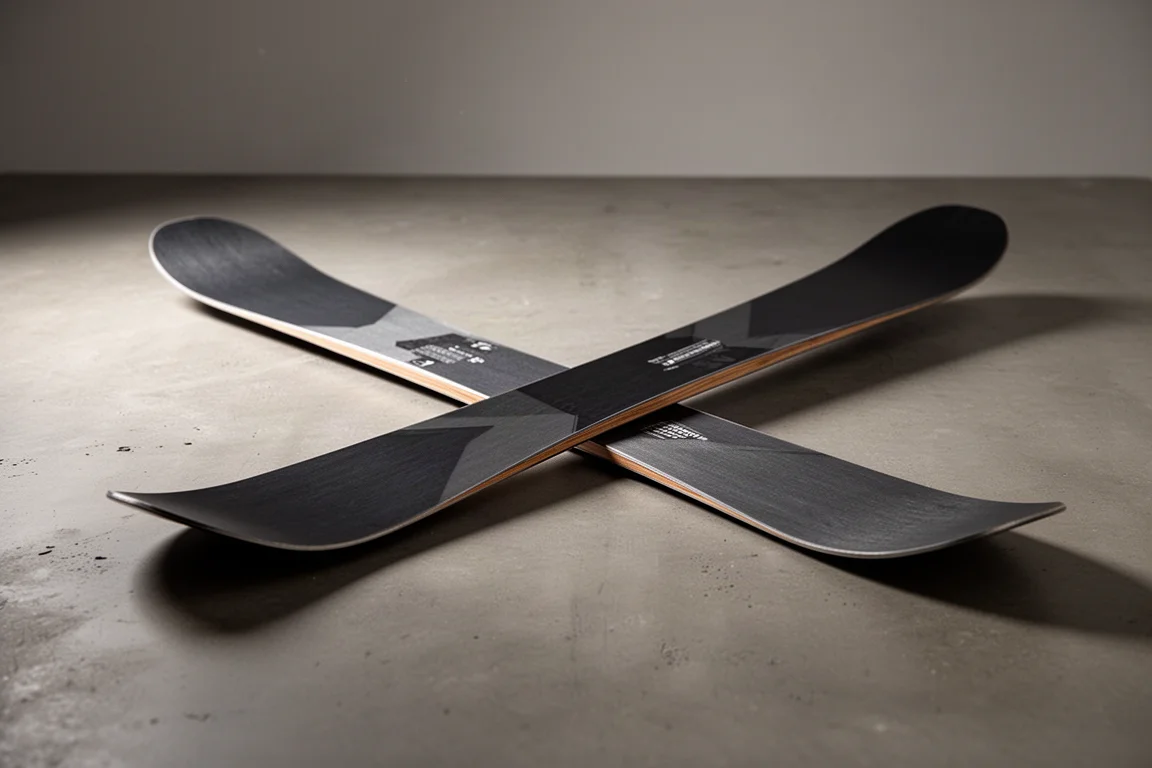
The Kendo 88 arrived this season with a tailored carbon tip and a titanal frame, and it sits at the 88mm waist width that a lot of skiers now treat as their everyday ski. It is a stiff, precise design that asks for solid technique and gives a great deal back once you have it.
It carves hardpack with real authority and still stays playful enough for bumps and trees, which is what makes it a credible one-ski quiver for a strong intermediate or better. It was $699 at full price and is now $559, or $735 as a package with a binding, with mounting included.
If edge grip and quick response on groomed runs sit at the top of your list, this is the most direct route on this page. Buyers who want a little more width for softer days should keep reading.
Völkl Mantra M6 for Wider, Softer Days
The Mantra M6 shares the Kendo’s basic recipe with more width underfoot, which makes it the better choice for skiers who spend more of their time in softer snow. It is a powerhouse of a ski with a loyal following, and it returns next season with no shape or construction changes at all.
It was $749 and is now $599, or $774 with a binding package. For anyone who has been skiing this model for years and simply wants a fresh pair in the quiver, the discount is the main event.
Völkl Kenja 88 for Strong Women Carvers
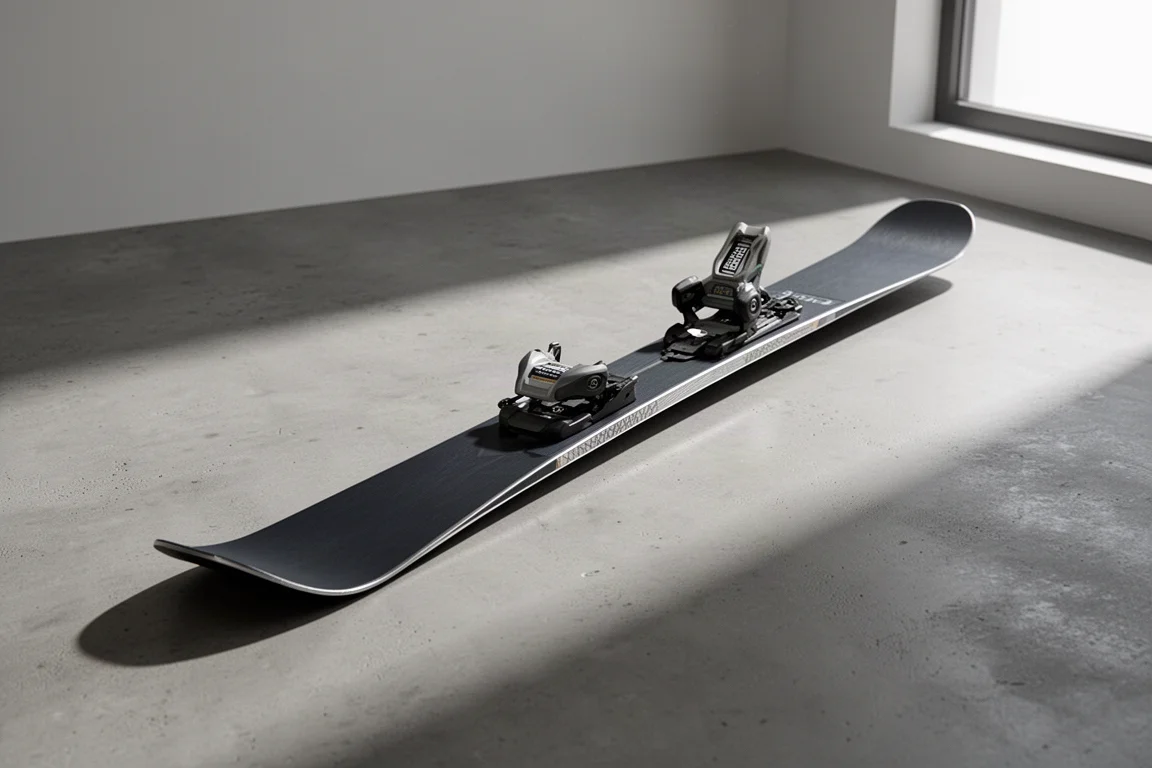
The Kenja 88 belongs to the same family as the Kendo and Mantra, and this generation was made slightly more damp underfoot while losing a little weight through a revised metal profile. At 88mm underfoot it is a confidence-building ski for skilled carvers, with enough width to push through crud while still excelling on hard snow.
It is $559 as a flat ski, or $704 paired with an Attack 11 binding, which is plenty of binding for most skiers at this width. Stronger or heavier skiers can look at a stiffer binding option instead.
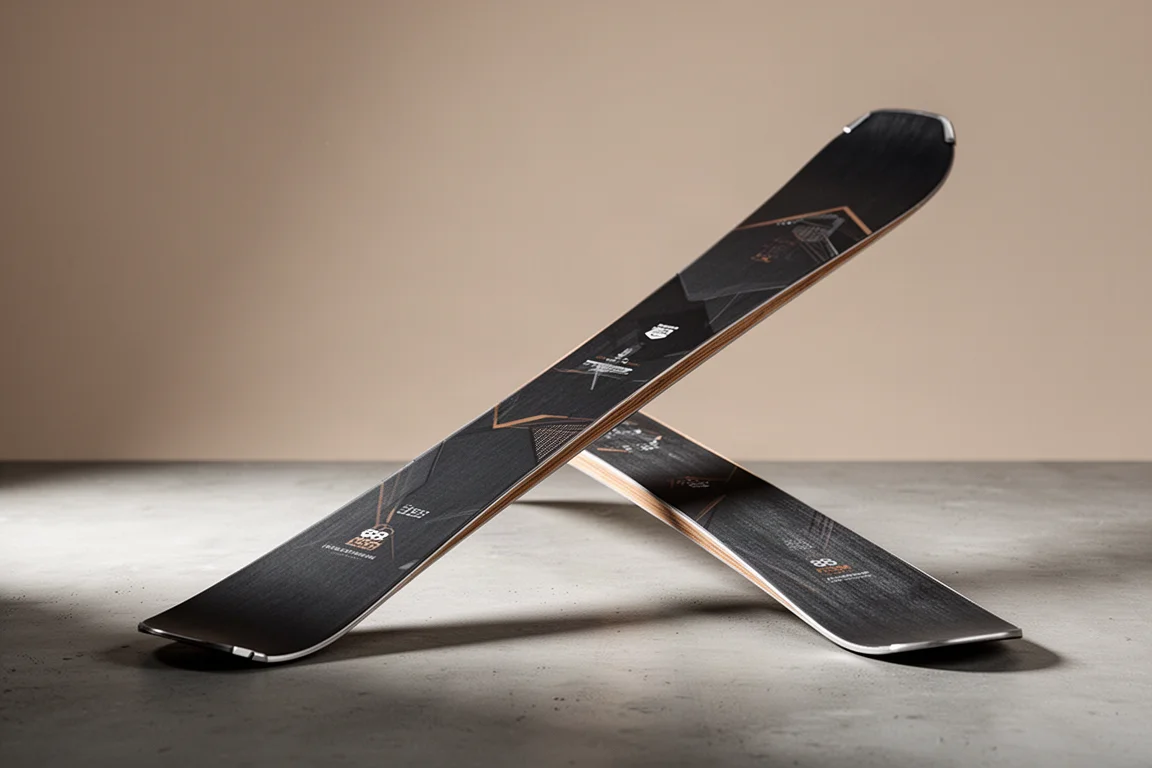
Völkl Yumi 84 for Intermediate and Advancing Skiers
The Yumi 84 uses a glass frame instead of metal, which makes it lighter and noticeably more user-friendly than the Kendo, Mantra and Kenja. It is only a few centimetres narrower than the Kenja, so the shape is familiar, but the construction makes it far more approachable for a less aggressive skier.
An advanced skier can still carve hard on it, while intermediates will feel the benefit most in bumps and tighter spots, where the ski turns easily and leaves legs fresher at the end of the day. It was $649 and is now $519, or $669 with an Attack 11 binding.
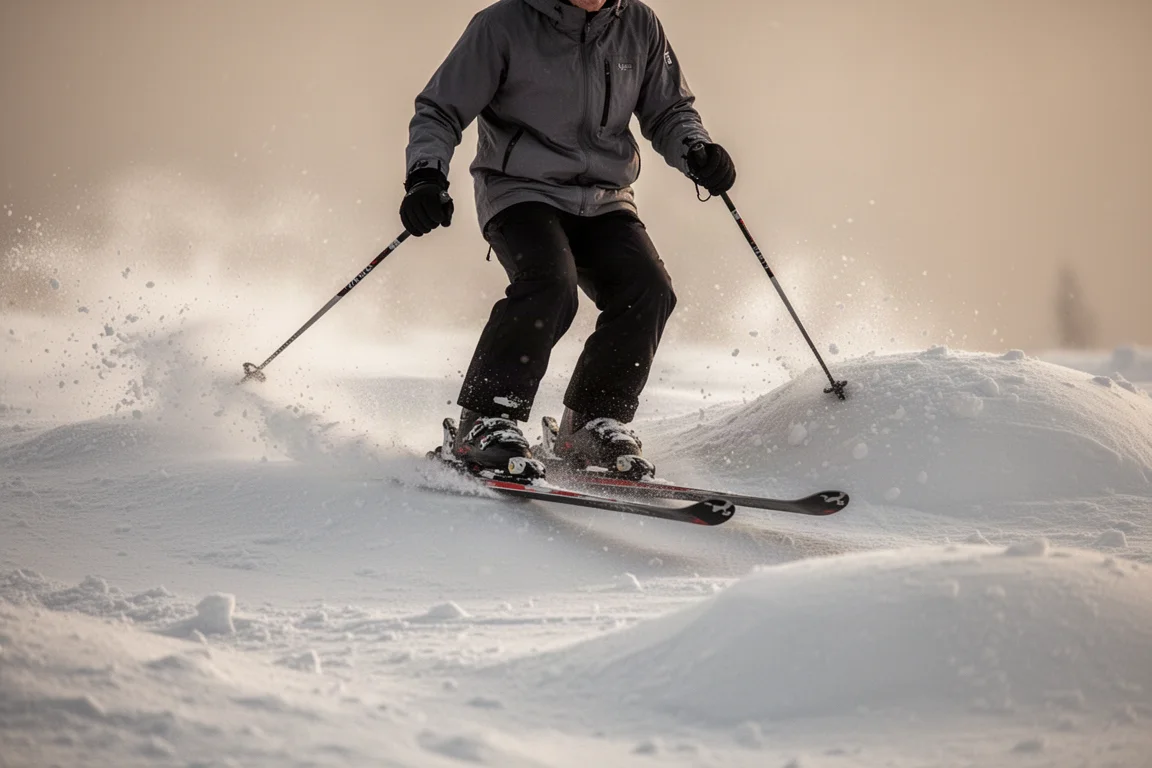
Think of it as the ski for someone who wants a genuine all-mountain shape without the physical demand of a metal-laminate carver.
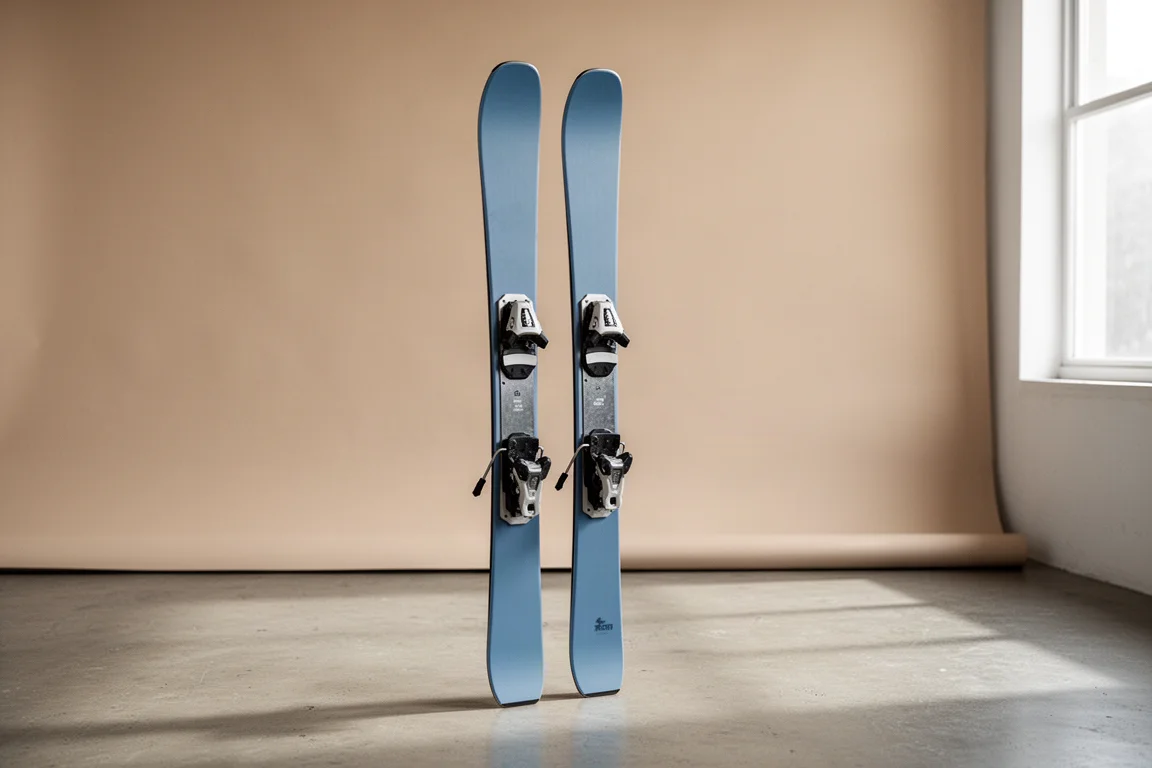
Nordica Enforcer 94 for Versatile All-Mountain Skiing
The Enforcer line needs little introduction, and these skis hold their value unusually well, which is why seeing them discounted is notable in itself. The 94 carries two sheets of metal, so it still carves, but the tip and tail shape makes it more nimble in bumps, crud and trees than a dedicated frontside carver.
That shape is the trade: a little less precision on groomers in exchange for more versatility everywhere else. It remains a fairly heavy and stiff ski, so it suits an athletic intermediate and above, and getting the length right matters more here than on a softer ski. The 94 was $649 and is now $599, while the 88 comes in at $559 and the 100 at $639.
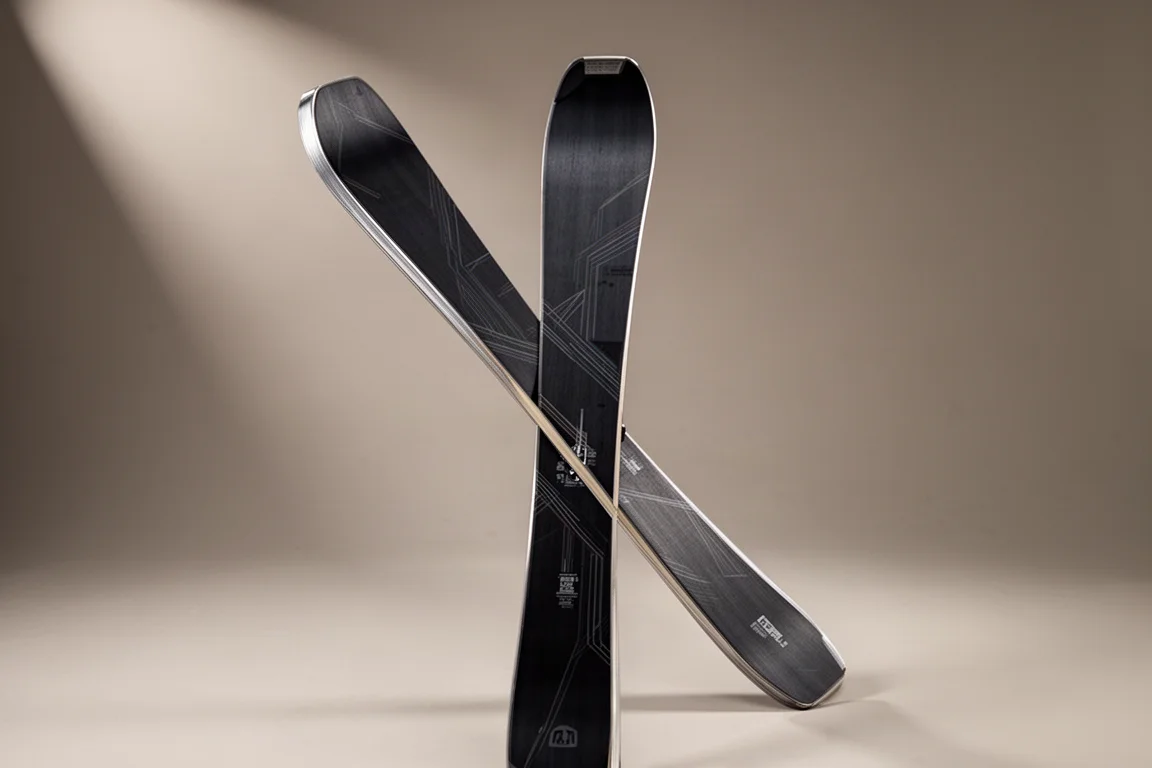
Nordica Santa Ana 93 for Playful Women Skiers
The Santa Ana 93 is the women’s counterpart to the Enforcer, and it uses the same more playful shape to absorb crud and the soft snow you run into late in the afternoon. It is a little wider than the Kenja 88, and it releases out of a turn more easily, which makes it feel nimble through the trees.
Skiers who keep a dedicated carving ski for firm days often add something like this for everything else. It was $699 and is now $559, and binding packages are available at the same time.
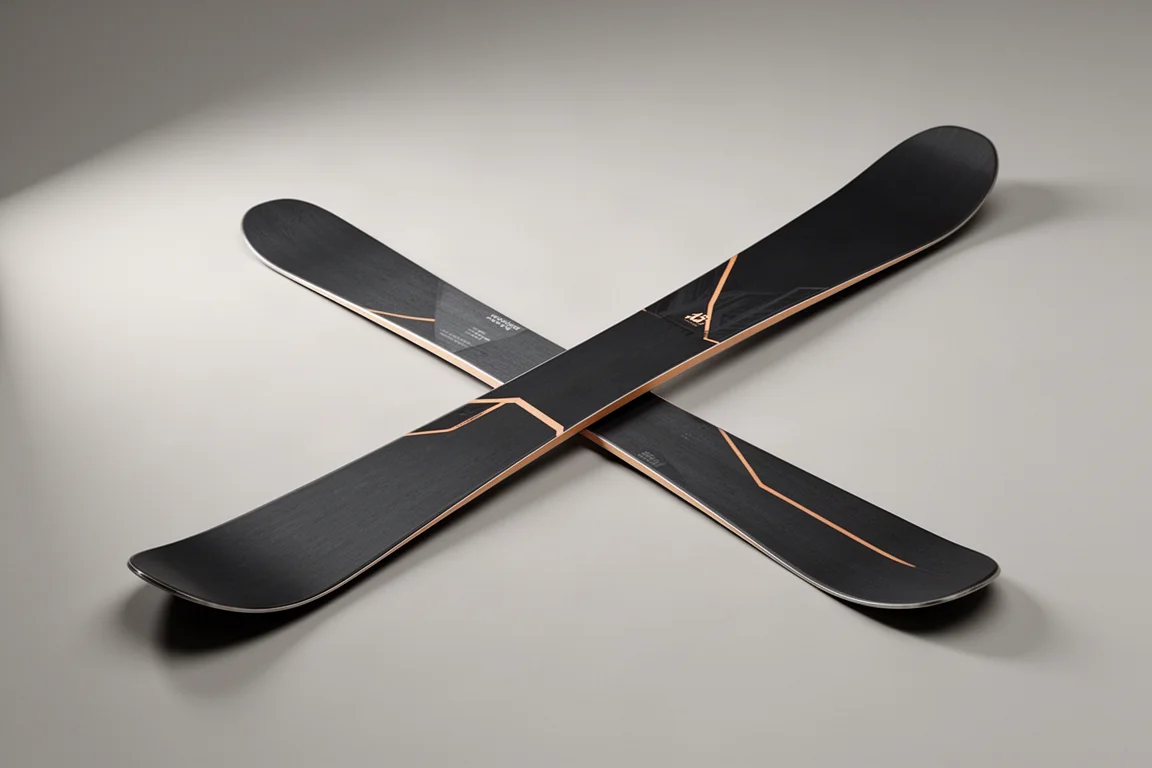
K2 Mindbender 99 Ti for Loose, Dynamic Riding
This generation of the Mindbender 99 Ti picked up more tail rocker and a revised metal layout, which pushes it further toward the loose, freeride end of the spectrum than an Enforcer. Control underfoot still comes from the ski’s structural beam, so it stays strong and stable where it counts, but the tail releases far more easily.
The result is a ski that feels more dynamic than the previous Mindbender, with more to do whether you are on a groomer or off piste. It was $749 and is now $599.
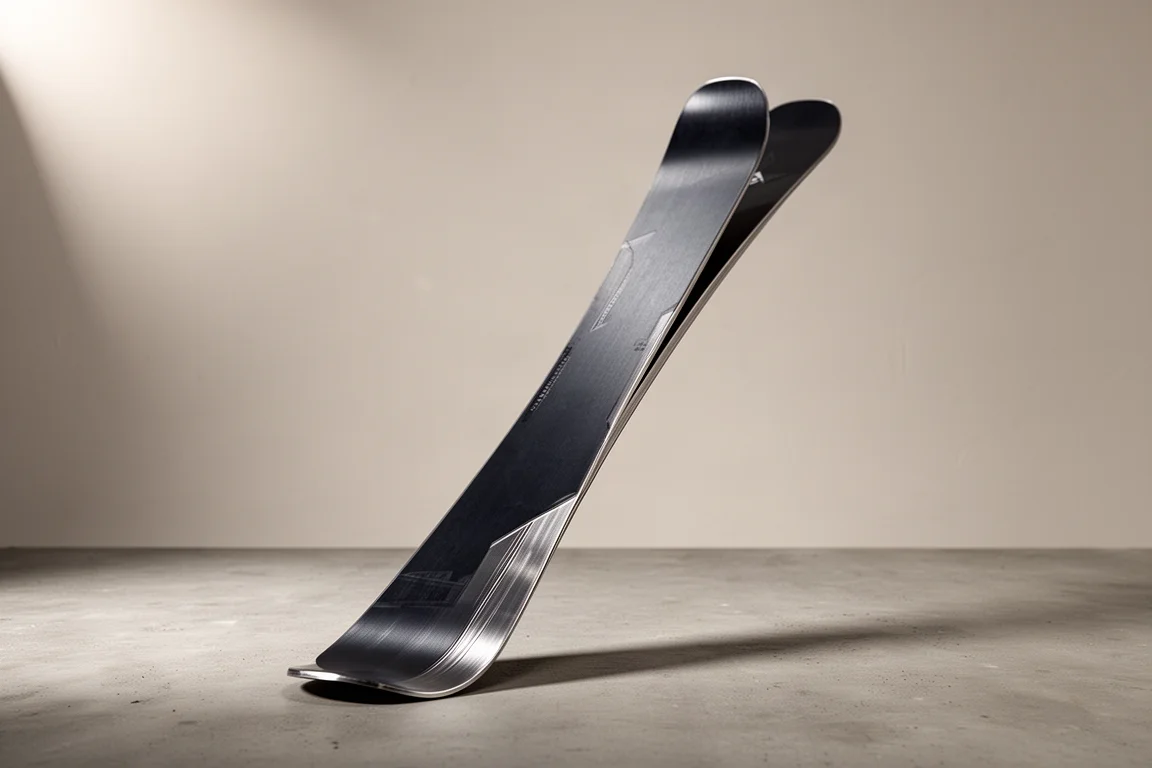
Atomic Bent 110 for Soft, Playful Powder Days
The Bent 110 is a soft, playful powder ski, and that softness is the whole point. It is built for nose butters, 360s and slash turns, and it stays approachable enough that an intermediate can enjoy it in deep snow.
It is not the right tool for a big-mountain, fall-line charger, because the tips and tails flex easily and will not hold up to that style of skiing. If your idea of a good day involves tricks and a loose, playful attitude, this is the shape for it. It was $699 and is now $559, and the model continues for the next couple of seasons with a different graphic.
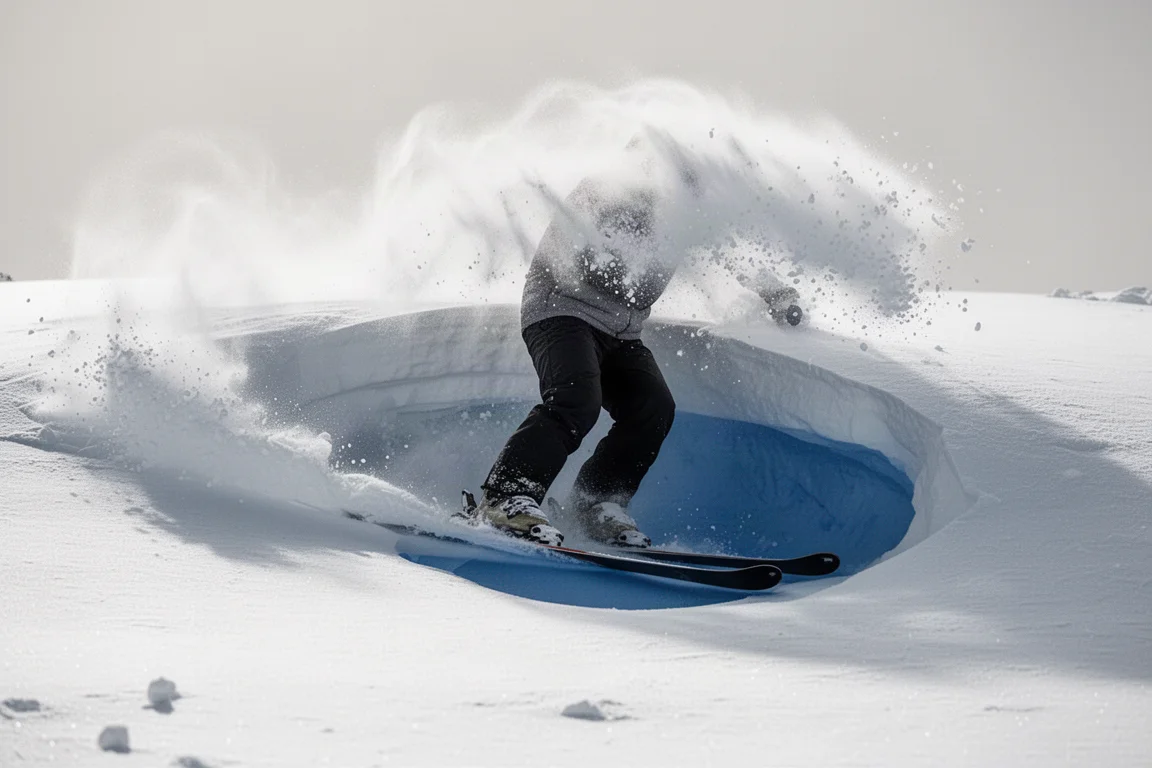
Salomon QST 106 for Damp, Confident Soft-Snow Skiing
The QST 106 is a little stiffer than the Bent 110, which makes it work for a wider range of skiers and gives it a more traditional feel. The quality that stands out most is its dampness: it absorbs energy from the snow underneath you so you can use your own legs to drive the turn, rather than being pushed around by the terrain.
That translates into control and precision in soft snow without giving up playfulness entirely. It was $749 and is now $599, and the graphic changes noticeably for next season, so this is the version to buy if you prefer the current look.
Völkl Blaze 94 for Lightweight 50/50 Use
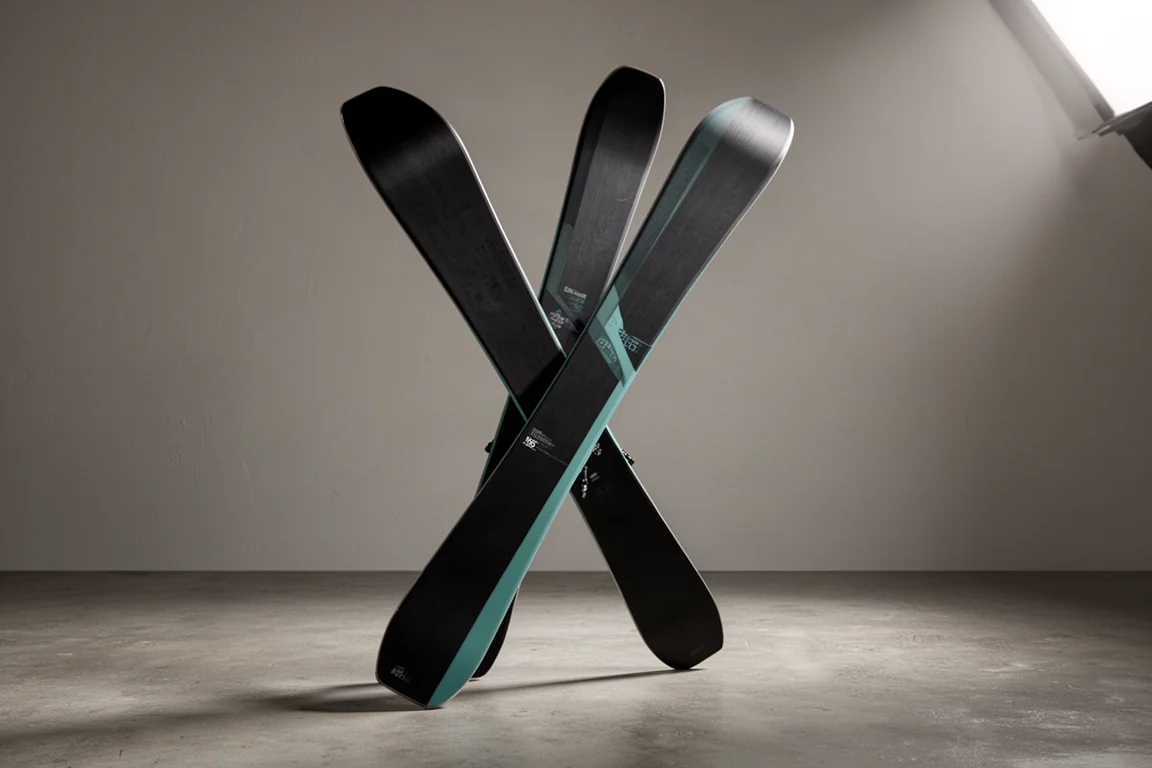
The Blaze 94 is much lighter than the Kendo, Kenja and Mantra, and it carries more rocker. It gives up some power on genuinely firm, icy surfaces, but in return it performs well across a wider variety of conditions and stays easy to manage off piste.
That balance is why it has become a popular platform for a 50/50 setup, with touring bindings fitted for the uphill while still delivering the downhill performance people want. It was $599 and is now $479, and the men’s and women’s versions share the same construction, so the graphic is the only real decision.
K2 Poacher for Durable Park and All-Mountain Use
The Poacher’s standout quality is durability. It has a reputation as one of the toughest skis around, which matters a great deal to anyone who spends time in the park, hits rails and generally treats equipment harshly.
It is not a one-trick ski either. With its rocker and early taper it works as a utility tool across the rest of the mountain, which suits skiers who only spend a small share of their day in the park. It was $549 and is now $439.
Blizzard Rustler 10 for Early Tail Release
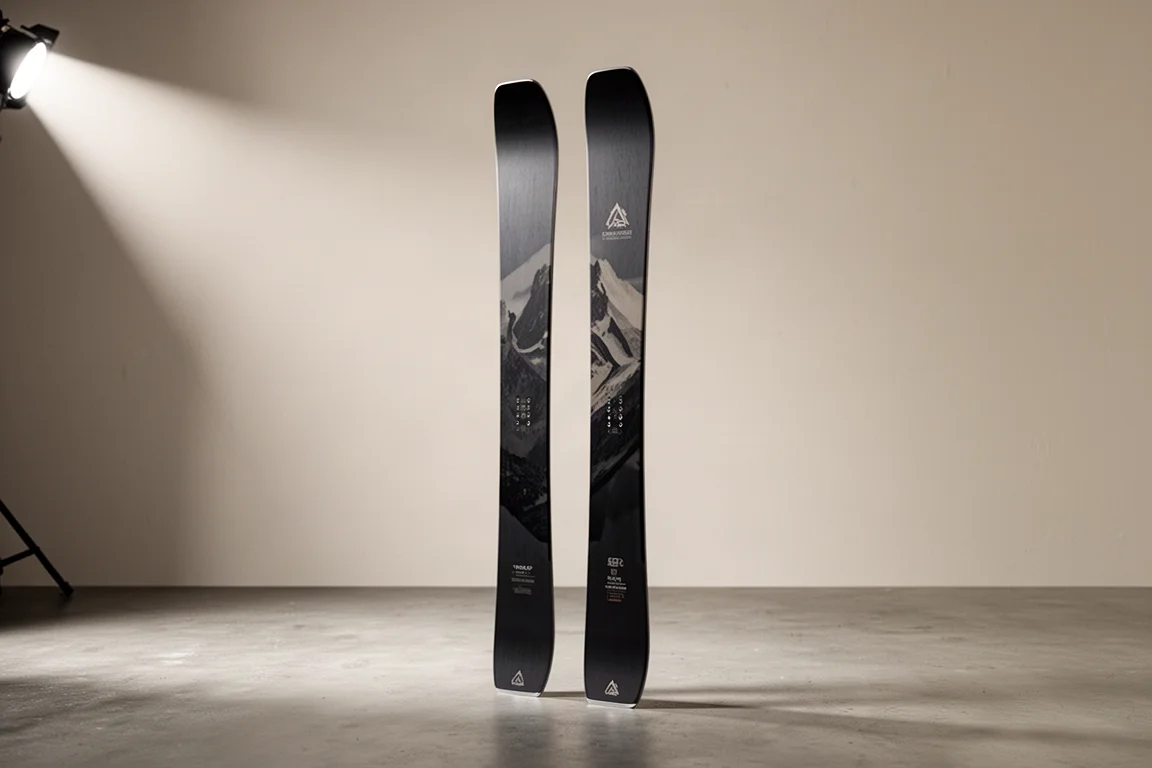
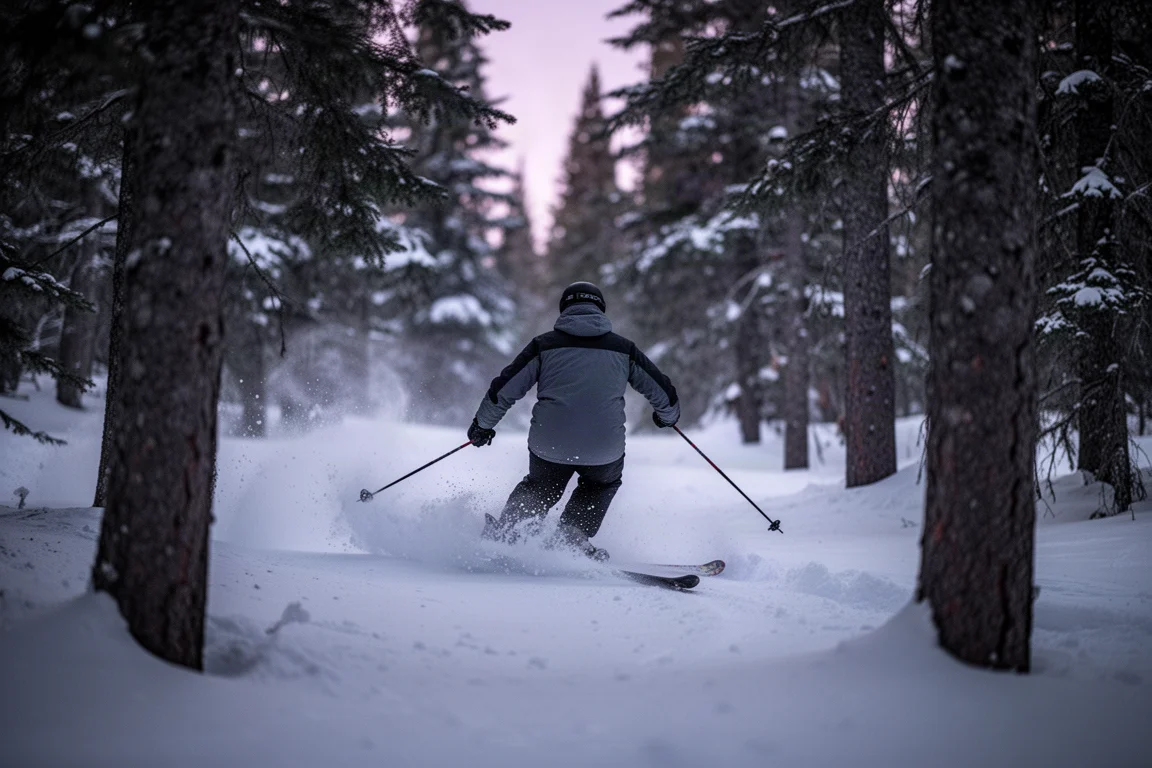
The Rustler 10 is defined by its soft tips and tails, which let you release the back of the ski early and wiggle through terrain rather than being locked into a carved arc. A metal layer underfoot keeps it stable when conditions get rough.
This construction is being replaced next season with a new shape that moves the metal further into the tips and tails, which changes the ski’s personality. If you already like this version, or you want that early-release feel while it is still available, now is the moment. It was $749 and is now $599.
View more details for Blizzard Rustler 10
Buying Advice
Waist width is the first decision, and it should follow where you actually ski. An 84mm to 88mm ski like the Yumi 84 or Kendo 88 is the better bet if most of your turns happen on groomed runs and you want grip and quick response. A 94mm to 100mm ski such as the Enforcer 94 or Mindbender 99 Ti is the middle ground, adding float and composure when snow gets cut up. A 106mm to 110mm ski like the QST 106 or Bent 110 is for people who chase soft snow and are happy to accept less edge hold on firm days.
Construction matters just as much as width. Metal-laminate skis such as the Kendo 88, Kenja 88 and Enforcer 94 are strong, damp and precise, but they reward good technique and demand more from the skier. Lighter builds such as the Yumi 84 and Blaze 94 are easier on the legs and more forgiving, particularly in bumps and tighter terrain.
Finally, check what is included. Most of these models are available as a flat ski or as a package with bindings, and the package prices are often the better value if you do not already own a suitable binding. Because these skis are being discounted rather than discontinued, you are getting current-season technology and geometry at a lower price.
Conclusion
The appeal of this group is that the discounts are attached to skis that are still current. Almost all of them return next season with the same construction and only a new graphic, so buying now saves money without sacrificing performance or future parts compatibility.
Choose by terrain and by how much effort you want to put into a turn: precise and demanding at one end, light and forgiving at the other, with playful powder shapes for the days when the snow is deep. The Blizzard Rustler 10 and its women’s equivalent are the two models here that genuinely change for next season, so if that early tail release suits your skiing, this is the version to get.
Further reading
Related Reviews
Ski Gear
2023 Blizzard Hustle vs Rustler: Six Freeride Skis Compared
Blizzard's 2023 Hustle collection rebuilds the Rustler shape with a lighter core and no metal. Here is how all six skis differ, and which one suits your riding.
Ski Gear
2023 Skis of the Year: Atomic Maverick 88 TI, Salomon QST 106, and Look SPX 12 Pro
Three standout ski picks for all-mountain carving, powder days, and reliable binding performance, with practical buying notes for 2023 models.
Ski Gear
2025 Nordica Enforcer 104 Review: A Directional Charger Replaces the 104 Free
The 2025 Nordica Enforcer 104 drops the Free name and the twin-tip personality, gaining weight, stiffness and composure in rough snow. Here is what changed and who it suits.