Tools
Best Digital Torque Wrench: 12 Wrenches Tested for Accuracy and Durability
Twelve digital and electronic torque wrenches, from a $64 adapter to a $790 Snap-on, measured for accuracy, sensor speed, and durability after 1,000 cycles.
Introduction
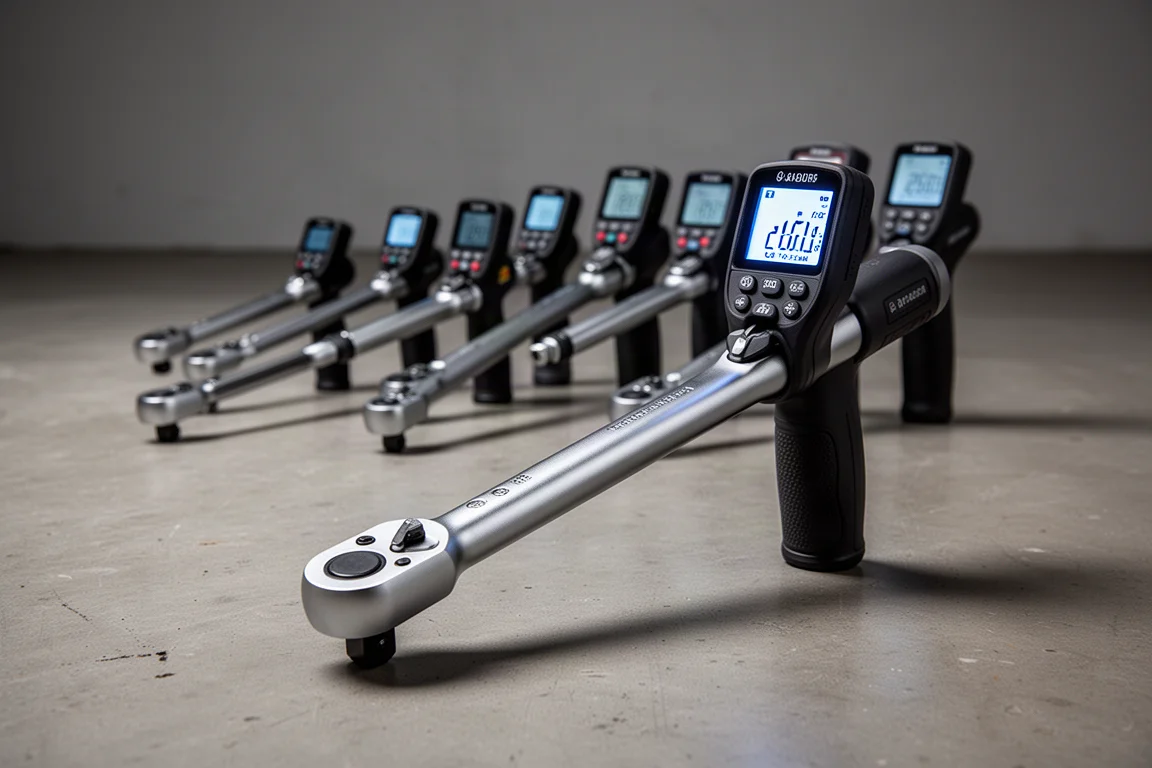
Torque accuracy matters more than most people realize. At 40 ft-lb, a bolt sees about 7,514 lbs of clamp load. Add just 10 ft-lb of torque and that clamp load jumps to roughly 9,022 lbs. In other words, a small torque error changes how a fastener behaves in a big way.
To find out which digital torque wrenches are actually worth buying, twelve options were put through the same testing: a calibration tool measured accuracy at 50, 150, and 250 ft-lb, each wrench was cycled 1,000 times, and then everything was retested. The lineup runs from a $64 ACDelco torque adapter all the way to a $790 Snap-on, so the central question is simple: does the expensive tool really justify its price?
How the Testing Worked
Every wrench was tested against a professional torque wrench calibration tool that cost around $1,800 and is extremely accurate. The target in the primary test was 50 ft-lb, applied five times per wrench, with the measured error recorded on every pull. Accuracy matters because a quality torque wrench should stay within roughly 2% of the target, or about 1 lb at 50 ft-lb.
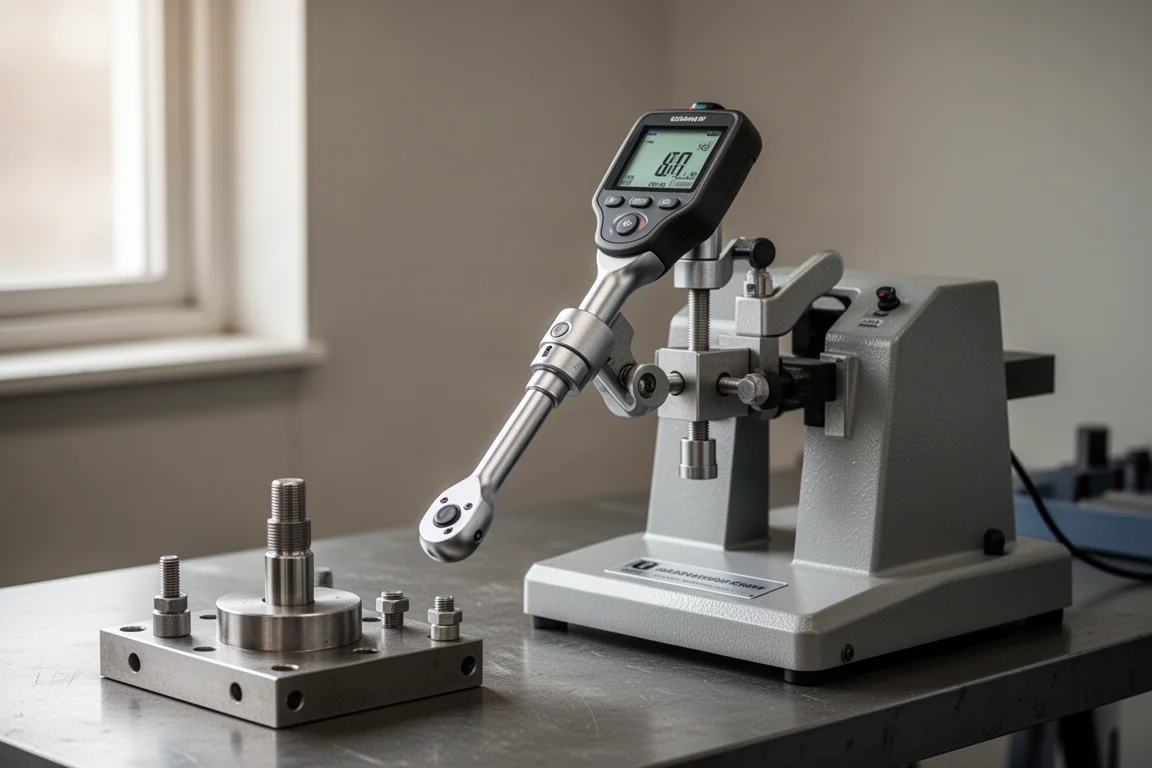
All of the tested wrenches use a 1/2 inch drive. Most are fully electronic with digital displays, while one, the E-TORQ, combines electronics with a click-style mechanism. Each product was also weighed, since build quality often shows up there, and the calibration certificates included in the boxes were checked.
Best Overall: Snap-on Electronic Torque Wrench
At $790 before shipping, handling, and tax, the Snap-on is the most expensive wrench in this comparison by a wide margin. It offers a 15 to 300 ft-lb range, a pivoting head, a dual LED at the head with a claimed 4.5-degree arc, a claimed 80 hours of continuous battery life, and four alert modes: LCD, dual LED, audible, and vibration. Measurement modes include ft-lb, in-lb, Nm, kg/m, and angle. It is made in the USA and weighs 1,918 g (4.22 lb), while a well-used Snap-on click-style reference wrench came in at 1,804 g (3.97 lb).
The results justified the price. At 50 ft-lb it recorded errors of just 0.12, 0.00, 0.10, 0.02, and 0.05 ft-lb, for an average error of only 0.04 ft-lb, the best of the entire test. It was also by far the most consistent, with a standard deviation of just 0.04 ft-lb, and its sensor proved fast, with only a 1.4 ft-lb difference on the first quick-pull test. After 1,000 cycles it stayed precise, ranking third overall at 0.17 ft-lb average error.
Best Budget Adapter: ACDelco Torque Adapter
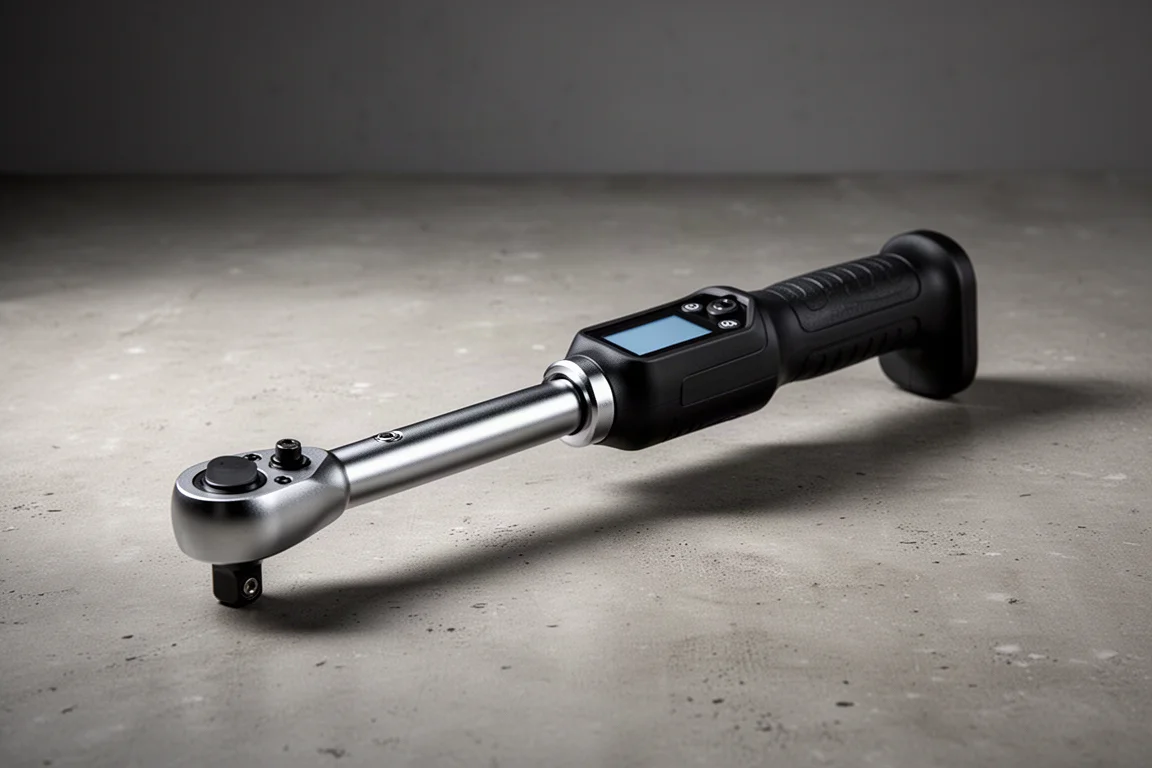
The ACDelco is not a wrench but an adapter that turns any ratchet into a digital torque tool, and at $64 it is the cheapest item here. It covers 25 to 250 ft-lb, measures clockwise and counterclockwise, has an audible buzzer at the preset value, includes batteries, and even ships with a certificate of calibration. It is made in Taiwan and weighs 202 g.
Its accuracy out of the box was middling, with an average error of 1.67 ft-lb at the 50 ft-lb target. After 1,000 cycles the drift became more of a problem, with errors around 1.43 to just over 2 ft-lb, putting it among the units that fell out of calibration. For occasional light use it can work, but durability is the weak point.
Budget Surprise: Soraku Digital Torque Wrench
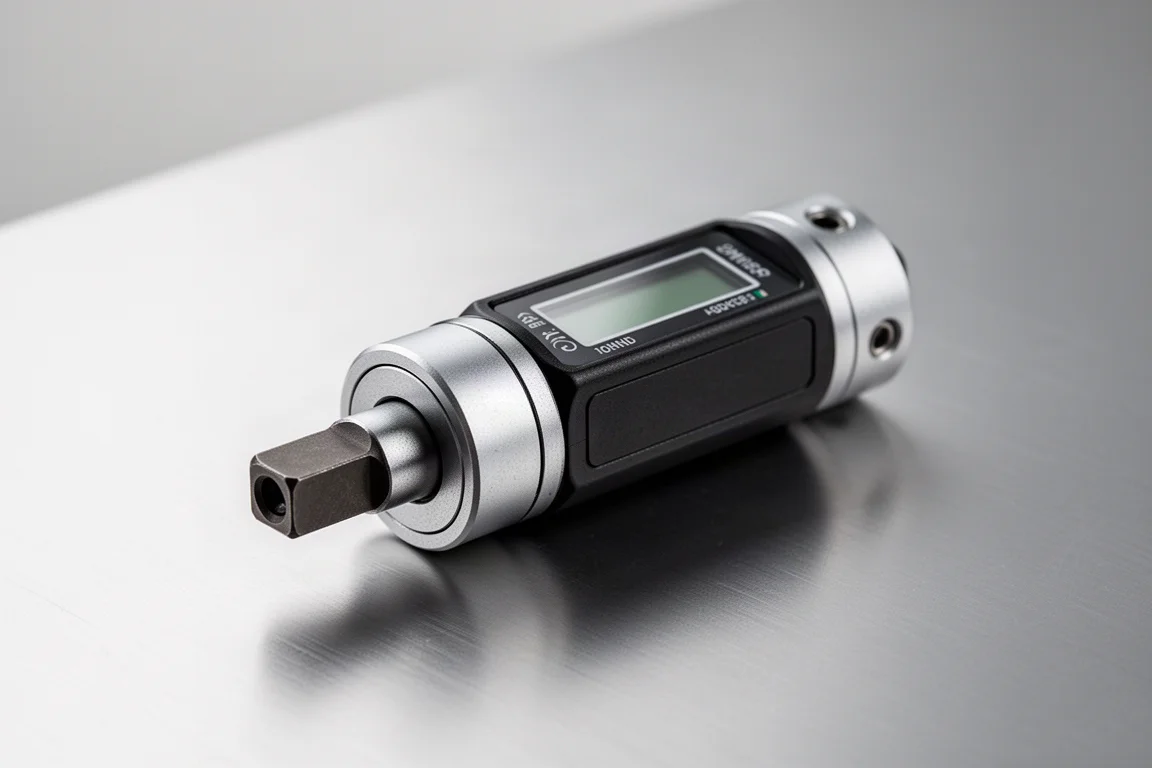
At $78, the Soraku claims a 3.8 to 250.8 ft-lb range and plus or minus 1% accuracy, which on paper is tighter than the $790 Snap-on. It has a track mode where the value updates in real time, an upgraded backlit display, and a certificate of calibration. It is made in China and weighs 1,510 g (3.33 lb).
The performance backed up the claims. At the 150 ft-lb test it was the most accurate wrench of all twelve, with an average error of only 0.37 ft-lb, and at 250 ft-lb it again led with just 0.45 ft-lb average error. After 1,000 cycles it remained very accurate, with errors of 0.12 down to 0.09 ft-lb. It never produced a single error above 2% before or after the cycle test. For the money, it is one of the standout tools of this comparison.
Sura Zoom Digital Torque Wrench
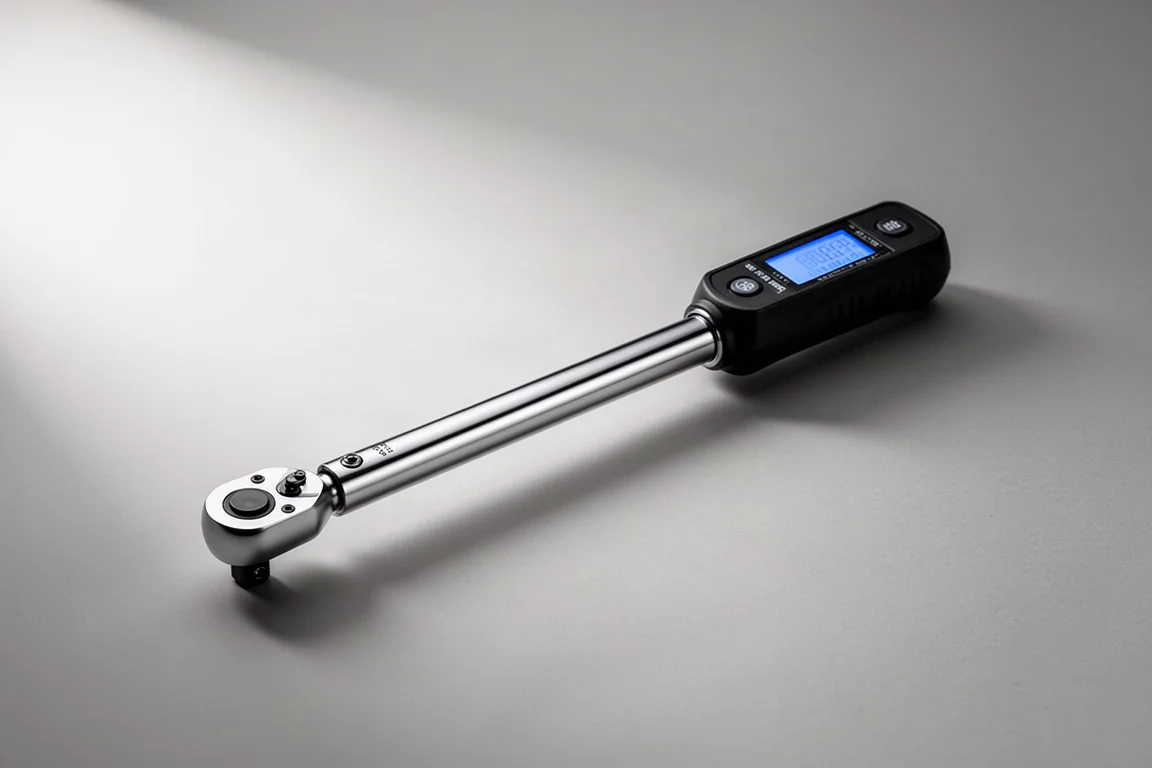
At $80, the Sura Zoom claims plus or minus 2% accuracy that stays precise for over 15,000 uses, plus a 72-tooth ratchet head with a 5-degree arc swing. The instructions printed on the blow-molded case are a genuinely handy touch, and a green light signals 85 to 90% of target with red at 100%. It is made in China and weighs 1,540 g (3.395 lb).
The accuracy was weaker than claimed, with an average error of 1.57 ft-lb at 50 ft-lb. Worse, its sensor was extremely slow in the quick-pull test, showing discrepancies of nearly 90 lb on one attempt. After 1,000 cycles it was completely out of calibration, with errors between 2.6 and 3.57 ft-lb. The calibration certificate included in the box also raised some credibility questions.
VEVOR Digital Torque Wrench
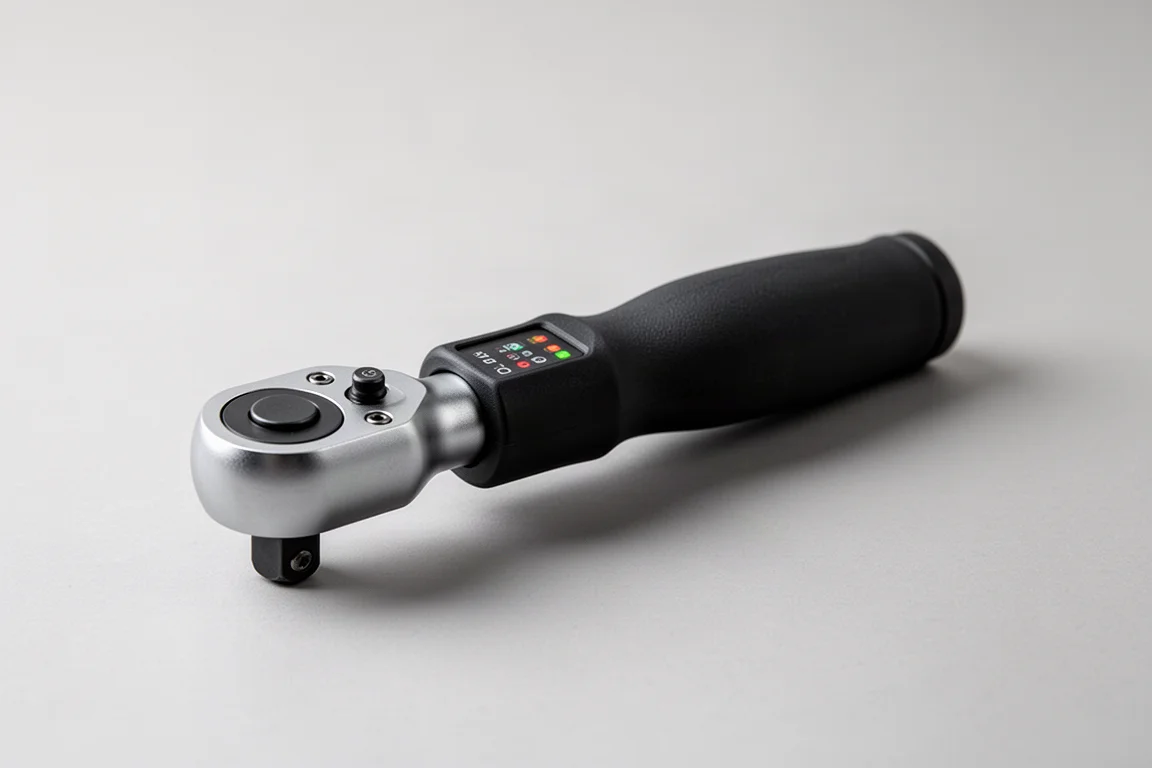
At $84, the VEVOR covers 25 to 250 ft-lb with a claimed plus or minus 2% accuracy. It measures in Nm, in-lb, ft-lb, and kg/m, includes 1/4 inch and 3/8 inch adapters, offers real-time, peak, and preset memory modes, and has a built-in backlight for low-light readability. It is made in China and weighs 1,574 g (3.47 lb).
Out of the box it was excellent, averaging just fractions of a ft-lb of error and ranking as the most accurate wrench in the first test. It also took second place at the 150 ft-lb test with a 0.46 ft-lb average. However, after 1,000 cycles it drifted noticeably, with errors up to 2.33 ft-lb, which is worth factoring into a purchase decision.
Kobalt Digital Torque Wrench
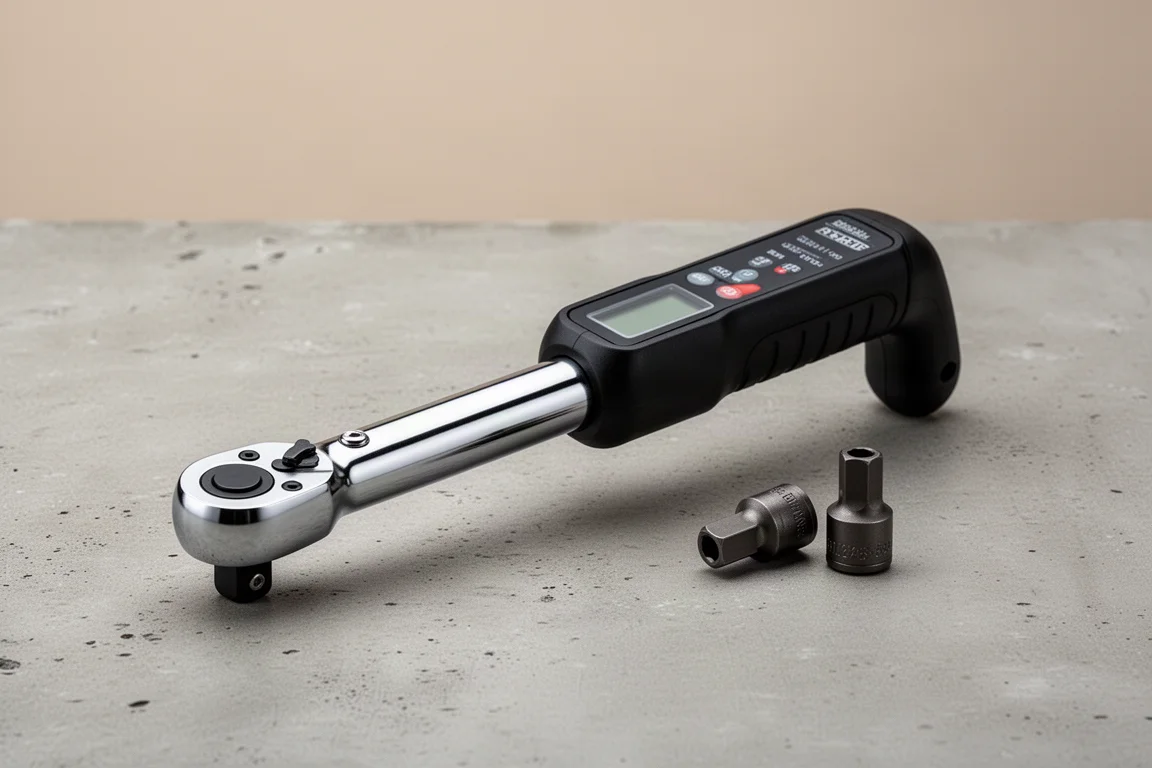
At $90, the Kobalt claims a 3.76 to 250.8 ft-lb working range, a buzzer and LED alerts, and plus or minus 2% clockwise accuracy. It offers five measurement modes including ft-lb, in-lb, Nm, kg/cm, and kg/m, and the maker claims every unit undergoes 20,000 accuracy tests. It is made in China and weighs 1,478 g (3.25 lb), the lightest of the full wrenches.
It was accurate when new, finishing second at 50 ft-lb with a 0.37 ft-lb average error, and third at 150 ft-lb. What stood out most was durability: after 1,000 cycles it actually improved, and at 250 ft-lb it finished in first place with an average error of only 0.44 ft-lb. Across all testing it produced only one error outside the 2% window. This looks like a wrench that simply needed breaking in.
E-TORQ Torque Wrench
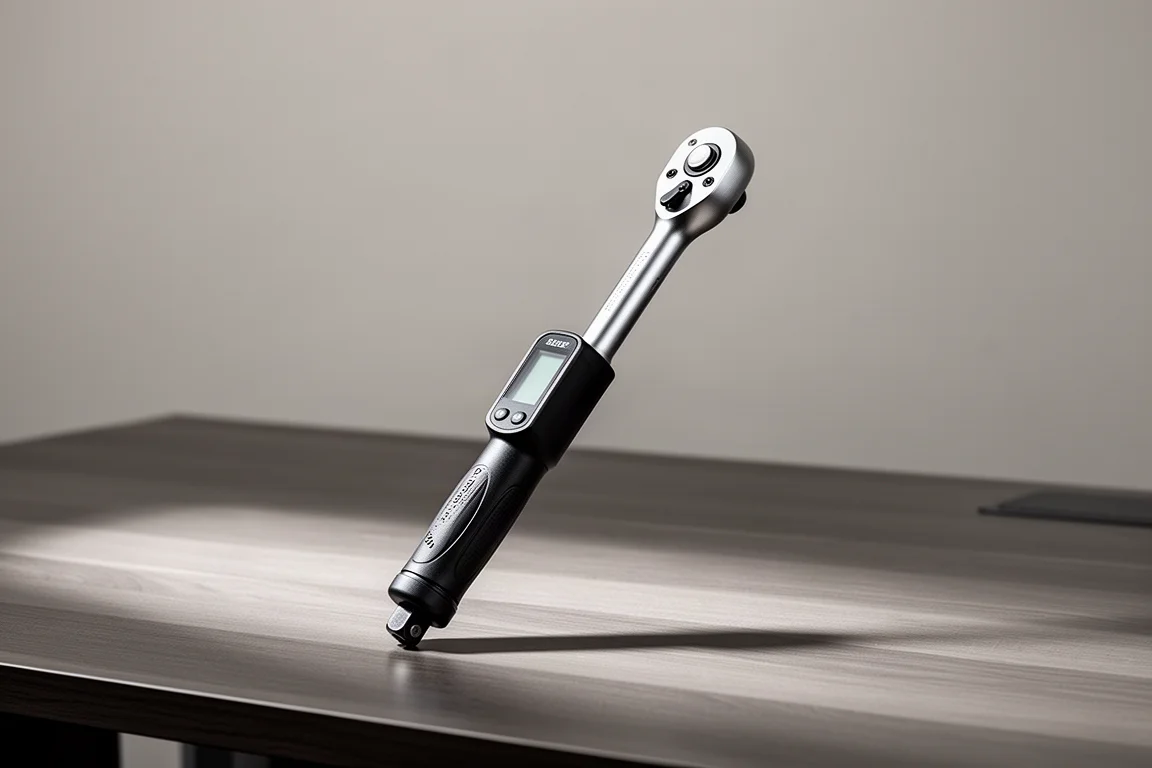
At $115, the E-TORQ is unusual because it is electronic but also uses a click-style mechanism. It covers 25 to 250 ft-lb, measures ft-lb, in-lb, and Nm, has a reversible ratchet for both directions, and claims plus or minus 3% clockwise and 6% counterclockwise accuracy. It is a product of Taiwan finished in mainland China and weighs 1,722 g (3.79 lb).
Its calibration certificate suggested it is not as accurate as several rivals, and the measured results agreed, with overshoots between 0.63 and 1.09 ft-lb at the 50 ft-lb target. It sits in the middle of the pack: a hybrid design with some useful features, but tighter competitors exist at lower prices.
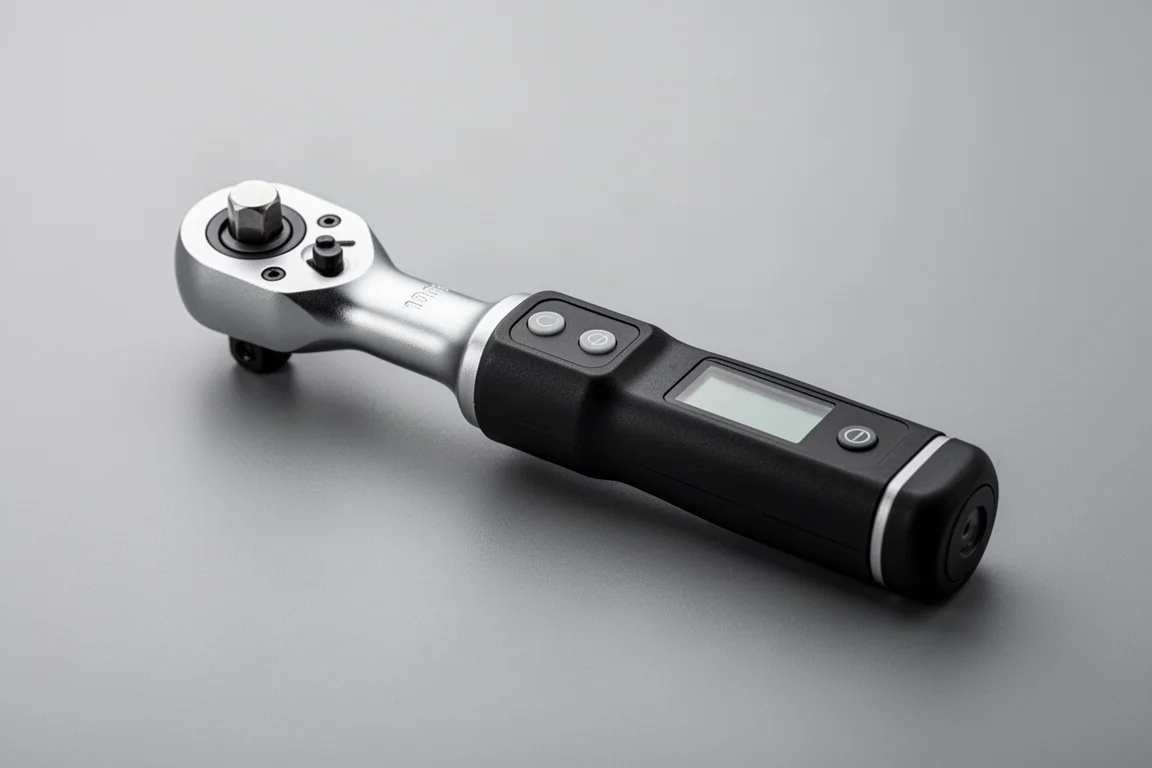
GearWrench Electronic Torque Wrench
At $140, the GearWrench has a 72-tooth ratcheting mechanism with a claimed 5-degree arc swing, target torque alerts as you approach the setting, a vibrating handle, a buzzer, and a solid LED. It measures Nm, ft-lb, in-lb, kg/m, and kg/cm, and claims plus or minus 2% clockwise and 3% counterclockwise accuracy. It needs three AAA batteries, which are not included. It is made in Taiwan and is the lightest full wrench tested at 1,330 g (2.93 lb).
On paper it looks like a strong package, but results told a different story. At 50 ft-lb it averaged around 1 lb of error or more per pull, and its sensor was the slowest in the quick-pull test, with a 139.4 ft-lb discrepancy on one attempt. After 1,000 cycles it drifted badly, with errors up to 4.09 ft-lb. The calibration certificate did not match real-world behavior here.
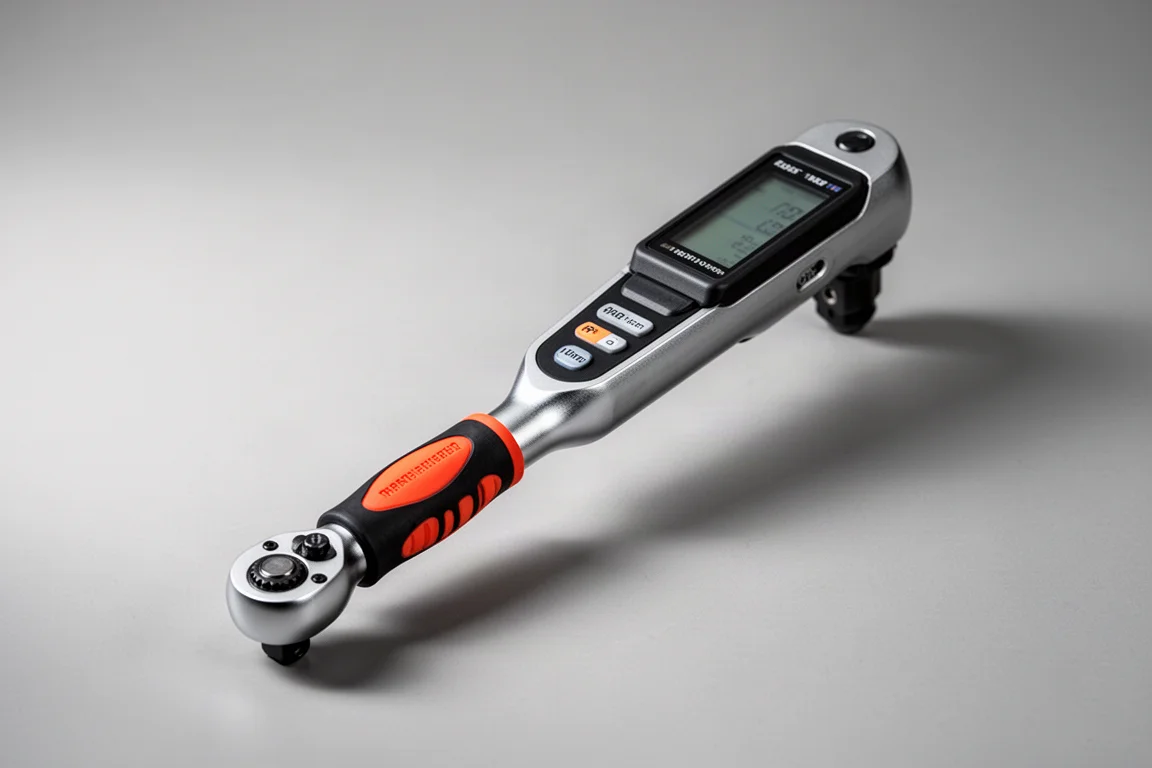
Craftsman Digital Torque Wrench
At $141, the Craftsman covers 50 to 250 ft-lb, has an LED backlit screen, measures Nm, in-lb, ft-lb, and kg/cm, and uses a bi-material handle for comfort during long sessions. It includes a certificate of calibration, is made in Taiwan, and weighs 1,512 g (3.33 lb).
It performed very well from the start, including a perfect pull on its second attempt at 50 ft-lb. After 1,000 cycles it was the best of the entire test, with an average error of only 0.11 ft-lb and misses as small as 0.02. Its sensor was also among the fastest, with only a 3.1 ft-lb discrepancy on the first quick-pull attempt. Combined with the Kobalt, it tied for third overall when new and only got better with use.
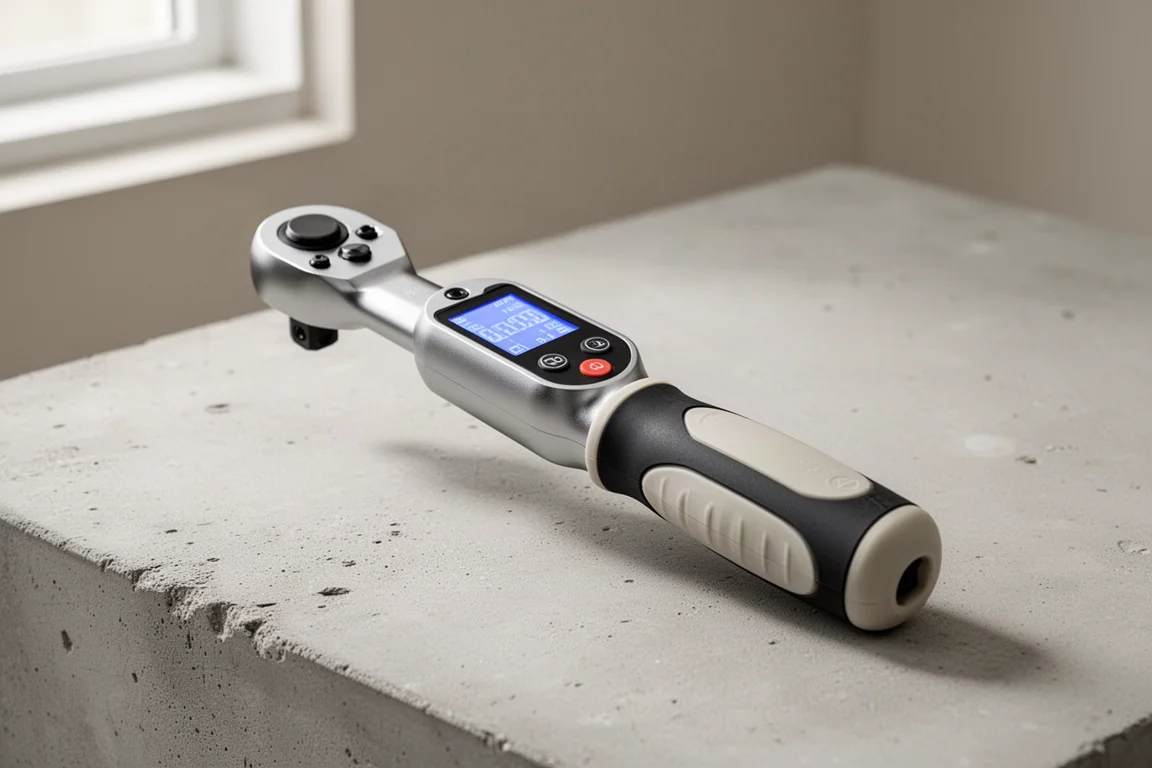
SK Tools Digital Torque Wrench
At $205, the SK Tools covers 12.5 to 250 ft-lb, uses two included AA batteries, and claims plus or minus 2% clockwise and 3% counterclockwise accuracy. A green light marks 90% of target and red marks 100%, the inspection values are printed right on the case, and a printed certificate of calibration is included. It is made in Taiwan and weighs 1,532 g (3.37 lb).
Results were solid. At 50 ft-lb it averaged under 1 ft-lb of error, it finished second in the human-accuracy test at 50.26 ft-lb average, and its sensor was fast, with only 4.8 and 1.7 lb discrepancies on quick pulls. After 1,000 cycles it held up fine, with errors mostly under 0.25 ft-lb. A dependable mid-tier choice.
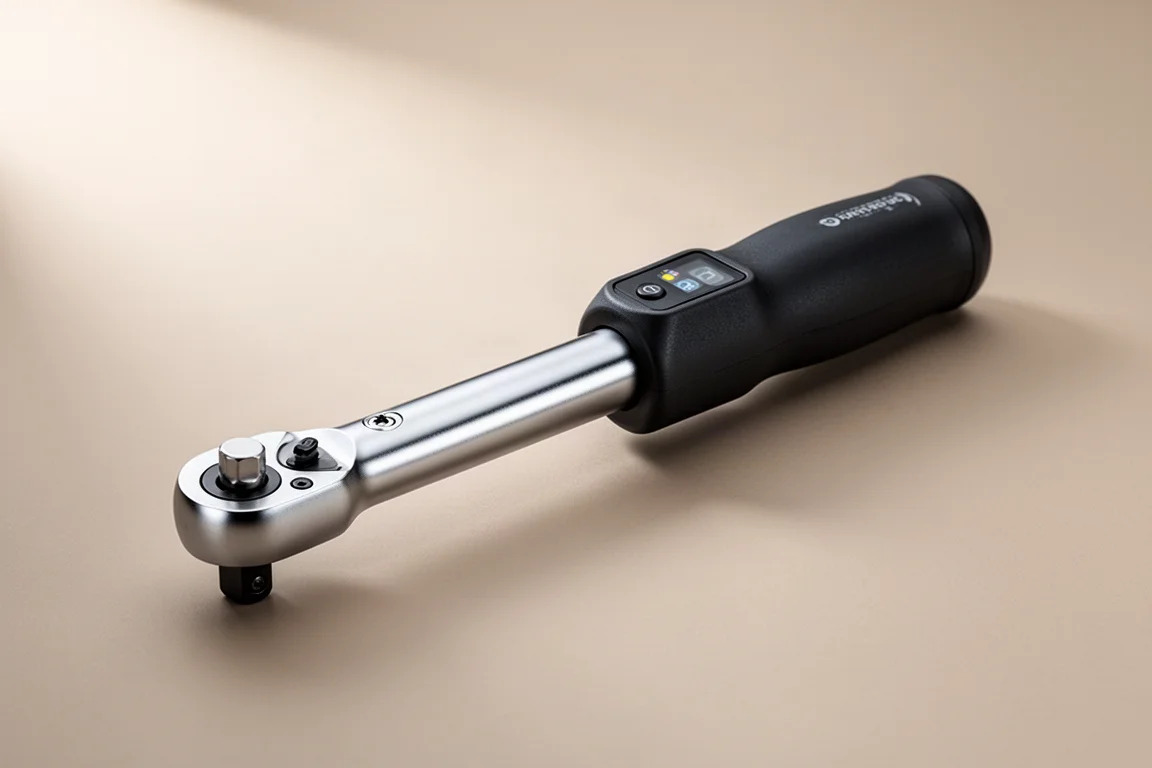
DeWalt Digital Torque Wrench
At $227, the DeWalt covers 50 to 250 ft-lb, has a large backlit LCD screen for fast readouts, measures Nm, in-lb, ft-lb, and kg/cm, and includes AA batteries. It comes with a certificate of calibration, is made in Taiwan, and weighs 1,496 g (3.3 lb).
It was consistently excellent. At 50 ft-lb it averaged around 0.7 ft-lb of error, it ranked third in the human-accuracy test at 50.29 ft-lb, and it tied the Icon for the second-best consistency at a 0.15 ft-lb standard deviation. Its sensor was very fast, with just 1.1 and 1.0 lb discrepancies on quick pulls. After 1,000 cycles it improved further, with errors as low as 0.09 ft-lb, suggesting a break-in benefit.
Harbor Freight Icon Digital Torque Wrench
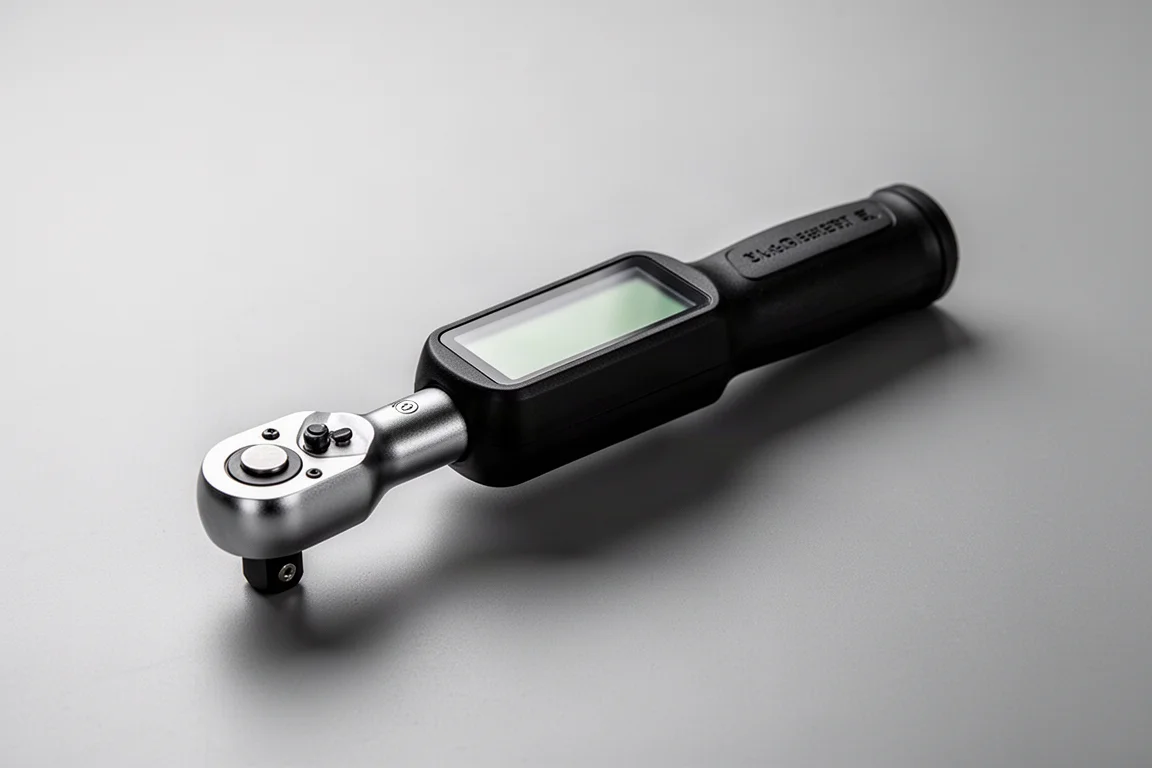
At $370 plus tax and shipping, the Harbor Freight Icon stands out with a flex head, a 72-tooth mechanism with roughly a 5-degree arc swing, a 12.5 to 250 ft-lb range, and claimed plus or minus 2% clockwise and 3% counterclockwise accuracy. It measures ft-lb, in-lb, Nm, and kg/m and includes a certificate of calibration. It is made in Taiwan and is the heaviest tested at 1,864 g (4.11 lb).
Accuracy was strong when new, averaging just under 0.5 ft-lb of error at 50 ft-lb with a best pull of 0.27, and it tied the DeWalt for consistency. After 1,000 cycles it slipped slightly, with errors between 0.51 and 0.7 ft-lb, and at 250 ft-lb it still took second place at 0.7 ft-lb average. Its sensor lagged the Craftsman, SK, and DeWalt, with errors around 15 to 17 lb on quick pulls, so pull slowly with this one. It never produced a single error above 2% before or after cycling.
Durability Test: 1,000 Cycles Each
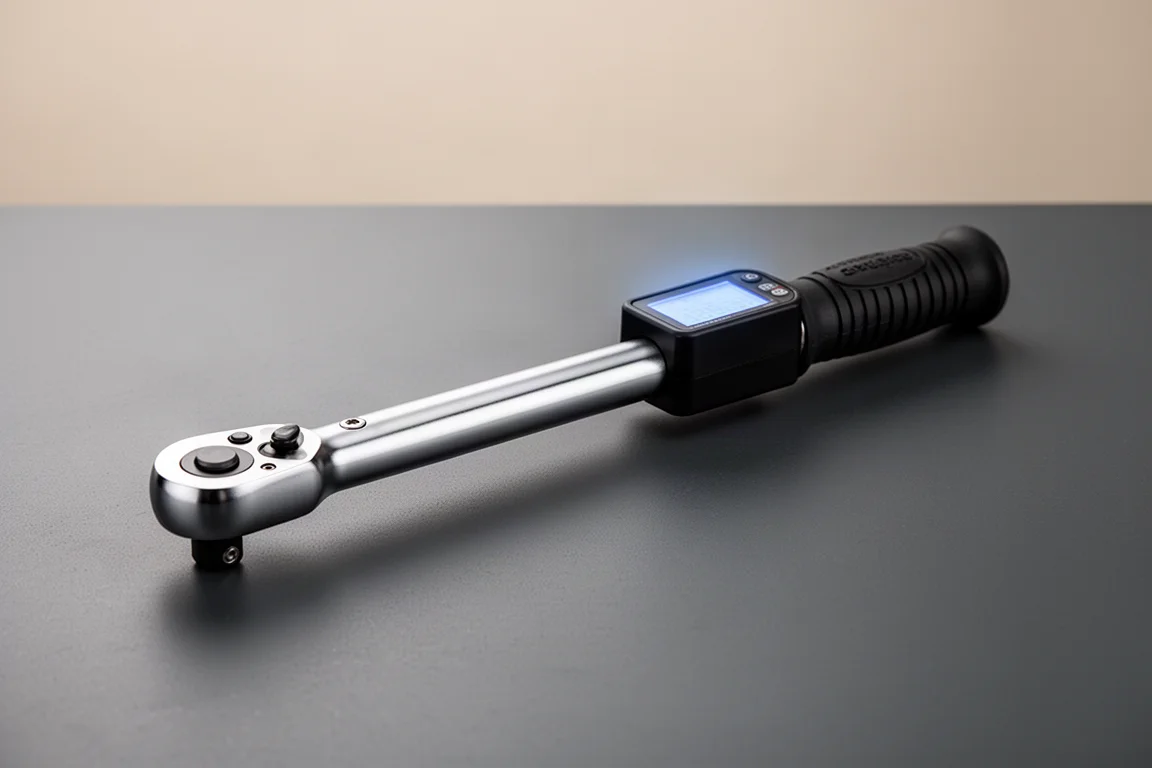
Real use adds up fast. Torque lug nuts on several vehicles every few months and a wrench can accumulate hundreds of cycles in no time. So every wrench was cycled 1,000 times at around 150 ft-lb, roughly 12,000 total cycles over several hours, then retested at 50 ft-lb after an hour of rest.
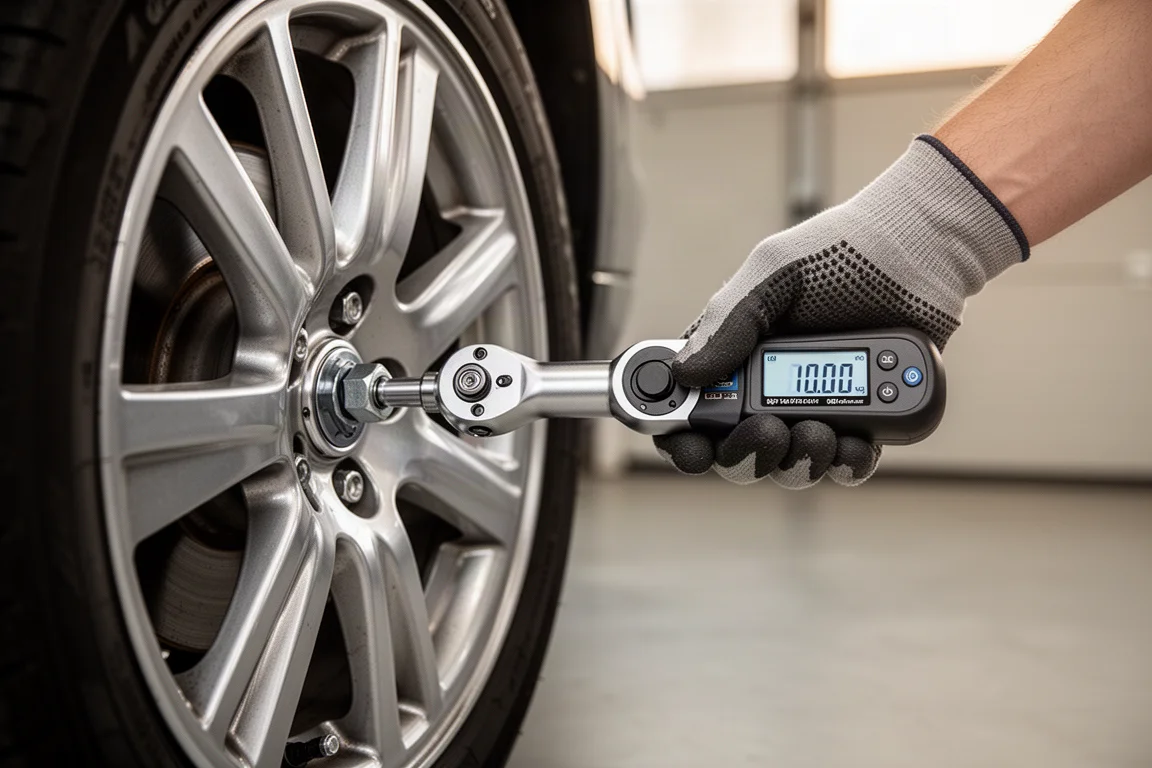
The results reshuffled the rankings. After cycling, the Craftsman led with a 0.11 ft-lb average error, the Kobalt followed at 0.16, and the Snap-on took third at 0.17. Five wrenches actually improved in accuracy after the break-in, with the Kobalt, DeWalt, and Craftsman benefiting most. The ACDelco, Sura Zoom, and GearWrench drifted well out of calibration. The Soraku, Icon, and Snap-on never made a single error above 2% at any point, before or after cycling.
Sensor Speed: The Hidden Difference
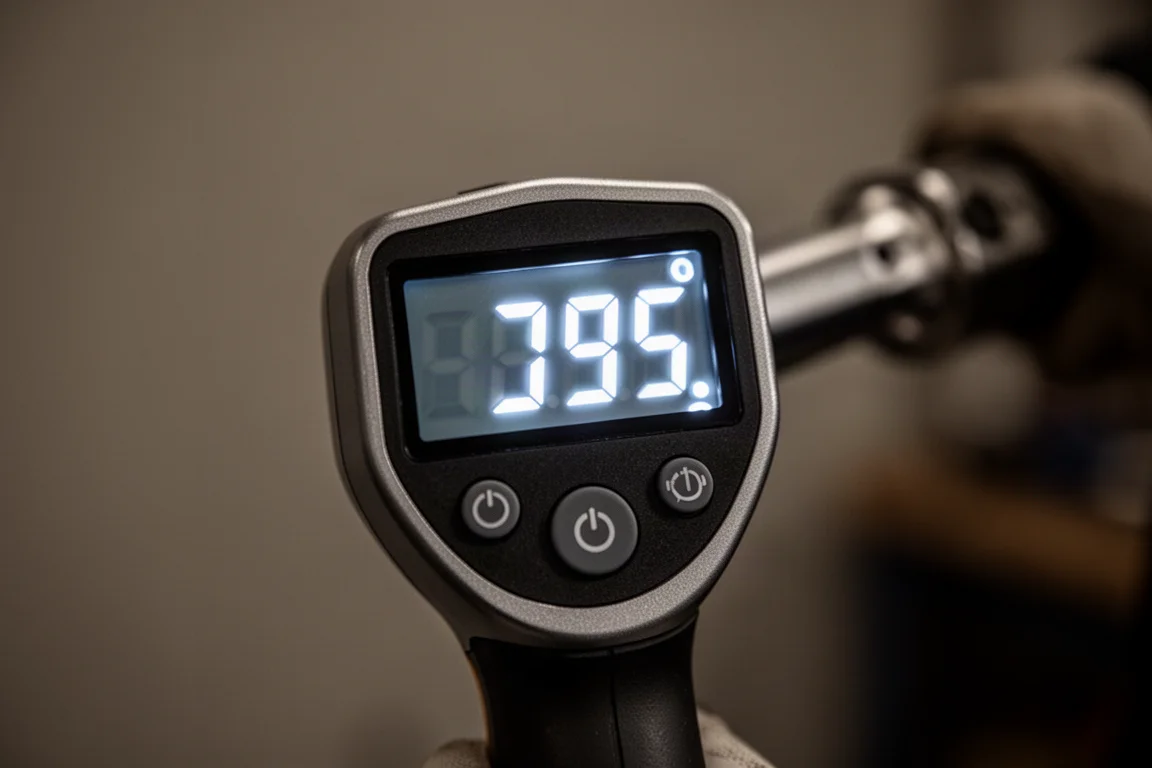
Spec sheets do not mention sensor speed, but it showed up clearly in testing. Applying a very short burst of torque revealed that some displays lag badly behind the fast electronics of the calibration tester. A slow sensor means the tool can overshoot before it registers the torque, which makes hitting a target harder.
The Craftsman had the fastest sensor with only a 3.1 ft-lb difference on the first burst attempt, with the SK, DeWalt, Snap-on, and Kobalt close behind. The GearWrench and Sura Zoom were the slowest, showing discrepancies of up to 139.4 ft-lb on a single burst. A fast sensor helps you hit the desired torque more often, and it is one more reason accuracy charts alone do not tell the whole story.
Buying Advice
If budget allows, the Snap-on is the most accurate and most consistent wrench tested, and it stays that way. For most buyers, though, the smarter picks are elsewhere. The Soraku at $78 was the most accurate wrench at 150 and 250 ft-lb and survived 1,000 cycles without falling out of tolerance, an astonishing result at that price. The Kobalt and Craftsman both improved with use and finished near the top after cycling, while the DeWalt and SK Tools are dependable mid-tier options with fast sensors.
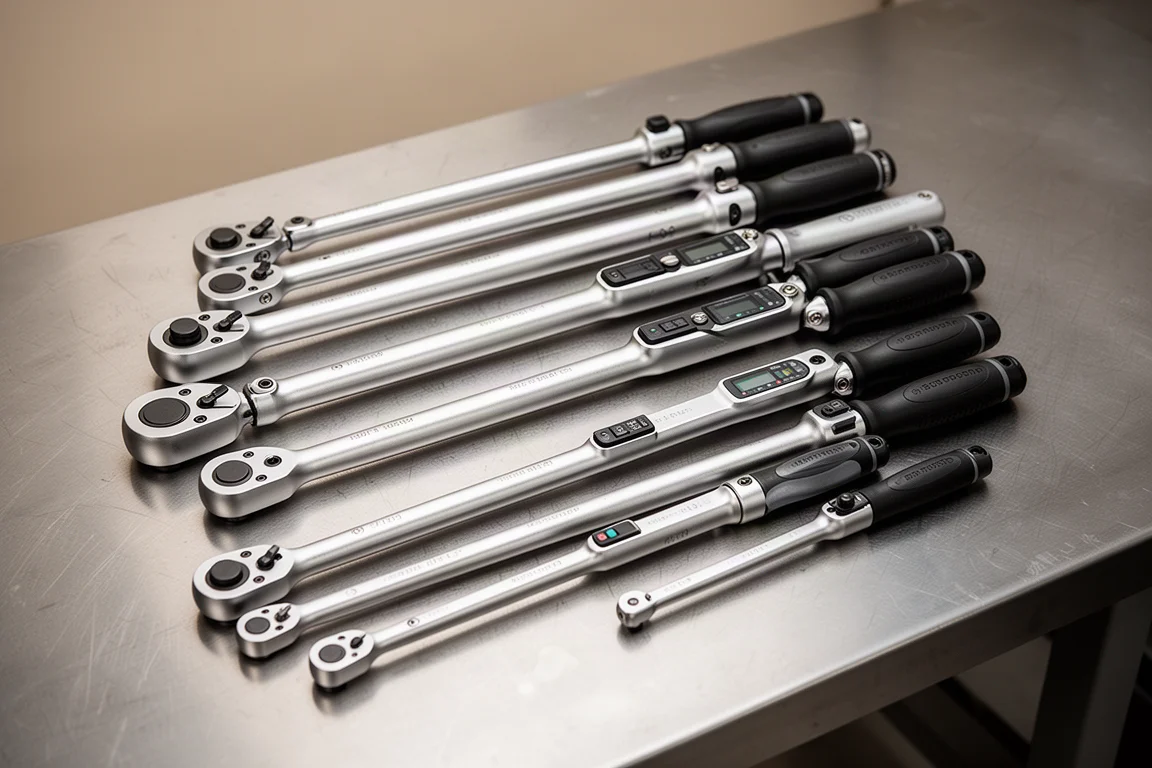
The biggest lesson: never judge a torque wrench by its name or its price. Some expensive wrenches drifted out of calibration after 1,000 cycles, while a $78 tool outperformed them. Also be skeptical of certificate claims that do not match measured performance, and check that the sensor feels responsive when you make quick pulls.
Conclusion
Accuracy, consistency, sensor speed, and durability all matter, and this testing showed that price predicts none of them reliably. The Snap-on earned its premium, but the Soraku, Kobalt, Craftsman, DeWalt, and Icon all delivered accuracy within the 2% window across the full test program. Pick based on measured durability and how the tool communicates with you, not the logo on the handle.
Further reading
Related Reviews

Tools
Best Contractor Grade Tape Measures 2026: Eight Models Tested Head to Head
We tested eight contractor grade tape measures from Milwaukee, DeWalt, Crescent Lufkin, Tajima, Stanley, Irwin, Gelan, and Craftsman to find the best value and performance.

Tools
Best Precision Screwdriver Sets 2026: Manual and Electric Options Compared
We compare 19 precision screwdriver sets, from budget manual kits to electric drivers, to find the strongest bits and best value.

Tools
Best Stud Finders 2026: Five Popular Models Put to the Test
We tested five popular stud finders on drywall, firewall, and lath and plaster surfaces to see which ones really find studs and avoid false readings.