Outdoor Gear
Best Decathlon Jackets: Trek 100 Synthetic, Trek 900 Down, and Trek 100 Down Compared
A practical comparison of three Decathlon insulated jackets, covering warmth, weight, fit and price so you can pick the right one.
Introduction
Decathlon has built a following by selling outdoor gear for a fraction of what comparable products cost elsewhere, and its insulated jacket range is one of the clearest examples of that value. The catalog is enormous, which makes choosing between similar-looking models harder than it should be.
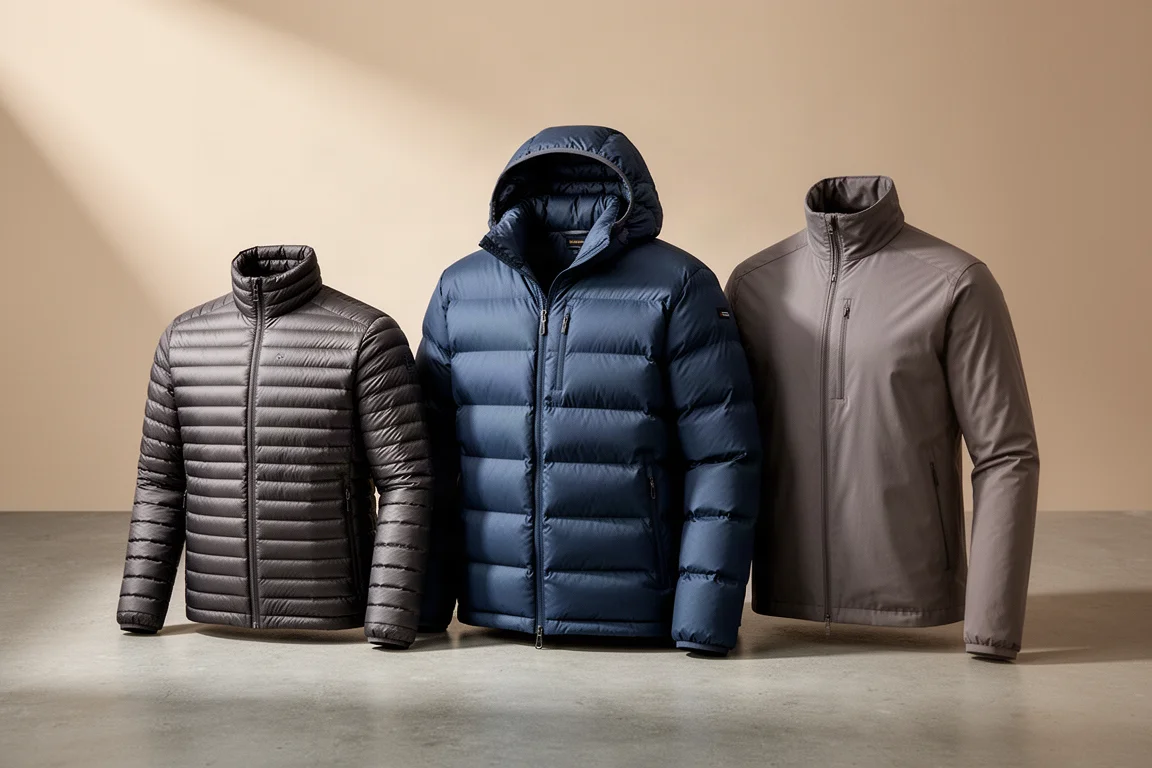
This guide looks at three jackets from the Trek line: the Trek 100 Synthetic Jacket, the Trek 900 Down Jacket, and the Trek 100 Down Jacket. They sit at different points on the warmth and price scale, so the right choice comes down to where and when you plan to wear one.

Each section below covers what the jacket does well, where it falls short, and who it suits. Prices are included where they are available so you can weigh each option against the rest of your kit.
What to Look For in a Decathlon Insulated Jacket
The first decision is fill type. Synthetic insulation, like the polyester fill in the Trek 100 Synthetic, copes better in consistently wet environments. Down insulation is the lighter and less bulky choice of the two, which matters when the jacket has to go into a pack.
Weight and packed size are the second consideration. A heavier, bulkier jacket is perfectly fine for day walks and cold commutes, but it becomes a burden on longer backpacking trips where every gram is counted.
Shell fabric is worth checking as well. A 20 denier nylon shell keeps the overall weight down, and recycled content in the insulation is a useful bonus if materials matter to you.
Finally, look at the feature list. A hood, chest pocket, hand pockets, hood cinches and a neck baffle all change how warm and how usable a jacket feels once you are out on the trail.
Decathlon Trek 100 Synthetic Jacket
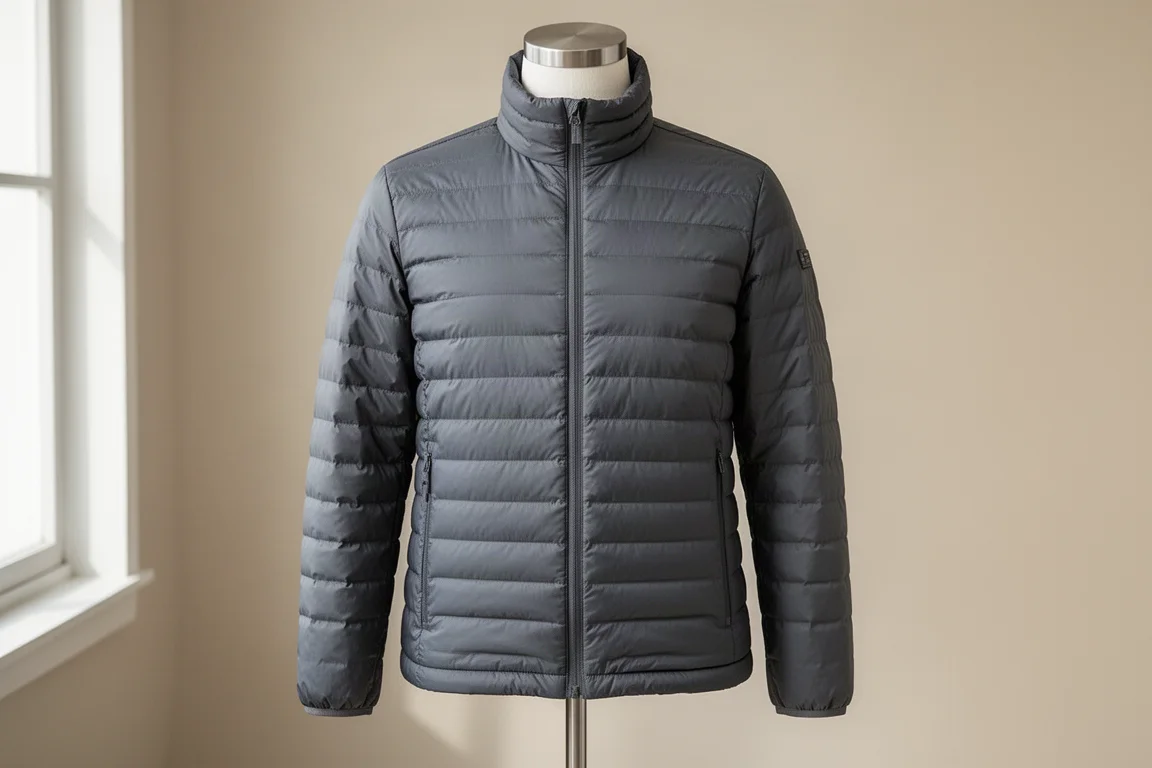
The Trek 100 Synthetic is the most affordable jacket of the three at around $50. It uses a 100 percent polyester synthetic fill rather than down, and 25 percent of that insulation is made from recycled materials. The shell is a lightweight 20 denier nylon.
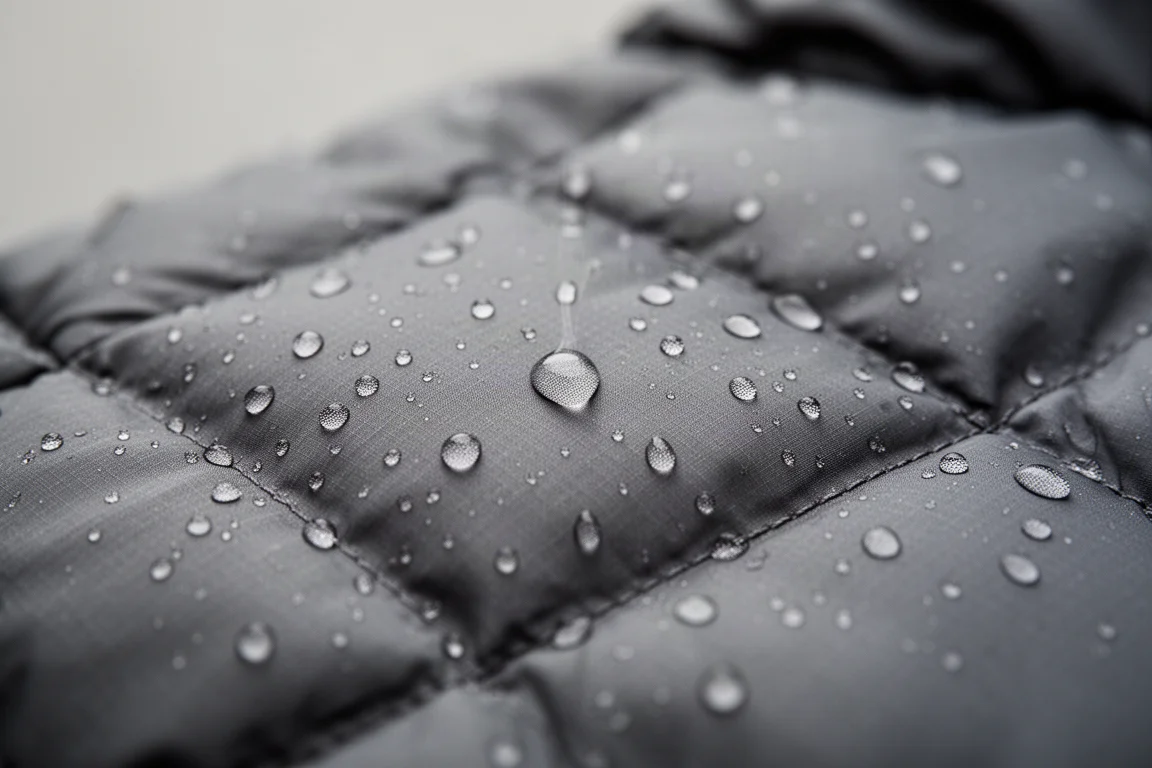
Synthetic fill is the practical choice in wet conditions, where it holds up better than down. The trade-off is bulk. This jacket is noticeably heavier and bulkier than the down options in the range, which makes it a less appealing pick for backpacking or long hikes.
The feature set is simple, and there is no chest pocket, inside or out. That is a genuine inconvenience if you like to keep a phone or a pair of sunglasses close at hand.
On fit, the jacket runs snug through the torso. At 5 feet 10 inches and 185 pounds, with a 40 inch chest and a 33 inch waist, a size large fits but sits close to the body, so an extra large leaves noticeably more room.
If you want to spend less than the down jackets cost and you expect damp weather more often than deep cold, this is the sensible place to start.
Decathlon Trek 900 Down Jacket
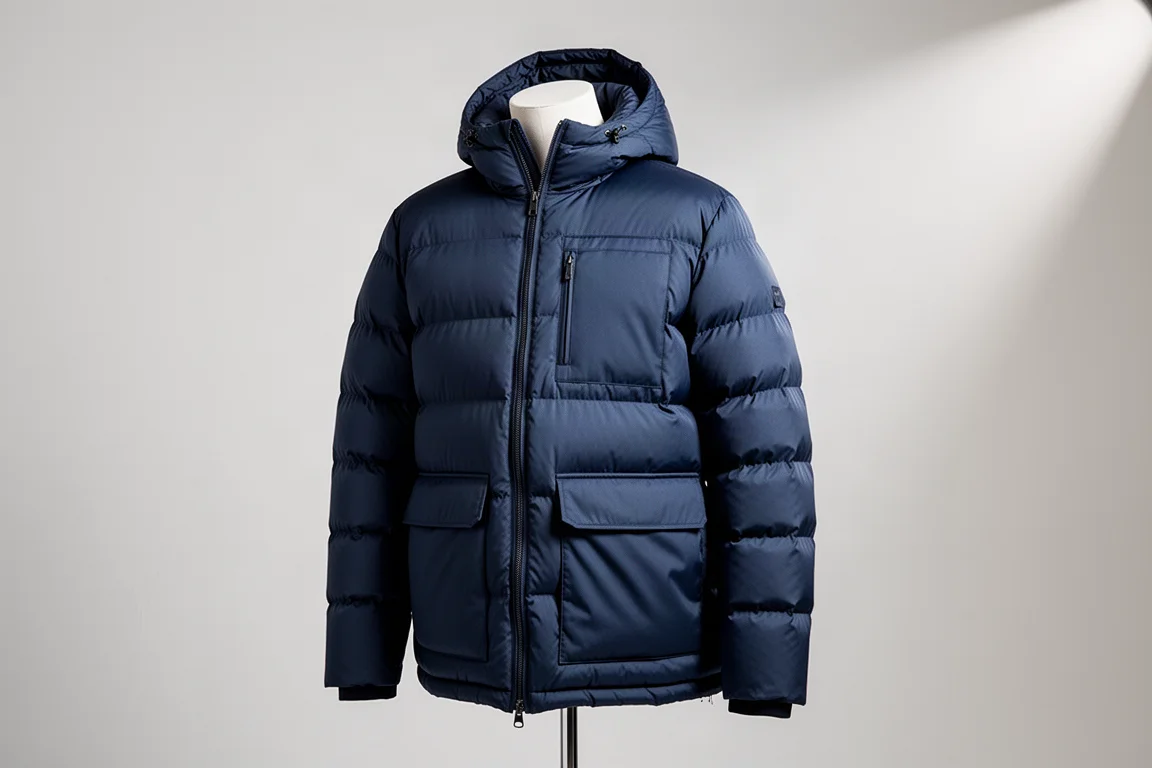
The Trek 900 Down is the warmest of the three and the one built for genuine winter conditions. It costs around $130, roughly a third of what a comparable jacket from another manufacturer tends to cost.
It is a full-zip design with a hood, and it weighs 585 grams in a size extra large. The hood and shoulders use a water-repellent material, so wet snow does not soak straight through those areas.
The details are generous: a chest pocket, large mitten pockets, hood cinches and a neck baffle that seals warmth in around the collar. That combination keeps the wearer comfortable well into negative temperatures, and it works for shoulder season too if you tend to feel the cold.
Sizing up is worthwhile if you plan to layer underneath. An extra large over a midlayer leaves room to move without compressing the insulation.
Decathlon Trek 100 Down Jacket
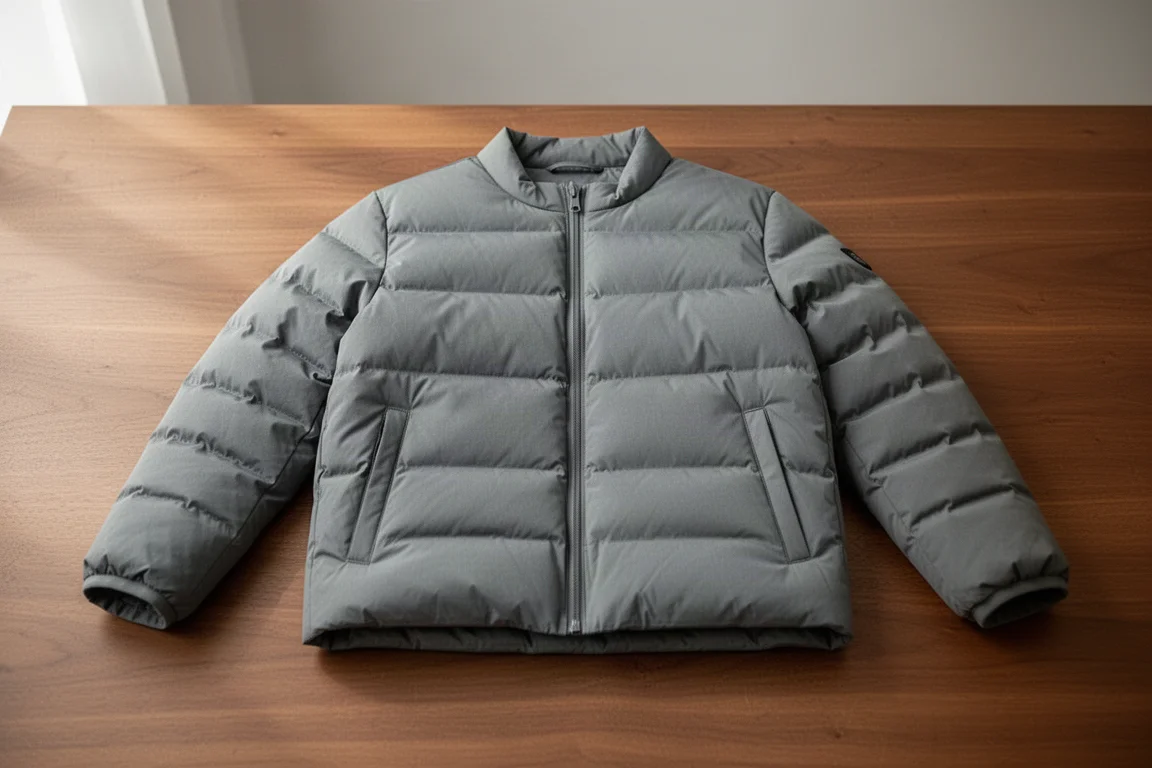
The Trek 100 Down is the third option in the line and it sits below the Trek 900 in warmth. It is positioned for anyone who does not need quite as much insulation, which makes it the more sensible pick for shoulder-season days rather than deep winter.
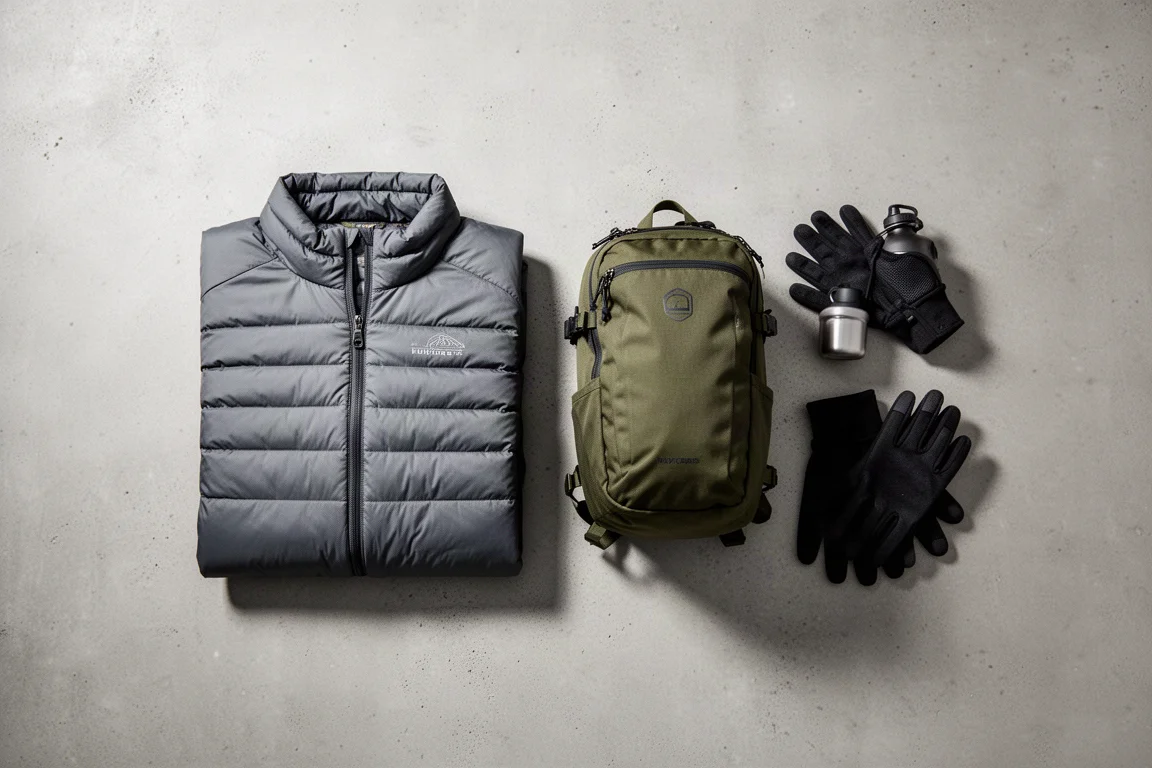
If your trips rarely push into serious cold, this is the model to compare against the Trek 900 before deciding how much warmth you actually need.
Fit, Sizing, and Layering Notes
Sizing runs close on the Trek 100 Synthetic. A large fits a 40 inch chest and a 33 inch waist, but it sits snug, so anyone between sizes, or planning to layer, should consider going up one.
With the Trek 900 Down, sizing up is deliberate rather than necessary. An extra large leaves room for a midlayer underneath during winter without restricting movement.
Whatever the model, try the jacket on over the layers you actually wear. A jacket that fits well over a base layer alone can feel tight once a fleece is added underneath.
Buying Advice
Start with the weather you head out in most often rather than the specification sheet. If your winters are wet and mild, the synthetic Trek 100 at around $50 covers a lot of ground for very little money, and it will handle damp conditions more gracefully than a down jacket.
If you need real warmth, the Trek 900 Down at around $130 is the one to look at. Water-repellent hood and shoulder panels, a neck baffle and a full set of pockets make it a serious cold-weather jacket, and the price is a fraction of comparable options.
The Trek 100 Down sits between those two needs. Choose it if you want down insulation but know that the Trek 900 would be more warmth than your trips require.
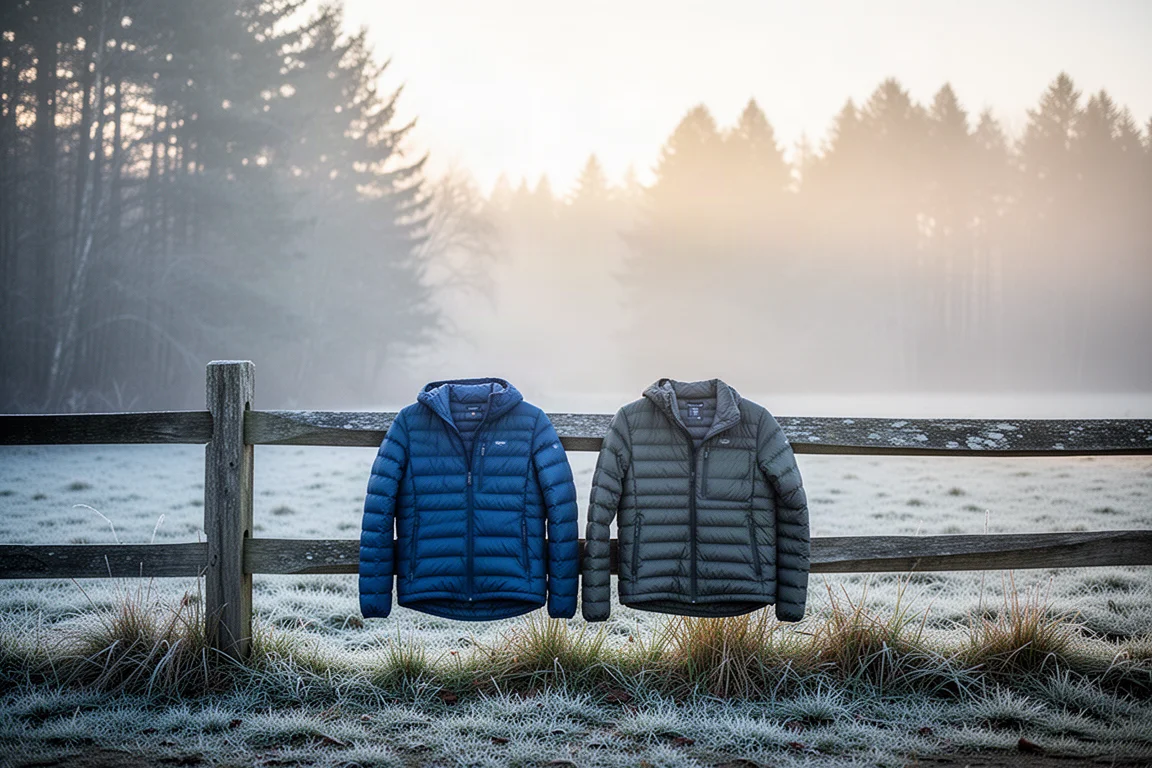
One practical note applies to all three: none of them is worth buying in the wrong size. Decide on your layering first, then pick the model.
Conclusion
Decathlon’s insulated jackets make the most sense when the fill type and warmth level match your conditions. The Trek 100 Synthetic is the value pick for damp, mild weather, the Trek 900 Down is the winter workhorse, and the Trek 100 Down is the option for anyone who wants down insulation without the heaviest warmth.
Check the sizing, decide how much insulation your trips genuinely call for, and any of the three will serve you well for the price.
Further reading
Related Reviews
Outdoor Gear
Backpacking Gear Evolution: 100 Years of Technology Compared
We tested backpacking gear from 1925, 1975, and 2025 across a three-day hike in Yosemite. Here's how technology has transformed comfort, weight, and the outdoor experience.
Outdoor Gear
Best Affordable Hiking Watches: Five Rugged Options for Outdoor Adventures
Five durable hiking watches that balance ruggedness, functionality, and value for outdoor enthusiasts who need reliable GPS tracking and weather resistance.
Outdoor Gear
Best Backpack Coolers 2026: Five Practical Options for Outdoor Adventures
Five backpack coolers with distinct cooling capabilities, storage features, and design trade-offs to help you choose the right one for your outdoor needs.