Running Shoes
Buy or Sell: High-Stack Training Shoes and the Trainers Worth Your Miles
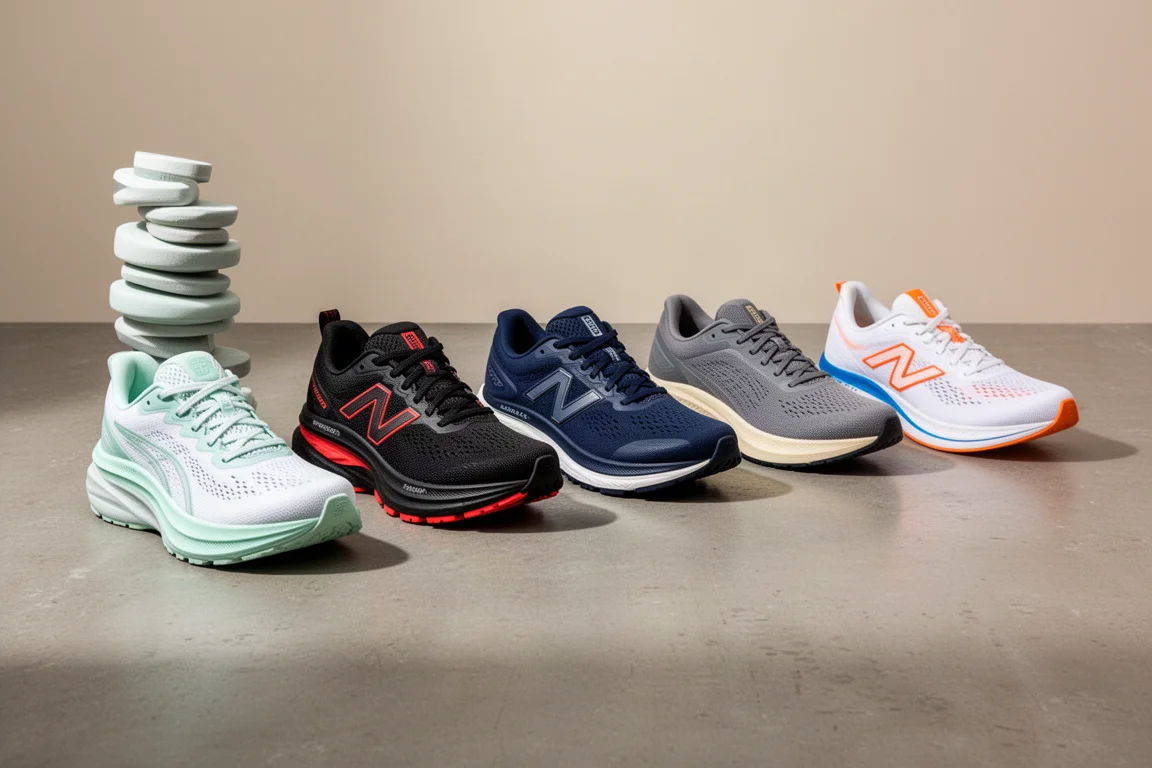
Six trainers from the high-stack and plated training debate, with a clear-eyed look at which ideas in modern running shoes earn their place and which do not.
Introduction
Shoe trends move fast, and not every trend deserves your money. The high-stack era has blurred the line between daily trainer, tempo tool and race day weapon, and it has never been harder to know which shoes are genuinely useful and which are riding a marketing wave.
This guide looks at six shoes that keep coming up in that debate, framed around the questions that actually matter: does the stack serve a purpose, does the plate earn its place, and will the shoe survive your training block. Some of these are clear buys. Others come with real reservations worth hearing before you click add to cart.
Buy: High-Stack Shoes for Faster Efforts and Long Runs
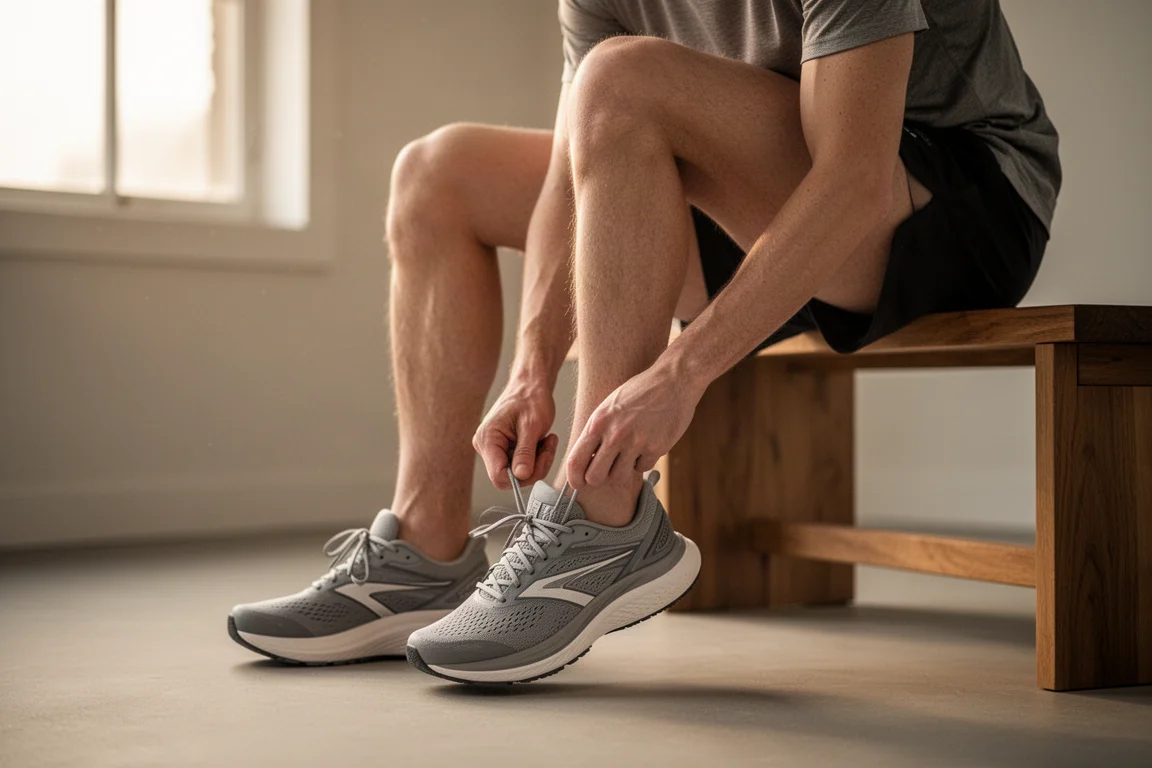
Shoes with 40 millimeters or more of foam in the heel sit at the edge of what racing rules allow, which is exactly why the number took off. But once you set the marketing aside, there is a real case for some of these shoes as training tools rather than daily drivers.

The strongest use case is up-tempo work, long runs and big marathon or ultra training blocks, where a poppy, lightweight stack can save your legs over months of accumulation. Where the trend deserves more skepticism is everyday easy mileage: the further you get from the ground, the harder your feet, ankles and hips have to work to stabilize, and foot complaints tied to very high, very compliant trainers are anecdotally on the rise. Treat these as tools, not defaults.
Asics Superblast
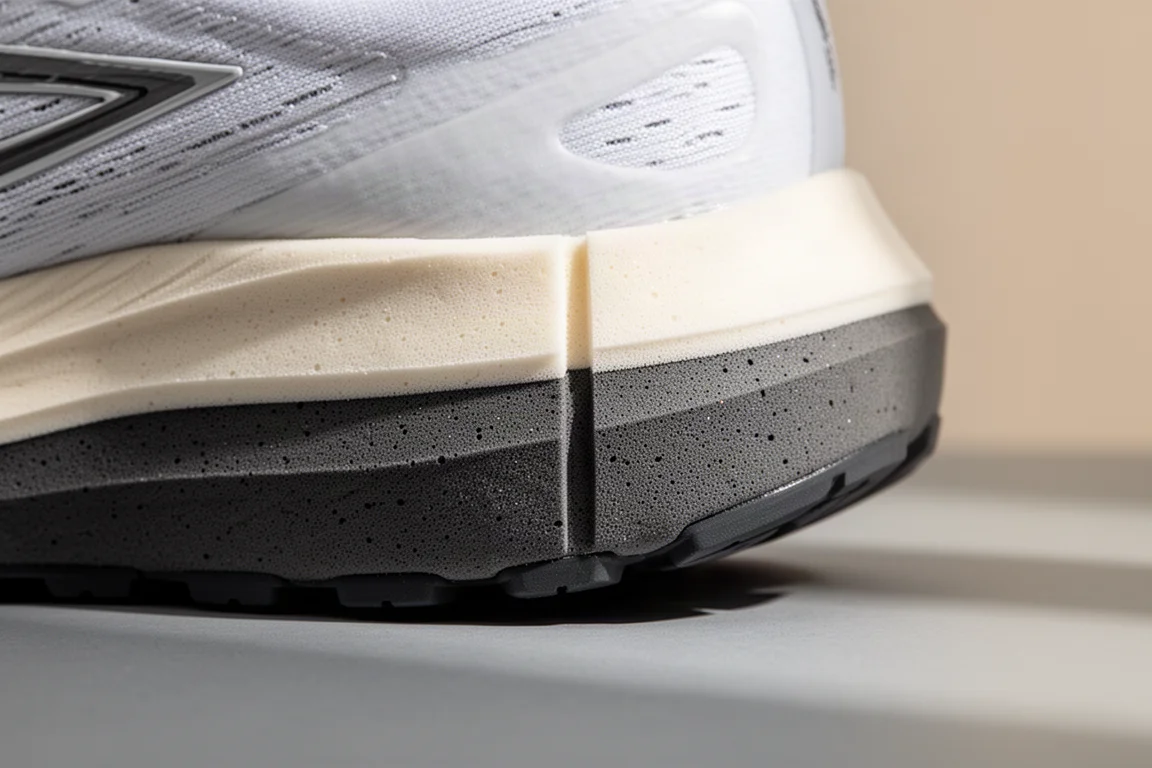
The Superblast is the example almost everyone reaches for when defending the high-stack category, and for good reason. It is remarkably lightweight for how much shoe there is, with plenty of pop for long runs and up-tempo efforts, and it has proven durable over serious mileage. A dual-density build adds a firmer layer at the bottom that gives the platform a bit of stiffness and structure the tall stack needs.
The caveat is the same as for the whole category: it is a training companion, not something to run every single mile in. Rotate it with something closer to the ground and it makes a lot of sense.
Adidas Prime X
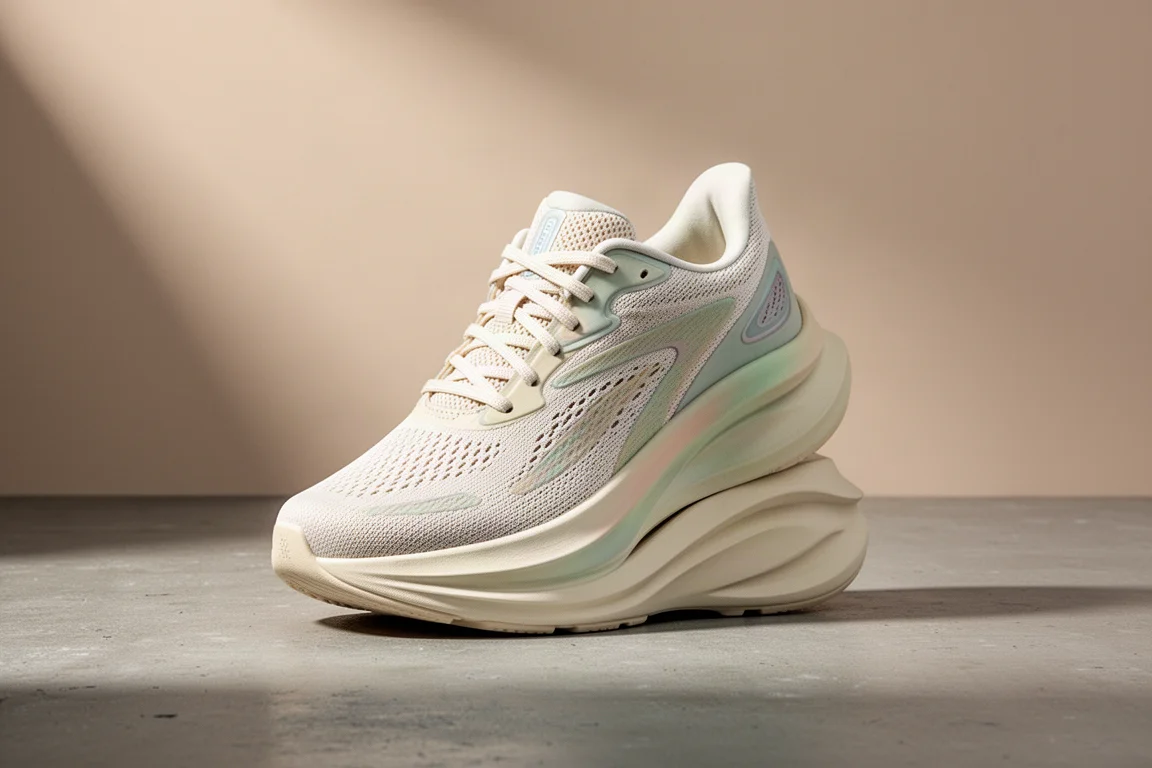
The Prime X pushes the stack concept even further, and it only works for a specific kind of runner. It is genuinely light for how much foam is underfoot and it has real energy to it, which makes it a fun option for long efforts if your ankles and stabilizing muscles can handle the height.
That last part is the point. Beyond a certain height, more foam does not mean more protection, and the risk shifts toward instability and ankle problems. If you enjoy the sensation and have a purpose for it, there is a lot to like here. If you just want a safe daily trainer, this is not it.
Saucony SC Trainer
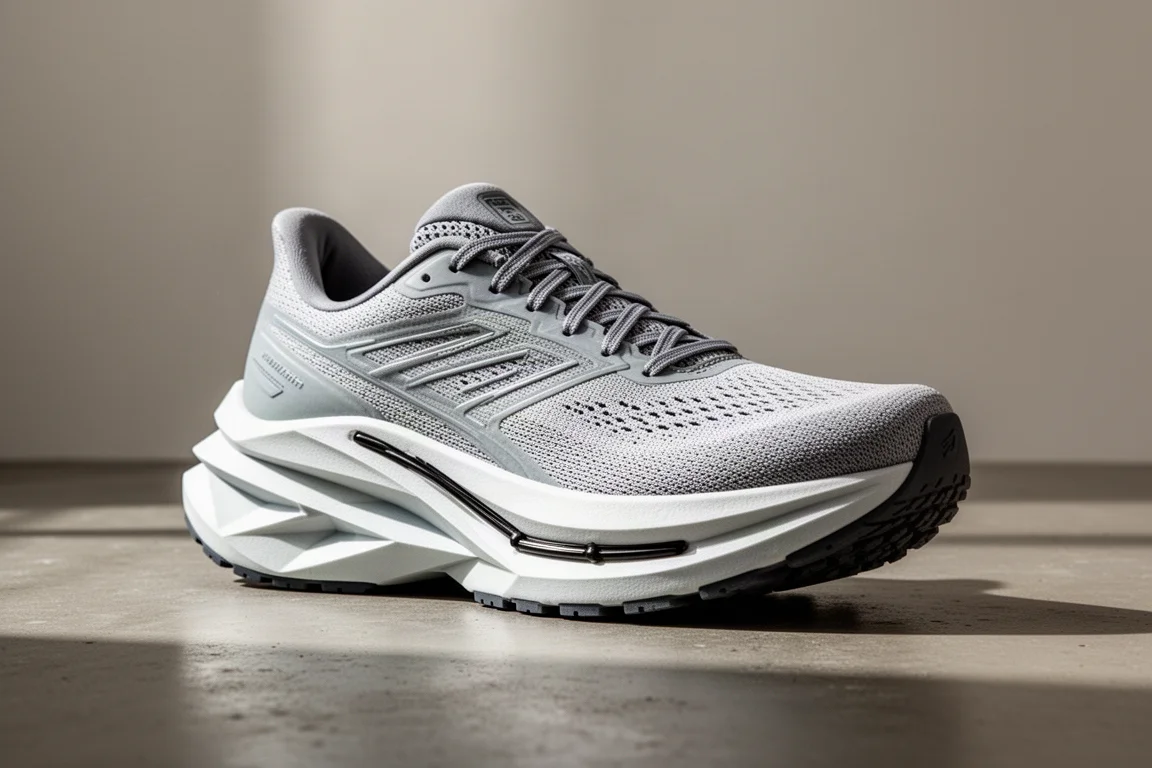
The original SC Trainer went well above the 40 millimeter mark and carried a lot of weight doing it. The follow-up dialed the stack back down below that line while trying to keep the ride character, which is itself a telling signal: when the brand behind one of the category’s flagships decides it does not need the extra height, that says something about where the trend should stop.
As a big-cushion long run shoe with a plate, it remains one of the more thoughtful executions of the idea, and the decision to rein things in rather than chase ever-taller foam is worth respecting.
Skechers Go Run Ride 11
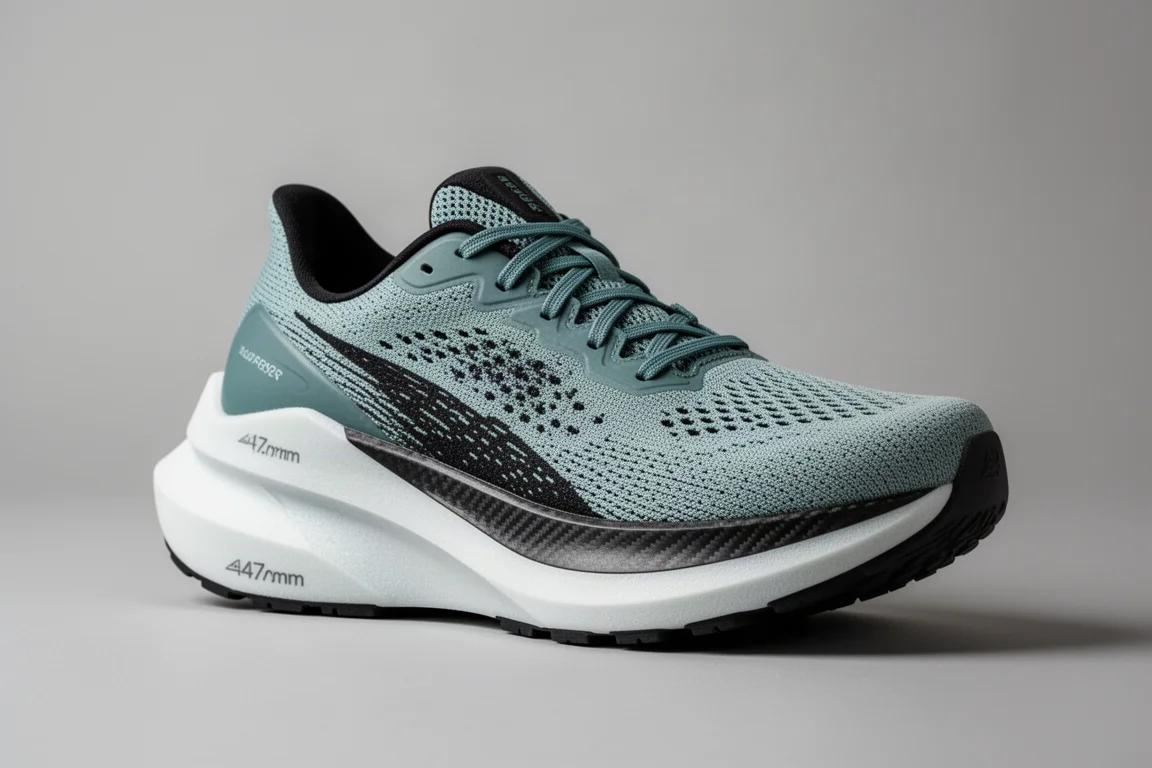
Plated trainers make sense when the plate is there for a reason, and the Go Run Ride 11 is a good example of reason. Its newer foam runs noticeably softer than previous versions, and a forefoot-only plate adds just enough structure and stability to a platform that would otherwise feel wobbly through the heel and midfoot.
Because the plate does not run full length, the shoe keeps a degree of flexibility that makes it a genuine daily trainer rather than a tempo-only tool. If anything, the only complaint is wanting more of that stabilization, not less. This is what a purposeful plate looks like.
Topo Specter
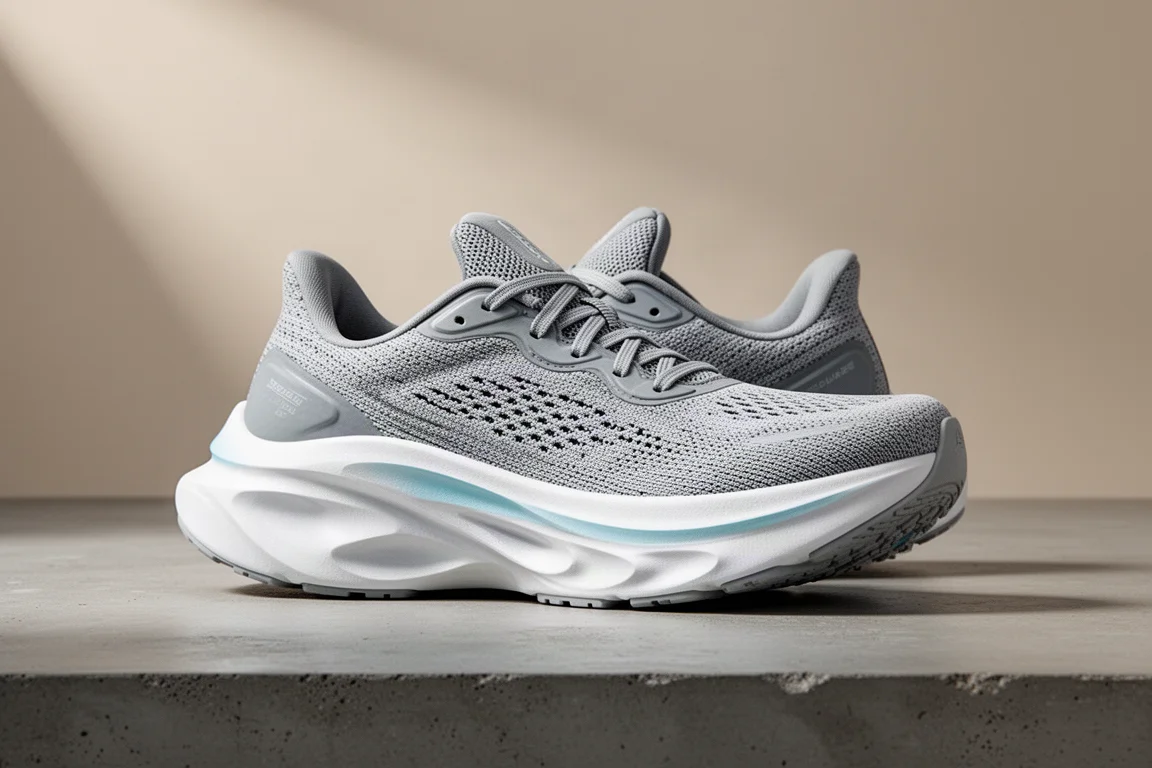
The Specter is one of the cleaner demonstrations of why dual-density midsoles are worth keeping around. A firmer EVA rim wraps around a softer, bouncier core, so you get resilient cushioning underfoot with a subtle cradled structure at the edges, all without the shoe declaring itself a stability model.
That kind of two-foam construction gives designers a lot to work with: guidance, geometry, a stiffness layer where it is needed. It is a versatile, comfortable trainer for runners who want a bit of structure without a posted feel.
Adidas Boston
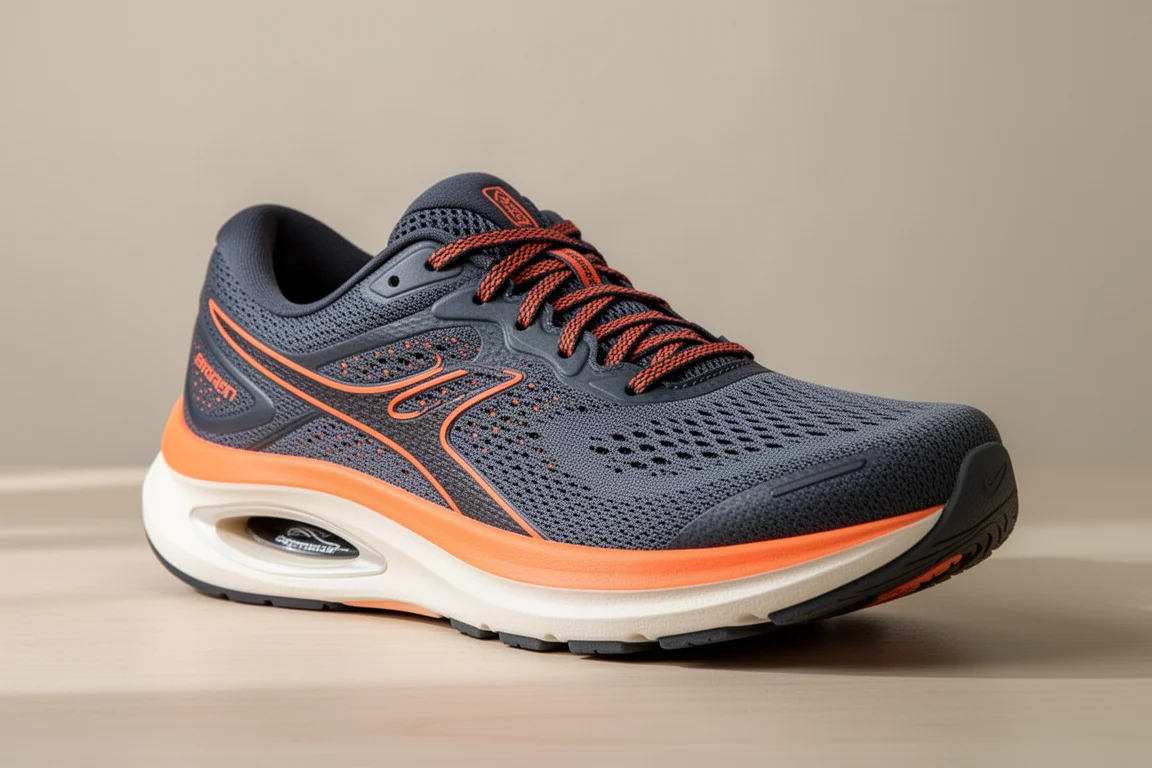
The Boston takes a racing foam and builds it into a lower, firmer, more versatile platform, giving you a taste of the fast stuff in a shoe you can actually put real training miles into. The lighter foam in the forefoot makes the push-off feel bouncy and responsive, while the firmer layer underneath keeps the whole thing controlled.
For runners who like the idea of a plated, energetic trainer but do not want marathon racer pricing or an ultra-stiff platform, it hits a practical middle ground. It is also the kind of shoe that rewards patience at the register, as versions tend to drop in price quickly.
A Word of Caution: Super Shoes as Daily Trainers
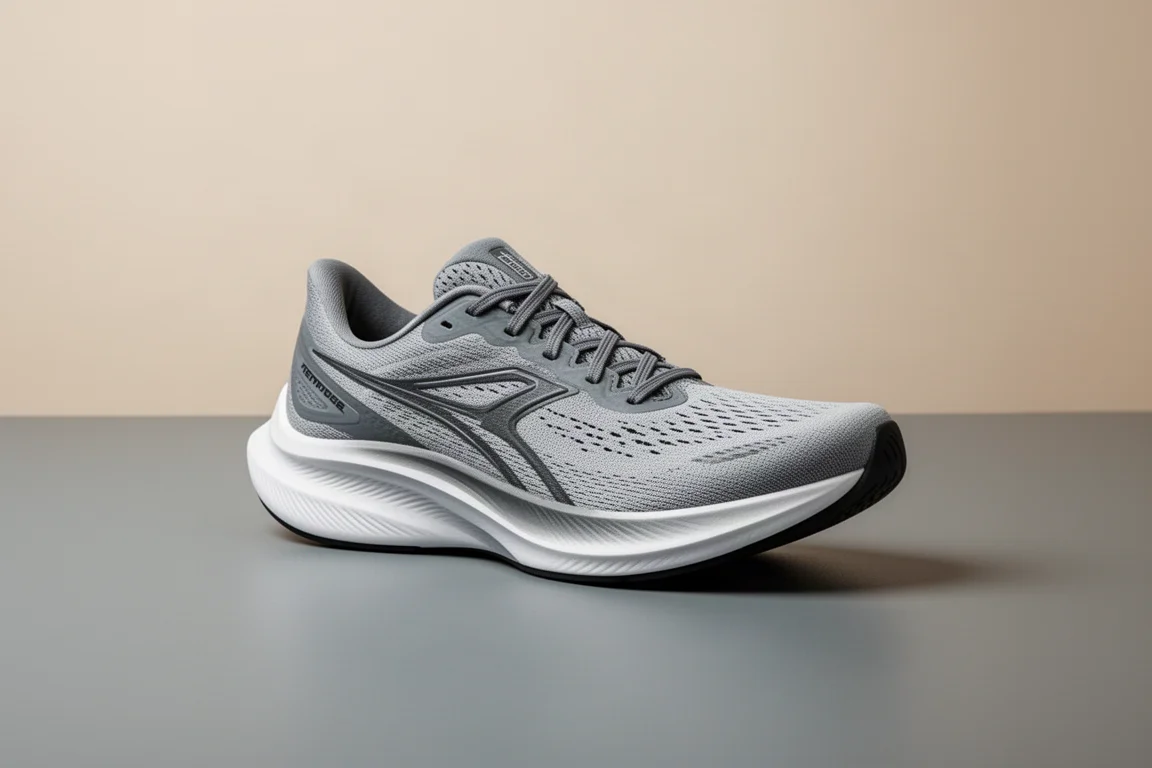
One idea worth actively selling: running all of your miles, especially easy ones, in true super shoes. These shoes shift load to different parts of the body, and training exclusively in them changes how your feet and calves absorb impact. Step out of them and the transition can be rough. They are also expensive, and at slower paces the benefit shrinks while the cost and the risks of stiff plates and aggressive rockers stay the same.
Use them for the workouts and races they were built for. Let your daily trainer be a daily trainer.
Overall Buying Advice
The through-line in every buy decision here is purpose. A tall stack that saves your legs on long runs earns its place. A plate that stabilizes soft foam earns its place. A dual-density midsole that adds structure or a flavor of racing foam at a fair price earns its place.
What does not earn its place: buying maximum stack because it is trendy, running everything in one extreme shoe, or assuming a scanner or a categorization system knows your feet better than comfort does. Fit, feel and rotation still beat any single headline number, and you will likely be better served by two complementary shoes than one overbuilt do-everything pair.
Conclusion
The modern trainer lineup is genuinely good right now, as long as you shop with intent. The Superblast and Prime X reward runners who want maximum cushion for faster and longer efforts, the SC Trainer shows the category learning restraint, and the Go Run Ride 11, Specter and Boston show how plates and dual-density foam can serve daily miles without gimmicks. Buy the tool that matches the job, keep something lower in the rotation, and the high-stack era has plenty to offer.
Further reading
Related Reviews

Running Shoes
Best Road-to-Trail Running Shoes: Three Versatile Options for Mixed Terrain
A practical guide to three road-to-trail running shoes that handle both pavement and mild trails, with clear strengths and trade-offs for different runner types.

Running Shoes
Best Running Shoes for Achilles Tendonitis: Three Options Explained
Three running shoes with different heel drops and support features designed to help reduce Achilles tendon pain during walking and running.

Running Shoes
Best Running Shoes for Women: Five Top Choices Ranked
A ranked guide to five women's running shoes, from versatile daily trainers to high-performance racing options, with real strengths and trade-offs for each.