Running Shoes
Best Daily Trainers Compared: Nike Pegasus 39 and Four Strong Rivals
The Nike Pegasus 39 faces off against the Puma Velocity Nitro 2, Saucony Ride 15, Hoka Mach 4 and Reebok Floatride Energy 4. Here is how they stack up for everyday running.
Introduction
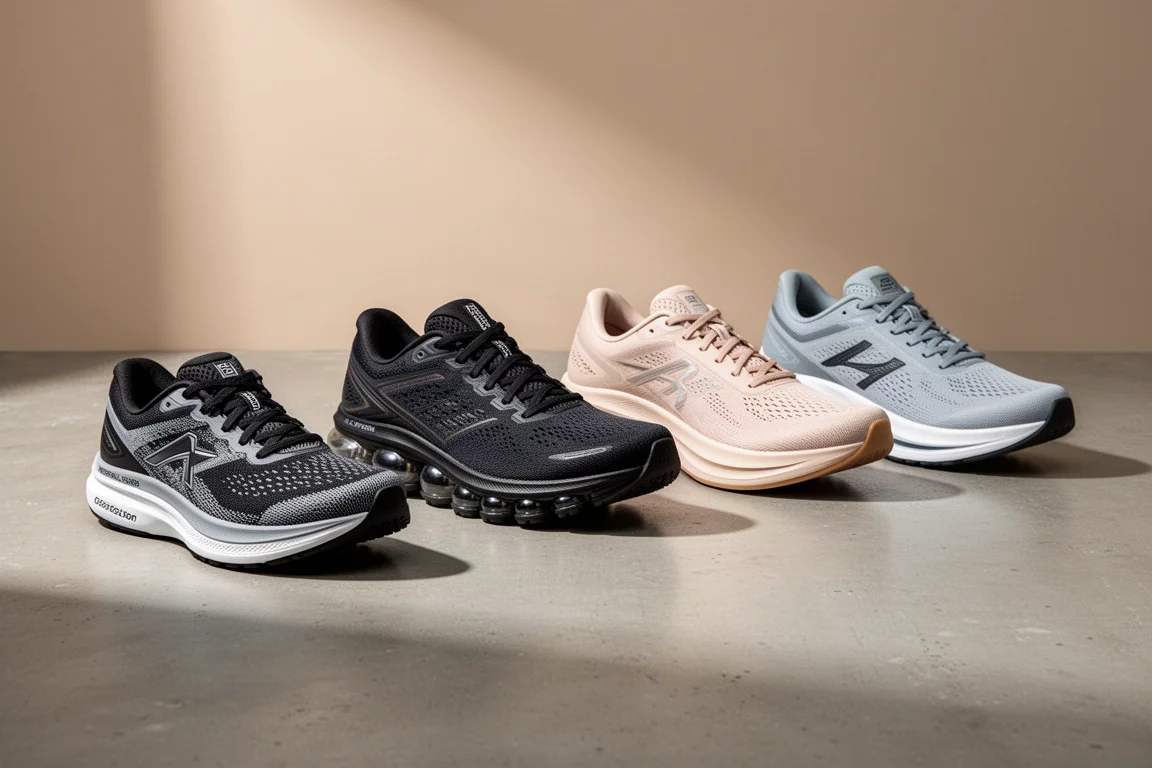
The daily trainer category is crowded, but a handful of shoes keep coming up as the safest bets for runners who want one shoe to handle easy miles, long runs and the occasional tempo session. The Nike Pegasus 39 leads this comparison as a genuinely improved update, with the Puma Velocity Nitro 2, Saucony Ride 15, Hoka Mach 4 and Reebok Floatride Energy 4 all vying for the same spot in your rotation.

What makes this generation interesting is how differently each shoe approaches the same job. Some lean toward a stable, reliable ride, others toward soft bounce, and a couple undercut the competition on price. Here is how they compare.
Nike Pegasus 39
The Pegasus 39 is a substantial update after two fairly conservative versions. A UK size 9 weighs 279g (9.8oz), a big drop from the 310g (10.9oz) of the Pegasus 38, achieved through a stripped-back, more breathable upper and changes to the midsole. The React foam midsole now carries two Air Zoom pods instead of one, adding a second unit under the heel for a poppier, more responsive ride. Pricing sits at £109.95 in the UK and $120 in the US.
Fit is roomier than the 37 and 38, coming up much more true to size with a comfortable, padded tongue and collar. The Flywire system wraps the midfoot well, especially for runners with higher arches. On the road the ride is firmish but never harsh: protective, stable and reliable, with a snappier transition as pace rises. It handled easy recovery runs comfortably, felt noticeably lighter on tired legs at the end of long runs up to 22km, and coped well with tempo and two-minute repeat sessions. Only all-out sprint work proved beyond what it is built for.
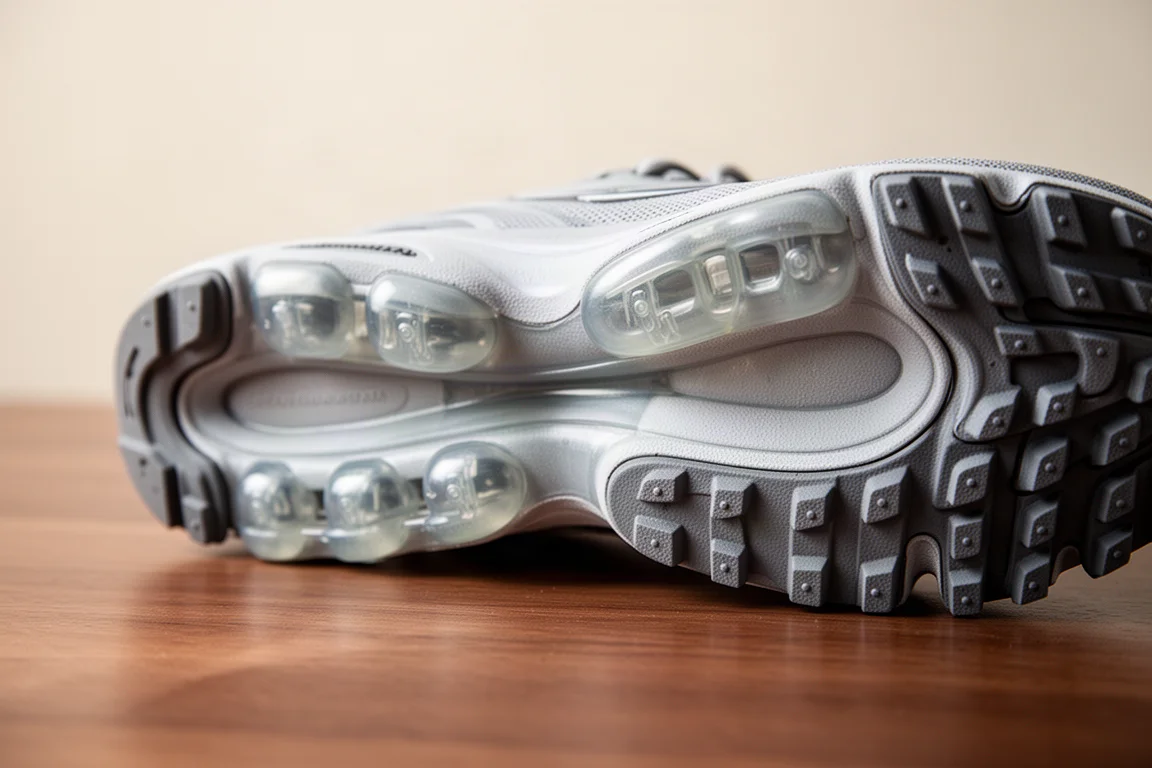
Two strengths stand out. The outsole keeps thick rubber coverage with an aggressive lug pattern, delivering excellent grip in all conditions and strong durability, and it holds up well on light trails and towpaths, making this almost a road-to-light-trail option. Our verdict: the best Pegasus since the 36, a versatile workhorse daily trainer that will take you from 5k to marathon and represent strong value within Nike’s range.
Puma Velocity Nitro 2
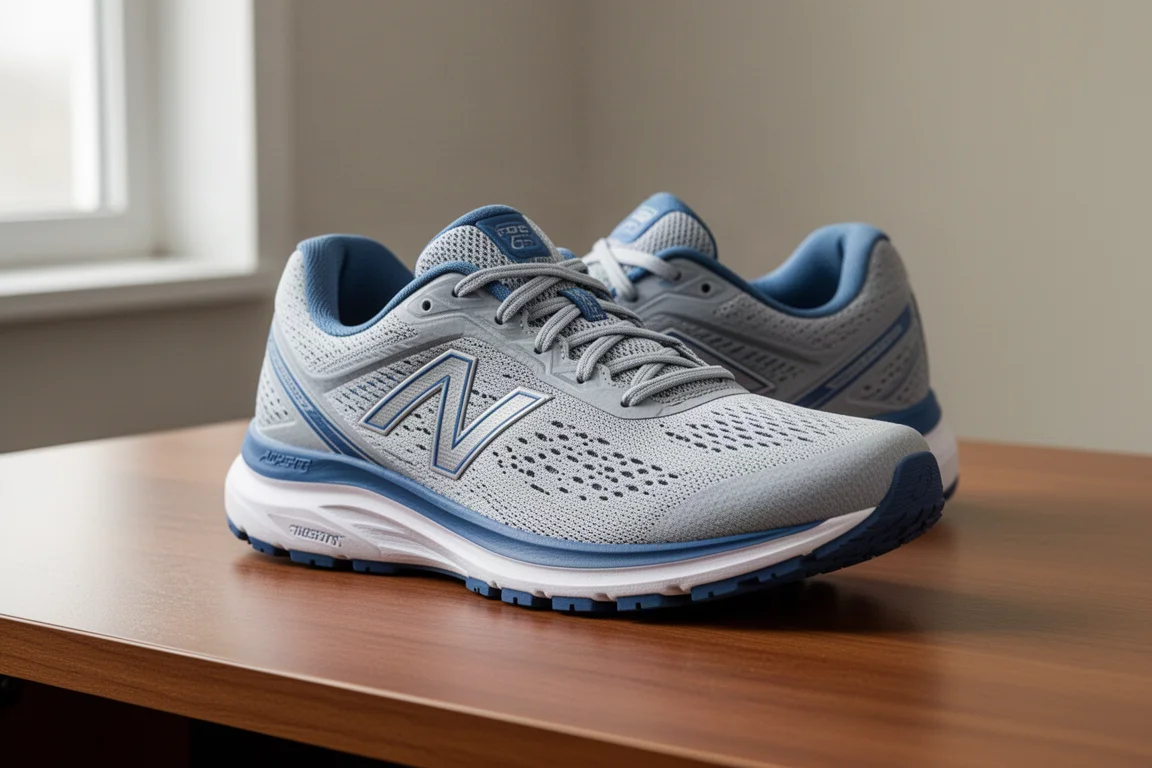
The Velocity Nitro 2 is the preferred pick in this category for runners who want a more fun, bouncy ride. At £100 it is cheaper than the Pegasus, and it is lighter, bouncier and more enjoyable underfoot, with comfort that carries into slow runs as well.
It also grips well on light trails thanks to a very good outsole. The trade-offs: it is not quite as stable as the Pegasus and may not hold up to quite as many miles. For runners who prioritize an enjoyable ride over maximum stability, it is hard to beat here.
Saucony Ride 15
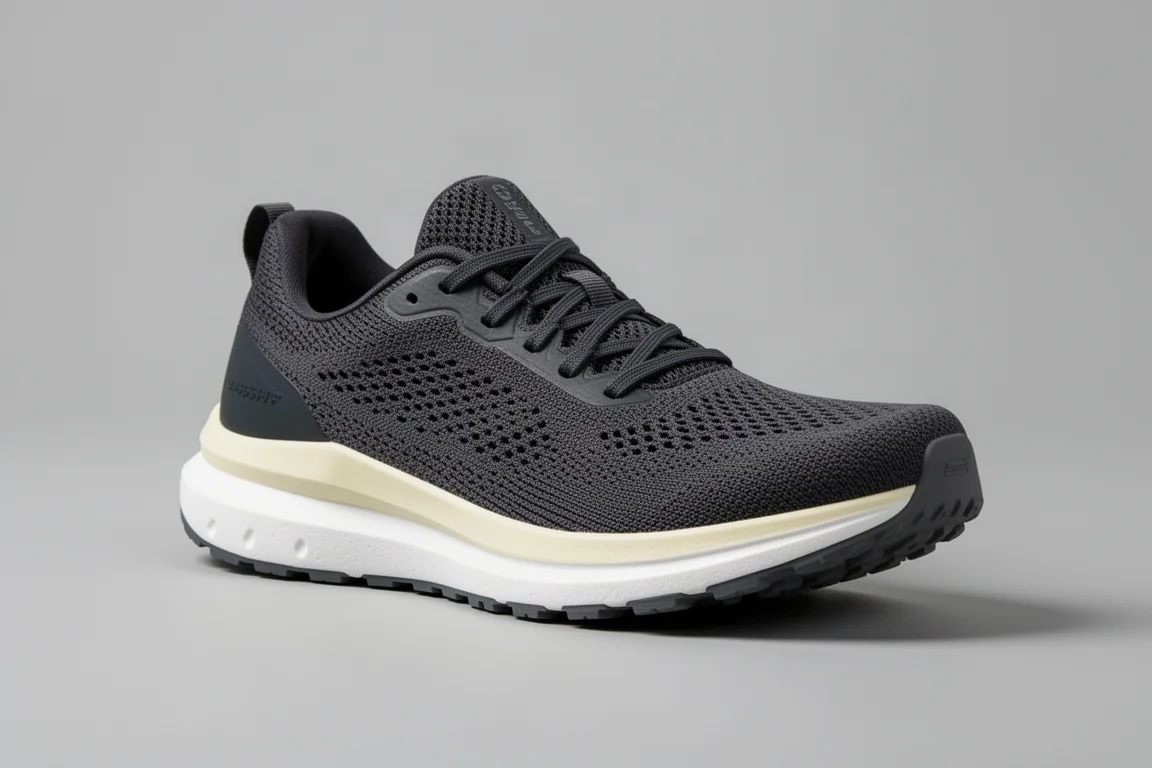
The Saucony Ride 15 sits closest to the Pegasus in character, but is a little lighter. It is also around £20 more expensive, and it is not clearly better at speed work, with some of the weight difference offset by the Pegasus’s superior outsole.
Where it does shine is the upper: it offers a more comfortable, more accommodating fit than the Pegasus 39. If upper comfort matters most to you, the Ride 15 is worth the extra spend; if durability and grip matter more, the Pegasus holds the edge.
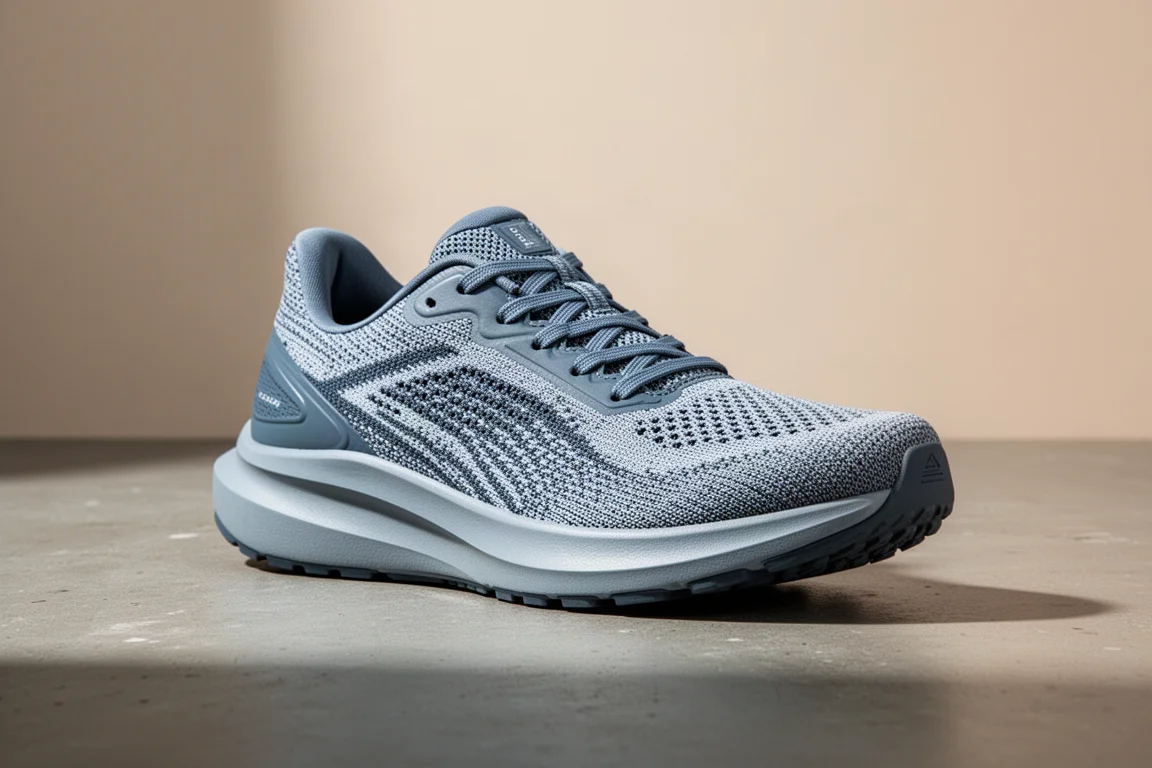
Hoka Mach 4
The Hoka Mach 4 takes a different route: lighter, softer and very smooth rolling, at around $120. It is not a very durable shoe compared to the Pegasus, so heavy-mileage runners should factor that in.
For runners who want a soft, fluid ride in a lightweight package and are happy to replace shoes more often, the Mach 4 is a genuinely pleasant option in this price bracket.
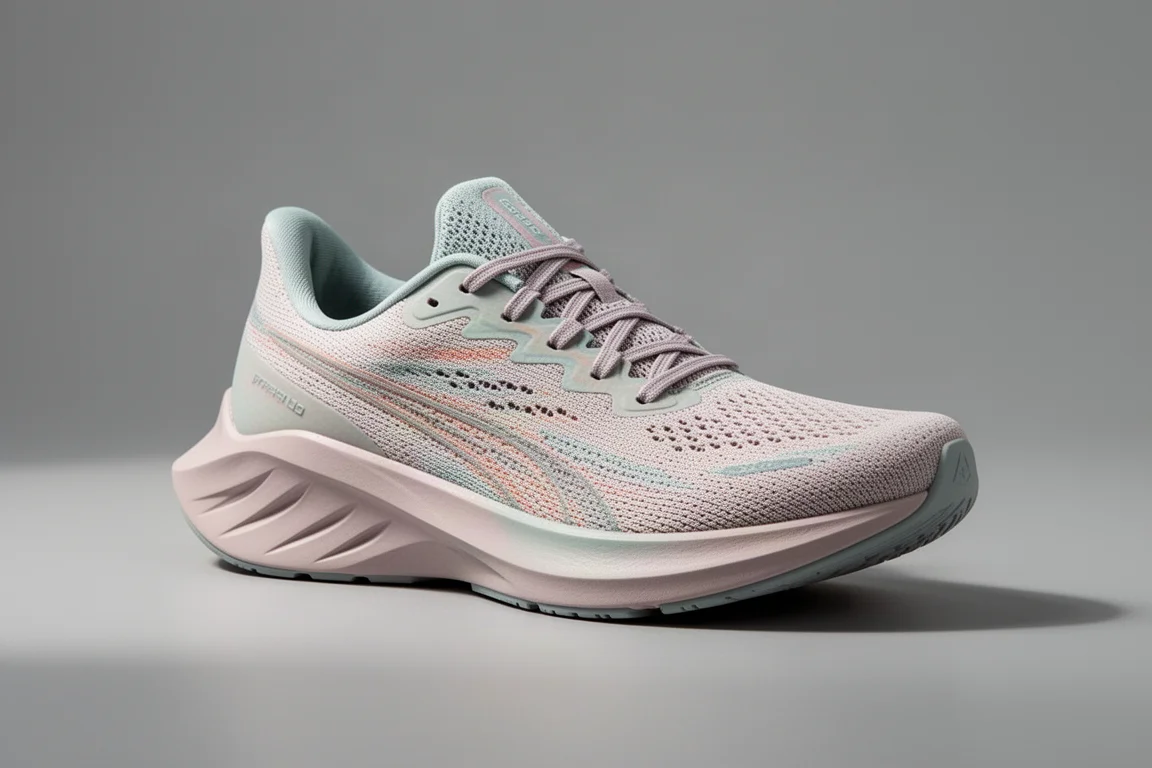
Reebok Floatride Energy 4
The Floatride Energy 4 is the value play of this group at £75. Its ride is dependable and reliable in a way that feels quite similar to the Pegasus, and it is a bit lighter too, working well for all the same kinds of runs.
The outsole may not be quite as good as the Pegasus’s, and the Pegasus is perhaps a tad more comfortable for easy runs, but there is not much in it. Given the price gap, this is the shoe to look at first if you are considering the Pegasus on a budget.
Buying Advice
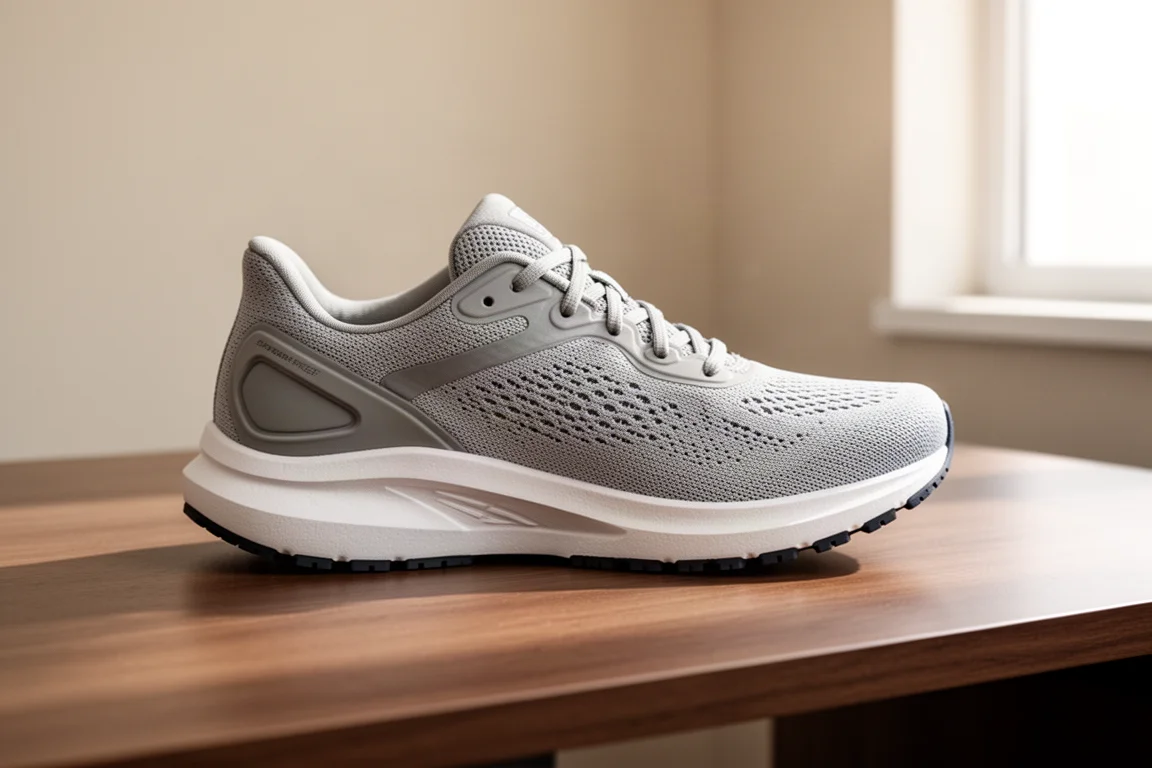
None of these shoes would be a bad recommendation; it really comes down to ride preference and budget. If you want one shoe that does everything, the Pegasus 39 is lighter, cheaper and more versatile than Nike’s own Infinity (a purpose-built easy-run cruiser) and Invincible (a soft, bouncy and fun daily trainer), and it remains the best value option in Nike’s range.
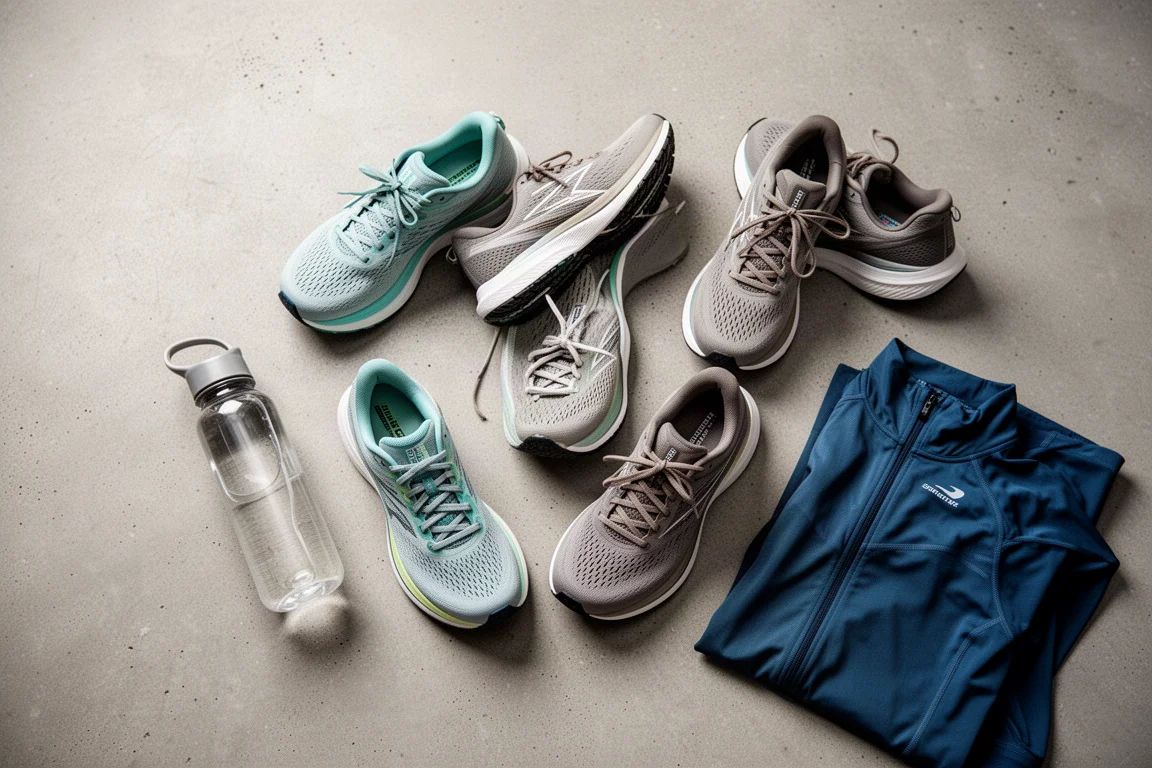
If you run in a rotation, the Pegasus still pairs best with a dedicated faster shoe for speed sessions. If an enjoyable, bouncy ride matters most, go Velocity Nitro 2. If upper comfort is the priority, look at the Ride 15. If you want soft and smooth, the Mach 4 delivers. And if budget leads the decision, the Floatride Energy 4 gets you a remarkably similar ride for less.
Conclusion
The Nike Pegasus 39 is a genuine improvement on the 38: just as comfortable for easy runs, but lighter, snappier and more versatile across tempo, progression and long runs. It is a classic daily trainer at a fair price, and our favorite Pegasus since the 36. That said, the Velocity Nitro 2 offers a more fun ride for less, the Ride 15 brings a comfier upper, the Mach 4 a softer roll, and the Floatride Energy 4 a near-identical ride at £75. Choose based on which trade-off matters least to you.
Further reading
Related Reviews

Running Shoes
Best Road-to-Trail Running Shoes: Three Versatile Options for Mixed Terrain
A practical guide to three road-to-trail running shoes that handle both pavement and mild trails, with clear strengths and trade-offs for different runner types.

Running Shoes
Best Running Shoes for Achilles Tendonitis: Three Options Explained
Three running shoes with different heel drops and support features designed to help reduce Achilles tendon pain during walking and running.

Running Shoes
Best Running Shoes for Women: Five Top Choices Ranked
A ranked guide to five women's running shoes, from versatile daily trainers to high-performance racing options, with real strengths and trade-offs for each.