Running Shoes
Best Daily Trainers Compared: Hoka, Mizuno, Saucony, ASICS and Diadora Face Off
Eight current trainers go head to head: plush vs structured Hoka, plated vs flexible Mizuno, speed vs versatility from Saucony, and a surprise challenger from Diadora.
Introduction
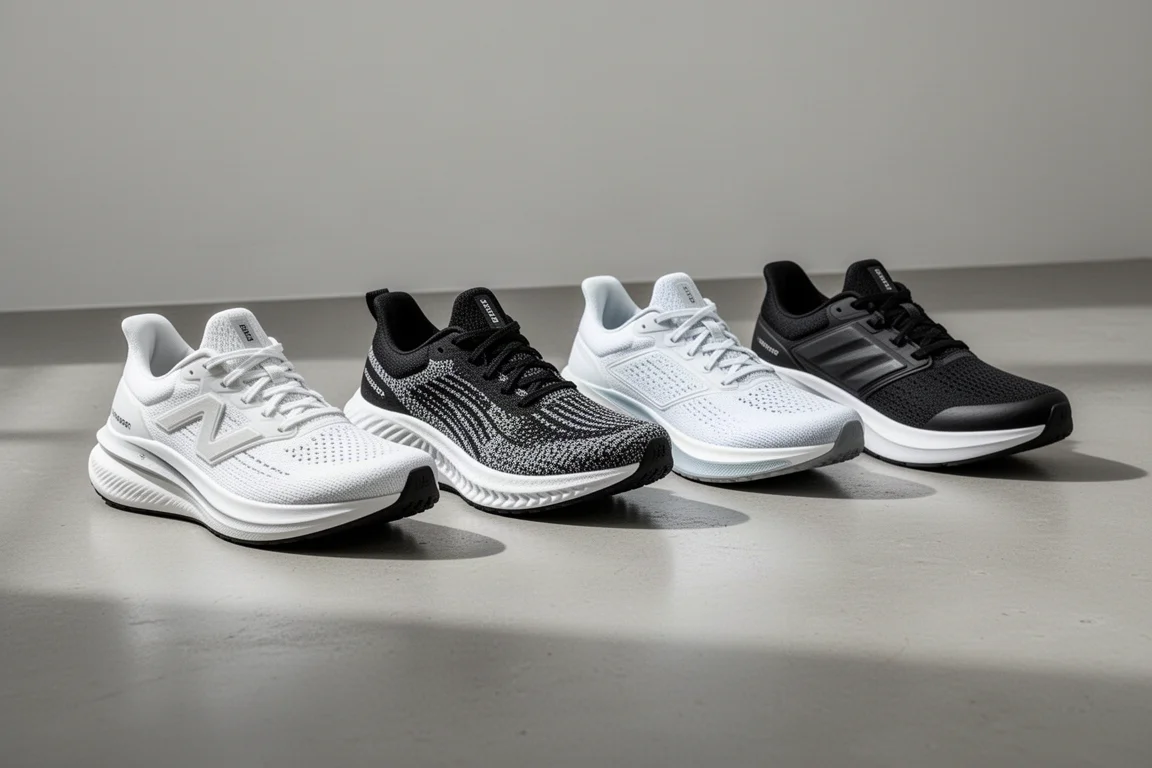
Picking a daily trainer is harder than ever. Modern lineups are stacked with shoes that overlap, and brands are now actively working to differentiate their own models instead of shipping two nearly identical options. This guide breaks down the current trainers worth arguing about, from Hoka’s refreshed flagship neutral pair to a surprisingly pleasant newcomer from Diadora, and explains who each shoe is really for.
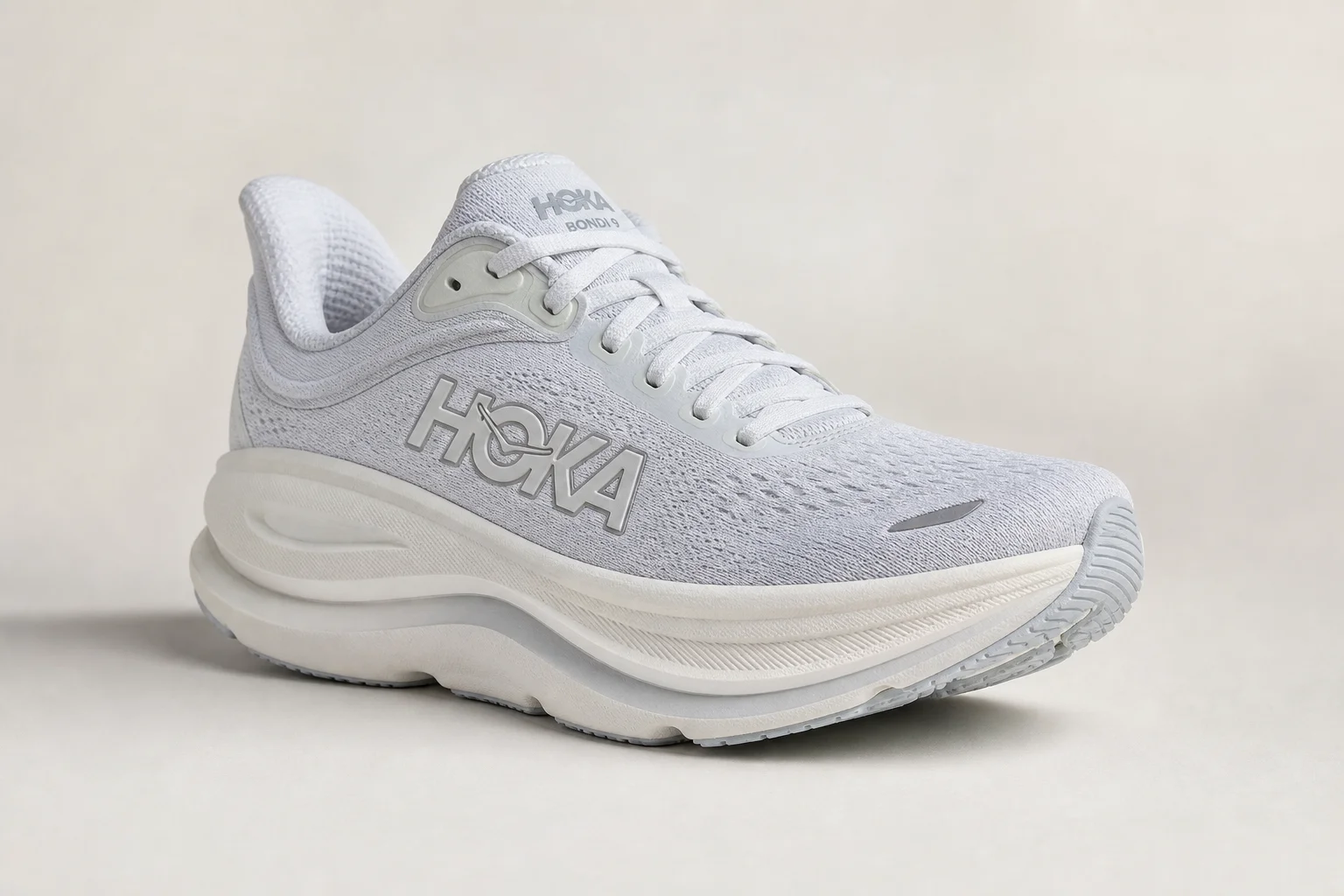
Hoka Bondi 9
The Bondi has always been the “premium” version of Hoka’s neutral lineup, and the Bondi 9 pushes that identity further. A super critical EVA midsole brings slightly lighter, slightly softer cushioning than before, while a reconstructed heel is now genuinely structured with pronounced sidewalls and a wide, stable rearfoot. The upper was also reworked to feel softer and plusher than earlier versions.
The trade-off is that the foam still reads as structured cushioning rather than truly soft. It is protective and balanced, but riders expecting a pillow-soft ride will notice it behaves more like a stable neutral shoe, closer in feel to a max-stability platform than a classic soft trainer. If you want a wide, secure, heel-stable ride for easy miles and long days on your feet, the Bondi 9 delivers exactly that.
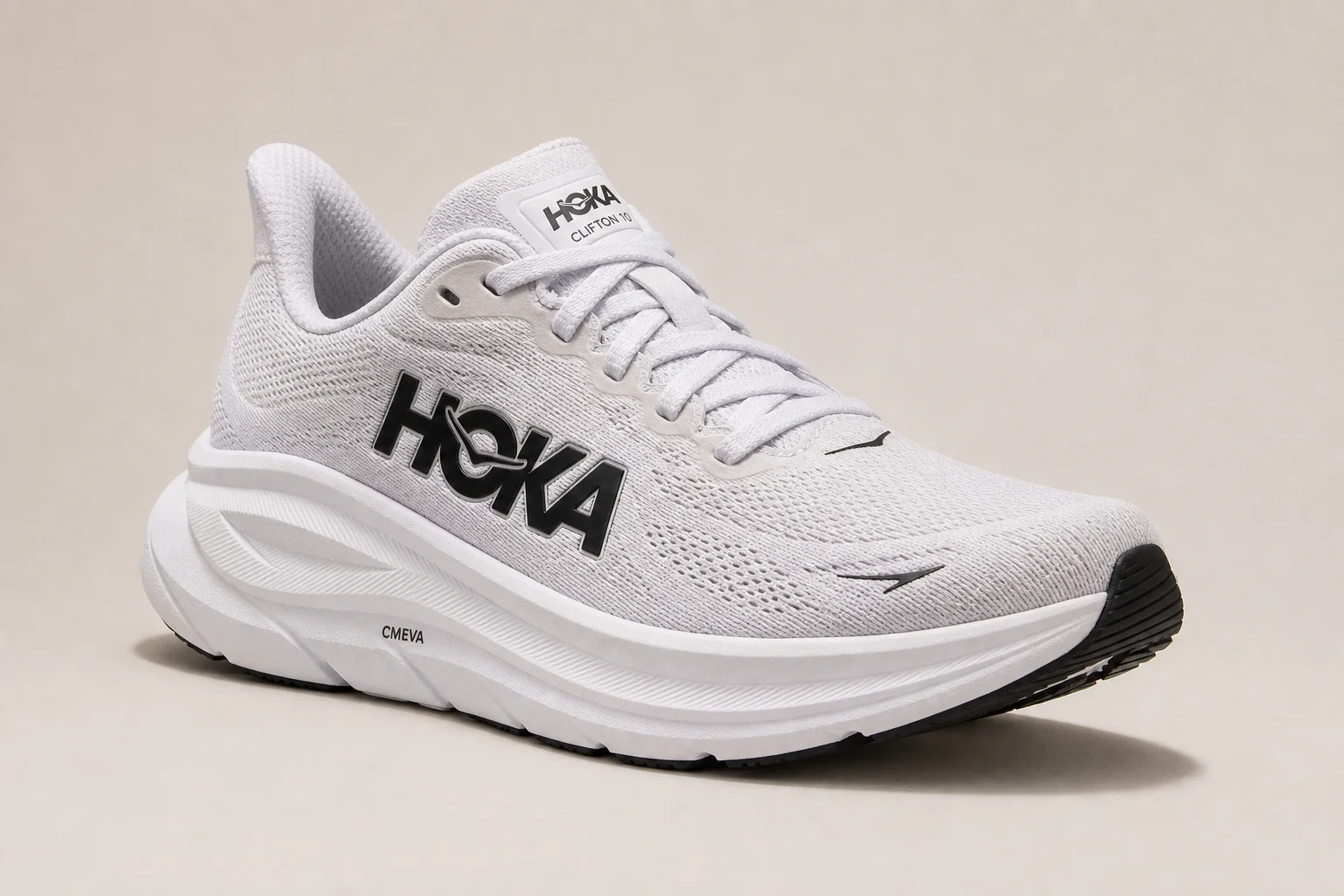
Hoka Clifton 10
The Clifton 10 cements the model’s shift into a classic daily trainer. It runs a little lighter than the Bondi (around 9.9 oz in a men’s 9.5 versus about 10.6 oz for the Bondi 9), keeps a wider-than-traditional neutral platform underfoot without the Bondi’s aggressive heel build-out, and feels firmer and snappier through the rocker. The heel is notably more stable than the previous Clifton, which fixes the soft, unstable rearfoot that bothered some runners in the 9.
The upper is a touch more snug than older Cliftons but breaks in quickly, and the firmer platform still carries plenty of foam so the ride remains protective. For runners who found the Bondi’s heel simply too much, the Clifton 10 is the more natural fit, and it is the easier shoe to pick up the pace in.
Wide Toe Box or High Volume Toe Box?
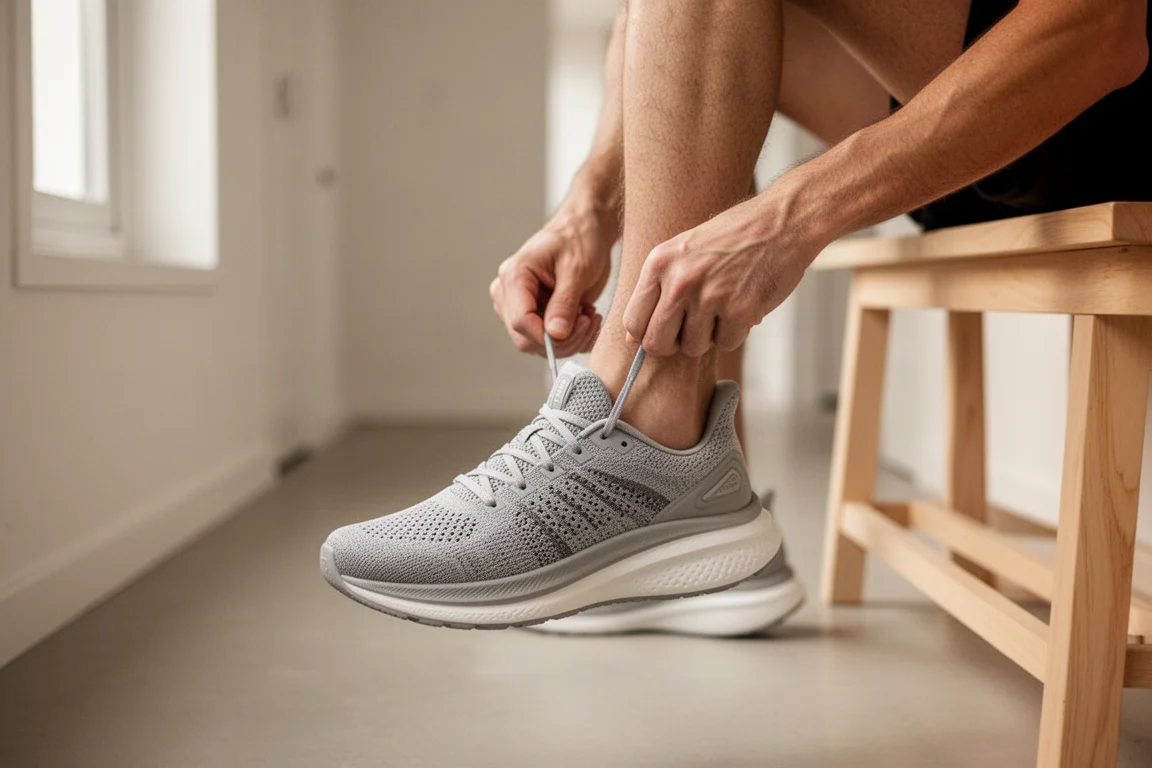
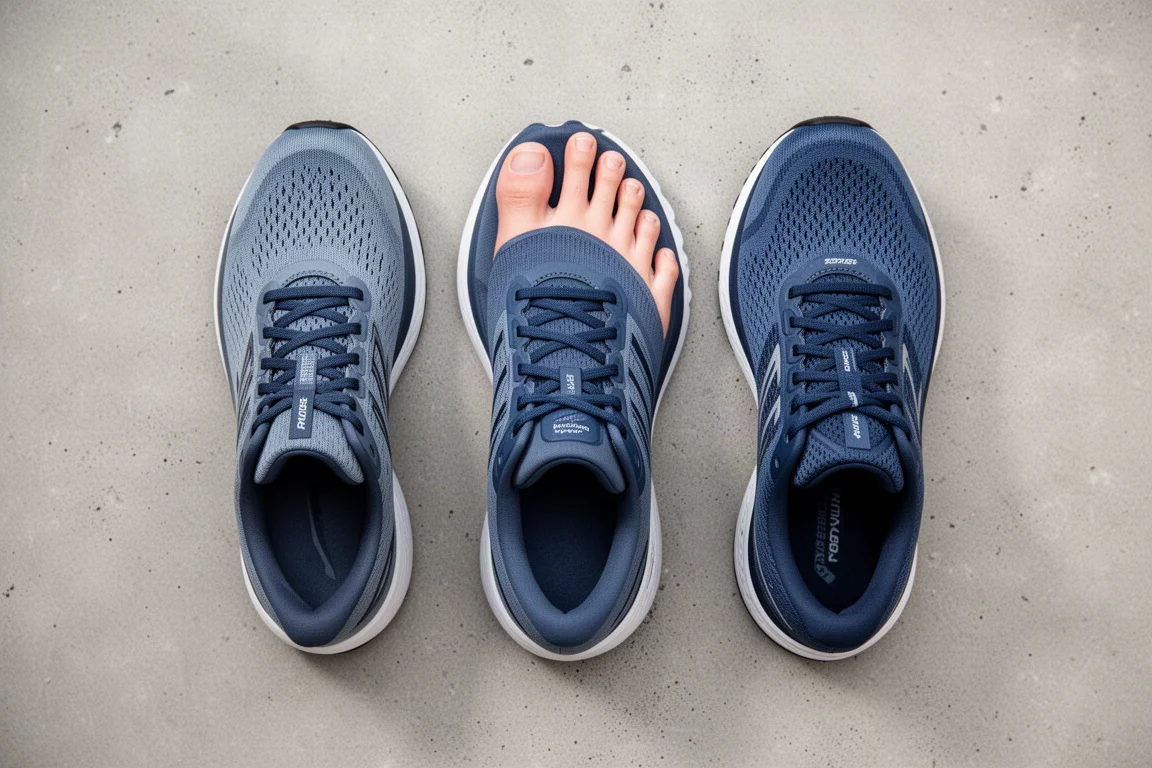
It sounds like a minor detail, but forefoot fit determines whether you can run in a shoe at all. Width comes first: if a shoe is too narrow, no amount of cushioning saves the experience, and tapered toe boxes are a reliable recipe for blisters. Height matters second, mainly to clear irritation on the top of the foot, and too much volume in a low-volume foot can leave the upper feeling sloppy and loose. The ideal is a shoe that gets both right, like brands offering dedicated high-volume wide versions.
Mizuno Neo Zen
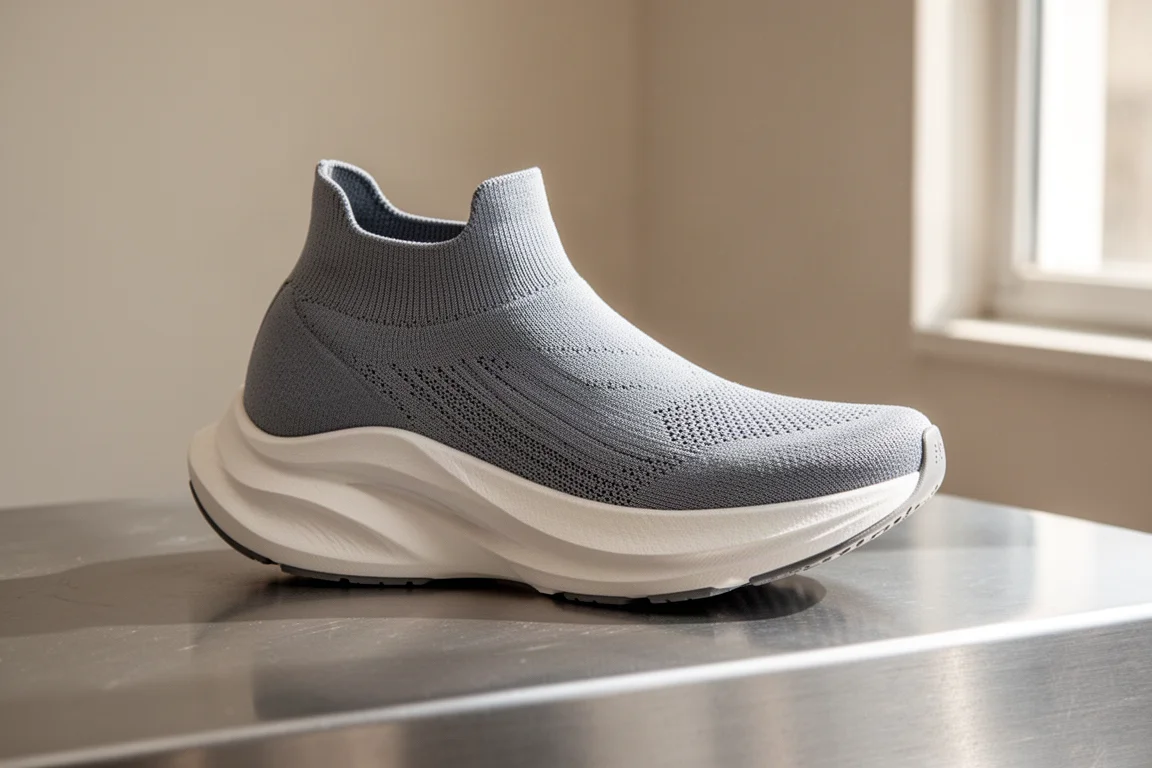
The Neo Zen is the more natural, flexible option of Mizuno’s two new max-cushion trainers. With no plate and a moderate rocker, it bends noticeably under load and gives a bouncy, natural-feeling toe-off. Stepping into it feels immediately soft and cushioned, and it handles high-volume daily training well. The main knock is the knit bootie upper, which moves around a bit and has a few wrinkles, and the softness makes the shoe harder to push quickly when you want speed.
Mizuno Neo Vista
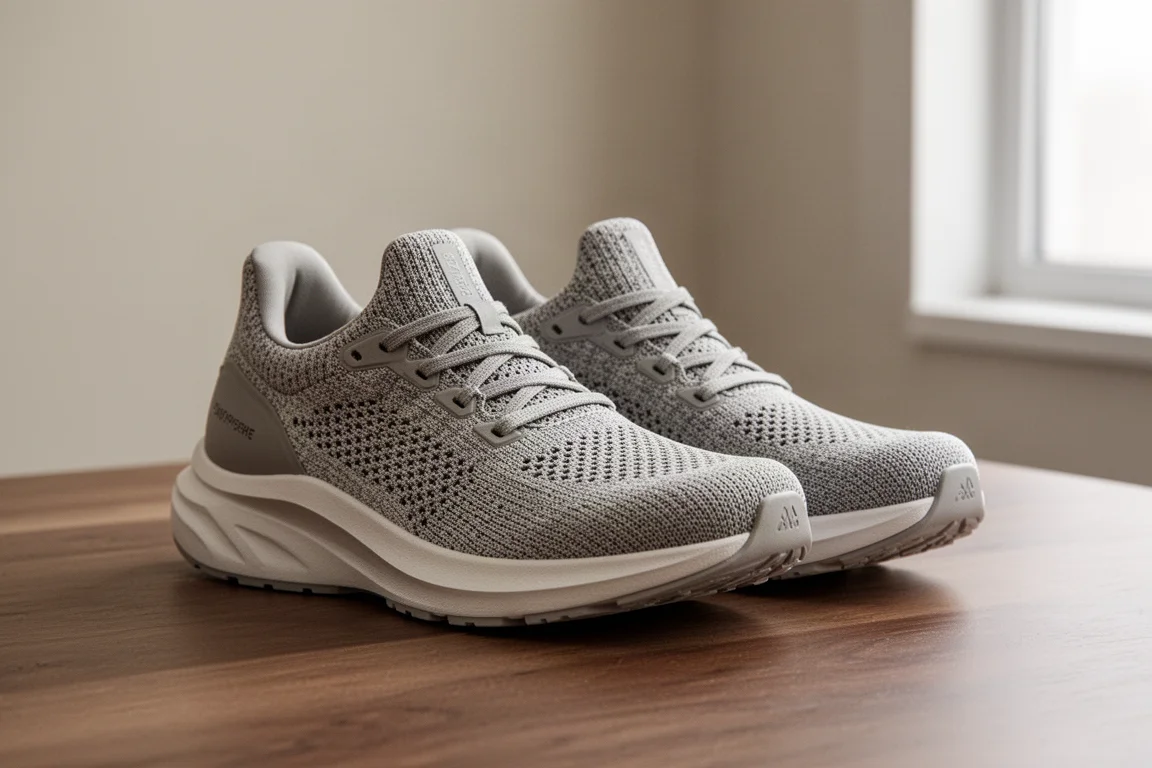
The Neo Vista feels completely different from the Zen. It is not as mushy-soft on footstrike, but under load the midsole compresses deeply and rebounds with a huge, springy bounce that makes easy running exceptionally smooth from heel to forefoot. The beveled heel construction works well with a wide range of mechanics, the upper is much more dialed-in than the Zen’s, and the shoe can genuinely pick up the pace when asked.
The full-length rocker and the deep midfoot split can pitch you slightly when cornering hard, and the pronounced compression means you do not feel much of the ground. As a pure running experience and an easy-day trainer that can still run workouts, the Neo Vista is the stronger pick for most people.
Saucony Endorphin Speed 4
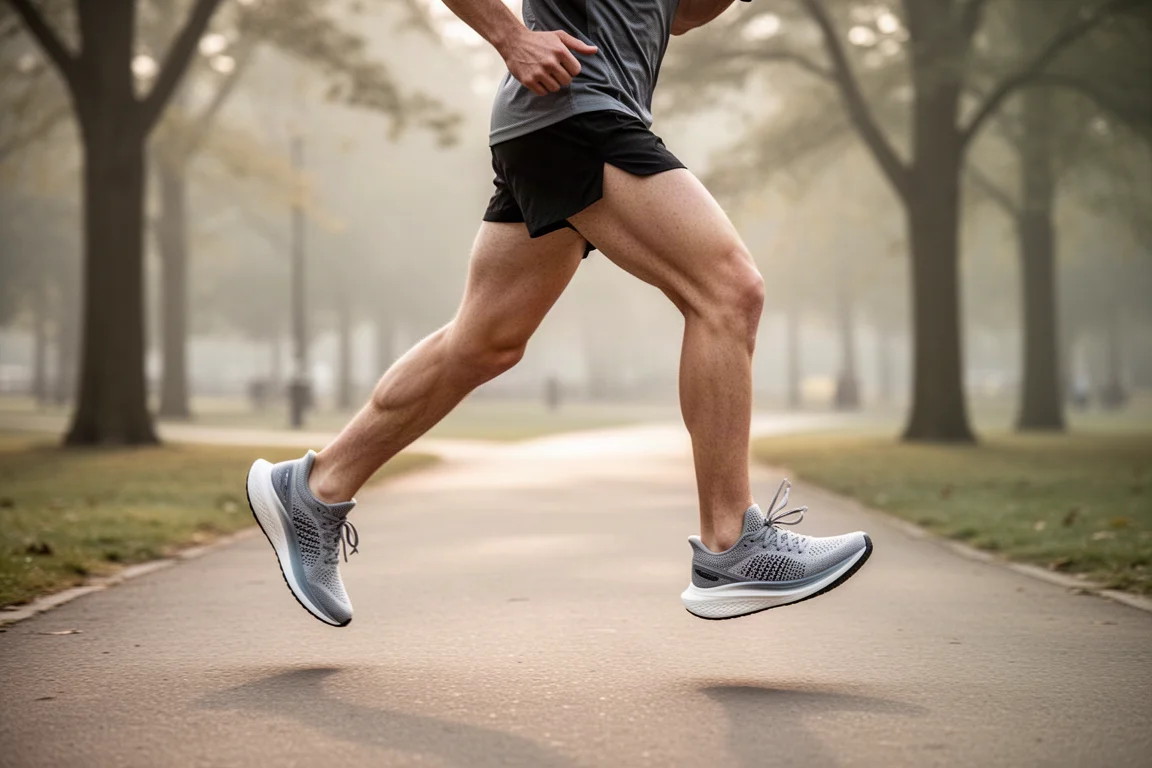
The Speed 4 remains one of the best options for runners who want a fast, lightweight shoe that can double as a racer without the harsh stiffness of a full carbon plate. It held up through heavy workouts and long runs, and it wins on durability compared with the Endorphin Trainer. The limitation is that it sits in super-shoe territory: it is fantastic in bursts, but running in it every single day does not suit everyone.
Saucony Endorphin Trainer
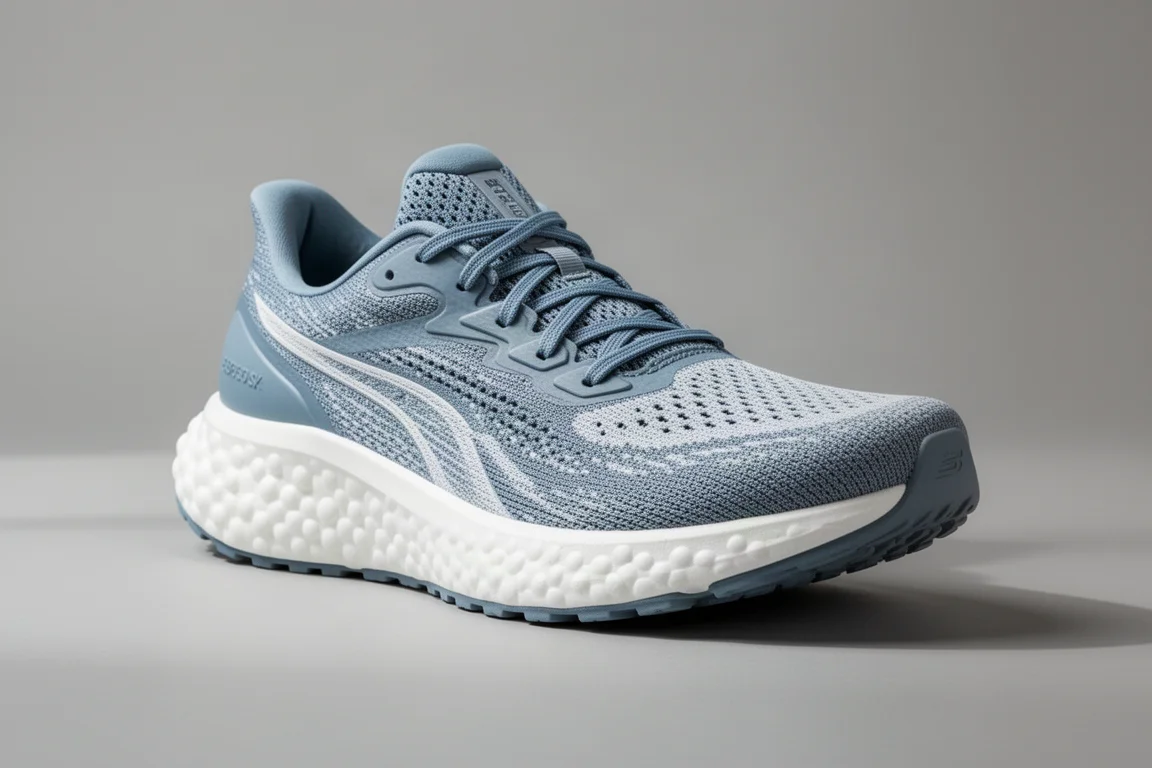
The Endorphin Trainer is the more versatile daily option. Its new foam gives it genuine bounce, balanced by a firmer bottom layer, and the filled-in medial midfoot with slightly raised sidewalls makes it more stable than the Speed. It handles easy runs, long runs, and every kind of workout, and it does not leave hips and ankles feeling wonky the way constant super-shoe use can.
Durability is the weak point; the outsole wears faster than the Speed 4’s, though 100 miles in, the wear is still reasonable. As a do-everything trainer that could even cover a long-distance race in a pinch, the Trainer earns its spot.
ASICS Nimbus 27
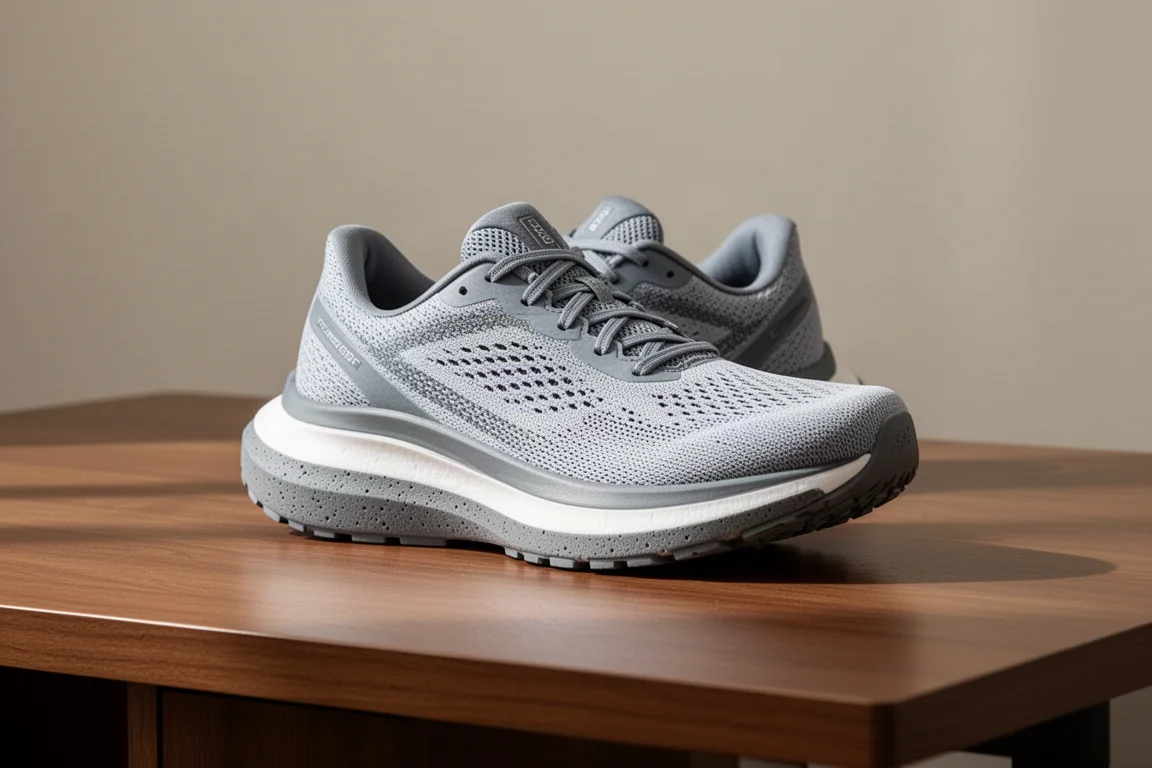
The Nimbus 27 is a genuine turnaround. Where the Nimbus 25 was extremely soft and the 26 only slightly firmer, the 27 finally feels resilient: firmer but really cushioned, rolling nicely through a well-balanced platform. It is not fully a stable neutral shoe, but it gets close, and the ride quality is now what many runners wished the Cumulus delivered. If you gave up on the Nimbus during its ultra-soft era, the 27 is worth another look.
Diadora Cellula
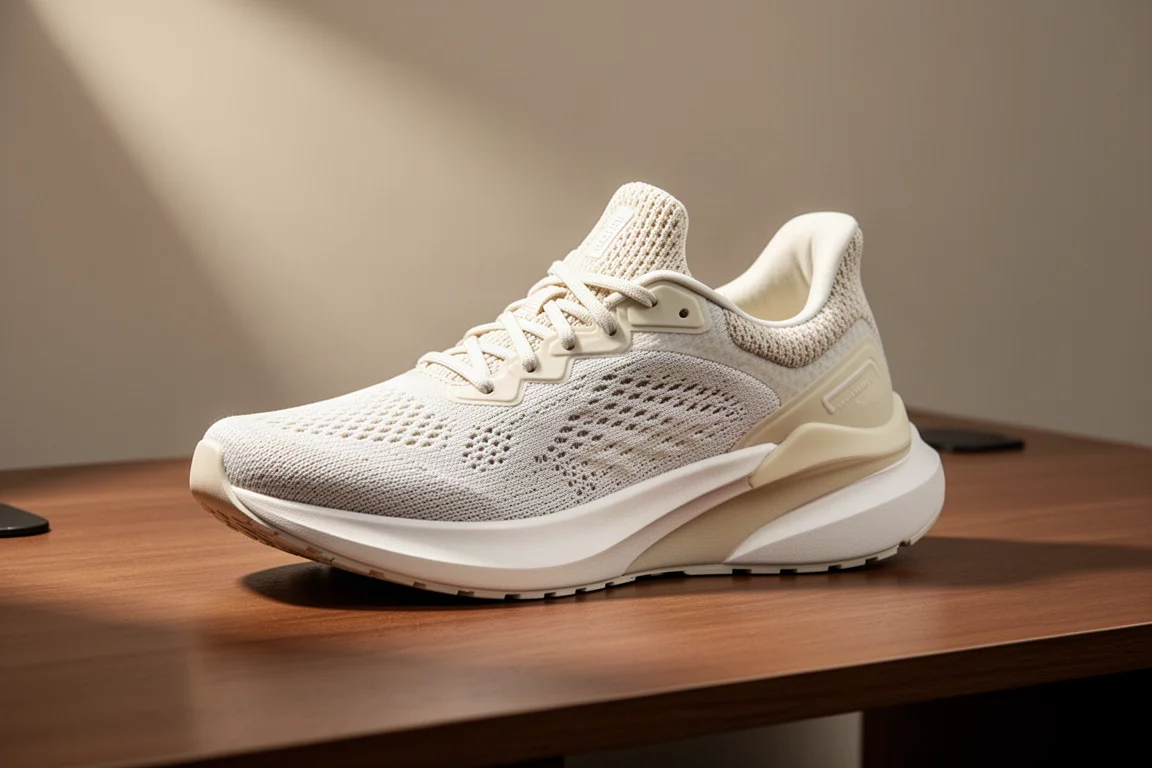
The Cellula was the pleasant surprise of this group. Listed at a 40-plus millimeter stack, it uses a firmer, structured EVA-style foam with a lot of cushioning underfoot rather than a bouncy super-foam feel. The sidewall construction creates a stable rearfoot that is less extreme than the Bondi, the rocker is balanced rather than dramatic, and the platform is fairly stiff while still flexing a little under load.
The upper starts out very snug and low volume but breaks in well, after which the shoe delivers a rhythmic, slightly structured neutral ride that is great for grinding out everyday miles. It is not especially responsive, but as a durable, stable daily trainer it punches well above its profile.
Small Choices That Add Up
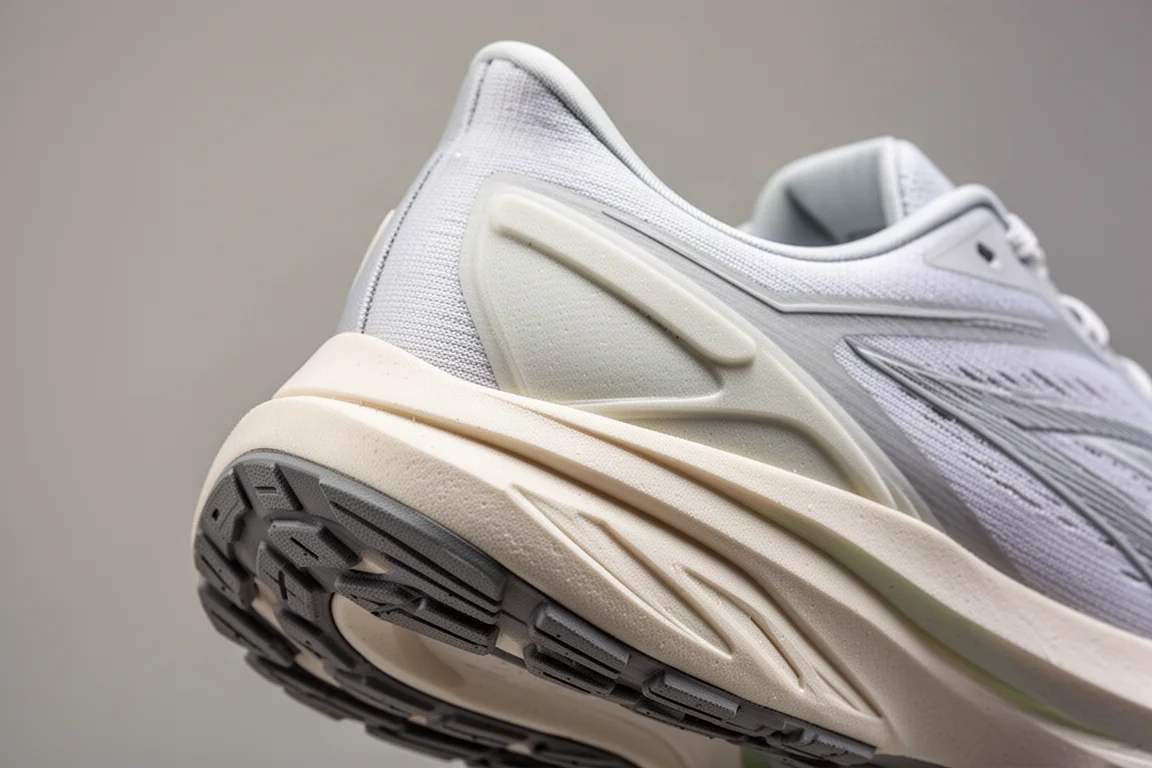
Two quick non-shoe takeaways from hands-on testing are worth carrying into any gear decision. First, for socks: crew socks win. Higher ankle collars and aggressive heel tab constructions on modern racing and training shoes chew up bare achilles skin, and crew socks solve that while leaving room for fun designs. Second, for cross-training: if you had to pick one, plyometrics deliver the biggest return for performance, running economy, and bone health, and they require very little time. But true plyometrics carry real tissue risk, so untrained runners should build a base with slower strength work first. Ideally, do both.
Conclusion
The clear theme across this year’s trainers is differentiation: the Bondi 9 is now unmistakably the structured, stable one while the Clifton 10 stays the versatile neutral daily trainer; Mizuno’s Zen and Vista split cleanly between natural flexibility and bouncy rocker cushioning; Saucony’s Speed 4 covers fast training and racing while the Trainer handles everything else; and the Nimbus 27 and Diadora Cellula prove that a firmer, more resilient cushioning approach is winning over the ultra-soft trend. Match the shoe to your mechanics and your actual weekly mileage, and each of these has a well-defined buyer.
Further reading
Related Reviews

Running Shoes
Best Road-to-Trail Running Shoes: Three Versatile Options for Mixed Terrain
A practical guide to three road-to-trail running shoes that handle both pavement and mild trails, with clear strengths and trade-offs for different runner types.

Running Shoes
Best Running Shoes for Achilles Tendonitis: Three Options Explained
Three running shoes with different heel drops and support features designed to help reduce Achilles tendon pain during walking and running.

Running Shoes
Best Running Shoes for Women: Five Top Choices Ranked
A ranked guide to five women's running shoes, from versatile daily trainers to high-performance racing options, with real strengths and trade-offs for each.