Running Shoes
Salomon Aero Glide 3 vs ASICS Novablast 5 and Superblast 2: Daily Trainer Showdown
Three daily trainers, one clear picture: the surprise package from Salomon, the established bouncy pick from ASICS, and the divisive all-rounder.
Introduction
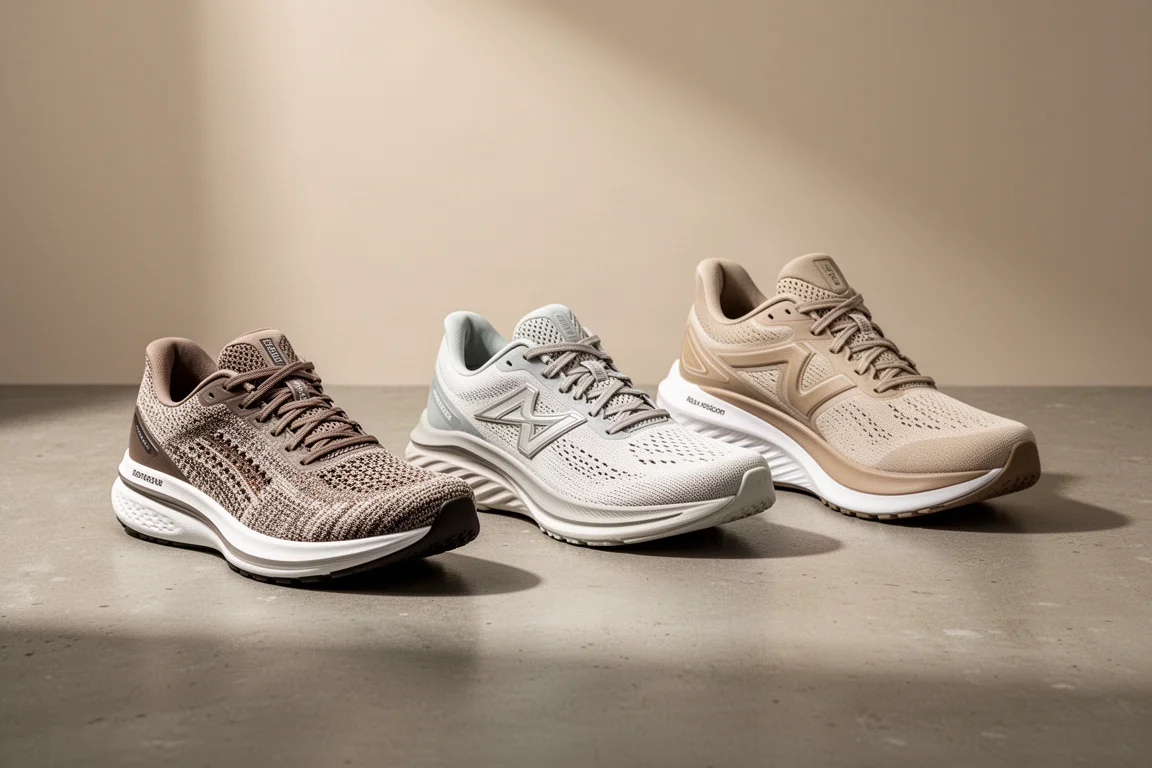
Finding one daily trainer that handles easy miles, pace pickups, and long stretches of consistent weekly mileage is harder than it sounds. This comparison looks at three options that keep coming up: the Salomon Aero Glide 3, the ASICS Novablast 5, and the ASICS Superblast 2. Each sits in a slightly different spot on the comfort-versus-speed spectrum, but all three are built to cover the bulk of a runner’s week.
The Salomon Aero Glide 3 has emerged as a genuine surprise. Salomon is known as a trail and ultra brand with no real history of road running hits, yet this shoe competes directly with the most established names in the category. Pairing it against the Novablast 5 and the Superblast 2 shows where each one wins and where the trade-offs sit.
How We Evaluated These Shoes
Every running shoe, regardless of price or materials, involves trade-offs. The more comfortable a shoe is, the less aggressive it typically feels. The faster and more streamlined a shoe is, the worse it tends to be for relaxed, longer miles. With that in mind, the comparison focused on:
- Weight and stack height measured after real miles, not just on-paper specs
- Ride quality at easy paces versus faster daily miles
- Durability, especially how the midsole foam holds up over high mileage
- Stability and protection for everyday use
Salomon Aero Glide 3: The Surprise Daily Trainer of the Year
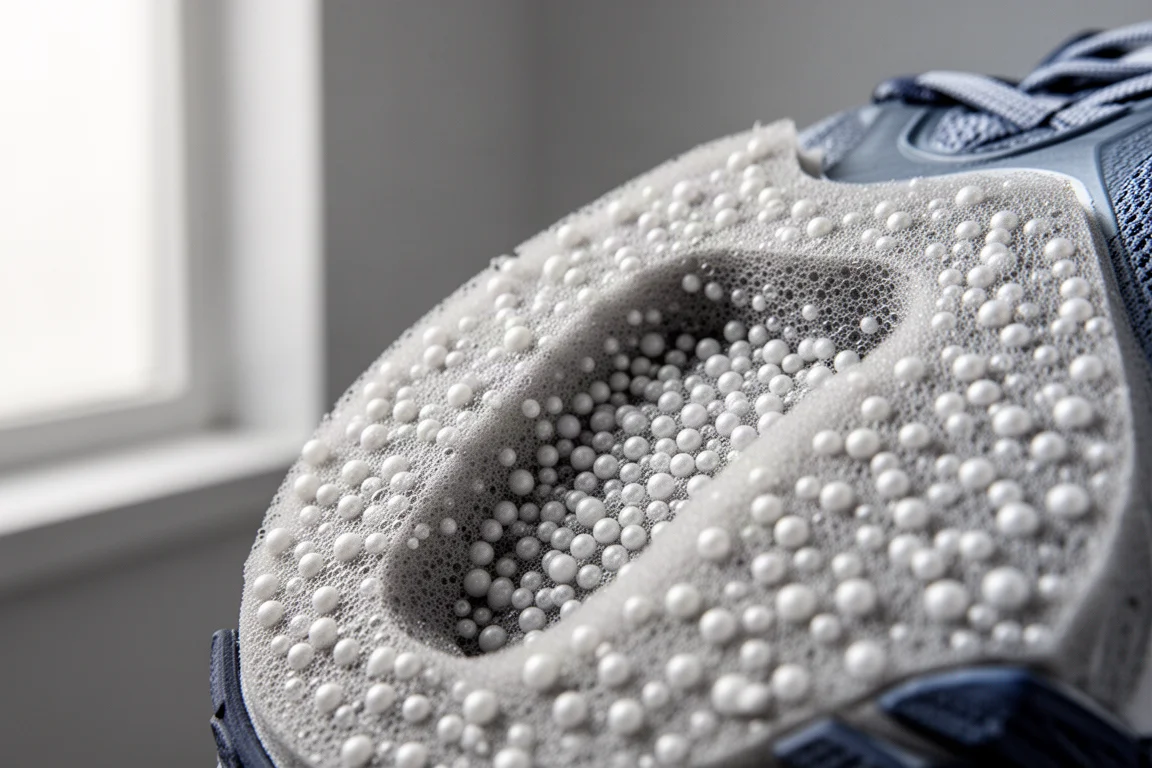
The Aero Glide 3 is built around a beaded TPU foam that Salomon calls Energy Evo. This is the same family of foam used in the Adidas Ultra Boost and the Saucony Triumph 20, compounds known for lasting a long time. The foam comes alive when force is applied and pace picks up, while still feeling decently comfortable when running easy.
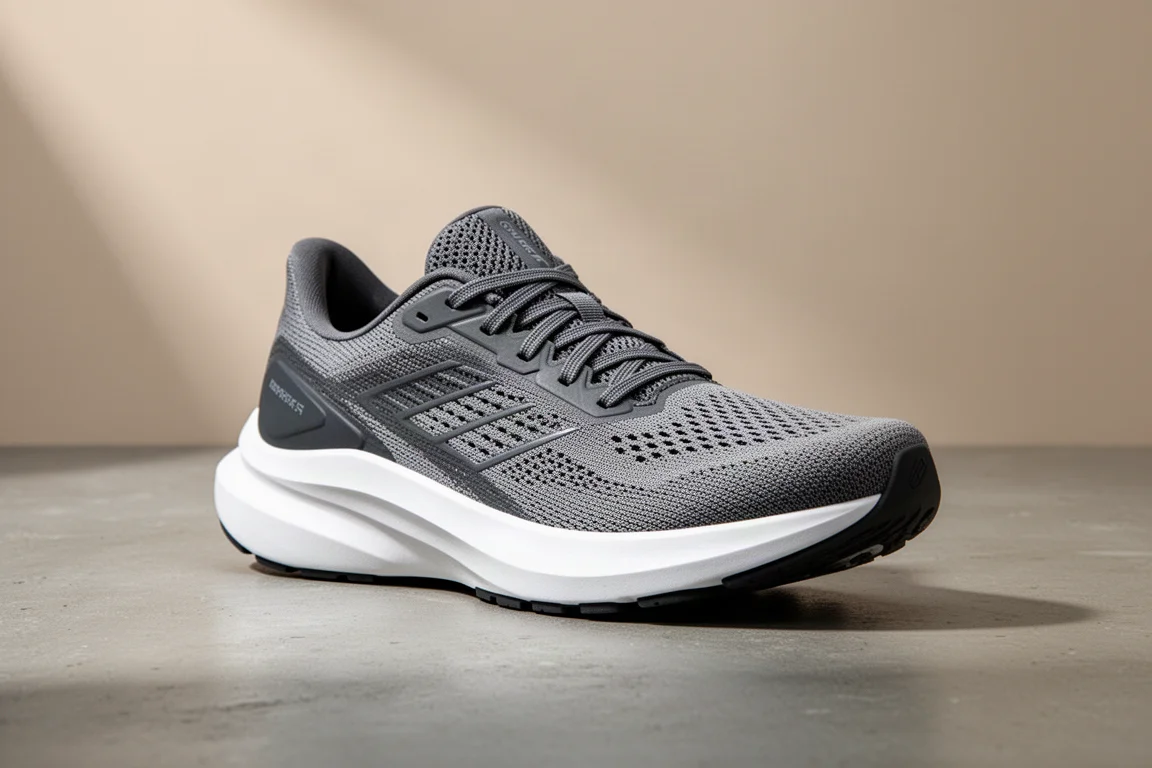
Measured after roughly 50 miles, the stack height sits around 38 to 39 mm on both sides, offering more stack for the weight than most rivals. At 273 g, it weighs essentially the same as the Novablast 5 while feeling like a more protective, max-cushion style shoe. The heel base measures 91 mm, slightly narrower than the Novablast 5’s 97 mm, yet stability has proven solid.
Sizing is worth noting: many runners go down half a size in men’s sizing, and a full size if you have a narrow foot or are choosing the women’s version. The upper is lightweight and comfortable, though step-in feel is normal rather than plush. It costs $160, which is $20 more than the Novablast 5, but the more durable foam resists compression far better over high mileage. For runners who like the Superblast concept but found that shoe bulky, this offers a similar protective punch in a more streamlined package, and a smoother ride without the heel-strike quirks.
ASICS Novablast 5: The Bouncy, Lightweight Contender
The Novablast 5 uses ASICS’ FF Blast Max foam, a bouncy compound that sits slightly soft. Some runners find it almost too soft, but the bounce actively encourages picking up the pace, and it excels on runs with strides or pace pickups. It is tuned more for peppy daily miles than slow recovery work.
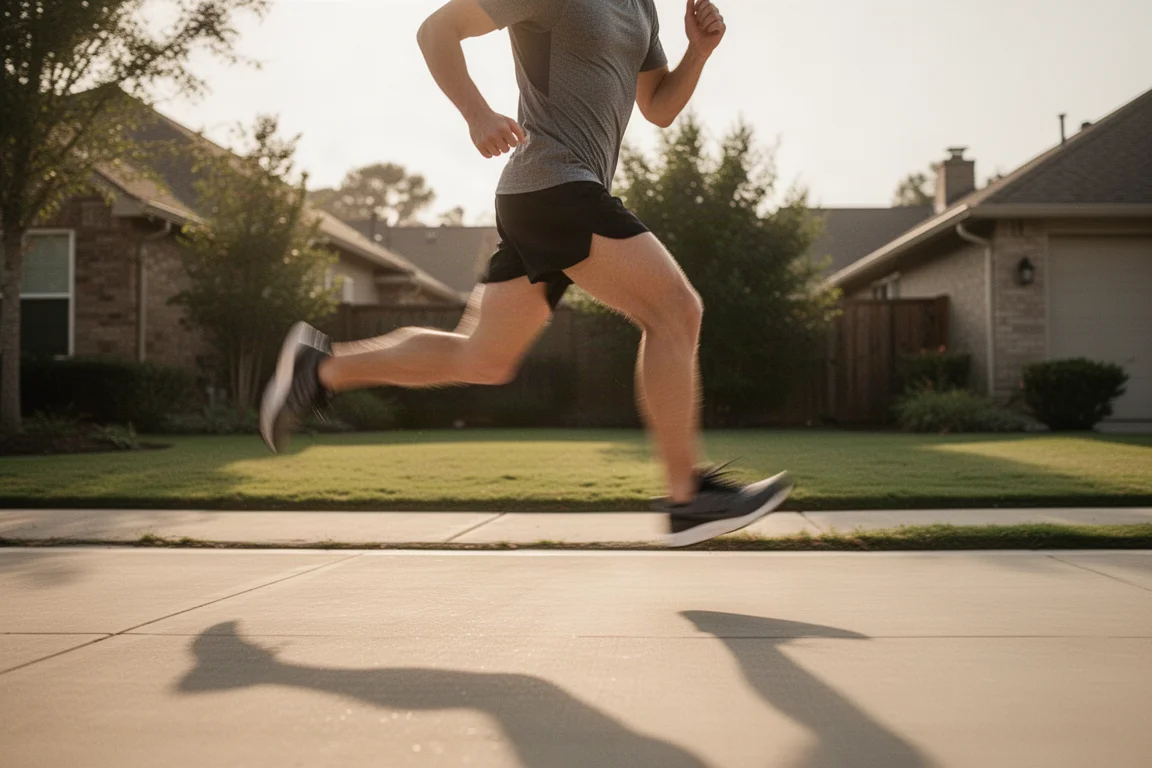
At 271.5 g and $140, the specs are strikingly close to the Aero Glide 3, just $20 cheaper. Measured stack height after 100 miles came in around 36 mm, notably lower than the on-paper figure, which reflects some foam compression over time. The wider 97 mm heel base makes it extremely stable, arguably the most stable of the group.
The main downsides are durability and ride consistency. Reports on durability are mixed, and the heel can catch at certain paces, creating a choppy ride when the platform is not struck cleanly. Some runners also find the foam flattens over time. Even so, at $140 it may be the better pure value if the ride suits you.
ASICS Superblast 2: Divisive But Widely Loved
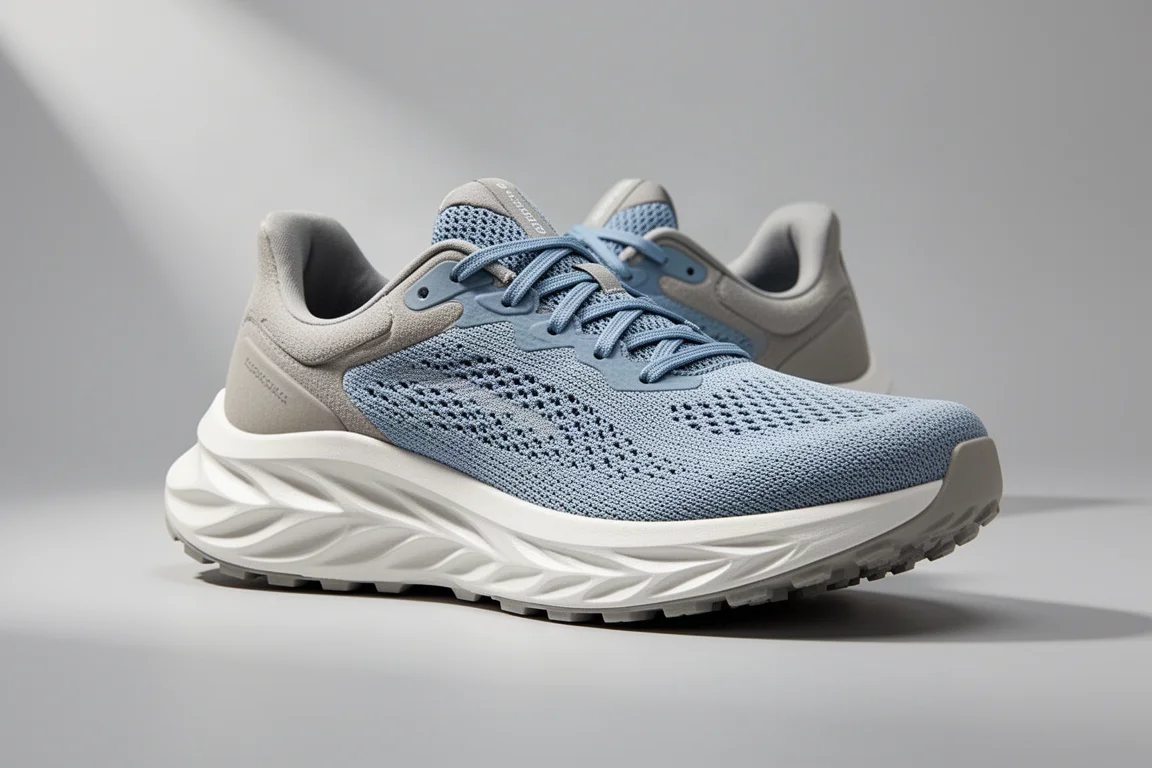
The Superblast 2 is the most polarizing shoe in this comparison. Some runners call it one of the best all-rounders available; others found it felt like a brick and returned it after a couple of runs. Even fans of the original Superblast have not universally warmed to this version. The honest takeaway is that it is widely beloved and widely criticized at the same time.
Where it does stand out is stack height: it measures around 40 mm, the tallest of the three, so if maximum stack is the priority, this remains the pick. Like the others, it rewards effort. You need to put power down to get the full benefit, and it can cover daily miles, faster miles, and even recovery miles for some runners. If you are a Superblast fan looking for a rotation partner or a smoother alternative, the Aero Glide 3 is worth a close look.
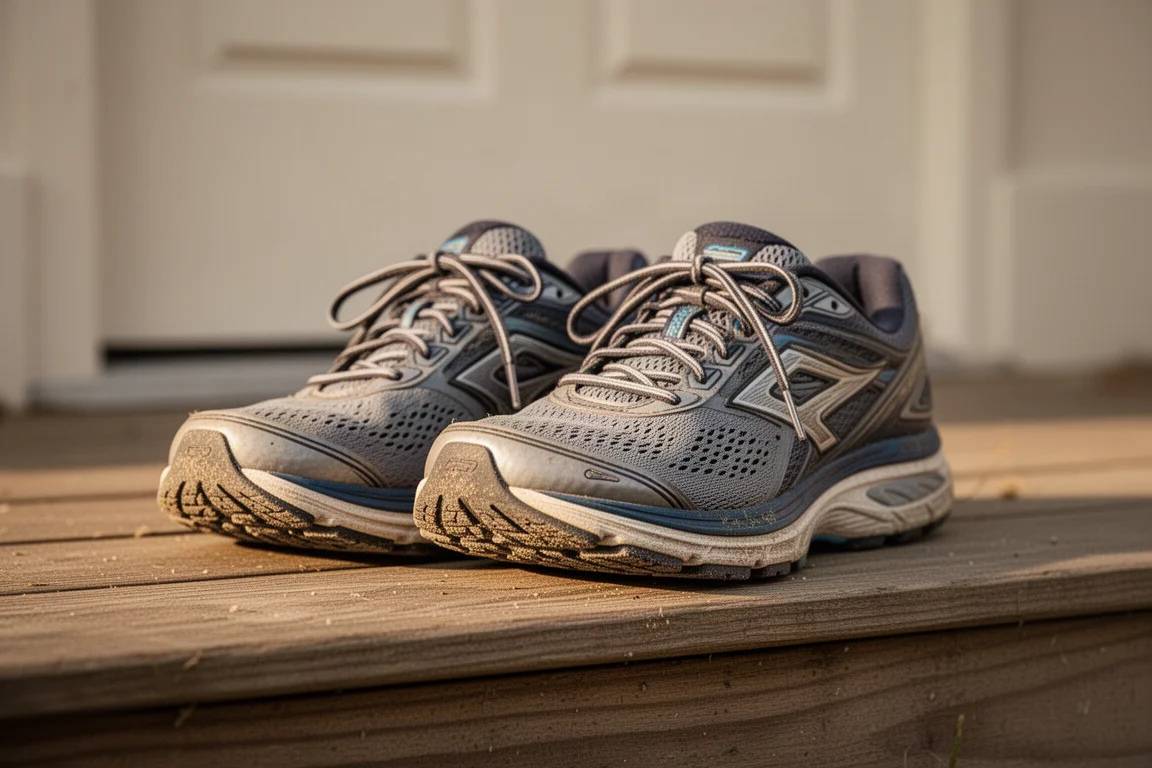
View more details for Asics Superblast 2
Overall Buying Advice
- Best overall daily trainer: the Salomon Aero Glide 3. It blends the lightweight pep of the Novablast 5 with the protective punch of the Superblast 2, at 273 g with around 38 to 39 mm of real stack. It handled easy recovery runs, progression runs down to the mid-5-minute-per-mile range, and everything in between. The foam’s durability is the standout, with comparable compounds routinely taken well past 300 miles.
- Best value: the ASICS Novablast 5 at $140. Same weight class, bouncier feel, extremely stable, and cheaper. Accept the trade-offs in ride smoothness and long-term foam life.
- For Superblast fans: stick with the Superblast 2 if you love it, or try the Aero Glide 3 if the bulk and heel quirks bother you.
One caveat on firmness: heavier runners or those moving at relaxed paces may find the Aero Glide 3 firmer than expected. If the Saucony Triumph 20 ever felt too firm for you, this likely will too.
Conclusion
The daily trainer market is in good shape, and there can be more than one great answer. The Salomon Aero Glide 3 currently sits at the top as the most well-rounded option, combining comfort, protection, versatility, and mileage durability in one reliable package. The Novablast 5 remains a fantastic bouncier pick at a lower price, and the Superblast 2 still earns its devoted following for those who get on with its character. Pick the one whose trade-offs you can live with, and the miles will take care of themselves.
Further reading
Related Reviews

Running Shoes
Best Road-to-Trail Running Shoes: Three Versatile Options for Mixed Terrain
A practical guide to three road-to-trail running shoes that handle both pavement and mild trails, with clear strengths and trade-offs for different runner types.

Running Shoes
Best Running Shoes for Achilles Tendonitis: Three Options Explained
Three running shoes with different heel drops and support features designed to help reduce Achilles tendon pain during walking and running.

Running Shoes
Best Running Shoes for Women: Five Top Choices Ranked
A ranked guide to five women's running shoes, from versatile daily trainers to high-performance racing options, with real strengths and trade-offs for each.