Running Shoes
Best Daily Trainers of 2026: Five Shoes Worth Your Miles
Five daily trainers that earned a place in heavy rotation this year, from a max-stack do-it-all option to a balanced rocker that suits natural mechanics.
Introduction
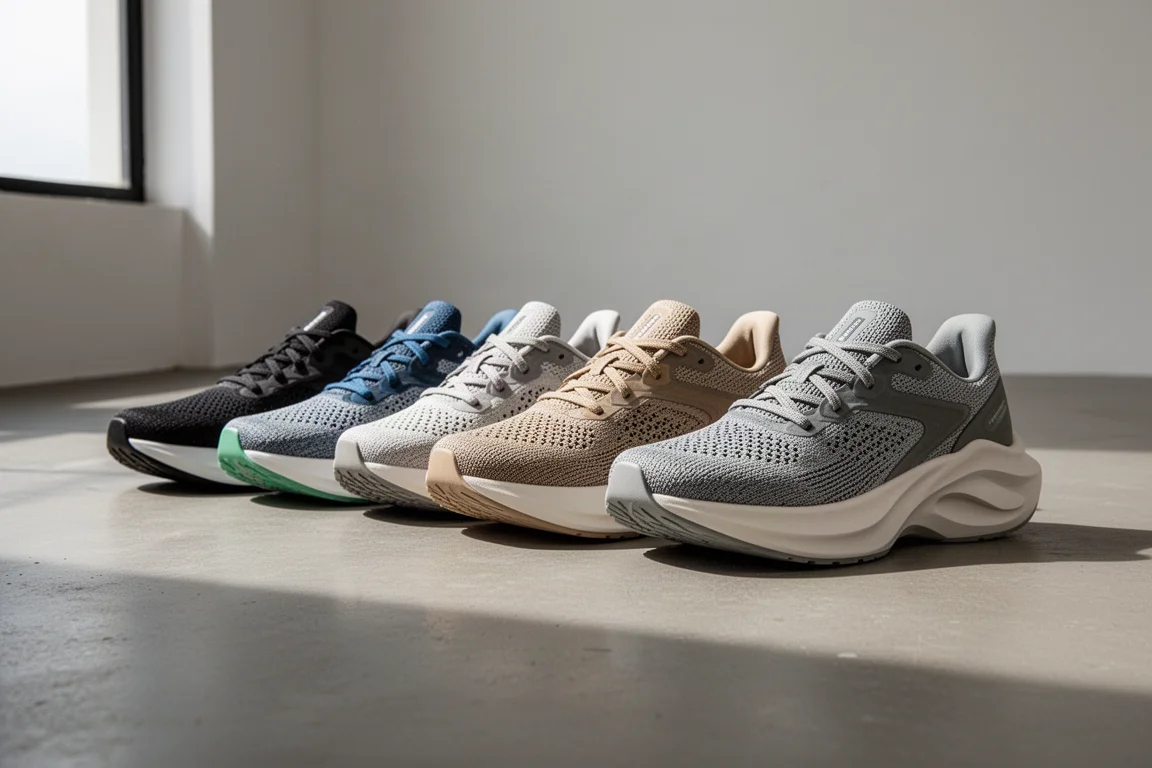
Daily trainers matter more than any other category in a running rotation. These are the shoes that absorb the bulk of your mileage, and for many runners they double as the long run shoe, the tempo shoe, and sometimes the only shoe in the closet. Because you spend the most time in them, picking well pays off over hundreds of miles.
This year, one tester logged over 100 miles in his top pick, including a 25 to 30 mile benchmark most shoes never survive with an outsole intact. Here are five daily trainers that stood out, including two picks from the same brand and a pair of honorable mentions that suit very different mechanics.
Asics Superblast
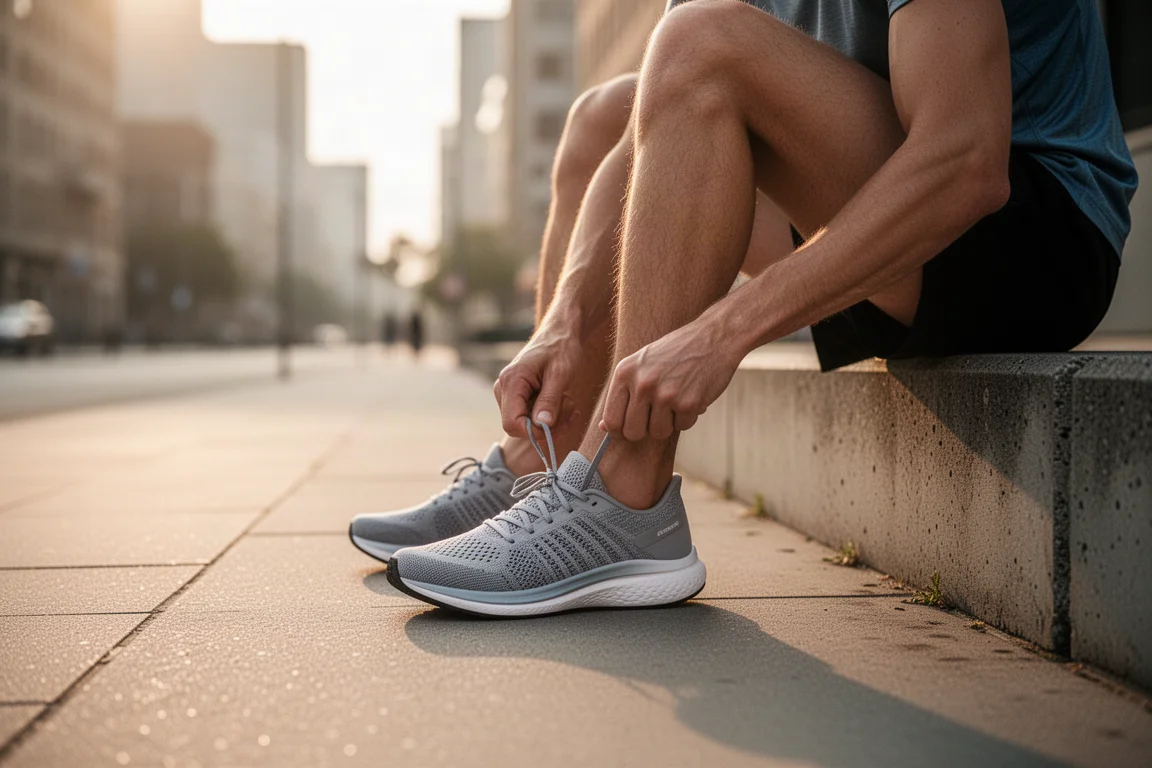
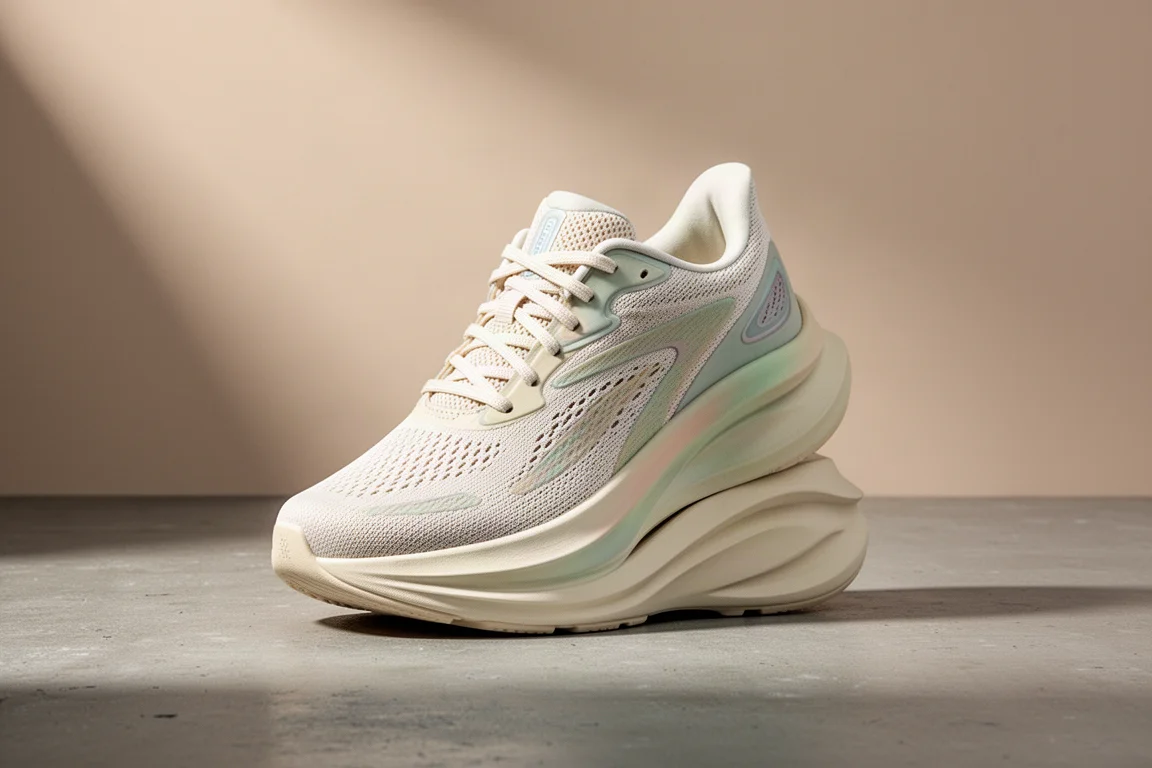
The Superblast earns the most controversial pick of the year. The midsole packs 45.5mm of foam in the heel and 37.5mm in the forefoot, yet the shoe weighs just 8.4 ounces, thanks to a dual-density setup: FF Turbo foam forms the bulk of the midsole while a layer of FF Blast Plus underneath adds a stable platform. There is no plate at all, but the shoe still rides noticeably stiff.
Its biggest selling point is versatility. It handled daily miles, long runs, tempo work, and even some workouts in one package, and it stayed comfortable at slower paces once broken in. The caveat: the first 10 to 15 miles feel stiff and awkward on easy running, and one tester even reported some initial knee irritation that settled down. Once broken in, it came alive.
Durability is the other headline. A tester who routinely wears through outsoles within 25 to 30 miles put over 100 miles on a pair with no outsole wear at all, suggesting it could last 600 to 800 miles or more. At $220 it is a serious investment for a daily trainer, but if you want one shoe to do everything and last, it may justify the price.
Asics Novablast 3
The Novablast 3 is the daily trainer one tester simply put the most miles into this year, with over 100 miles logged and a special role in a return-to-running process after foot injuries. The third iteration refines a design that started sloppy: the original had a poor-fitting upper and real instability, version two tweaked the drop, and version three feels genuinely refined with a better outsole design and a forefoot pod.
It counts as one of the most cushioned forefoot shoes of the year, which paid off over longer miles, while staying soft enough to slow down for easy days. The heel was also refined and no longer feels as unstable as earlier versions. On traction, one tester found no problems in over 100 miles, including runs on ice and snow.
Specs are straightforward: 38mm in the heel, 30mm in the forefoot for an 8mm drop, FF Blast Plus throughout a single-density midsole with sidewalls, and a moderate flexibility that still gives some snap when you pick up the pace. At $140 it sits at a standard daily trainer price, and it is one of the more fun options out there.

On Cloudmonster
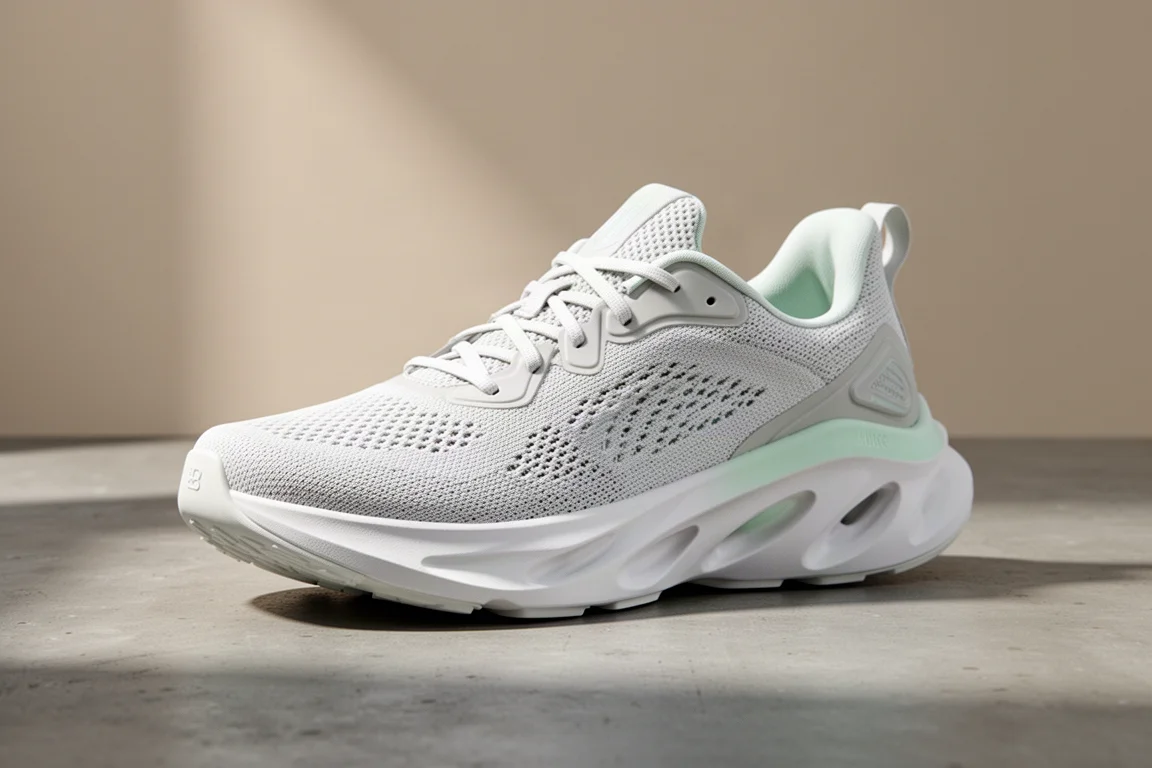
The Cloudmonster won a really close race. For most of the year its rival, the Evoride 3, was the frontrunner, but a late re-test settled it. This shoe works with natural mechanics: it has a relatively high stack and a plastic Speedboard, yet it stays flexible enough that you never feel like you are rolling off the shoe or being forced through an artificial rocker.
The stack sits around 33mm in the heel and 27mm in the forefoot for a 6mm drop, high-ish but no longer extreme in a market where many shoes exceed 35mm. The ride is deliberately balanced: not super soft, not super firm, just a middle ground that fits the wearer’s mechanics and still turns over fine at quicker paces, even at 9.7 ounces.
At $170 it costs a bit more than most shoes here, but it delivered workouts and quicker paces well beyond what its weight suggests. It is not flashy; it is simply a nice shoe that fits well and gets reached for day after day, which is exactly what a daily trainer should be.
Asics Evoride 3 and Saucony Endorphin Shift 3
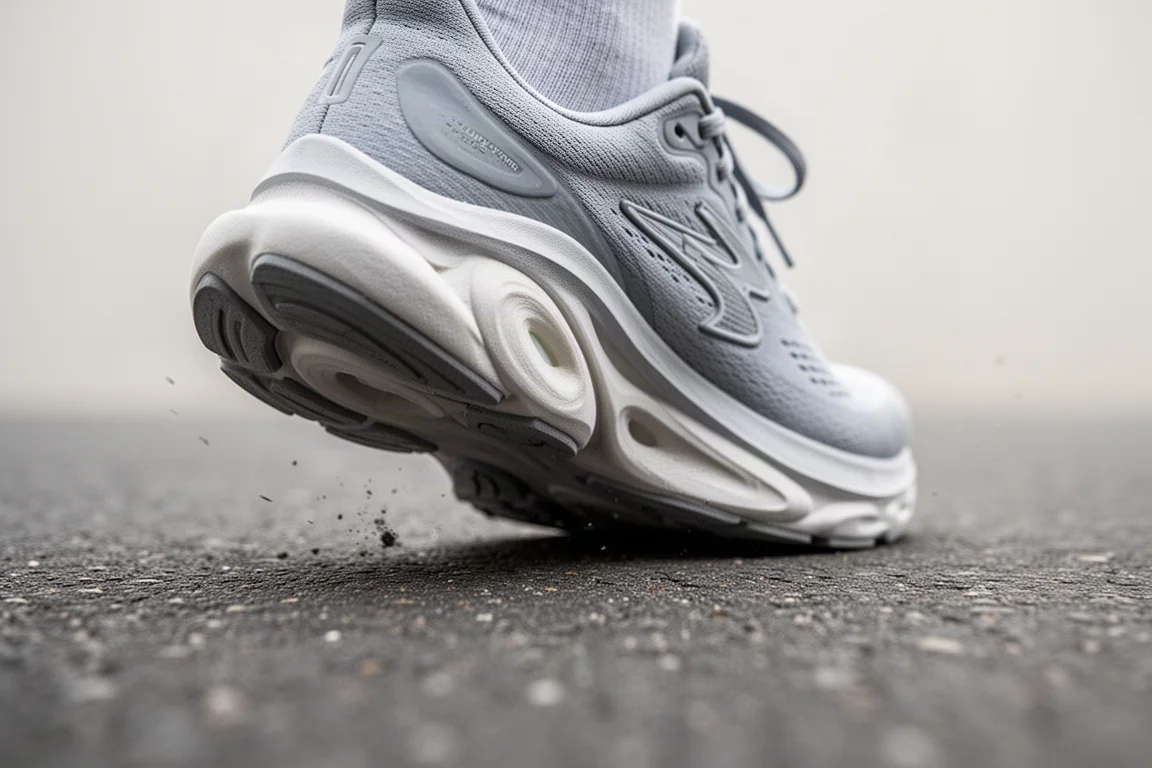
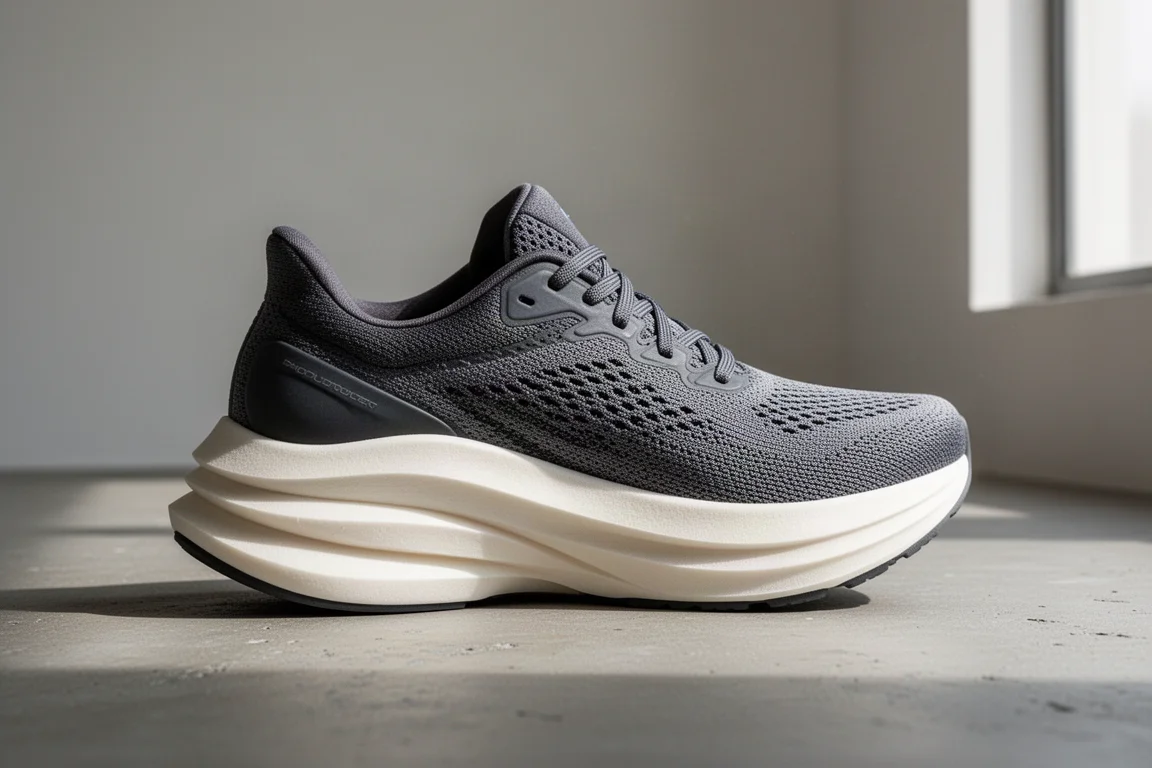
Two more shoes earned genuine consideration for daily trainer of the year. The Asics Evoride 3 held the lead for roughly 85 percent of the year before the Cloudmonster edged it out. It is a little lighter, a little lower to the ground, and firmer and snappier, with a more nimble feel. Like the Cloudmonster, it has a balanced rocker rather than an aggressive one, so natural mechanics still work. Some days it is exactly what you want; it simply depends on what the run calls for.
The Saucony Endorphin Shift 3 also impressed, but one tester found it a little too stiff up front for his mechanics. That stiffness is worth thinking about carefully: if your stride suits a firm, rockered platform, it can work beautifully, but runners who prefer to stay connected to their natural turnover may find it restrictive compared with the more balanced options above.
Buying Advice
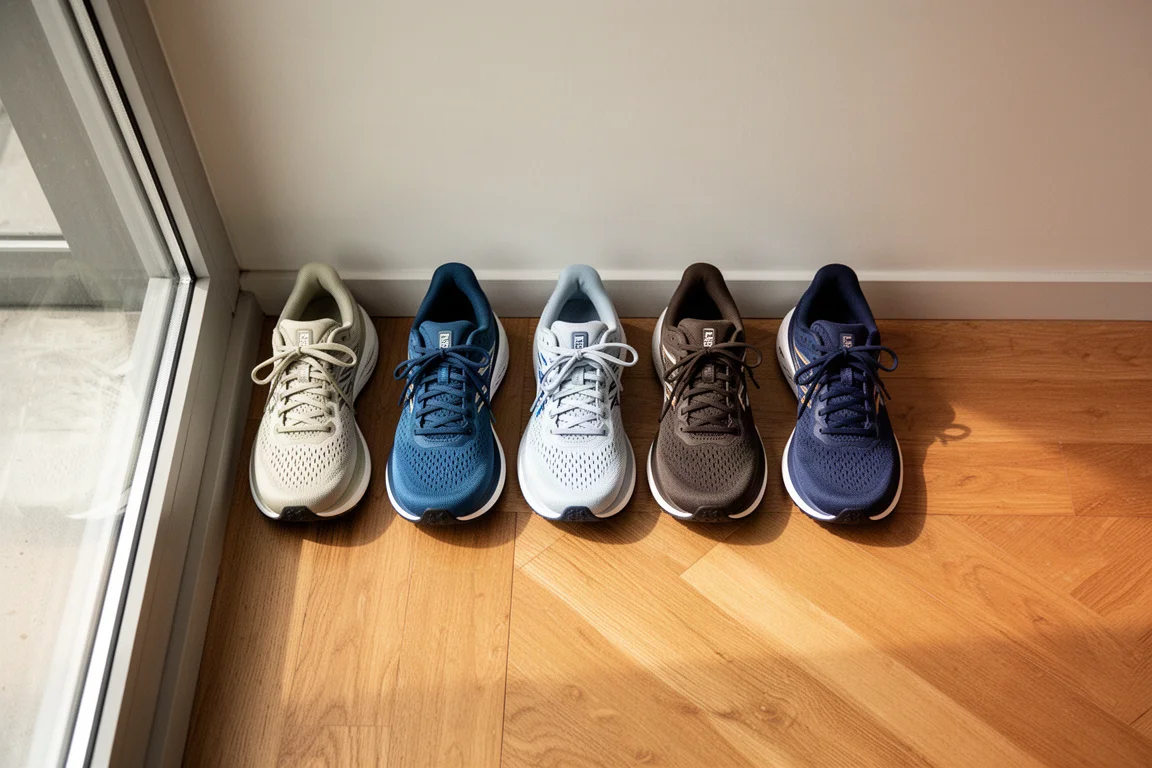
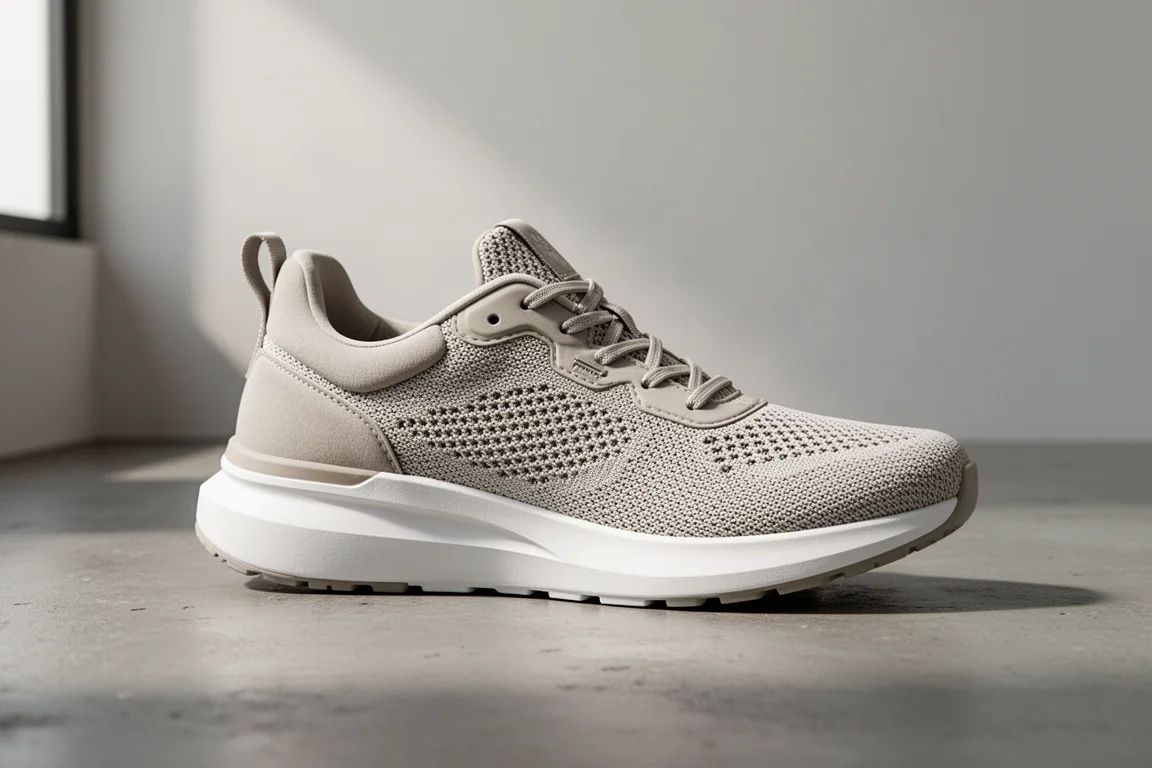
If you want one shoe to handle everything and prize durability above all, the Superblast is the boldest pick, provided you can accept the $220 price and a stiff break-in. If you want a refined, fun, well-priced all-rounder, the Novablast 3 at $140 is the easiest recommendation here. If you prioritize a balanced ride that respects your natural mechanics, the Cloudmonster is the shoe you will keep reaching for, with the Evoride 3 as the firmer, nimbler alternative on quicker days. The Endorphin Shift 3 rounds out the list for runners who actively enjoy a stiffer platform.
Conclusion
A great daily trainer is the shoe that quietly takes most of your mileage, so it is worth matching it to how you actually run. Between a max-stack do-it-all option, a refined everyday favorite, and two balanced rockers that split the year’s closest contest, there is a clear fit here for almost any kind of runner.
Further reading
Related Reviews

Running Shoes
Best Road-to-Trail Running Shoes: Three Versatile Options for Mixed Terrain
A practical guide to three road-to-trail running shoes that handle both pavement and mild trails, with clear strengths and trade-offs for different runner types.

Running Shoes
Best Running Shoes for Achilles Tendonitis: Three Options Explained
Three running shoes with different heel drops and support features designed to help reduce Achilles tendon pain during walking and running.

Running Shoes
Best Running Shoes for Women: Five Top Choices Ranked
A ranked guide to five women's running shoes, from versatile daily trainers to high-performance racing options, with real strengths and trade-offs for each.