Running Shoes
Daily Trainer Comparison 2026: Nike Pegasus 42 vs Evo SL, Azura and Neo Zen 2
Four versatile daily trainers compared on weight, stability, cushioning and ride feel, with clear guidance on which shoe suits which runner.
Introduction
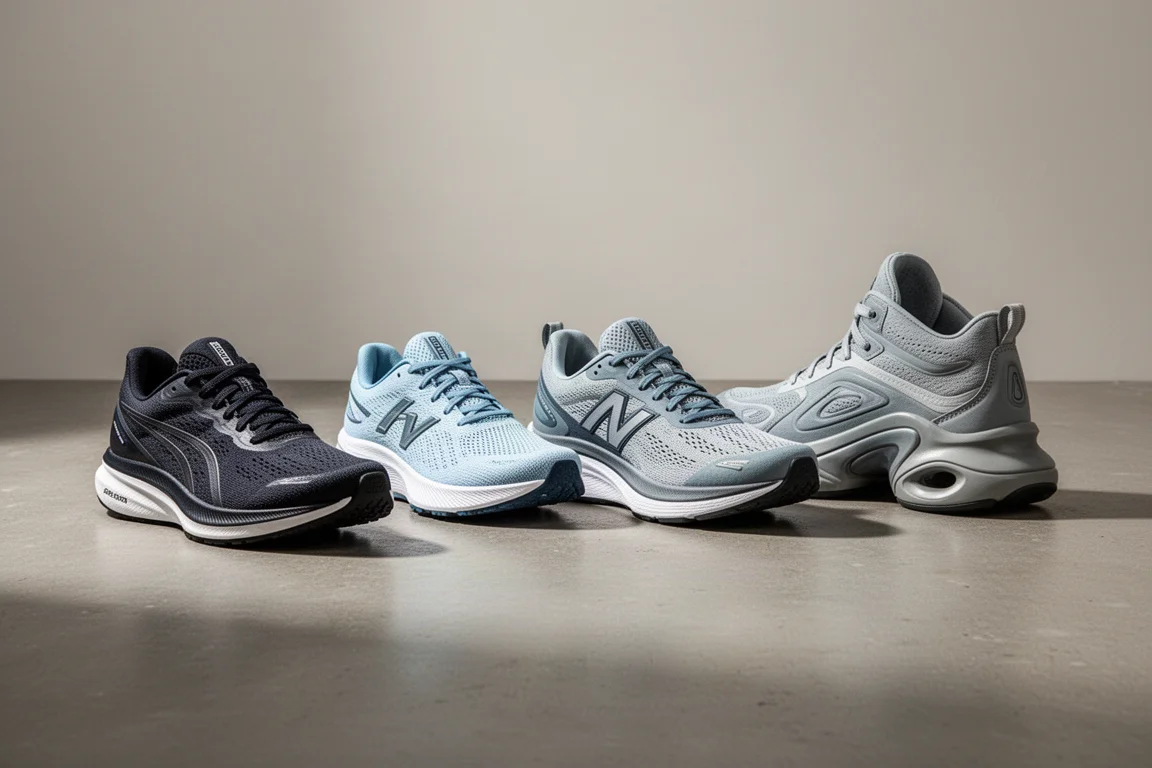
The daily trainer market in 2026 is more crowded than ever, and four shoes keep coming up in the conversation: the recently released Nike Pegasus 42, the Adidas Adizero Evo SL with its race-derived Lightstrike Pro foam, the wider-footed Saucony Azura, and the tall-cushioned Mizuno Neo Zen 2. All four sit in a broadly similar price range, yet each one takes a noticeably different approach to the same problem: making everyday miles feel good.
How We Compare Them
All shoes here are standard retail pairs, with the sizing referenced at UK 11 / US 12, except the Pegasus 42 at UK 10.5 / US 11.5. With the exception of the Nike, all three other shoes carry an 8mm drop. Weight separates the field quickly: the Pegasus 42 is easily the heaviest at 332g in its UK 10.5, roughly 70g heavier than the Evo SL, and that difference is apparent on foot.
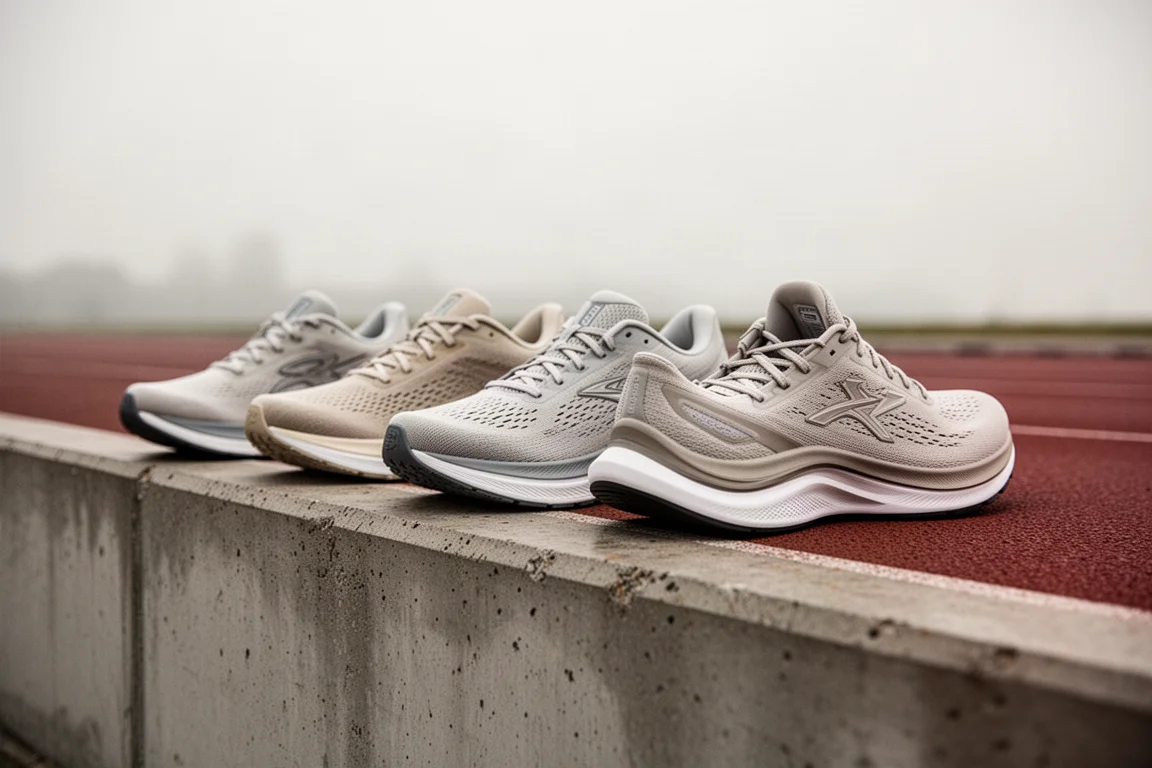
Stack heights are instructive too. The Pegasus and Evo SL have very similar forefoot and heel stacks and, at UK retail, exactly the same £130 price. The Neo Zen 2 is by far the widest through the heel, while the Pegasus and Evo SL share similar forefoot widths.
Nike Pegasus 42: Structured and Predictable
The Pegasus 42 is by far the more stable of the two headline rivals. Its denser foam and air unit setup contrasts with the essentially foam-only Evo SL, and the full-length Zoom air gives a predictable landing platform. The resilient air unit means the drop feels more pronounced here, and the React and air combo holds its shape rather than crumpling the way foam-only shoes do.
There is also more padding across the top of the foot, plus a more heel-counter, structured feel at the rear. It is almost a light stability option now, which raises questions for runners with mild stability needs who might previously have reached for a separate structure line. The trade-off is weight: React is a dense, weighty foam, and the shoe feels more present on foot.
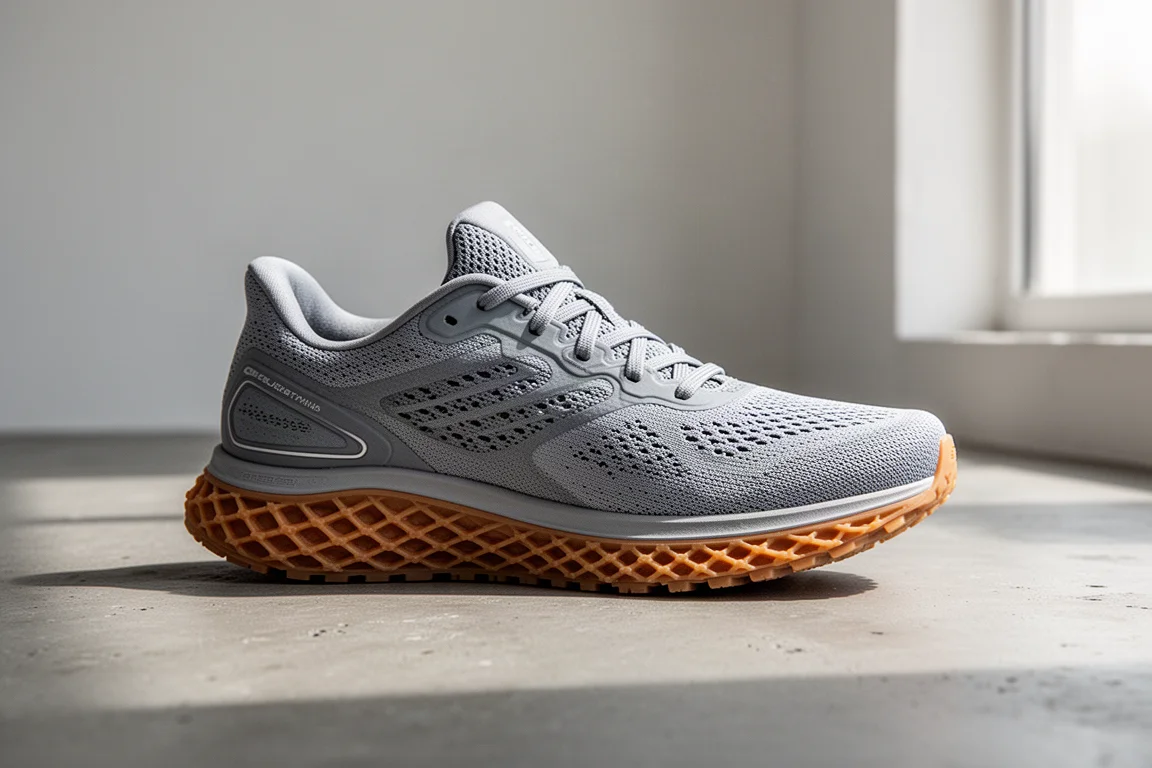
Traction is more than enough for road and pavement, and the Pegasus is arguably the better pick of the two Nike-and-Adidas rivals if light trail is occasionally on the menu, though the waffle lugs have been scaled back and now sit mostly in the forefoot. As an all-round travel shoe that can cater for everything, it has a slight edge.
Adidas Adizero Evo SL: Nimble and Performance Oriented
The Evo SL is the performance-hungry option. With Lightstrike Pro in the midsole plus a plastic shank, it softens up over time, gives a lovely nimble feeling on foot, and is arguably better suited to higher-paced daily training or tempo efforts. The shank does not add much rigidity, so the ride remains lively rather than controlled.
It is also dramatically lighter, coming in around 70g under the Pegasus in equivalent sizing. If you are a lighter runner who does not need a structured approach, this is the better bet of the two, and some runners would even consider it for racing where they do not want a plated option. It sits closer to a tempo shoe or racer in all aspects.
Grip is a genuine strength: the Evo SL’s traction is better than the Pegasus 42’s, though for more varied terrain either shoe should make way for something purpose-built. The one caveat is that it is more performance oriented and less of a do-everything trainer.
Saucony Azura: A Balanced Long-Range Option
The Saucony Azura carries a significant weight advantage over the Pegasus 42, roughly 50g less on foot, and that difference is noticeable. There is more surface area in the heel, and the midsole feels airier and less dense despite the tightly packed PEBA-based pellets in the PWRRUN PB foam.
The Azura feels like it wants to be used as a faster-cadence shoe, encouraging engagement of the heel, whereas the Pegasus invites landing further forward in the mid or forefoot. Drop is more apparent in the Nike; the Azura’s feels quieter underfoot. For marathon or half marathon training, the width and balance between upper and midsole make it a slightly more versatile long-range choice.

The upper carries some weight of its own, but the balance feels right, and the shoe rewards tempo paces more readily. In fairness to the Nike, the Pegasus tongue is the nicer of the two and the Pegasus looks sleeker this time around, but at marathon tempo speeds the 42 feels like harder work.
Mizuno Neo Zen 2: Max Cushion Comfort
The Neo Zen 2 is the most cushioned shoe of the group by some margin. There is a lot of foam underfoot, with ENERZY NEXT offering a really nice compression, and the extra stack is partly enabled by the shoe’s lower drop. Compared with the Pegasus, it almost feels like a max cushion shoe. It is a little more expensive, but the versatility across easy paces up to around marathon pace makes a strong case.
There is a lot of shoe in terms of surface area, especially in the heel, which makes it feel more stable, arguably closer in character to a Vomero Plus than to a Pegasus. Note that some runners feel it is not as soft as the first version, though for daily use it is hard to imagine wanting more cushion.
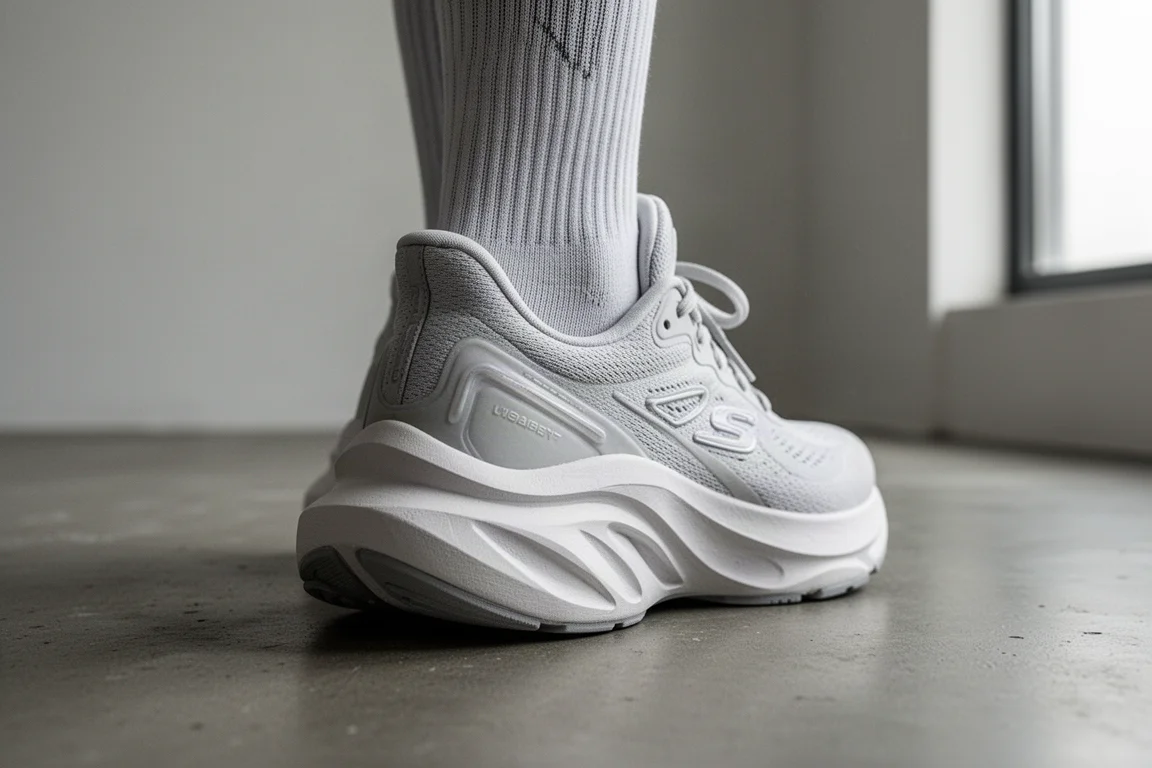
Grip is fine overall thanks to a smoother rubber that handles pavement and road without fuss, and there is more rubber here than on the Pegasus. Mizuno has hollowed out some foam in a trampoline-like approach, but the effect is not especially noticeable. The design will not be for everyone, with a distinctive heel protrusion, but the upper is comfortable and the cushioning is supreme. If a more traditional look matters, the Pegasus wins on aesthetics; if you can live with the wild styling, the Neo Zen 2 is simply more fun to run in.
Buying Advice
If you want structure, stability and a predictable platform, the Pegasus 42 is the strongest fit, and it doubles as the most capable travel-and-light-trail option of this group. If you want light, nimble and performance oriented, the Evo SL is the better pick, especially at tempo paces. For longer training blocks and a bit more airiness underfoot at a lighter weight, the Azura balances upper and midsole nicely. And if supreme cushioning and comfort matter most, the Neo Zen 2 stands alone, provided the styling does not put you off.
Conclusion
These four trainers cover a wide spectrum within one price bracket. The Pegasus 42 stays true to a structured trainer formula, the Evo SL pushes the performance angle, the Azura splits the difference for long-range training, and the Neo Zen 2 leans fully into cushioning. Matching the shoe to how you actually run matters more than any single spec sheet, and each of these does one thing notably well.
Further reading
Related Reviews

Running Shoes
Best Road-to-Trail Running Shoes: Three Versatile Options for Mixed Terrain
A practical guide to three road-to-trail running shoes that handle both pavement and mild trails, with clear strengths and trade-offs for different runner types.

Running Shoes
Best Running Shoes for Achilles Tendonitis: Three Options Explained
Three running shoes with different heel drops and support features designed to help reduce Achilles tendon pain during walking and running.

Running Shoes
Best Running Shoes for Women: Five Top Choices Ranked
A ranked guide to five women's running shoes, from versatile daily trainers to high-performance racing options, with real strengths and trade-offs for each.