Running Shoes
Best New Daily Trainers 2024: Five Standout Shoes Worth Watching
Five non-plated daily trainers for 2024, from a softer Adizero SL2 to a PEBA-infused Fresh Foam Balos, with what changed and who each shoe suits.
Introduction
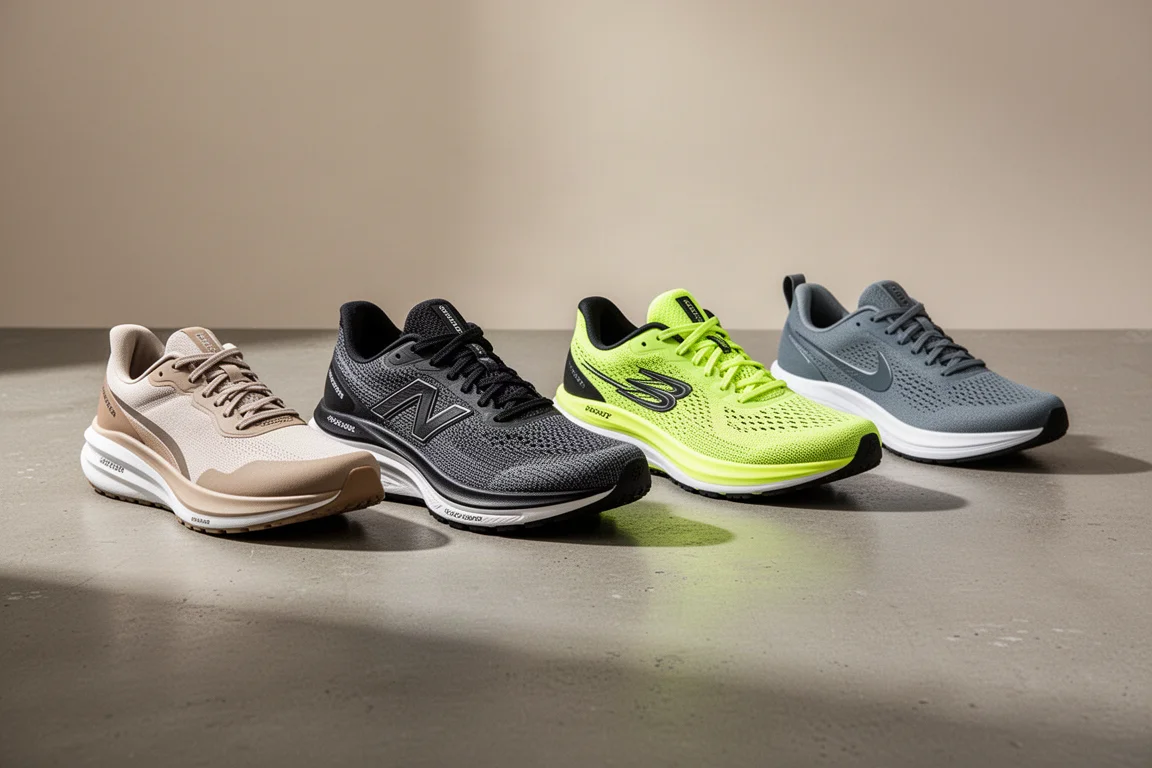
The 2024 daily trainer lineup is shaping up to be one of the more interesting in recent memory. This list sticks to a clear definition: no plated shoes, and no shoes with a heel stack above 36 mm. Plated trainers and max-cushion shoes get their own categories, so you will not find models like the SC Trainer V3, Hoka Cielo X2, or Saucony Speed 4 here. What remains is a set of five shoes built for everyday miles, each taking a slightly different approach to the same job.
Evaluation Criteria
Every shoe on this list had to earn its spot as a genuine daily trainer: comfortable enough for recovery runs, durable enough for high mileage, and versatile enough to handle the occasional faster effort. Stack height, foam type, weight, and price all factored in, along with how each shoe positions itself against the rest of its brand’s lineup.
Adidas Adizero SL2
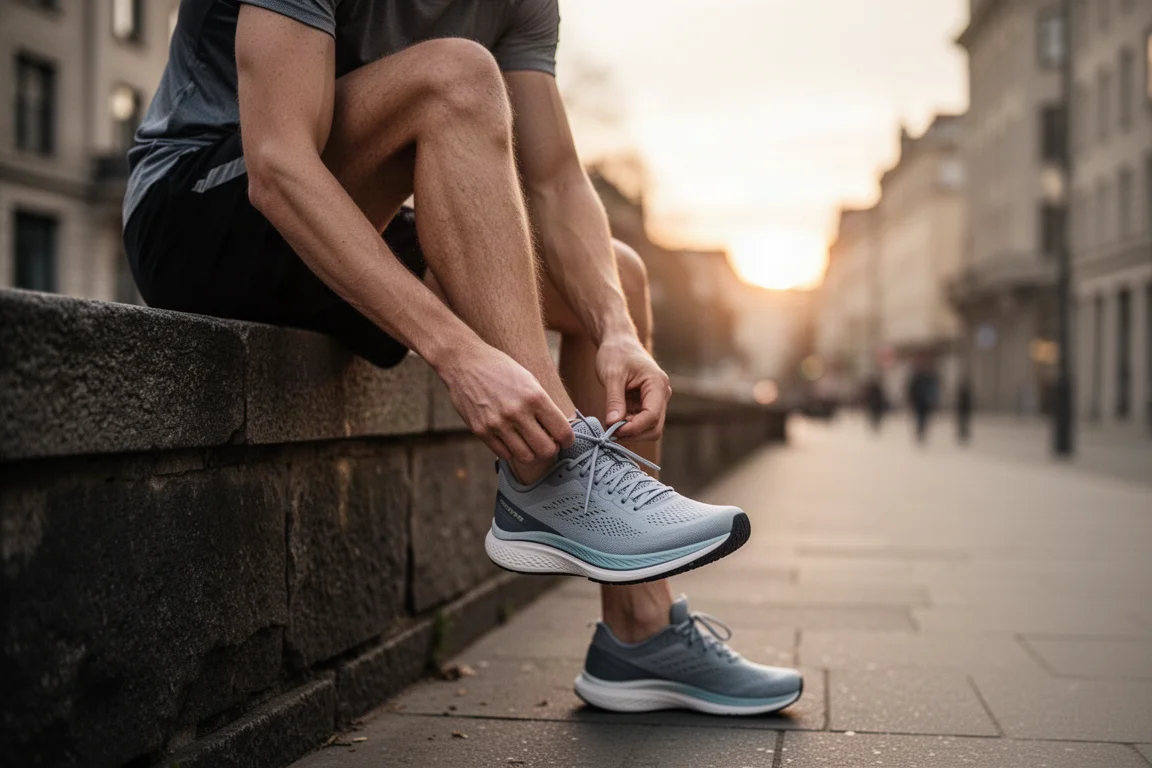
The original Adizero SL was one of the sleeper picks for best daily trainer of 2023. It had a snappy, fast ride, but the Lightstrike EVA midsole put it on the firmer side, with only a small puck of Lightstrike Pro in the forefoot for extra responsiveness. Adidas clearly listened to the feedback. For the SL2, the firm Lightstrike is gone, replaced by Lightstrike 2.0, and the forefoot Lightstrike Pro puck becomes a full solid core of that supercritical foam.
The result is a much softer, more flexible ride that still aims to be fast and lightweight. It moves the SL2 closer to a legitimate super foam daily trainer in the same vein as the Nike Vomero 17. Specs and a confirmed release date are still pending, but the SL1 launched in December 2022, so a similar window is plausible. The confirmed price is $130, just $10 more than the current version, which is strong value for that much additional Lightstrike Pro foam.
Saucony Ride 17
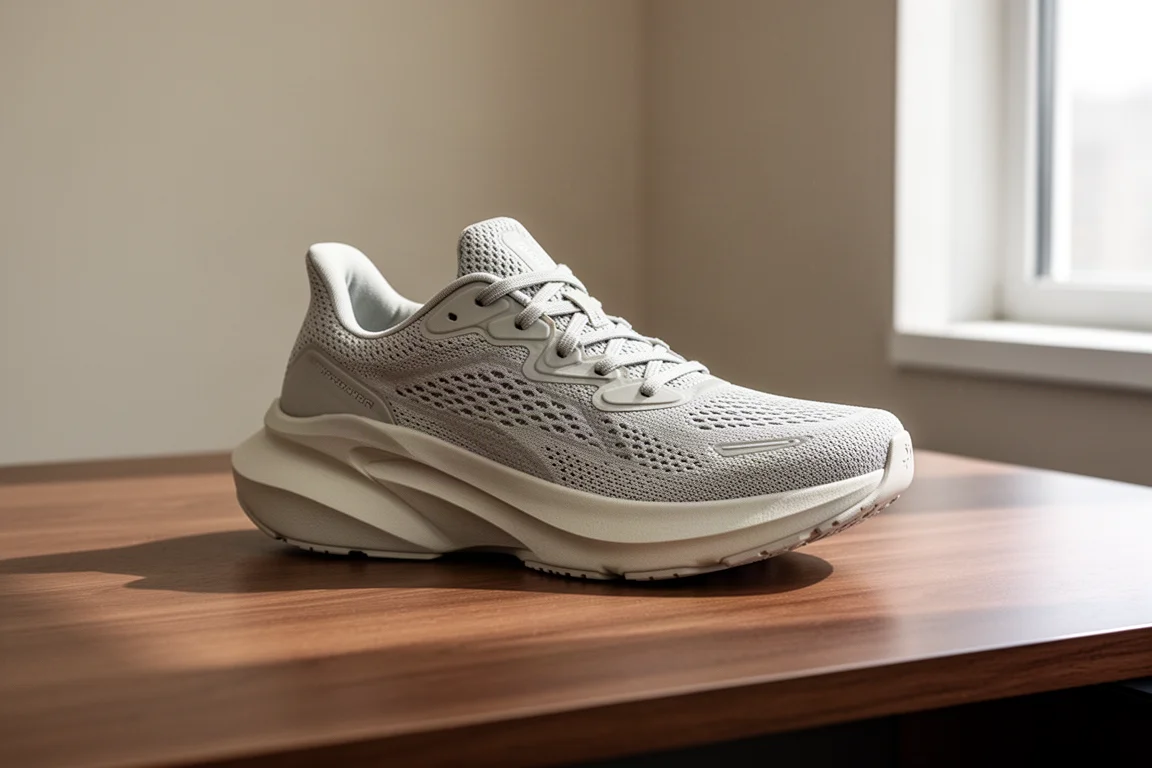
The Ride 17 lands January 1, 2024, is already available for pre-order, and holds its $140 price. The headline change is the move from PWRRUN EVA to PWRRUN+ beaded TPU foam, which makes the ride softer and bouncier with a more cushioned feel that matches where the market has headed.
The trade-off is weight: 9.9 oz in a US men’s sample size 9, which is heavy on foot. What you get in return is protection. With 35 mm in the heel, 27 mm in the forefoot, and an 8 mm drop, this is a workhorse trainer that chews up miles, making it a strong pick during marathon training or any big mileage ramp. It also works well as a hybrid daily trainer and recovery shoe that takes the burden off your legs, sitting just below a true max-cushion shoe in protection.
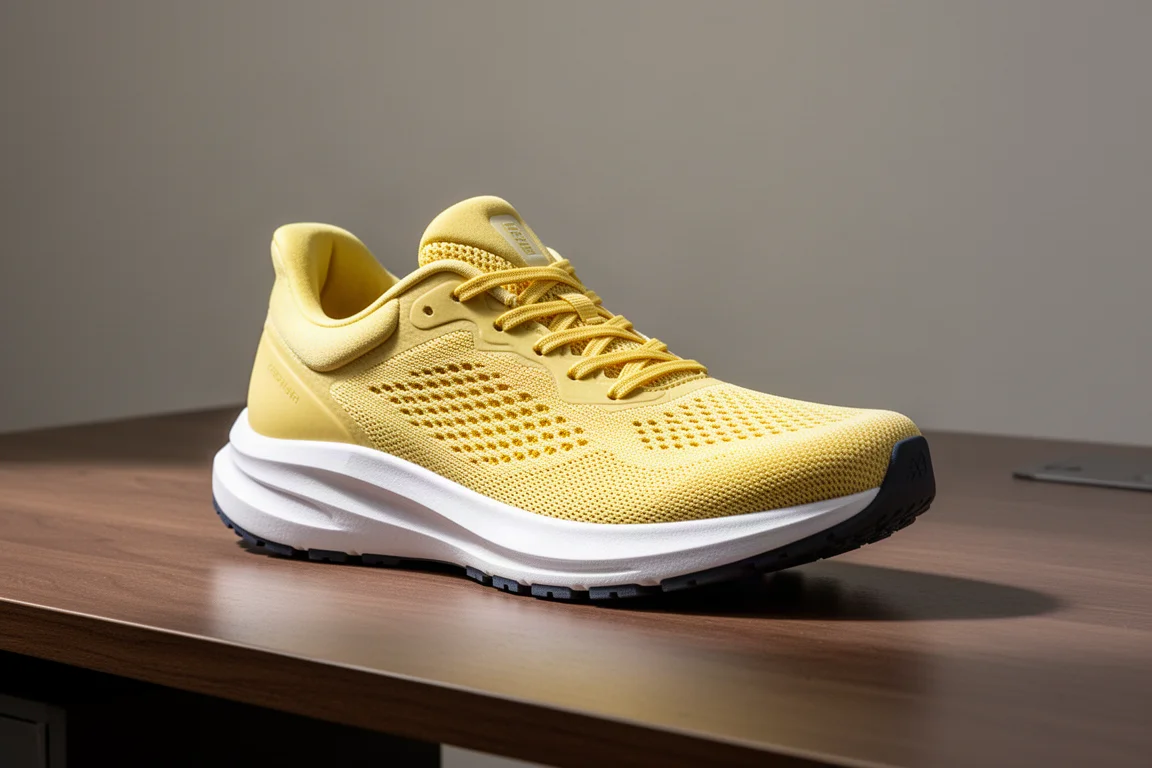
Brooks Ghost 16
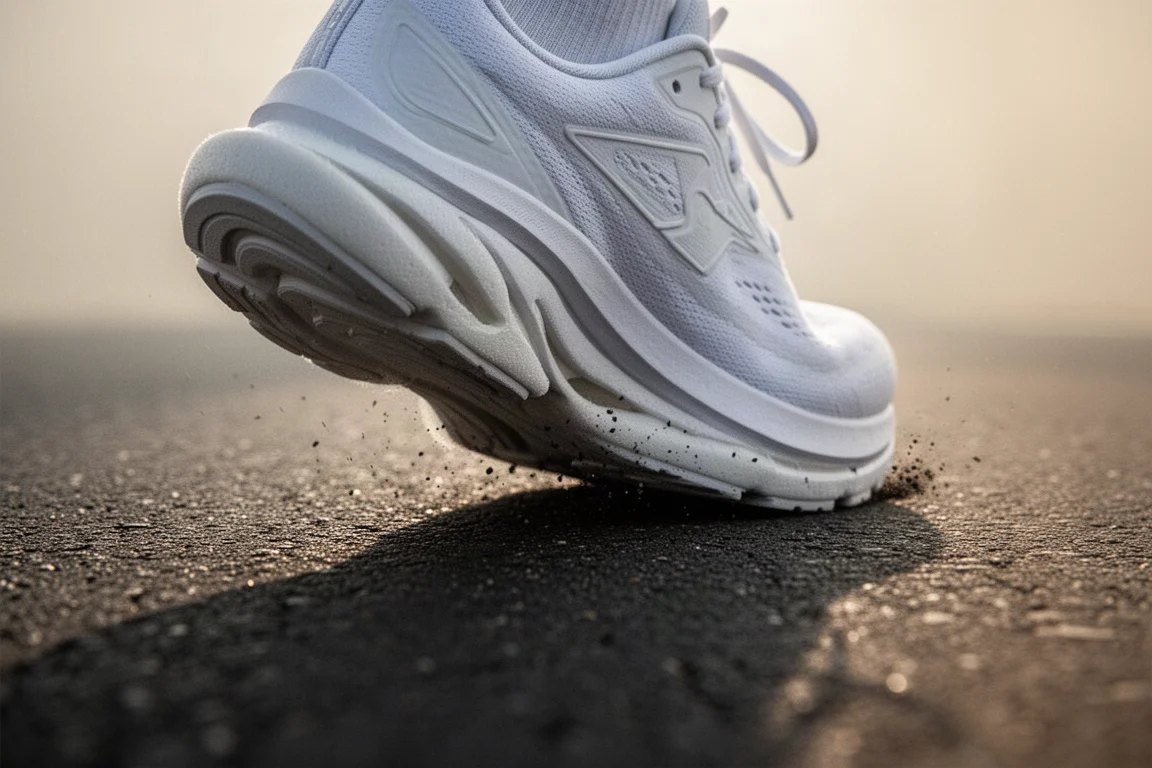
The Ghost line is one of the most iconic names in the daily trainer category, sitting alongside the Nike Pegasus as the shoe many runners picture when they hear the phrase. The Ghost 16, due in June 2024 at the same affordable $140 price, keeps the traditionalist formula: 31 mm in the heel, 19 mm in the forefoot, and a 12 mm drop.
Brooks softened the foam with DNA Loft v3 while keeping the same overall character, and the new styling is surprisingly sharp for a brand not typically known for looks. The 12 mm drop will not suit everyone, so runners who prefer lower-drop options have plenty of alternatives, but this remains a good fit for aggressive heel strikers who want that higher bed of cushioning in the heel. At 9.5 oz with only 19 mm in the forefoot, it is not the most protective option available, but that is precisely what the Brooks Ghost Max covers elsewhere in the lineup.

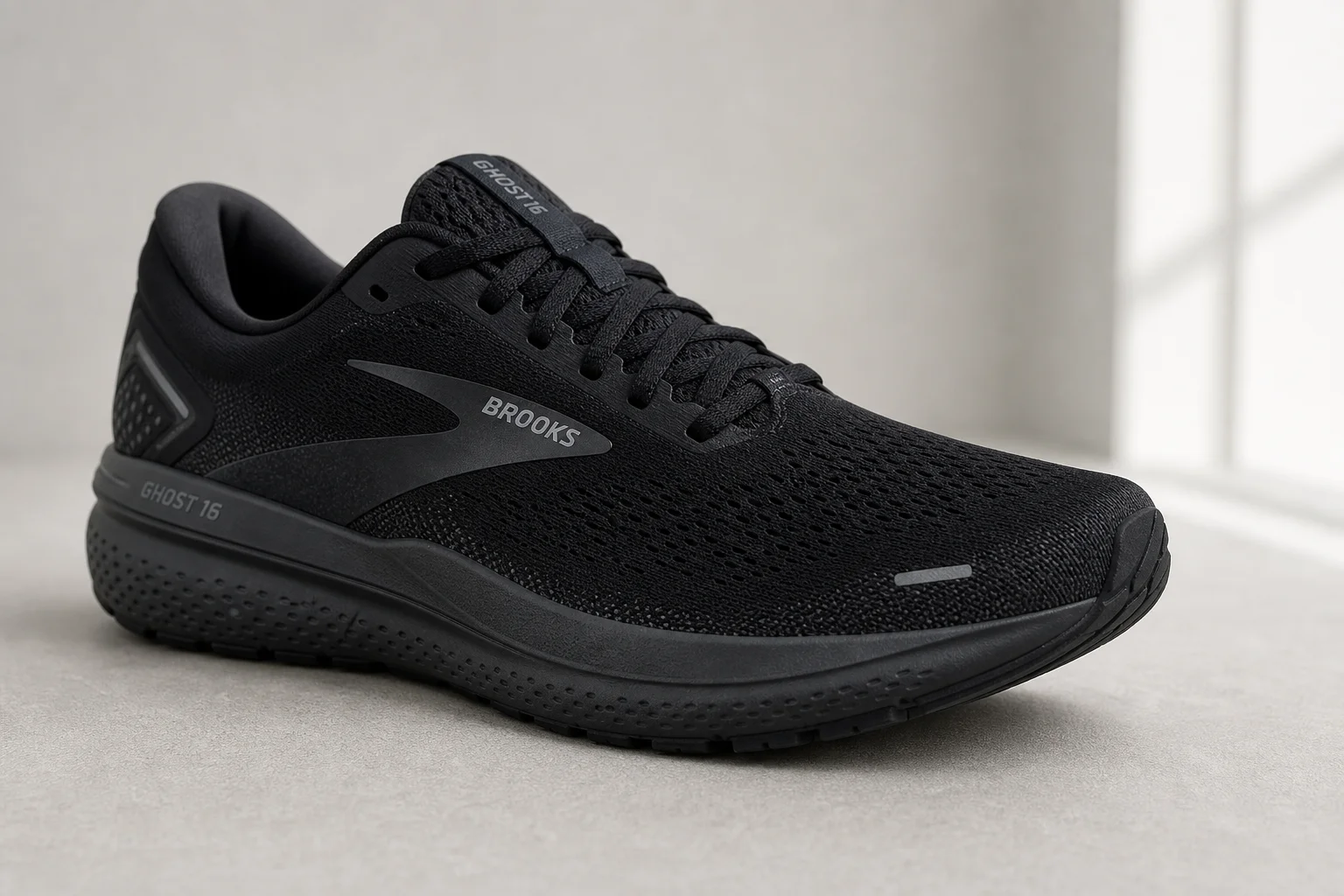
New Balance Fresh Foam Balos
The Balos is entirely new for 2024, and it effectively combines two of New Balance’s successes into one shoe: the thick stack of the 1080 and the PEBA-infused Fresh Foam midsole approach of the Rebel v4. The result is a non-plated daily trainer with a fun, bouncy, cushioned feel, positioning it as a competitor to the Superblast.
At $200 it sits firmly in premium territory, but there are reasons for confidence in the price. The outsole carries genuinely thick rubber coverage across the lateral and medial sides and into the forefoot, so it should hold up over big mileage. PEBA is also known for resilient properties, raising hopes of outlasting the 300 to 350 miles typical of an EVA-based shoe. Unlike many PEBA shoes, it gets a comfortable padded training upper, and with no plate, the ride stays smooth rather than harsh. If you want something more fun than a Ride or Ghost but are not ready to jump into plated trainers, this is the shoe to watch.
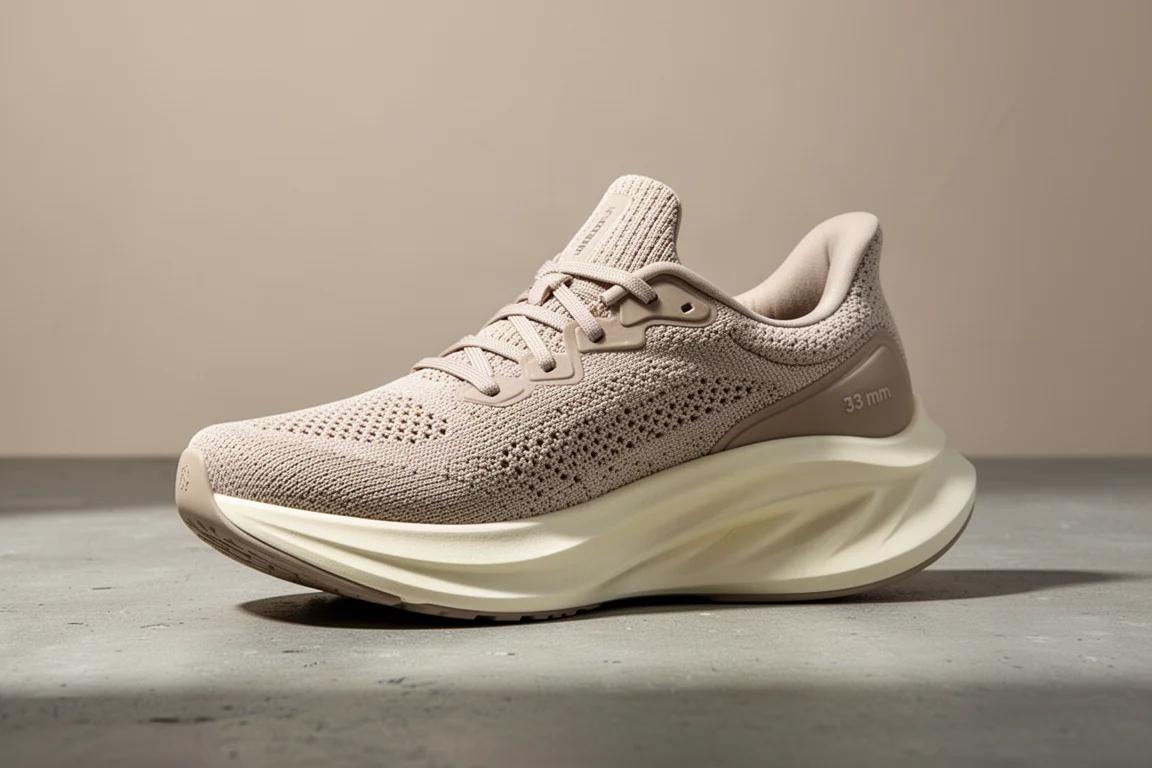
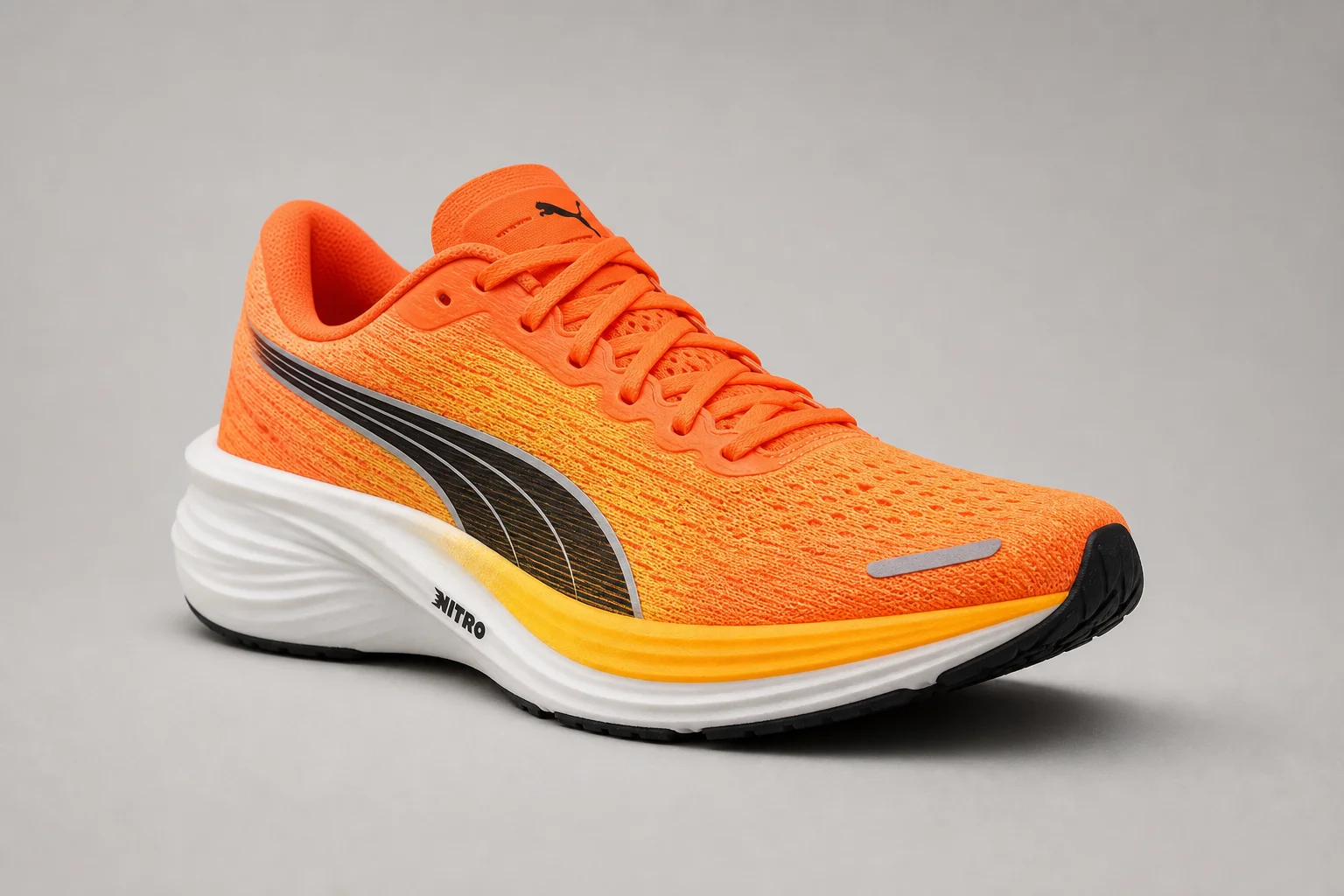
Puma Velocity Nitro 3
The Velocity Nitro 3 builds on Puma’s established workhorse daily trainer. Puma reports that some of their elite athletes run 90 miles per week in this shoe, which says a lot about its all-around durability. It will not be the fastest option in Puma’s lineup, where plated options like the Fastar Nitro 2 handle speed work, but for days that need neither a workout shoe nor a max-cushion shoe, this is where it fits.
The supercritical foam keeps things bouncy, and Puma’s Grip outsole is known as one of the stickiest, best-traction rubbers in the game. It is not as flashy as the Balos, but as a dependable do-it-all trainer it checks nearly every box. The Velocity Nitro 3 also releases January 1, 2024, with pricing still to be confirmed.
Honorable Mentions
A few more 2024 releases are worth keeping on your radar, even without full breakdowns here: the Mizuno Wave Rider 28, Nike Pegasus 41, Adidas Supernova Rise, Asics Gel Cumulus 26, and New Balance 880 v14. Details on the next Hoka Clifton were not available at press events, but information should surface in the coming months.
Conclusion
The 2024 daily trainer class offers something for nearly every kind of runner. The Adizero SL2 and Fresh Foam Balos push the fun, foamy end of the spectrum, the Ride 17 and Velocity Nitro 3 cover the protective workhorse role, and the Ghost 16 remains a trusted, affordable classic. Matching the shoe to your mileage, preferred drop, and budget matters more than any single spec sheet, and any of these five is a safe place to start.
Further reading
Related Reviews
Running Shoes
Best Road-to-Trail Running Shoes: Three Versatile Options for Mixed Terrain
A practical guide to three road-to-trail running shoes that handle both pavement and mild trails, with clear strengths and trade-offs for different runner types.
Running Shoes
Best Running Shoes for Achilles Tendonitis: Three Options Explained
Three running shoes with different heel drops and support features designed to help reduce Achilles tendon pain during walking and running.
Running Shoes
Best Running Shoes for Women: Five Top Choices Ranked
A ranked guide to five women's running shoes, from versatile daily trainers to high-performance racing options, with real strengths and trade-offs for each.