Running Shoes
Best Daily Running Trainers of 2023-2025: The Shoes That Earned a Spot on Our List
Eleven daily trainers that stood out over the last two years, from stable-neutral workhorses to versatile lightweight options, with honest trade-offs for each.
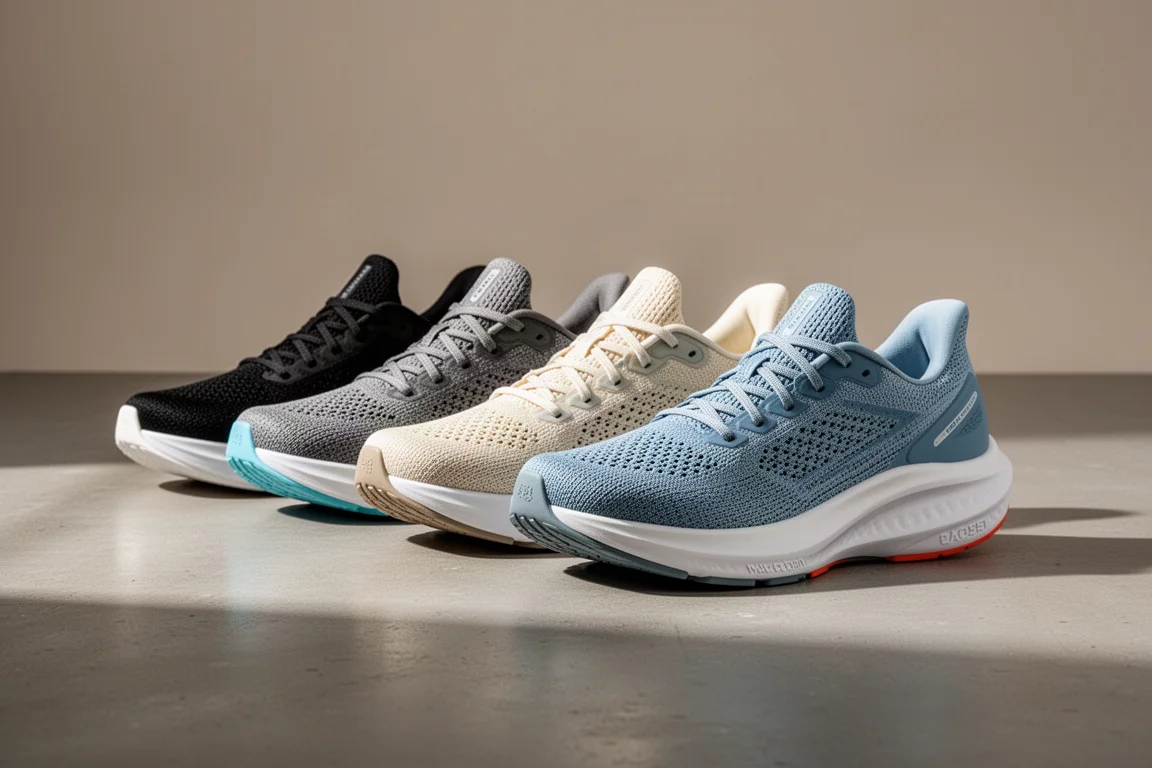
Introduction
Over the last two years the daily trainer category has quietly become the most competitive space in running footwear. These are the shoes meant to eat up easy miles, absorb long runs, and still handle the occasional uptempo session without complaint. In this roundup we count down the daily trainers from 2023 through 2025 that earned a permanent place in the rotation, starting with solid honorable mentions and working up to the shoes we would buy again without hesitation.
Every shoe here has been put through real mileage, not just a few laps around the block. Some earned their spot through durability and stability, others through sheer versatility. None of them are perfect, and we call out the trade-offs for each so you can match the shoe to your own feet and training style.
How We Put This List Together
The ranking favors shoes that proved themselves over time: at least a hundred miles of genuine running, consistent fit and ride, and a clear sense of what they do well and where they fall short. Versatility matters, but so does knowing your own preferences. Some runners love a firmer, more responsive daily trainer; others want maximum cushion and a softer landing. Both approaches show up on this list.
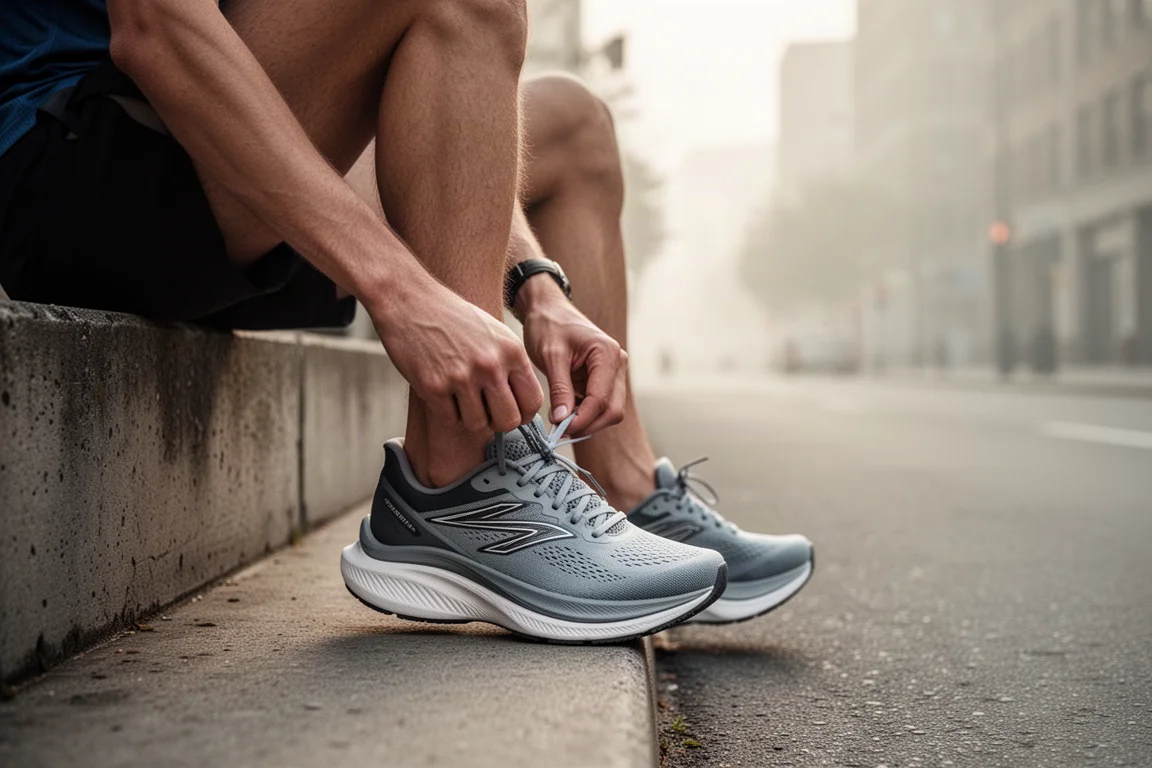
One theme runs through nearly every pick: the rise of the stable neutral shoe. More brands are building mild guidance into neutral platforms through geometry and sidewall flaring rather than traditional posting, and several of the best daily trainers of this period benefit directly from that trend.
Saucony Ride 18
The Ride 18 is a durable workhorse with clean transitions and a surprising amount of bounce for something this robust. The upper and fit were cleaned up nicely, the integration with the PowerRun Plus midsole feels dialed in, and the outsole is good enough for most situations. It stays light enough on foot that it never feels like a heavy trainer, yet it keeps enough snap that you can pick up the pace when the mood strikes. It is exactly the kind of shoe that could sneak into end-of-year conversations once the mileage piles up.
On Cloudsurfer 2
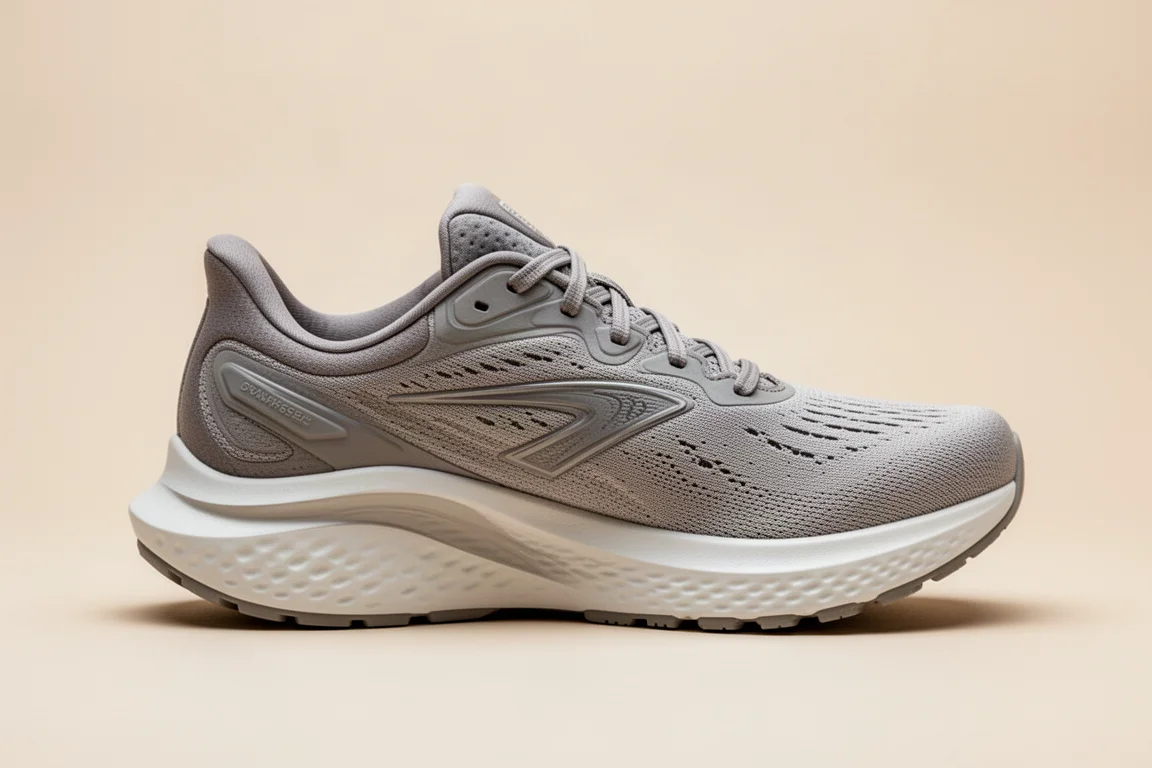
On refined nearly everything that drew criticism on the first Cloudsurfer. The upper is streamlined and more robust, the tongue is slightly more traditional, and the CloudTec Phase midsole feels a touch firmer, partly thanks to a thicker and grippier outsole. The result is a shoe that locks the foot down noticeably better and feels less unstable on the platform. There is decent volume up front, though the dorsum can feel slightly snug where the thicker tongue meets the laces. Early impressions are strong, but with limited mileage so far it earns a watch-list spot rather than a podium finish.
Brooks Glycerin Max
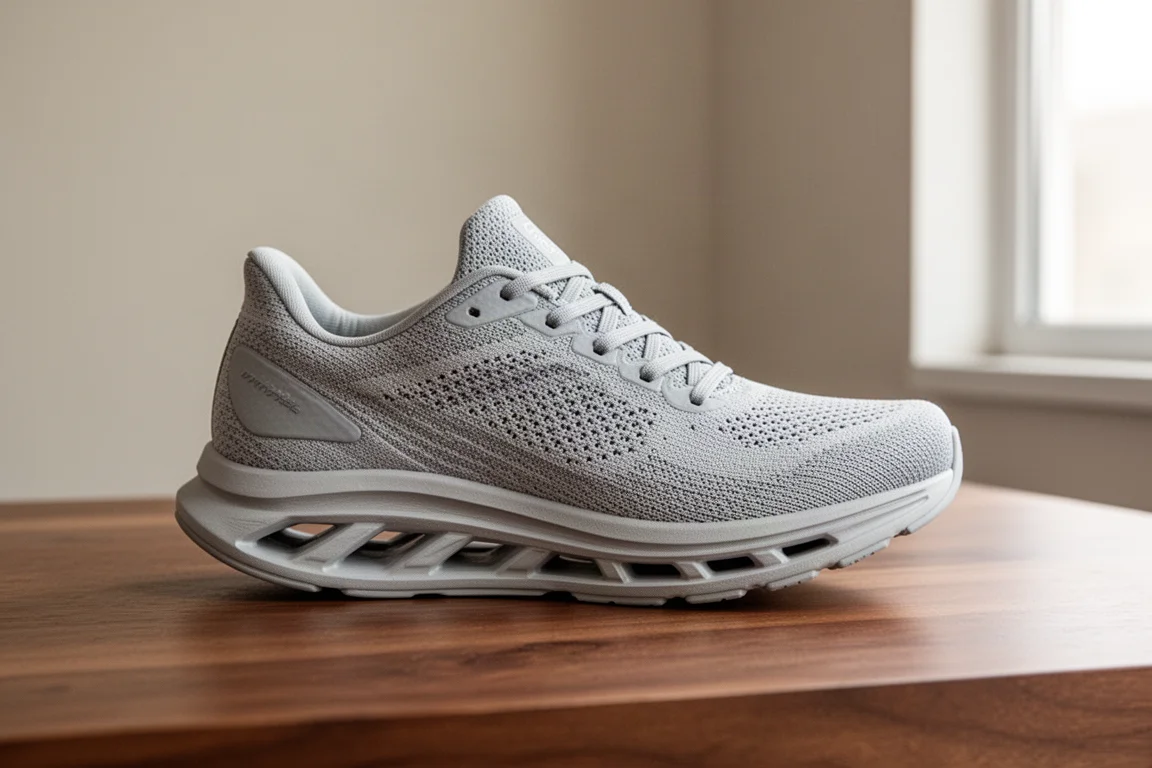
The Glycerin Max is one of the most satisfying Brooks shoes in years. The max cushion name is accurate: it feels genuinely cushioned without being overly firm or mushy, and it is the definition of a stable neutral shoe. It finally gets a proper heel bevel, and it ran much lighter than its listed weight suggests, making uptempo efforts and long runs feel far better than a chunky max-stack shoe has any right to. Durability is excellent, with barely any visible wear after a hundred miles. The one catch is fit: it ran about half a size short, so runners between sizes should consider going up, while others will likely be fine true to size.
On Cloudmonster Hyper
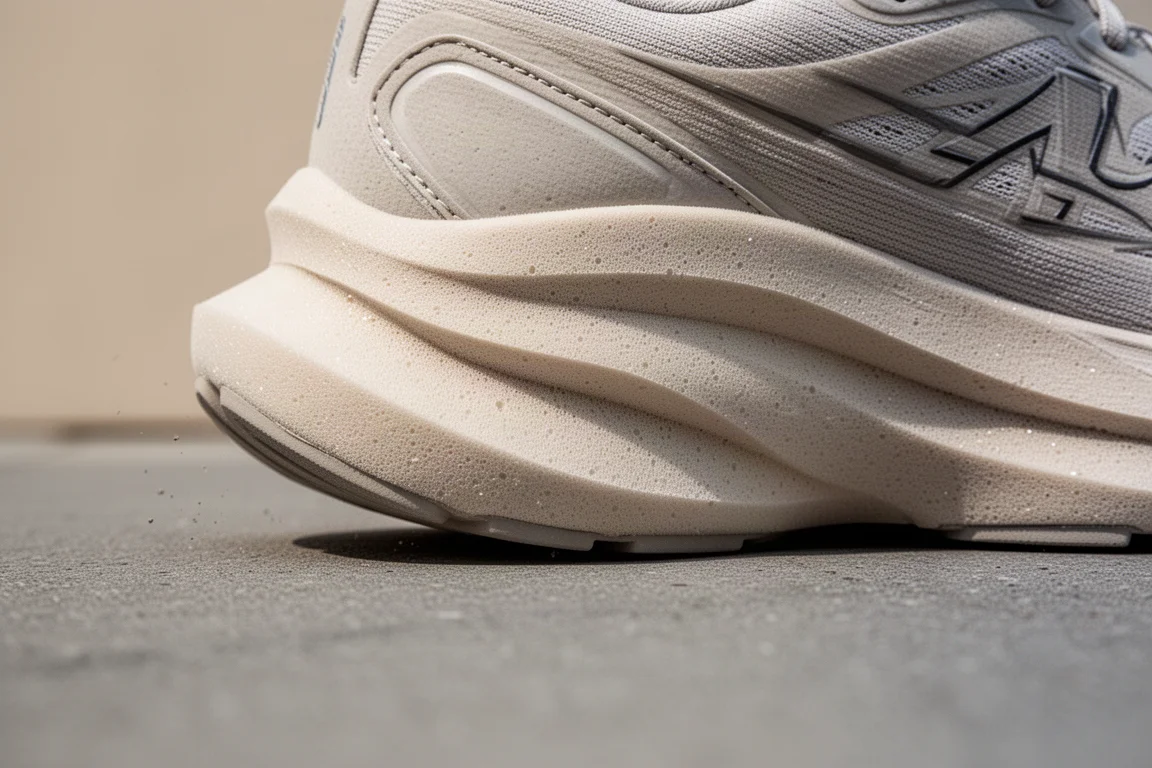
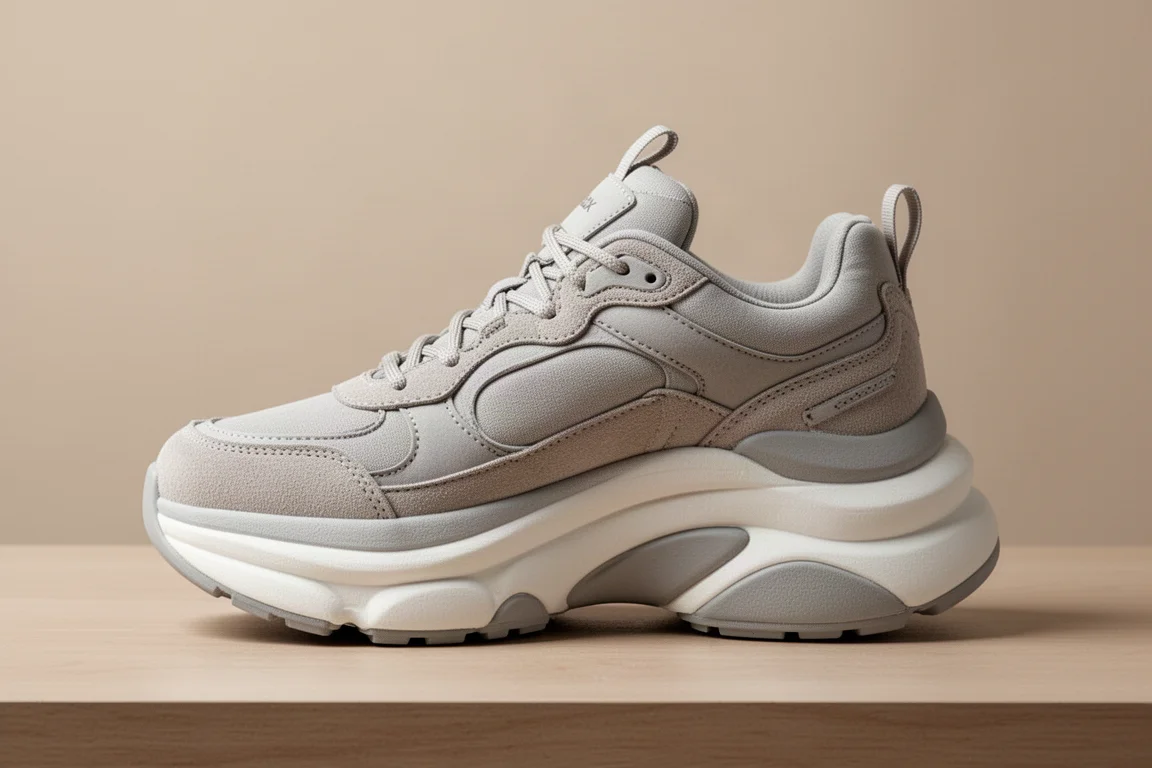
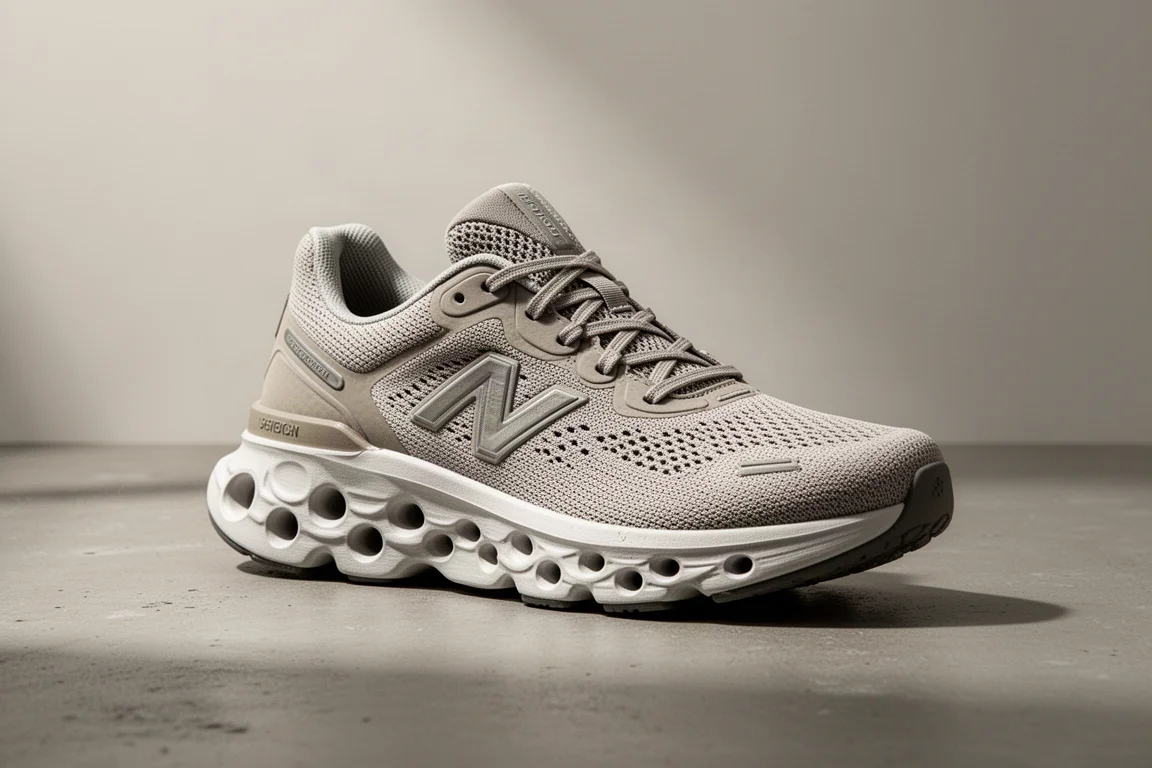
The Cloudmonster Hyper uses Helion HF, On’s super-shoe foam, as the base of its midsole, which makes it very compliant and deeply cushioned, yet it rides firmer than you might expect. That is because a layer of traditional CloudTec wraps around the heel and down the medial side into the midfoot and forefoot, adding subtle guidance. It is not a stability shoe, but it offers a little more help than a standard neutral platform, which is exactly what many runners need. The trade-offs are fit and weight: the volume runs a bit low with a shallow tongue that can press on the toes, and the shoe carries noticeable heft. It is a workhorse for daily miles and easy long runs rather than a shoe for picking up the pace.
Asics Gel-Nimbus 27
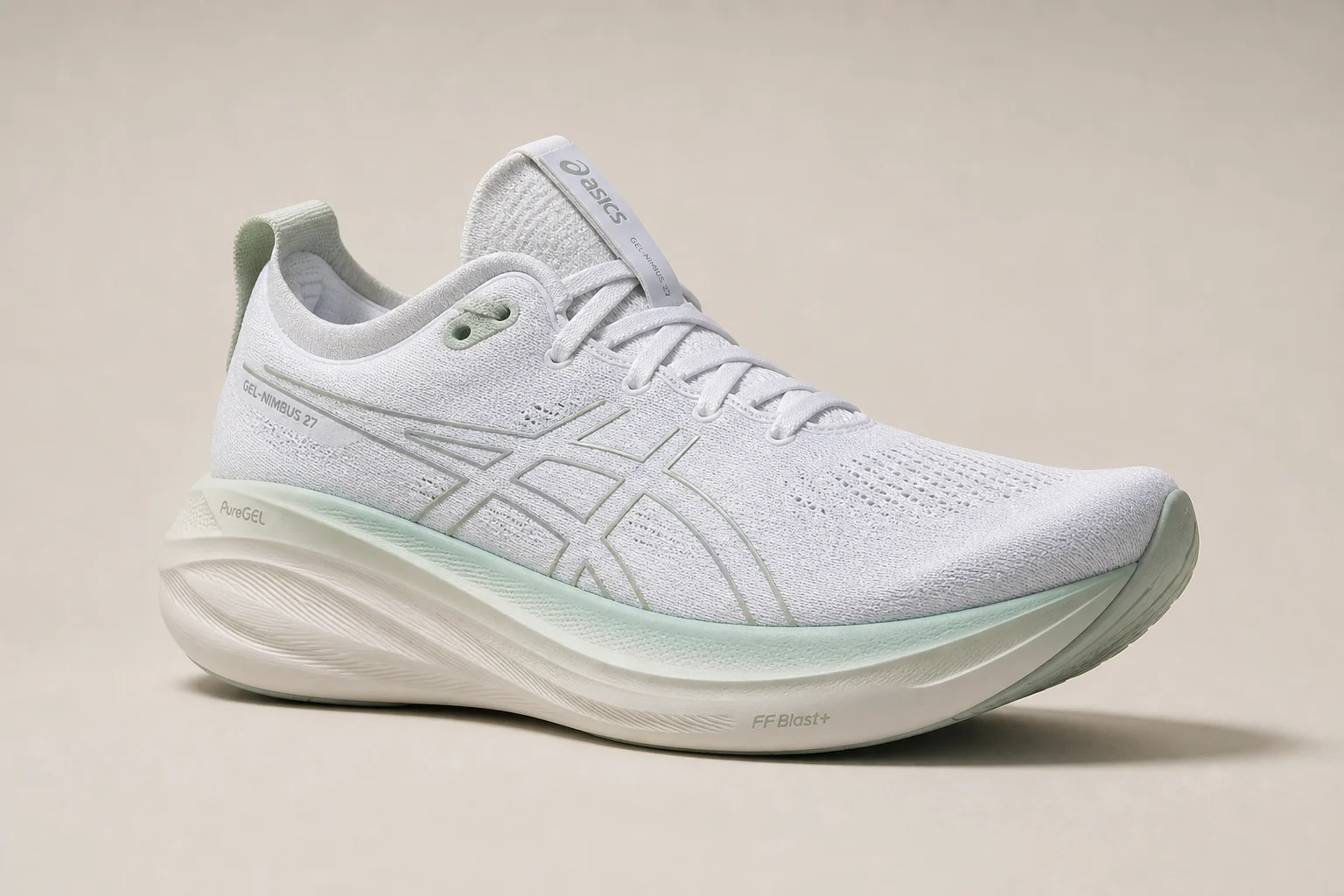
The Gel-Nimbus 27 is a pleasant surprise, especially if you found previous Nimbus versions too soft. This one rides slightly snappy, feels lighter than its listed weight, and has a dramatically improved posterior-lateral heel bevel. With a hundred miles on it, it proves itself as a stable neutral workhorse that is genuinely cushioned without being mushy. It is best understood as a premium mileage-eater rather than a lightweight trainer: it is phenomenal for long runs and daily volume but not the shoe for formal workouts. The upper is mostly good, though the toe guard area creates a low-volume feel at the top of the toebox with some early pressure on top of the toes. For many runners, this is the best Nimbus in a long time.
Asics Novablast 5 and Superblast 2
These two belong together because they share a philosophy: tall sidewalls, a balanced rocker profile, and genuine versatility, differing mainly in which foam sits underfoot. The Novablast 5 uses FF Blast Plus, offers a good amount of compliance and cushioning with just a hint of firmness, and is the most stable neutral version of the Novablast line so far, with smoother transitions and sidewalls that do a far better job than earlier iterations. It is a light, versatile daily trainer that recreational runners can even take to a marathon.
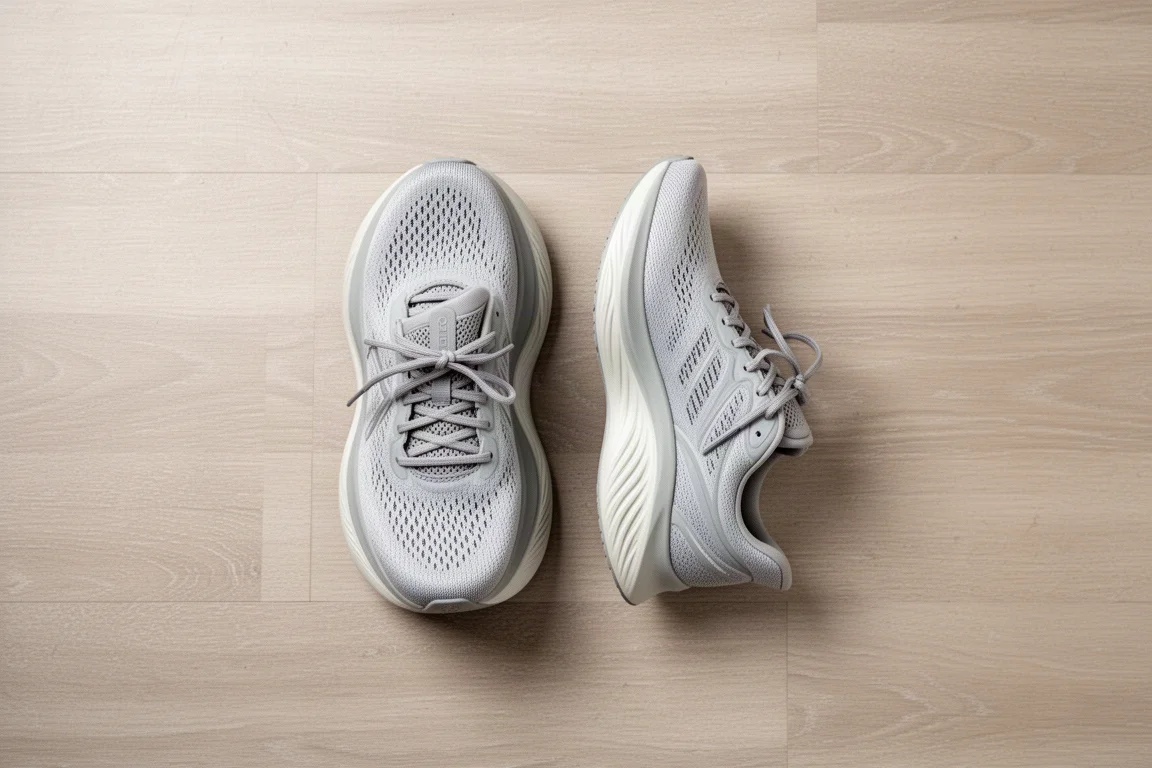
The Superblast 2 steps up with FF Turbo Plus foam plus a thin Blast Plus layer, a 45/37 mm stack, and more responsiveness under load. It carries more foam than most super shoes, yet stays in the eight-ounce range, making it an outstanding alternative for runners who find most super shoes too aggressive. It is stable neutral, can move quickly when asked, and handles workouts, long runs, and easy days alike. The catch is durability, which is a small step back from the original, and a tapered toebox that takes a long time to break in. Whether the Superblast 2 is worth the jump over the Novablast 5 depends on your goals, but both are jack-of-all-trades shoes that keep getting edged out of number one only because the category is so deep.
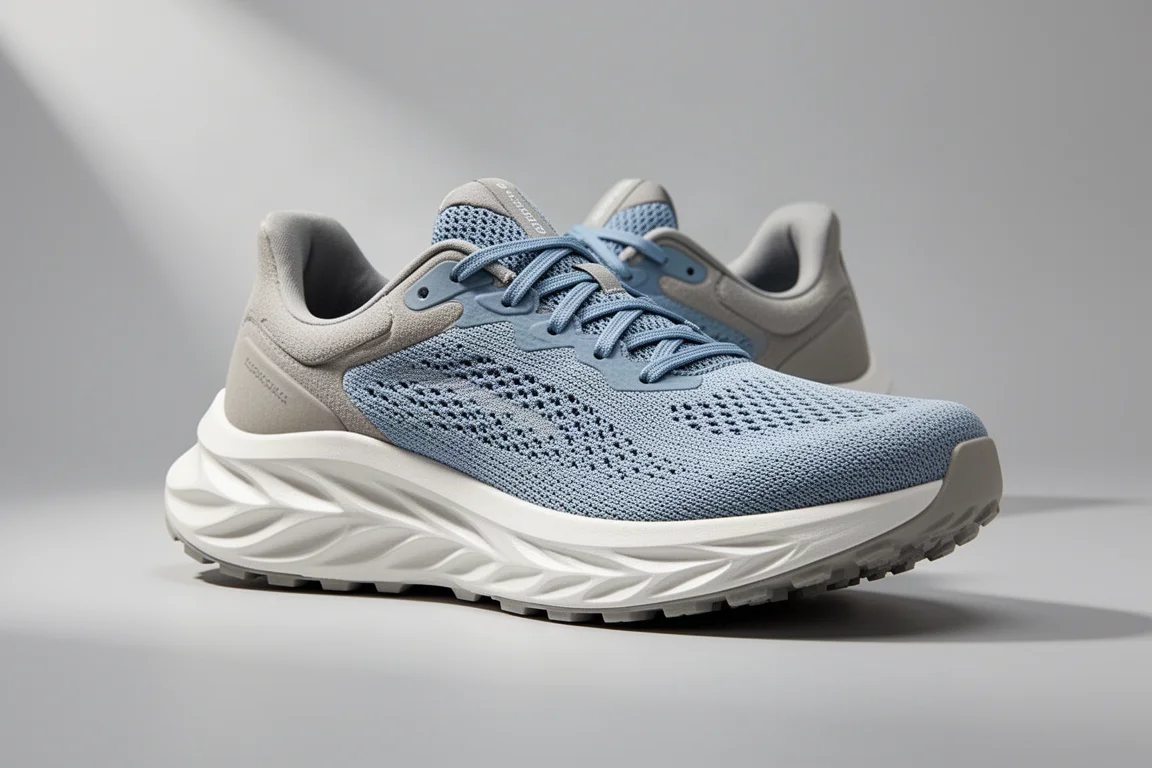
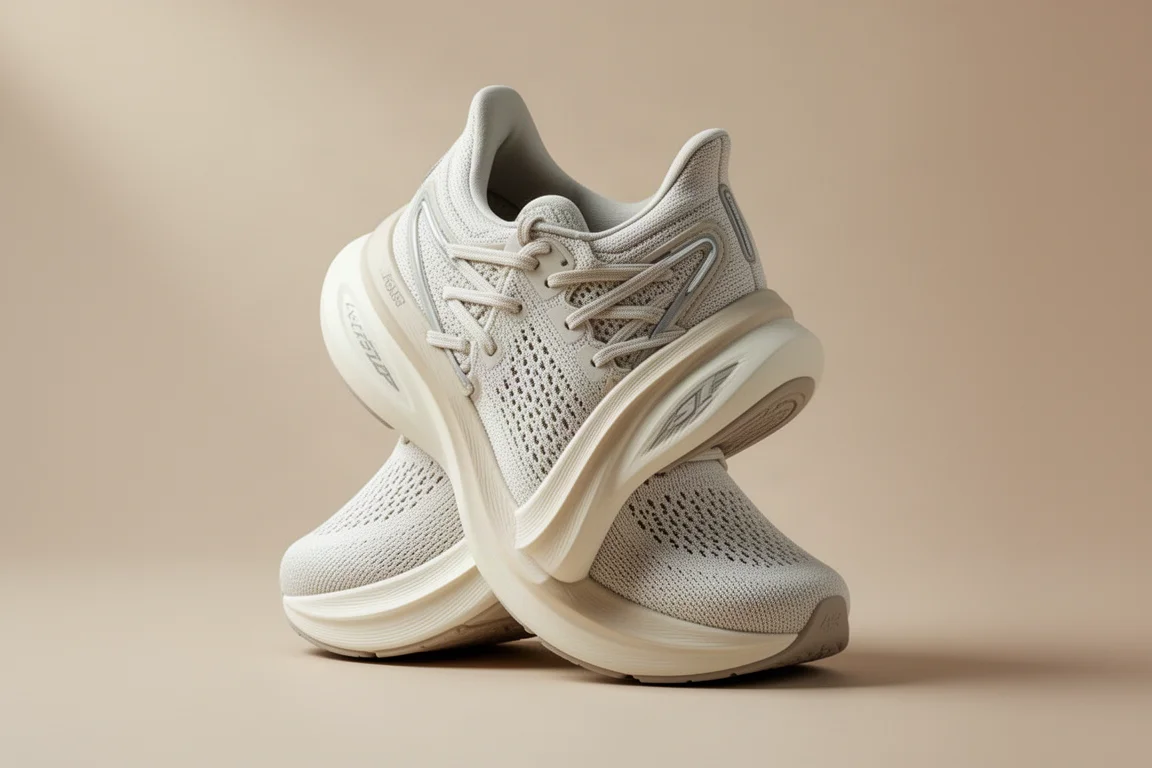
Asics GT-2000 13 and GT-2000 12
The GT-2000 13 is one of the lightest stability shoes available, with 3D guidance integrated into the geometry and sidewall flaring instead of formal posting. It rides slightly firmer, which suits runners with lower-volume feet who want a bit more structure. The version 12, however, remains the favorite for many: softer, more forgiving, and a massive departure from earlier generations thanks to a better bevel, improved internal geometry, and a much better fit. It handled easy runs, long runs, and even workouts while staying stable without being aggressive, and it is impressively durable. If you want a plush-but-light stability shoe, hunt down the 12; if you prefer firmer and more stable, the 13 is excellent. Neither is the most versatile option on this list, which keeps them just outside the very top.
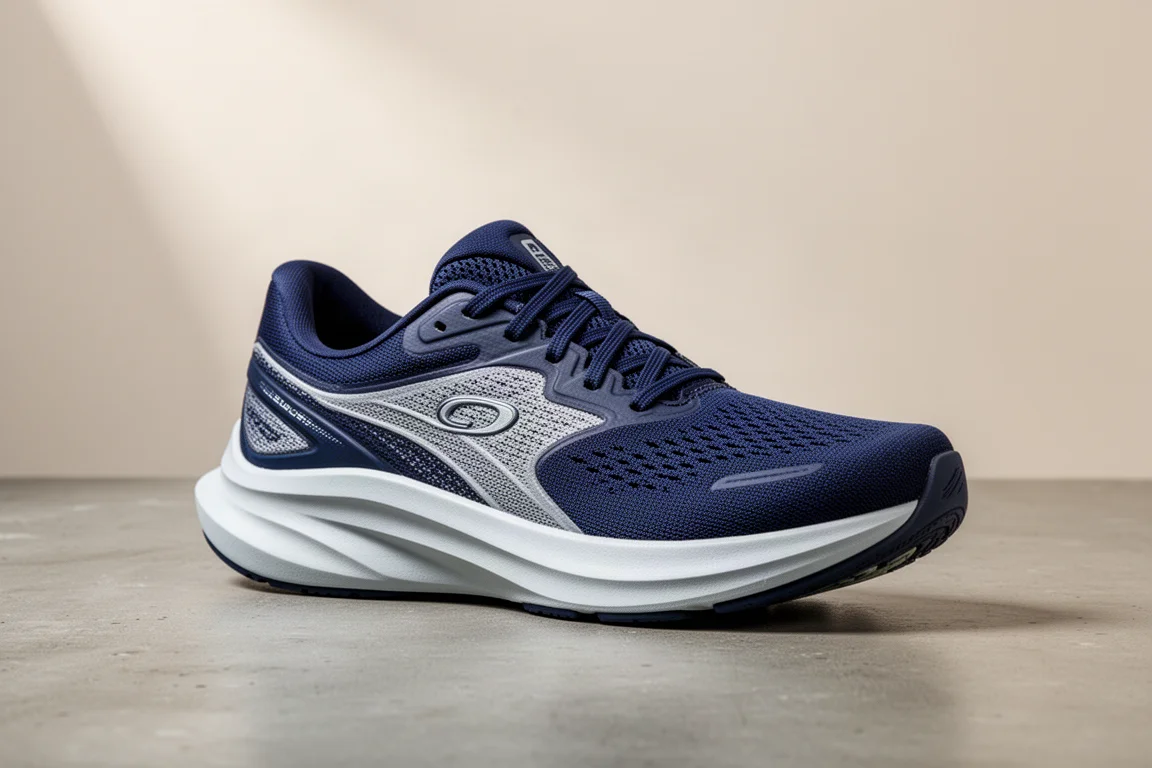
Nike Vomero 17
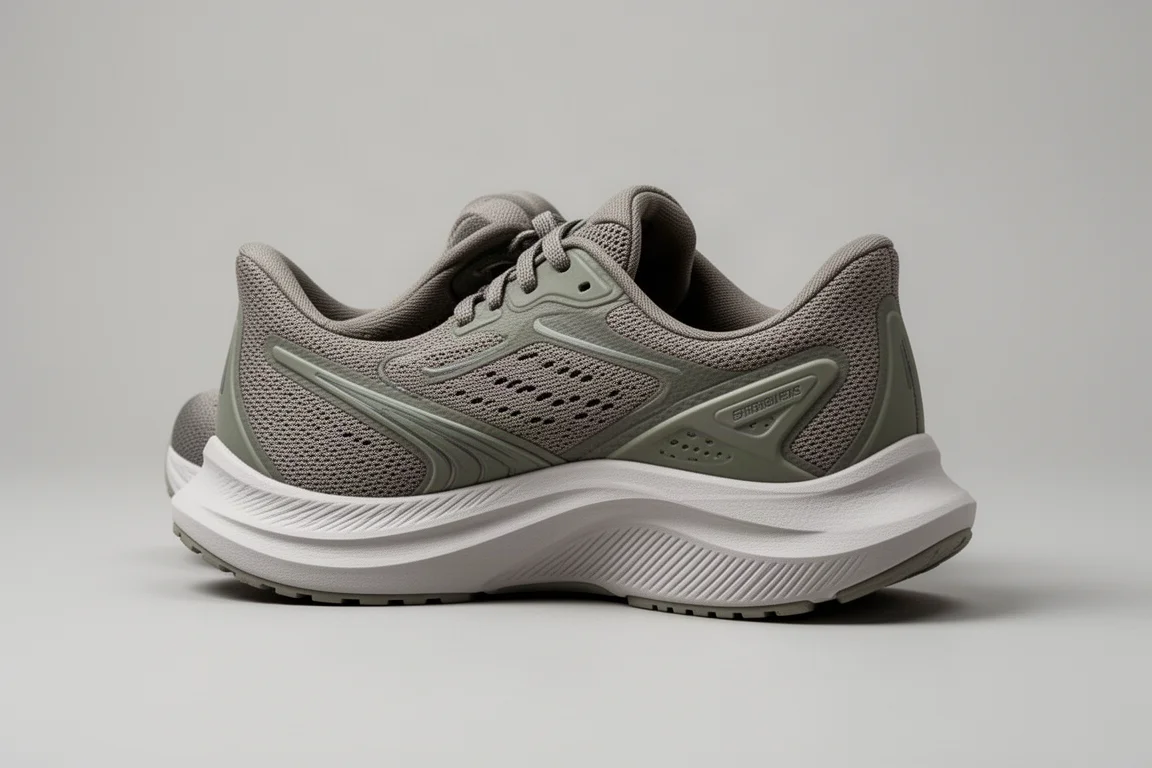
The Vomero 17 earned daily trainer of the year honors in 2023 and still holds up two years later. It uses a two-layer midsole: a firmer Cushlon EVA base topped with a soft, bouncy ZoomX layer, which keeps the cushioning manageable instead of floppy. The geometry is refreshingly balanced, with a modest heel bevel, some forefoot rocker, and toe spring rather than a dramatic banana profile, and it is surprisingly flexible up front despite the max-stack cushioning, which gives toe-off a natural feel. Grip is strong enough that it handles easy trail detours despite being a road shoe. The tongue occasionally needs adjusting to keep laces from pressing down, but otherwise the fit is dependable. It has enough responsiveness for mild uptempo work, plenty of cushion for long runs, and a versatility that is unusual for a premium, heavier trainer.
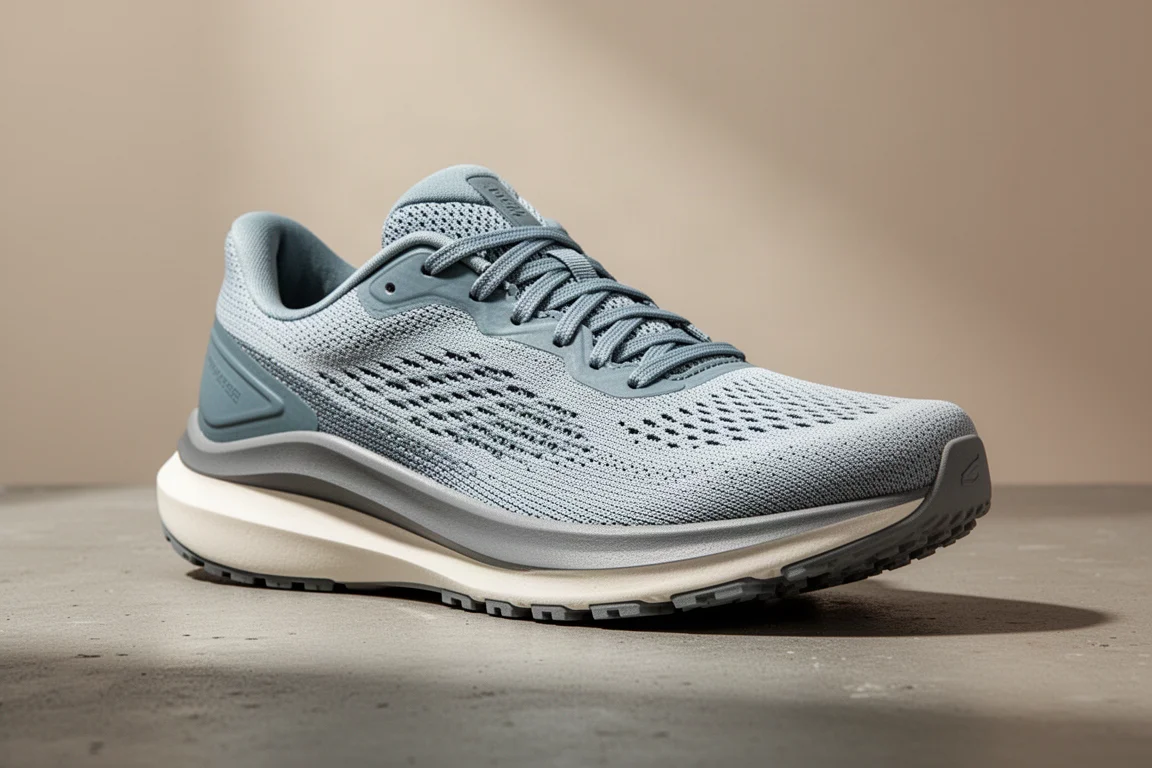
Saucony Endorphin Trainer
The Endorphin Trainer is the shoe that proves a daily trainer can do almost everything. It pairs a bottom layer of PowerRun foam with Saucony’s incrediRUN foam on top, and the integration is superb: cushioned, bouncy, and responsive without the instability of a full super-shoe midsole. A three-quarter-length carbon fiber plate keeps the ride snappy while retaining a touch of flex once broken in. The design is stable neutral, with the medial midsole rising slightly higher than the lateral side, filling in the midfoot for runners who need mild guidance. It has handled easy runs, long runs, recovery jogs, tempo sessions, and intervals, making it a genuinely convincing replacement for a beloved do-everything trainer. Durability is a highlight, with the outsole still intact well past a hundred miles.
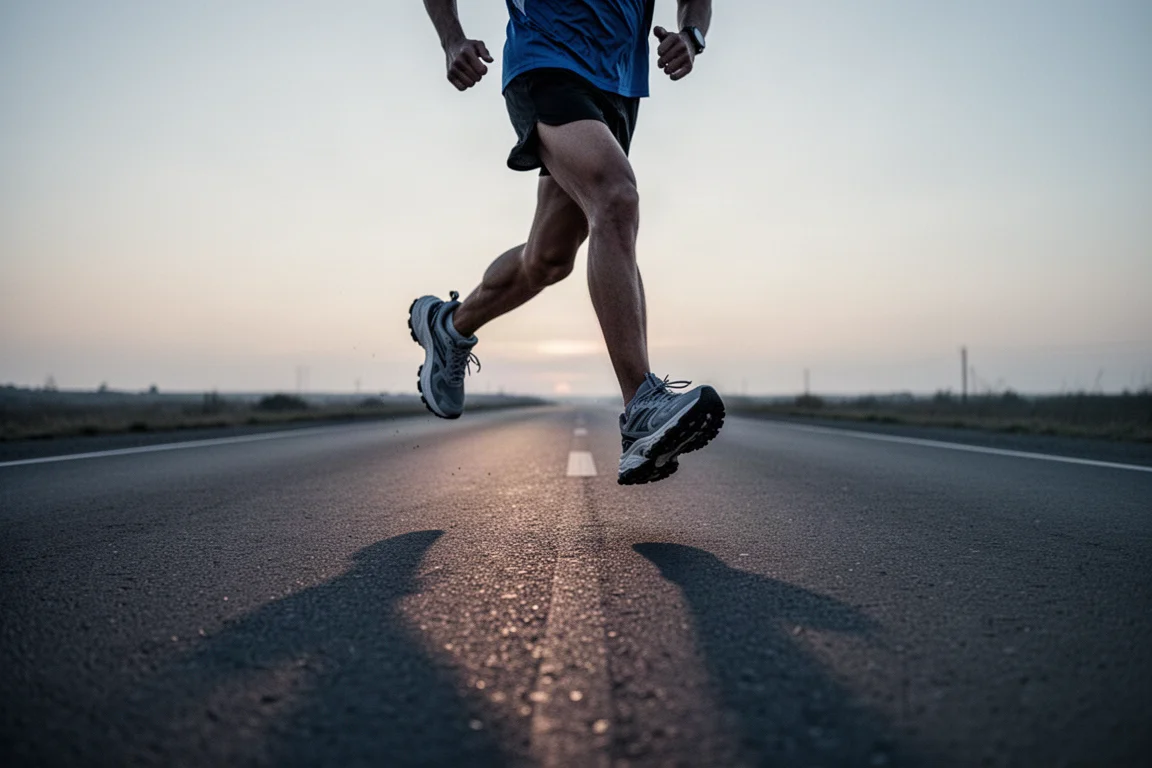
The criticisms are fair: it is heavier and more expensive than it probably should be, the upper is a little thicker than necessary, and a lighter sub-nine-ounce version would be even better. But as a daily trainer that can handle every pace and nearly every run, it is hard to argue with the results.
Overall Buying Advice
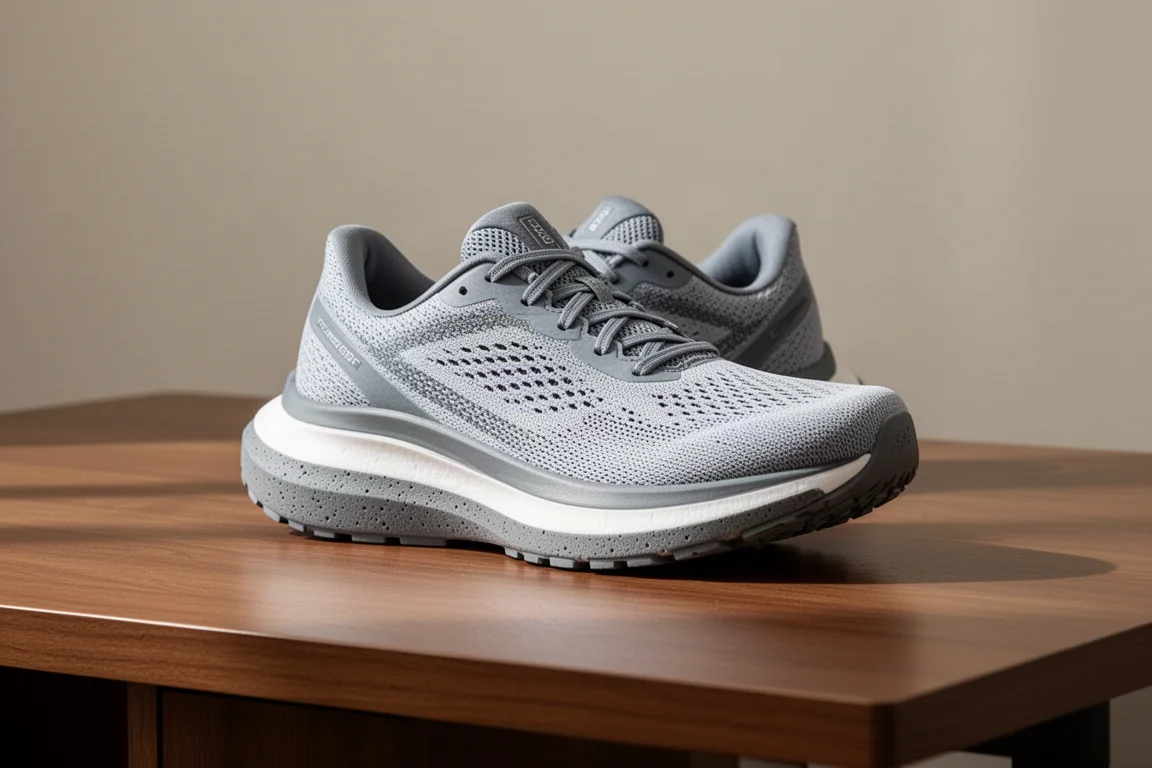
Choosing between these shoes comes down to three honest questions. First, what does your foot need? If you want mild guidance, the Glycerin Max, Superblast 2, Novablast 5, Endorphin Trainer, and the GT-2000 series all offer stable-neutral qualities in different doses. Second, how versatile do you need one shoe to be? The Superblast 2 and Endorphin Trainer are the closest things here to true do-everything trainers, while the Nimbus 27 and Cloudmonster Hyper are happier as dedicated mileage workhorses. Third, how do you feel about weight and firmness? If you prefer firmer and lighter, look at the Ride 18 and GT-2000 13; if you want plush but not mushy, the Vomero 17 and Glycerin Max deliver.
Conclusion
The daily trainer category has never been deeper, and this list reflects that: no single shoe dominates every category, and even the honorable mentions are shoes many runners would happily train in. Match the ride character, fit, and stability level to your own running, and any of these choices will serve your daily miles well.
Further reading
Related Reviews

Running Shoes
Best Road-to-Trail Running Shoes: Three Versatile Options for Mixed Terrain
A practical guide to three road-to-trail running shoes that handle both pavement and mild trails, with clear strengths and trade-offs for different runner types.

Running Shoes
Best Running Shoes for Achilles Tendonitis: Three Options Explained
Three running shoes with different heel drops and support features designed to help reduce Achilles tendon pain during walking and running.

Running Shoes
Best Running Shoes for Women: Five Top Choices Ranked
A ranked guide to five women's running shoes, from versatile daily trainers to high-performance racing options, with real strengths and trade-offs for each.