Running Shoes
Adizero Evo SL vs the Field: Four Daily Trainers Compared
The Adidas Adizero Evo SL has shaken up the mid-price trainer market. We compare it against the Saucony Azura, Nike Pegasus Plus, and Asics Novablast 5.
Introduction
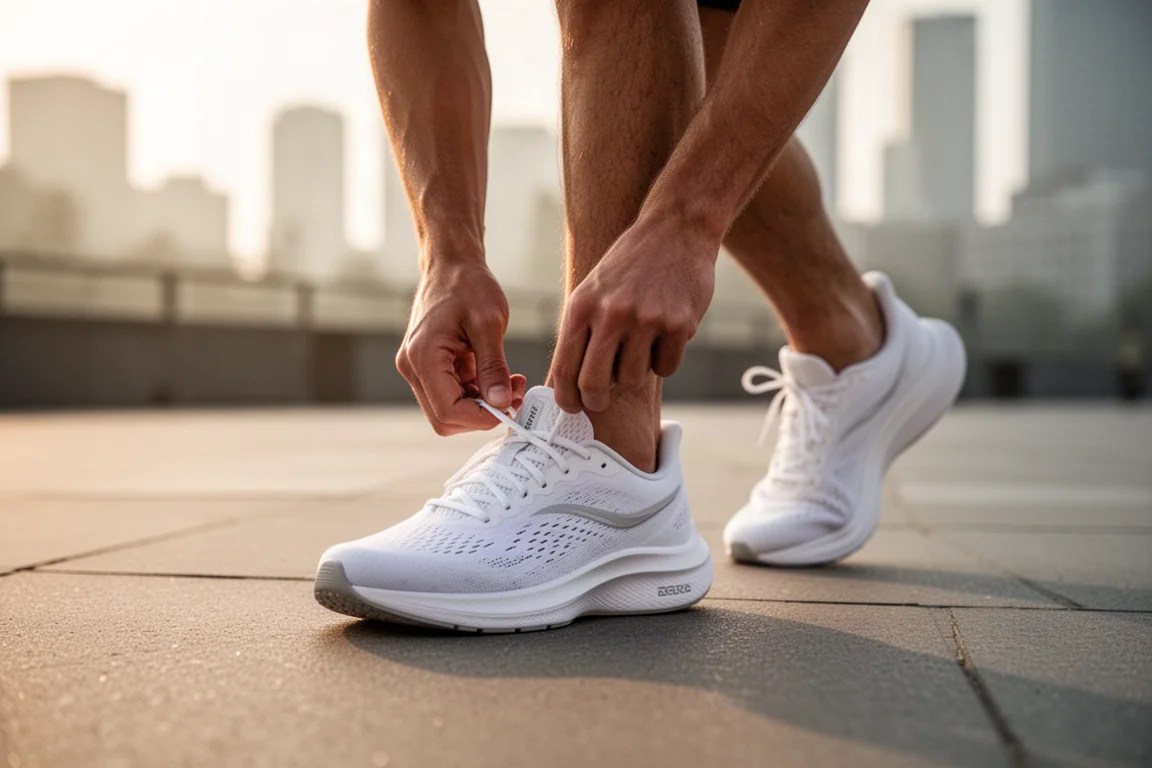
Few recent releases have reshaped the mid-price trainer market quite like the Adidas Adizero Evo SL. It uses the Lightstrike Pro TPE foam that has been around since the Adizero Adios Pro era, pairs it with a simple plastic shank for torsional rigidity and a touch of Continental rubber, and delivers performance that, in many comparisons, holds its own against plated race shoes costing roughly double. Priced around £130 in the UK, it has arguably crowded out a whole tier of more expensive trainers.
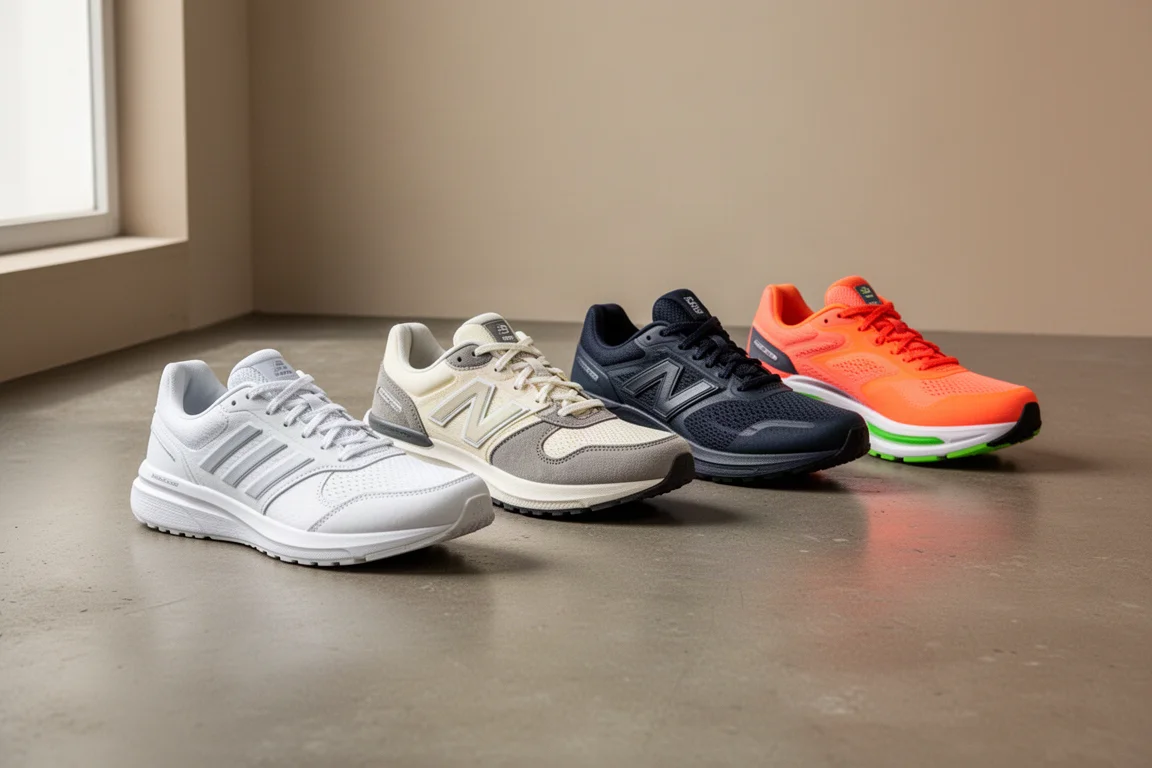
This roundup looks at how the Evo SL stacks up against three rivals in or near the same price band: the Saucony Azura, the Nike Pegasus Plus, and the Asics Novablast 5. Each brings a different balance of cushioning, pace, and stability, and the right choice depends more on how you run than on any single spec sheet.
Adidas Adizero Evo SL: The Disruptor
The Evo SL’s appeal starts with its midsole. Lightstrike Pro feels excellent out of the box and, unusually, seems to improve with mileage: a few hundred miles in, it still delivers strong energy return and impact protection. It is comfortable yet durable, shrugging off scuffed pavements and careless stair descents better than most performance foams. With around 36mm of stack, there is plenty of cushion underfoot, and the shoe is light enough that many runners could race in it, especially those who dislike rigid plated options.
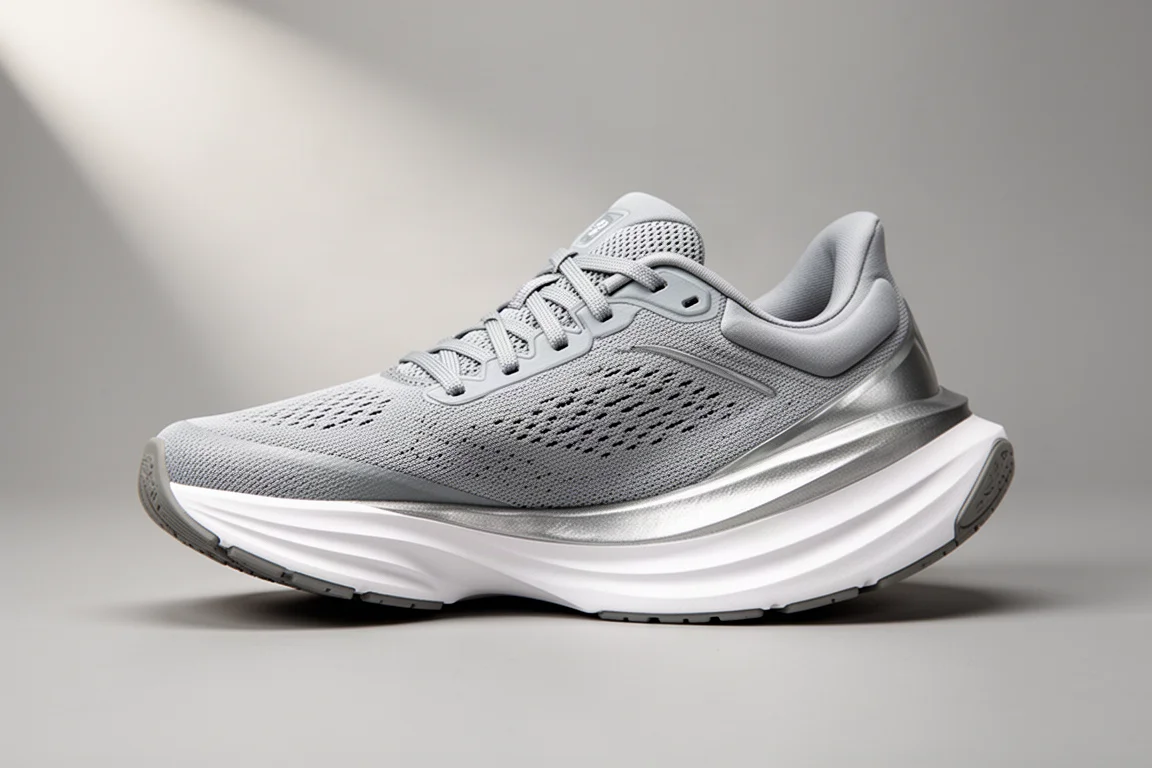
Design-wise, the Evo SL leans into classic Adidas three-stripe heritage, giving it a timeless look that works as a lifestyle shoe too. Multiple versions now exist, including a woven upper edition, a winterized ATR model, and an XO version with a refined upper, with the woven upper being the standout for everyday wear. The main caveat is heel stability, which we come back to below.
Saucony Azura: The Closest Rival
At £140 in the UK, the Saucony Azura sits just above the Evo SL and is probably the closest competitor at a similar price. Its PWRRUN PB foam is a denser blend: still bouncy and cushioned, but slightly less springy in feel than Lightstrike Pro. In practice, it reads as a steadier-pace comfortable shoe with a touch more heel stack, roughly three to four millimetres more in measurements taken on UK 11 / US 12 pairs.
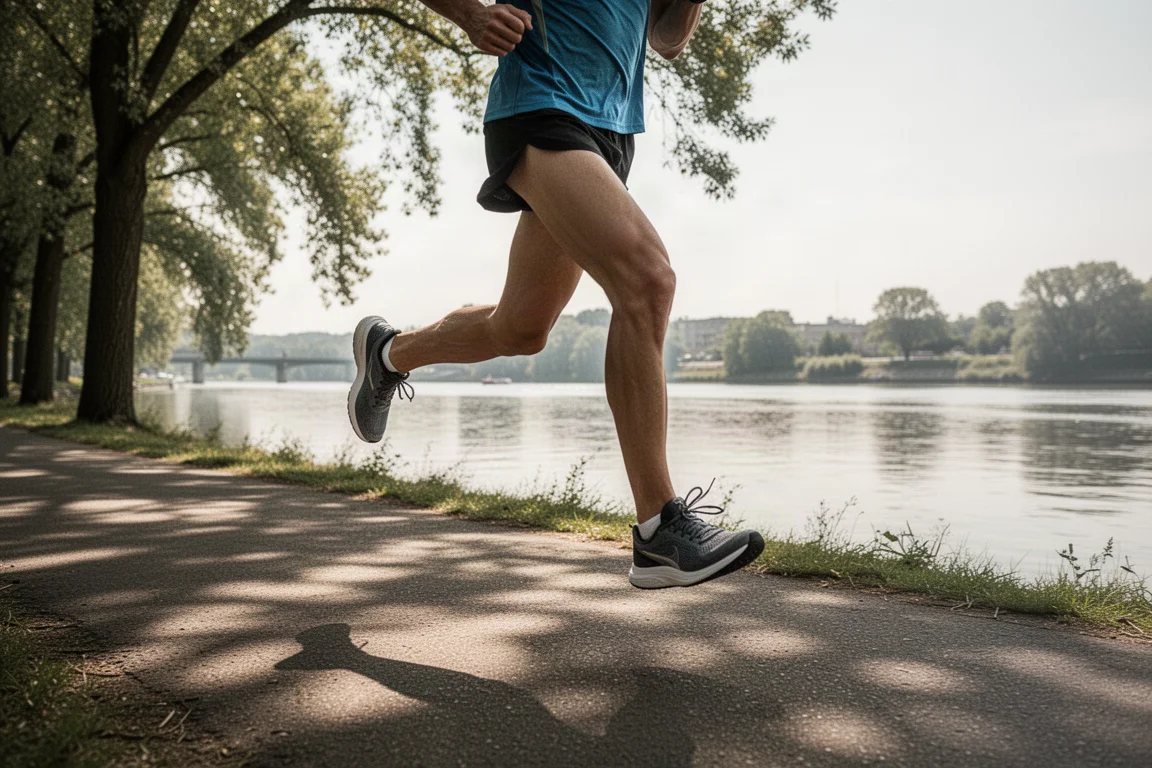
The Azura is arguably the more versatile shoe of the two and is better suited to longer runs that include some quicker sections. It is also a touch heavier. The retro 80s running shoe styling will not be for everyone, but it does give the Azura broad daily-trainer appeal.
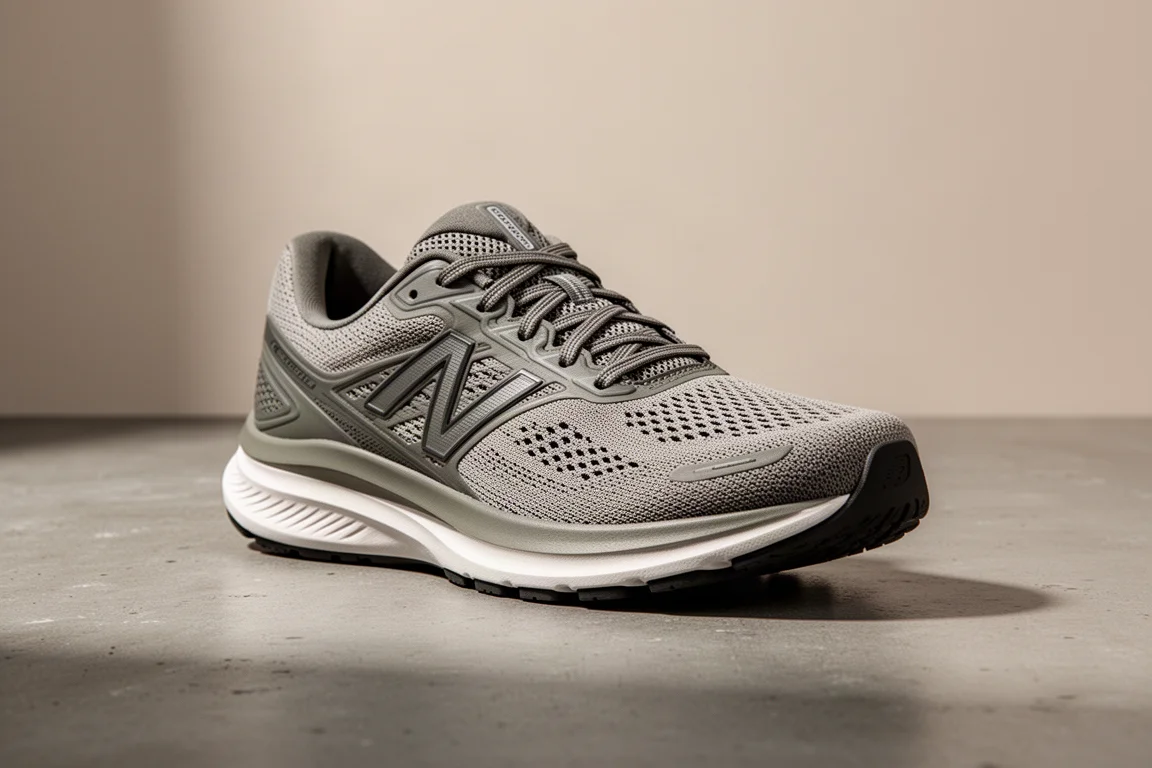
Nike Pegasus Plus: The Lineup Comparison
Within Nike’s current segmented road lineup, the Pegasus Plus is the only reasonable comparison point. Its ZoomX midsole, however, does not translate as well into a daily trainer as Lightstrike Pro does in the Evo SL, with roughly 4mm less foam in the forefoot and 2mm less in the heel. The drop is significantly higher, and it is quite noticeable on foot.
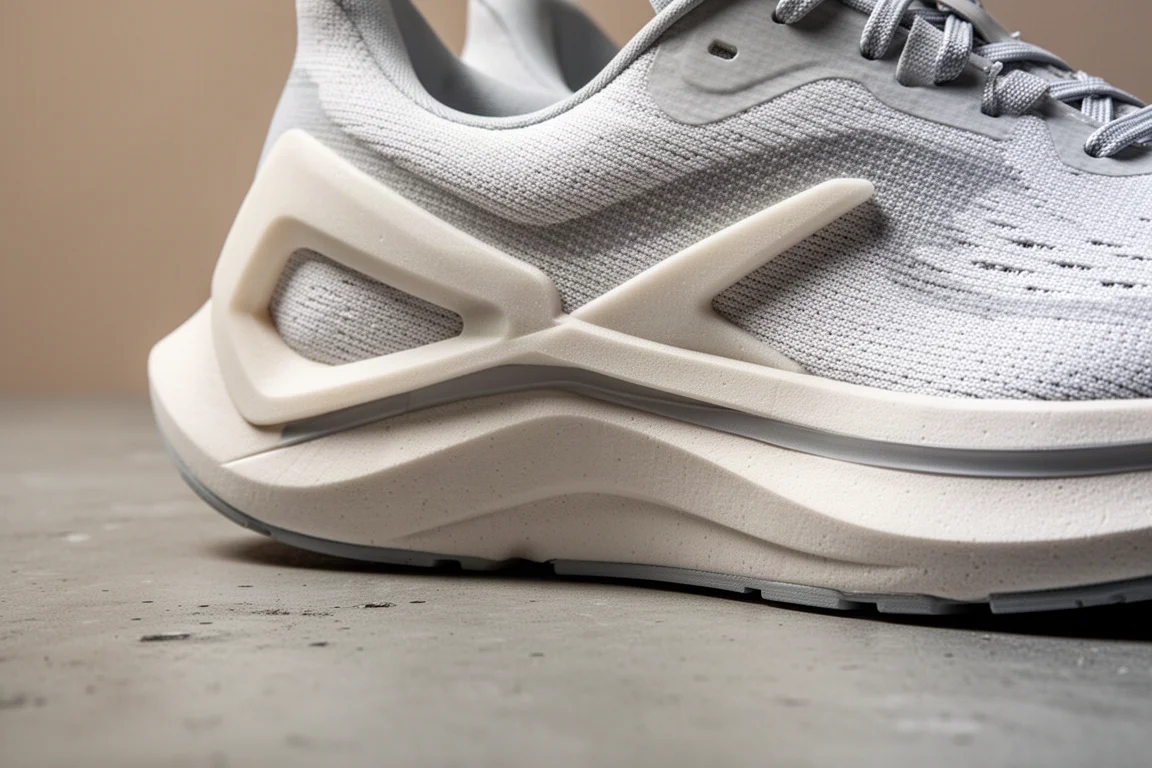
The Pegasus Plus is a decent trainer, but it does not match what is on offer in the Evo SL’s midsole. Its £165 retail price likely hampered sales; a price closer to £140 would probably have found more takers, though that would have complicated positioning against the Pegasus 41.
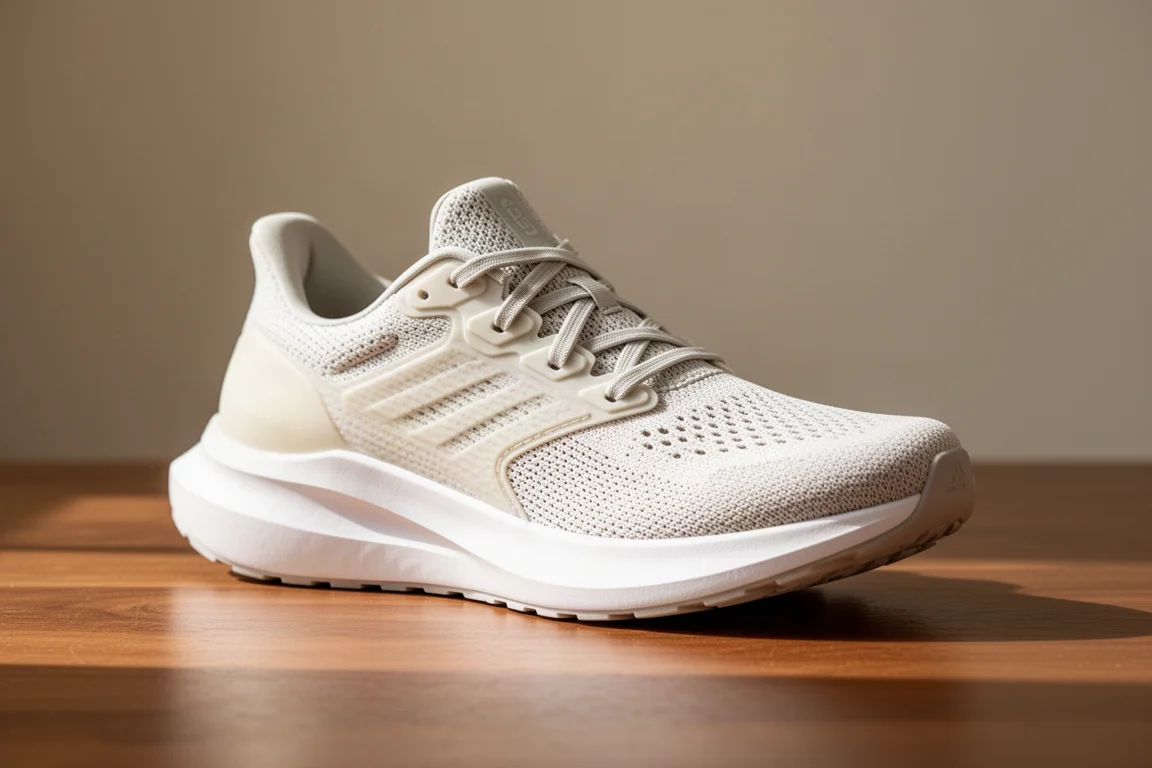
Asics Novablast 5: Cushioning First
The Asics Novablast 5 sits about five pounds above the Evo SL and adds roughly 4mm of extra heel stack, which makes it the more favourable option purely in terms of impact protection. The FF Blast Max foam has a pleasant squish that genuinely protects the foot. The trade-off is an additional ounce or so of weight, which pushes it more firmly into the daily trainer category: a good slower-to-steady-pace option, especially for longer runs where the Evo SL’s nimble nature matters less.
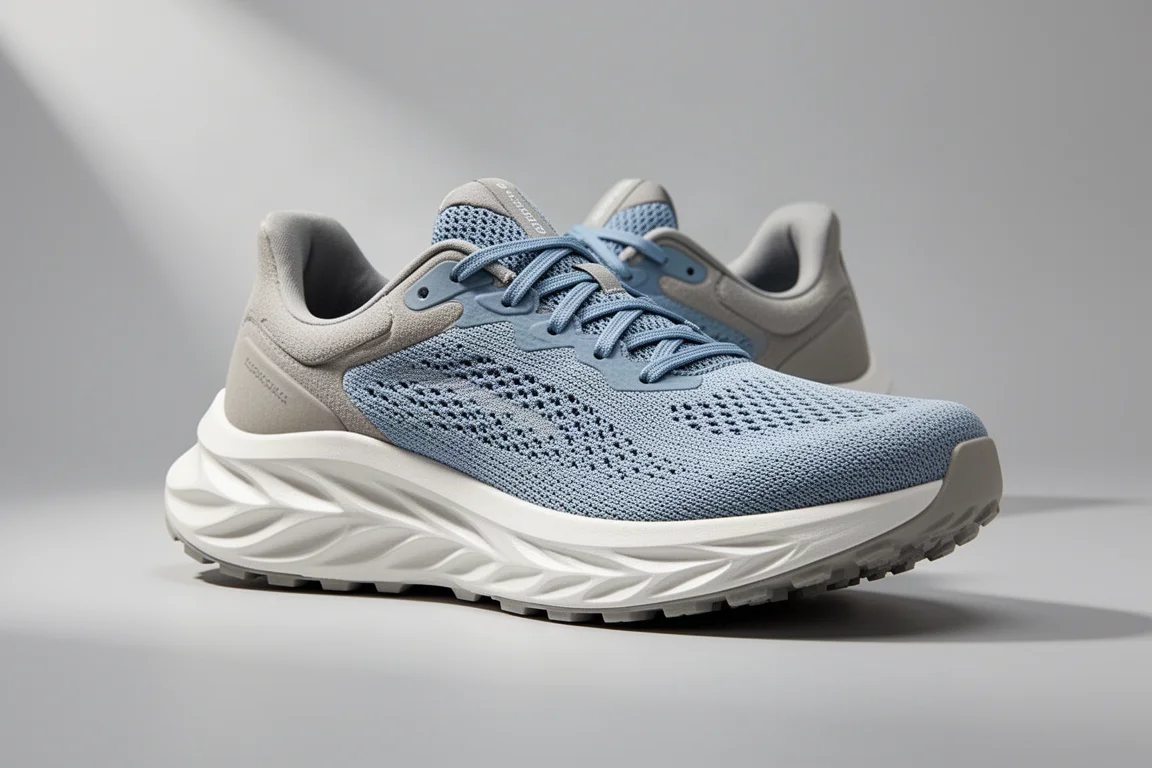
When it comes to quick energy return, though, Lightstrike Pro remains unmatched in this company. If you want a non-plated shoe you could race in, the Evo SL still has the edge on pace.
The Stability Question
The one complaint that comes up repeatedly about the Evo SL is inherent instability in the heel. Some runners simply find it unsettled at the back of the shoe, which appears to come down to the bevel and cutaway on the lateral side of the heel. Both the Novablast 5 and the Azura are more stable choices in this respect, and if heel confidence matters to you, that alone may decide the comparison.
Overall Buying Advice
If you want one shoe that covers daily miles, lifestyle wear, and the occasional tempo or race effort without a plate, the Evo SL is hard to beat at its price. If you want more versatility, a slightly more stable platform, and space for long runs with pace mixed in, the Saucony Azura makes a compelling case. For maximum cushioning and a relaxed daily rhythm, the Novablast 5 fits best. The Pegasus Plus is the weakest value of the four at its retail price.
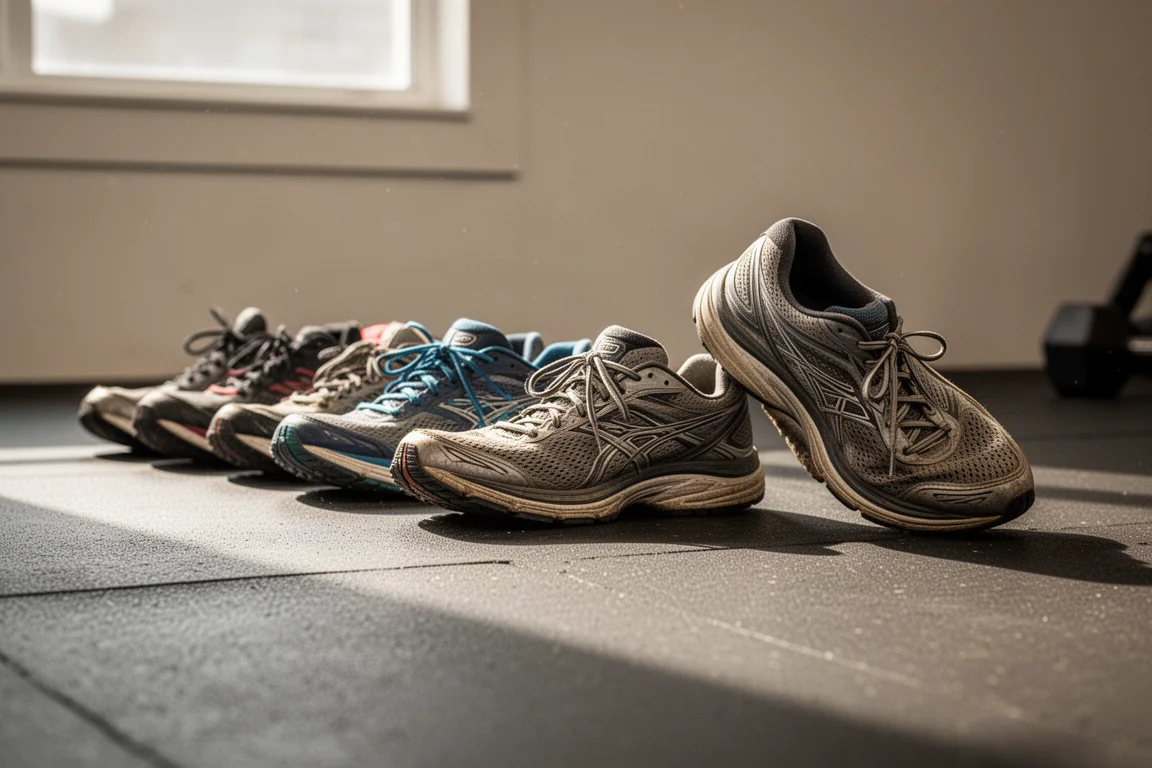
It is also worth noting how the Evo SL has affected the plated trainer market: shoes like the Zoom Fly 6, Asics Sonic Blast, and Puma Deviate Nitro 4 all carry higher price tags and lack the same up-for-it feel, largely down to weight. Training in a non-plated shoe like the Evo SL is also good for building foot and lower-leg strength.
Conclusion
The Adizero Evo SL has set a demanding standard for mid-price trainers, combining race-adjacent foam with everyday durability and classic looks. The Azura, Novablast 5, and Pegasus Plus each answer it in different ways, but for outright performance per pound, the Evo SL remains the benchmark of this group.
Further reading
Related Reviews

Running Shoes
Best Road-to-Trail Running Shoes: Three Versatile Options for Mixed Terrain
A practical guide to three road-to-trail running shoes that handle both pavement and mild trails, with clear strengths and trade-offs for different runner types.

Running Shoes
Best Running Shoes for Achilles Tendonitis: Three Options Explained
Three running shoes with different heel drops and support features designed to help reduce Achilles tendon pain during walking and running.

Running Shoes
Best Running Shoes for Women: Five Top Choices Ranked
A ranked guide to five women's running shoes, from versatile daily trainers to high-performance racing options, with real strengths and trade-offs for each.