Running Shoes
Best Daily Running Shoes of the Year: Nine Trainers Tested Over Thousands of Miles
From the budget-friendly Puma Velocity Nitro 4 to the Asics Megablast, nine daily trainers tested across months of real running, ranked from cheapest to most expensive.
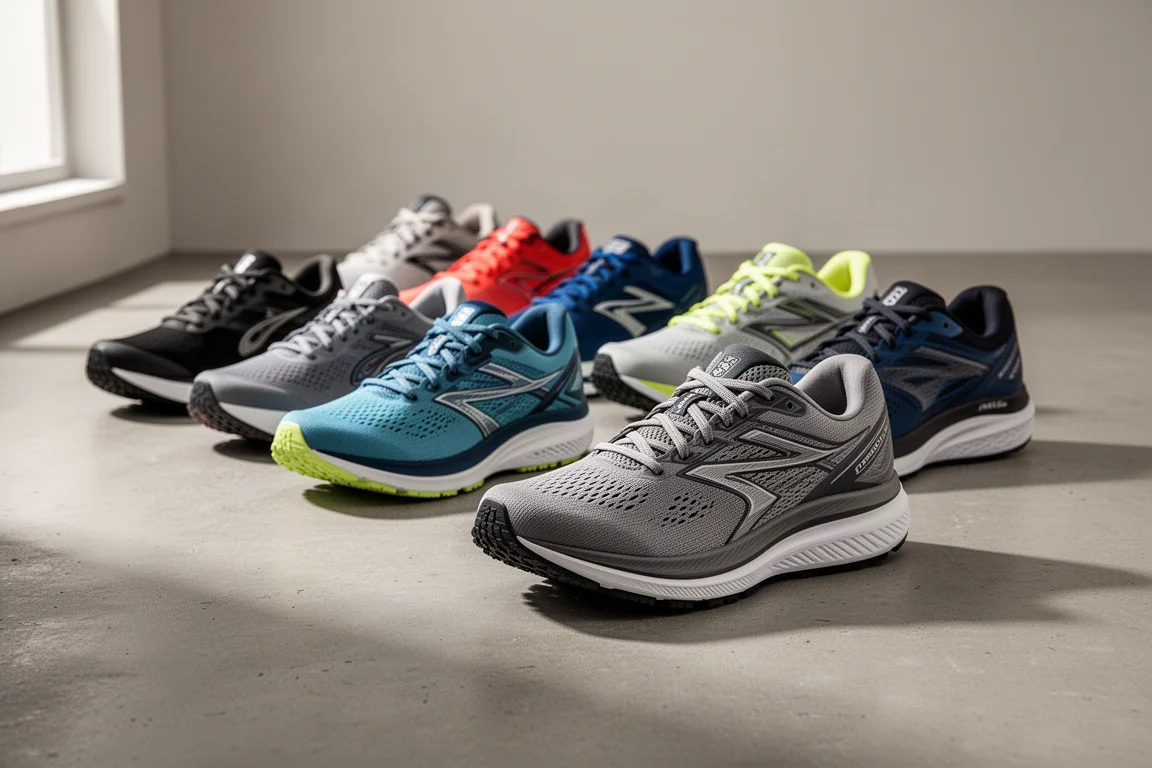
Introduction
This year’s daily trainer market has been genuinely excellent, with a few standout releases and a couple of shoes we’d rather forget. After spending many thousands of pounds of our own money on shoes from different brands and testing them over countless months and miles, this list brings together the very best daily running shoes of the year, ordered from cheapest to most expensive. Whether you are building your first mileage base, chasing a half marathon personal best, or just want one dependable shoe for everything, there is a strong option here for you.
What Makes a Great Daily Trainer
A good daily shoe has to balance cushioning, weight, versatility, and durability without excelling at only one thing. It should handle easy miles, steady runs, and the occasional pickup in pace, and it should feel good fresh out of the box. The nine shoes below all meet that brief in different ways, and each one earned its place through real-world running rather than spec sheets.
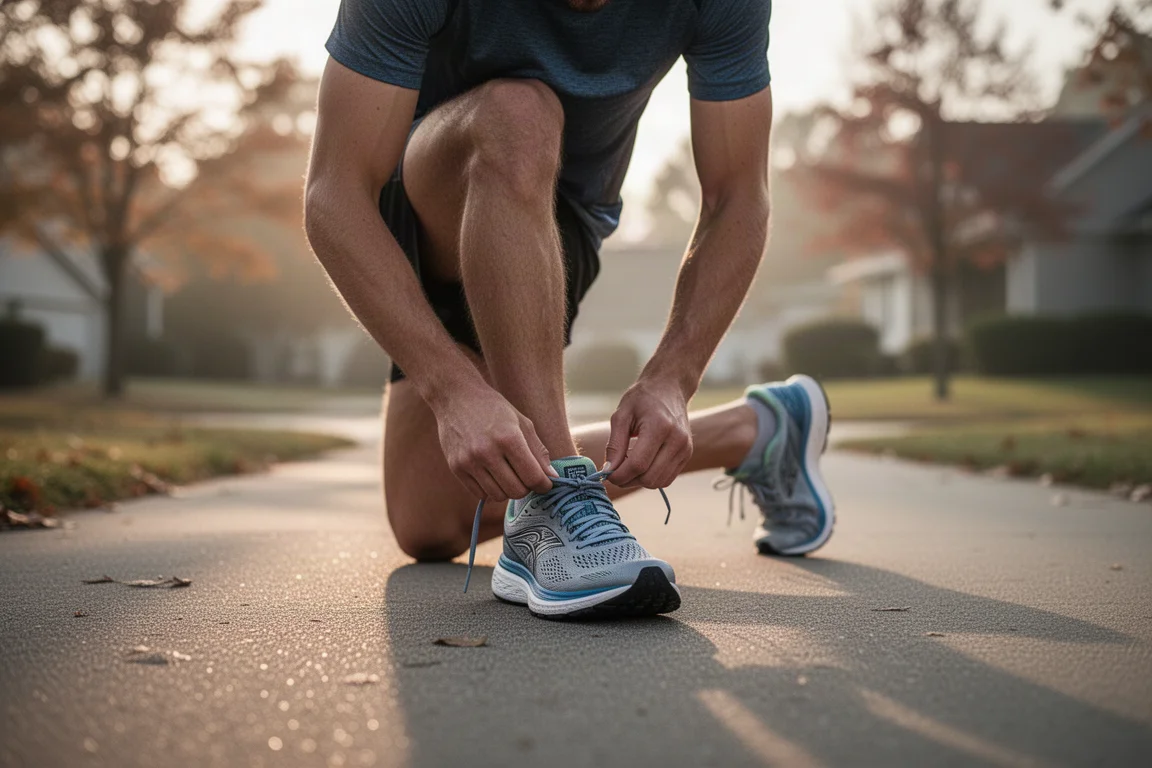
Puma Velocity Nitro 4
The cheapest shoe on the list is also one of the most fun. At £110, with pairs often found closer to £88, the Velocity Nitro 4 stacks 36 mm at the heel with a 10 mm drop and weighs 282 g. It uses a full layer of Puma’s Nitro foam with no plate, which gives it a very traditional ride thanks to the slightly lower stack height.
The standout feature is the grip: the outsole is excellent, making this a genuinely good choice for autumn and winter running. It is surprisingly lightweight, versatile across different paces and distances, and a legitimate option for racing anything from a 5k up to the half marathon. The main drawbacks are a slightly narrow fit with no wider options available, sizing up only makes it too long, and the tongue tends to slide down with nothing to hold it in place. Still, at this price it is a fun, poppy, truly versatile daily shoe.
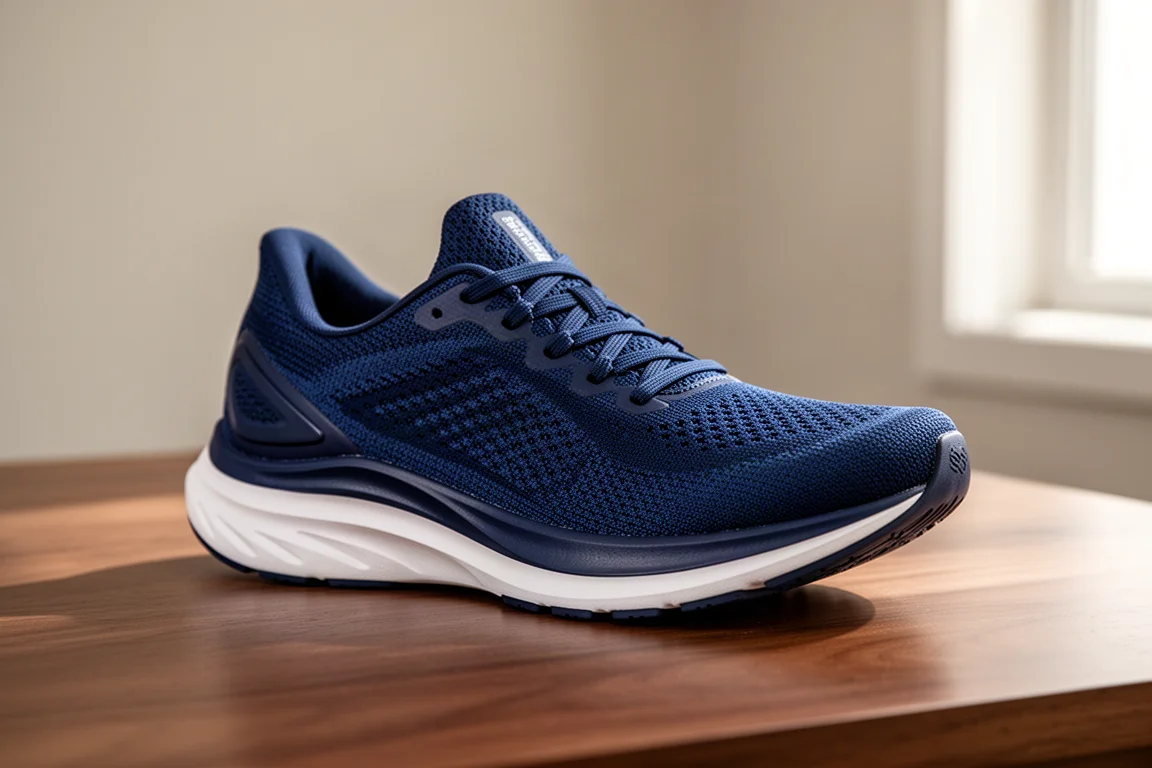
Adidas Evo SL
One of the best shoes Adidas has released in years, and arguably the best value on this entire list. At £130 it is hard to find on offer anywhere, but what you get is remarkable: a 39 mm heel stack with a 7 mm drop, 267 g in a UK size 12, and a full layer of Lightstrike Pro, the exact same super foam Adidas uses in its top-end race shoes, with no plate.
Four words describe this shoe perfectly: simple, lightweight, fast, and fun. It is ideal for daily training and for runners who do not want a plated shoe for their everyday miles. Many people compare it to the Superblast 2, but that shoe costs £70 more. The downsides are minor: the laces are cheap, the short tongue prevents heel-lock lacing, and the thin upper can feel a little unstable in corners. It may not be our pick for a full marathon, but for 5ks, 10ks, and half marathons it genuinely excels.
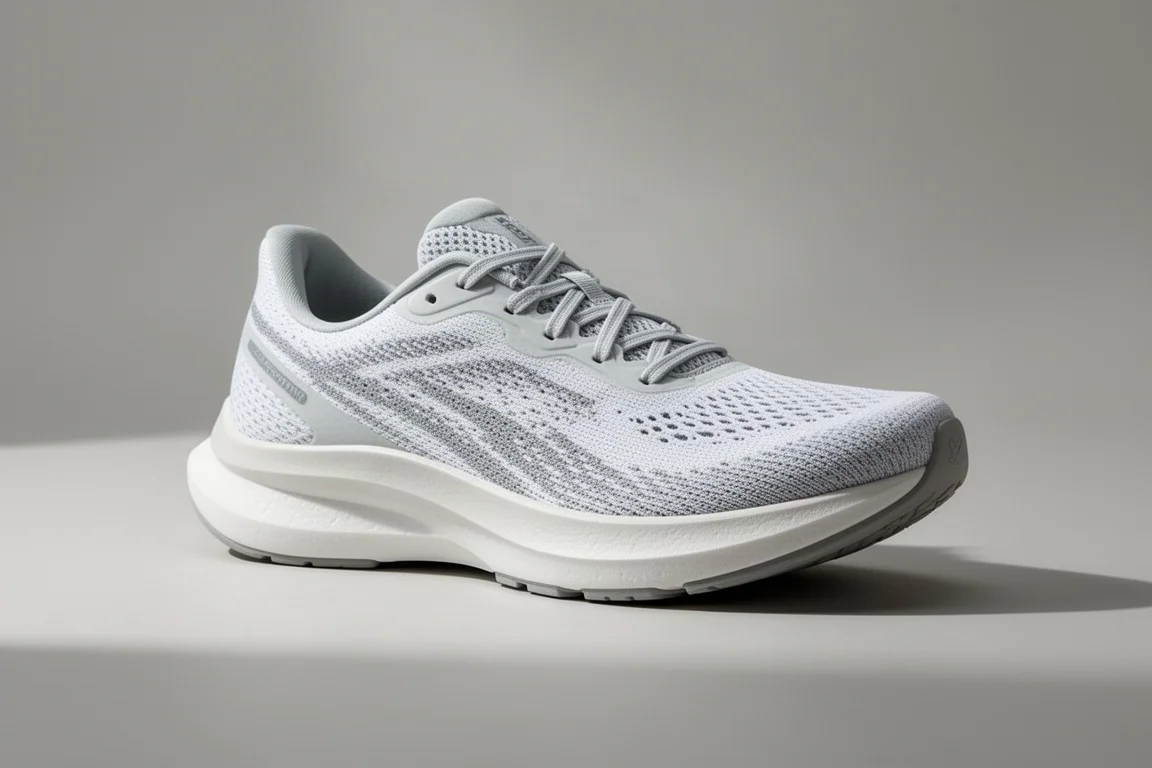
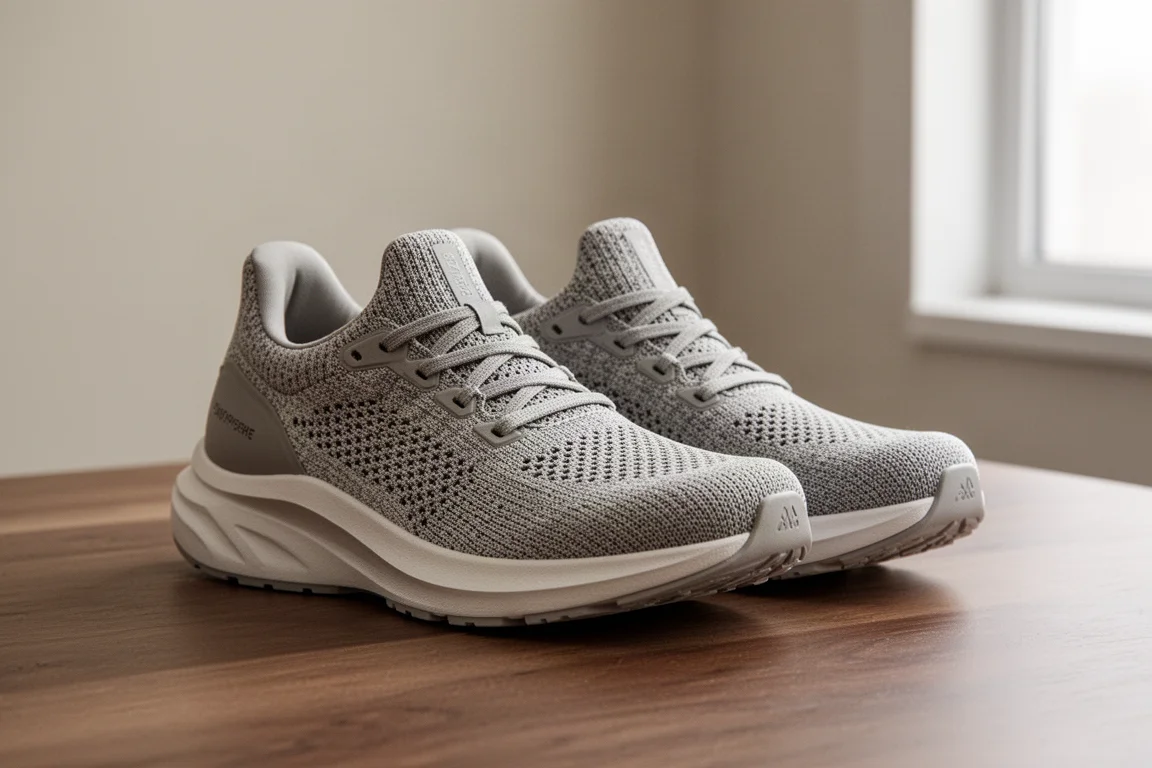
Mizuno Neo Zen
A brand we do not feature often, and a shoe that offers something a bit different. The Neo Zen costs £130, stacks 40 mm at the heel with a 6 mm drop, and comes in at 295 g with Mizuno’s plush Energy NXT foam. It runs a little long, so we recommend going half a size down.
The foam is superb and the overall package is great value. If you love a bootie-style construction that hugs your foot all over, Mizuno does this better than anybody. The cushioning-to-weight ratio is strong too: soft without being mushy, giving an engaging rather than collapsing ride. The trade-off is that it is not the most poppy or responsive ride, so it is best for easy and steady miles up to around marathon pace. Faster than that, better options exist. If you want something a little quirky that your friends are not wearing, this is a very good shout.
Asics Novablast 5
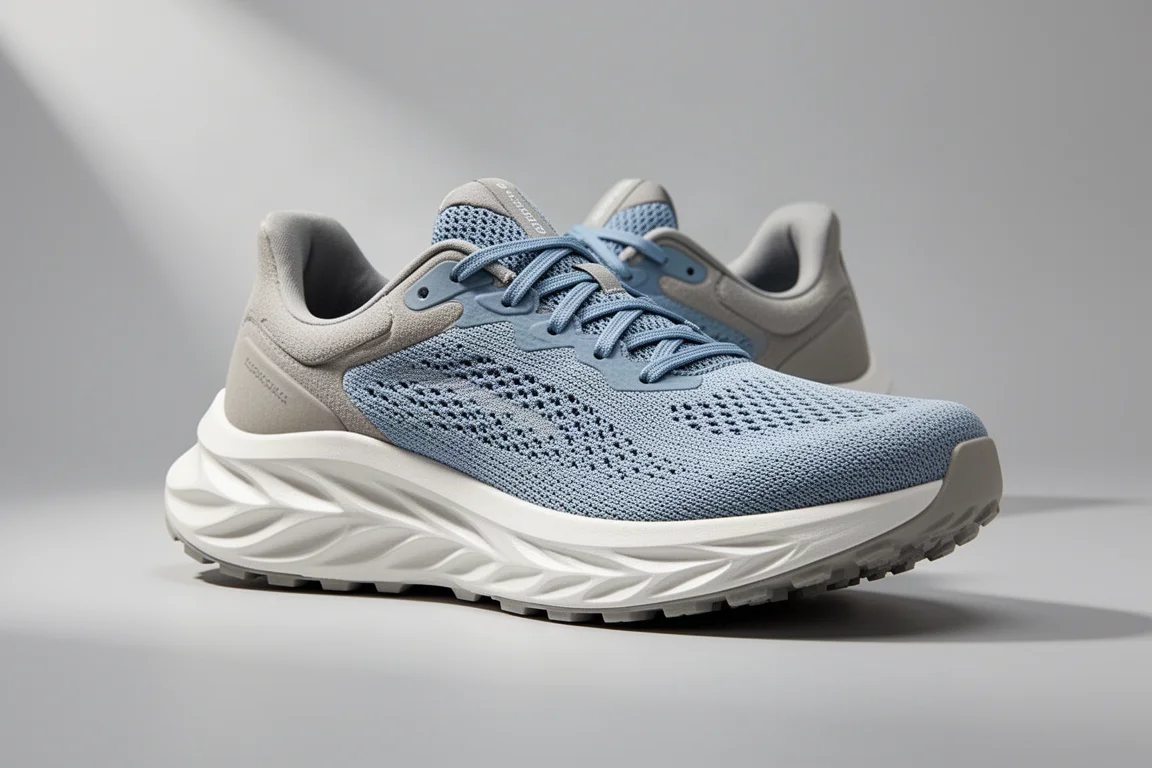
A shoe recommended so often it has been run into the ground and worn out completely. At £135, the Novablast 5 stacks 41.5 mm at the heel with an 8 mm drop and weighs just over the 300 g mark at 302 g, built around Asics’ FF Blast Max midsole.
It delivers a stable, smooth, bouncy, and cushioned ride that looks after your legs, making it a true daily mileage shoe that also handles longer runs. Build quality is solid, it is comfortable straight out of the box with good breathability, and it fits slightly wider than the outgoing model, which wider-footed runners will appreciate. The one obvious dislike is grip in wet conditions. Asics has released a trail version with a proper trail outsole that makes a fantastic wet winter daily option, though it is not meant to be a serious trail shoe. As an all-rounder, very few shoes tick this many boxes.
Nike Vomero 18
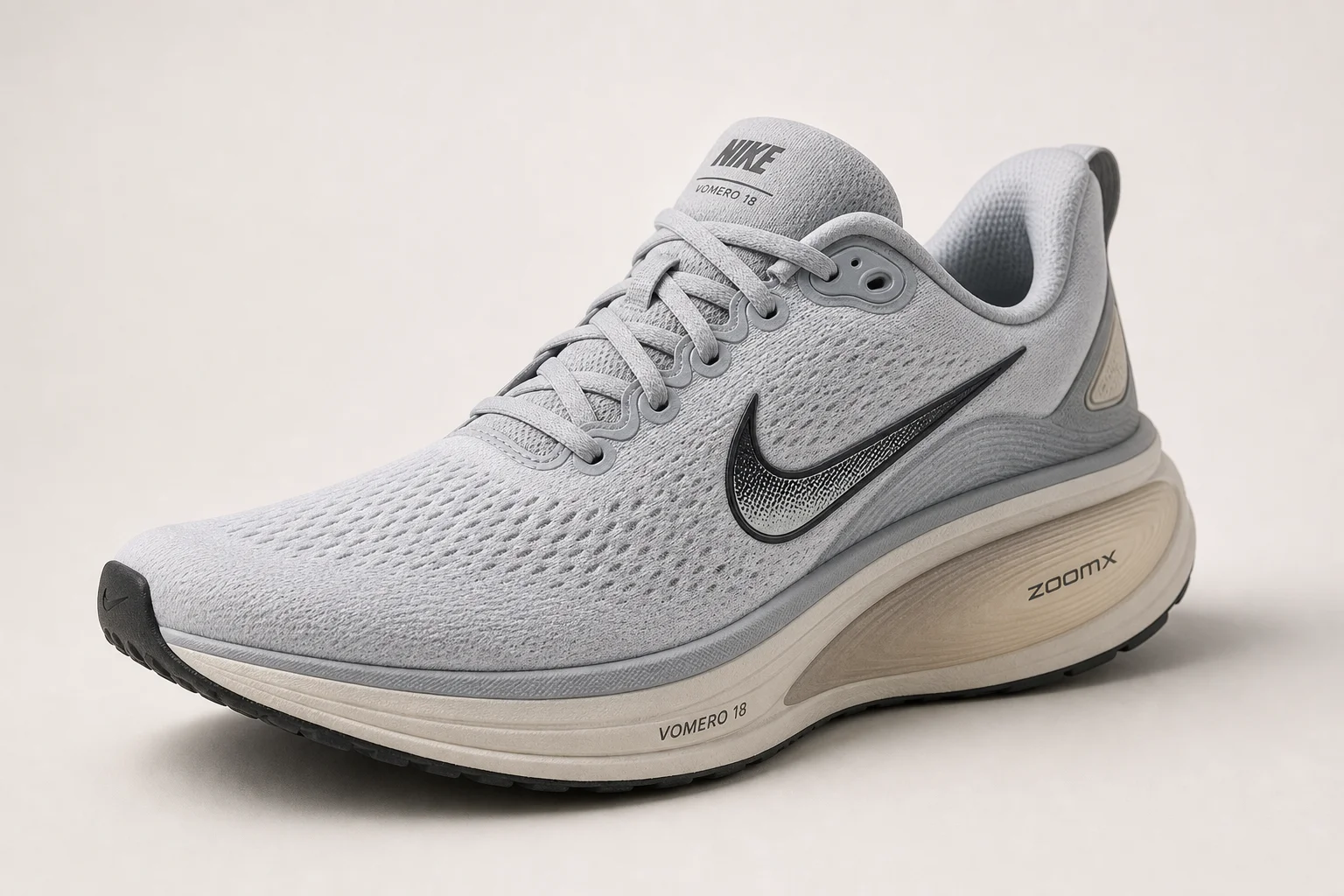
Nike has genuinely revolutionized its lineup, and the Vomero 18 is a big part of that. It costs £135, down £10 from the previous version, with a huge 46 mm heel stack, a 10 mm drop, and 362 g in a half-size-down UK 11.5. It uses a dual-layer midsole: premium ZoomX foam on top for pop and engagement, with ReactX underneath for stability and durability.
This is a superb all-rounder for half marathon and marathon runners to bank the bulk of their training in. It is fast enough for race-pace workouts and cruises through long runs and recovery runs with ease. Durability has been excellent, it suits heavier runners, the toe box has decent width, and heel padding is generous. The rocker gives a smooth, supported ride for heel strikers. Nike also now offers a Gore-Tex version with an updated storm-tread outsole, a strong winter grip option. It is not as zippy as the previous versions and is a bit bulky for short pace reps, but for cruising up to half marathon effort it does the job beautifully.
Salomon Aero Glide 3
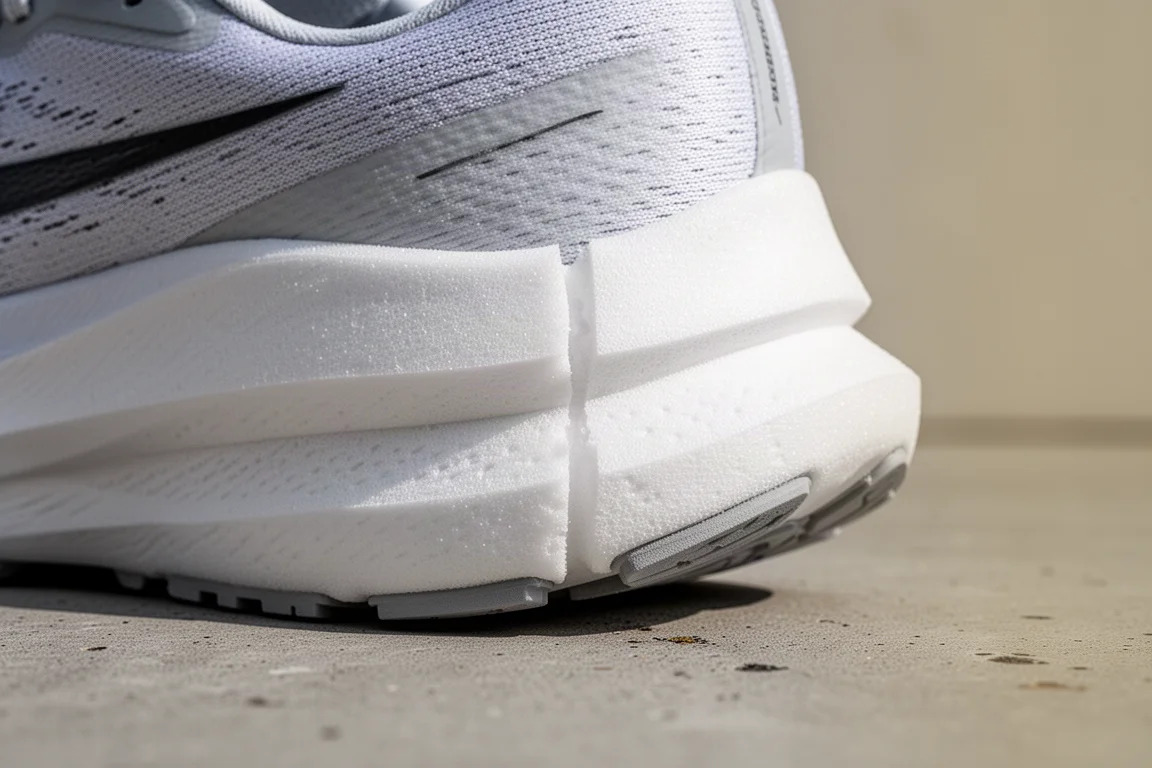
The wildcard of the year, and the shoe that surprised us most. Salomon is better known for trail running, but the Aero Glide 3 is a stonkingly good road shoe. It costs £145 (bought while traveling in France for closer to £160), stacks 40 mm at the heel with an 8 mm drop, and weighs a lovely 288 g on Salomon’s Energy Foam Evo midsole with no plate. Go half a size down.
It is lightweight, fast, fun, comfortable, smooth, and well ventilated: it performed brilliantly in heat up to 37°C (100°F). It gobbles up long runs with absolute ease, and there is also a gravel version with a more rugged outsole that could be a good winter option. The fit is a little narrow with a tapered toe box, which may not suit everyone, and the bold colorway will not be for everyone, though more toned-down versions exist. Throughout the whole summer, this was the shoe reached for over the Superblast 2. That says a lot.
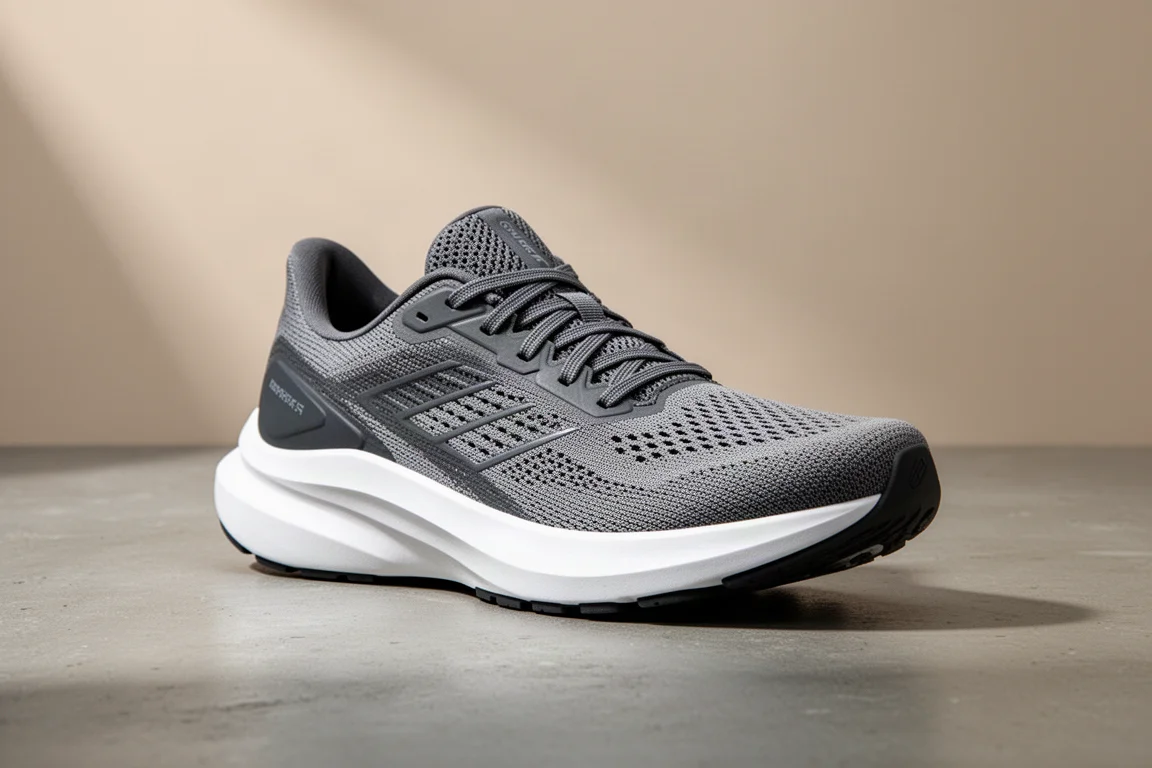
New Balance Fresh Foam 1080 v14
One of the biggest-selling shoes of the year, and with good reason. At £160, the 1080 v14 stacks 38 mm at the heel with a 6 mm drop and weighs 360 g on New Balance’s Fresh Foam X midsole. It fits true to size and comes in four width options, making it genuinely accommodating for all sorts of runners.
The foam is much improved over the previous version, which was too soft. It is now slightly firmer with broad appeal, very stable, and extremely comfortable, particularly at slower paces. It is a safe, dependable shoe that is built to last and delivers a lot of miles, which helps offset the premium price. Dislikes are fair: the upper is a little thick and can overheat in very hot running, it is on the heavy side, and it is not poppy enough for fast intervals. As the most comfortable shoe on this list, though, it gets the daily job done very nicely.
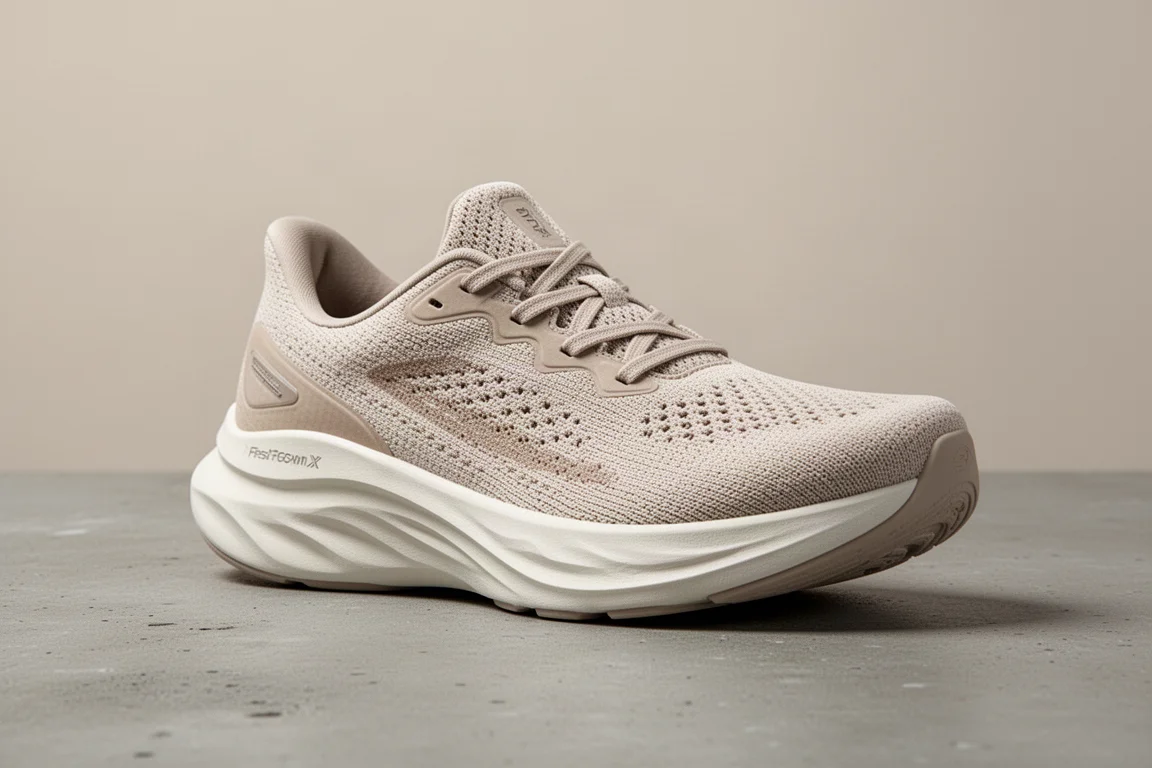
Asics Superblast 2
The all-conquering shoe, and the one that racked up the most miles of the year. At £200, the Superblast 2 stacks 45 mm at the heel with an 8 mm drop and weighs just 288 g in a UK 11.5, remarkably light given the sheer volume of the shoe. The midsole is mostly FF Turbo Plus with a thin layer of FF Blast Plus Eco for stability, and there is no plate.
It is astonishingly versatile: it handles slower paces comfortably, yet has enough firmness and responsiveness to pick up the pace. If you are not bothered about illegal stack heights in race shoes, it works as a race day option too, and for runners who do not want a carbon plate it is built like a tank. Durability is outstanding, with the reviewer now on roughly a fourth pair. The cost is high, but pounds per kilometer it is not that bad given its longevity. It does ride on the firmer side, which some will love and some will not. There is really nothing quite like it.

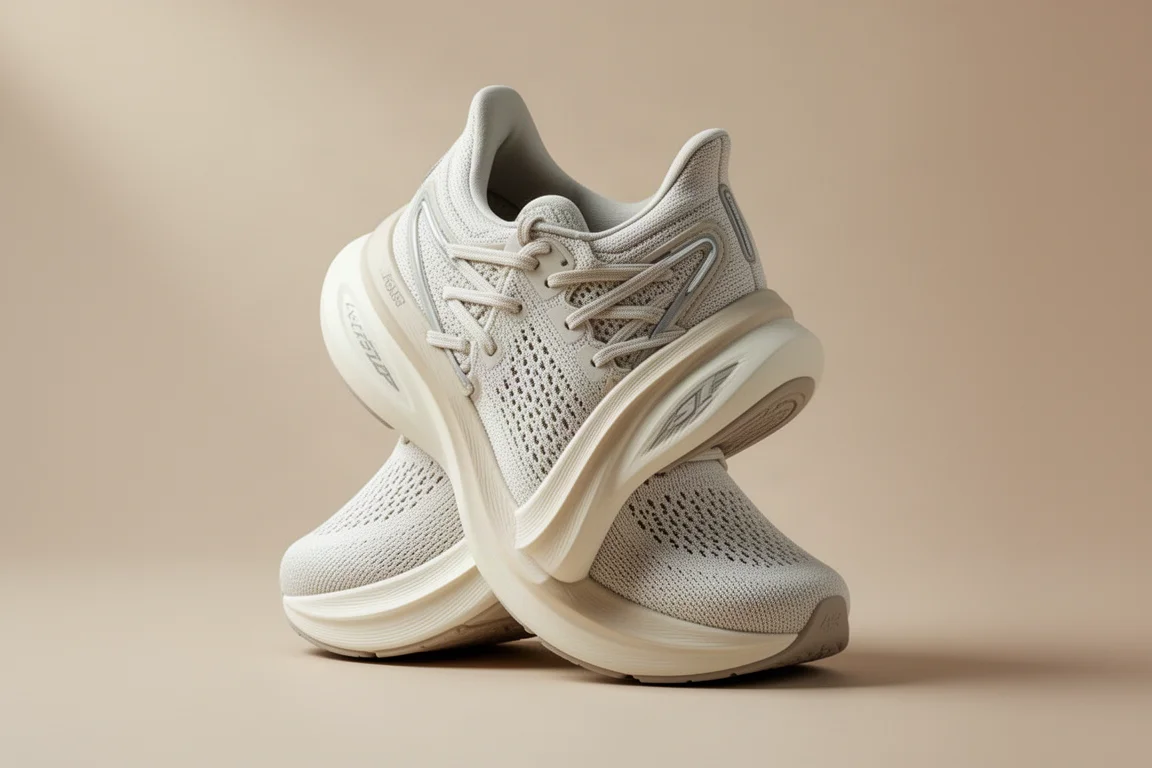
Asics Megablast
The Megablast is essentially a Superblast with a softer, poppier, more responsive ride, at a hefty £210. It stacks 45 mm at the heel with an 8 mm drop and weighs an incredible 275 g in a UK 11.5, running Asics’ very latest FF Turbo Squared foam with no plate.
Shoes this light are usually stripped back and leave your feet prone to blisters, but the Megablast delivers extreme lightness alongside genuine padding and support. It is probably the fastest non-plated shoe available right now: speed without compromising comfort. The foam is bouncy, the ride is smooth and tips you forward, and it works equally well for heel, midfoot, and forefoot strikers. It would make a fantastic race day option for runners in the 3:30 to 4-hour-plus region, and it handles easy runs, tempo runs, intervals, and races. The concerns are real though: stability is questionable at this stack height and softness, so keep your wits about you in corners, it fits slightly narrow in a single width option, and £210 for a daily shoe is, frankly, bonkers. It is still an amazing shoe.
Our Top Picks
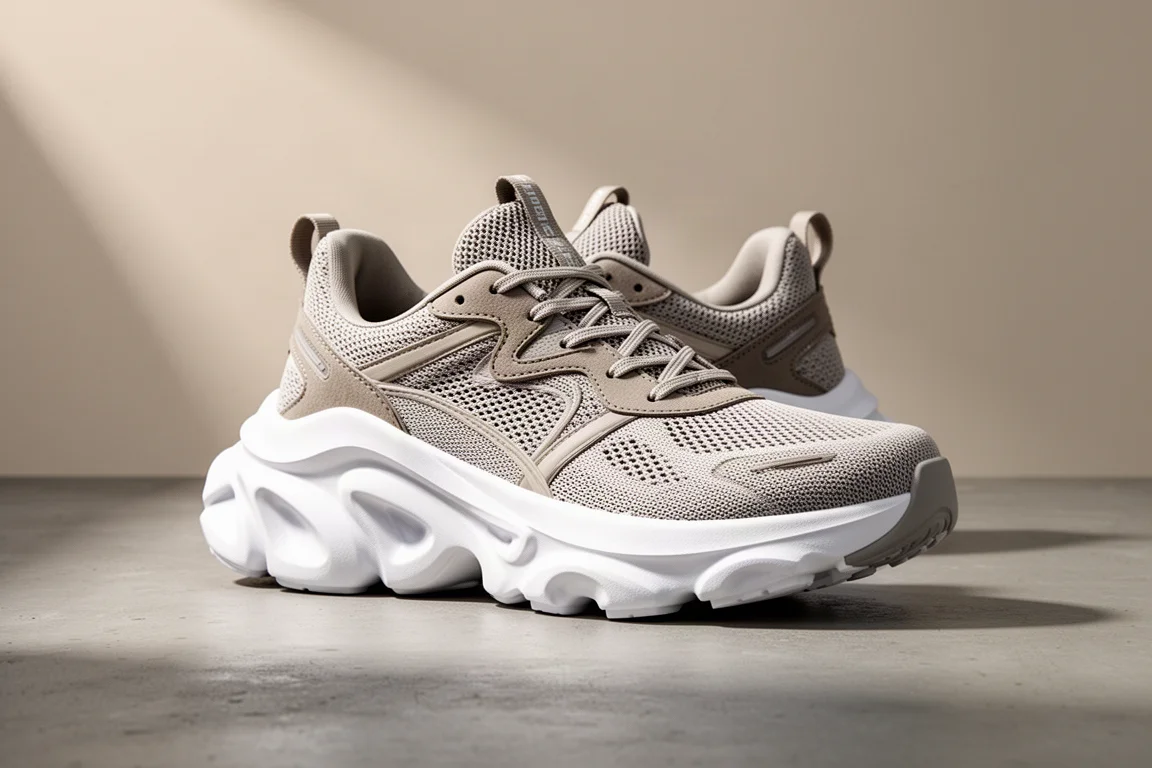
If you could only pick one, the choice is genuinely difficult, but two shoes stand apart. The best mix of fun, speed, and value has to be the Adidas Evo SL. At its price point, this shoe absolutely sings, and it is the easy recommendation for most runners.
If instead you want something super safe, super dependable, and super comfortable that will give the vast majority of people absolutely no problems, play it safe and go for the Asics Novablast 5. It is the shoe that will quietly handle everything you throw at it, week after week.

Conclusion
The daily trainer category has never been stronger. Budget runners get serious performance from the Puma Velocity Nitro 4, the Adidas Evo SL redefines value with true race foam, the Asics Novablast 5 remains the dependable all-rounder, and at the premium end the Asics Superblast 2 and Megablast blur the line between daily trainer and race shoe. Match the shoe to your feet, your paces, and your budget, and any of these nine will serve your daily miles well.
Further reading
Related Reviews

Running Shoes
Best Road-to-Trail Running Shoes: Three Versatile Options for Mixed Terrain
A practical guide to three road-to-trail running shoes that handle both pavement and mild trails, with clear strengths and trade-offs for different runner types.

Running Shoes
Best Running Shoes for Achilles Tendonitis: Three Options Explained
Three running shoes with different heel drops and support features designed to help reduce Achilles tendon pain during walking and running.

Running Shoes
Best Running Shoes for Women: Five Top Choices Ranked
A ranked guide to five women's running shoes, from versatile daily trainers to high-performance racing options, with real strengths and trade-offs for each.