Running Shoes
Top 5 Daily Running Shoes for 2023: Do-It-All Trainers Worth Your Miles
Five daily trainers that handle easy miles, recovery runs, and faster work, with honest notes on fit, cushioning, durability, and value.
Introduction
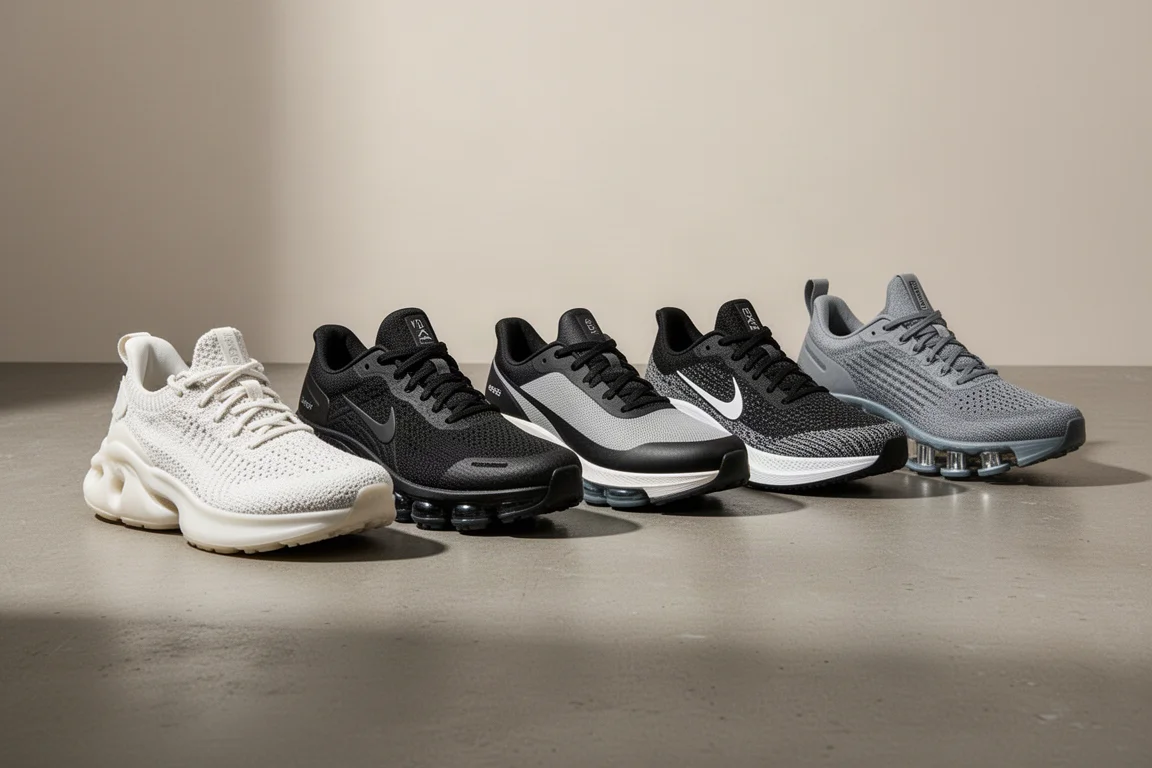
The daily trainer is the most overlooked shoe in a runner’s rotation, yet it takes the most punishment. It has to absorb easy miles, recovery efforts, the occasional faster session, and everything in between. After a year of testing, five daily trainers stand out for covering that full range of work without excessive weight or bulk. Here is how they compare.
Saucony Triumph 21
Once considered a max-cushioned monster, the Triumph 21 now reads as a completely acceptable daily option by current standards. It carries a 10mm heel-to-toe drop and 37mm of cushion in the sample size, which makes it versatile without feeling overblown.
The upper is a genuine highlight: breathable, light, and with very little of the previous model’s DNA left. Comfortable lockdown over the top of the foot plus that breathability make it easy to live with. The PWRRUN+ midsole foam is light and airy with real bounce, and a matching insole adds a forgiving underfoot feel. It has also proved durable across a variety of run types, and the flat knit white upper cleans up easily.
At around £145 for discounted pairs, it represents one of the best values among daily trainers right now.

Nike Pegasus 40
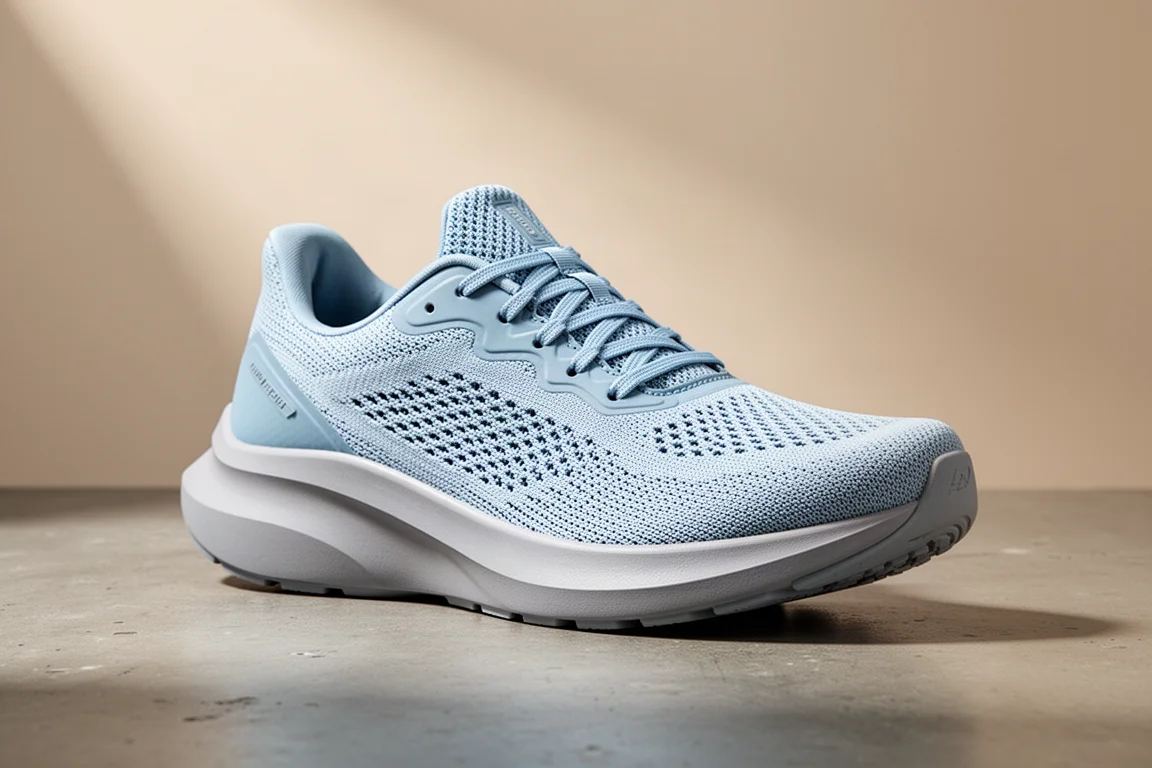
For daily pavement miles around eight minutes per mile, the Pegasus 40 earns its spot, and it has even doubled as a comfortable shoe for standing through long gigs. The React foam formula used in recent iterations feels a little softer and more cushioned underfoot than firmer versions of the past, and the two Air units in the heel and forefoot add something that purely foam-based rivals lack.
With a stack about 7mm lower in the heel and forefoot than the Triumph 21, the Pegasus feels more like a traditional running shoe compared with many modern takes. The upper is slightly thicker and the outsole is vastly more aggressive than the Saucony. At £115, the price sits comfortably in line with what most runners can spend.
One caveat: the React foam seems to firm up noticeably in cold weather, so winter runners should take note.
Asics Super Blast
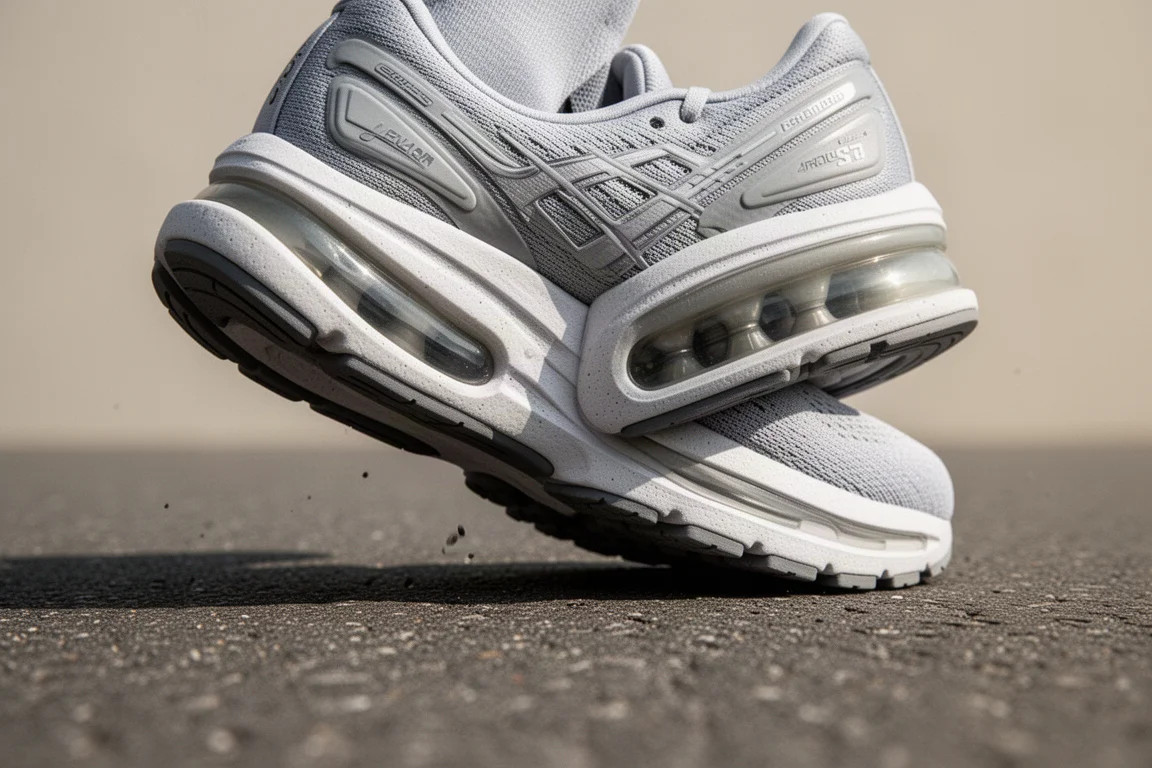
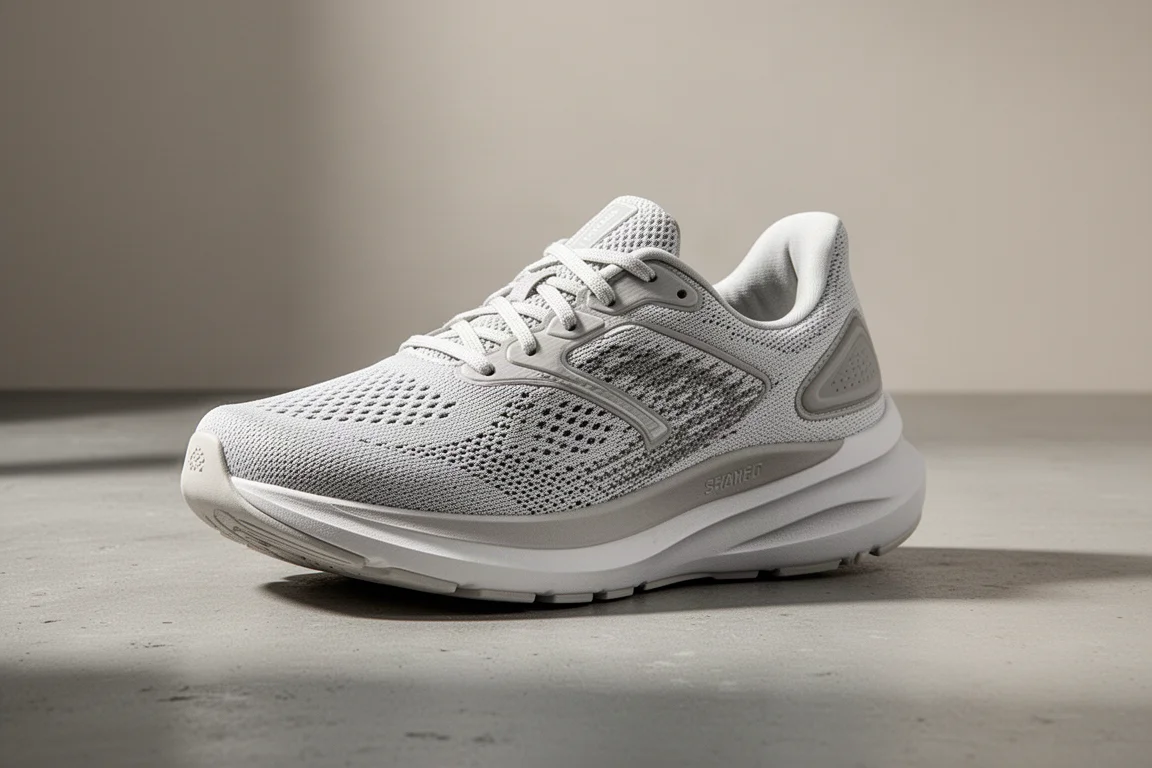
The £195 price tag will put some people off, but those who try the Super Blast find a really forgiving shoe underfoot. Two different foams deliver consistent cushioning across the footbed, and the thin but well-fitting upper is superbly breathable with excellent lockdown.
It is light enough for easy daily runs or recovery efforts, yet there is enough cushion for longer runs too. Add it up, and this is a shoe that does the work of two or three others, aside from very slippery surfaces or muddy, debris-laden paths.
The outsole is its Achilles heel. Debris collects in the cut-out sections, and the rubber needs more texture because it feels a little slippery on toe-off when wet. At close to 100 miles of testing, a long-term update is on the way.

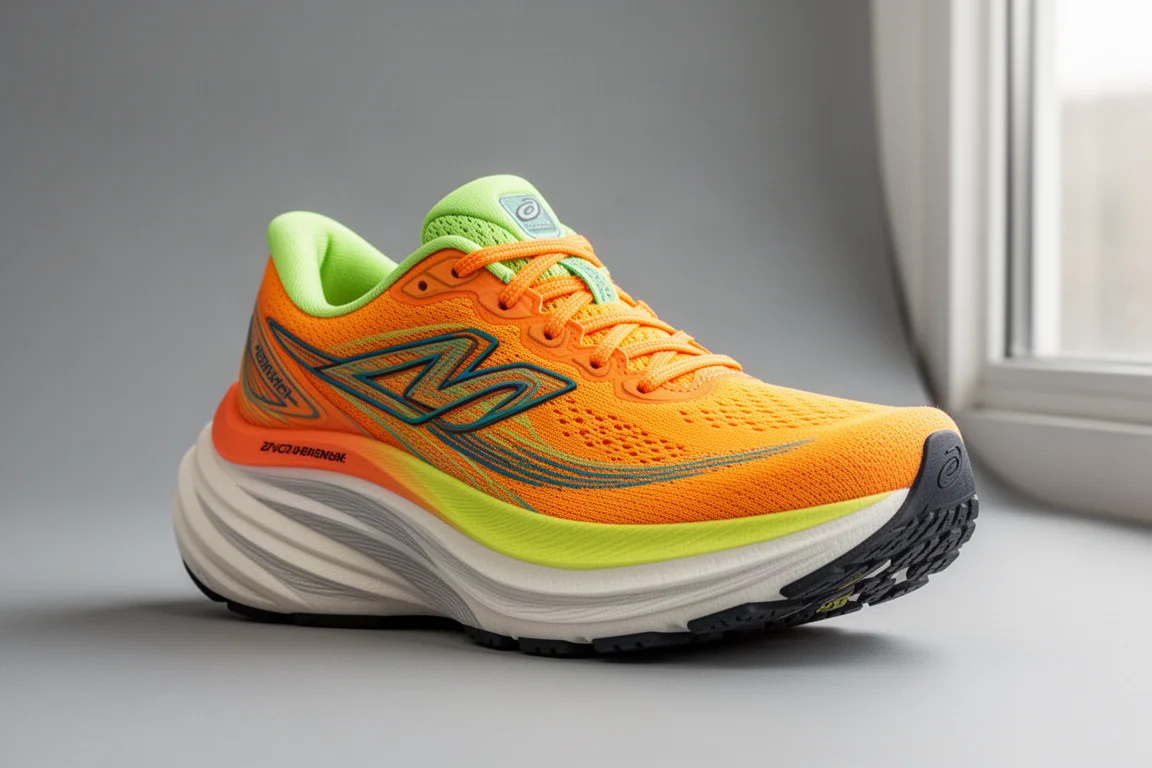
Saucony Endorphin Speed 3
The Endorphin Speed 3 remains a favorite even with the added stability from its winged nylon plate. The midsole is very soft, the shoe is very light, and it is propulsive too, making it an excellent daily option that handles most things well without heavy, bulky midsole materials.
It is a simpler shoe than it looks: no plush upper, just a durable, well-fitting one, and a plate that adds some pop along with the PWRRUN PB foam. The 36mm heel stack is nearly the same as the Triumph 21, but with a slightly more refined 8mm drop. It handles all the daily work, some pace sessions, and could even serve as a race shoe.
The midsole is about as durable as any shoe in the Endorphin range, though the outsole rubber is not quite as good as the Triumph’s, sitting more flush with the exposed midsole. At £115, it is hard not to add one to the rotation. It is simply a fun shoe to run in, which counts for a lot.
View more details for Saucony Endorphin Speed 3
Adidas Boston 12
Quite new to the lineup, the Boston 12 is fantastic from the upper right down to the outsole. Yes, it has a 38mm heel stack, and no, that would not normally suggest a daily trainer, but the softer underfoot feel from the extended Lightstrike Pro and the new Lightstrike 2.0 makes this version much more cushioned and far more palatable for easier miles.
The Energy Rods 2.0 and Lightstrike 2.0 combination makes it way more usable than recent past models, which felt clog-like. It picks up the pace nicely for shorter efforts and handles longer runs under the same umbrella. It also looks good enough for town excursions off the road.
The shoe is discounted fairly often at non-official retailers, where around £120 is a common price in the UK. That is a darn good price for this much versatility.
Buying Advice
If value is the priority, the Triumph 21 at around £145 discounted and the Endorphin Speed 3 at £115 are the standout picks. The Pegasus 40 suits runners who want a more traditional feel at a friendly price. The Super Blast justifies its £195 price only if you want one shoe to cover the jobs of several, and can live with the outsole trade-off. The Boston 12 rewards bargain hunters who can find it discounted around £120.
Conclusion
Each of these five daily trainers earns its place by doing many things well rather than one thing perfectly. Match the choice to your priorities: plush versatility, traditional feel, premium do-it-all cushioning, propulsive fun, or discounted all-round capability, and any of them will carry a training block comfortably.
Further reading
Related Reviews

Running Shoes
Best Road-to-Trail Running Shoes: Three Versatile Options for Mixed Terrain
A practical guide to three road-to-trail running shoes that handle both pavement and mild trails, with clear strengths and trade-offs for different runner types.

Running Shoes
Best Running Shoes for Achilles Tendonitis: Three Options Explained
Three running shoes with different heel drops and support features designed to help reduce Achilles tendon pain during walking and running.

Running Shoes
Best Running Shoes for Women: Five Top Choices Ranked
A ranked guide to five women's running shoes, from versatile daily trainers to high-performance racing options, with real strengths and trade-offs for each.