Kitchen
Best Cutting Boards: 9 Boards Tested for Knife Wear, Noise, and Stains
We put nine of the highest-rated cutting boards through knife dulling, noise, staining, and long-term durability tests to find which ones are actually worth buying.
Introduction
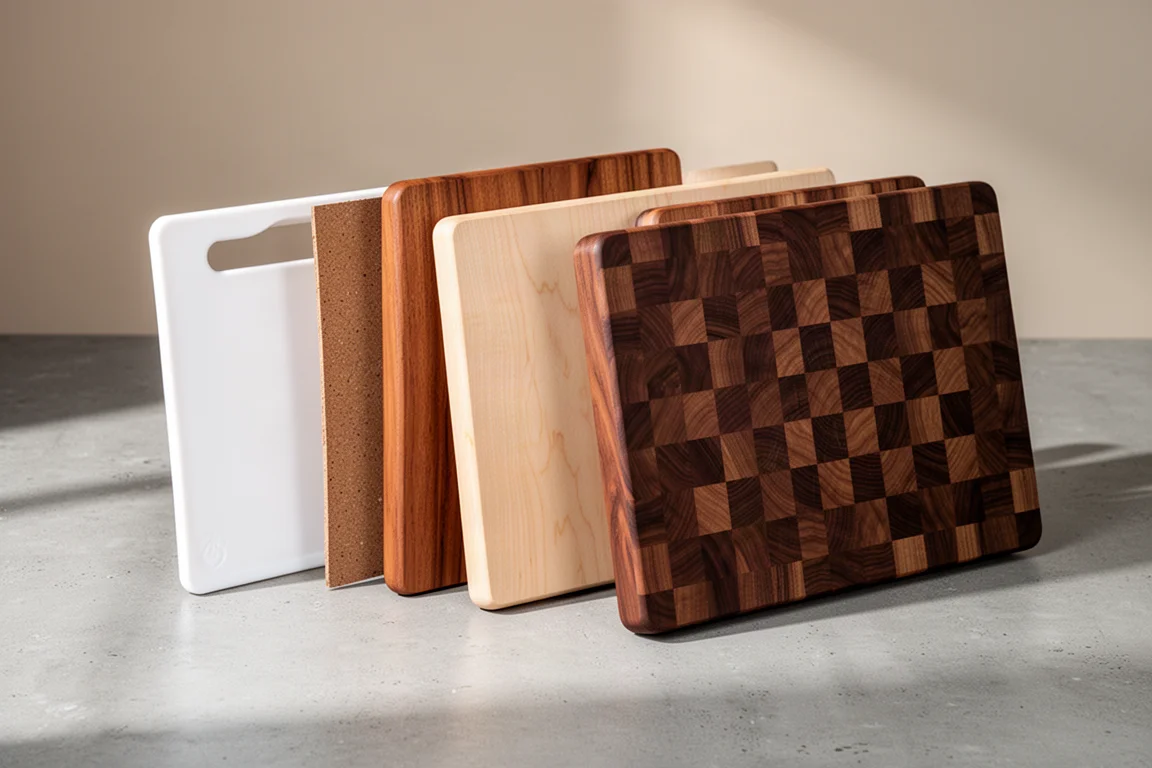
Do you need to spend a lot of money to get a cutting board that will not warp, crack, stain, or dull your knives? Or can a much cheaper option deliver the same performance? To find out, we tested nine of the highest-rated cutting boards on the market, covering plastic, rubber, paper composite, and natural wood in maple, walnut, and teak.
The testing covered the things that actually matter in daily use. Nine identical knives were measured for sharpness out of the box, then each was used for 300 rocking strokes and 300 straight chops with consistent applied force before sharpness was measured again. Noise levels were recorded during chopping and rocking. Garlic, beets, and chipotle peppers were chopped, mashed, left for 20 minutes, then washed off to test odor retention and staining. Over several months of use, we also tracked warping, cracking, slipping, surface damage, and how the knife feels on each board.
The boards below are ordered from most affordable to most expensive, with the strengths and weaknesses of each laid out plainly.
OXO Good Grips Plastic Cutting Board
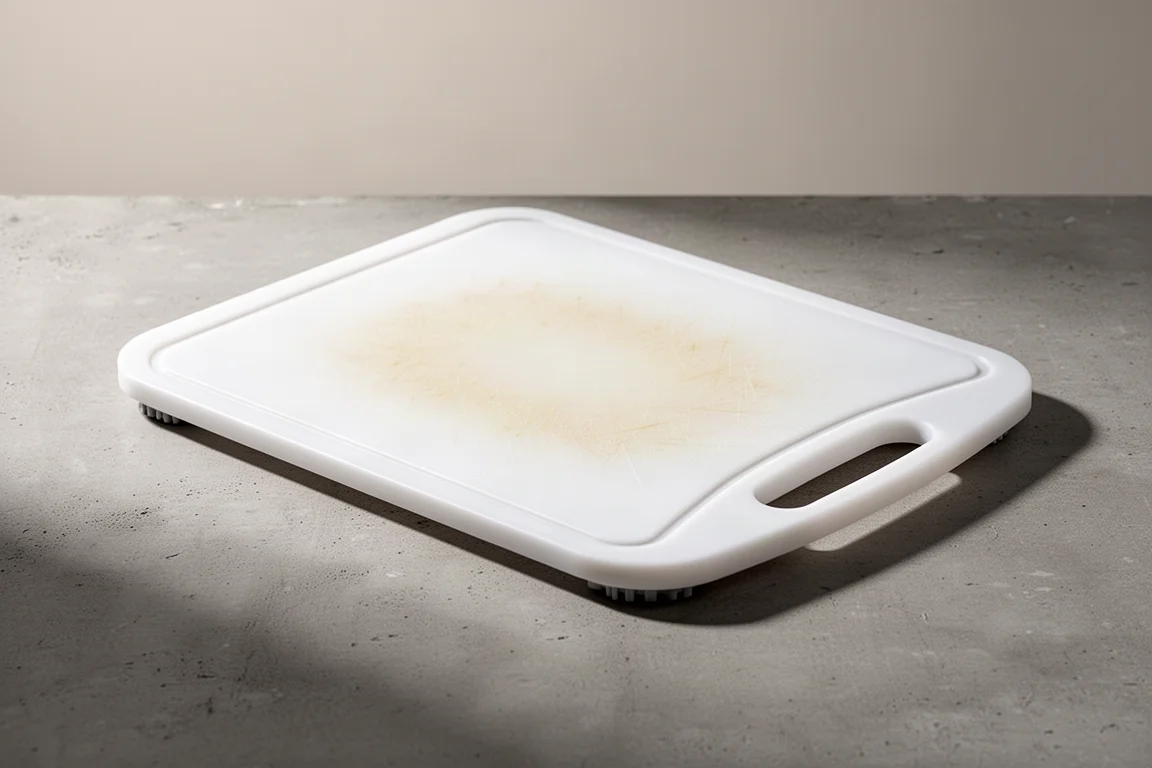
The OXO Good Grips Plastic Cutting Board is recommended by America’s Test Kitchen, Serious Eats, and The New York Times, and it is the least expensive board in this test. It is reversible, with a juice groove on one side, and rubber feet on both sides prevent slipping. It is lightweight, offers a large working surface, and despite plastic’s reputation for dulling knives, it performed the best of all nine boards in the knife dulling test, losing the least sharpness over 600 cuts. It also did not stain or retain odors, and it is dishwasher-safe.
The downsides: it ranked 7th out of 9 in the chopping noise test, it marks up easily, and it sheds a noticeable amount of plastic dust when chopping for long periods. Given ongoing concerns around ingested microplastics, that dust is worth taking seriously.
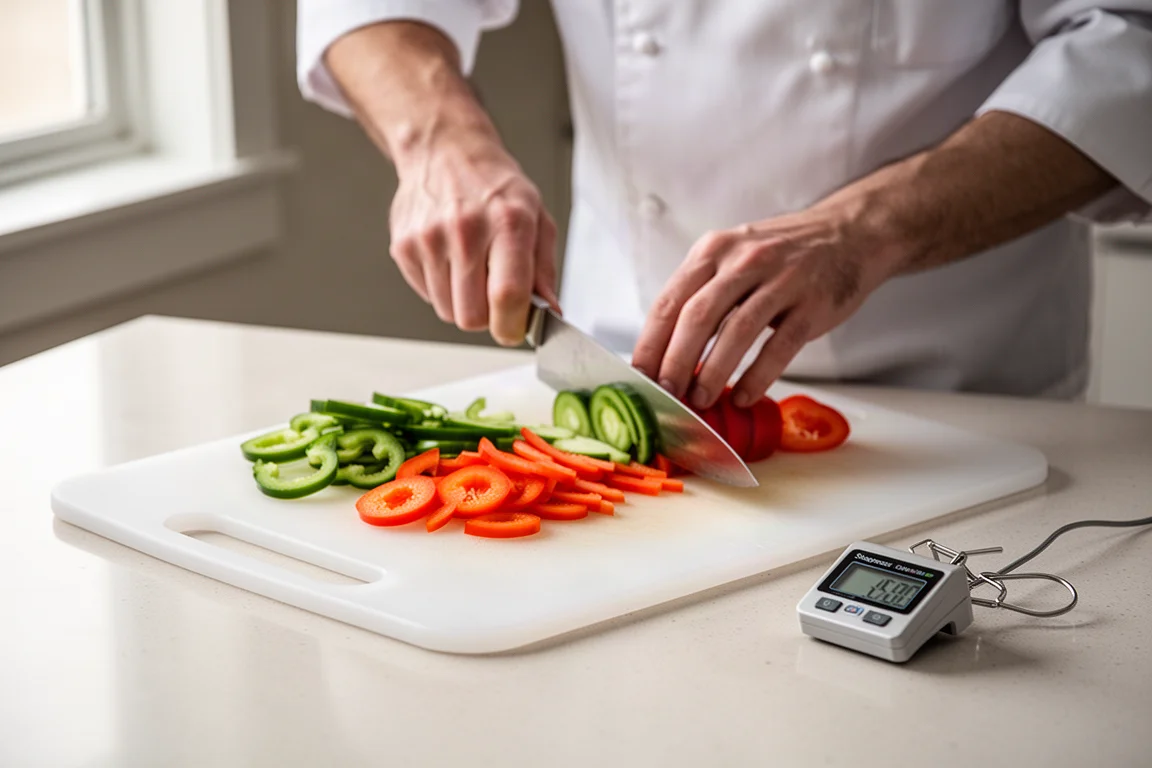
If you want the cheapest board that performed well on knives and cleaning, this is it. But if the plastic dust concerns you, the wood and composite options below are worth the step up.
Epicurean Gourmet Series Cutting Board
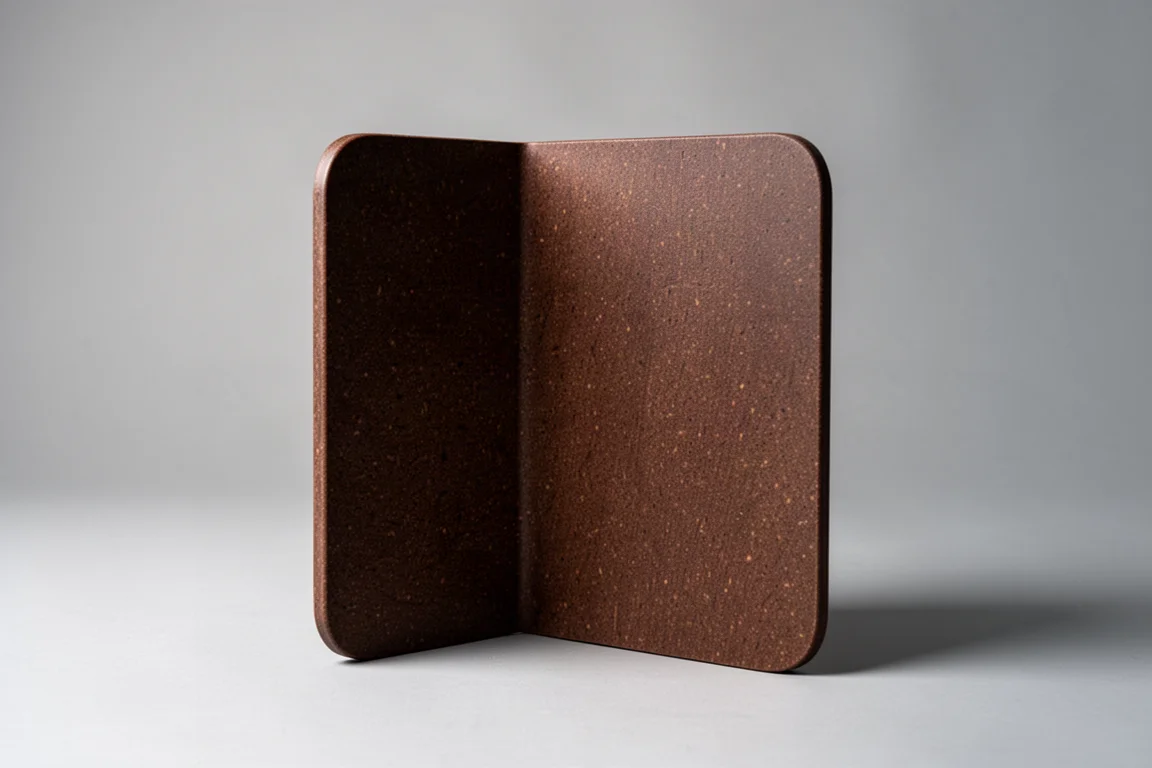
The Epicurean Gourmet Series is made from Richlite, a paper composite of recycled paper and food-safe resin compressed into a dense, durable board. It feels smoother than plastic and is much lighter than wood. It is thin, lightweight, dishwasher-safe, and it did not retain odors or stains from the garlic, beet, or chipotle tests.
The drawbacks are real, though. It came 6th out of 9 in the knife dulling test, ranked 8th for chopping noise and last for rocking noise, and it is extremely slippery, sliding around on the countertop unless you put a damp towel underneath.
Teakhaus Extra-Large Professional Cutting Board
The Teakhaus extra-large Professional cutting board is made of natural teak and has been named the best wood cutting board by America’s Test Kitchen since 2013. It also offers excellent value, with the second lowest price per square inch in the test.
It is thick, heavy at nearly 12 pounds, and gives you a huge amount of room to cut multiple items at once. Simple finger grips on the sides make it easy to lift, the corners are nicely rounded, and there are no juice grooves on either side, which means more usable surface area and less mess when scraping food off. If you do want a juice groove, the same board is available with one. It came 2nd in the knife dulling test, 2nd for chopping noise, and did not stain at all from beets or chipotle, though it retained some garlic odor after one wash. Without rubber feet it can slide slightly, but the weight keeps it stable most of the time, and like all natural wood it needs regular mineral oil to prevent drying and cracking.
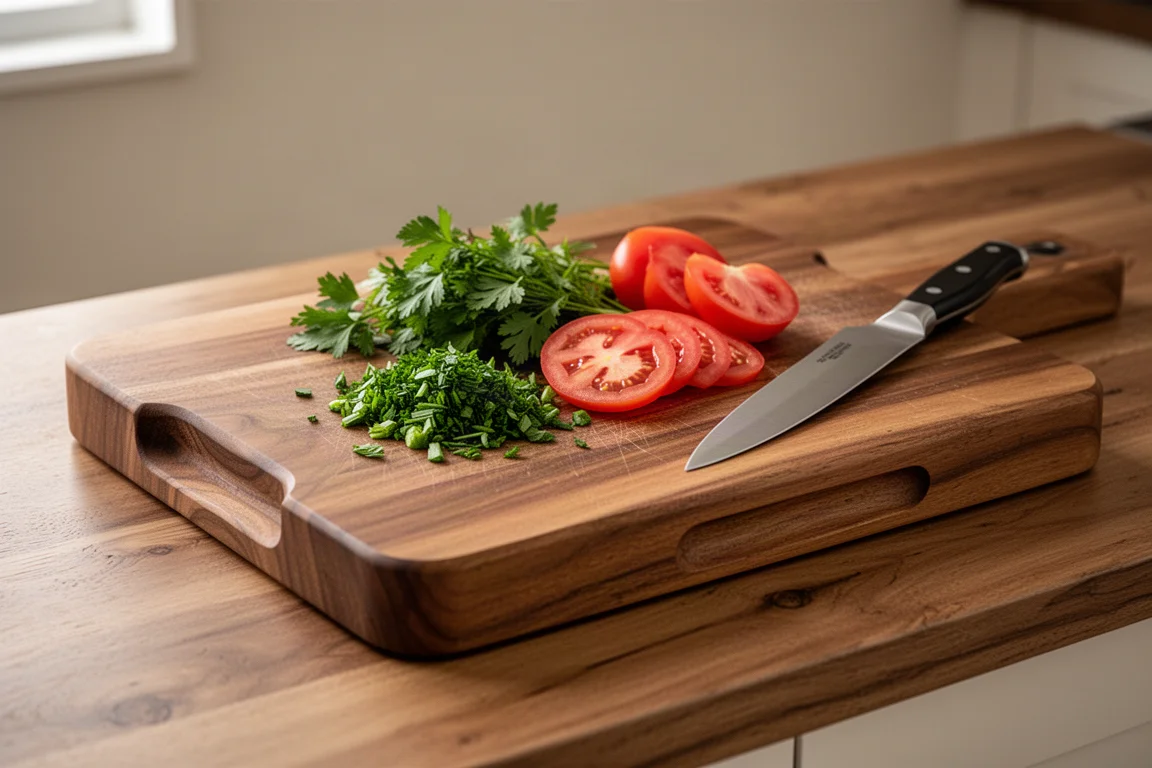
If you only have space for one board, this is the clear pick: massive surface, near the top of both the sharpness and noise tests, and significantly cheaper per square inch than any other wood board here.
John Boos R-Board Maple Cutting Board
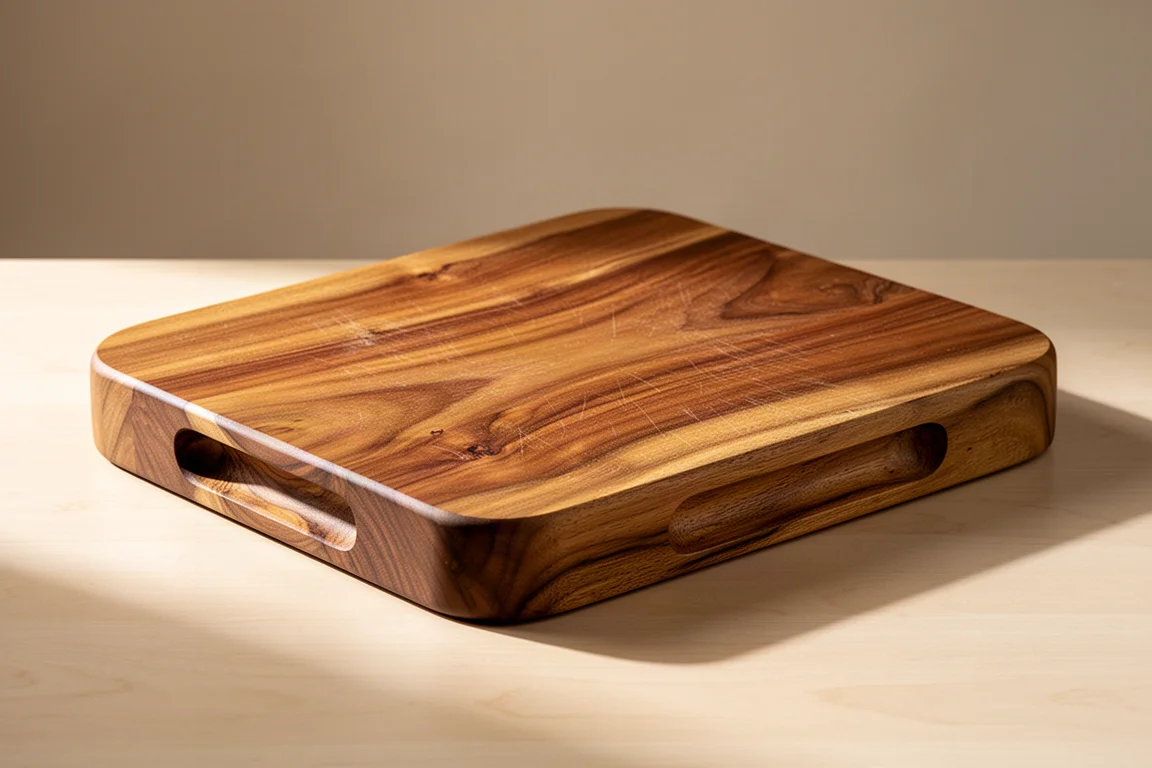
The John Boos R-Board has a simple, clean design similar to the Teakhaus, but in maple, which has a lighter, creamier color and is harder than teak, so it should be less prone to damage over time. It performed well in the noise tests, coming 3rd for chopping and 2nd for rocking.
It was, however, the worst performer in the knife dulling test by a clear margin, and beet and chipotle stains did not fully wash out. Like the other wood boards, it retained garlic odor after one wash. Despite its thickness and weight, it slides around easily because there is no grip on the bottom.
Made In Maple Cutting Board
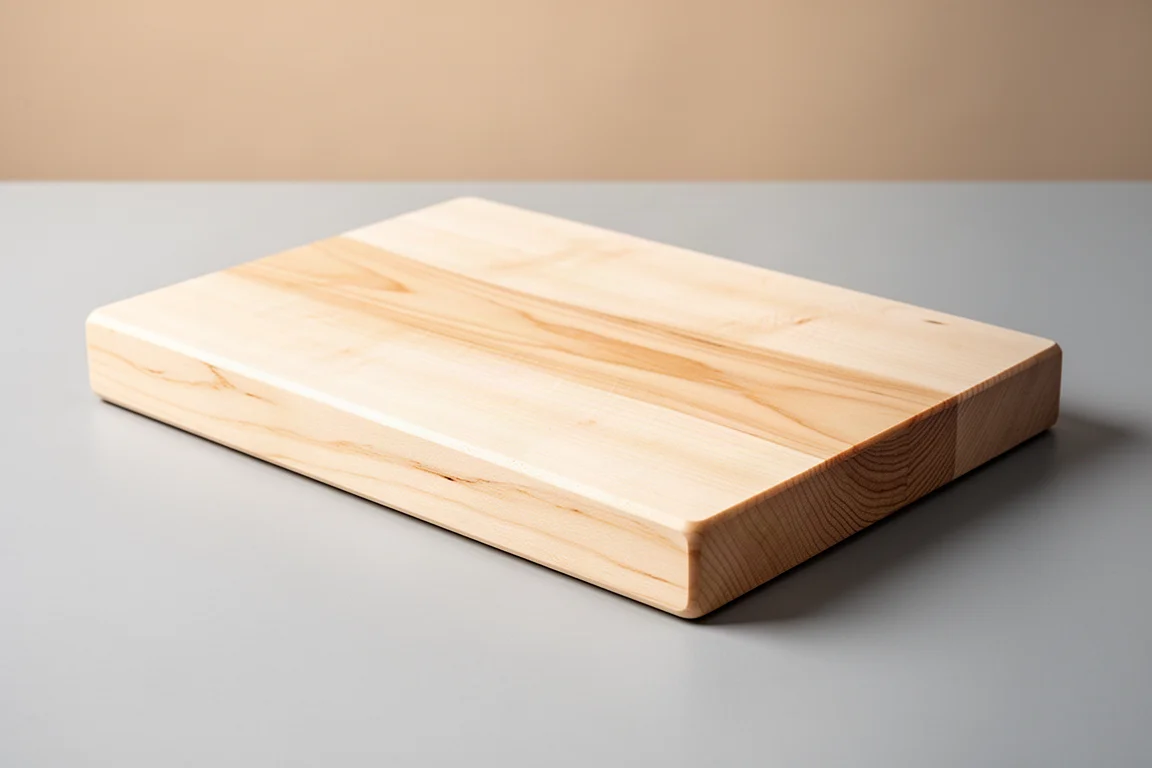
The Made In board is made from the same maple wood as the Boos board but is smaller and slightly more expensive. It performed averagely, ranking 4th in the knife dulling test and 4th and 5th in the noise tests. It is double-sided, with a large juice groove on one side and a completely flat surface on the other.
The biggest concern is that it warped slightly and cracked despite regular oiling and drying after each wash. The sharp corners are not ideal either, and at 60 cents per square inch you get less cutting area for your money than the Boos or Teakhaus. Beet stains and garlic odor also took a few washes to fully remove.
Hasegawa Pro-Soft Rubber Wood Core Cutting Board
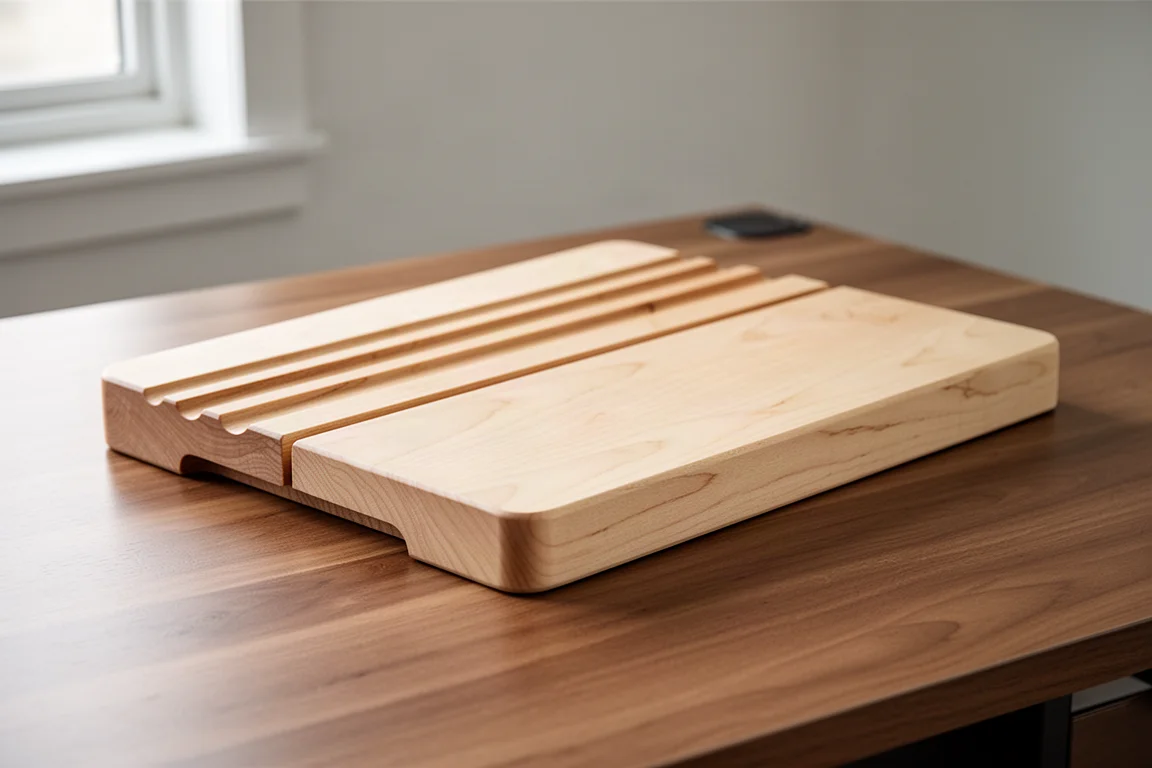
The Hasegawa Pro-Soft Rubber Wood Core Cutting Board is completely different from everything else tested. Made in Japan, it has a wood core that keeps it lightweight and prevents warping, a soft rubber surface on top, and a harder plastic frame around the edges. This is the kind of board you will see in sushi restaurants and professional Japanese kitchens. The surface feels springy and textured, and that softness helps protect ultra-sharp Japanese knives.
Unsurprisingly, it was the quietest board in testing, ranking 1st for both chopping and rocking noise. It came 3rd in the knife dulling test, and the grippy texture keeps both the board and your ingredients more stable than most wood boards. It did not stain, showed only a slight garlic odor after washing, far less than the wood boards, does not mark up like plastic, and is dishwasher-safe.
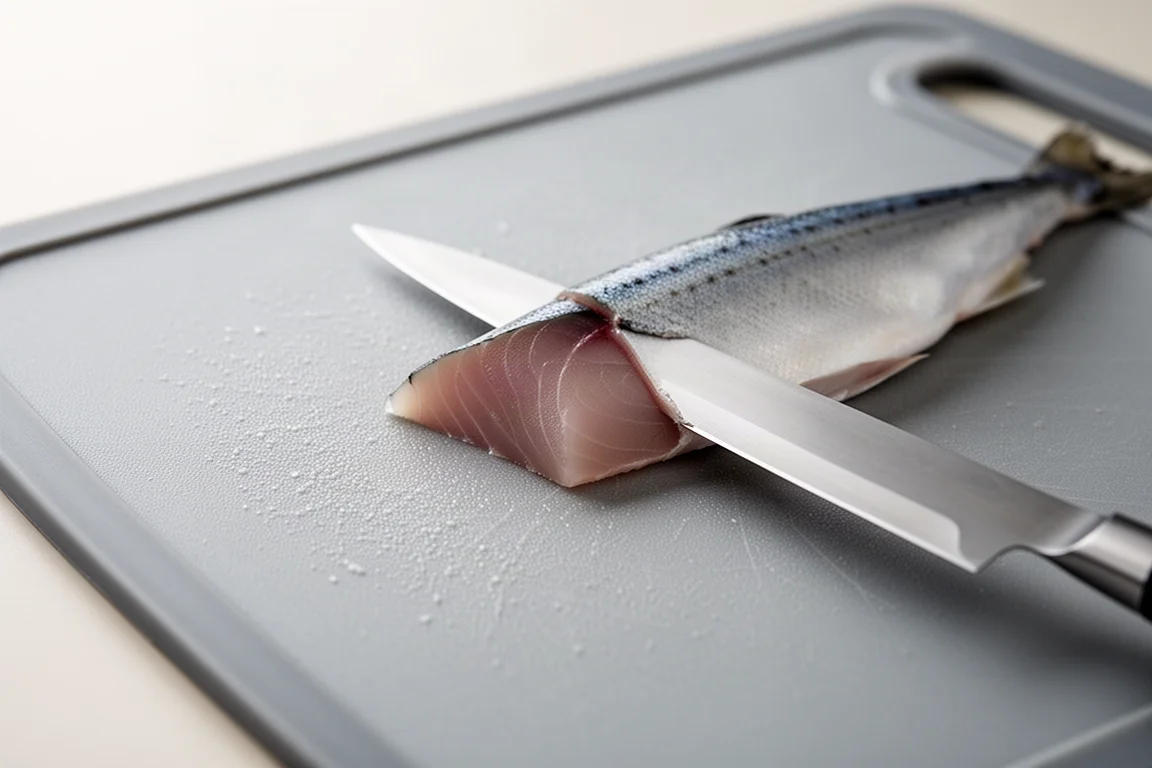
The catch is that you may need to change how you cut. The soft surface absorbs the force of the knife, so fast chopping and rocking motions do not work as well, and the texture makes it hard to slide the blade. It is really designed for slicing, and food can get stuck in the texture, making cleanup a little slower. It is pricey and not ideal for most home cooks, but if you have high-end Japanese knives and do a lot of slicing, it is a strong option.
Dalstrong Teak Cutting Board
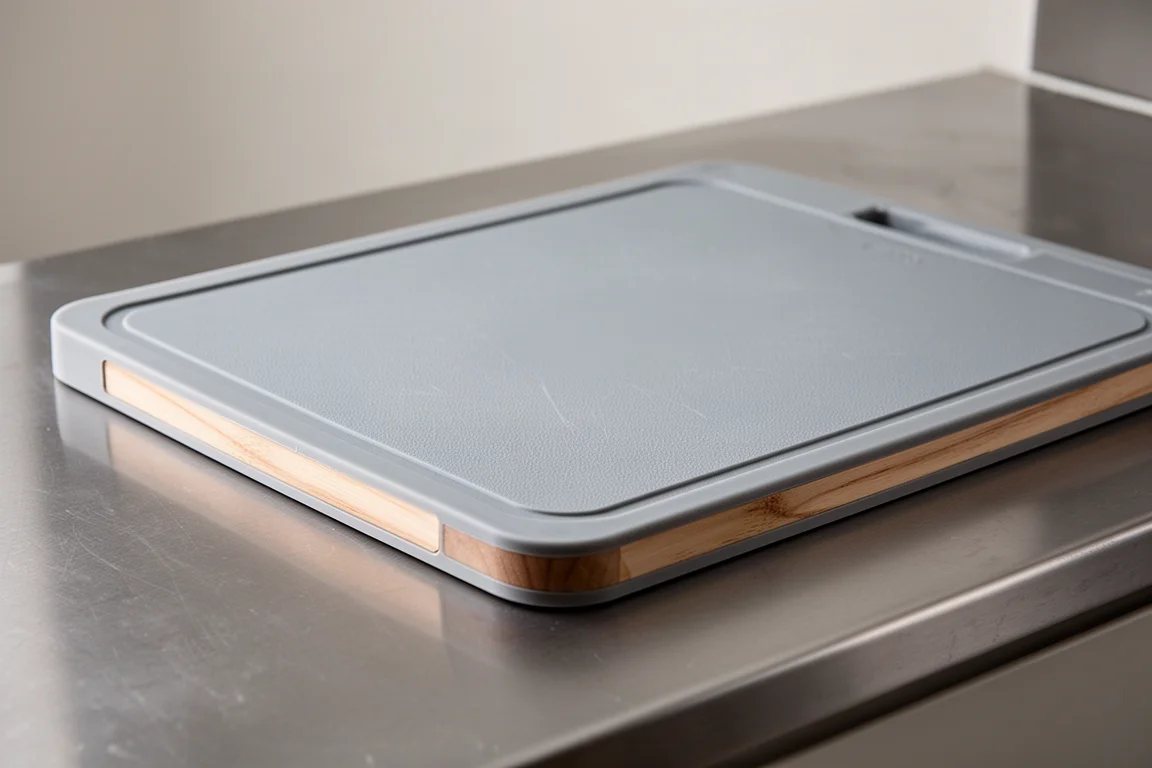
The Dalstrong Teak board has a wide surface but at just 1 inch thick it is thinner than all the other wood boards tested. Rubber feet keep it from sliding, large hand grooves make it easy to lift despite weighing almost 9 pounds, and the underside has measurement lines for precise cuts. The teak surface did not stain at all from beets or chipotle.
On the negative side, it was by far the loudest board in the chopping test and the second loudest when rocking, and it ranked 7th out of 9 in the knife dulling test. It is also fairly heavily branded, with a lion logo in the middle and two logo pins in the corners.
Sonder LA Alfred Cutting Board
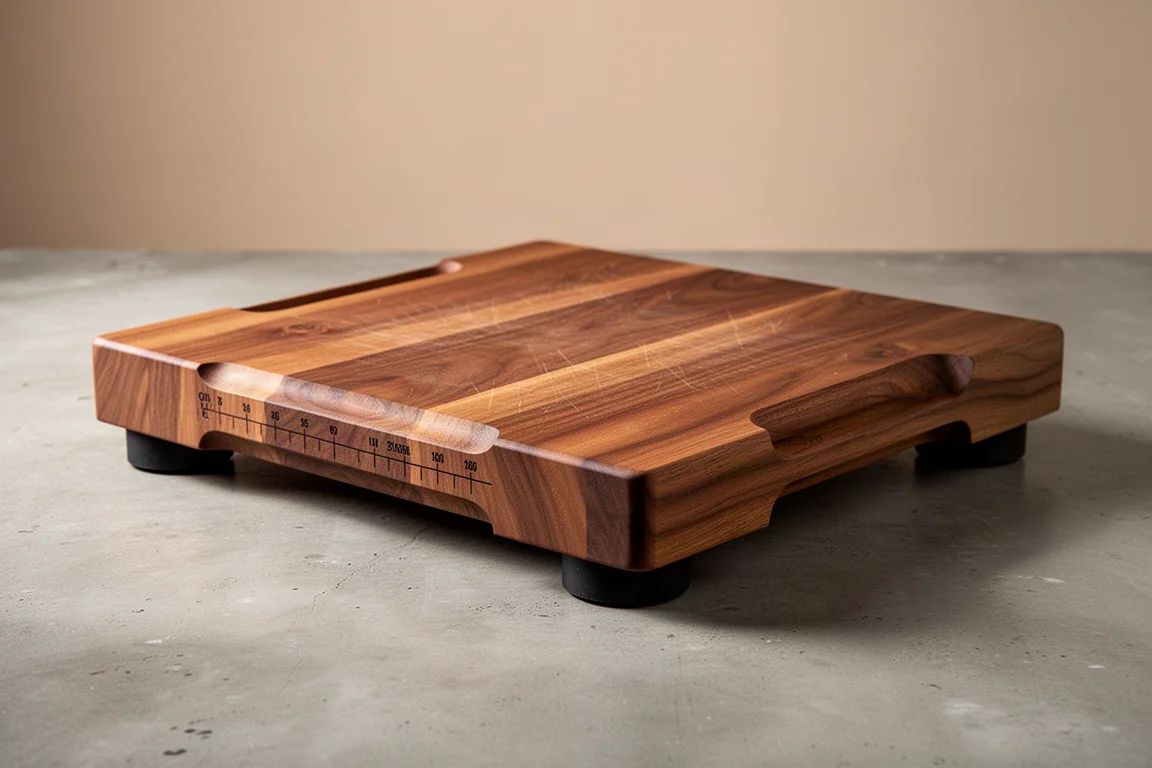
The Sonder LA Alfred is made from American black walnut with a striking dark checkered pattern. It is double-sided, with rubber feet on both sides, a juice groove on one side, and serving or ingredient compartments on the other. This is the first end grain board in the list; with end grain construction the wood fibers are aligned vertically rather than horizontally, and it is widely believed that blades slip between the fibers, keeping knives sharper for longer.
In testing, though, the knife dulling results were average, ranking 5th out of 9 despite the end grain design and walnut being softer than maple or teak. Noise was middle of the pack. It did not stain from beets or chipotle, though some garlic odor remained after one wash, and the compartments, while useful at times, take up valuable prep space.
Dalstrong Colossal Lionswood Cutting Board
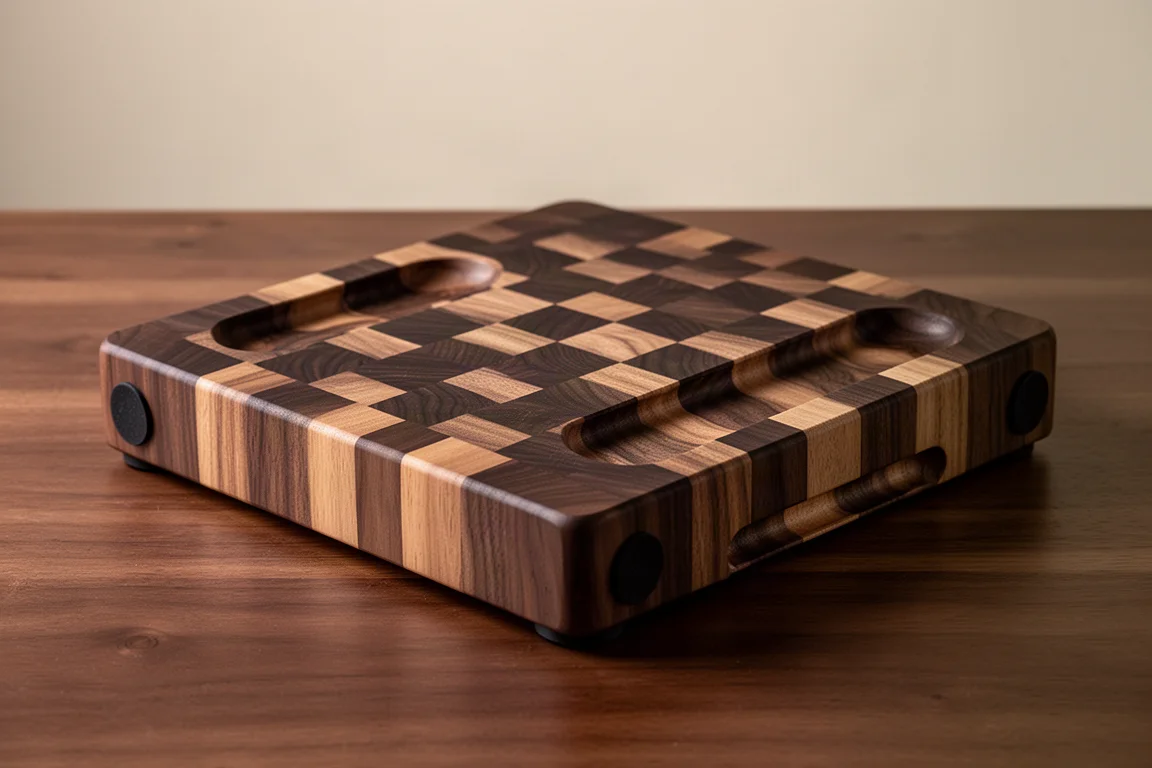
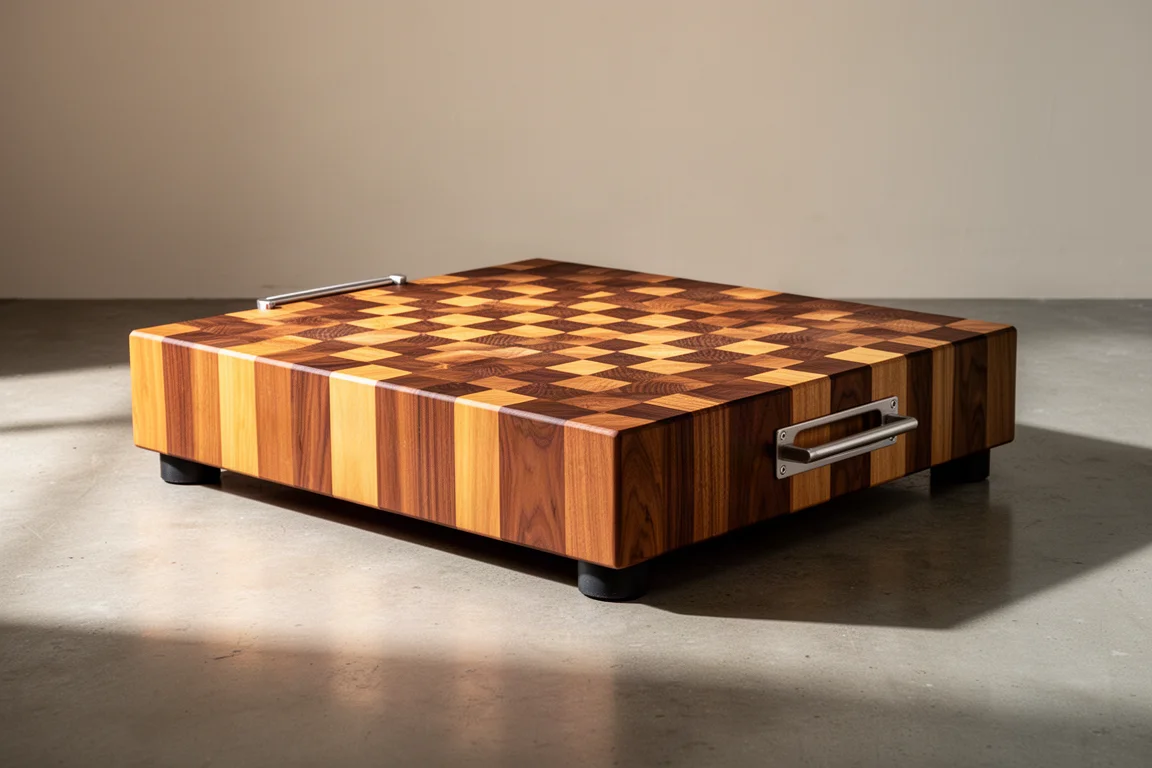
The Dalstrong Colossal Lionswood is the most expensive board tested, and it lives up to its name: over 24 inches long, 17 inches wide, 2.6 inches thick, and weighing nearly 30 pounds. The thick end grain teak looks impressive, and the rubber feet plus sheer mass make it by far the most stable board tested. It did not stain, and only retained minimal garlic odor after one wash.
The problems outweigh the spectacle, though. Despite being an end grain board in the same teak, it ranked 8th out of 9 in the knife dulling test. It is simply too heavy for daily use, a pain to lift, wash, and move, and it demands serious counter and storage space. Major cracking appeared in multiple places during testing, with the metal handles sitting unevenly, which suggests the weight is stressing the construction.
Which Cutting Boards Are Worth Buying
If you only have space for one board, the Teakhaus is the clear winner: a massive cutting surface, near the top in both sharpness and noise, and a far lower cost per square inch than any other wood board. Teak is an excellent material, durable, resistant to moisture, and smooth on the knife.
If you want something thinner, lighter, easier to store, and dishwasher-safe, the Epicurean and similar composite boards make a great complement to a larger wood board. They slide around more, but a damp towel underneath solves that.
The Hasegawa is quiet and gentle on knives, but it is pricey and not suited to rocking cuts or heavy chopping, so it suits slicing-focused cooks with Japanese knives rather than most home kitchens. At the bottom of the list are the Dalstrong Colossal Lionswood, whose weight and size are simply not practical, and the OXO, whose plastic dust is a genuine concern.
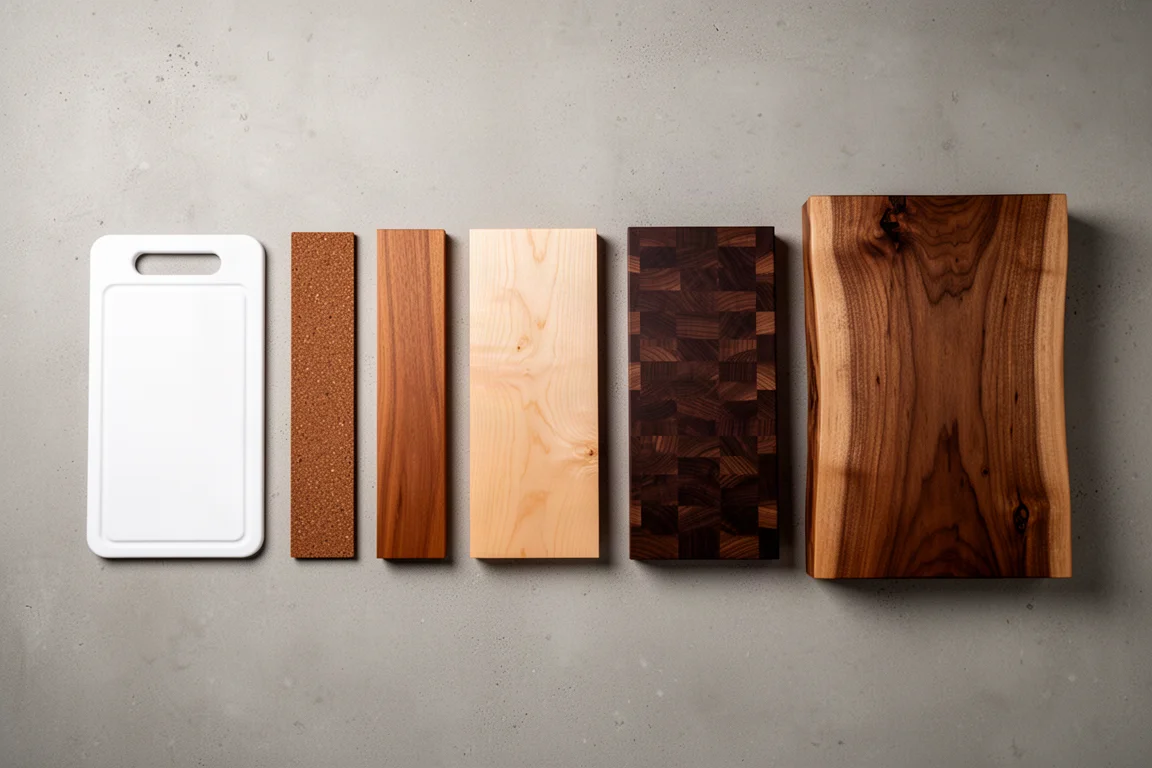
Comparing the boards side by side on knife wear, noise, staining, and stability makes the choice easier: pick one main wood board for daily prep and add a composite or plastic board only if dishwashing convenience matters more to you than the drawbacks.
Conclusion
The best cutting board depends on how you cook. For most people, the Teakhaus extra-large Professional offers the best combination of performance, surface area, and value. Composite boards like the Epicurean suit small kitchens and easy cleanup, the Hasegawa rewards careful slicing with Japanese knives, and the OXO is the budget pick if you accept the plastic dust trade-off. Match the board to your cutting style and maintenance routine, and even an affordable option will serve you well for years.
Further reading
Related Reviews
Kitchen
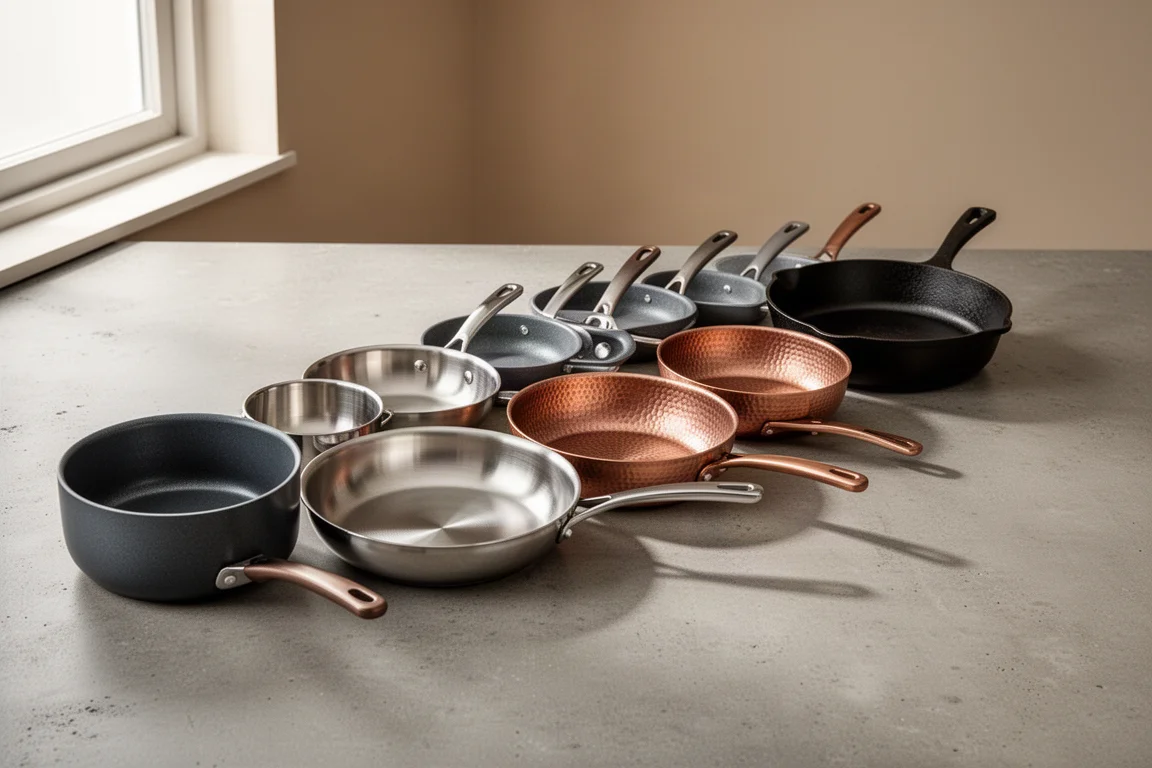
Best Nonstick Frying Pans Compared: 11 Skillets From $16 to $185, Tested
Eleven nonstick frying pans go head to head in pancakes, eggs, heat distribution, thermal efficiency, and scratch resistance to find out whether a cheap pan can really compete with a premium one.
Kitchen
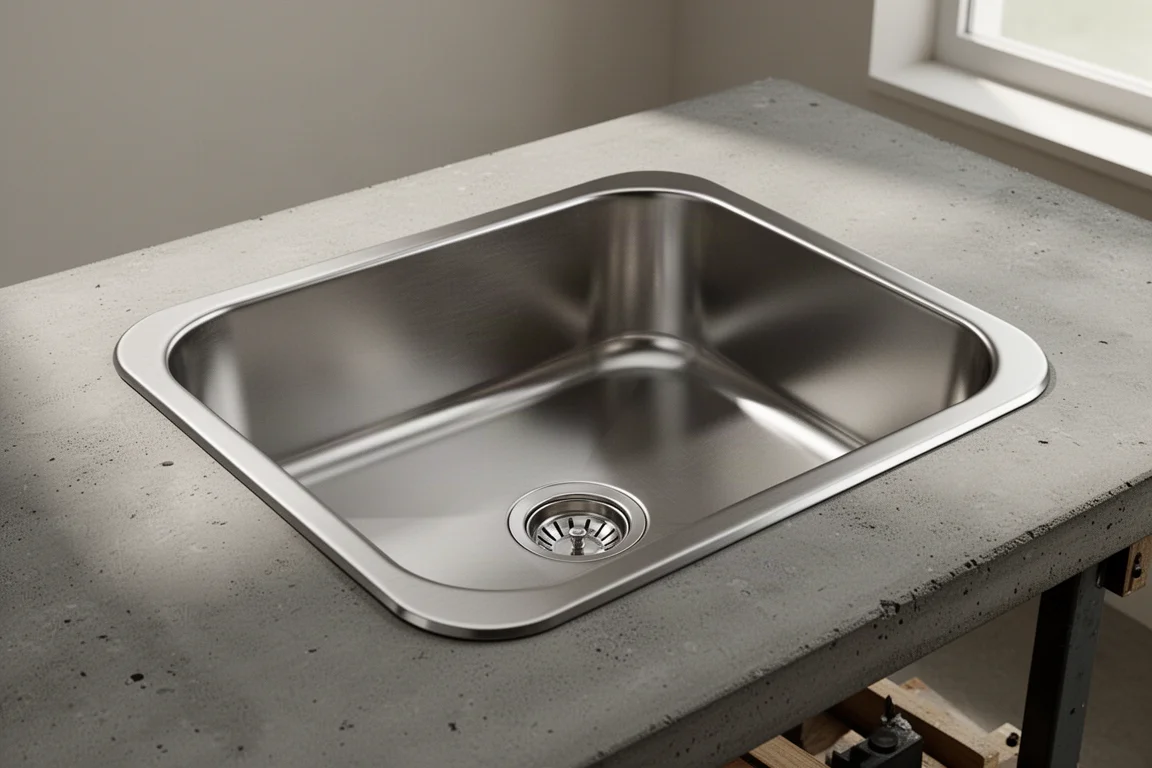
Vivor Stainless Steel Kitchen Sink Review: A Solid Drop-In Upgrade With One Weak Spot
An all-stainless single-basin drop-in sink with easy-clean rounded corners and a drain-sloped base, at a roughly $200 price point.
Kitchen
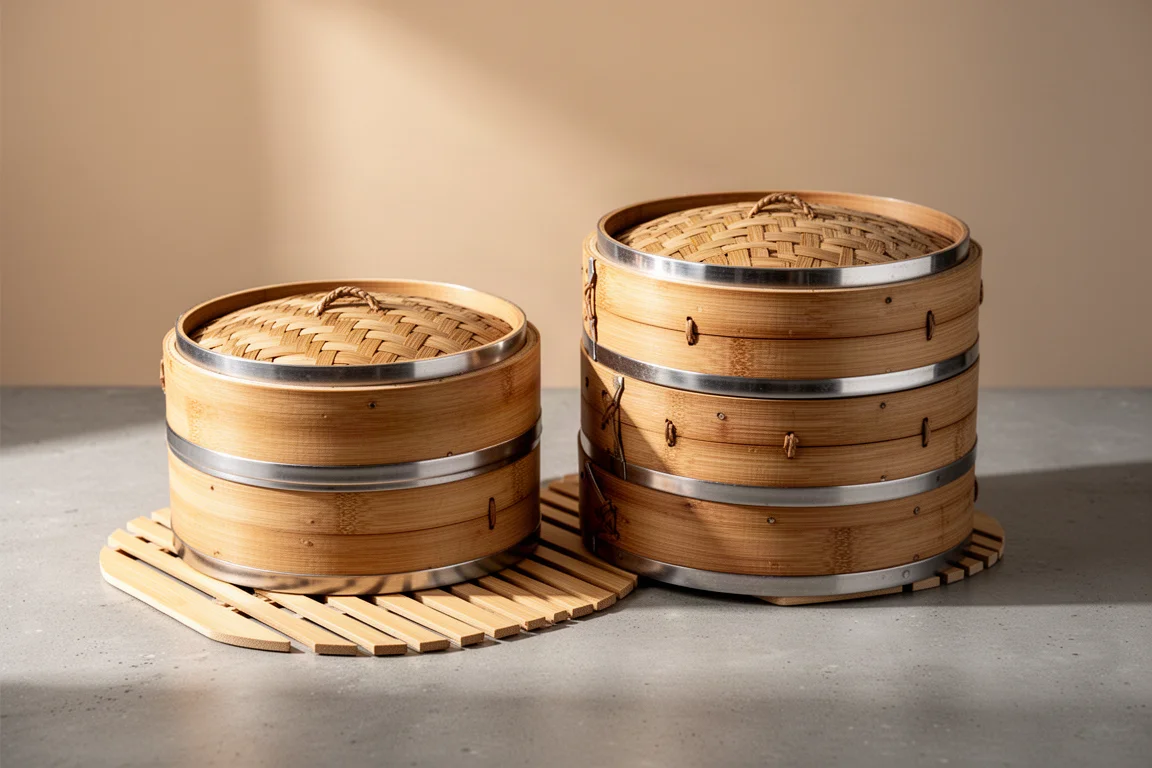
Best Bamboo Steamers: Two Tested Picks for Dumplings, Bao, and More
After hands-on steaming tests with dumplings and bao, two bamboo steamers stood out for build quality and staying in alignment.