Kitchen
Best Cutting Boards for Sharp Knives: Four Boards Worth Owning
Four cutting boards that treat your knife edge well, from end-grain larch to a lightweight paulownia board for travel, plus the materials to avoid.
Introduction
A cutting board is one of the biggest culprits when it comes to dulling your knife. There are many materials you can cut on, and not all of them deserve a place in your kitchen. You need a board that protects your counter, and just as importantly, one that works with your knife instead of against it.
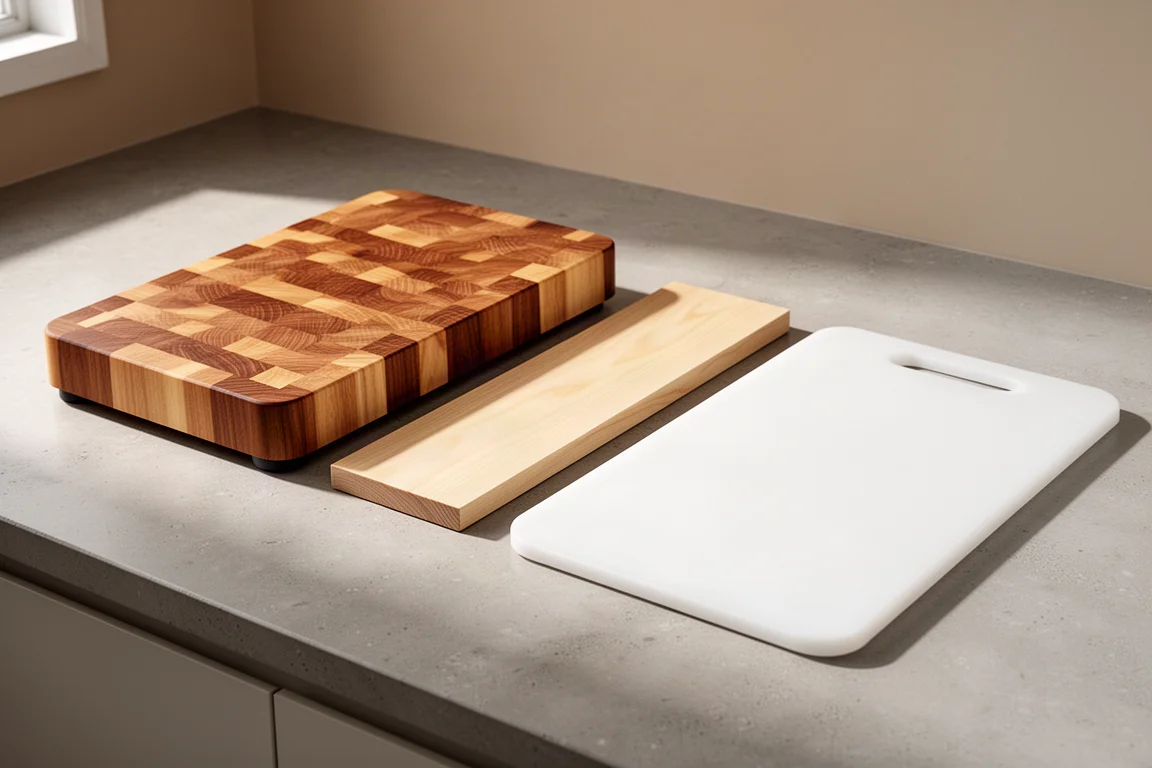
Hardwoods are a great material for cutting boards. They are hard enough that they will not get damaged by the action of cutting, they resist stains, and they will not dull your knife as you cut. Plastic is fine too, especially if you are addicted to putting everything in the dishwasher. What you want to avoid are very hard surfaces like glass, granite, or steel, which will dull your knife quickly. A glass cutting board is truly an oxymoron. Very hard woods like bamboo and compressed wood particle boards will not destroy your knife the way glass does, but they will still dull the edge prematurely, so it is best to stay away from them.
A quick tip that works with any board: if your board does not have rubber feet, you are cutting on a potentially dangerous, sliding surface. Get a cloth, dampen it, lay it on the counter, and set the board on top. It acts as a grip mat and takes a lot of the frustration out of cutting.
Best Overall: Larchwood Canada Cutting Board
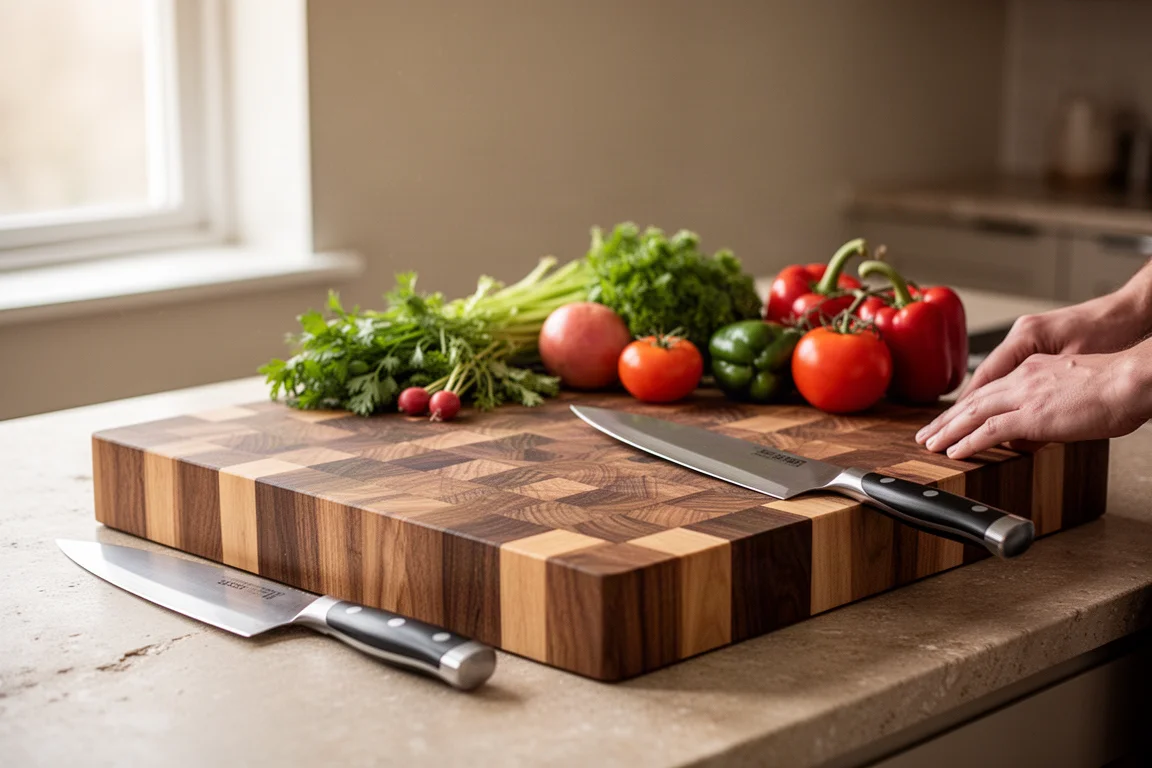
Our favorite board, far and away, is the Larchwood Canada cutting board. Made in Canada, these boards are tough, resilient, and built from larch, a wood that is hard but not too hard, with a closed grain that does not absorb staining liquids or harbor bacteria.
The key detail is the construction: these boards are built from the end grain of the wood rather than the side grain. Cutting into the end of the fibers is gentler on your knife edge, and the board itself does not scar up as much. Rubber feet on the bottom lift the board off the countertop for airflow, and they keep a large board from sliding around. A board like this becomes a permanent fixture on your counter, a stable platform you never have to think about again.
Best Mid-Size Workhorse: Sticks and Boards Maple Cutting Board
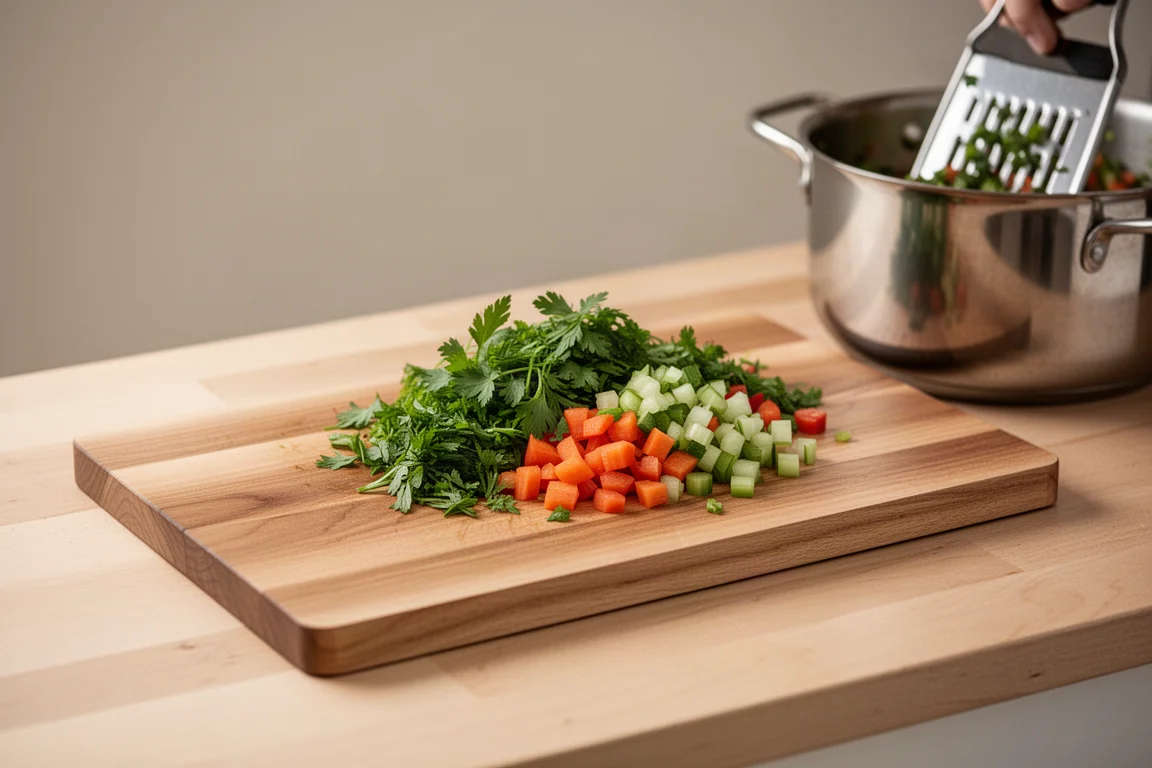
These boards from Sticks and Boards, made by Glenn and Donna, come from wood sourced at a local mill in Ontario, and the work is genuinely good. This one is maple, and they also make boards in walnut, so you have a couple of color options.
The size and weight are the appeal here. If you are the type of cook who likes to cut a bunch of ingredients and then scrape them straight into the pot, a board like this is easier to pick up and move around than a large slab.
Best Lightweight Option: Tojiro Paulownia Cutting Board
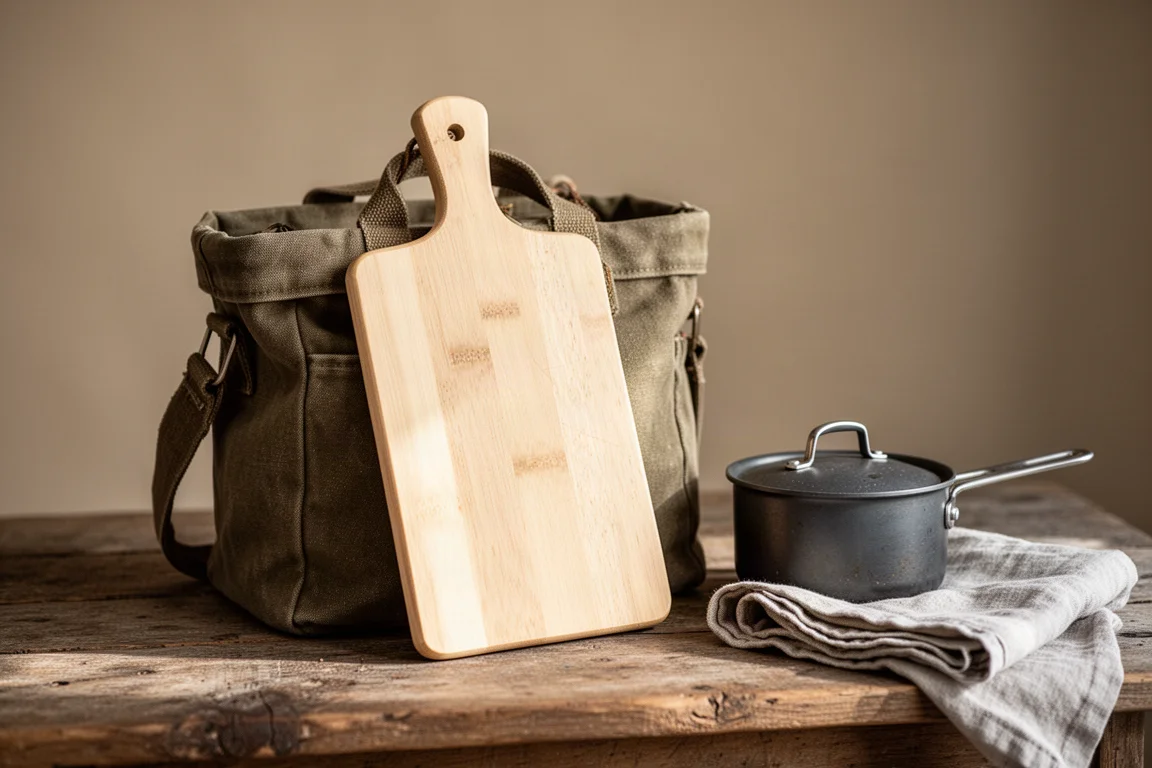
This board from Tojiro, a knife maker, is made from paulownia, a Japanese wood, and it is shockingly lightweight. It is lighter than many plastic boards, which makes it a great pick for a camper, a cabin trip, or a kid getting into cooking.
One note on care: paulownia is a bit more of an open-grain wood. The recommended technique is to wet the board first and then cut on it. The water creates a thin layer on top of the wood, so when you rinse it off, flavors wash away with it.
Best Professional Board: Hasegawa Cutting Board
Hasegawa, an operation out of Japan, makes a board that is famous for a reason. It is arguably the pinnacle of cutting board design. It has a wood core with different surface materials on the sides and the top, which keeps the board from ever warping. The surface is also treated with silver nanoparticles, and it is known as one of the most antibacterial cutting surfaces on the market.
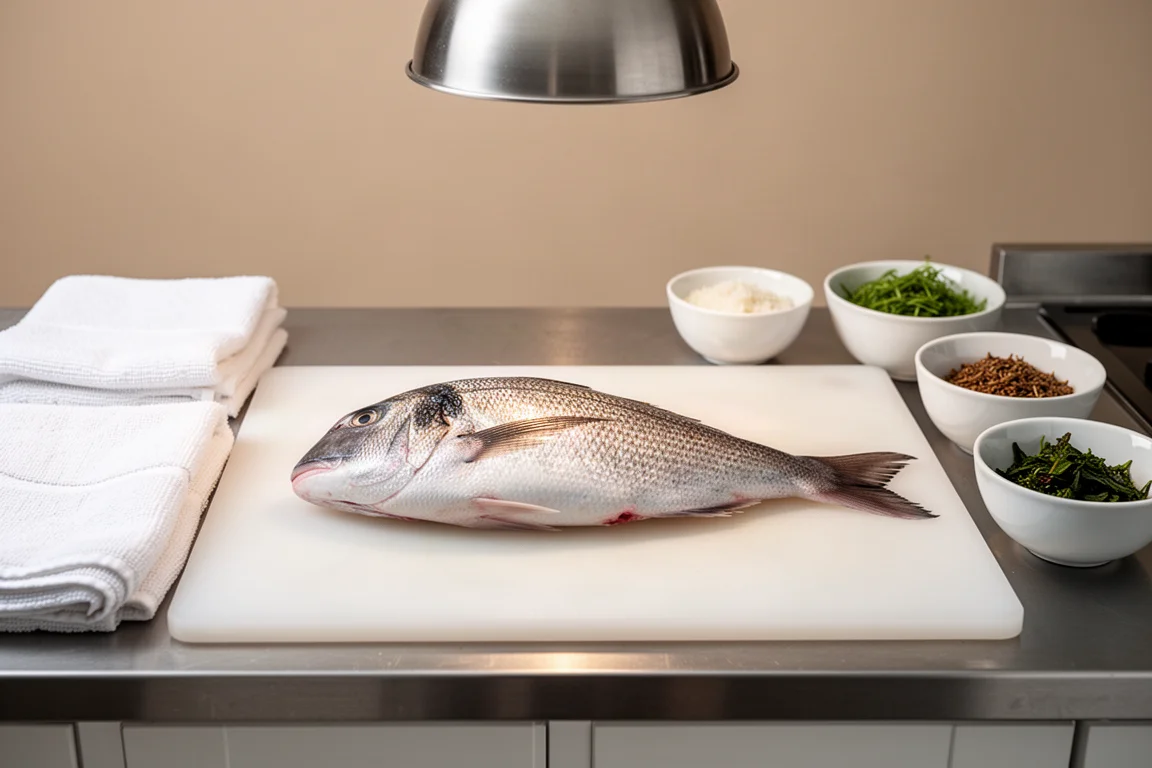
If you are serious about cooking and serious about your knives, this board is fantastic. It comes large enough that you could almost call it a table, and if you are a professional chef processing large amounts of food, it is big enough to hold a whole salmon. The surface material is excellent for edge retention because it is nice and soft, and you can put it in the dishwasher if yours is big enough. Because it is plastic, the surface can scar up over time, but Hasegawa even sells a small sanding block so you can sand down the grooves and eliminate a home for bacteria.
Boards to Avoid and Care Basics
Glass cutting boards are not cutting boards. Use one as a hot plate if you like, because every cut on glass dulls your knife badly. Bamboo is more nuanced: it is sustainable, it can go in the dishwasher, and it looks like wood rather than plastic, but it is a very hard material and we have noticed it dulls knives more than you want. It is not the end of the world, just not a first choice. The same goes for compressed wood particle boards. A simple test: if you can hear your knife smacking loudly on the surface, it is too hard. A duller thud means a much better surface.
If you buy a board from someone at a market, buy from a maker whose boards people have actually used. Many decorative woodworking boards look great but fall apart when washed because the glue fails. As for care, wood boards are easy: wash them, dry them, and use a board wax to keep the wood moisturized so it does not dry out or absorb flavors. Never put a wood cutting board in the dishwasher, because that is the last day it will be a cutting board. Plastic boards are cheap and dishwasher-safe, but knife grooves can harbor bacteria, and plastic is not naturally antibacterial the way most wood is. If your old plastic board is covered in grooves, replace it or sand it down.
Conclusion
The best cutting board is the one that matches how you cook: end-grain larch if you want a permanent, knife-friendly fixture; a maple board if you like to scrape and go; paulownia if you need something light; and Hasegawa if you want the most antibacterial surface money can buy. Just leave the glass in the cupboard.
Product link
View more details for Larchwood Canada Cutting Board
This product is mentioned in the review. Check the specifications, options, and compatibility before buying.
View more details for Larchwood Canada Cutting BoardFurther reading
Related Reviews
Kitchen
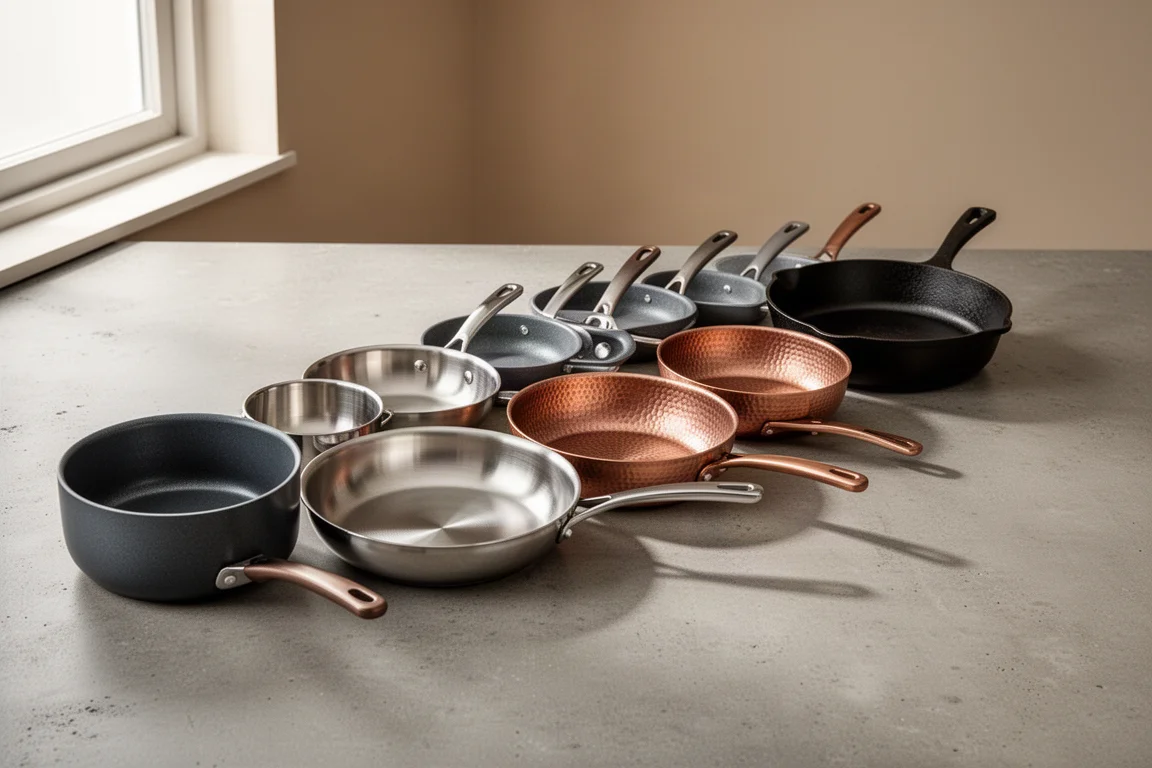
Best Nonstick Frying Pans Compared: 11 Skillets From $16 to $185, Tested
Eleven nonstick frying pans go head to head in pancakes, eggs, heat distribution, thermal efficiency, and scratch resistance to find out whether a cheap pan can really compete with a premium one.
Kitchen
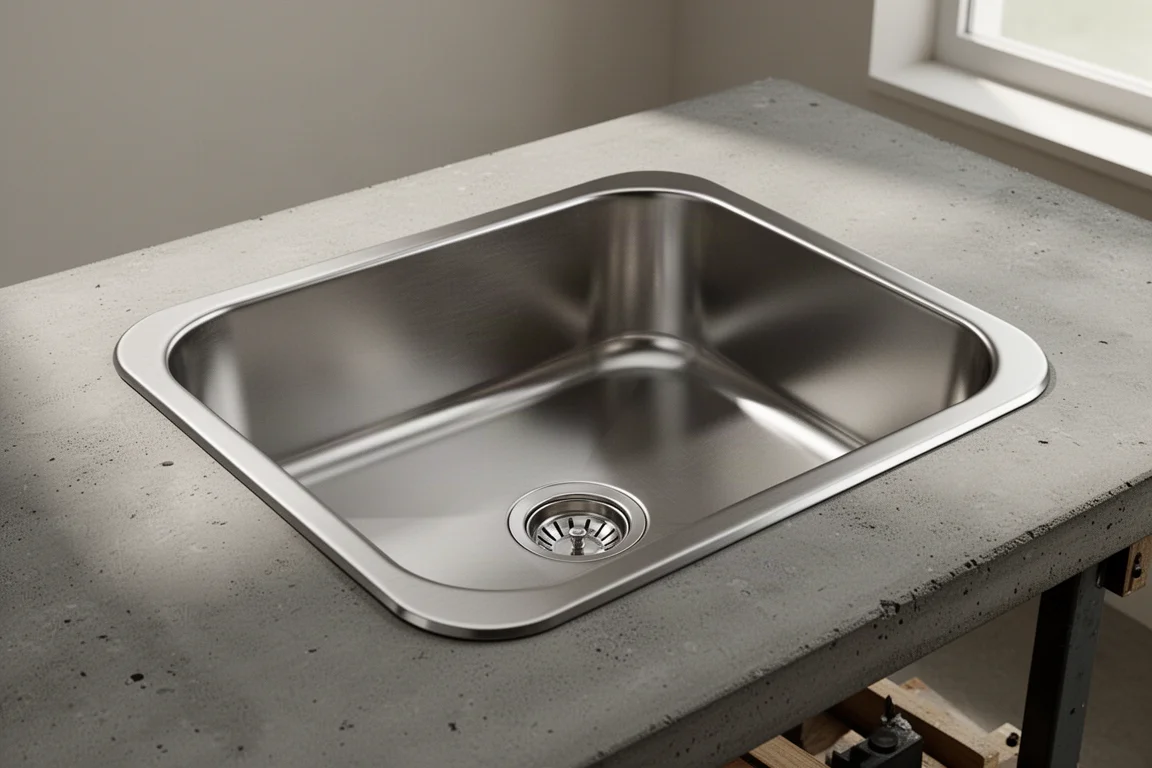
Vivor Stainless Steel Kitchen Sink Review: A Solid Drop-In Upgrade With One Weak Spot
An all-stainless single-basin drop-in sink with easy-clean rounded corners and a drain-sloped base, at a roughly $200 price point.
Kitchen
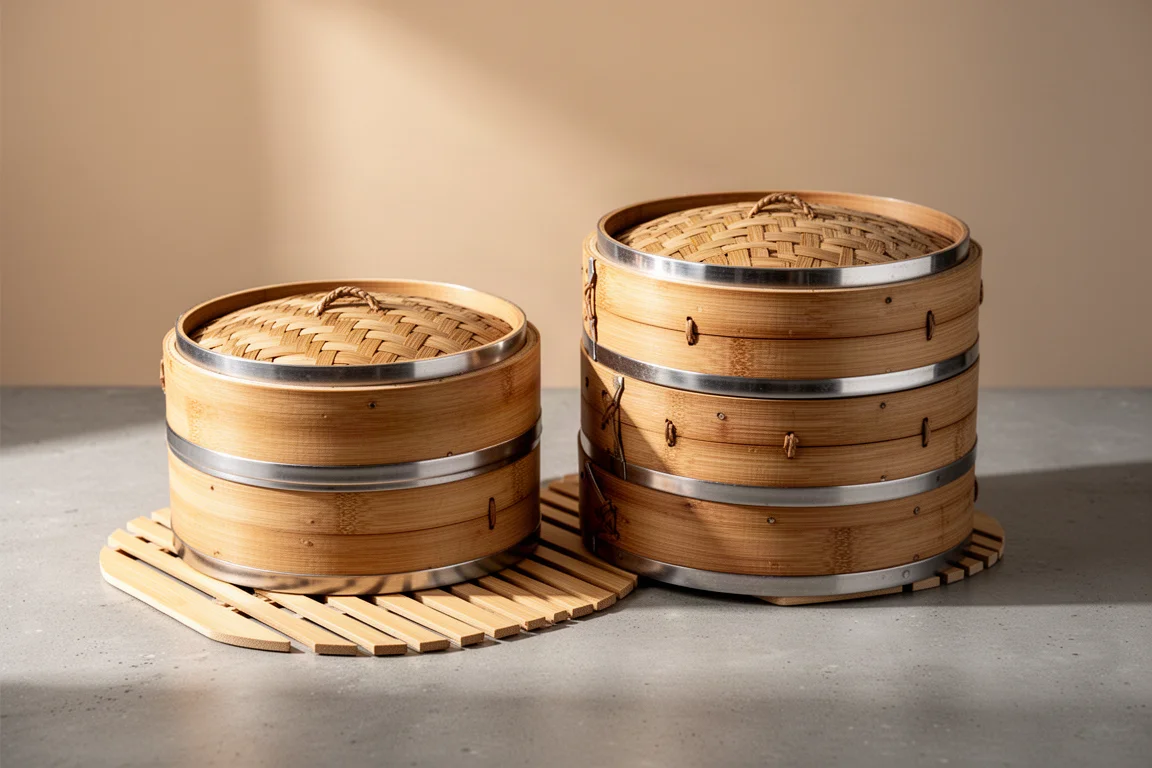
Best Bamboo Steamers: Two Tested Picks for Dumplings, Bao, and More
After hands-on steaming tests with dumplings and bao, two bamboo steamers stood out for build quality and staying in alignment.