Running Shoes
Best Cushioned Daily Trainers: New Balance 1080 v13 and Three Strong Alternatives
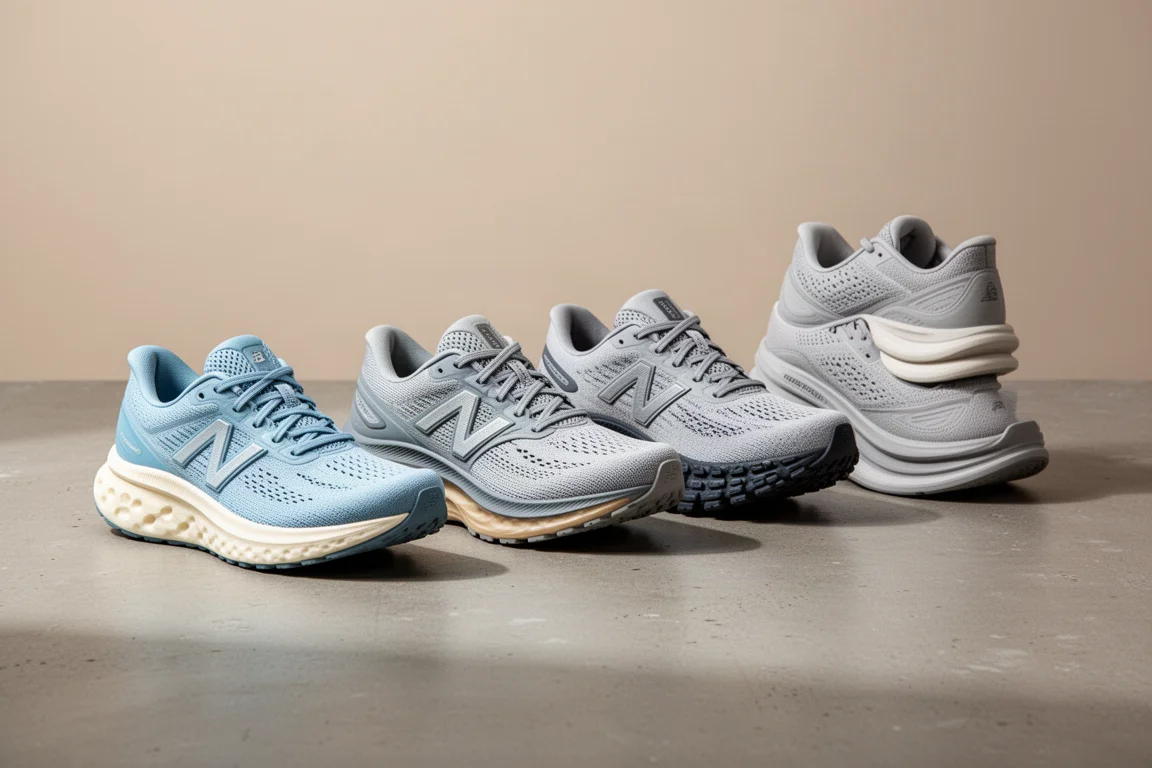
A comfort-first daily trainer comparison covering the New Balance 1080 v13, Saucony Endorphin Shift 3, Saucony Triumph 20, and ASICS Gel Nimbus 25.
Introduction
When a shoe’s only job is comfort, it has one question to answer: does it keep your legs protected and your run relaxing, mile after mile? We put serious mileage on a field of max-cushion daily trainers, and one shoe separated itself from the pack: the New Balance 1080 v13. Here is how it performs, how it holds up over hundreds of miles, and which alternatives might fit your feet and budget better.
What a great cushioned daily trainer needs to do
A cushioned trainer should do one thing consistently well: keep you comfortable over the long haul without forcing you to change how you run. Some max-cushion shoes are so bouncy they push you to run faster than you intend, or carry a huge rocker geometry that alters your stride. The best ones simply absorb impact and let you cruise.
Price matters in this segment too. With plated trainers creeping toward the same price bracket, a soft daily trainer that costs as much as a racing shoe needs to earn its keep through durability and versatility.
New Balance 1080 v13: The comfort benchmark
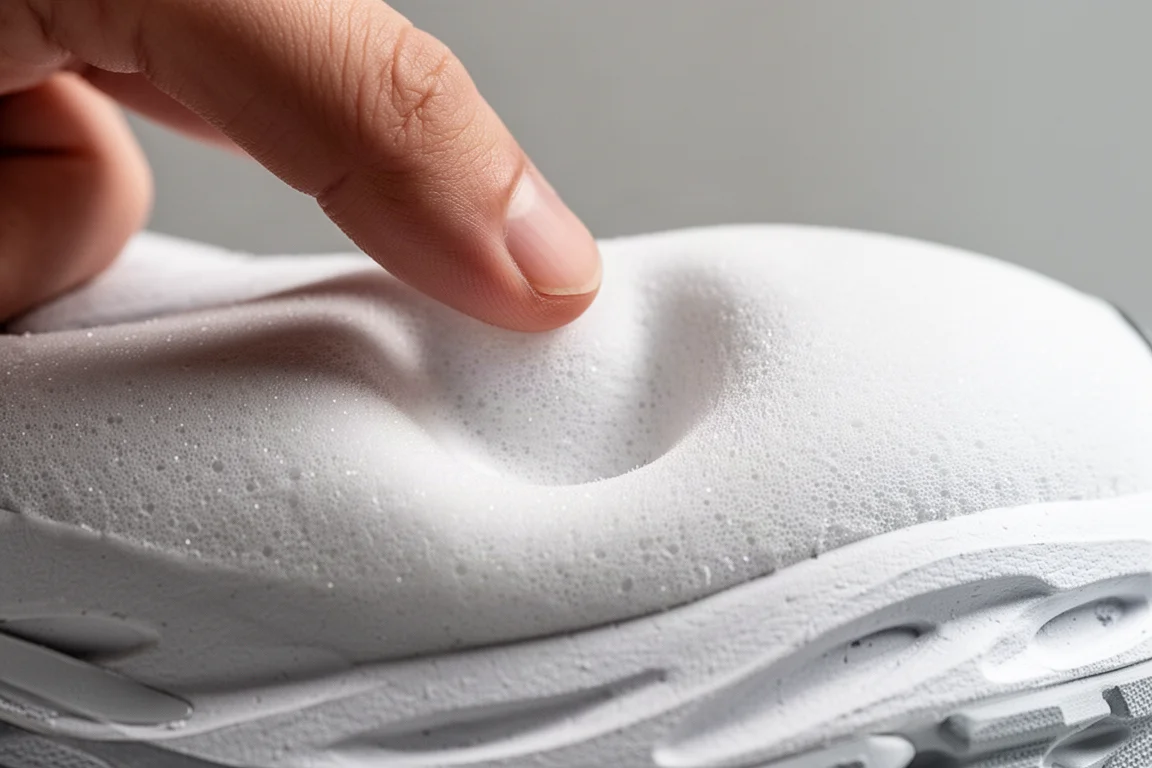
The 1080 v13 is built on New Balance’s Fresh Foam, a soft EVA blend that compresses easily under finger pressure and delivers a genuinely plush ride. The stack is tall at 38mm in the heel and 32mm in the forefoot for a 6mm drop, yet the shoe never feels mushy or unstable. It protects your legs without encouraging anything odd with your mechanics, which is exactly what you want from a recovery or easy-day shoe.
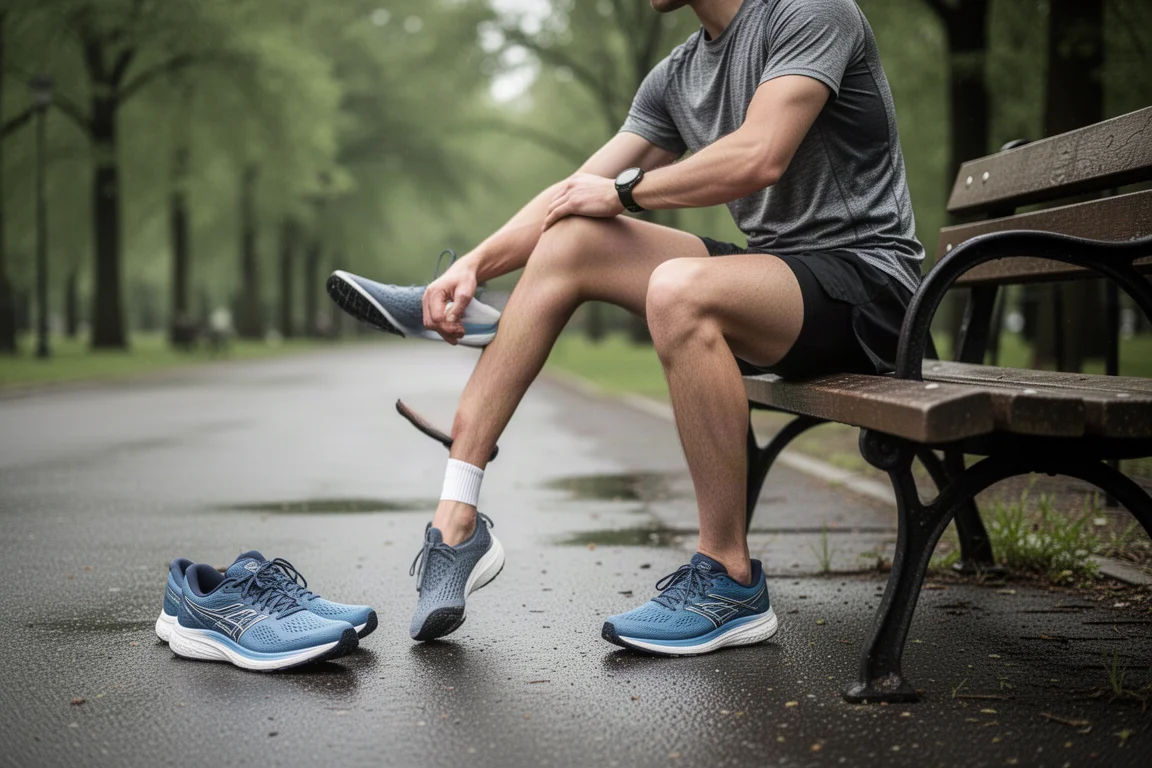
There is no aggressive rocker here, just a gentle toe spring, so it excels at relaxed pacing. Expect no pop and no energy return surge; this shoe has a clearly defined role and fills it well. It has comfortably handled runs up to the 15 to 16 mile range, and it doubles as one of the most comfortable sneakers for errands and all-day wear, with a padded heel collar, soft breathable upper, and a very plush tongue. The laces hold a lockdown without needing to be cranked down.
Durability has been the pleasant surprise. Soft foam shoes often break down quickly, but the 1080 v13 held its ride character through 300 miles, with the foam still doing its job and the outsole rubber showing only moderate wear. The rubber is not the grippiest available and the lateral heel area scuffs on relaxed heel-strike pacing, but it has not changed how the shoe feels. At $165 it is the most expensive shoe in this comparison, so the longevity matters.
If you want a soft, cushioned daily trainer for easy miles, stroller runs, gym sessions, or everything up to a two-hour effort without marathon pace, this is the pick. If you want speed or firmness in your daily trainer, look elsewhere.
Saucony Endorphin Shift 3: The structured alternative
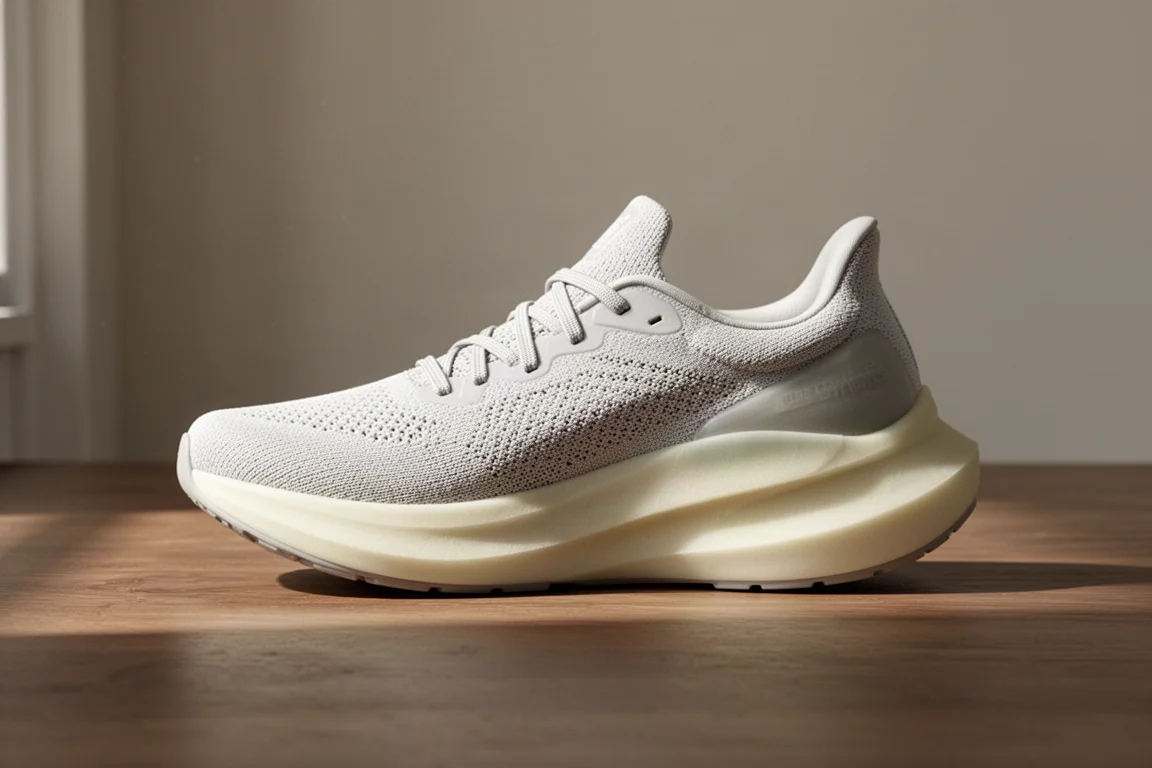
If a very soft shoe is not your thing, the Saucony Endorphin Shift 3 is the first alternative to consider. Its rocker midsole makes it easy to roll along, and the PWRRUN foam still delivers plenty of impact absorption in a firmer, more structured package. For bigger or taller runners who want support rather than sinking in, it makes more sense than the 1080.
After 350 miles it was still performing well, and it was only retired because the toe box was narrowing and the forefoot sock liner was changing shape slightly. It held up as a durable option over the same wear pattern that chewed through the 1080’s lateral heel.
This is the shoe for runners who want max-cushion comfort without the plush, soft feel, and it is often found at a discount.
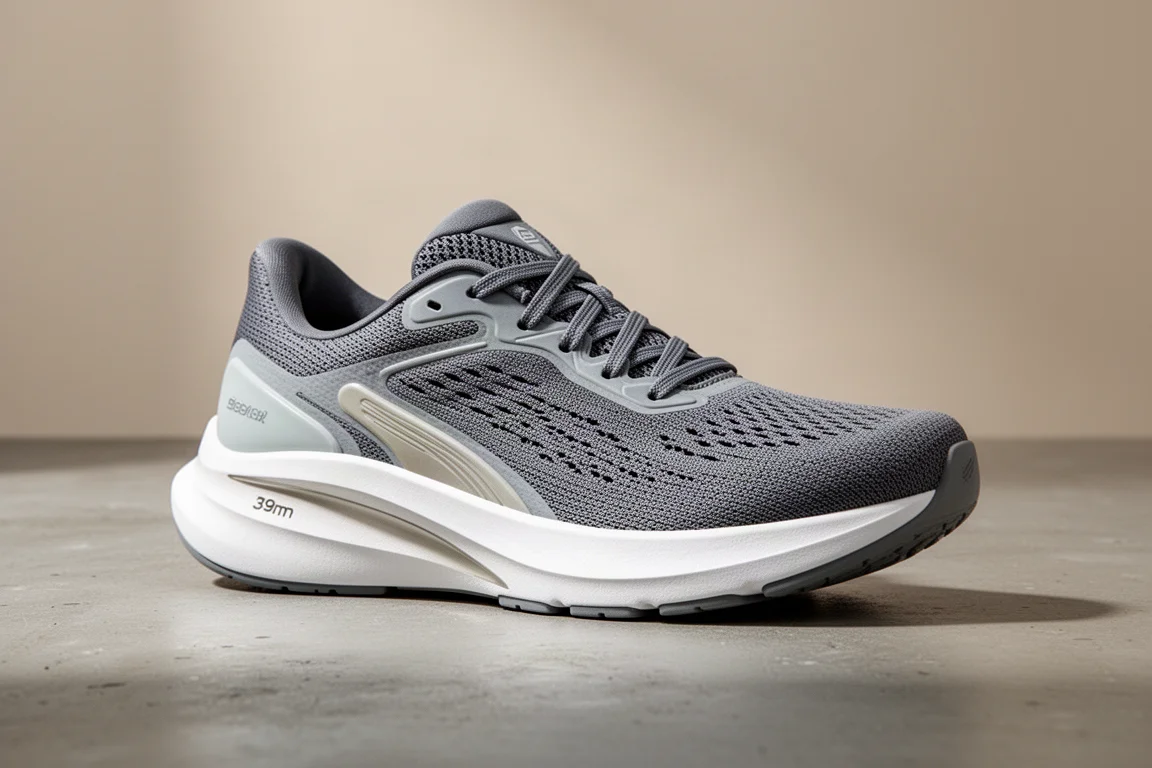
Saucony Triumph 20: The bouncier pick
The Saucony Triumph 20 splits the difference between comfort and speed better than anything else here. It is bouncier than the 1080, handles faster paces and even marathon-pace efforts more willingly, and carries generous rubber coverage that makes it a very durable shoe over its lifespan.
The main trade-off is geometry: a 10mm drop versus the 1080’s 6mm, which can feel a little chunky and awkward for some foot strikes. That was never an issue in the 1080, but the reward is a more energetic ride for runners who mix easy miles with quicker sessions. It is currently on sale for $80, which makes it exceptional value for a max-cushion trainer.
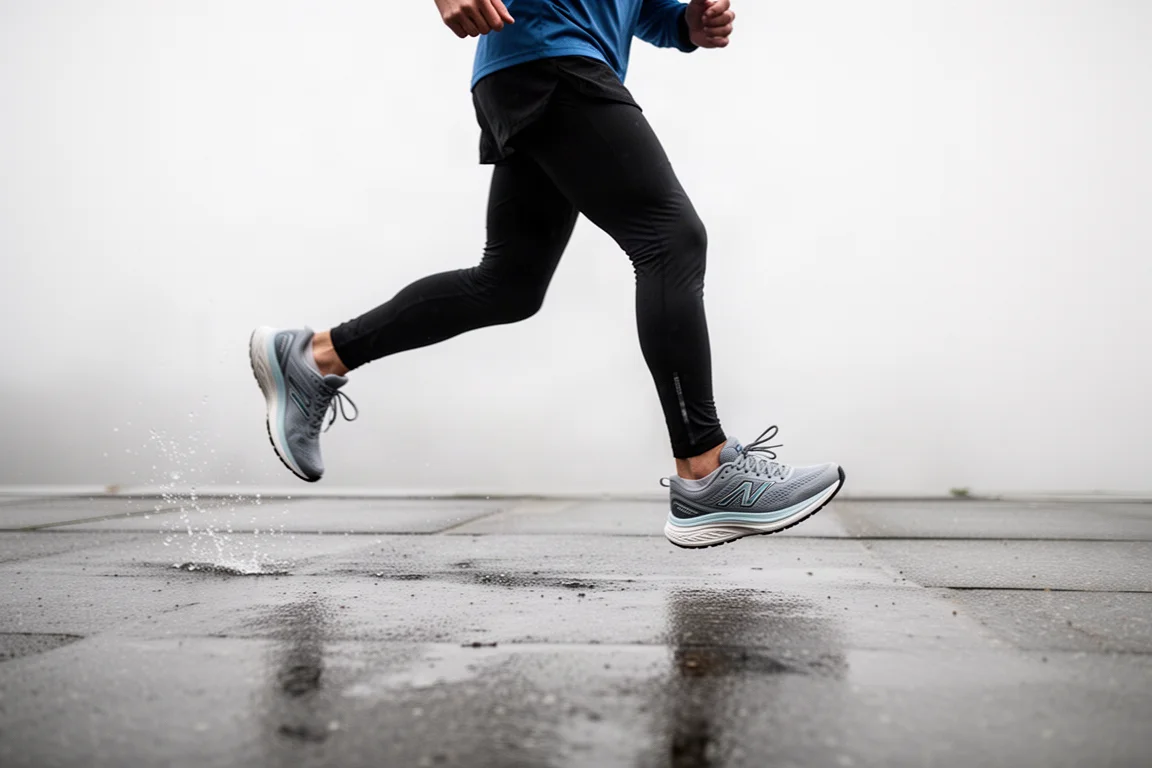
For a shoe that can cruise on easy days but still pick up the pace, this is the smart buy.
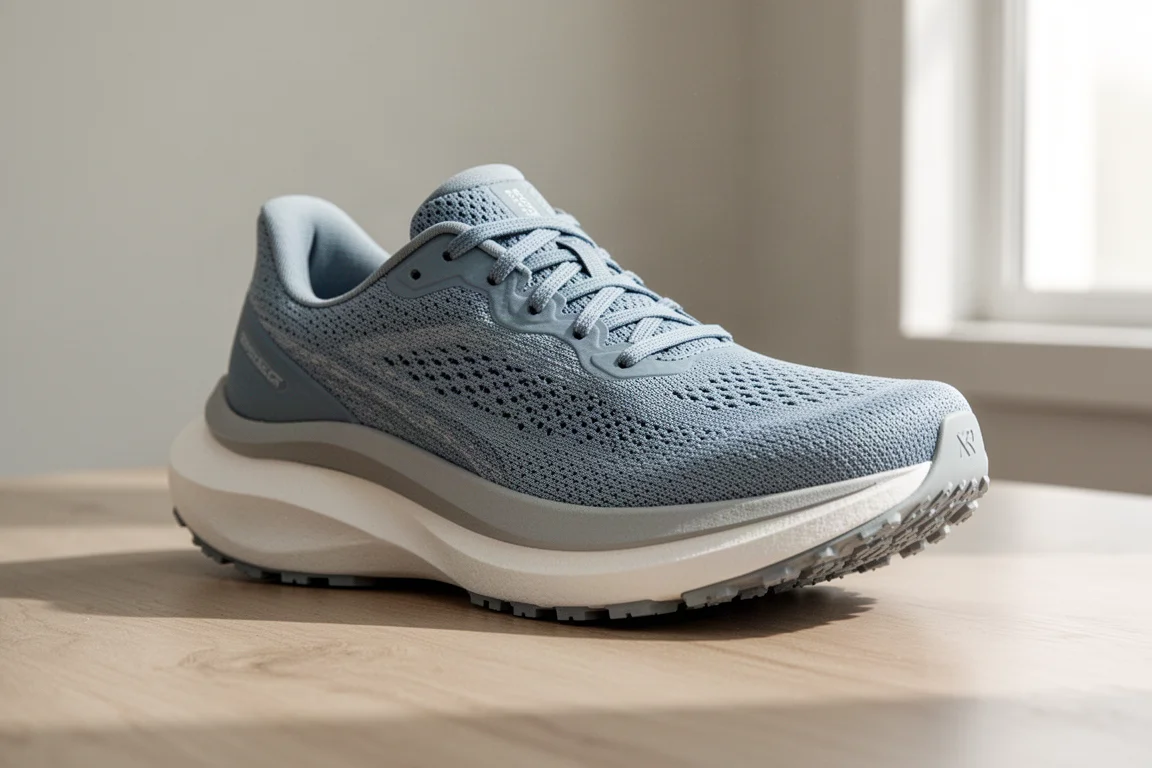
ASICS Gel Nimbus 25: The budget-friendly soft option
The ASICS Gel Nimbus 25 sits at $120 now that its successor has arrived, making it the affordable path into soft max-cushion running. The ride is broadly similar to the 1080, with comfort as the headline feature.
The differences show up in the details. The Nimbus feels like it sinks deeper into the foam, to the point of fighting the midsole to turn the leg over, and its foam life gave out around 250 miles in our testing, noticeably earlier than the 1080. The rubber held up decently well at 270 miles, but once this much foam goes dead it stops being a pleasant experience. If $165 for a daily trainer is too much and you want a soft, comfort-oriented shoe that will not break the bank, this is the value buy, just with realistic expectations about foam longevity.
Overall buying advice
Match the shoe to the role. If maximum comfort is the priority and budget is not, the 1080 v13 justifies its price with the best balance of plushness, natural ride, and durability in this group. Want structure and firmer support? Go Endorphin Shift 3. Want bouncy versatility at a sale price? The Triumph 20 wins on value. Want softness on a budget and accept earlier foam breakdown? The Gel Nimbus 25 gets you there for $120.
Conclusion
The New Balance 1080 v13 earns its place as the comfort benchmark of this segment, holding its ride character deep into 300 miles where softer competitors fade earlier. Choose the Shift 3 for structure, the Triumph 20 for bounce and value, and the Nimbus 25 for affordable plushness. Any of them will keep your easy days easy.
Further reading
Related Reviews

Running Shoes
Best Road-to-Trail Running Shoes: Three Versatile Options for Mixed Terrain
A practical guide to three road-to-trail running shoes that handle both pavement and mild trails, with clear strengths and trade-offs for different runner types.

Running Shoes
Best Running Shoes for Achilles Tendonitis: Three Options Explained
Three running shoes with different heel drops and support features designed to help reduce Achilles tendon pain during walking and running.

Running Shoes
Best Running Shoes for Women: Five Top Choices Ranked
A ranked guide to five women's running shoes, from versatile daily trainers to high-performance racing options, with real strengths and trade-offs for each.