Running Shoes
Best Cushion Running Shoes Compared: Brooks Glycerin 20 vs New Balance Fresh Foam More v3 and More
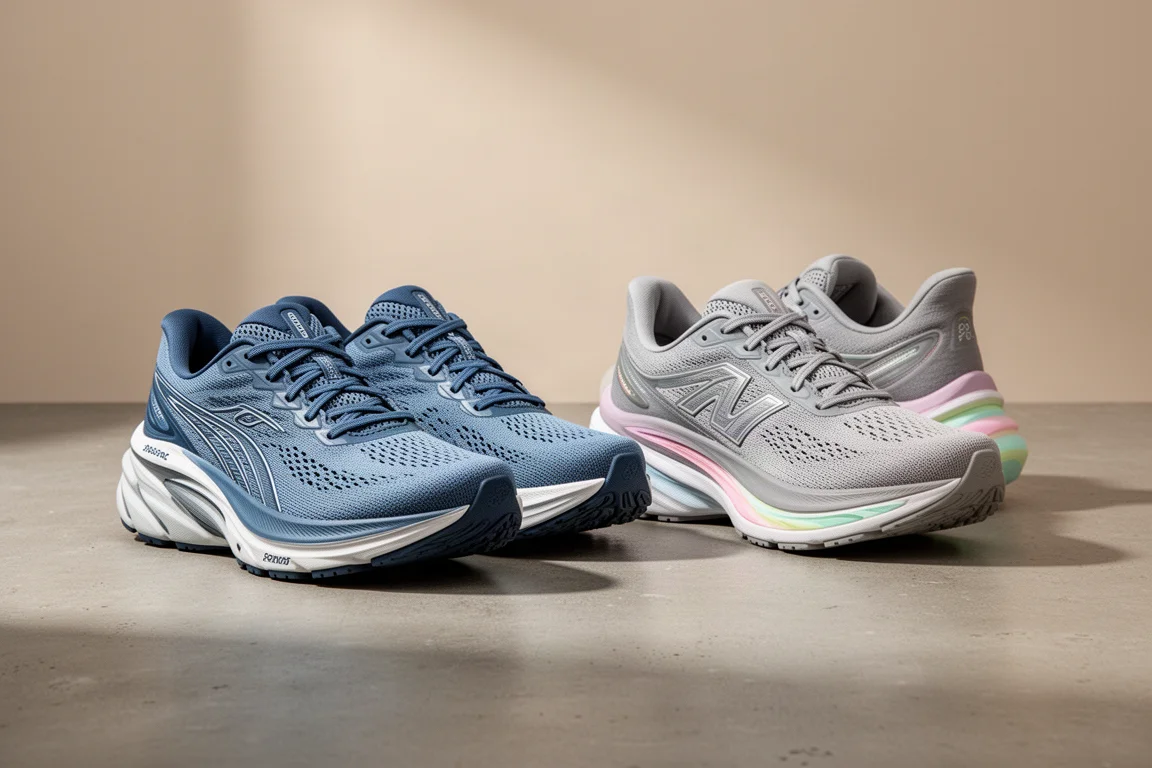
Four max-cushion trainers put side by side, from the updated Brooks Glycerin 20 to the New Balance Fresh Foam More v3, with clear guidance on which one suits your running.
Introduction
Cushion shoes are the workhorses of a running rotation. They soak up the impact of easy miles, long runs, and recovery days, and the best of them make you want to head out the door even when the legs are heavy.
Two of the most interesting options right now are the Brooks Glycerin 20, a major update to a long-standing cushioning favourite, and the New Balance Fresh Foam More v3, a shoe that pushes comfort to the max. We have also spent time with the previous Brooks Glycerin 19 and the Nike Invincible, two shoes that still deserve a place in the conversation.
What Makes a Great Cushion Shoe
A good cushion shoe should deaden impact over daily and longer miles, feel stable and reliable underfoot, and hold up week after week. The tension in this category is between softness and responsiveness: the plushest foams often give up some of the bounce that keeps a run feeling fluid.
Fit matters too. Both the Glycerin 20 and the More v3 run true to size, with generous toe box room. The More v3 is the roomier of the two and works well for wider feet, while the Glycerin 20 is slightly narrower around the forefoot and midfoot, though not enough to cause problems.
Brooks Glycerin 20: The New Nitrogen-Infused Update
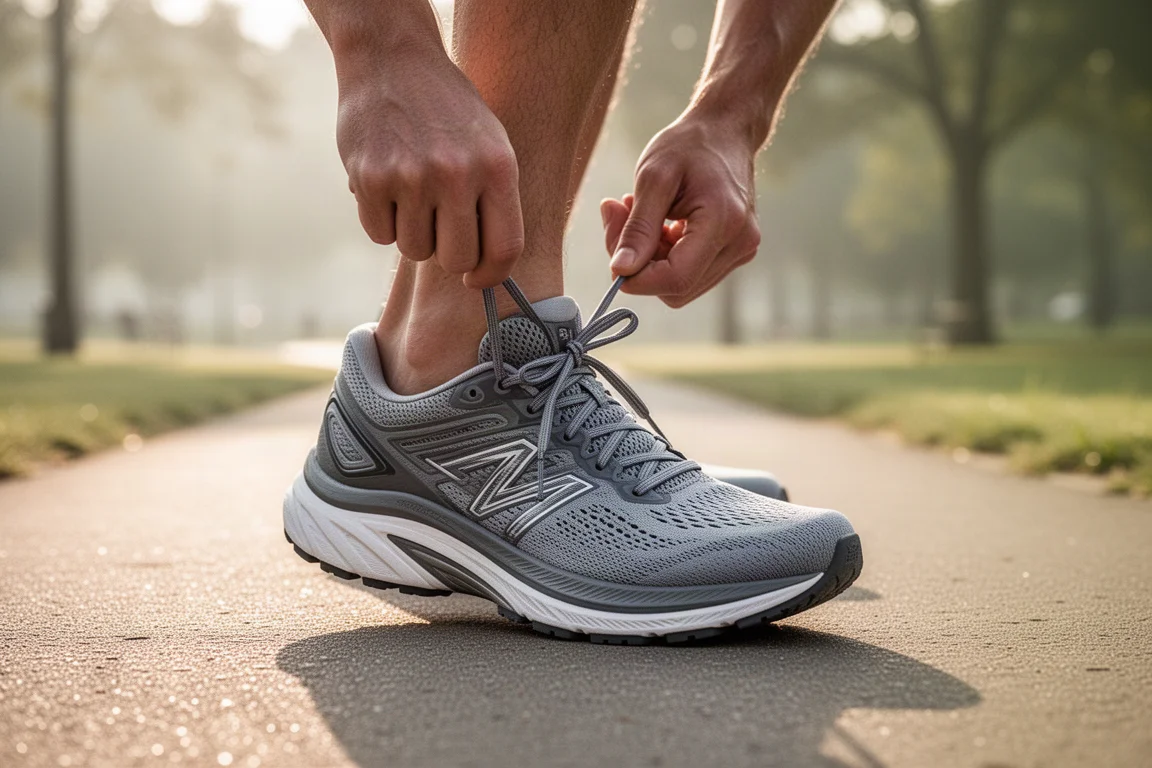
The Glycerin 20 brings one of the biggest design changes the line has seen: a new nitrogen-infused DNA Loft v3 midsole, aimed at being lighter, softer, and more responsive than before. The upper is an engineered mesh built for breathability and a secure fit, with plenty of padding around the ankle collar and tongue for a plush, cradling feel. It costs £150, weighs 298 grams (10.5 ounces) for men in a size 8, and has a 10 millimeter drop.
That new midsole is the story. It feels bouncier and a bit more propulsive than the Glycerin 19 while keeping the soft, comfortable ride the line is known for, and it makes the Glycerin 20 more versatile than its predecessor. If the More v3 did not exist, this would be the favorite cushion shoe right now.
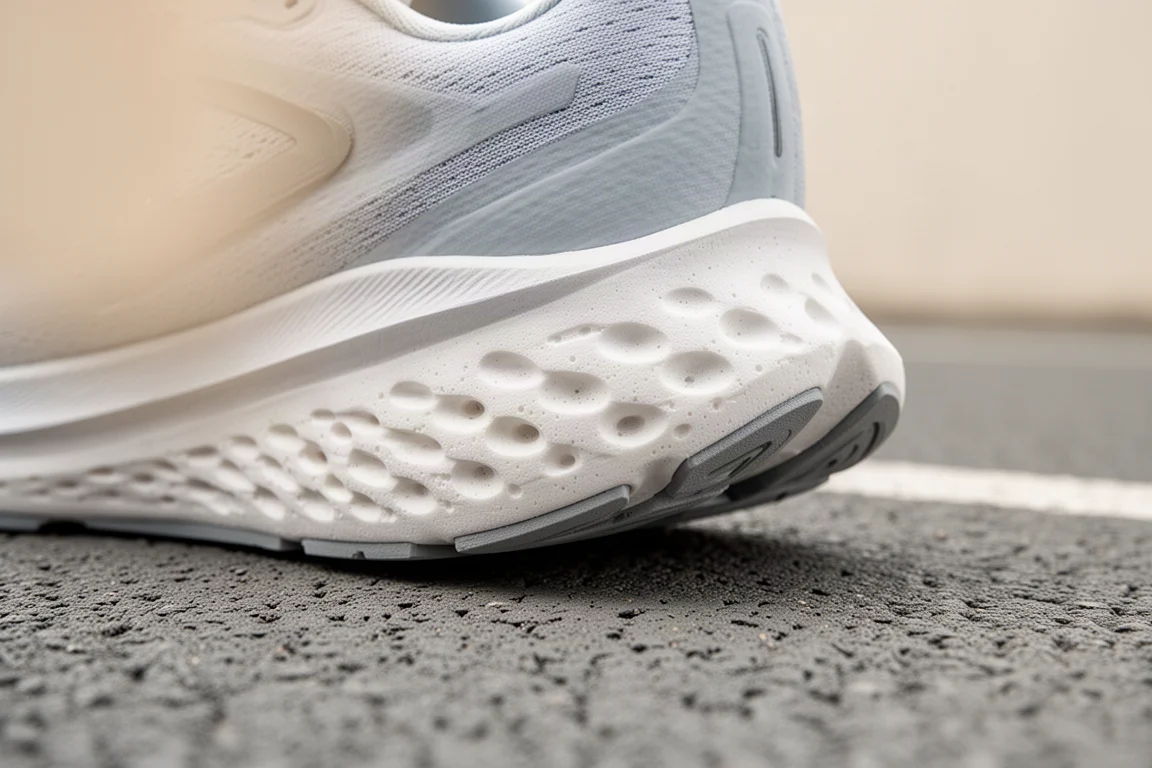
It is not flawless. When trying to pick up the pace, the shoe can feel like it deadens each step and lacks fluid turnover, though interestingly it seemed to warm into the run and felt better in the later miles. On the plus side, the outsole rubber is excellent: the Glycerin line has always been grippy, and this version is no exception across varied terrain.
New Balance Fresh Foam More v3: Comfort First
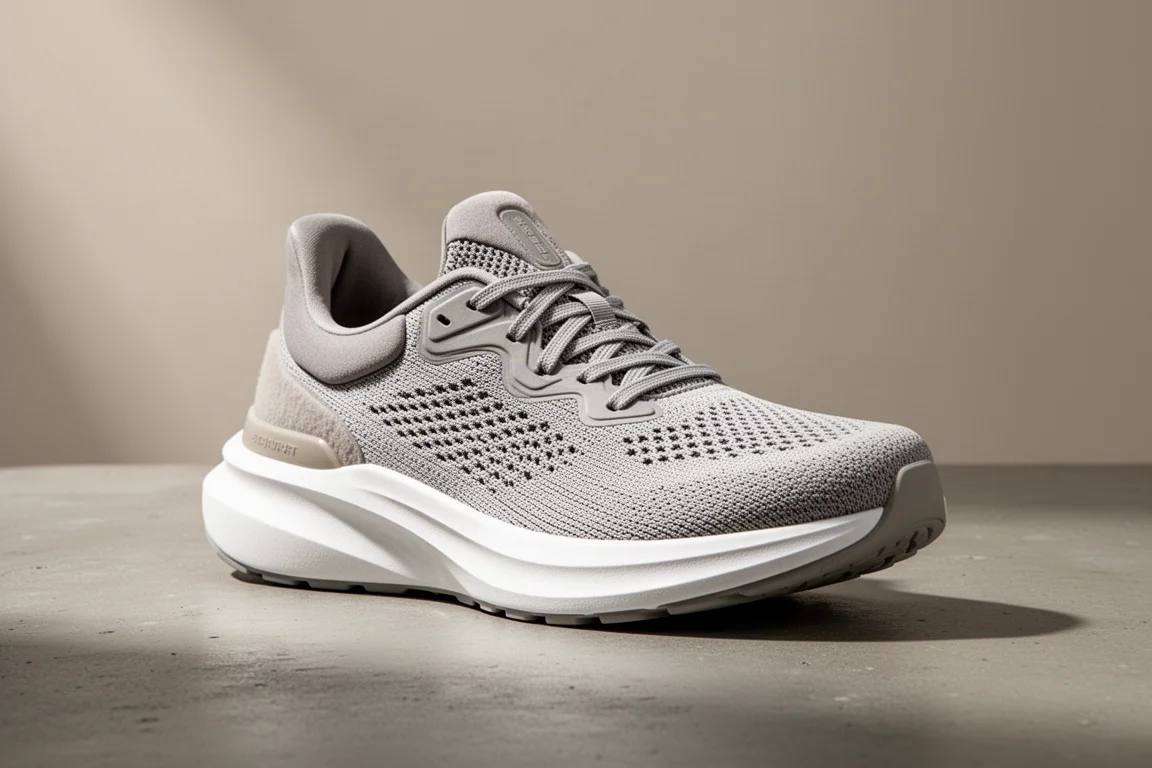
The Fresh Foam More v3 carries far more cushioning than most road shoes in the New Balance range. It uses the same Fresh Foam found in shoes like the 1080 and 860 v12, but in a much thicker slab, and that extra volume changes the character of the foam: it feels softer, more forgiving, and more comfortable, while giving up some responsiveness.
This is a cushion shoe through and through, designed purely for comfortable daily and long miles. The rocker design gives it a genuinely fluid motion that propels you forward, making 10 to 15 mile runs feel smooth and consistent even when you are not chasing pace. The engineered mesh upper feels sturdy and reinforced, the wide base keeps it stable, and the lacing with reinforced eyelets locks the foot down well. Outsole rubber coverage is healthy and offers good protection and grip, though the Glycerin 20 edges it slightly on stickiness.

The honest caveats: you cannot run fast in it, some runners find the cushioning excessive, and durability has been questioned by some, though at around 100 miles in there has been no issue so far. If either of those worries you, the Glycerin 20 may be the better fit.
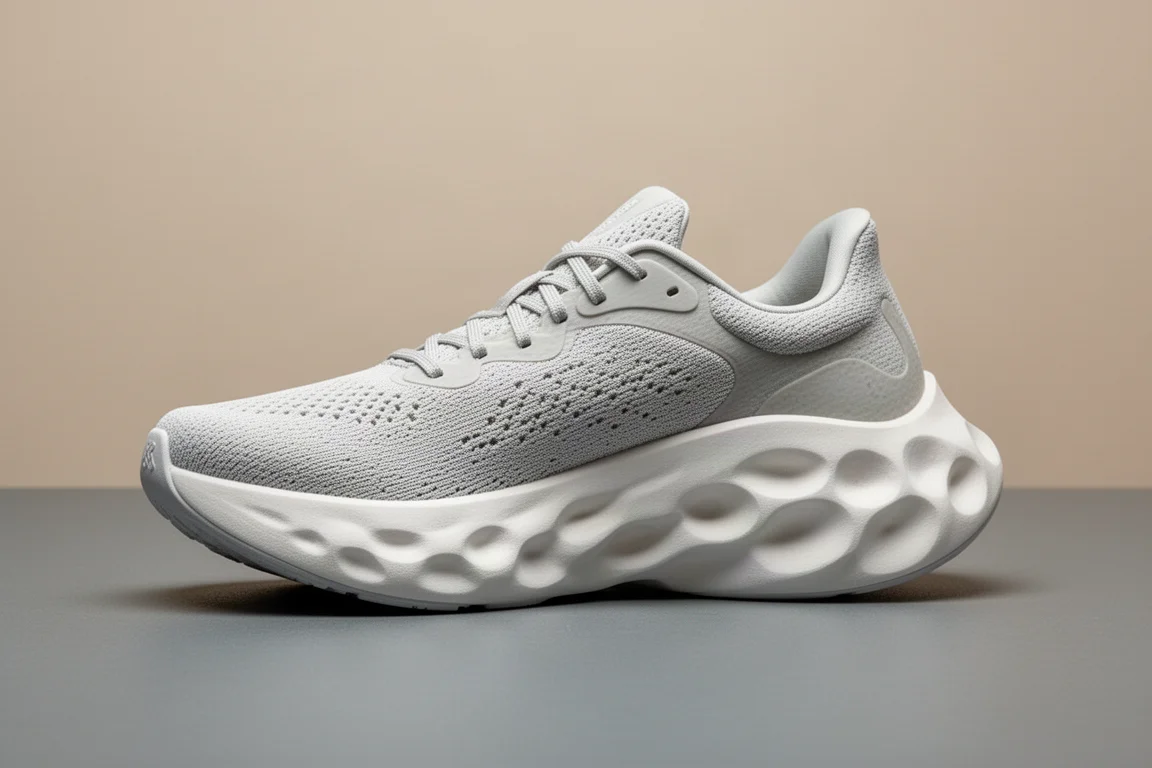
Brooks Glycerin 19: The Reliable Predecessor
The Glycerin 19 was the previous favorite cushion shoe before the More v3 took the top spot, and it remains a very good shoe. As cushion shoes go, it is versatile: you can train in it across a fairly wide range of runs, though it is not a daily shoe you would use for faster sessions.
It is also a shoe with a strong durability record, which matters if you are wary of newer foams. With the Glycerin 20 now available at a similar price, though, the case for buying the 19 comes down to finding it discounted and wanting the known, proven ride.
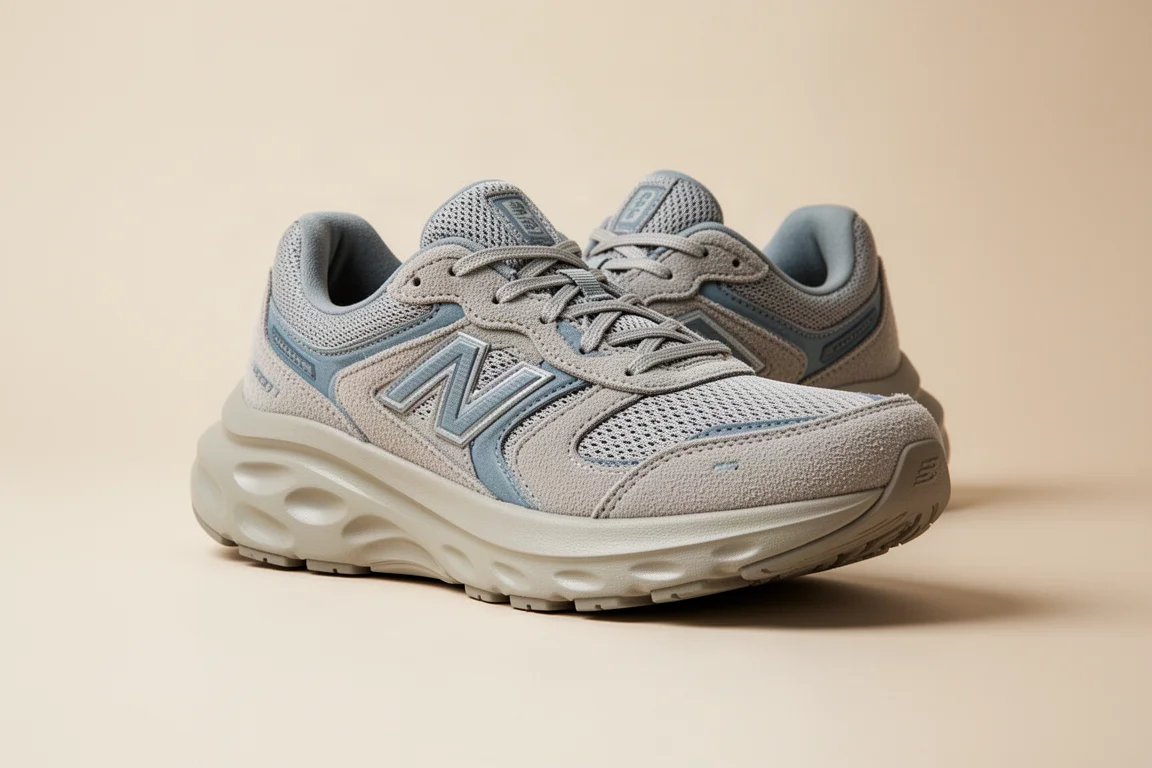
Nike Invincible: Maximum Softness
The Nike Invincible plays a very different game. It uses ZoomX foam, the same material as the Vaporfly and Alphafly race shoes, just in far greater volume, so it can handle daily training miles. The ride is extraordinarily soft and bouncy, and running at a slow pace in it is genuinely enjoyable.
The trade-off is firmness. Both the Glycerin 20 and More v3 are firmer than the Invincible, and that missing firmness means it is not conducive to running at a quicker pace or an efficient turnover. The foam lifts you rather than bouncing you forward. If slow, comfortable miles are all you want, it delivers.
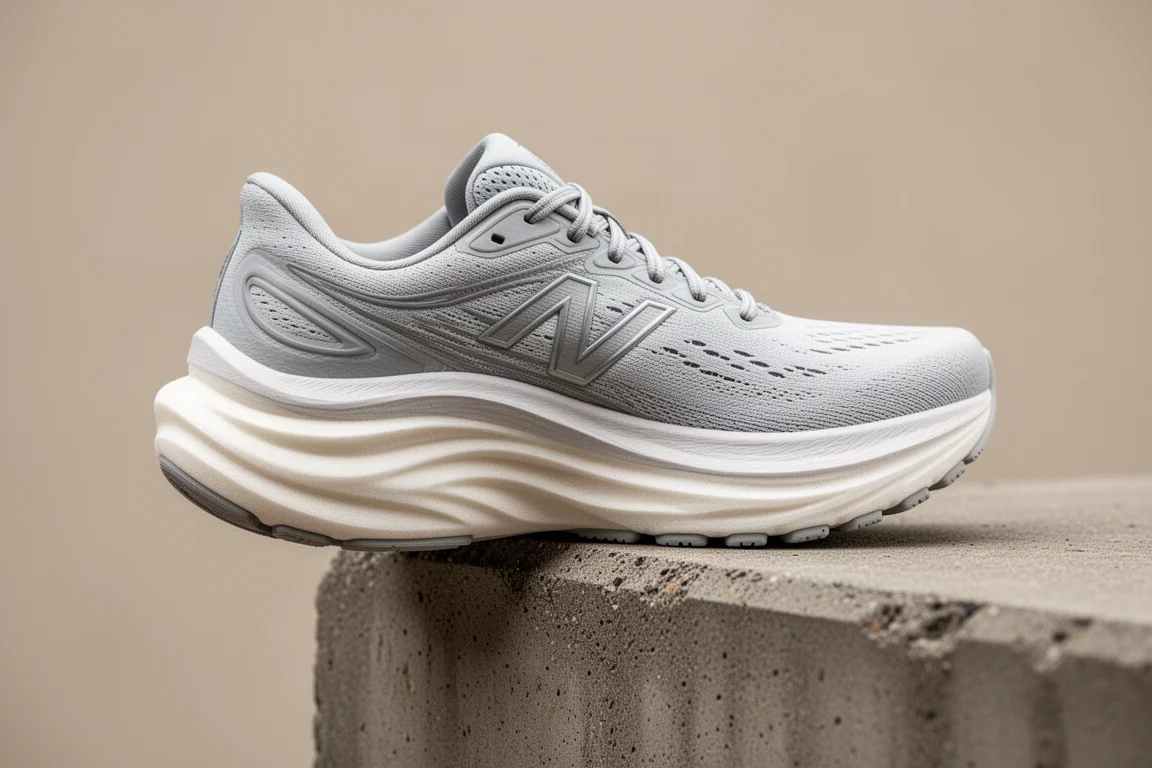
Which One Should You Buy
If you want one cushion shoe that balances softness with just enough responsiveness, the Brooks Glycerin 20 is the most well-rounded of the group and a clear step up from the Glycerin 19. If maximum comfort and a fluid, rocking turnover over long miles matter most, and pace is not a priority, the New Balance Fresh Foam More v3 is the pick, and it is the shoe that keeps winning here.
Choose the Glycerin 19 if you find it at a good price and value proven durability, and the Invincible if you want the softest, bounciest ride possible and never intend to push the pace.
Conclusion
There is very little separating the top two. The Glycerin 20 is a fantastic all-round improvement that would top this list in most years, but the More v3’s fresh foam midsole, comfortable firmness, and smooth rocker keep it just ahead for easy and long runs. Match the shoe to how you actually run, and any of these four will serve you well.
Further reading
Related Reviews

Running Shoes
Best Road-to-Trail Running Shoes: Three Versatile Options for Mixed Terrain
A practical guide to three road-to-trail running shoes that handle both pavement and mild trails, with clear strengths and trade-offs for different runner types.

Running Shoes
Best Running Shoes for Achilles Tendonitis: Three Options Explained
Three running shoes with different heel drops and support features designed to help reduce Achilles tendon pain during walking and running.

Running Shoes
Best Running Shoes for Women: Five Top Choices Ranked
A ranked guide to five women's running shoes, from versatile daily trainers to high-performance racing options, with real strengths and trade-offs for each.