Running Shoes
Best Cushion Running Shoes 2026: Eight Trainers Worth Your Mileage
From max-stack recovery shoes to versatile daily cushioning, eight cushion shoes that cover easy days, long runs and everything in between.
Introduction
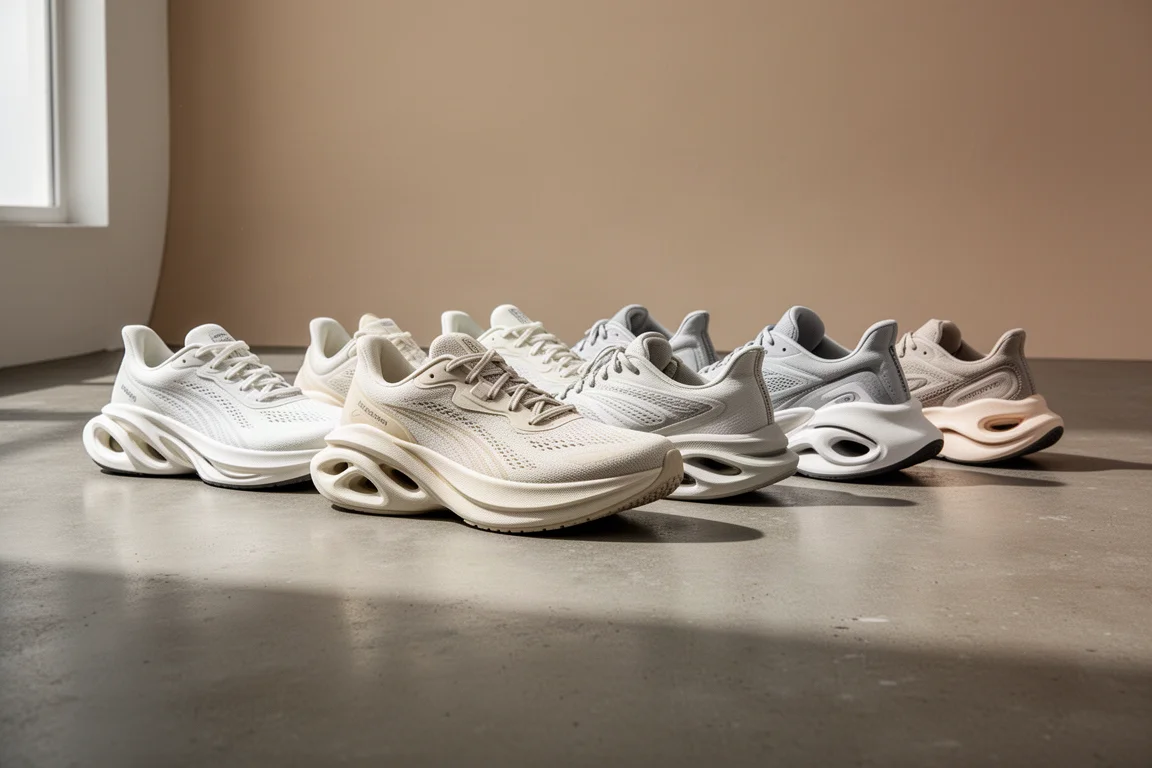
Cushion shoes used to be the easiest category in any running shop to spot. They were big, soft and clearly built for comfort. As midsoles have grown taller and foams have become lighter, softer and more responsive, the line between a cushion shoe, a max-cushion shoe and a versatile daily trainer has blurred considerably.
That blurring matters if you are shopping right now. A shoe like the Saucony Ride 17, which a few years ago would have counted as firmly max cushion, now sits closer to the bottom of the cushion category, while a whole new wave of taller, plusher trainers has arrived above it. This guide breaks the category into practical brackets so you can match a shoe to the running you actually do.
What Counts as a Cushion Shoe?
The simplest working definition: a cushion shoe is designed for comfort and protection over any distance, not for performance. These are the shoes for easy miles, long runs, recovery days and the roughly 80% of training that happens at a relaxed pace. They keep your legs fresher by soaking up impact, and for many runners, they are the one shoe in the rotation, or the only shoe at all.
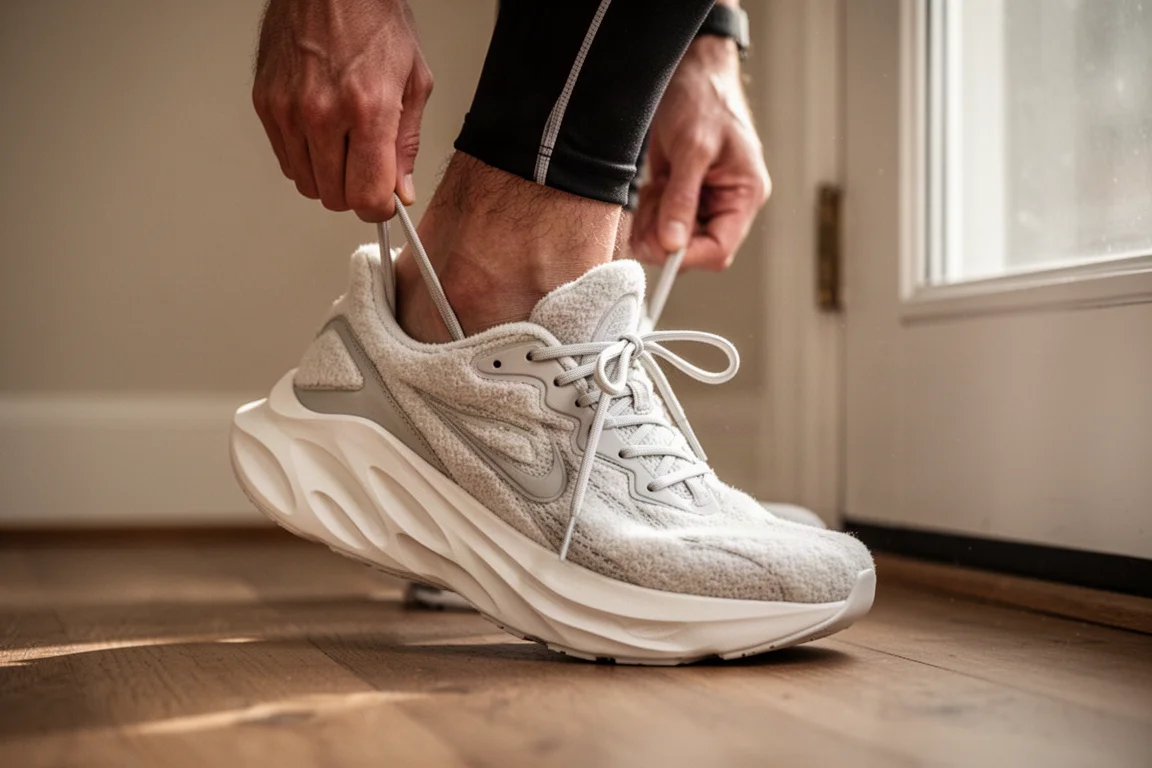
Stack height alone does not tell the whole story. The type of foam and how softly it is tuned matter just as much, which is why some shoes with moderate stacks feel more cushioned than taller ones. Weight, upper padding and ride balance all play a role too. A heavily cushioned race shoe with a carbon plate, for example, has plenty of foam but belongs in a different bracket entirely because its purpose is speed, not comfort.
The Max-Stack Bracket: Hoka Skyward X
The Hoka Skyward X is a max-stack shoe that manages its considerable foam volume surprisingly well. There is a lot going on in the midsole, but the shoe stays genuinely fun to run in rather than feeling like a slab of foam strapped to your foot. It handles the extra weight that comes with a big stack better than most, and it has become a shoe many testers reach for well beyond formal testing.
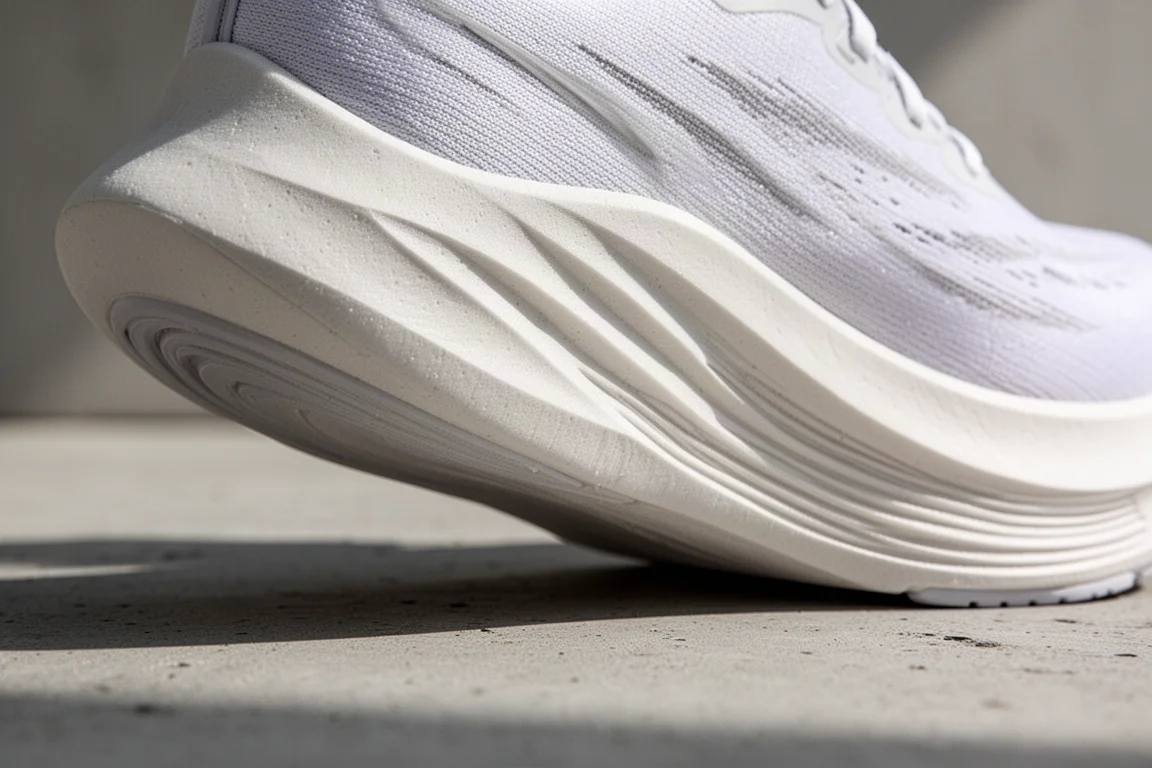
If you want the tallest, softest cushioning experience available and you do not mind a heavier shoe, this is one of the strongest options in the bracket. Runners who prefer more ground feel should look at mid-stack alternatives instead.
The Fun Max-Cushion Bracket: On Cloudmonster Hyper
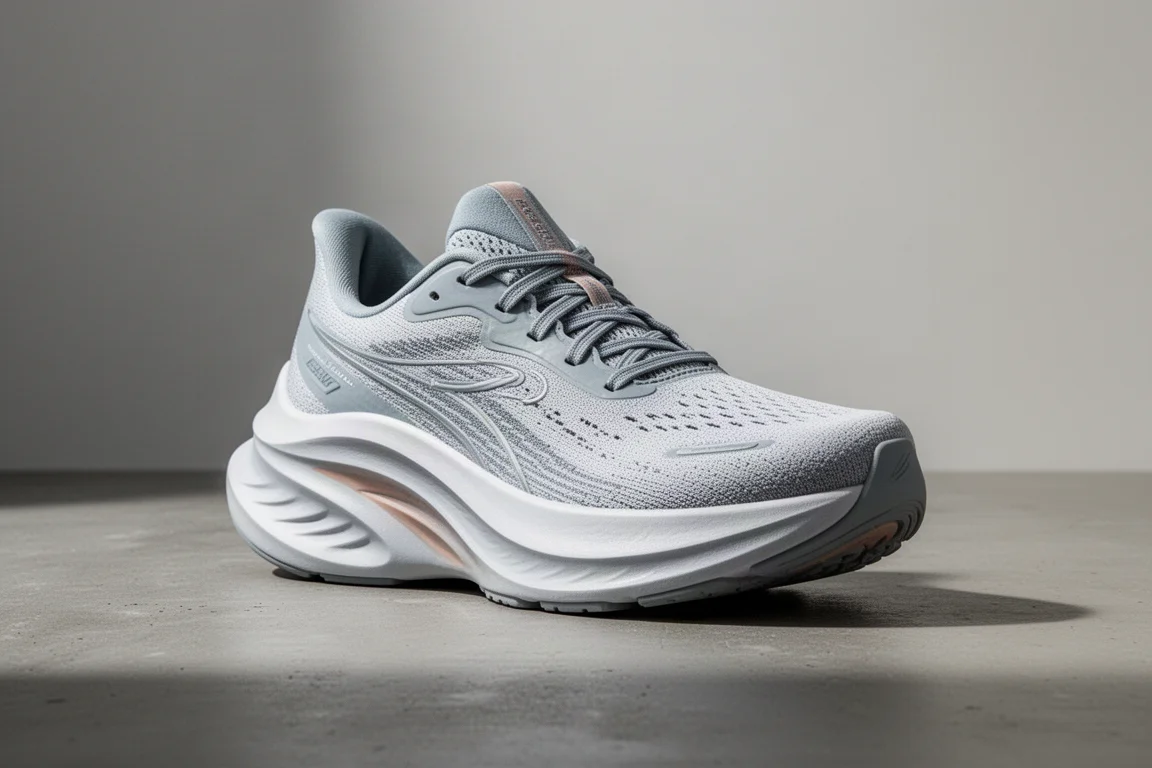
The On Cloudmonster Hyper divides opinion. It has been criticised for lacking the liveliness you might expect from a super trainer, but judged as a cushion shoe it earns its place. It delivered impressive long-haul comfort over very long distances at a steady pace, which is exactly what this bracket is for.
It is a more expensive shoe than most in this category, and that is worth factoring in. If you are a general runner after a classic cushion shoe rather than something with performance ambitions, the price is hard to justify. If you regularly run long and want maximum protection deep into a session, it makes a strong case.
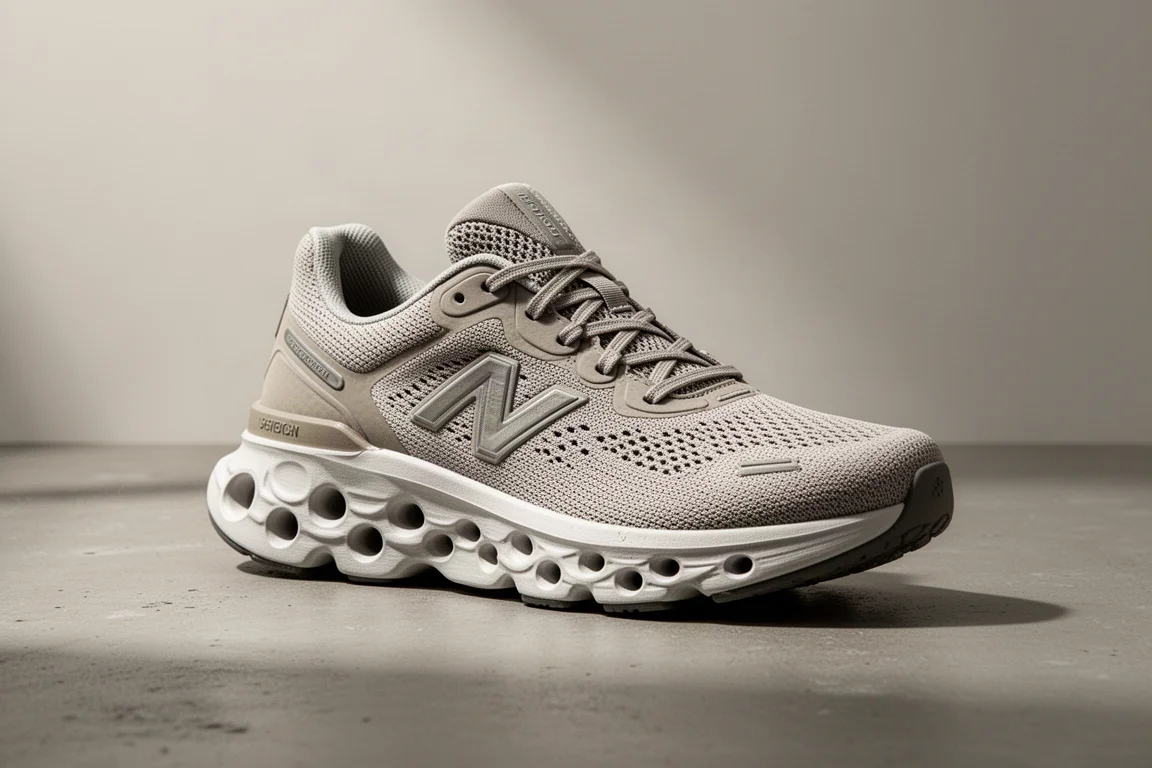
The Easy-Day Bracket: New Balance Fresh Foam More
Some cushion shoes are unapologetic easy-day specialists. The New Balance Fresh Foam More range is the clearest example: comfortable, protective and genuinely enjoyable for slow, relaxed mileage, but not a shoe you would ever reach for when the pace picks up. That is not a criticism. It is designed to make the running you probably do not want to do feel easier, and it does that job very well.
For runners building a rotation around carbon or faster shoes for workouts, a dedicated easy-day shoe like this is a natural complement. The upcoming Fresh Foam More v5 is worth watching before you buy.
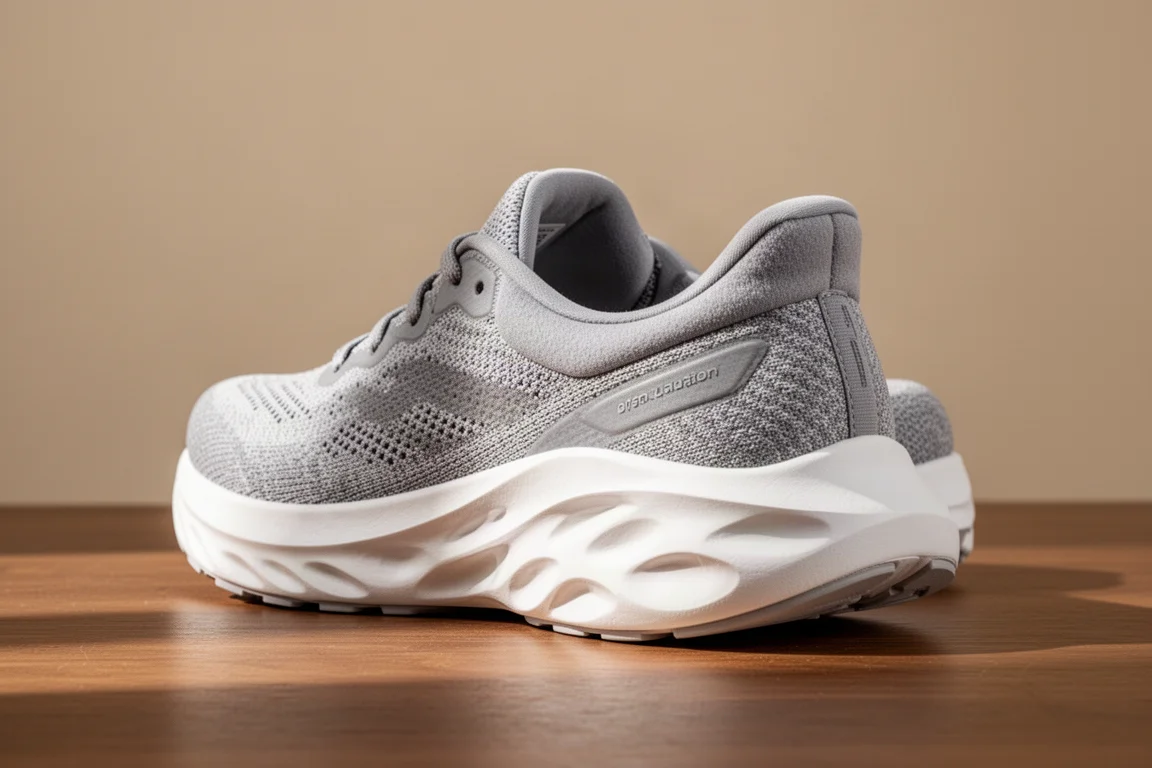
The Stability Cushion Bracket: Saucony Hurricane 24
Stability cushioning has quietly become one of the most interesting parts of this category. Modern stability shoes no longer rely on a single heavy medial post that makes the shoe feel obviously corrective. Instead, support comes from wider bases, sidewalls and subtler geometry, which means many of these shoes now sit alongside the best neutral cushion shoes in comfort.
The Saucony Hurricane 24 is the standout example. Run it and you would not guess it carries stability features at all until you actually pronate, at which point you can feel the support engage. That makes it accessible to neutral runners who want a touch of guidance and to overpronators who no longer want a clunky shoe.
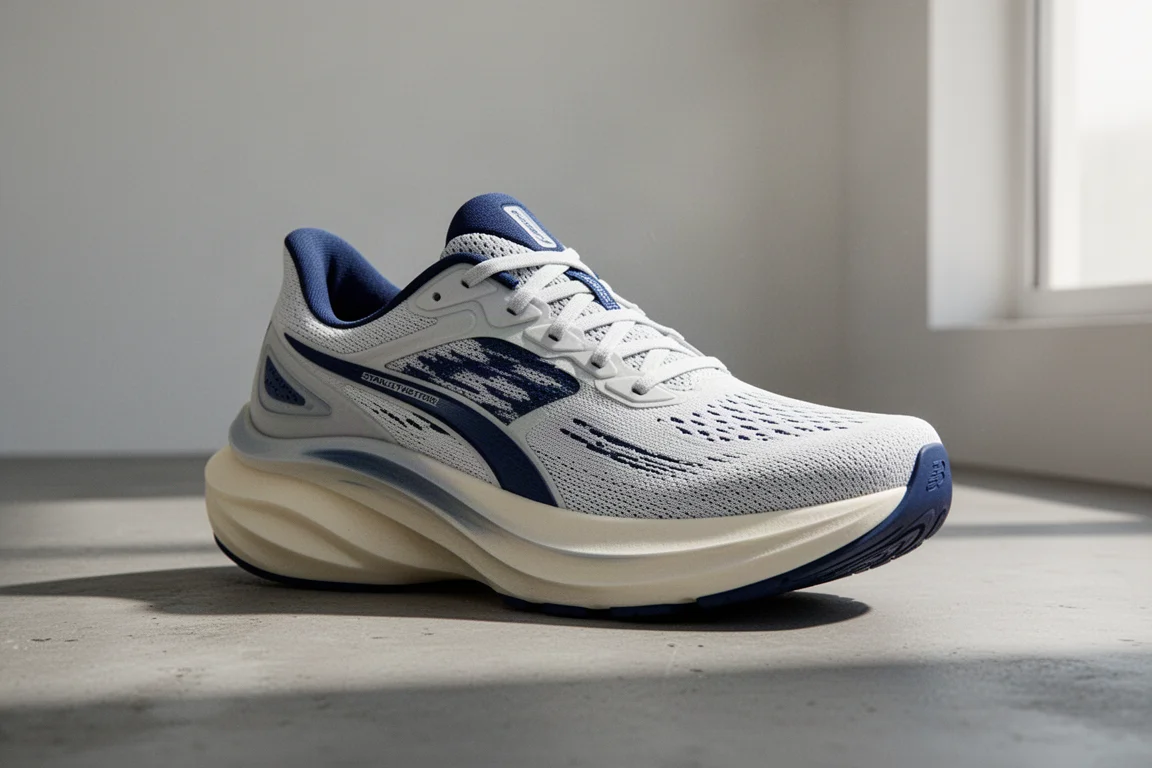
The Versatile Daily Bracket: Adidas Supernova Prima
Not every cushion runner wants a shoe that only does one pace. The versatile daily bracket covers shoes with plenty of stack that can still pick up the pace when you want to. The Adidas Supernova Prima fits this brief nicely: a well-tuned rocker, a fairly stiff outsole that rolls you through the gait cycle, and a midsole foam that responds in a timely way rather than feeling sludgy.

Comfort is generous enough for slow miles, yet the shoe clips along happily when you push toward a quicker effort. If you want one cushion shoe that covers the widest range of paces in your week, this bracket is where to shop.
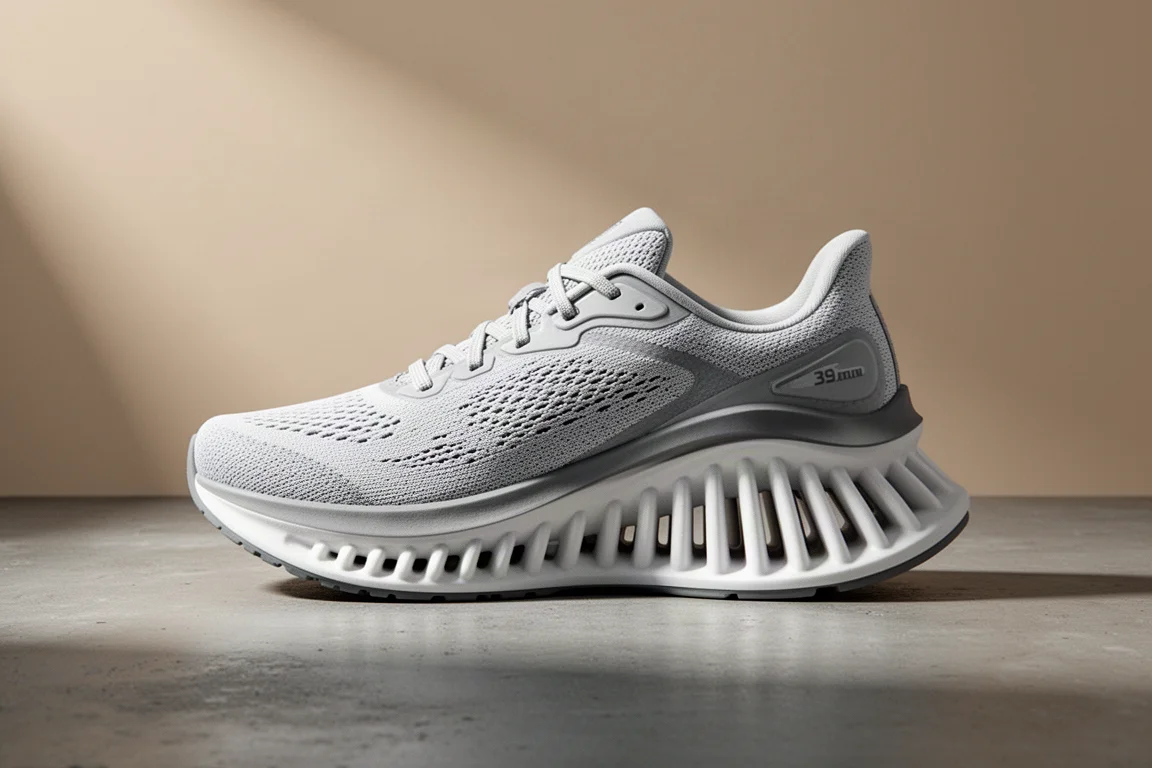
The Balanced Mid-Stack Bracket: Saucony Ride 17
For many runners, the sweet spot is not the tallest stack but the best balance of cushioning, weight and responsiveness. The Saucony Ride 17 sits at the bottom end of the modern cushion category, with a stack that would once have counted as max cushion but now reads as generous mid-stack. It still carries a lot of protection and works well for everyday miles and longer efforts at a controlled pace.
Runners who like to still feel some of the road underfoot, rather than sinking into pillow-soft foam, tend to gravitate to this kind of shoe. The same logic applies to shoes like the Saucony Triumph, which offers a similar versatile, comfortable daily character.
The Speed-Ready Cushion Bracket: ASICS Superblast
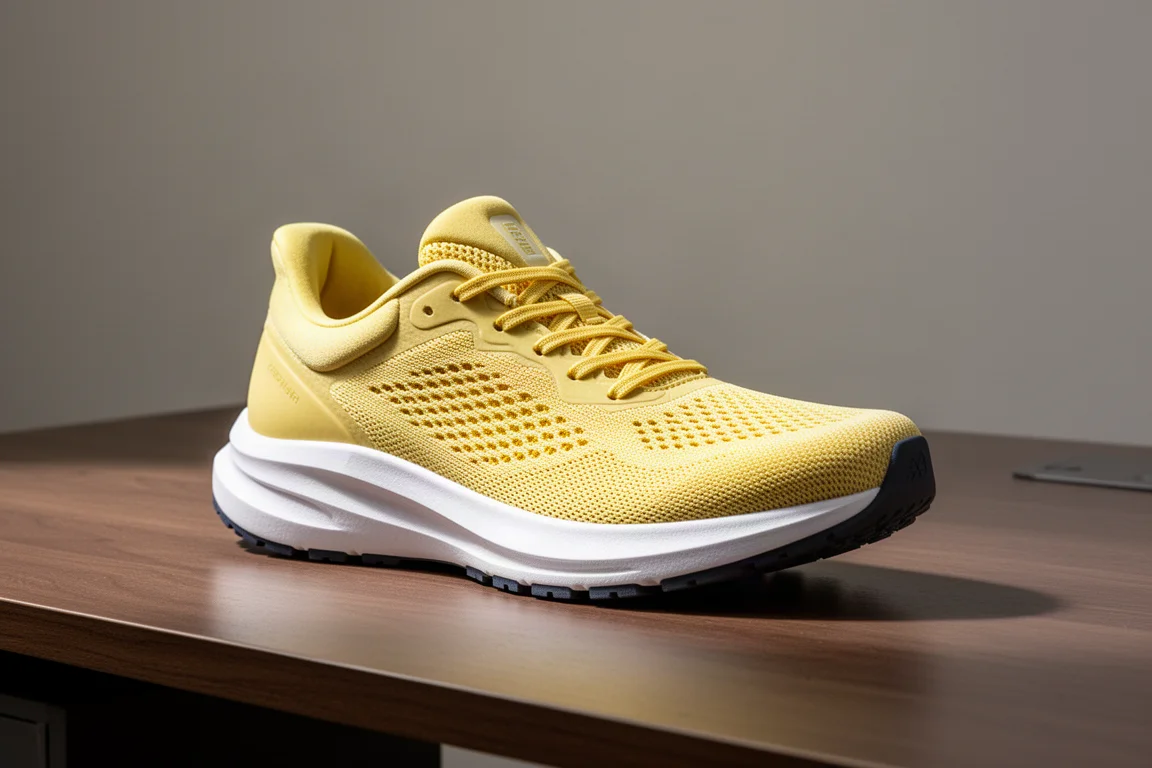
There is a growing subset of cushion shoes that blur the line toward performance: tall, protective, but with enough bounce and energy return to handle faster running. The ASICS Superblast is the most obvious name here, and the Puma Mag Max is an emerging rival in the same mould, pitched as a recovery shoe but with a livelier feel than that label suggests.
These shoes suit runners who want the durability and protection of a cushion shoe but occasionally want to run a workout or a fast long-run finish in the same pair. If your running is strictly easy-paced, you are paying for capability you may never use.
The Classic Plush Daily Bracket: Brooks Ghost Max 2
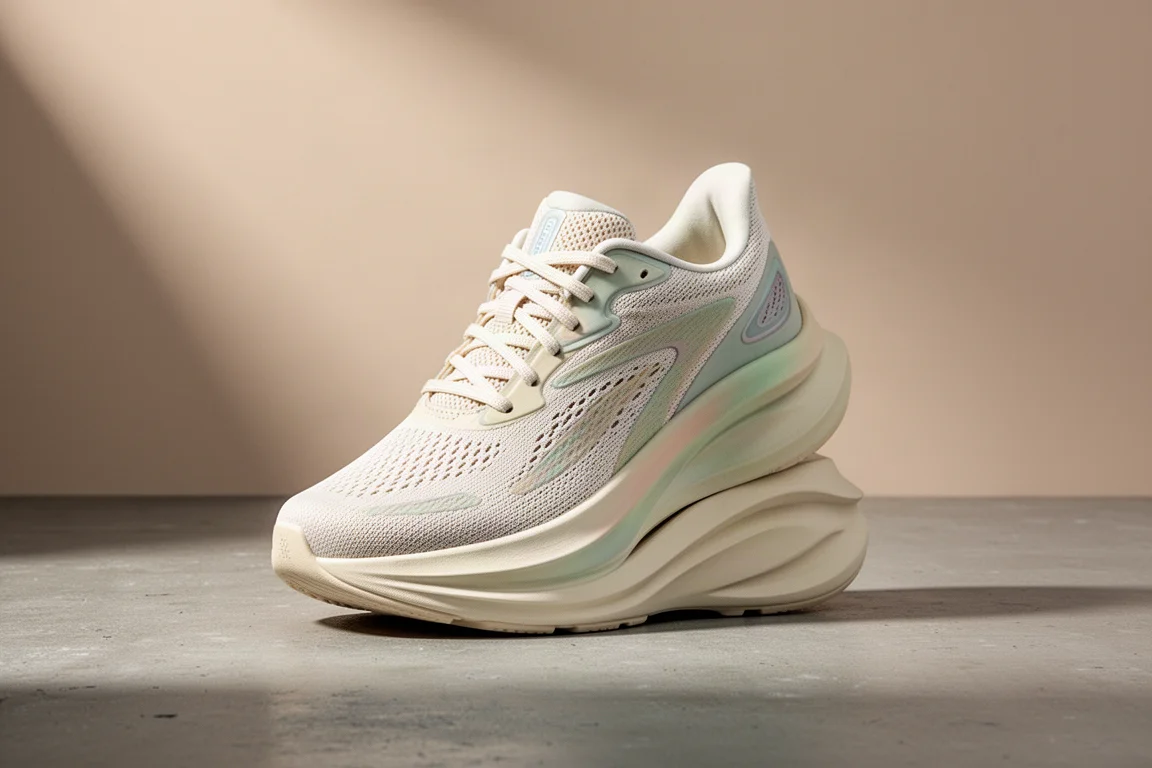
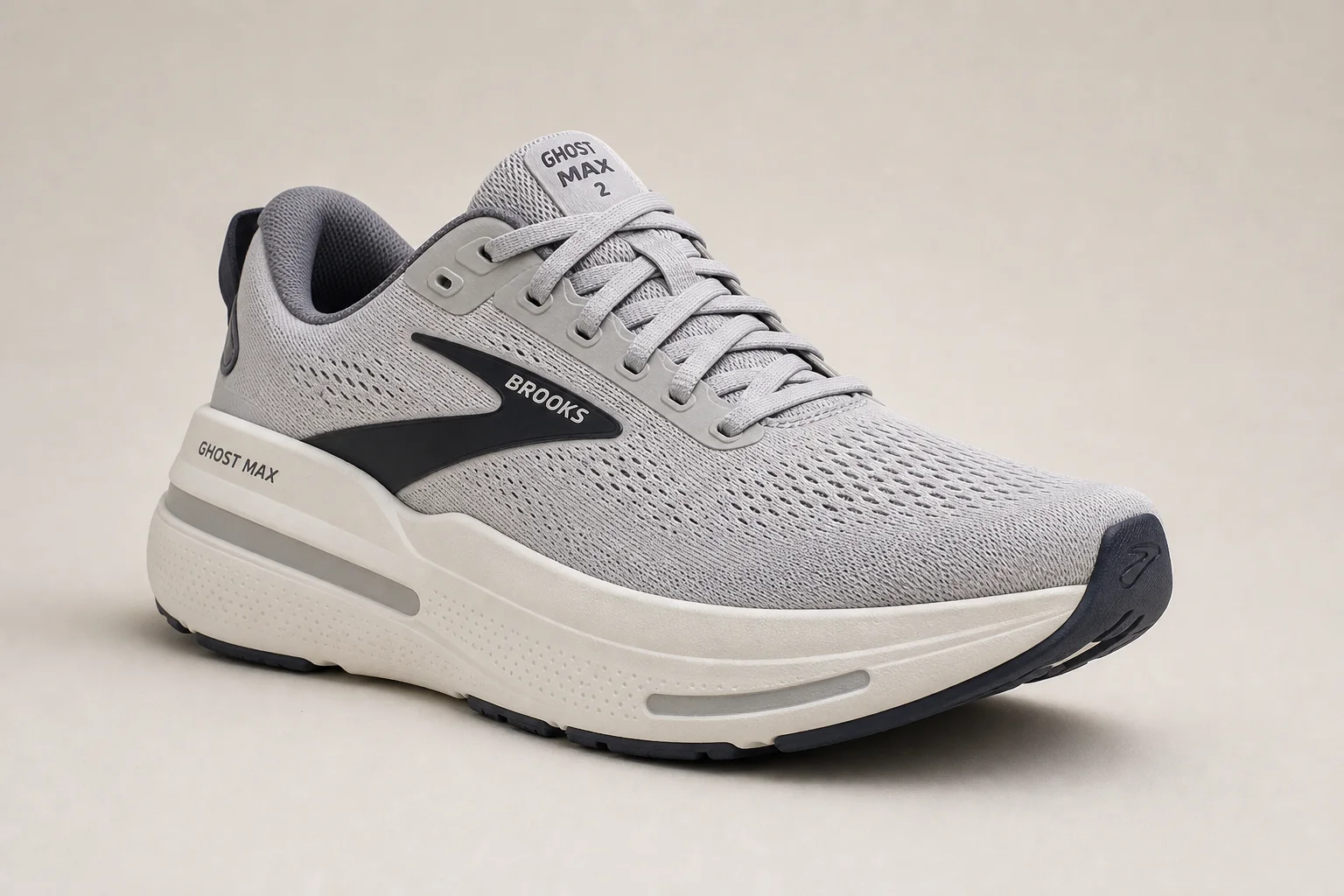
The original Brooks Ghost Max earned plenty of goodwill for combining tall cushioning with a smooth rocker that makes cruising through easy miles effortless, and the Ghost Max 2 continues that formula. It is still being tested, but early impressions suggest it keeps the comfortable, roll-through ride that made the first version popular.
Rocker geometry deserves more attention than it gets in this category. It does not need to be aggressive, but a shoe that helps you roll through your stride makes a world of difference on easy days, and Brooks has been consistent about building that into this line. Fit options and a nicely padded upper round out a very complete cushion daily trainer.
Which Cushion Shoe Should You Buy?
Start with how the shoe will be used rather than the stack height. If you want one shoe for everything at an easy pace, the versatile daily and classic plush daily brackets are the safest bets. If you are building a rotation and want a dedicated recovery shoe, the easy-day bracket delivers maximum comfort for minimum effort.
Stability cushioning is now worth considering even for neutral runners, since modern designs are subtle enough that you may not notice the support until you need it. And if you like to mix in faster running, the speed-ready bracket gives you cushioning without completely giving up the ability to push.
Conclusion
The cushion shoe category is broader and better than it has ever been, but that also means the right choice depends more on your running style than on any single best pick. Match the bracket to the miles you actually run: max stack for pure comfort, mid-stack for balance, stability if you want a gentle guide, and a livelier cushion shoe if your easy days sometimes turn quick. Any of the shoes above will serve their purpose well when that match is right.
Further reading
Related Reviews

Running Shoes
Best Road-to-Trail Running Shoes: Three Versatile Options for Mixed Terrain
A practical guide to three road-to-trail running shoes that handle both pavement and mild trails, with clear strengths and trade-offs for different runner types.

Running Shoes
Best Running Shoes for Achilles Tendonitis: Three Options Explained
Three running shoes with different heel drops and support features designed to help reduce Achilles tendon pain during walking and running.

Running Shoes
Best Running Shoes for Women: Five Top Choices Ranked
A ranked guide to five women's running shoes, from versatile daily trainers to high-performance racing options, with real strengths and trade-offs for each.