Kitchen Appliances
Best Countertop Microwaves: Two Tested Picks Worth Your Counter Space
Two countertop microwaves that delivered reliable, even cooking in hands-on testing, plus what actually matters when you shop.
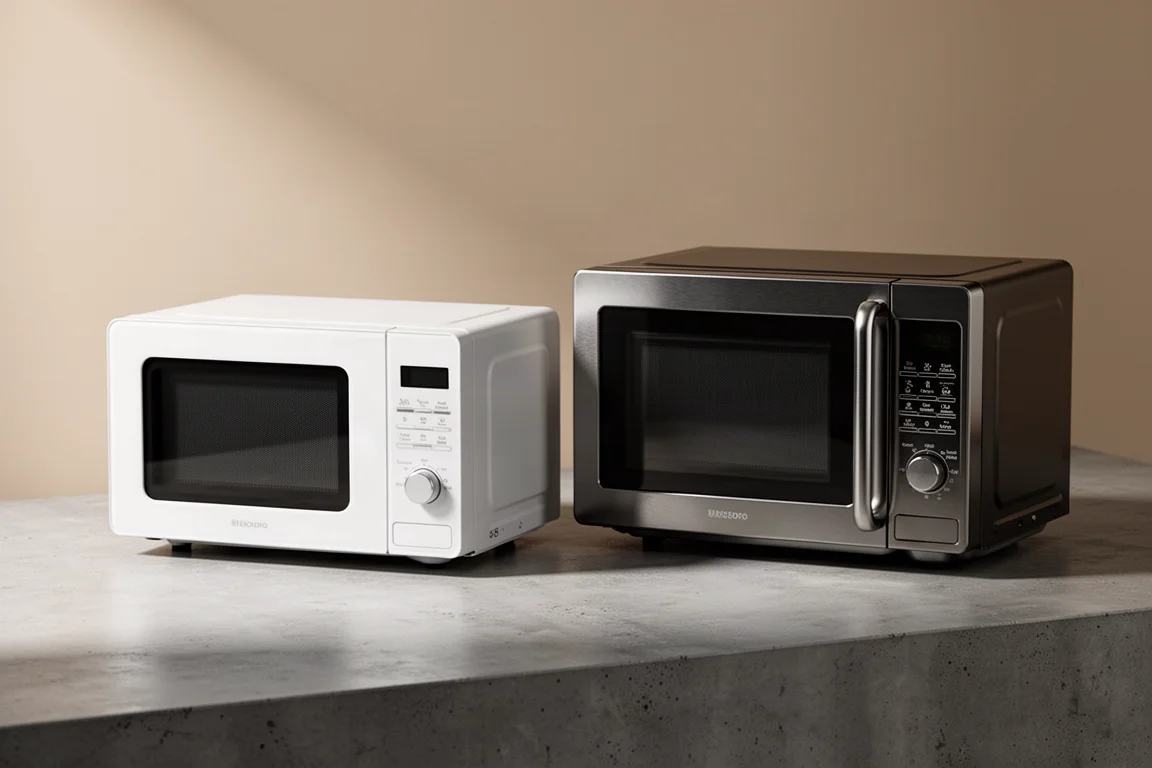
Introduction
If you only use your microwave to reheat coffee or zap leftovers, you are missing out on what this appliance can actually do. Microwaves have a solid place in the modern kitchen, and they are increasingly used for far more than reheating: frying shallots, drawing excess moisture out of wet vegetables like raw mushrooms or eggplant, parcooking potatoes or squash before grilling, even making corn on the cob. That shift in thinking changes what you should expect from a countertop model.
While built-in installations exist, freestanding countertop microwaves remain the top sellers. Prices can climb past a thousand dollars, but affordable models were the focus here, with units tested between roughly $77 and nearly $250. This guide breaks down what the testing revealed, which features are worth paying for, and which ones you can safely ignore.
What We Tested and How
Every model went through the same series of real-world tasks. Testers melted butter and watched for explosions, since butter loves to blow up in the microwave. They melted chocolate looking for a smooth, creamy texture, toasted coconut, fried shallots, and defrosted equal-sized one-pound blocks of frozen hamburger. Steamed broccoli and frozen mac and cheese dinners rounded out the lineup, and any genuinely new features in the latest models were put under scrutiny.
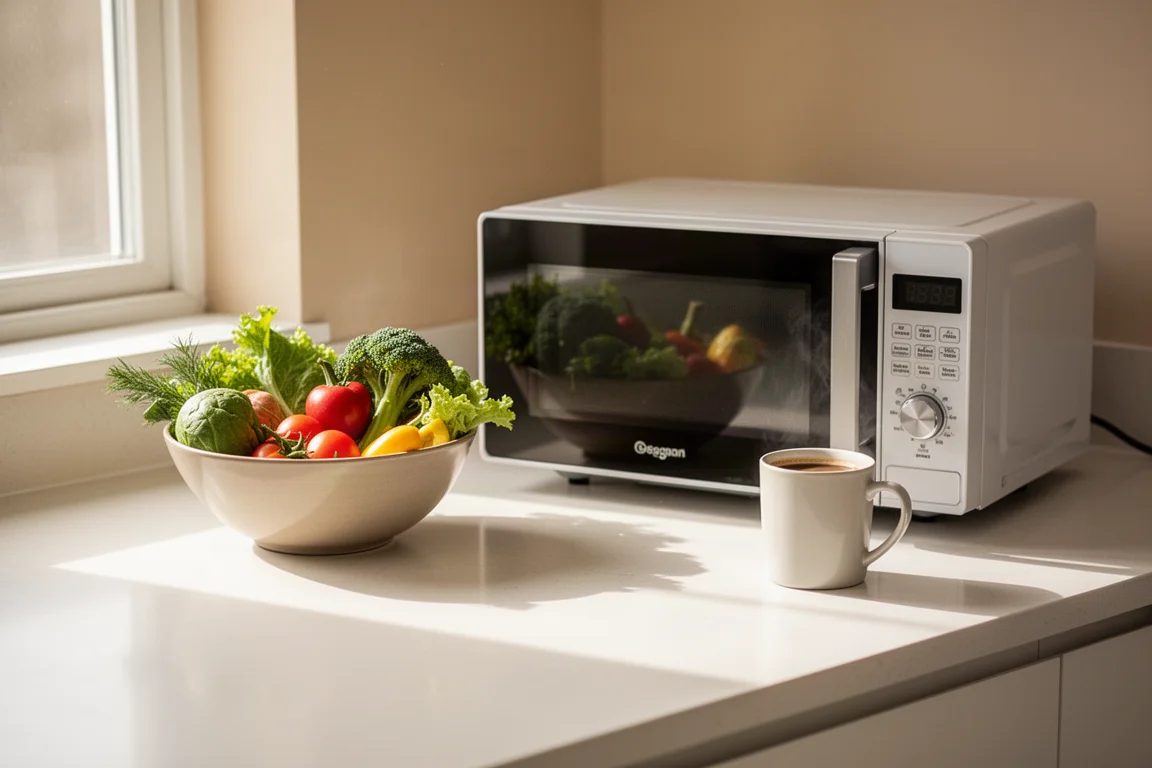
The goal was simple: find the best performers that are also easy to use and maintain. Understanding how microwaves work helps explain the results. These ovens are powered by a vacuum tube called a magnetron, which uses electric current and magnets to generate electromagnetic waves. Those waves make the water molecules in food, and to a lesser extent the fat molecules, vibrate, producing heat that cooks the food. But microwaves only penetrate the outer layer of whatever you are cooking; the rest warms by conduction as heat spreads inward. That is why food heats unevenly, and why the turntable exists to move food around in the waves.
What to Look For in a Countertop Microwave
Moderate wattage. You might assume higher wattage is always better, but testing showed otherwise. Across a range of 700 to 1,200 watts, the high-wattage ovens only delivered good results when nearly always run on lower power settings like 50 percent, otherwise food came out overcooked and shriveled, complete with exploding butter. Low-wattage ovens were slower and needed constant time adjustments. The best ovens had moderate power levels of 900 to 1,000 watts, working efficiently with fewer adjustments and just-right results.
Simple, intuitive controls. Volunteer testers walked up and performed simple tasks, and some models were genuinely frustrating. Look for clearly marked, easy-to-decipher controls, and remember that less is more. Extra buttons labeled things like kids meal, healthy cooking, or snack add confusion rather than convenience.
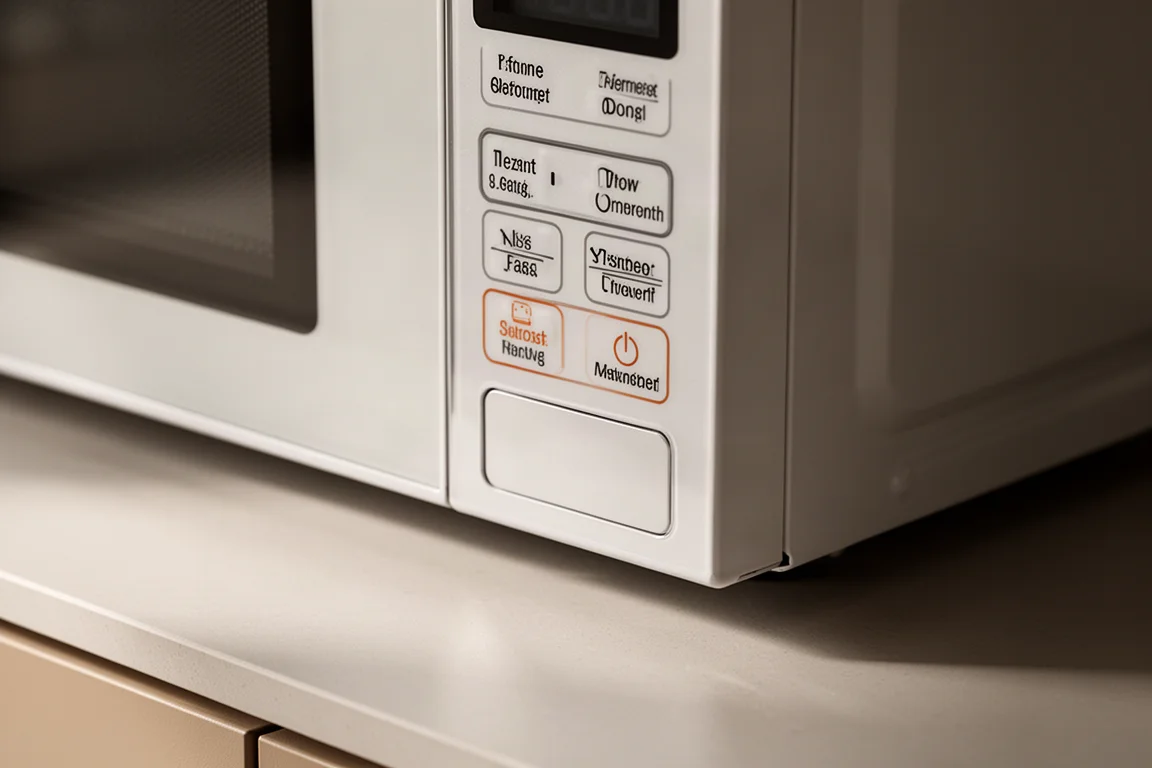
A medium size. Unless you routinely microwave or defrost very large amounts of food, about 0.9 to 1 cubic foot of interior space was perfectly adequate. Bigger models hog counter space without offering much more usable interior. The smallest oven tested, at 0.7 cubic feet, would be fine for small households.
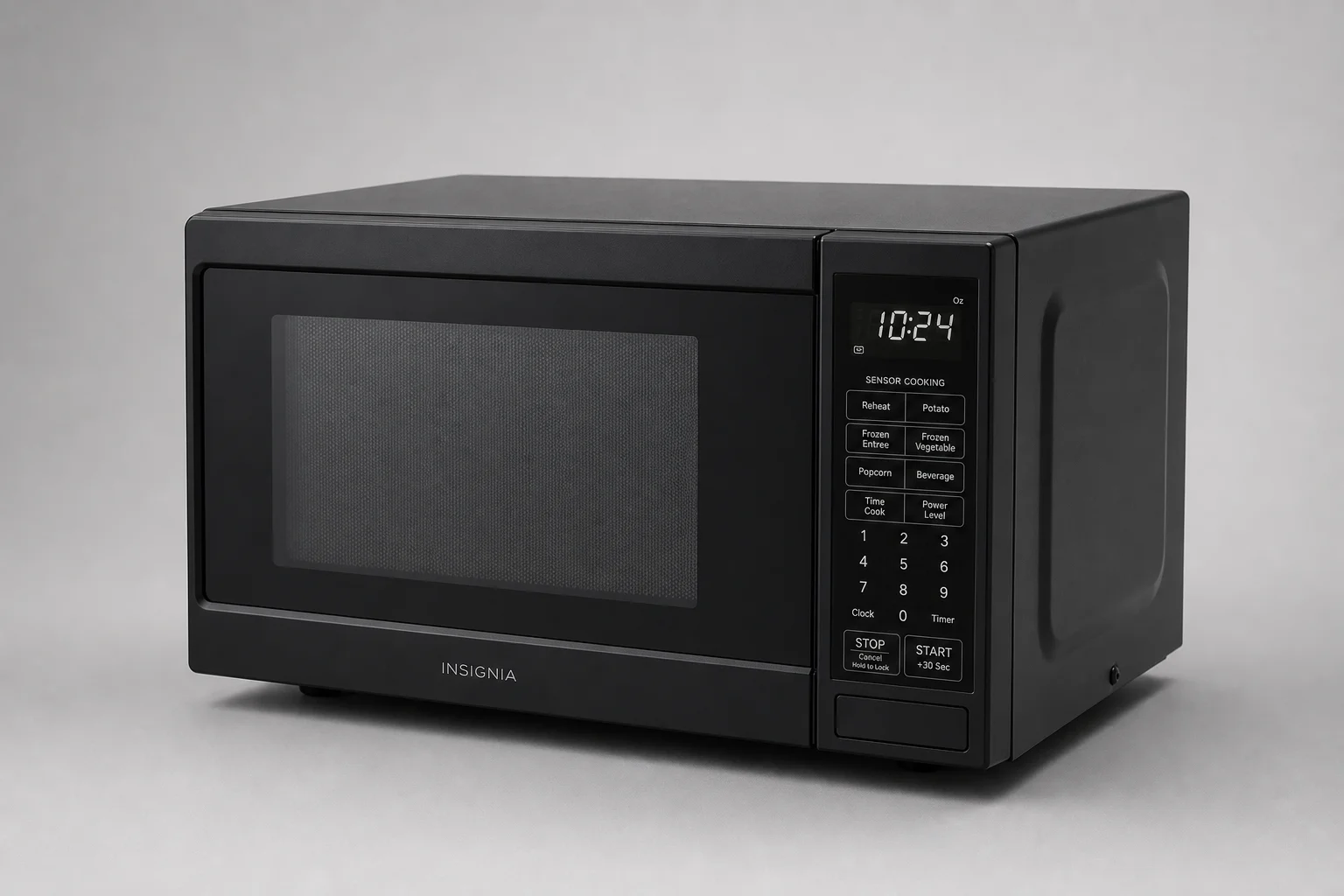
A fingerprint-free finish. The worst offenders had shiny black glassy finishes with stainless steel trim and showed every single touch. Matte or white finishes looked fresh even after heavy use.
A few features are nice to have without being essential. Sensor cooking was one of the few new features that actually paid off: sensor modes measure steam coming off the food and adjust cooking power and time automatically, making cooking a bit more hands-off. In blind taste tests of baked potatoes cooked with and without sensor mode, the sensor-cooked potatoes came out consistently better and faster.
Practical design details also mattered. Actual door handles were much easier and nicer to use than flat panel buttons you have to hard-poke to open. Displays that show “End” when cooking finishes save you from icky discoveries like yesterday’s reheated coffee. And the option to silence the usual beeping is genuinely useful if you get up early and do not want to wake the whole house.
What to Skip
Not every advertised feature earned its place. Scan-to-cook technology, which uses an app to scan the barcode on frozen foods and send cooking instructions to the oven, did not save much time and failed to recognize three out of five common supermarket entrees. Inverter technology, where power stays on continuously instead of cycling, made little difference to cooking results and may even have contributed to scorching in certain tests. Voice control via Alexa or Google Assistant was underwhelming unless you specifically need it for accessibility.
Two Picks That Earned Their Spot
The overall favorite: Breville Compact Wave Soft Close. This model delivered excellent cooking results with super simple controls, plus user-friendly design details like the soft close door and front height that lets you open it without knocking everything off the counter in front of it.
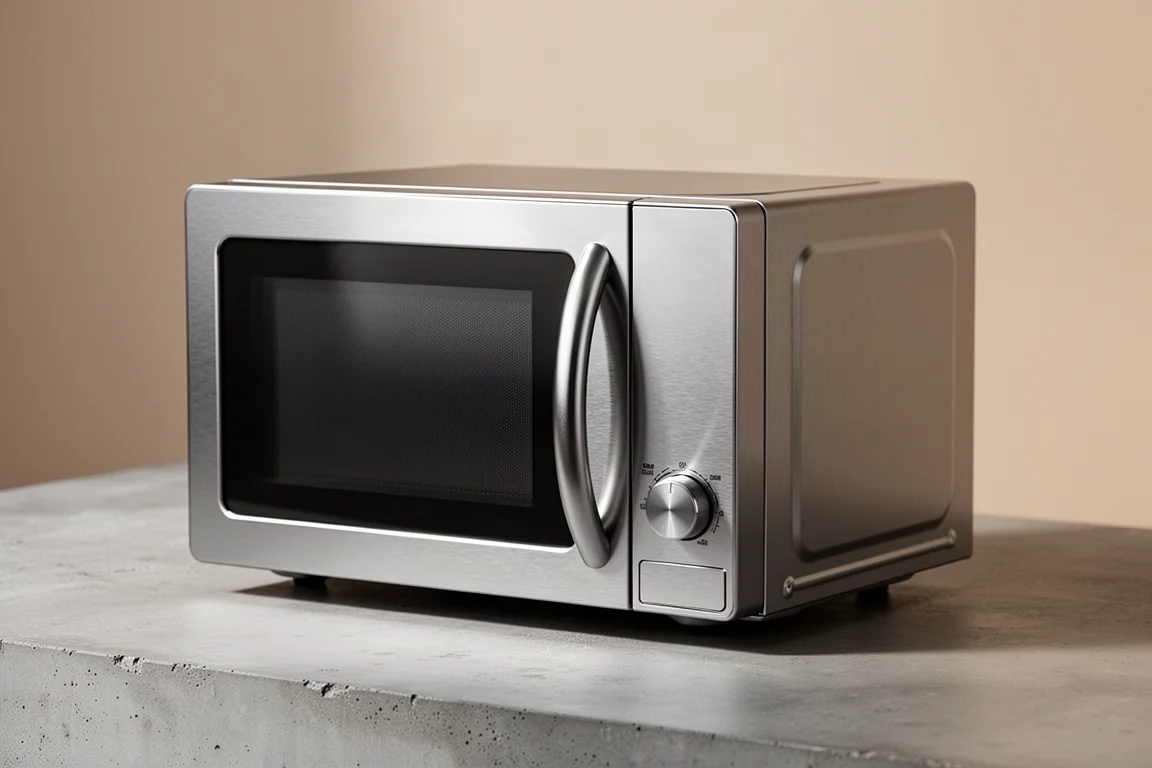
For a model with a few extra features, the Sharp 1000 Watt Microwave is a strong alternative. It was almost as easy to use and includes sensor cooking, the one new feature that consistently proved its worth.
Which One Should You Buy
If you want the most straightforward, reliably even performer, the Breville Compact Wave Soft Close is the easier recommendation. Its combination of cooking quality and thoughtful design details, like the soft close door, makes it feel considered rather than cluttered with gimmicks.
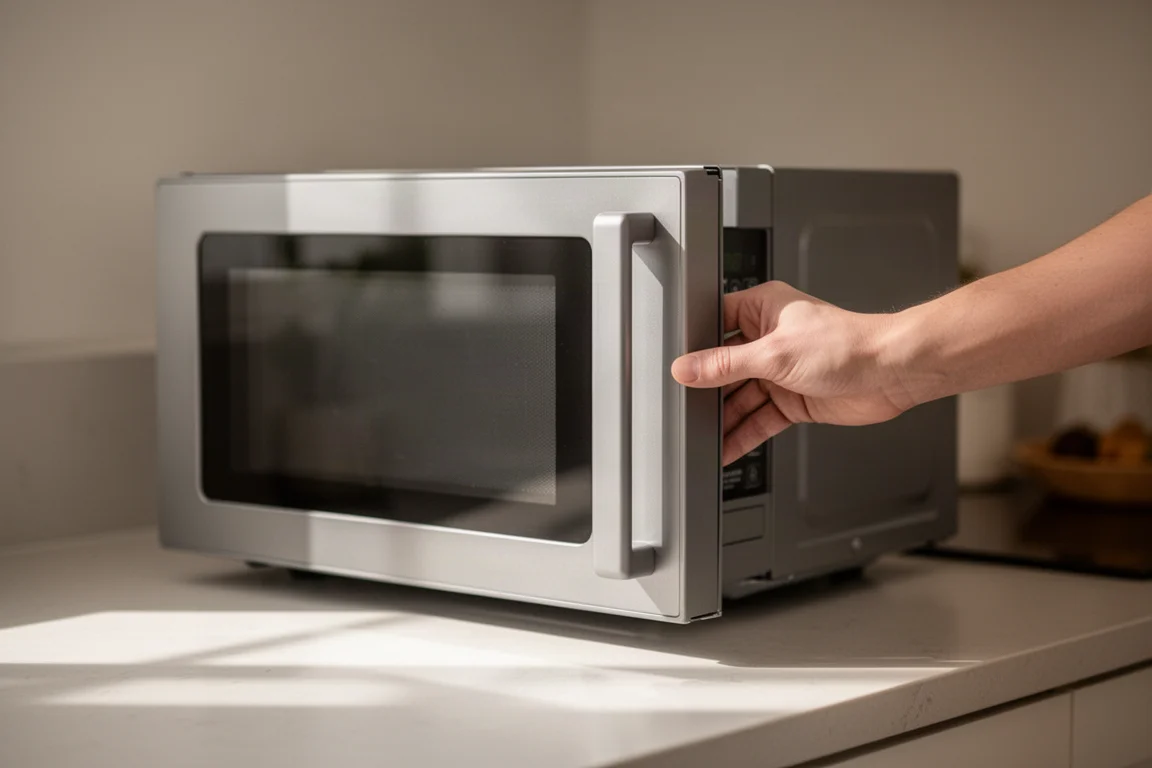
If you want sensor cooking and a bit more feature depth without giving up ease of use, the Sharp 1000 Watt Microwave fits that brief nicely. Both picks prove that a well-chosen affordable countertop microwave can outperform flashier models loaded with features that sound useful but rarely are.
Conclusion
A good countertop microwave does not need to be expensive or packed with tech. Moderate wattage in the 900 to 1,000 watt range, simple controls, a sensible size, and a fingerprint-friendly finish matter far more than scan-to-cook apps or voice assistants. The Breville Compact Wave Soft Close and the Sharp 1000 Watt Microwave both check the boxes that genuinely affect daily use, which makes either a confident choice for most kitchens.
Further reading
Related Reviews
Kitchen Appliances
Arboleaf Smart Kitchen Scale Review: Connected Cooking Made Simple
A Bluetooth-enabled kitchen scale that syncs with a nutrition-tracking app, offering real-time weight monitoring and recipe guidance for home cooks.
Kitchen Appliances
Best Air Fryer Toaster Ovens Under 100: Five Practical Options for Budget-Conscious Kitchens
Five air fryer and toaster oven combinations that deliver real cooking performance without breaking the bank, each with distinct strengths for different kitchen needs.
Kitchen Appliances
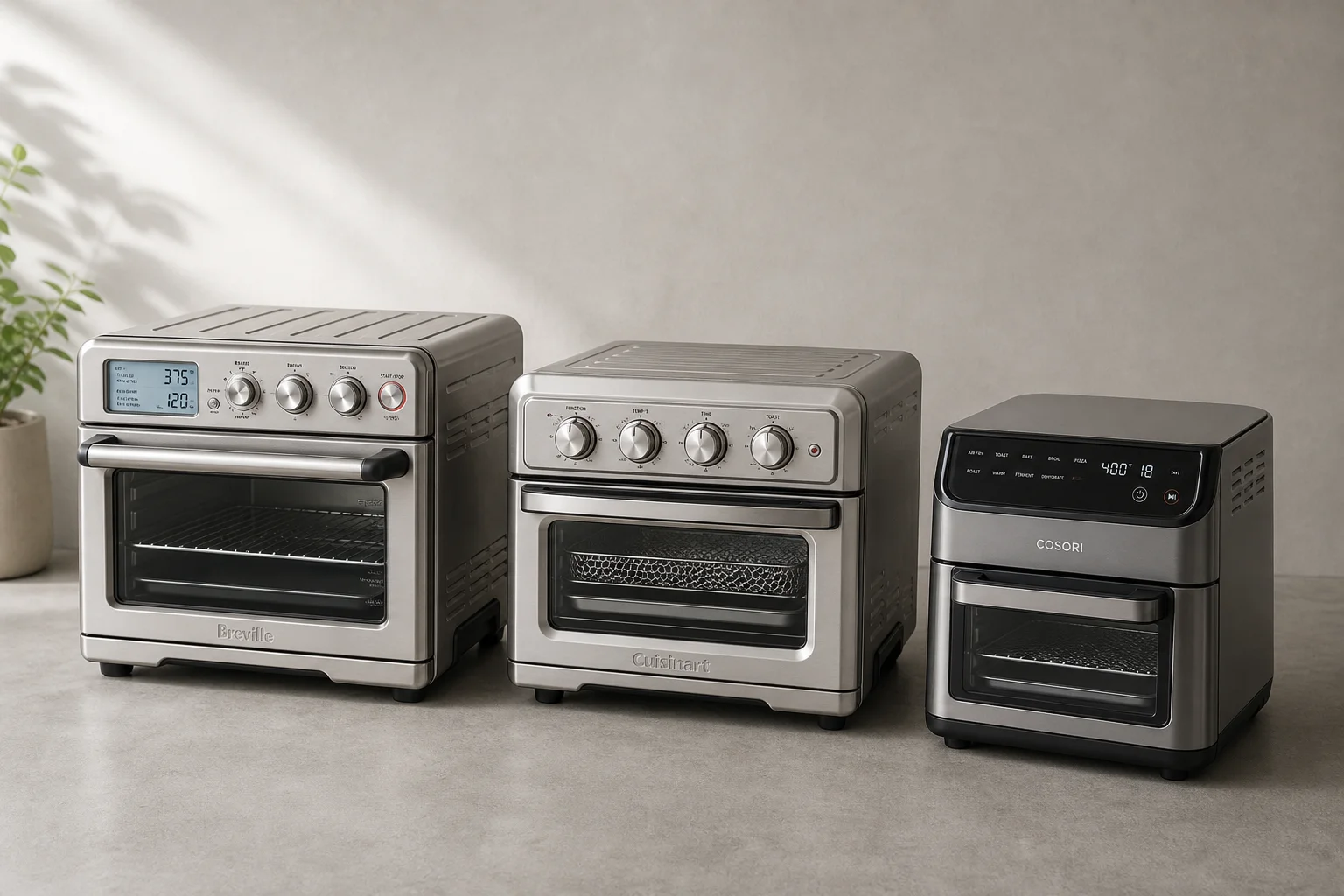
Best Air Fryer Toaster Ovens: Three Top Picks for Multi-Function Cooking
Three high-performing air fryer toaster ovens tested for versatility, ease of use, and real-world cooking results. Find the right fit for your kitchen.