Kitchen Appliances
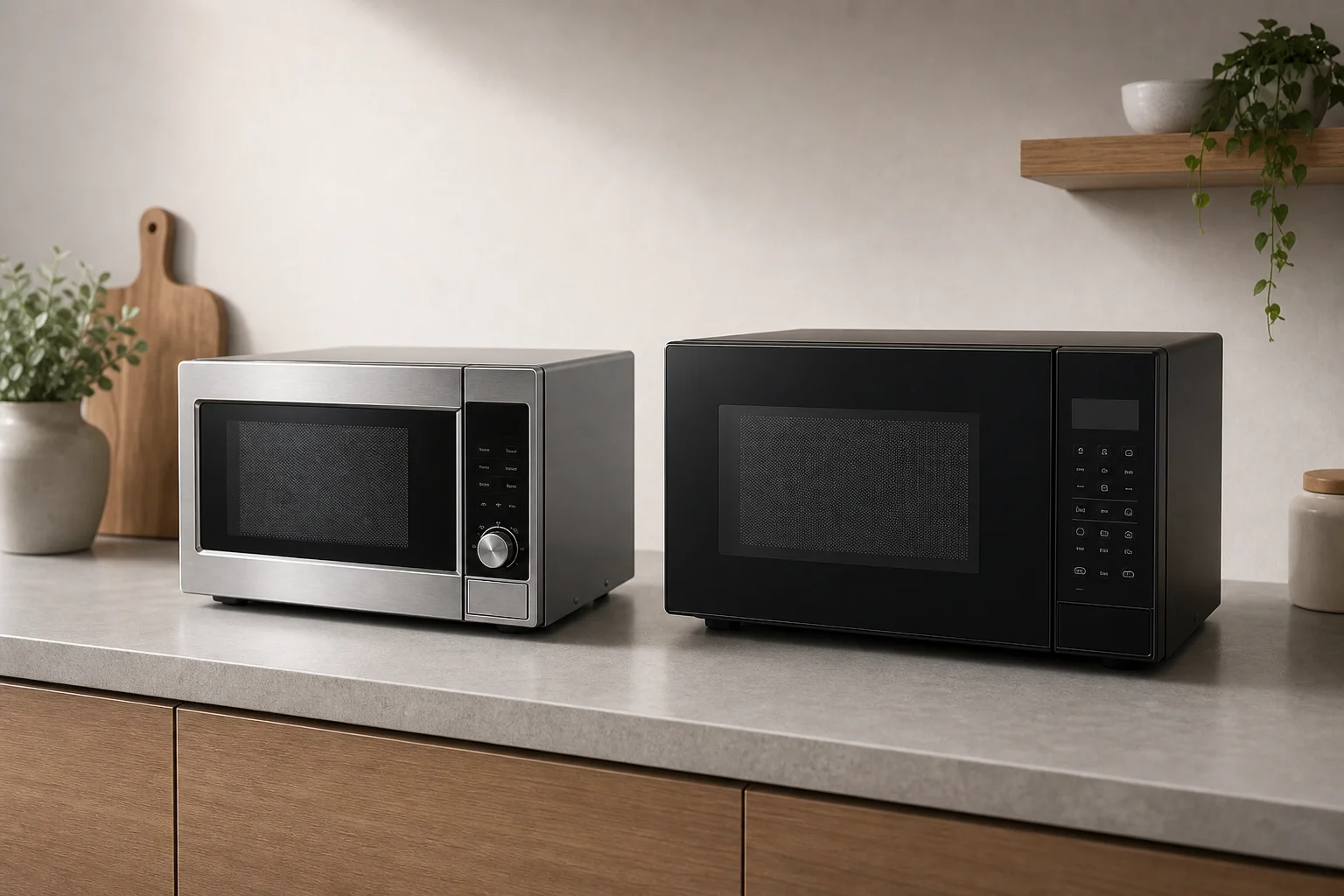
Best Countertop Microwaves 2026: Two Reliable Models for Everyday Cooking
Two countertop microwaves that deliver consistent cooking results, intuitive controls, and practical design features without unnecessary complexity.
Introduction
Countertop microwaves have evolved beyond simple reheating. Modern kitchens use them for frying shallots, removing moisture from vegetables, parcooking potatoes before grilling, and preparing corn on the cob. Finding a microwave that handles these tasks reliably while remaining easy to use matters more than chasing the latest features.
How Microwaves Work
Microwave ovens use a vacuum tube called a magnetron to generate electromagnetic waves that make water and fat molecules vibrate, producing heat. However, microwaves only penetrate the outer layer of food; the rest warms through conduction as heat spreads inward. The turntable rotates to help even out heating, though uneven cooking remains a limitation of this 1940s-era technology still used today because it remains cheap and easy to manufacture.
Modern microwaves now include features like inverter technology, which keeps power on continuously at lower settings for more precise cooking, and sensor mode, which measures steam and adjusts cooking power automatically. Some models offer voice control or barcode scanning for frozen foods, though not all of these additions prove worthwhile.
What We Tested
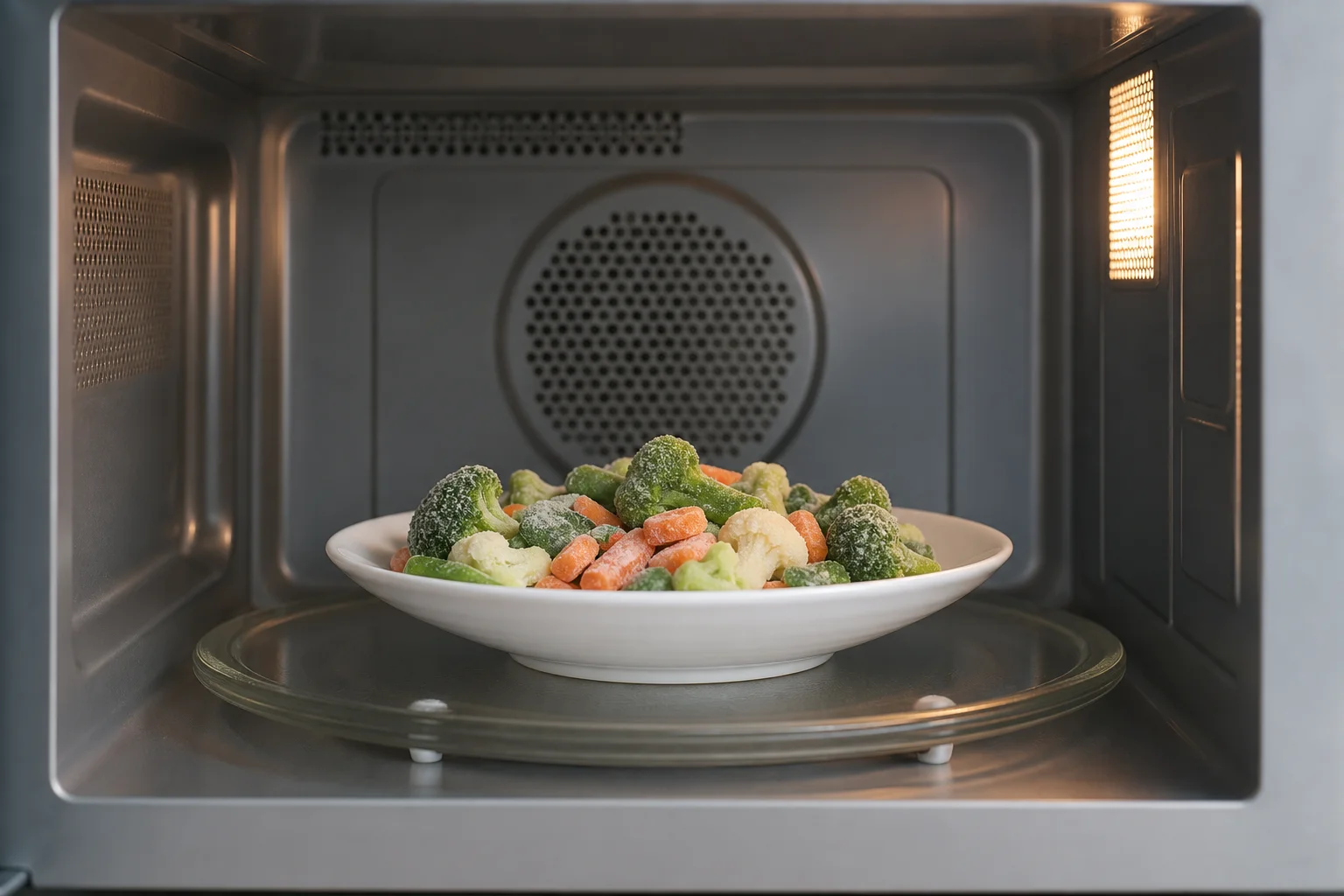
We evaluated countertop models priced from about $77 to nearly $250, putting them through a consistent testing protocol. We melted butter and watched for explosions, melted chocolate for texture quality, toasted coconut, fried shallots, defrosted single-pound blocks of frozen hamburger, steamed broccoli, and heated frozen mac and cheese dinners. We also examined new features to determine whether they justified their inclusion.
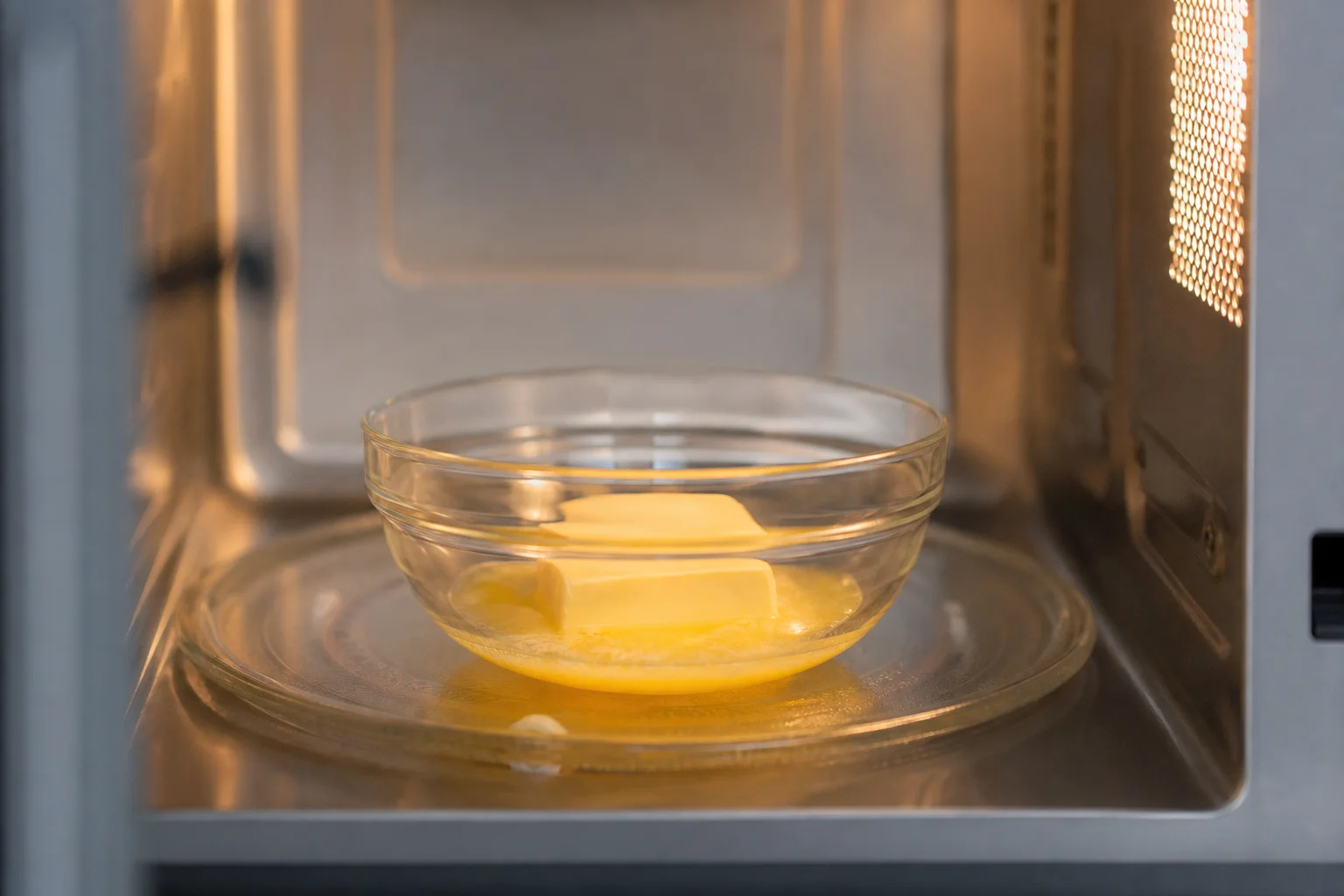
Our goal was to identify the best performers that would also be easy to use and maintain, focusing on models that delivered reliable results without unnecessary complexity.
Key Features That Matter
Moderate wattage proves more important than maximum power. Microwaves in our lineup ranged from 700 to 1,200 watts. High-wattage ovens only delivered good results when run at lower power settings like 50%; otherwise, food became overcooked and shriveled. Low-wattage models were slower and required constant time adjustments. The best performers operated at 900 to 1,000 watts, working efficiently with fewer adjustments and consistently good results.
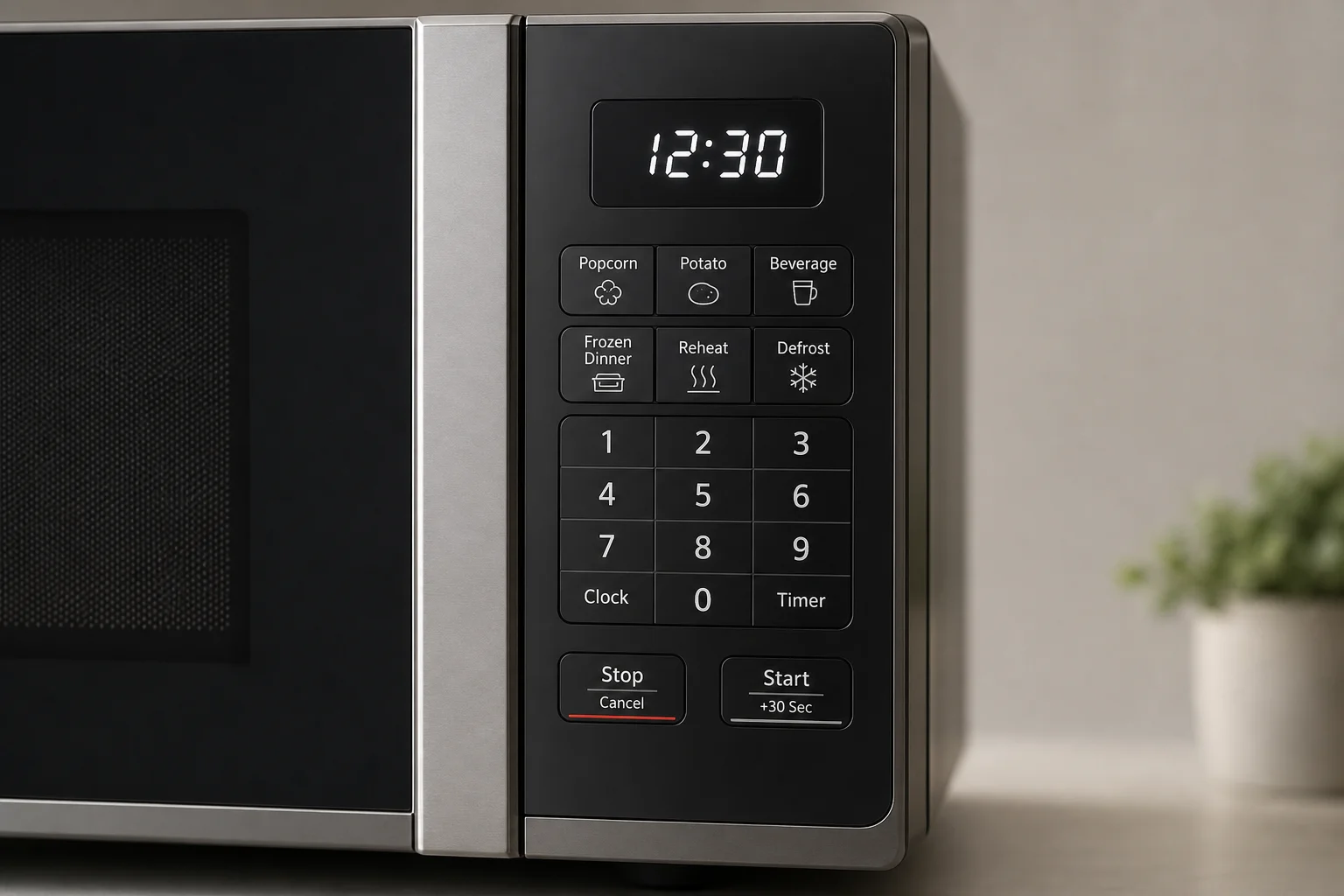
Simple, intuitive controls matter significantly. Volunteer testers found some models frustrating to operate. Look for clearly marked, easy-to-read controls with fewer buttons. Buttons labeled “kids meal,” “healthy cooking,” or “snack” add confusion without clear benefit. A medium-sized microwave with 0.9 to 1.0 cubic feet of interior space works well for most households. Larger models consume counter space without offering proportionally more usable interior volume. Smaller models with 0.7 cubic feet suit small households perfectly.
Finish quality affects daily usability. Shiny black glassy finishes and stainless steel trim show every fingerprint and smudge. Matte or white finishes maintain a fresh appearance even after heavy use.
What to Avoid
Scan-to-cook technology, which uses barcode scanning to send cooking instructions to the oven, sounds convenient but delivers limited practical benefit. Testing showed it failed to recognize three out of five common supermarket frozen entrees, making it unreliable for everyday use.
Inverter technology, despite manufacturer claims of more precise cooking, did not produce noticeably better results in testing and may have even contributed to scorching in certain tests.
Voice control through Alexa or Google Assistant proved underwhelming unless accessibility is a primary concern. The feature adds cost without meaningful convenience for most users.
Our Top Recommendations
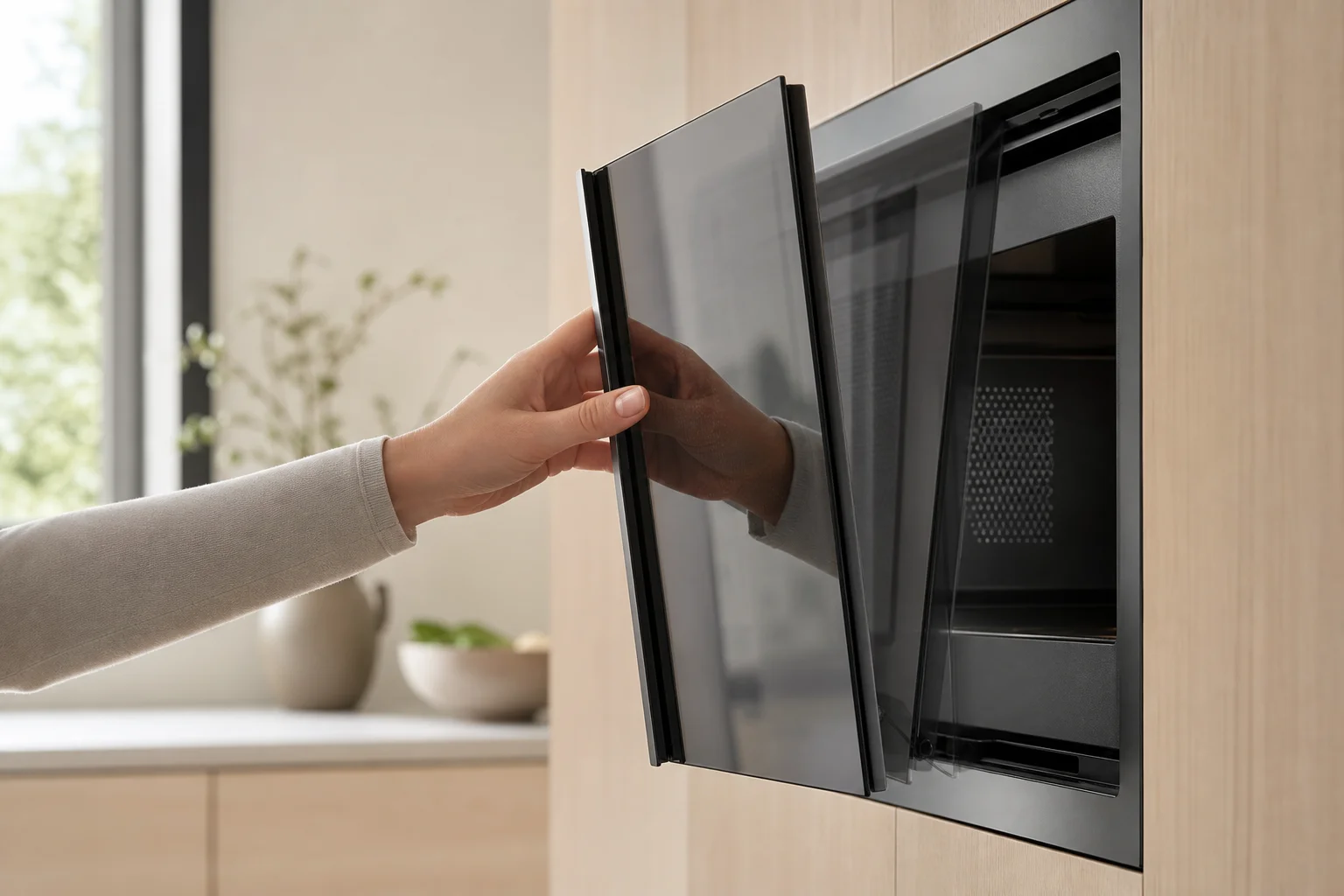
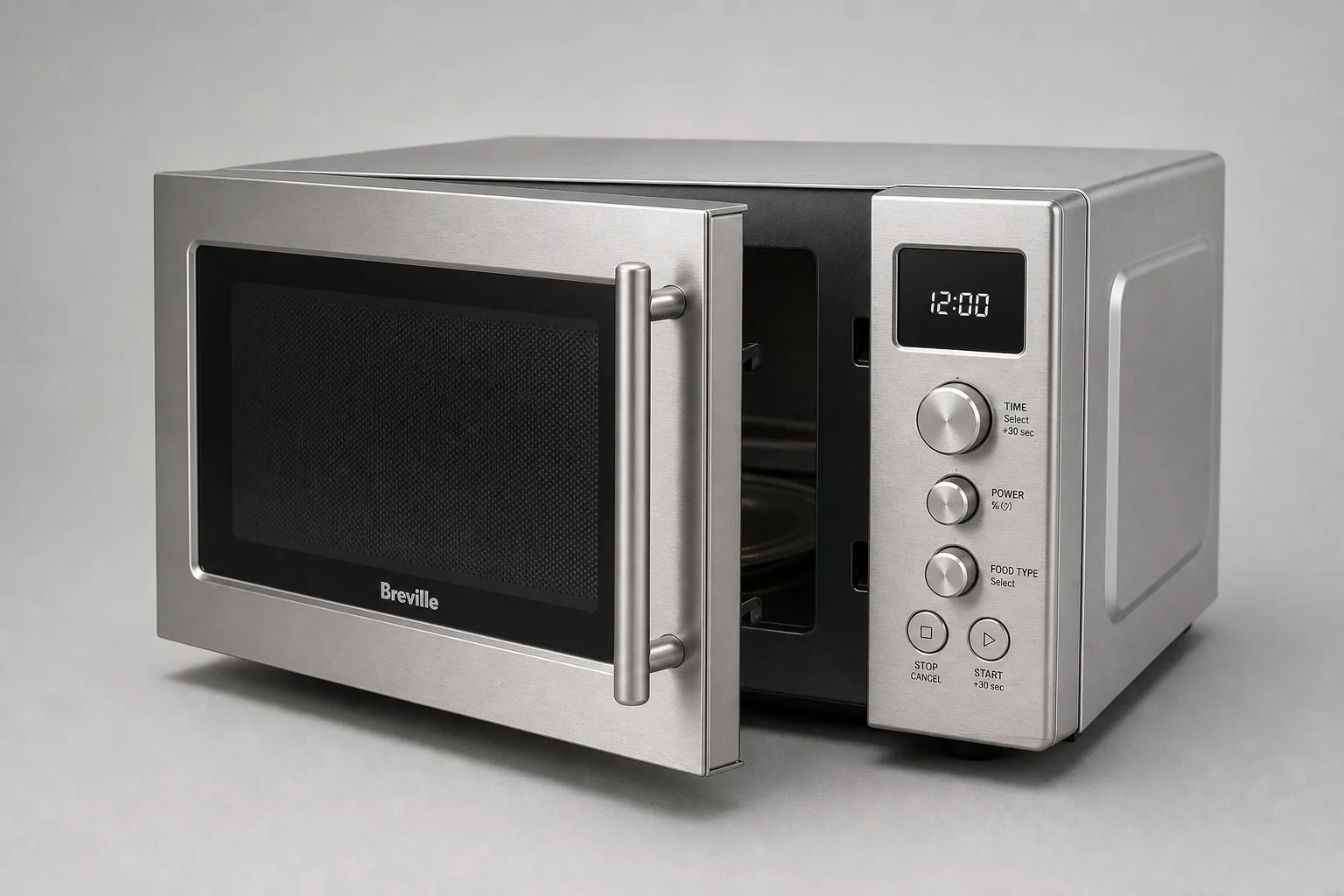
The Breville Compact Wave Soft Close Microwave delivered excellent cooking results with super simple controls and thoughtful design details. The soft-close door and elevated front design prevent knocking items off the counter when opening. This model represents the best balance of performance and usability.
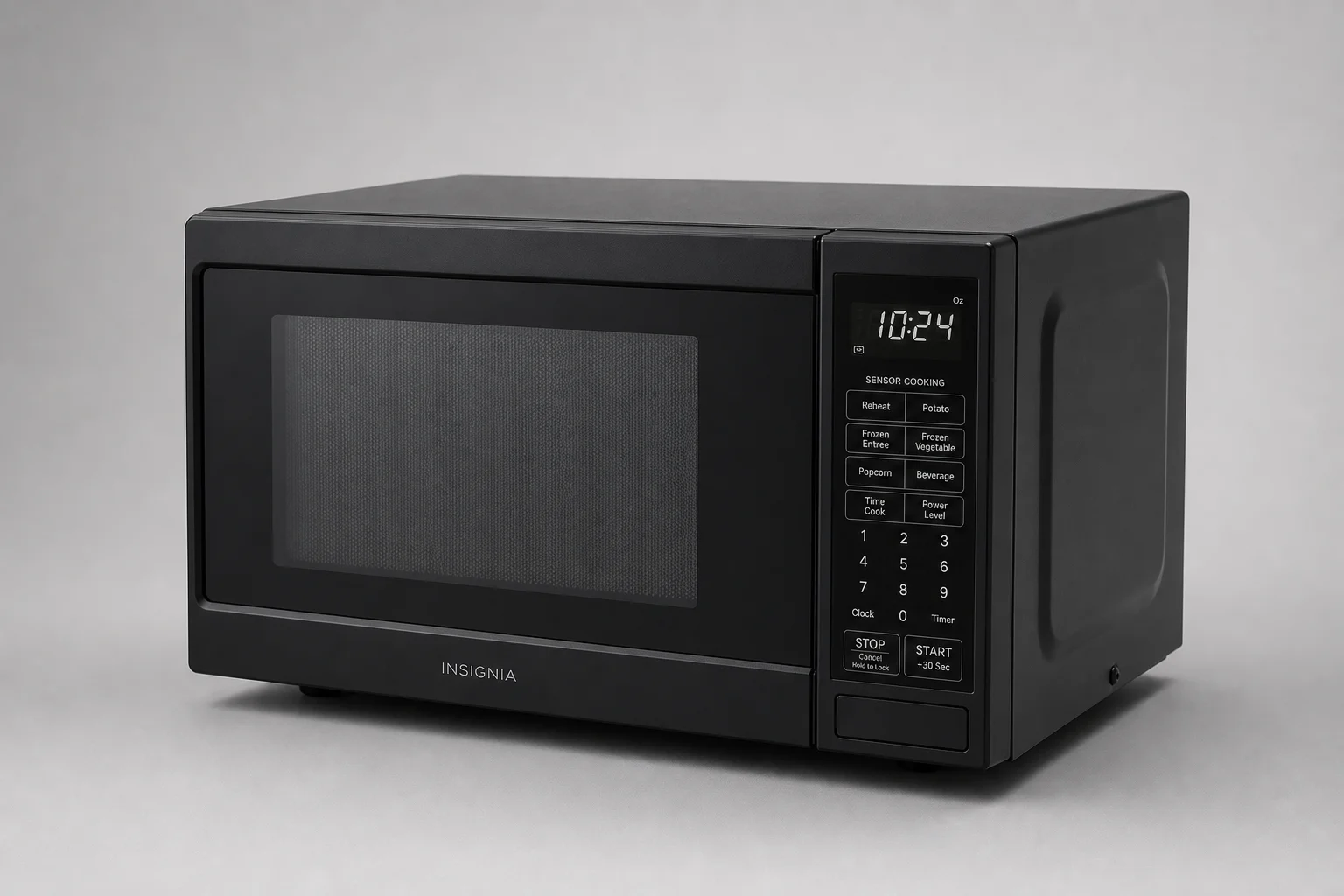
For users wanting additional features, the Sharp 1000 Watt Microwave offers nearly the same ease of use with the added benefit of sensor cooking. Sensor mode consistently produced better and faster results in testing, particularly for tasks like baking potatoes, making it a worthwhile addition for those who value hands-off cooking.
Conclusion
The best countertop microwaves prioritize reliable cooking performance, intuitive controls, and practical design over trendy features. Both the Breville and Sharp models deliver on these fundamentals, making them solid choices for kitchens where the microwave serves as a versatile cooking tool rather than just a reheating device.
Further reading
Related Reviews
Kitchen Appliances
Arboleaf Smart Kitchen Scale Review: Connected Cooking Made Simple
A Bluetooth-enabled kitchen scale that syncs with a nutrition-tracking app, offering real-time weight monitoring and recipe guidance for home cooks.
Kitchen Appliances
Best Air Fryer Toaster Ovens: Three Top Picks for Multi-Function Cooking
Three high-performing air fryer toaster ovens tested for versatility, ease of use, and real-world cooking results. Find the right fit for your kitchen.
Kitchen Appliances
Best Air Fryer Toaster Ovens Under 100: Five Practical Options for Budget-Conscious Kitchens
Five air fryer and toaster oven combinations that deliver real cooking performance without breaking the bank, each with distinct strengths for different kitchen needs.