Tools
Best Cordless Turbo Fan Dusters: Milwaukee M18 vs Wolfbox MF200 vs MF100
We compare three cordless turbo fan dusters on force, air speed, CFM, and noise to see which one deserves a spot on your bench.
Introduction
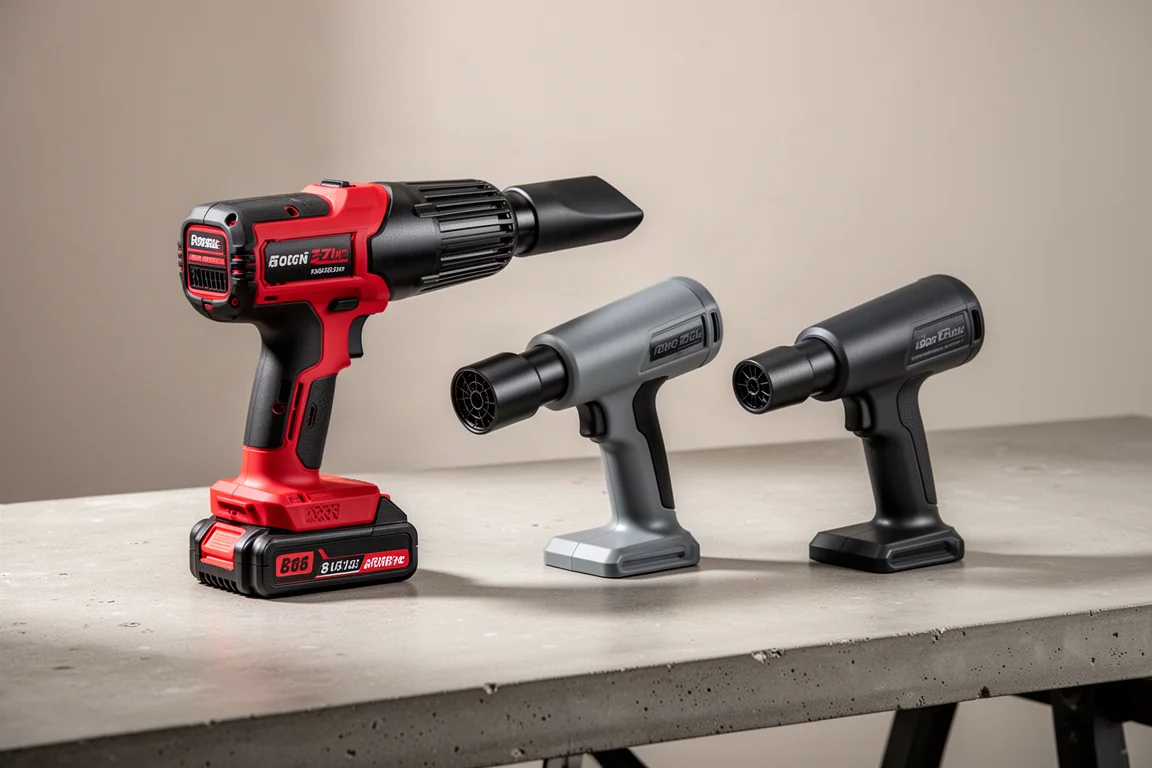
Cordless turbo fan dusters are quickly replacing canned air, and in some cases compressed air setups, for jobs around the workshop and home. Two new entries shake up our long-running ranking of more than twenty handheld dusters: Milwaukee’s first pistol-grip M18 duster, the 0887-20, and Wolfbox’s second-generation MF200, which arrives while the original MF100 still sits at the top of the leaderboard.
We measured each on force, air speed, air volume, and noise, using consistent test setups so the results can be compared directly. Here is how they stack up.
Milwaukee 0887-20 M18 Duster
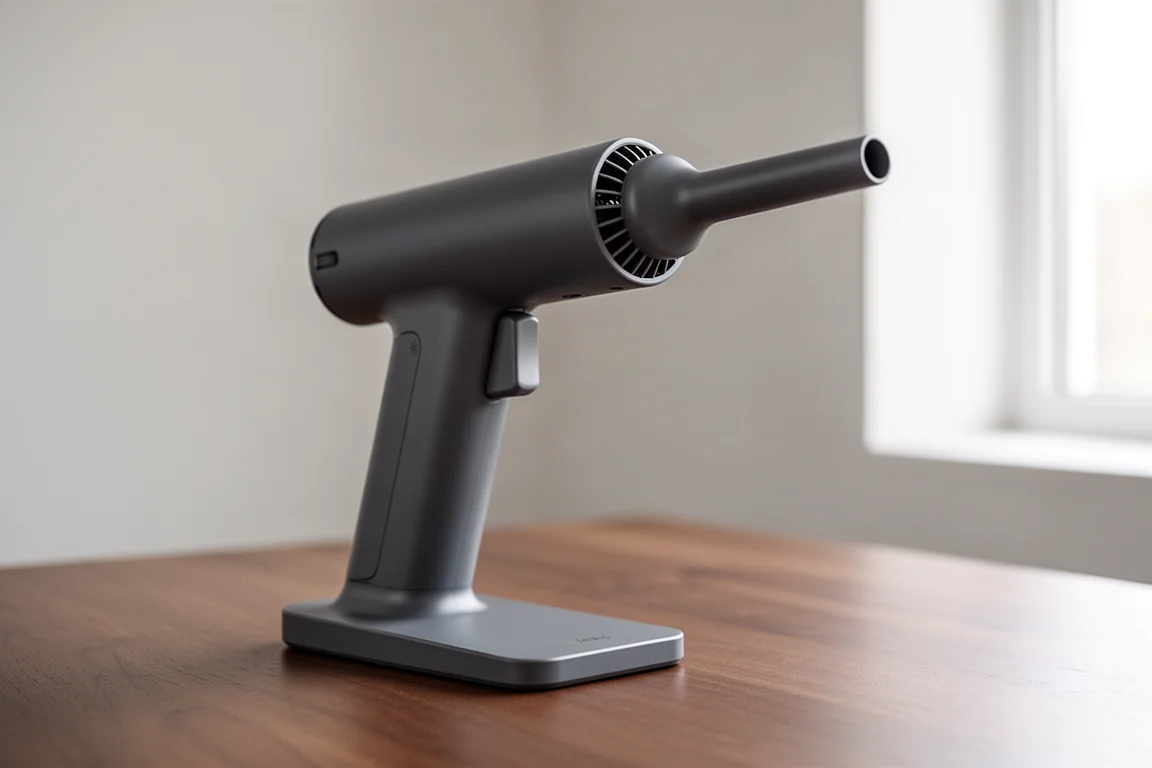
Milwaukee paid $179 for the bare tool, which is notably more than the Makita duster we bought at $168. The marketing claims 570 mph of air speed, but our reliable measurement lands around 262 mph with the pictured nozzle attached, and 224 mph wide open, which is still a record for this category by a wide margin.
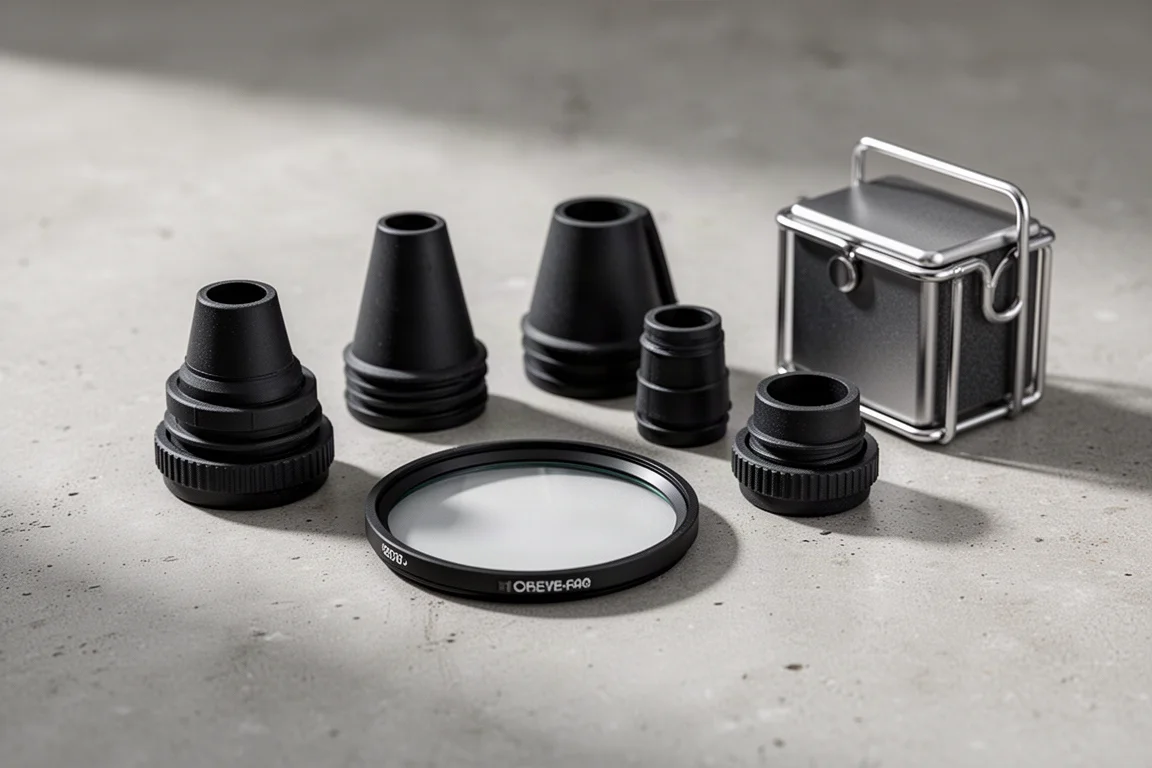
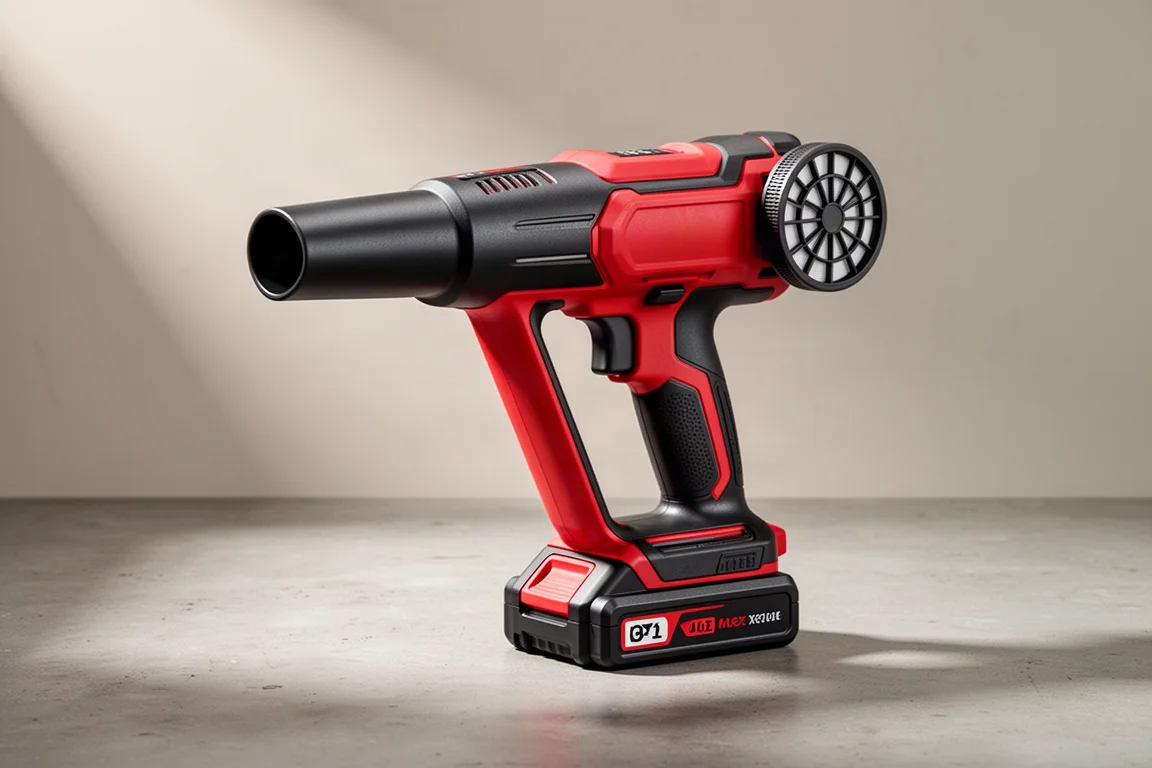
Design details are genuinely useful. A removable rear filter keeps dust and sawdust from being sucked into the tool and from being blown back onto your workpiece, and it barely affects performance. Nozzle attachments use half-twist lock fittings in a medium-durometer rubber, and they store in a magnetic caddy you can stick to a steel toolbox or job site surface. The trigger with lock-on position is one of the better handling experiences in this class.
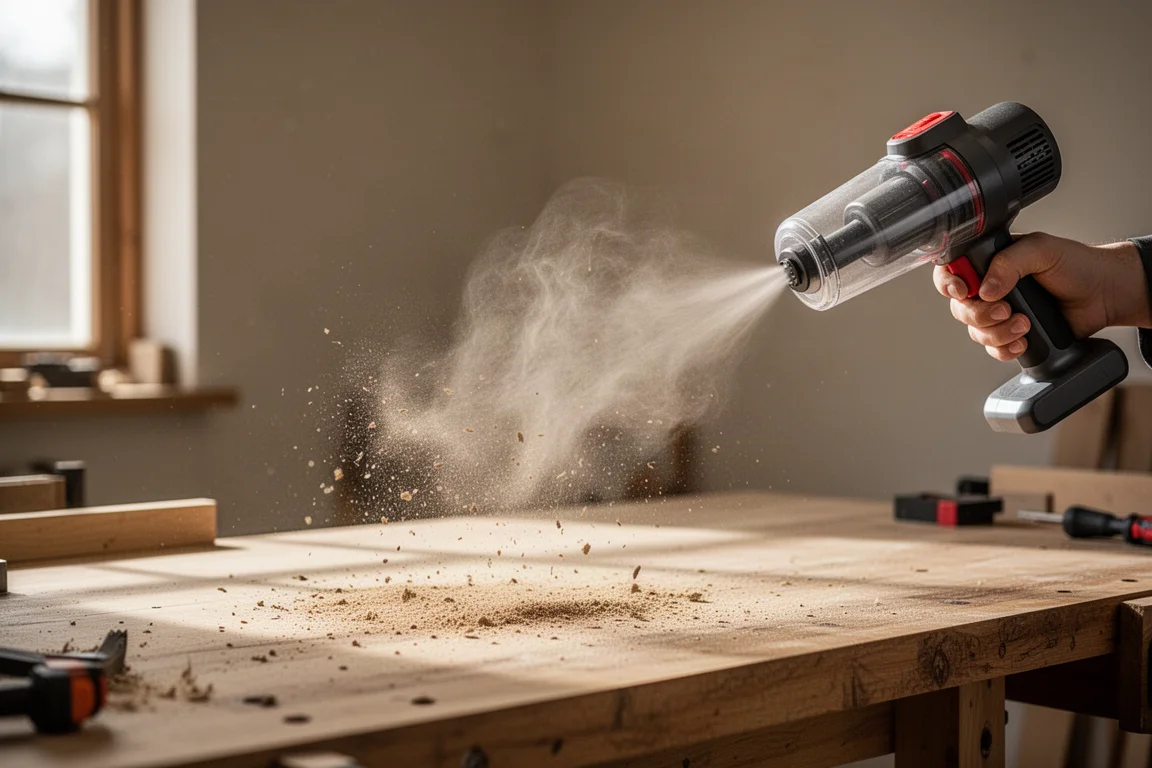
In force testing, it registered around 260 to 262 grams with the filter removed, edging past the Makita’s 250 grams. That result held steady whether we used a 2Ah battery or a larger 6Ah Forge pack, though small batteries will drain fast. Air volume measures around 34 CFM, close to the advertised 39, which is modest by design: this tool is built to pulverize caked-on or damp debris at a point, more like a compressed air blow gun than a leaf blower. Noise sits in the middle of the pack among everything we have tested, rising noticeably with the filter removed. One caution: the tool is fully glued and through-soldered inside, so there is no serviceability to speak of.
Wolfbox MF200
The MF200 arrives at roughly $100 to $115 with a battery and charger included, which makes it a very different value proposition. It is a generation-two model, slightly larger than the MF100 where it counts, with a bigger fan blade and motor in the head plus a new flat base that lets the tool sit down instead of leaning on a hoop-style stand.
The standout feature is the magazine-style hot-swappable battery. The built-in pack measures around 6,000 mAh at roughly 8V, effectively a 3Ah 8V battery, and charges at 2.5 amps over USB-C. If you run the tool hard, swapping in a second pack beats waiting for a recharge. The press-and-hold trigger is required in high mode, which feels less refined than the Milwaukee’s lockable trigger.
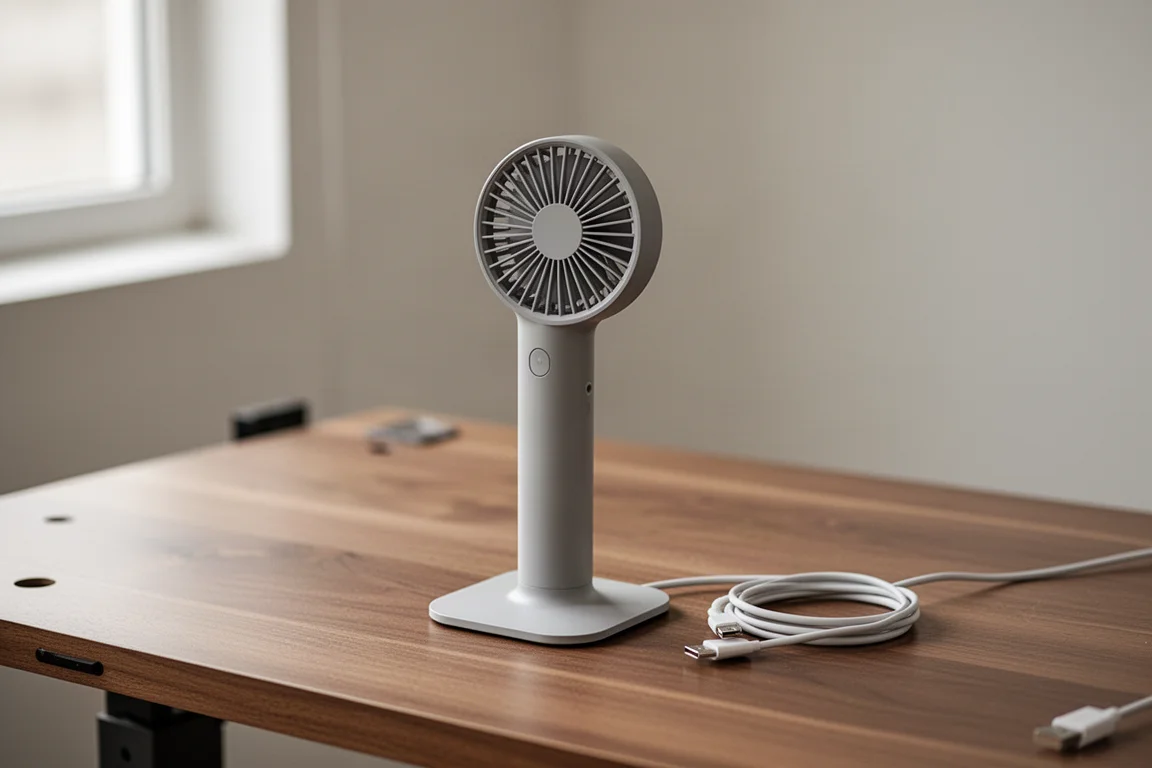
Performance is impressive for the size. Force climbed to around 181 grams, up from 159 on the first-generation model, and it pushed a record-setting 81 CFM of air volume, the highest of any handheld duster we have tested. Air speed measured around 213 mph, edging past the Gen 1 and trailing only the Makita and Milwaukee. RPM is noticeably lower than the Gen 1’s measured 125,000, but our testing has shown RPM is a flashy stat that matters less than force, air speed, and volume combined. It runs noticeably louder than the M18 in enclosed spaces, though not in a dealbreaking way.
Wolfbox MF100
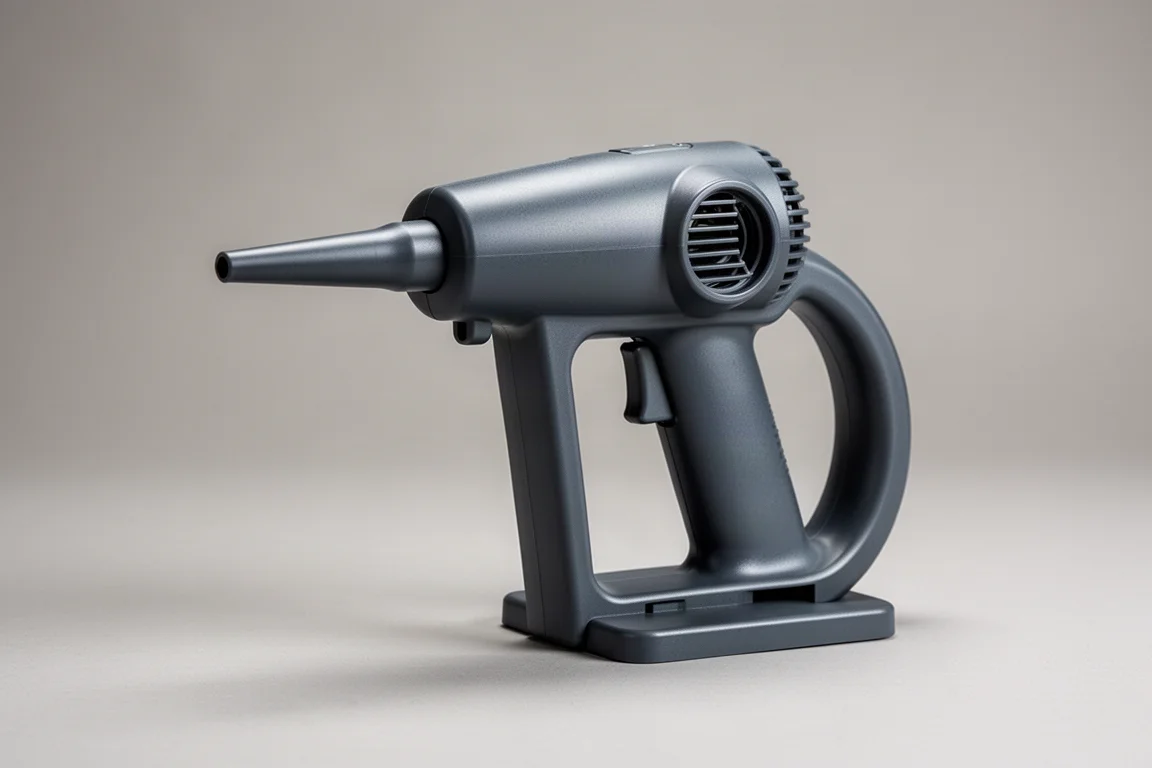
The original MF100 has been practically unbeaten at the top of our rankings, and it remains relevant as the cheaper entry point. It pioneered the compact, high-RPM design this category is known for, with a measured 125,000 RPM and 159 grams of force.
Its rear hoop base looks cool but is not practical, and its air speed comes in around 200 mph as tested with its nozzle. Compared with the MF200, the newer model is better in essentially every way except RPM, so most buyers should pay a bit more for the second generation. The MF100 still makes sense if you want the lightest, cheapest way into the category, and its slim size fits precise tasks like computer cleaning.
Buying Advice: Which Duster Fits Your Work
Across our full ranking of more than twenty dusters, these three now sit at the top, with the MF200 and Milwaukee separated by average ranks of 3.6 and 3.8, about as small a gap as math allows. The choice comes down to what you actually do.
The Milwaukee delivers raw air velocity and point force. It will not clear a wide bench unless you sweep it around, but if sawdust is caked onto a miter saw or damp from wet lumber, it dislodges everything fast, closer to a compressed air blow gun in character. Its filter, attachments, magnetic caddy, and better trigger add up to a tool designed to earn its keep on a job site. The MF200 instead dusts an entire workbench or finishes cleaning a saw stand sooner, covering more area while staying punchy up close, and it can fit inside tighter spaces like sandblaster cabinet filters where the M18 cannot. Its magazine battery is a genuinely clever gadget feature. The MF100 remains the budget pick for lighter, precise dusting.
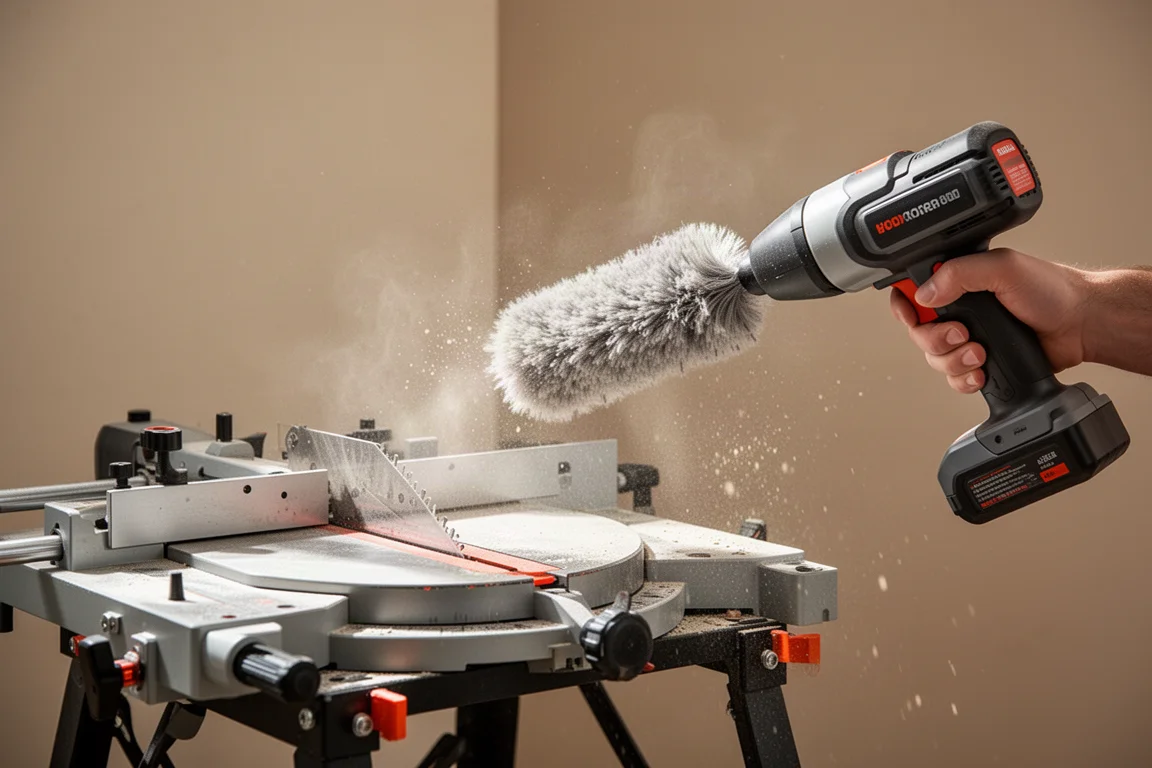
A theoretical M12-sized Milwaukee version with 80 percent of this performance would be our ideal, but until that exists, these two families lead the category.
Conclusion
If you want maximum punch and a real tool-battery ecosystem, the Milwaukee 0887-20 justifies its price despite fanciful spec claims. If you want the best all-around cleaner at a gadget-friendly price, the Wolfbox MF200 is the new benchmark. And if budget comes first, the MF100 still holds up. Any of the three beats another can of air.
Further reading
Related Reviews

Tools
Best Contractor Grade Tape Measures 2026: Eight Models Tested Head to Head
We tested eight contractor grade tape measures from Milwaukee, DeWalt, Crescent Lufkin, Tajima, Stanley, Irwin, Gelan, and Craftsman to find the best value and performance.

Tools
Best Precision Screwdriver Sets 2026: Manual and Electric Options Compared
We compare 19 precision screwdriver sets, from budget manual kits to electric drivers, to find the strongest bits and best value.

Tools
Best Stud Finders 2026: Five Popular Models Put to the Test
We tested five popular stud finders on drywall, firewall, and lath and plaster surfaces to see which ones really find studs and avoid false readings.