Cookware
Best Copper Skillets: Three Pans That Earned Their Place
We compare copper core and steel-lined copper skillets against a trusted stainless steel workhorse to see which pans are worth the price.
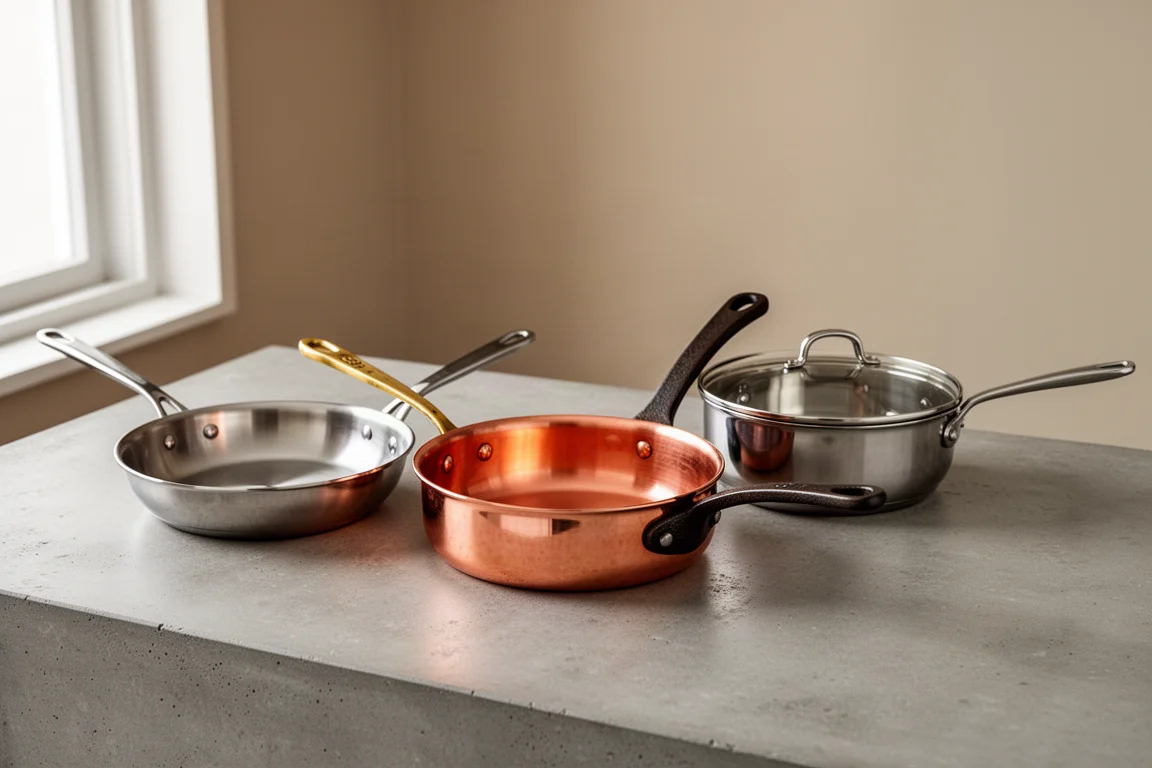
Introduction
Copper cookware has always been associated with fine cooking, from classic French restaurants to Julia Child. But with prices in the hundreds of dollars for a single skillet, what besides nostalgia and good looks does a copper skillet actually offer home cooks today?
We bought a variety of copper skillets and compared their performance against a favorite fully clad aluminum and stainless steel skillet. The short version: copper cooks beautifully, but whether you need one depends on what you want from your kitchen.
How We Tested
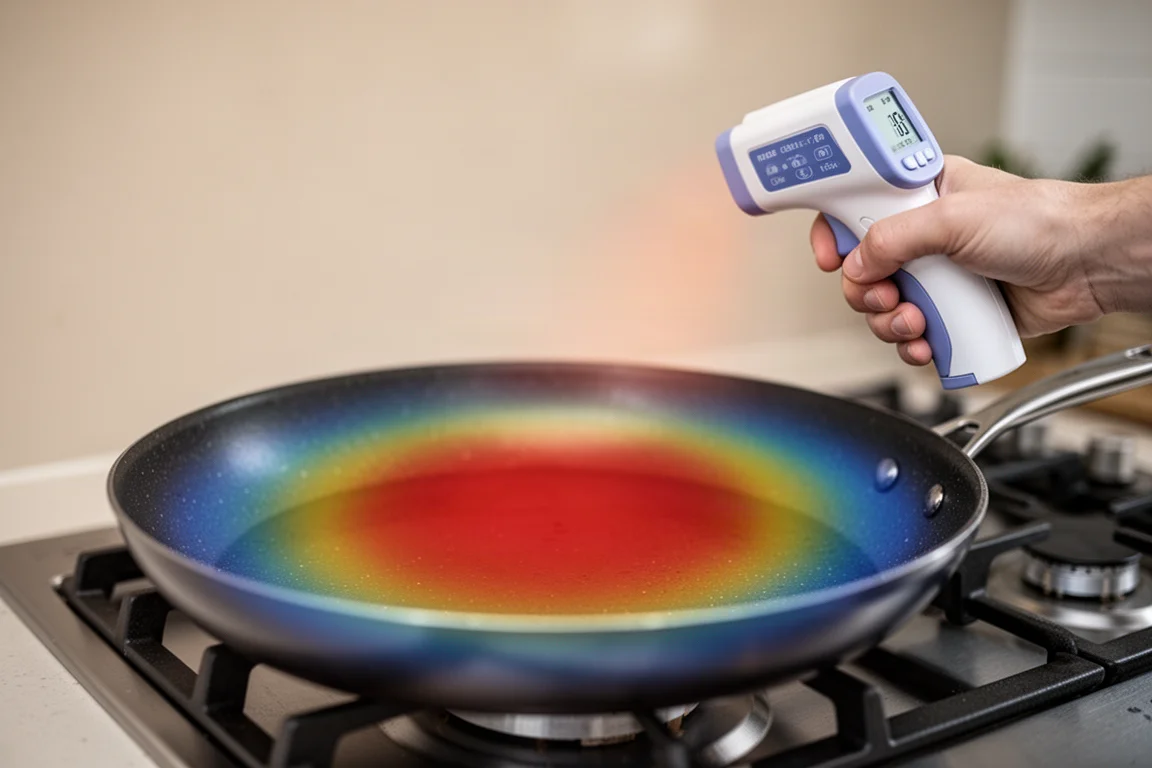
In each pan, we pan-seared chicken breasts and made a lemon caper pan sauce. We made skillet mac and cheese, prepared caramel sauce, and asked additional testers to brown butter in each pan. We also filmed each pan with an infrared camera to compare how evenly heat spread across the cooking surface.
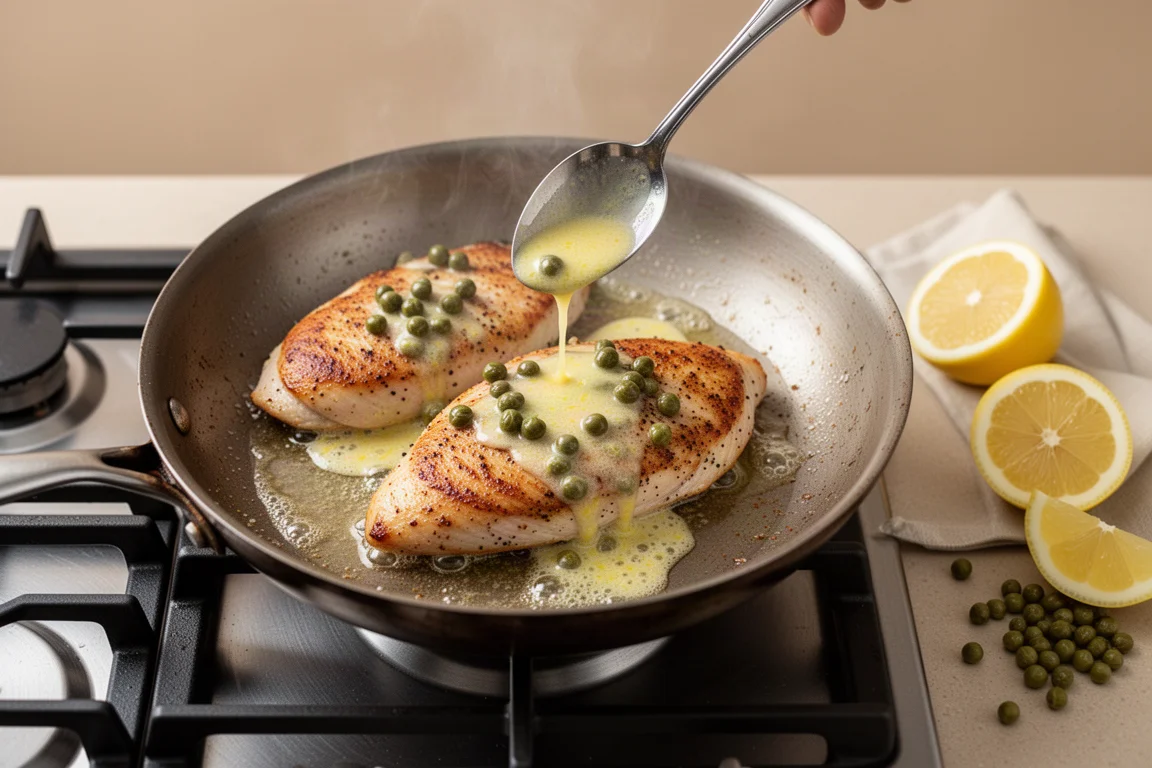
Before the results, a couple of things are worth knowing about cooking in copper. Copper is the fastest cookware material for heat transfer, more than one and a half times as fast as aluminum and about 25 times faster than stainless steel. A copper pan heats up very quickly, and when the flame is turned down it cools fast too. That responsiveness gives you excellent control, and it is what makes copper cookware a pleasure to use.
Two Styles Worth Considering
Copper is highly reactive to acids like citrus, vinegar, and tomatoes, and it leaches into foods when in direct contact with them, which is why copper cookware is almost always lined. For centuries the only lining was tin, but stainless steel has become common in recent years. A third option tucks the copper entirely inside as the core layer of a multilayer pan. We bought some of each style to compare, and we preferred two particular styles.
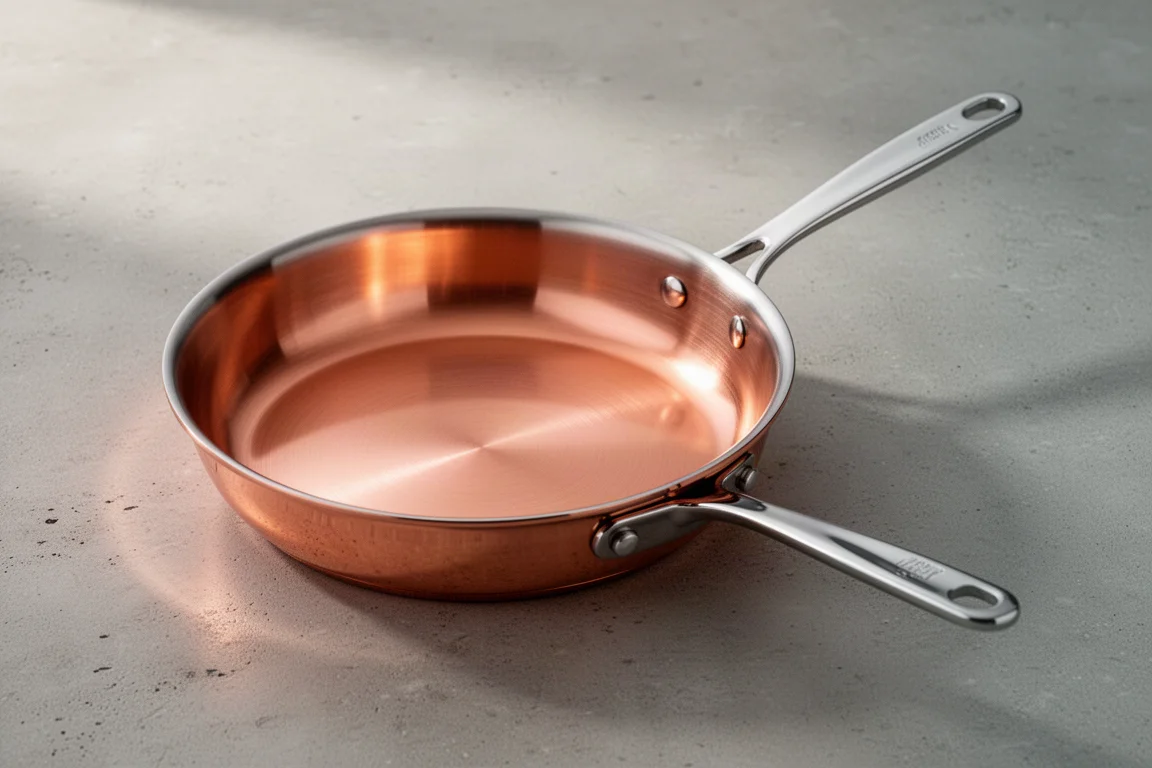
The first was steel-lined copper skillets. Stainless steel linings are durable, but steel also retains heat, so steel-lined copper pans cannot cool as quickly when the heat is lowered. Manufacturers usually market these pans by emphasizing how thin they have made that steel layer. However, steel offers a benefit too: it forces heat to travel sideways through the copper, spreading it rapidly across the cooking surface, making the pan cook more evenly and reducing hot spots.
The other style we preferred was copper core. With copper in the center of a multi-clad pan, you do not have to worry about reactivity to acidic foods or copper maintenance. These pans cooked remarkably evenly, were easy to maintain, and were lighter and more maneuverable than pans made principally from heavier copper. The pans in our lineup with copper cores sandwiched them between aluminum and steel layers, resulting in five-ply construction: steel, aluminum, copper, aluminum, steel. Because aluminum also transfers heat rapidly, placing it right next to the copper turbocharges the pan’s responsiveness, and a magnetic steel bottom layer makes it induction compatible. For sheer cooking performance, the core style is probably the best choice.
Features to Look For
Regardless of which type of copper skillet you get, our top-rated pans offered plenty of cooking space and low flared sides. Flared sides make it easier to reach under food with a spatula and help moisture evaporate so food browns more quickly. Sweeping a spatula around the pan without missing any food is much easier with rounded rather than L-shaped sides.
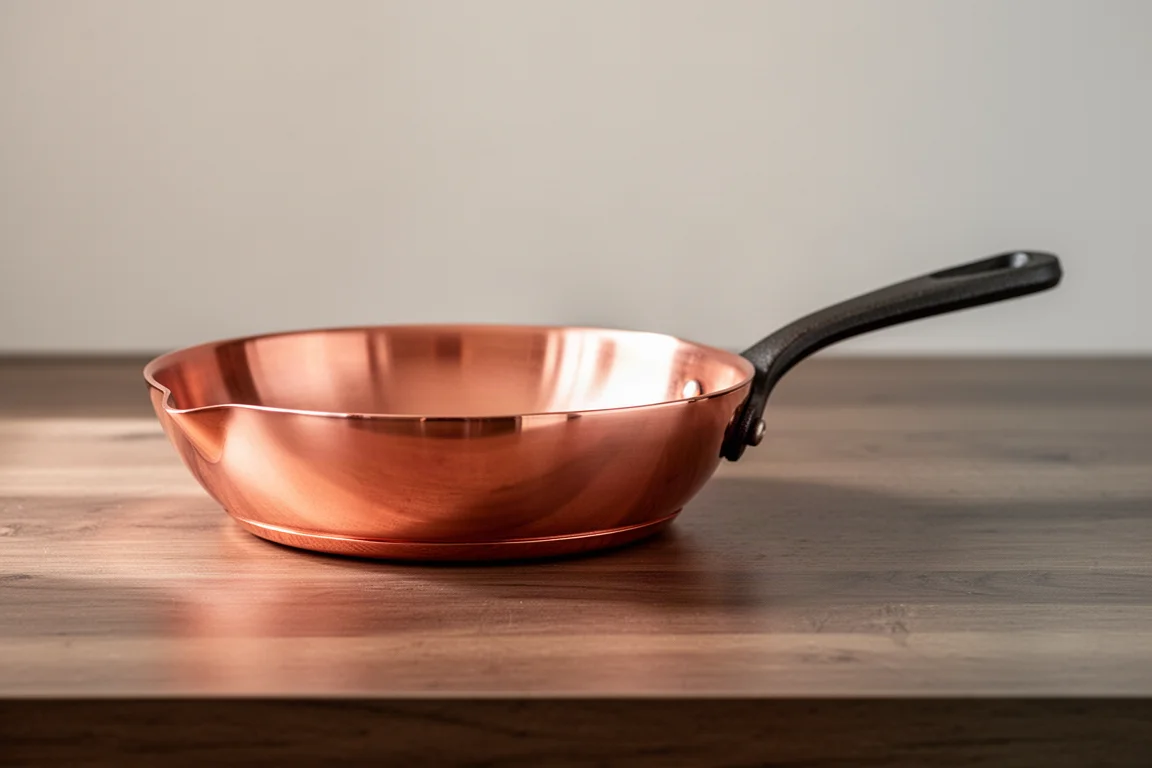
Pans in our lineup had either stainless steel or cast iron handles. Cast iron handles on copper are traditional and beautiful, but steel handles are lighter and slower to heat up on the stovetop, so you will not always need pot holders. Our two favorite pans had one of each type.
What to Avoid
We tested one tin-lined skillet, and its biggest issue was that tin melts at just 450 degrees, a temperature that is very easy to achieve on the stovetop. We damaged that tin lining while browning butter. Copper pans can be re-tinned, so the damage is not permanent, but we would rather not have to worry so much about what should be a workhorse pan.
No matter what you do, avoid so-called copper non-stick pans. Contrary to the way they are marketed, there are no copper skillets lined with non-stick coatings. These are aluminum or steel pans with orangey copper-colored non-stick interiors, and they do not share any of the characteristics of real copper pans.
How Copper Compares to Stainless Steel
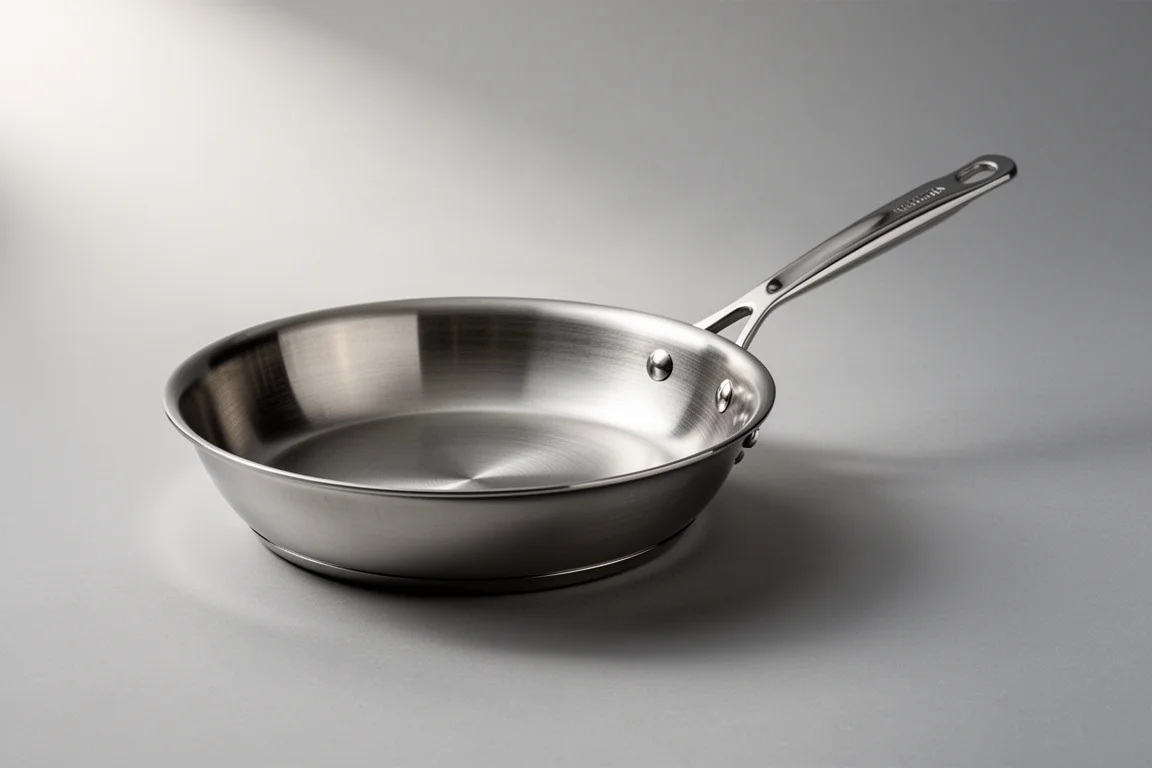
While we loved cooking in copper skillets, their performance only slightly outpaced the clad pan we already recommend: the All-Clad d3 Stainless 12-inch fry pan with lid. That pan cooks beautifully and is tough as nails. It has survived thermal shock and being whacked on concrete without complaint, tests we could not bring ourselves to run on copper pans costing between $300 and $500 each. The All-Clad d3 is a fraction of the price of most of this lineup, and it even comes with the lid.
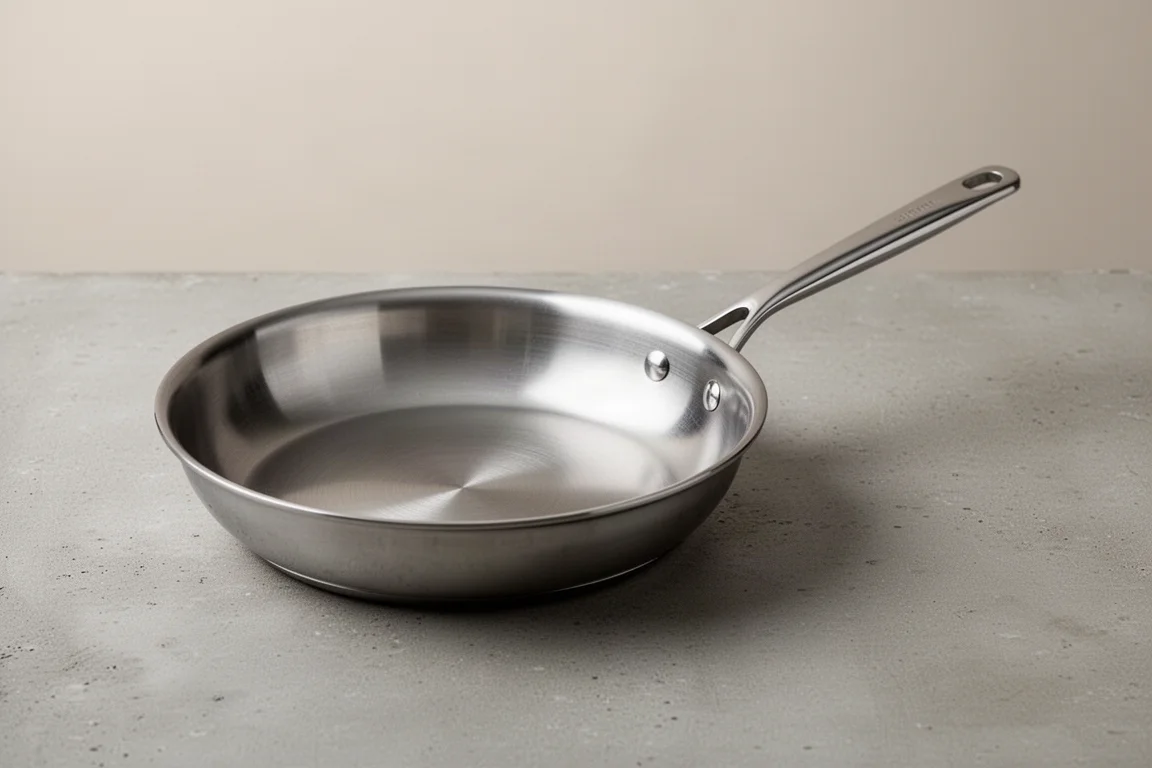
The bottom line: you do not really need a copper skillet, but you may well want one. We fully recommend most of the pans we tested, and which you choose depends on how you want to use it.
All-Clad Copper Core 5-Ply Skillet
We love the All-Clad Copper Core 5-Ply for its excellent heat transfer and remarkably even cooking without any special maintenance, with the copper mostly hidden away at the core. If you want copper performance without polishing or worrying about acidic foods, this is the style to pick.
Mauviel Copper Skillet
If you want to see plenty of copper on your skillet and do not mind occasional polishing to maintain its luster, go for the Mauviel. This pan is made of copper with a thin lining of stainless steel. It combines steel’s non-reactive, durable lining with copper’s responsiveness, so it cooked evenly and adjusted fairly quickly when we changed heat settings on the stove. Its generous cooking surface cooked plenty of food without crowding, and its low flaring sides helped evaporate steam so food browned deeply.
Caring for a Copper Skillet
If you buy a copper pan, do not put it in the dishwasher, which is too harsh. Just use regular dish soap, water, and a soft cloth or sponge. Avoid anything harsh and abrasive on the copper side, because that will wear away and scratch the surface. On the stainless steel interior you can use Bar Keeper’s Friend or anything you like, since it is very tough. Every time you wash a copper pan, rinse it well and dry it completely to help prevent tarnishing.
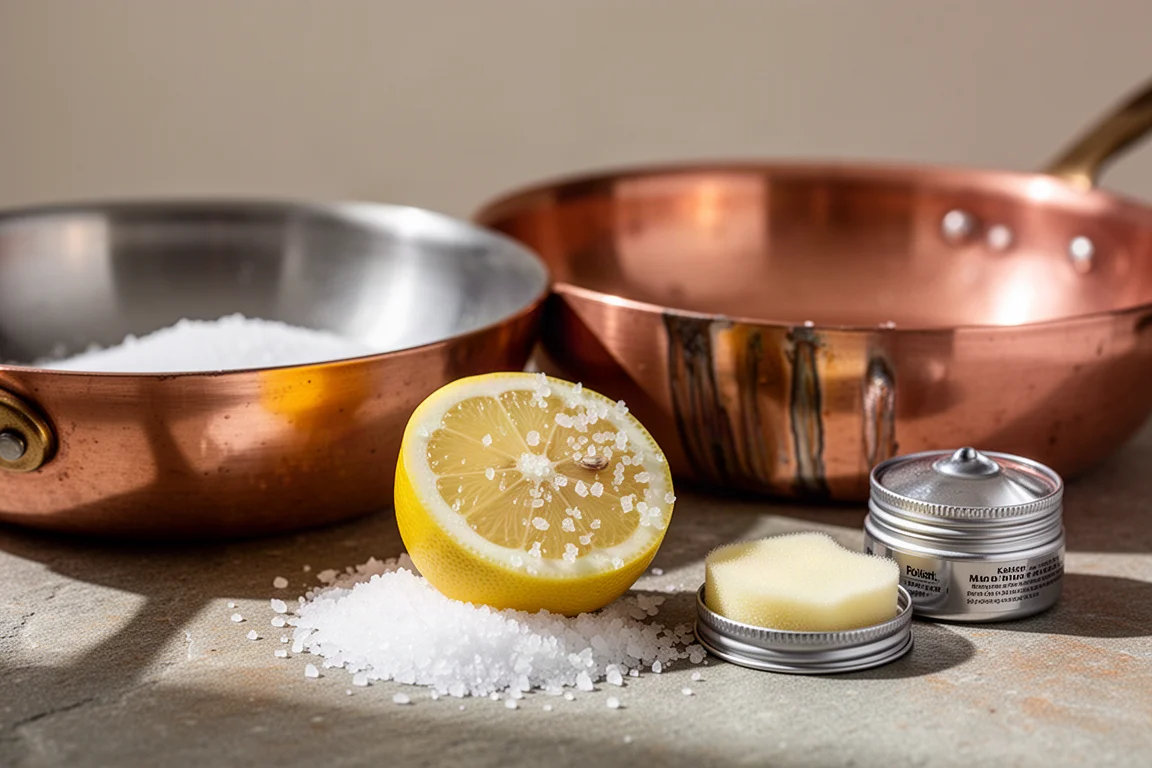
It can be shocking how fast copper’s appearance changes. Once on the heat, that shiny gold-red surface gets blotchy and streaky, and the rich color fades to yellow. A patina is harmless, and some people like to leave it for a rustic look. But if you want to restore your cookware to its original shine, there are options. Cutting a lemon in half, dipping it in kosher salt, and using it as a scrubby took off a lot of tarnish and worked pretty well. For a truly like-new finish, a commercial polish is the way to go. Our favorite was by Wright’s: it comes with its own sponge in the jar, and you simply rub it on the pan and keep going until everything is removed.
Either the copper core or the steel-lined copper pan will be a great tool for your kitchen, and if copper is more indulgence than necessity, the All-Clad d3 remains the workhorse to beat.
Conclusion
A copper skillet is not a requirement for great cooking, but the right one delivers exceptional responsiveness and even heating that makes time at the stove genuinely enjoyable. Pick the All-Clad Copper Core 5-Ply for low-maintenance copper performance, the Mauviel if you want the classic look and do not mind polishing, and the All-Clad d3 if you want superb cooking at a fraction of the price.
Further reading
Related Reviews
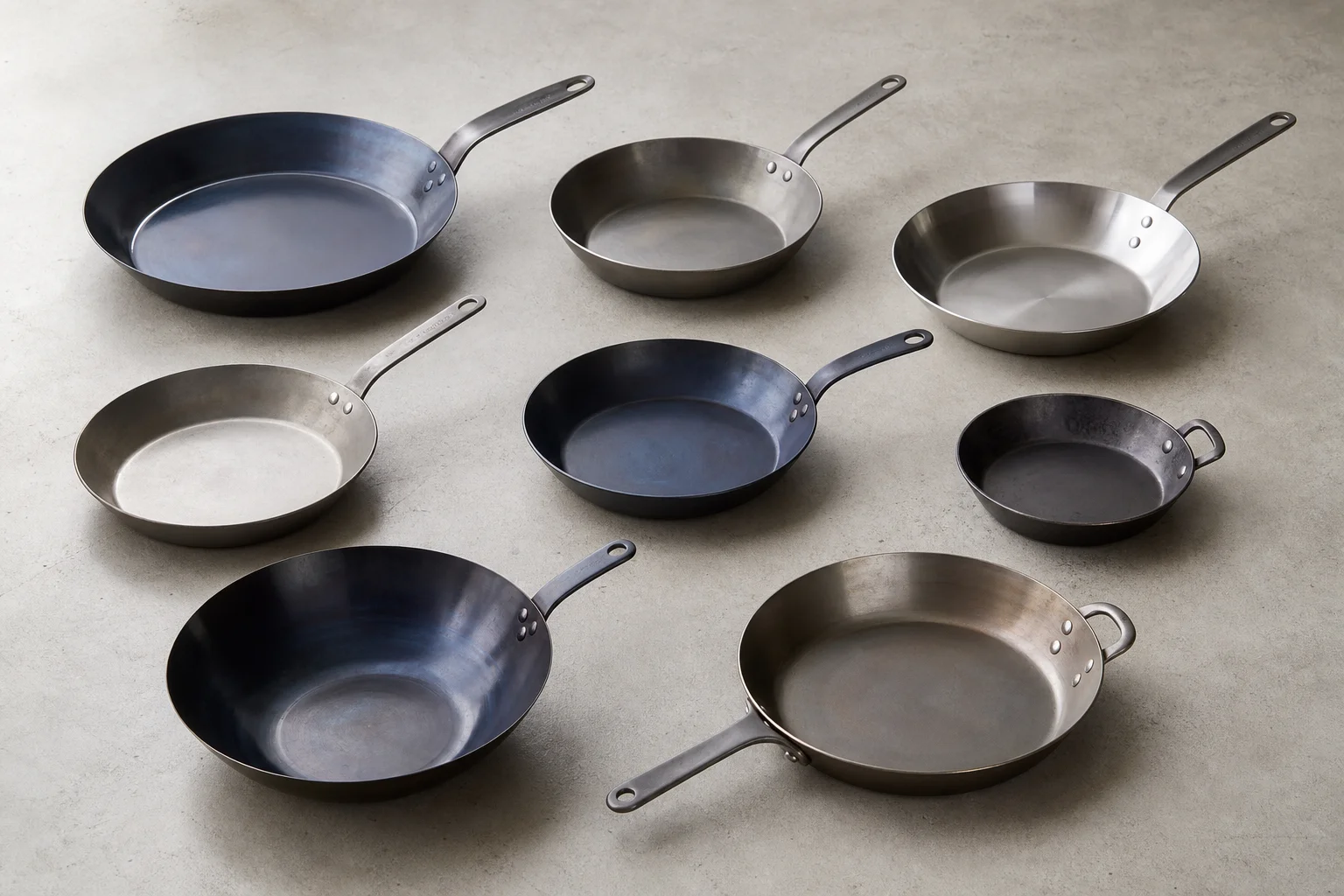
Cookware
Best Carbon Steel Pans Tested: Which Brands Deliver Real Value
We tested eight popular carbon steel pans with controlled durability, heat, and cooking tests. Here's which ones perform best and which to avoid.
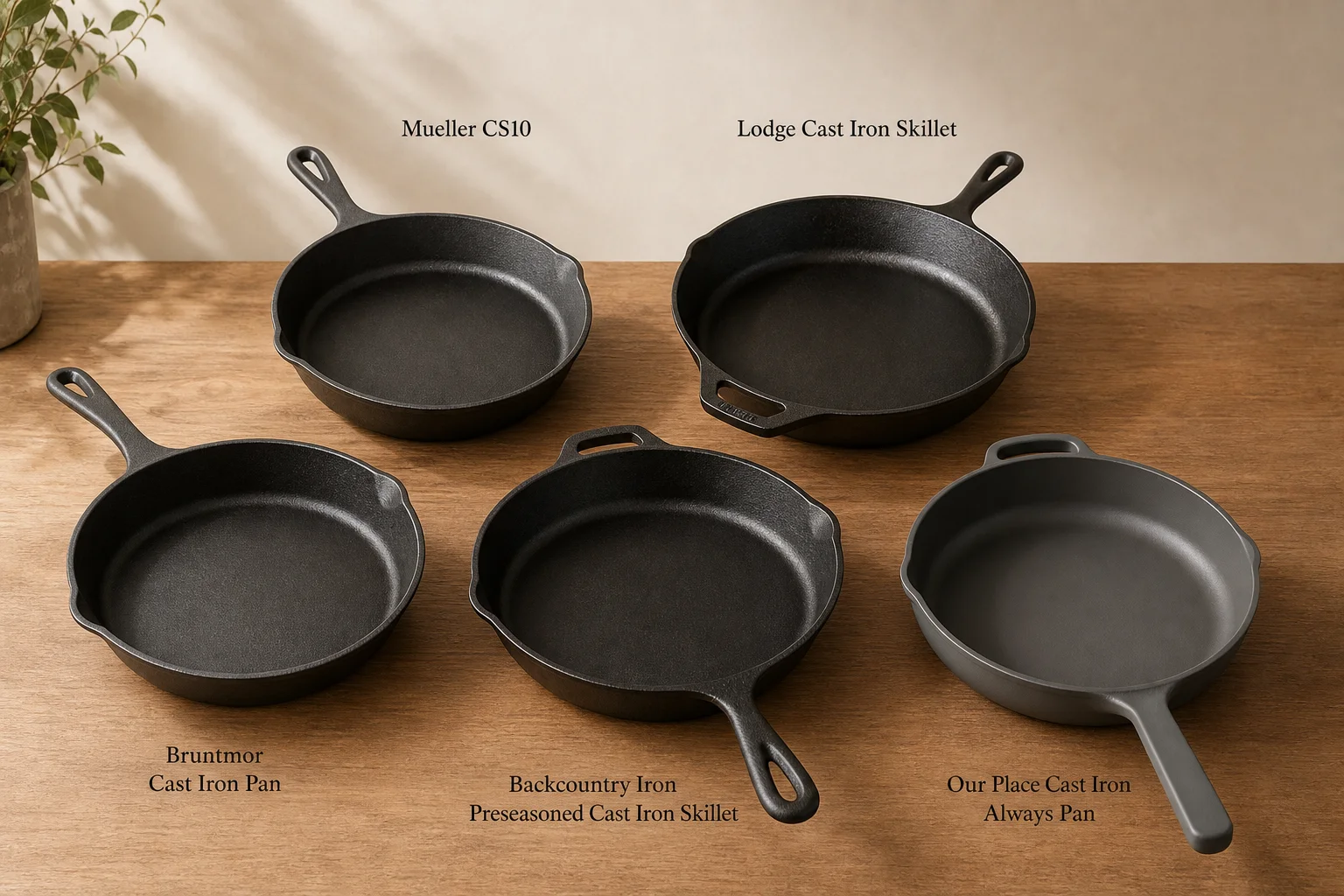
Cookware
Best Cast Iron Pans 2026: Five Options from Budget to Premium
A practical breakdown of five cast iron skillets, from affordable Mueller to premium Our Place, with clear strengths and trade-offs for different cooking needs.
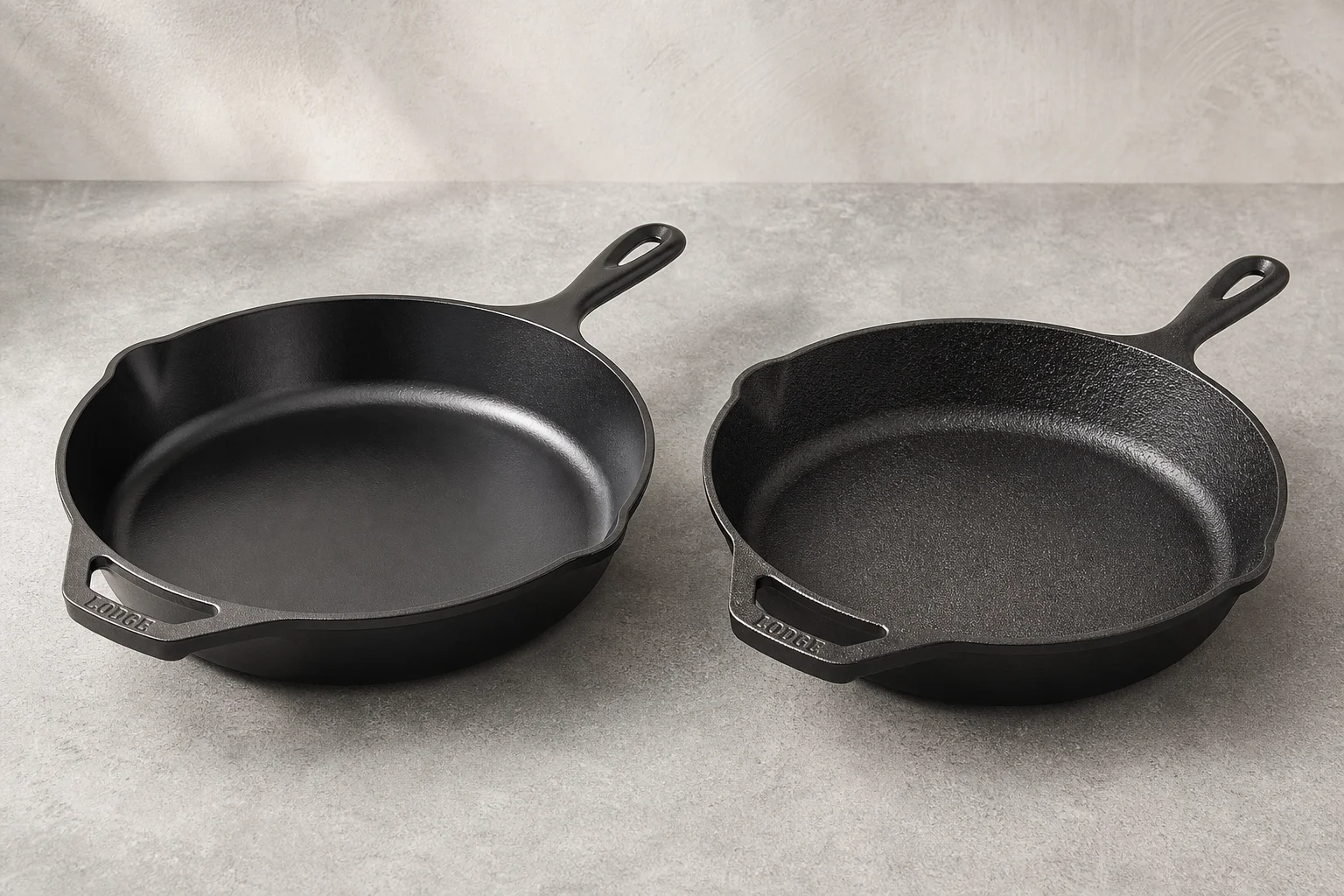
Cookware
Best 12-Inch Cast Iron Skillets: Premium Craftsmanship vs. Reliable Budget Option
Two standout 12-inch cast iron skillets tested for heat retention, surface finish, and durability. One premium choice and one budget-friendly alternative that both deliver.