Cookware
Best Copper Skillets: Three Pans Worth Considering for Your Kitchen
Copper heats faster than nearly any cookware material, but construction, lining, and weight matter. Here are three standouts from a seven-pan comparison test.
Introduction
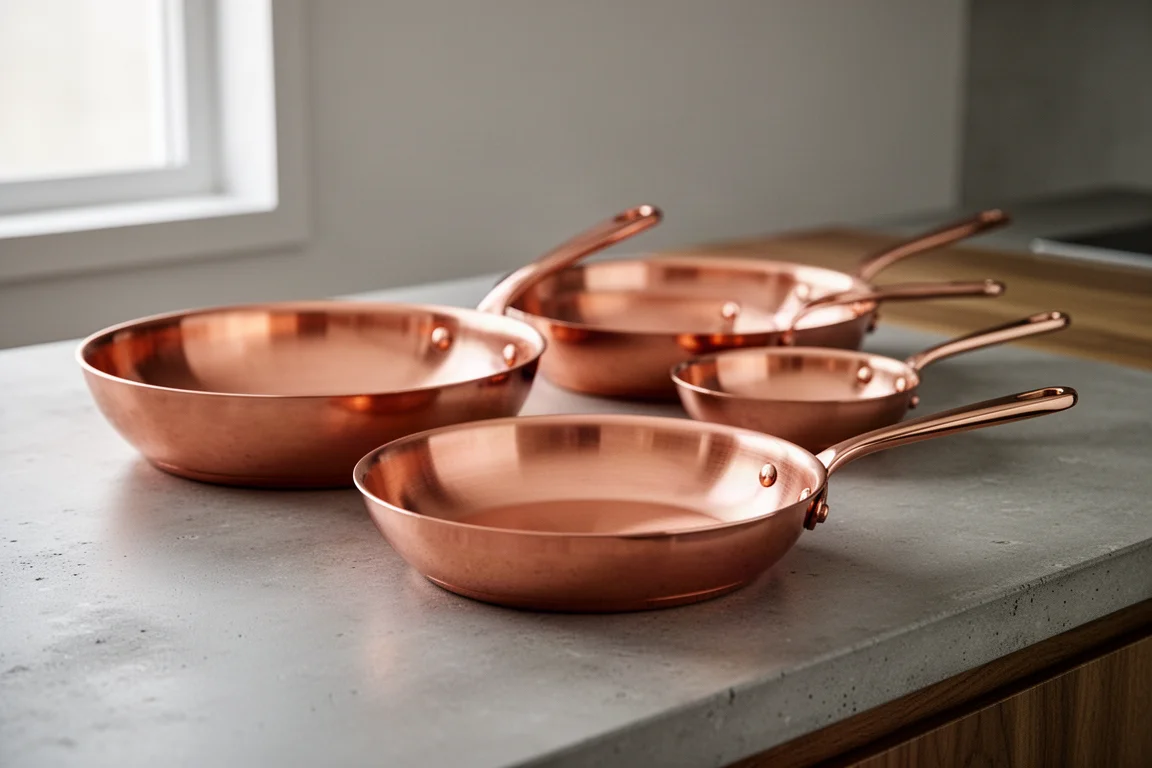
Copper cookware is legendary for a few reasons: it looks stunning, it commands a serious price, and it conducts heat better than almost anything else you can buy. To find out how copper fits into a modern kitchen, seven skillets in the 11 to 12 inch range were put through a comparison test, with prices running from about $100 up to $435. Everything was also cooked alongside a trusted traditional skillet, the All-Clad D3, as a benchmark.
Three products stand out from that testing: a full copper showpiece, a copper-clad workhorse, and the traditional skillet that gives both something to measure up against.
Why Copper Belongs in a Modern Kitchen
Copper is second only to silver in heat transfer speed. It moves heat roughly one and a half times faster than aluminum, which is already considered fast, and about 25 times faster than stainless steel. In practice, that means a copper pan responds almost instantly when you raise or lower the heat, which matters for delicate sauces and precise searing.
The catch is that copper is highly reactive to acids like vinegar or wine, so it is always lined. Older pans use a tin lining, which is fragile and can require re-lining over the years. Stainless steel lining is the smarter modern choice: it is non-reactive and far tougher.
Weight and Handle Design
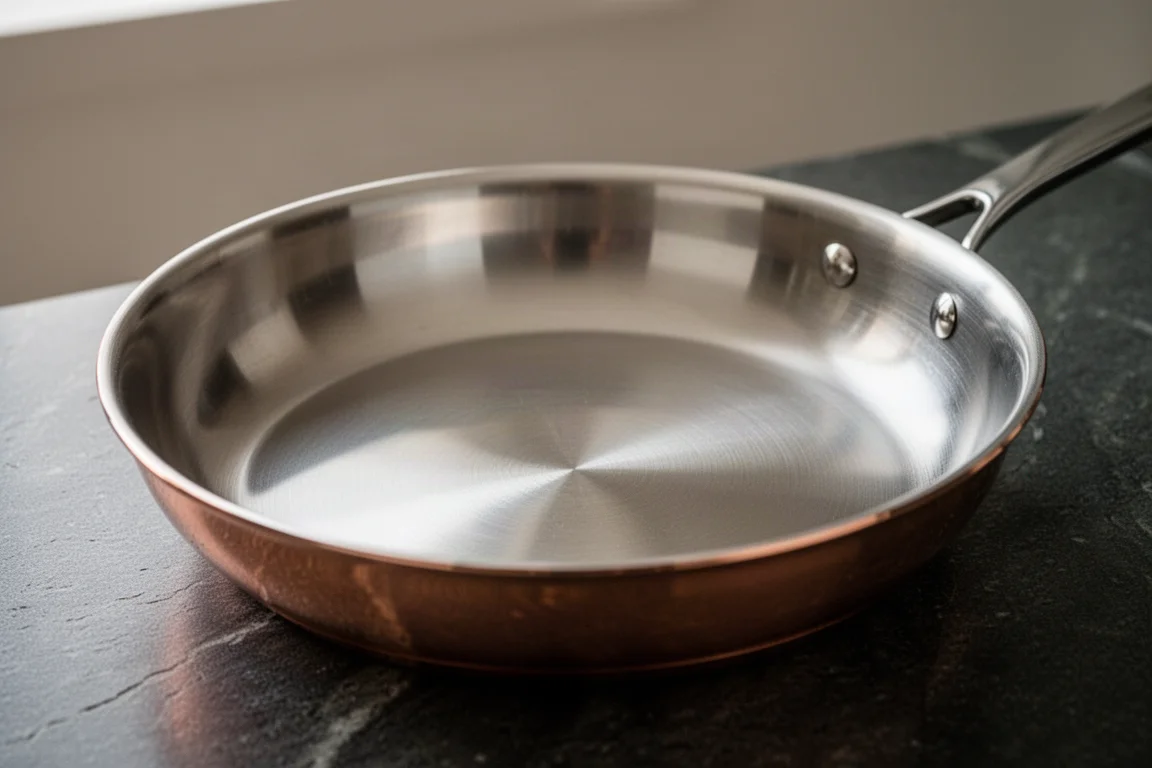
Copper is dense, so these pans tend to be heavy. In testing, the copper skillets averaged close to twice the weight of the All-Clad D3 traditional skillet. That makes the handle an important part of the equation, because you are lifting a lot of metal.
Handles traditionally come in cast iron, though stainless steel is also common. Testers did not have a strong preference between the two materials as long as the handle was comfortable and well balanced. Stainless handles take slightly longer to heat up, which is a small practical benefit when grabbing the pan barehanded.
As with any skillet, a generous cooking surface helps. In this group that meant roughly nine to nine and a half inches of usable cooking area.
Two Types of Construction
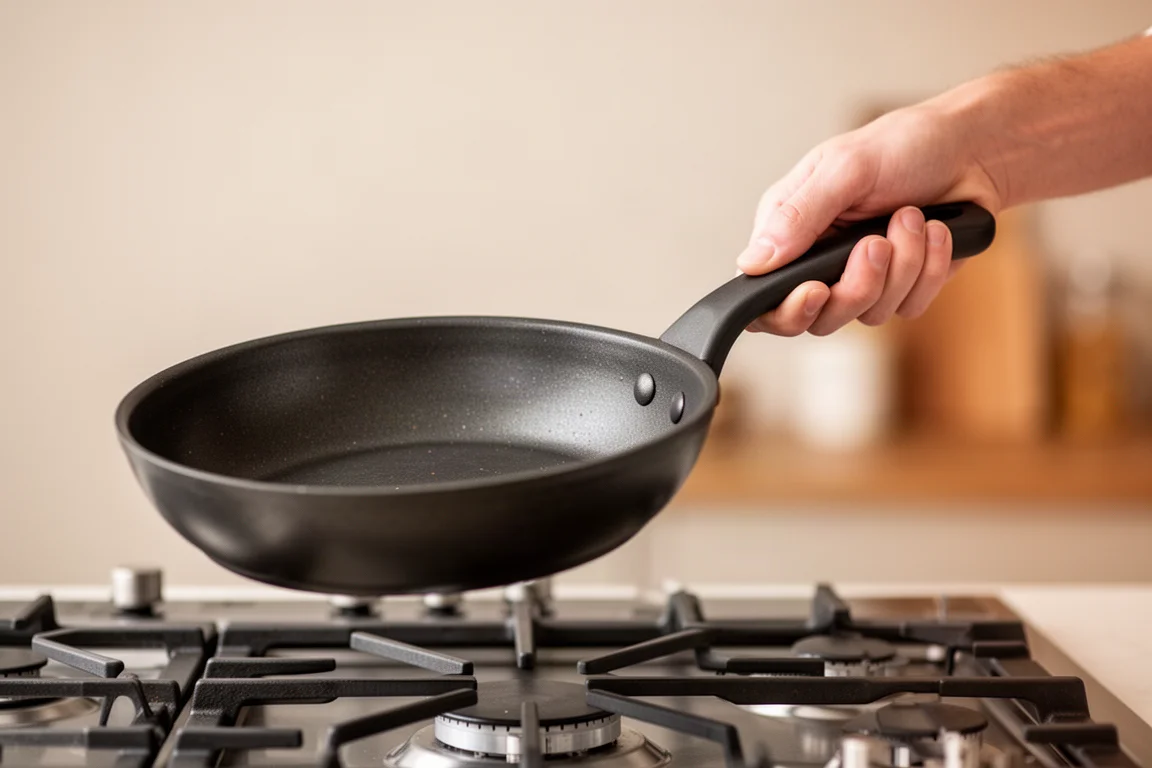
The tested pans fell into two construction styles. The first is a copper body pan with a stainless steel lining. Because stainless slows copper’s responsiveness, some manufacturers emphasize how thin their lining is. In testing, though, that was not really a drawback: copper transfers heat vertically very quickly, which can create hot spots, and the stainless layer spreads that heat horizontally, evening out the cooking surface.
The second style is copper clad, where a very thin layer of copper is sandwiched between aluminum and stainless steel. Only a hint of copper is visible at the base. These pans are lighter, easier to handle, and much easier to maintain since there is no exterior copper to polish, at the cost of losing some of the visual drama.
The Showpiece Pick: Mauviel M’Heritage M200CI
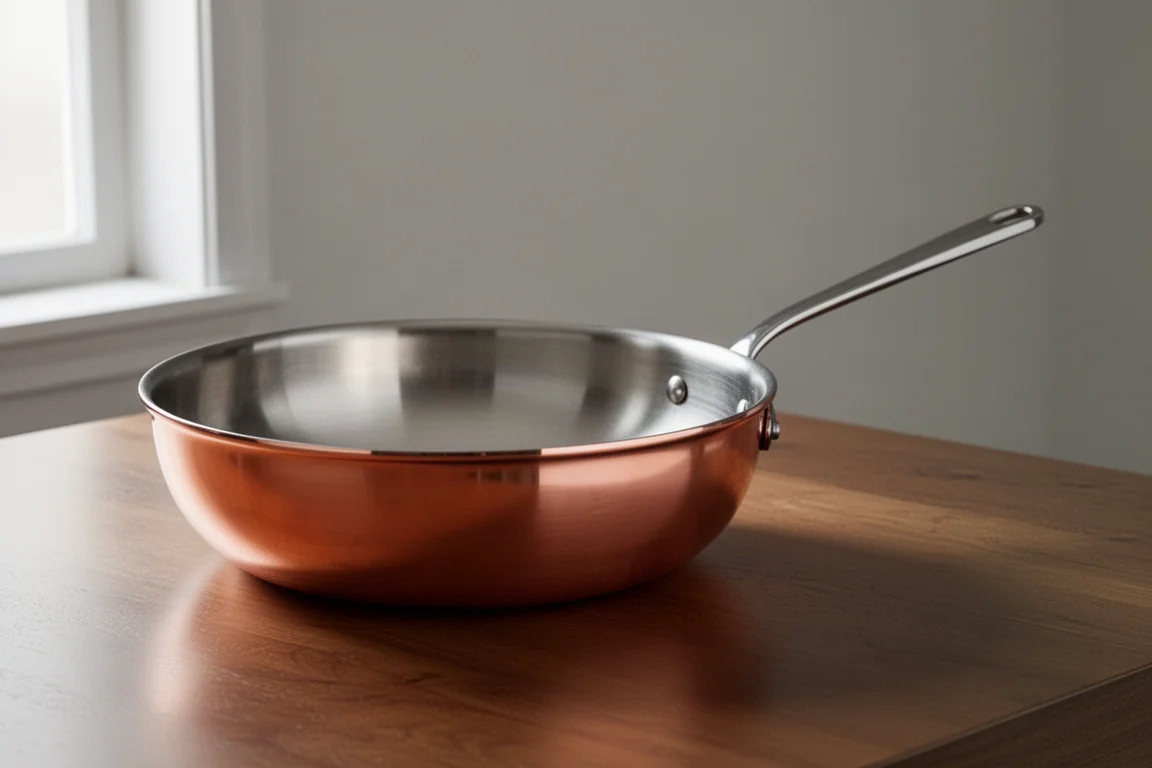
The Mauviel M’Heritage M200CI round fry pan, in the 11.9 inch size, is the pick if you want the full copper experience. At $435 it is not cheap, but it proved very responsive and a genuine joy to cook with, and food turned out beautifully in testing.
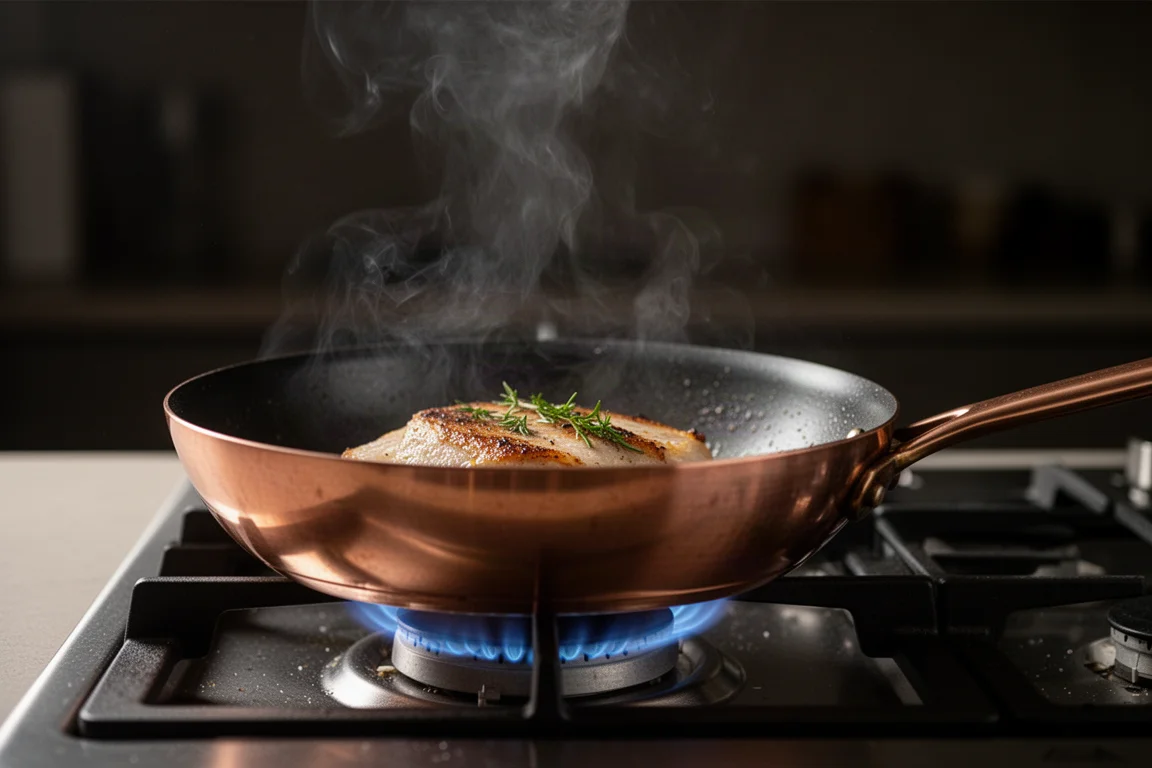
This is also a pan built to outlast its owner. With a stainless lining and a durable copper body, it is the kind of cookware you pass down rather than replace.
The Copper-Clad Alternative: All-Clad Copper Core Five-Ply
If the maintenance-free route appeals more, the All-Clad Copper Core Five-Ply Bonded Fry Pan in 12 inches is the standout of the copper-clad style. At $265, it was a terrific performer in testing, just without the flashy mirror-polished exterior.
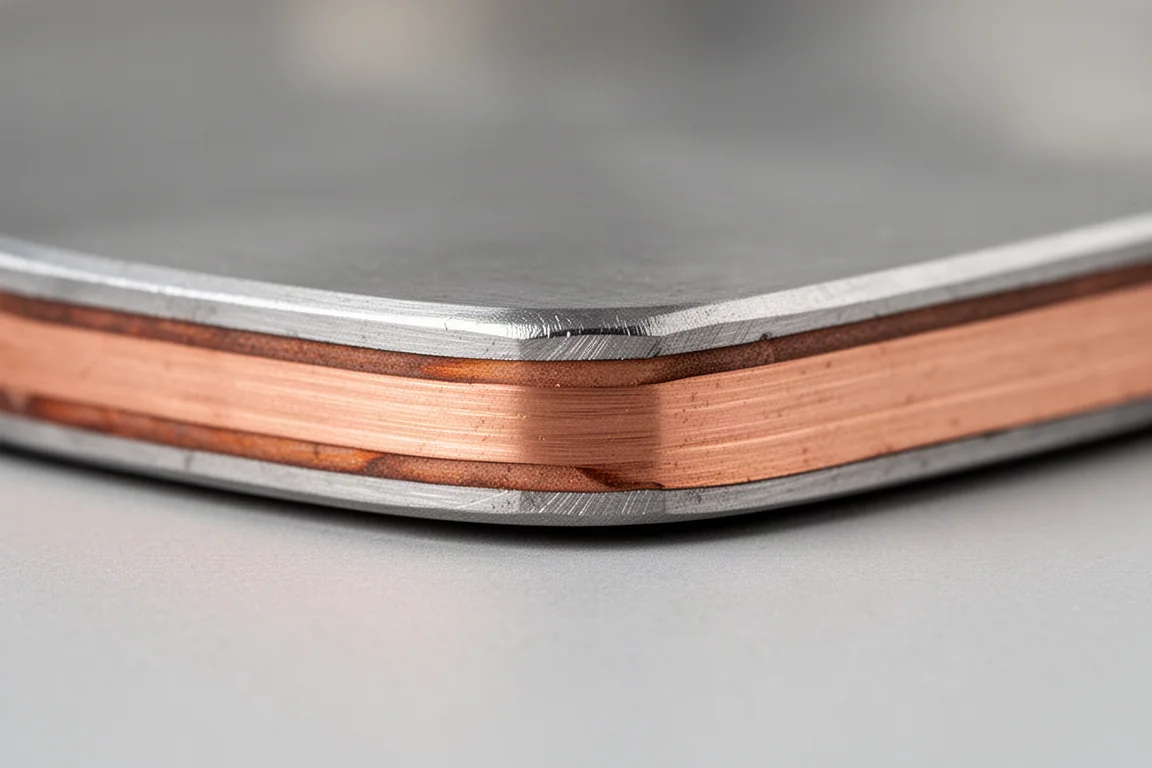
It suits cooks who want copper’s cooking benefits in a lighter, lower-maintenance pan they can use every day without thinking about polishing.
The Traditional Benchmark: All-Clad D3 Skillet
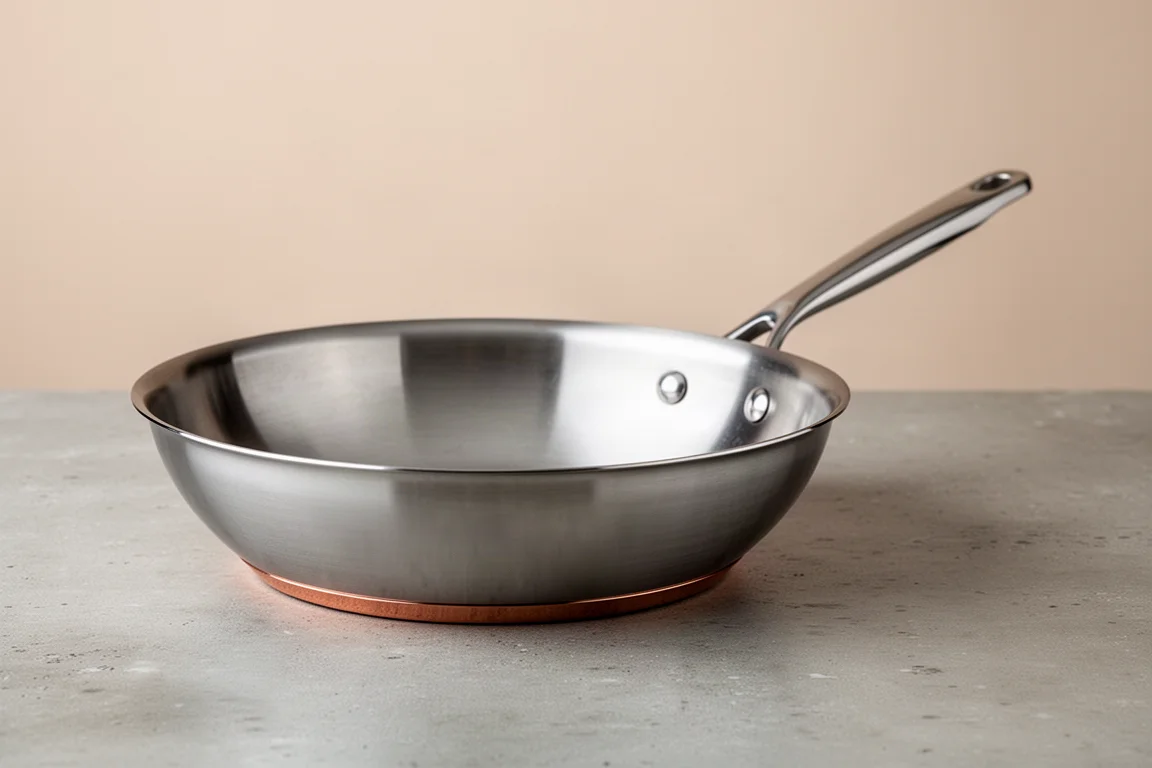
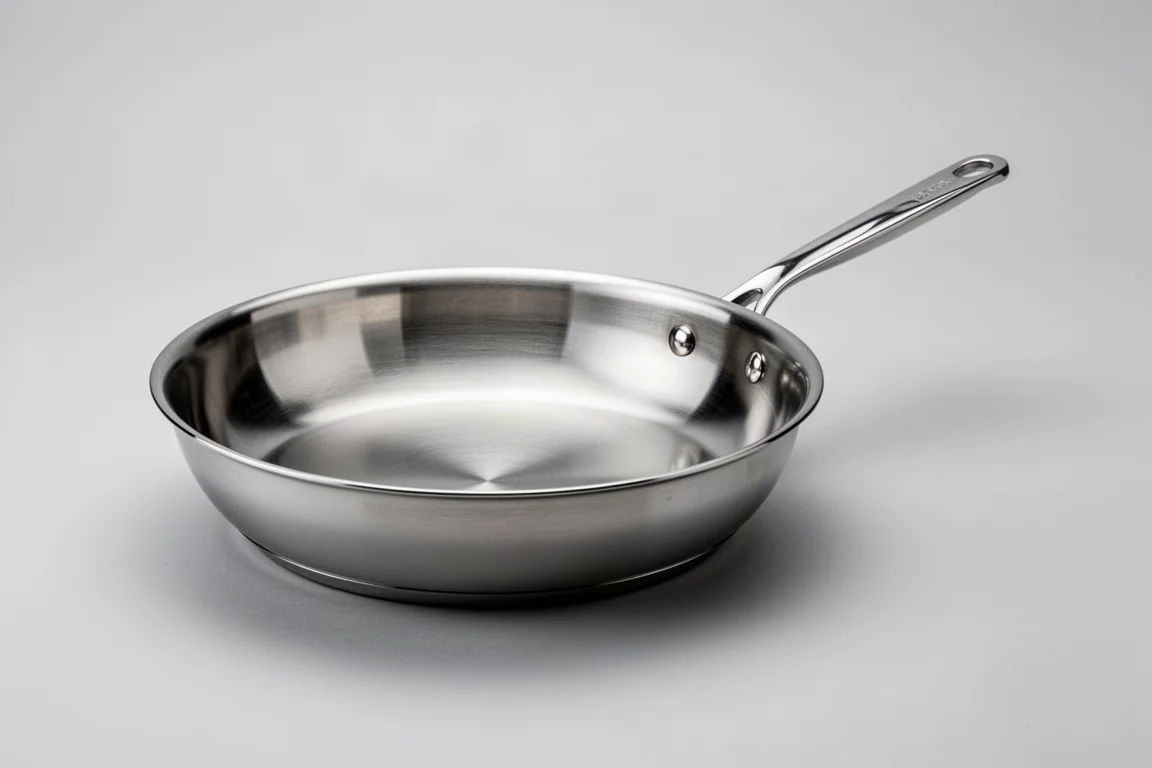
Every copper pan was tested alongside the All-Clad D3, a proven traditional stainless skillet. Despite the copper pans weighing nearly twice as much on average, the D3 held its own across all the cooking tests, which is exactly why it remains the reference point for this category.
If pure responsiveness and heritage looks are not priorities, the D3 delivers dependable, even performance at a more approachable level.
Buying Advice
Choose the Mauviel M’Heritage M200CI if you want the bling, are willing to spend the money, and do not mind some upkeep. Choose the All-Clad Copper Core Five-Ply if you want a lighter, easier-to-maintain pan that still cooks beautifully. And if you simply want a dependable traditional skillet as a daily driver or a comparison baseline, the All-Clad D3 remains a safe bet.
Conclusion
Copper skillets earn their reputation: nothing else responds to heat changes quite as quickly, and the best of this group also happens to look spectacular on a rack or a wall. Match the construction style to how much maintenance you want to take on, and any of these three will serve your kitchen well for years.
Further reading
Related Reviews
Cookware
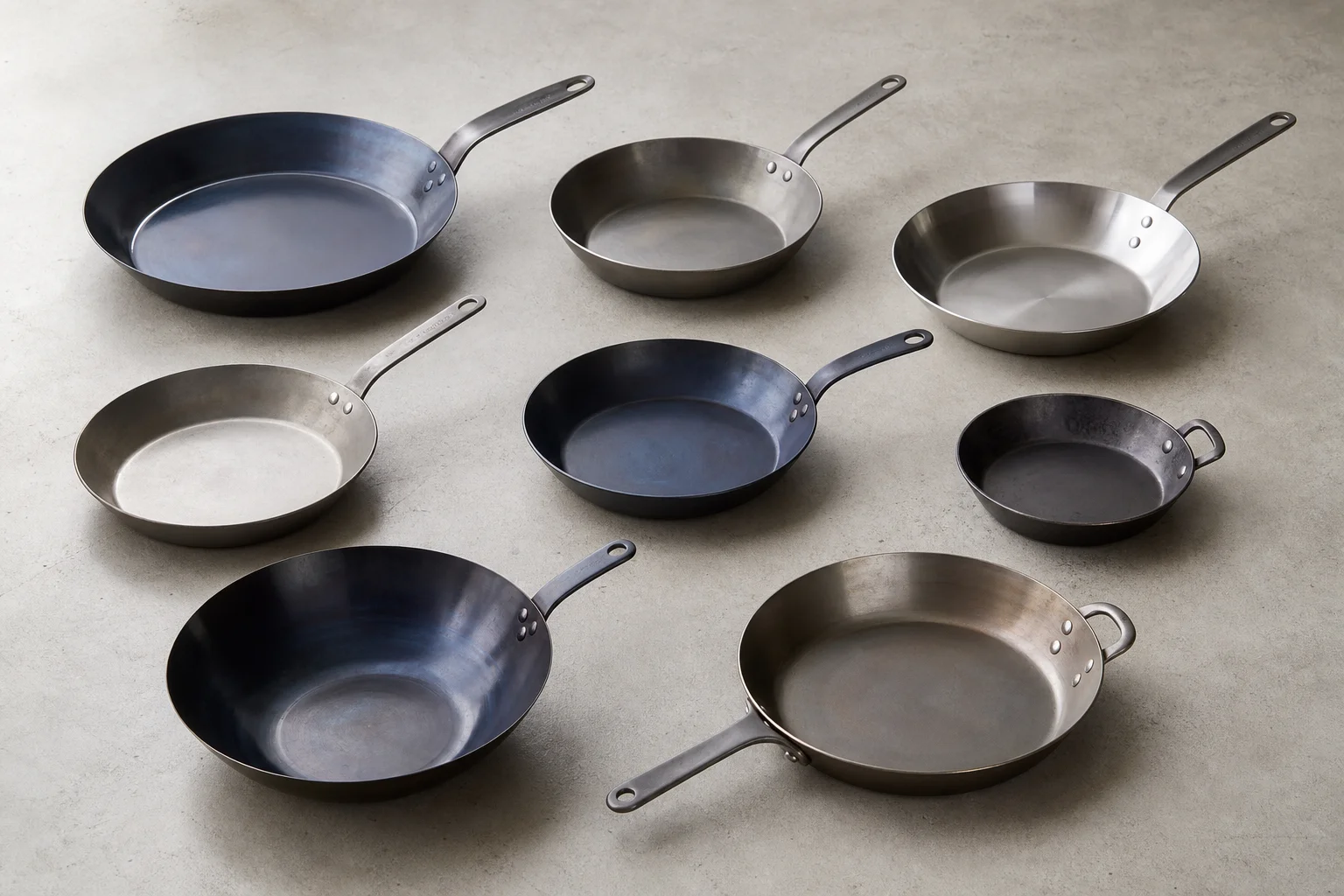
Best Carbon Steel Pans Tested: Which Brands Deliver Real Value
We tested eight popular carbon steel pans with controlled durability, heat, and cooking tests. Here's which ones perform best and which to avoid.
Cookware
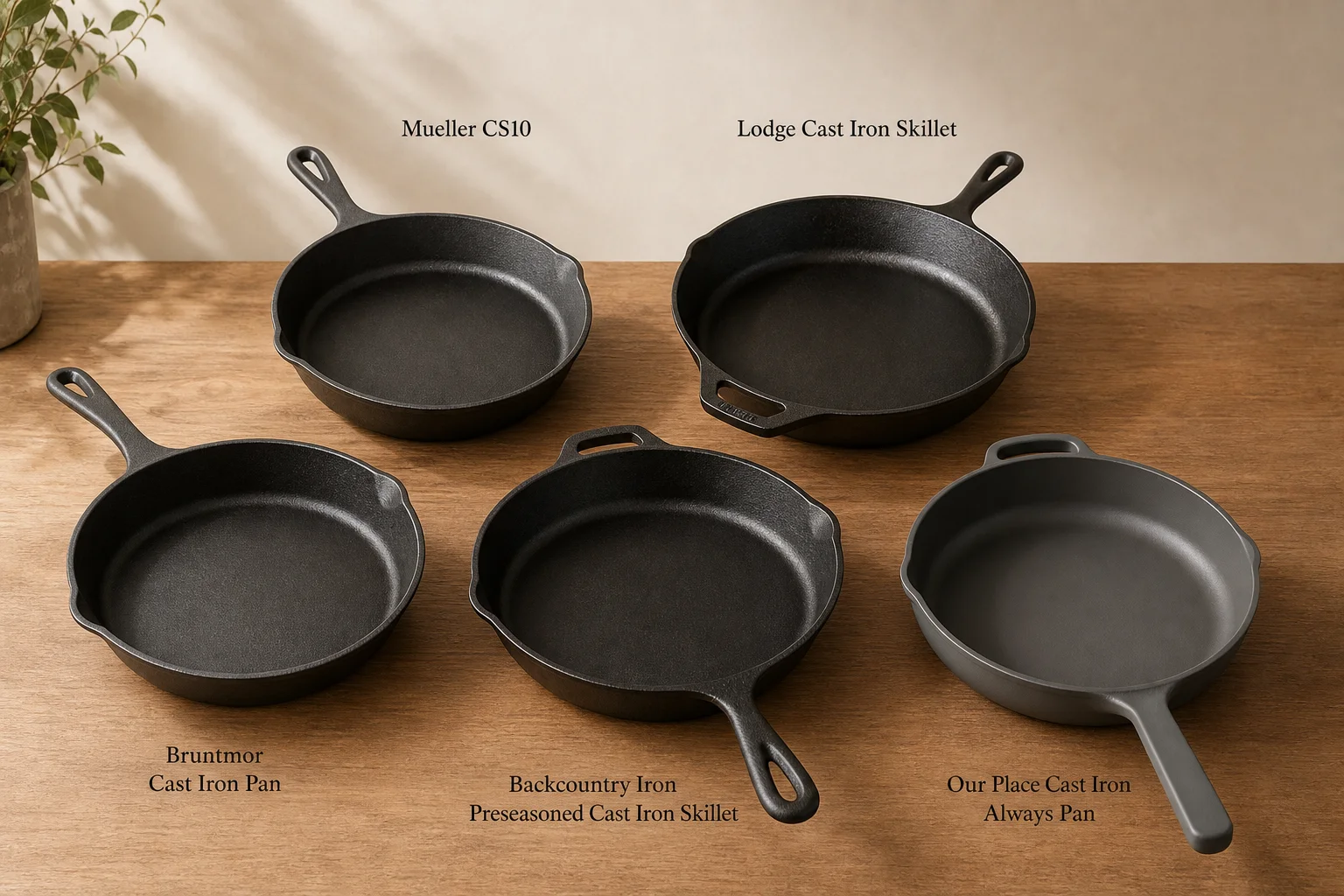
Best Cast Iron Pans 2026: Five Options from Budget to Premium
A practical breakdown of five cast iron skillets, from affordable Mueller to premium Our Place, with clear strengths and trade-offs for different cooking needs.
Cookware
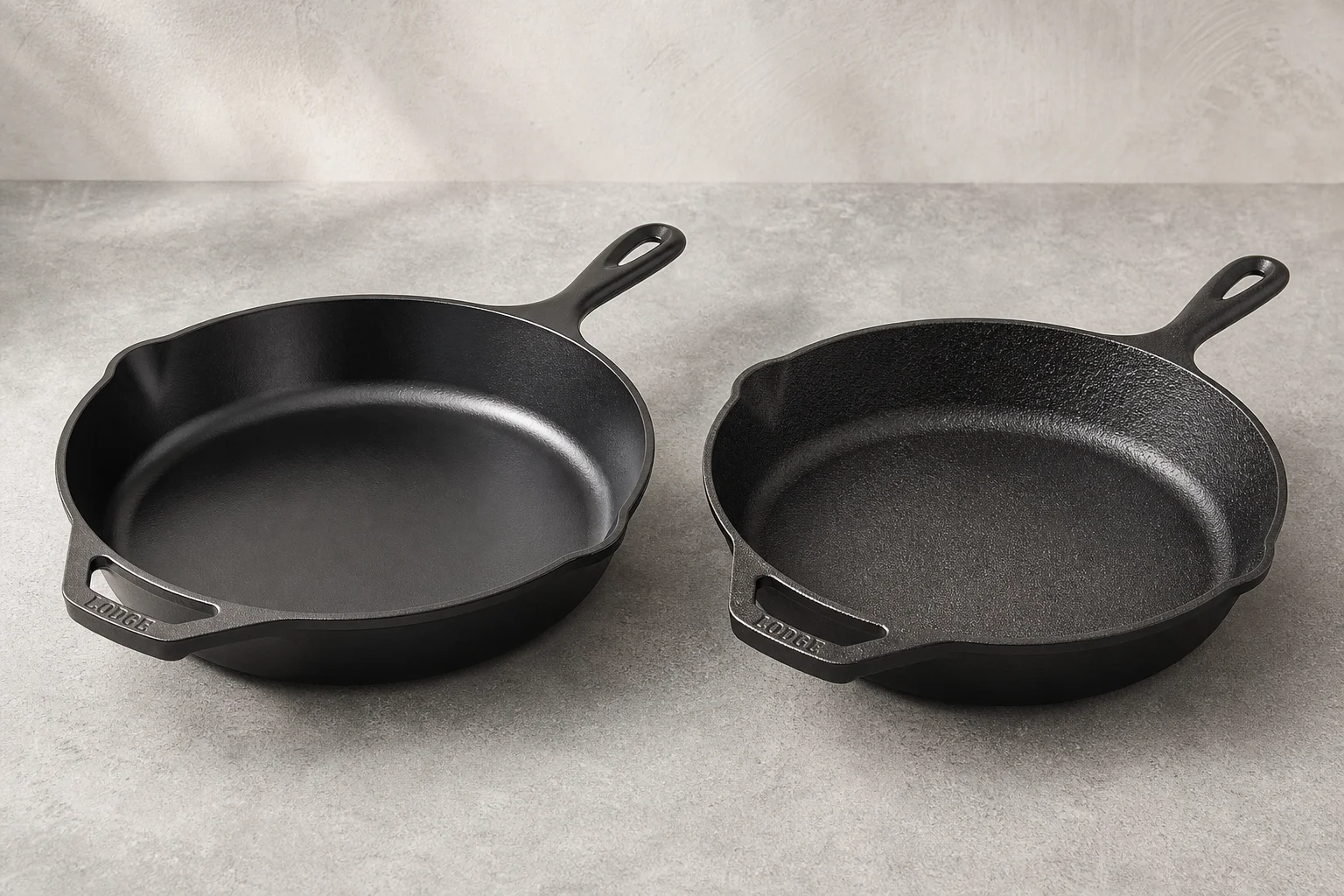
Best 12-Inch Cast Iron Skillets: Premium Craftsmanship vs. Reliable Budget Option
Two standout 12-inch cast iron skillets tested for heat retention, surface finish, and durability. One premium choice and one budget-friendly alternative that both deliver.