Cookware
Best Cookware Not Made in China: Trusted Brands from the US and Europe
A country-by-country guide to cookware brands made in the United States, France, Italy, Belgium, and Denmark, plus two China-made brands worth a look.
Introduction
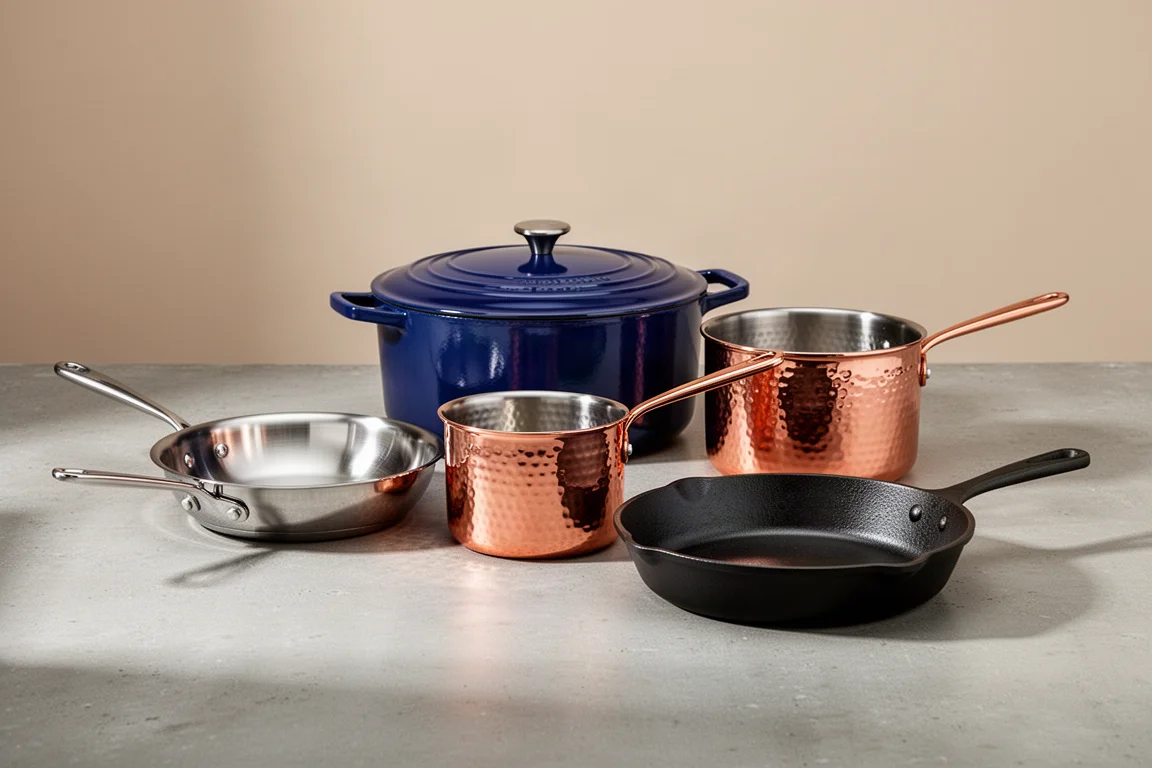
China is the manufacturing hub for many industries, and cookware is no exception. In many cases, cookware made in China is cheaper and lower quality than cookware made in the United States, Europe, and other regions. The good news is that plenty of excellent alternatives are still produced closer to home, and in this guide we break them down by country, highlighting brands that deliver genuine long-term value. US- and European-made cookware generally costs more, but you get more durable, higher-performing products that can last a lifetime.
Best Cookware Made in the United States
Three brands stand out for US-made cookware: All-Clad, Made In, and Lodge.
All-Clad has been making bonded stainless steel cookware in Canonsburg, Pennsylvania, just outside Pittsburgh, since the 1970s. The brand pioneered fully clad cookware, which is where the name comes from. Every stainless steel collection is made in the United States from locally sourced materials, though the non-stick collections and the stainless steel lids and handles are made in China. The best-selling D3 collection uses three fully clad layers, while D5 adds five bonded layers for better heat distribution, and Copper Core is the most premium line with a copper mid-layer for exceptional responsiveness and heat control. All-Clad is not cheap, but it is high-performing, elegant, and built to last a lifetime.
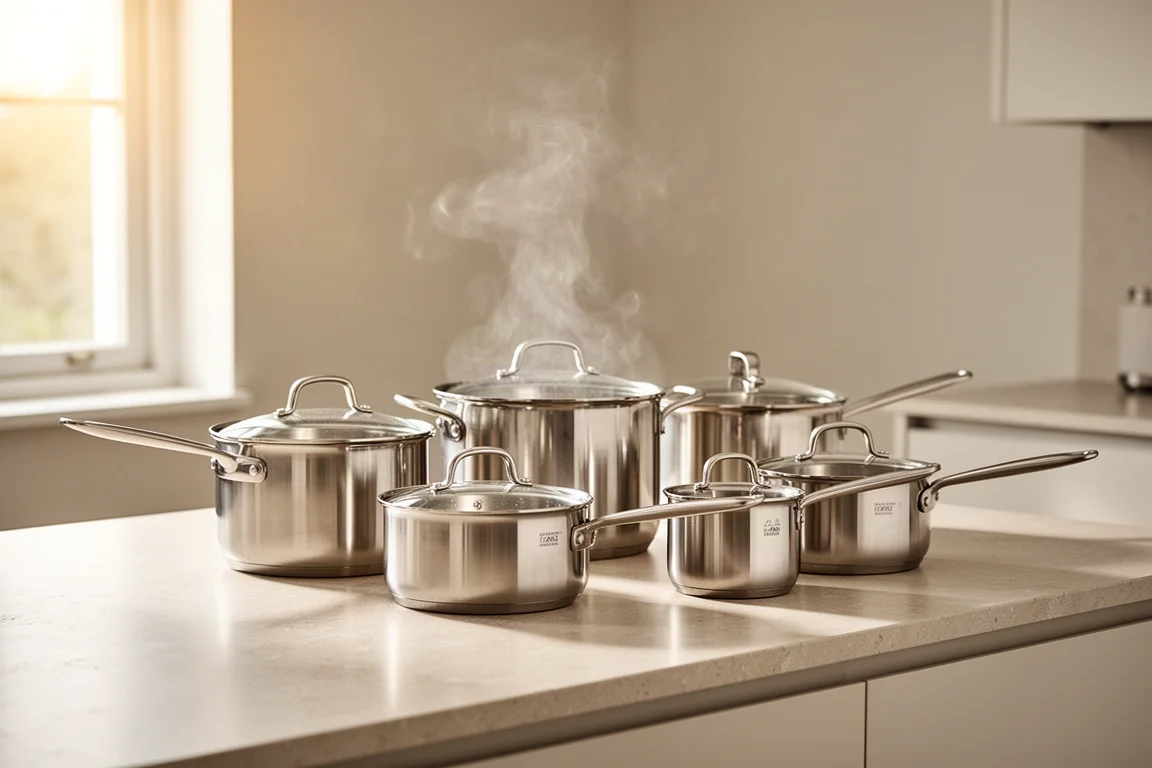
Made In launched in 2016 with the goal of offering professional-level cookware at more accessible prices. It is still less expensive than other premium US-made brands because it sells directly through its own website, cutting out retailers who add hefty margins. Several Michelin-starred restaurants use Made In, and the brand is backed by renowned chefs including Tom Colicchio. The 5-ply stainless steel construction is ultra durable and distributes and retains heat exceptionally well; in testing, it conducted and retained heat better than industry leaders including All-Clad and Calphalon. It works on all cooktops, including induction, and is oven-safe up to 800 degrees Fahrenheit.
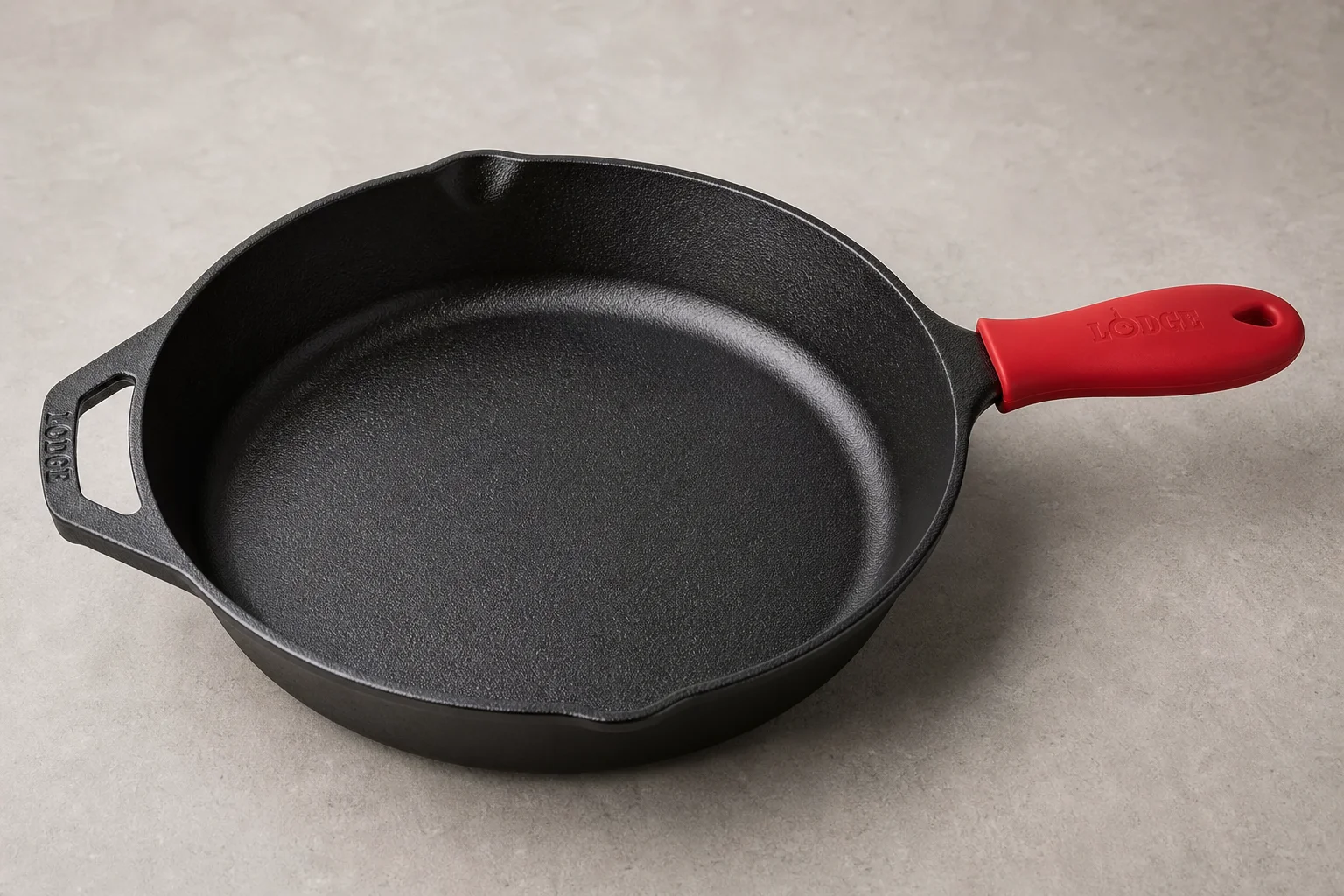
Lodge is a multi-generational family-owned brand that has been making cookware in South Pittsburgh, Tennessee, since 1896. Its cast iron skillets are thick, heavy, and super durable, and with proper care they can last a lifetime and be passed down to the next generation. In testing, Lodge skillets retained heat better than top competitors. The best part is the price: a 12-inch Lodge skillet costs half as much as a premium stainless steel or copper pan, sometimes less. One thing to note: the seasoned cast iron is made in the USA, but the enameled cast iron products, like the Dutch oven, are made in China.
Best French Cookware: Le Creuset and Staub
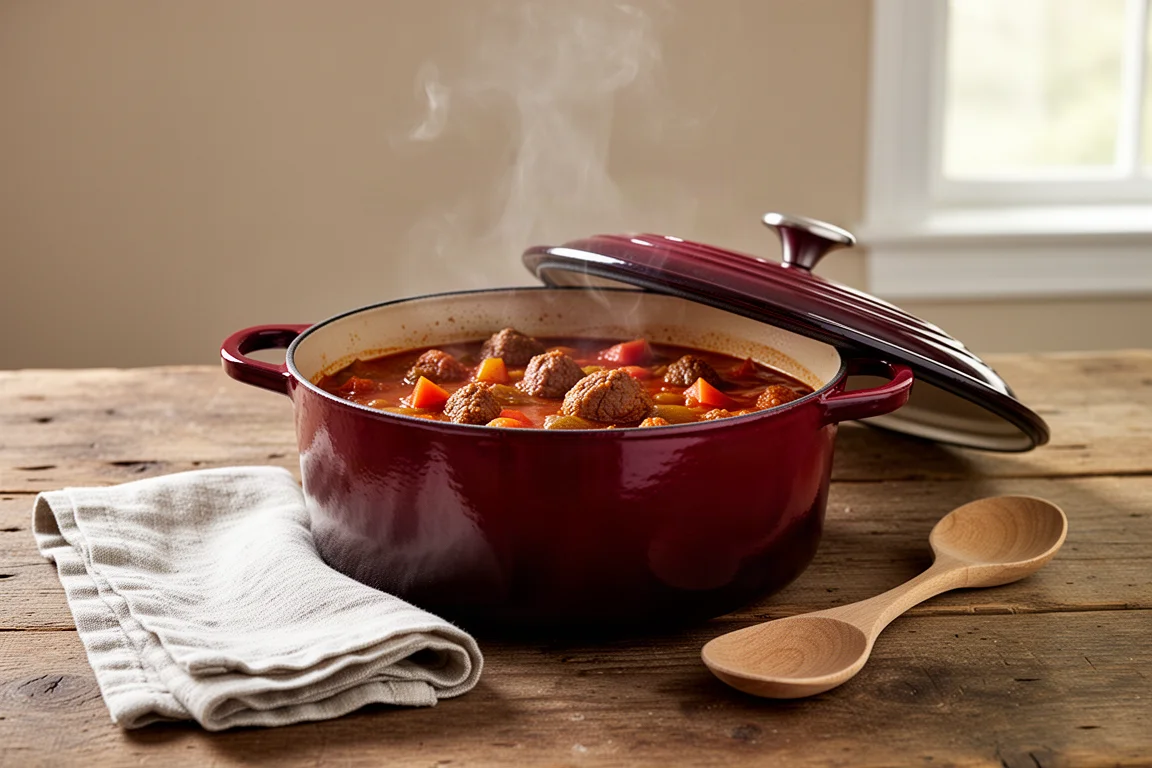
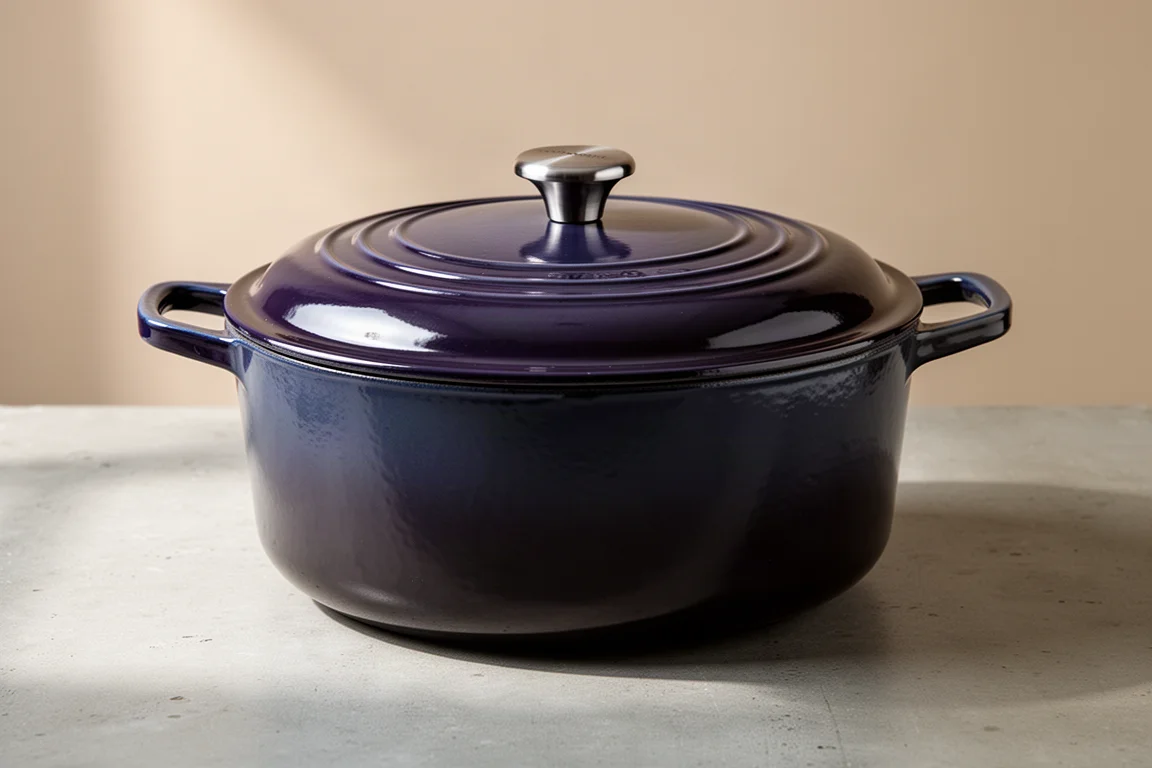
Le Creuset is known for its iconic enameled cast iron cookware, available in more than 20 colors. Its Dutch ovens have become so popular that it is nearly impossible to watch a cooking show or browse a wedding registry without seeing one. There is a certain prestige to owning one: it is an attractive piece that stands out in any kitchen and gets you excited to cook and host gatherings. Enameled cast iron cookware, including the famous Dutch ovens, has been made in the French town of Fresnoy-le-Grand since the company’s founding in 1925. Be aware that the kettles and ceramics are made in Thailand, and the stainless steel cookware is made in Portugal.
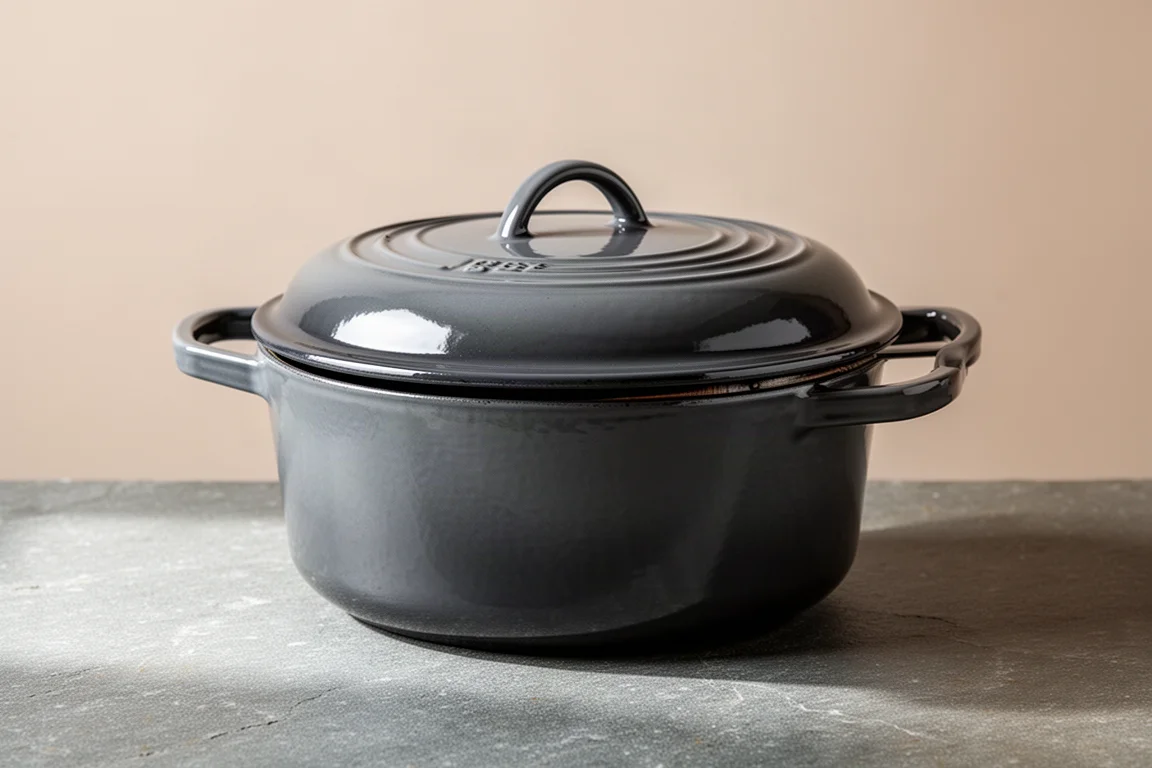
Staub hit the market in 1974, named after founder Francis Staub. Its enameled cast iron cookware is made in Alsace, France, a region famous for its culinary tradition. The cast iron cocotte has a beautiful glossy exterior in a wide range of colors, from bright orange, red, and blue to neutral tones like graphite gray, basil green, and black. The lids are specially designed to lock in moisture, with small bumps on the interior that distribute moisture evenly as it drips back onto the ingredients. The enameled cast iron is made in France, but Staub’s ceramic products are made in China.
Best French Copper: Mauviel and Made In
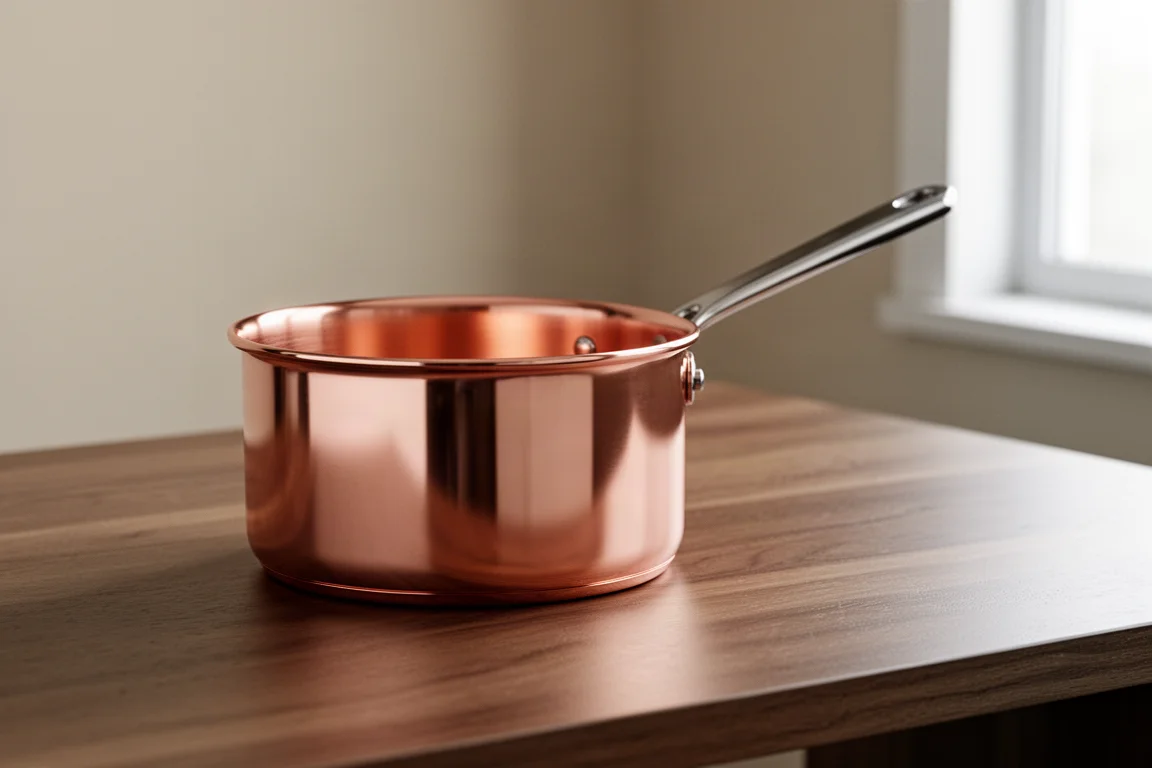
Mauviel started in 1830 in a French region known as the “City of Copper” for its many copper artisans. Nearly 200 years later, the company is still owned by descendants of founder Ernest Mauviel and still makes its cookware in France. It offers ten collections across aluminum, copper, stainless steel, and a copper-stainless blend, but it is best known for its stunning copper cookware. Copper is incredibly conductive, giving even heat distribution and precise temperature control, so you get pro-level performance along with striking looks. It is fancy and expensive, but it is gorgeous, made-in-France cookware that performs exceptionally well.
Made In partners with multi-generational, family-owned factories in France to produce its premium copper cookware. It may not have Mauviel’s history, but you would not know it from the product. The cookware features a 90% copper exterior with a 10% stainless steel interior, heats up quickly, responds well to temperature changes, and is oven-safe up to 800 degrees Fahrenheit. Made In’s carbon steel cookware is also made in France, combining the heat control of stainless steel, the heat retention of cast iron, and, when properly seasoned, a slick, easy-release surface like non-stick.
Best Italian Cookware: Hestan and Ballarini
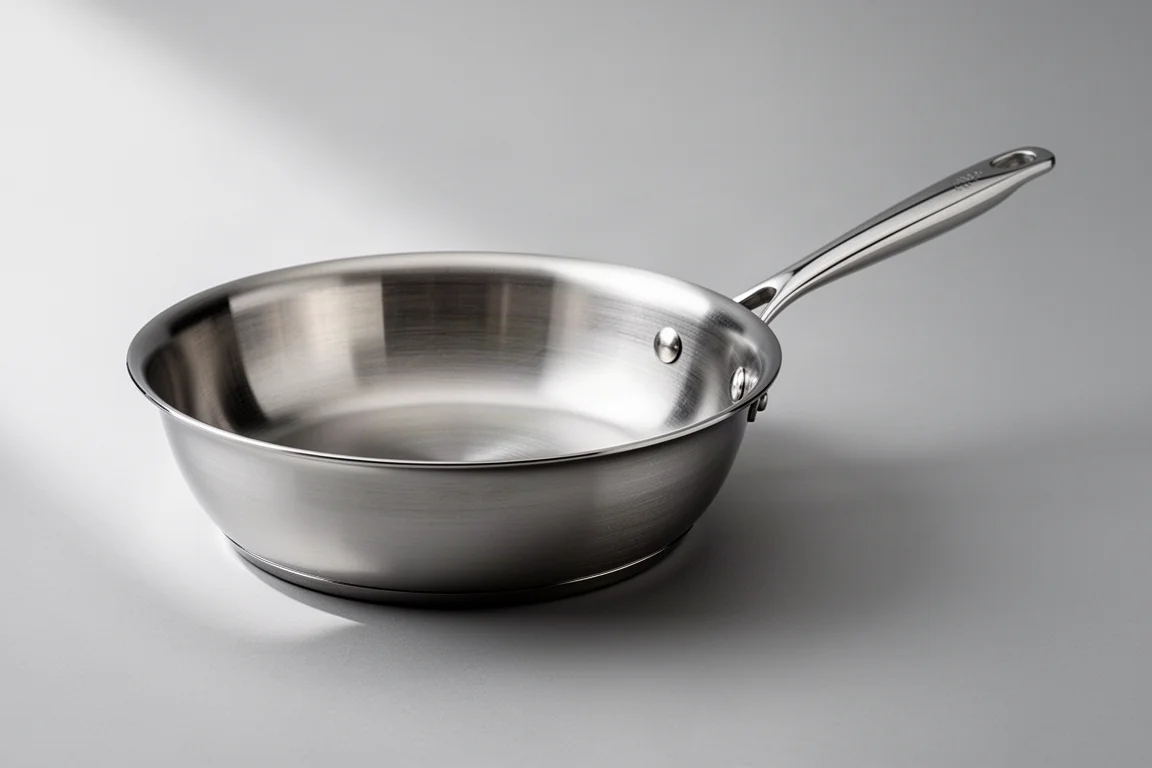
Hestan was founded by Stanley Cheng, an innovator credited with inventing the first non-stick hard-anodized aluminum cookware in the 1970s. Although Hestan is a relatively new brand, it is part of Meyer, a global company that has been in business for decades and owns more than 30 cookware and bakeware brands. All Hestan cookware is handcrafted in Italy and features flush rivets and sealed stainless steel rims, which protect against rust and prevent the layers from splitting over time. The exterior and interior are bonded with thousands of nano layers of titanium to reinforce the stainless steel, increasing its strength by 400 percent. Between the flush rivets, titanium-reinforced steel, sealed rims, and a 20 percent larger cooking surface, these pots and pans are truly unique.
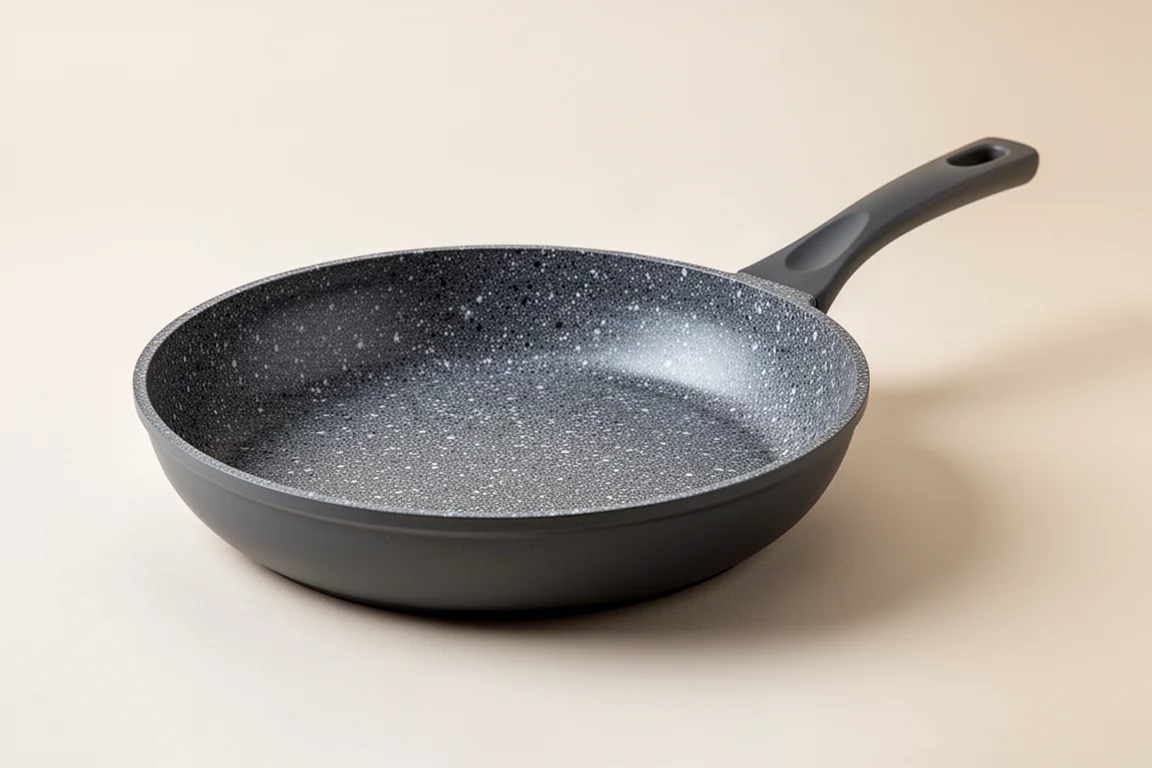
Ballarini was founded in 1889 by Paulo Ballarini in the Lombardy region of Italy, where the company still makes its cookware today. It produces several types of cookware, including aluminum, non-stick coated aluminum, copper, and stainless steel. Parma is the best-selling collection, made with a cold-forged aluminum base and a Granitium non-stick coating. This special coating looks like granite and is infused with tiny ceramic particles for added strength and scratch resistance.
Best Cookware from Belgium, Denmark, and Switzerland
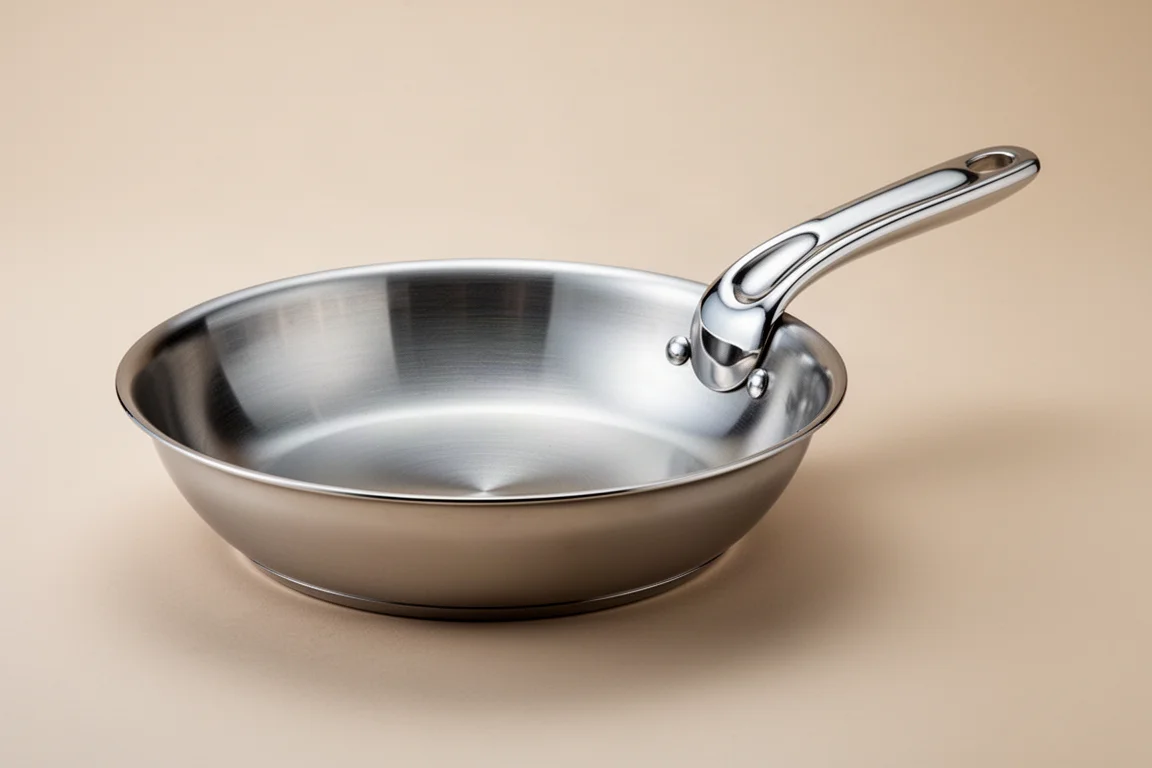
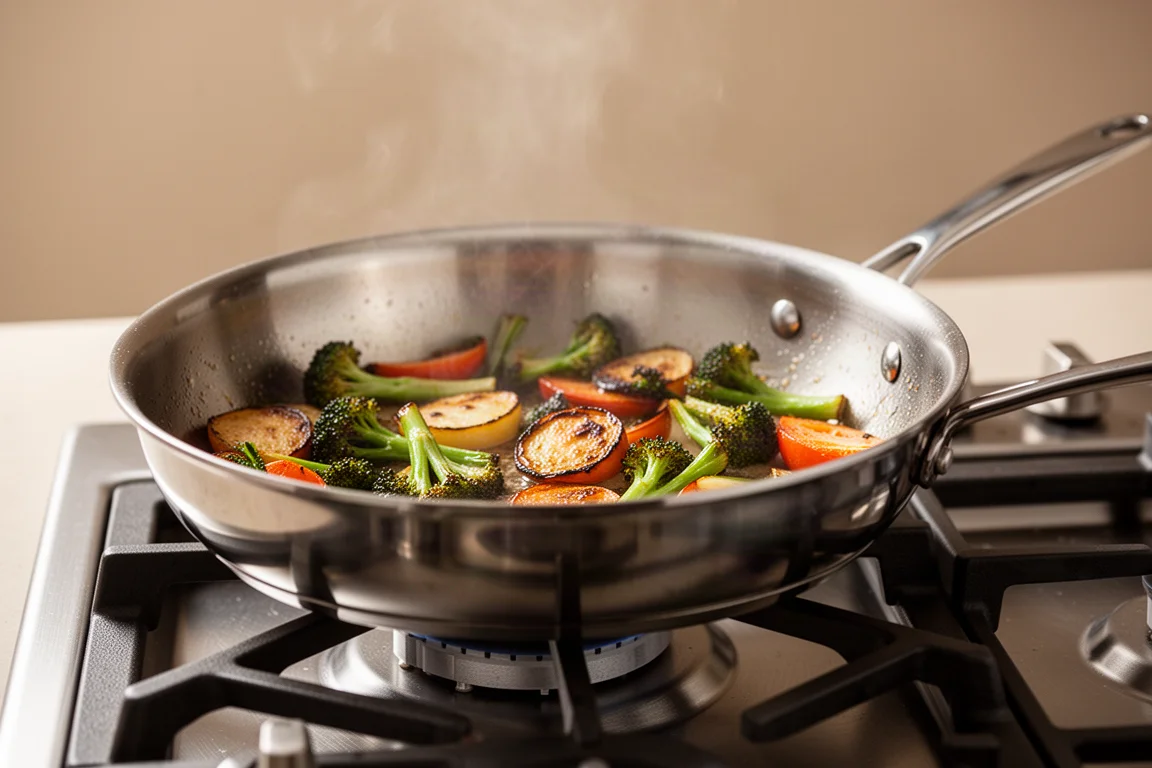
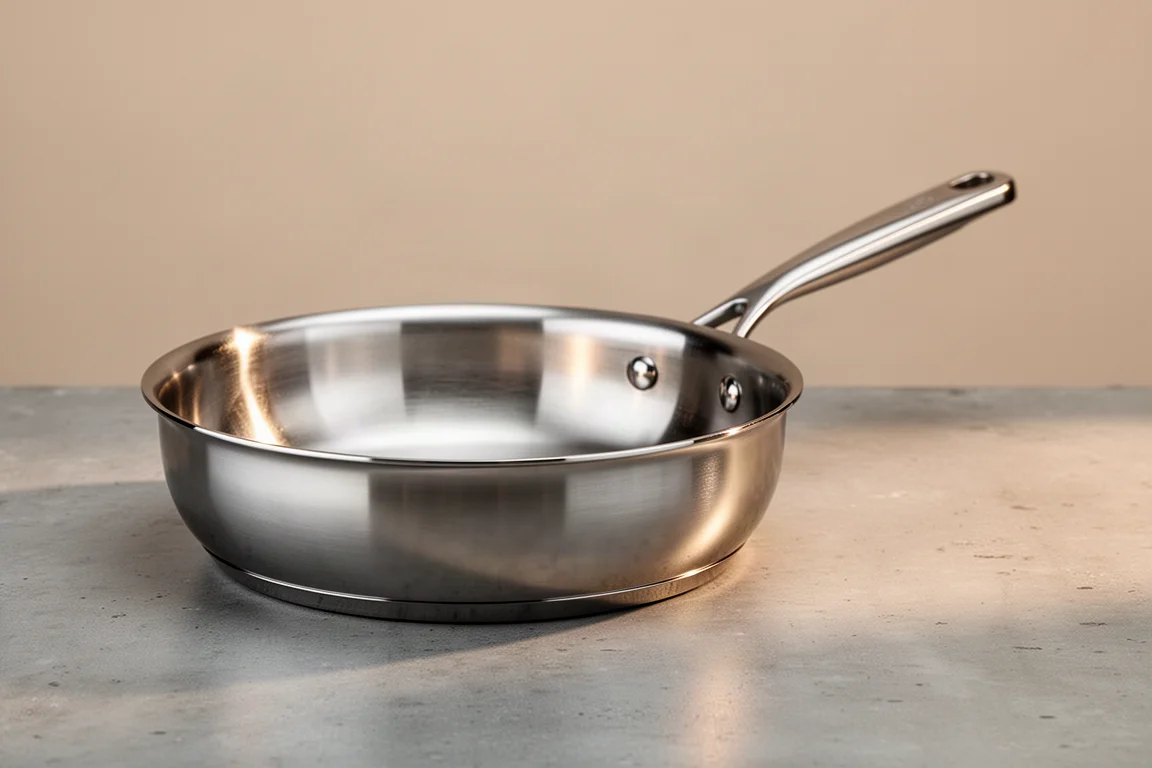
Demeyere launched in 1908 and remains a family-owned business four generations later, with all cookware made in Belgium since the beginning. The most popular collection is Atlantis, which features a seven-ply base of multiple aluminum layers sandwiched between steel for exceptional heat conduction. All Demeyere cookware gets a surface treatment called Silvinox that maintains a sleek matte finish and prevents discoloration. The cookware is thick, heavy, and super durable, and the handles are welded directly to each piece, providing a smooth rivetless cooking surface with more room to cook and easier cleanup.
Scanpan was founded in 1956 and manufactures its cookware in Denmark, where each piece is inspected by skilled artisans eight times before leaving the factory. The most popular collection, Classic, has a patented non-stick surface strong enough to withstand metal utensils, a squeeze-cast base made from 100 percent recycled aluminum for even cooking, and a PFOA-free non-stick coating that handles up to 500 degrees Fahrenheit in the oven. Note that while Scanpan non-stick cookware is made in Denmark, collections with a stainless steel cooking surface are designed in Denmark but manufactured in China.
Swiss Diamond was founded in Switzerland in 1974 and manufactures its non-stick cookware in Switzerland using eco-friendly technology. Its production facility at the foot of the Swiss Alps runs on 100 percent hydroelectric power. The brand has earned worldwide recognition for its diamond-reinforced non-stick coatings, HD and XD. HD is reinforced with up to 200,000 diamond crystals per pan for superior heat conduction and durability, while XD contains 20 percent more diamond crystals and is claimed to be 40 percent more durable with better food release. Swiss Diamond also makes stainless steel and enameled cast iron cookware and kitchen knives, though the stainless steel is made in China.
Two China-Made Brands Worth Considering
Not every worthwhile cookware brand avoids Chinese manufacturing entirely, and two are worth a look even so. Misen launched in 2015 with a direct-to-consumer model similar to Made In. Although its cookware is made in China, it is elegant, durable, and performs really well. The 5-ply stainless steel features sealed rims and a thick three-millimeter base, and the non-stick line uses a multi-layer PFOA-free premium coating. Overall, it is a solid brand that is much cheaper than most of the options covered above.
Calphalon is a Toledo, Ohio-based company that has long been a fixture in American kitchens. In the past, all of its cookware was made in the US, but now most of it is made in China. Only the Elite and Signature non-stick collections are still made in the US. Calphalon is a pioneer of hard-anodized aluminum non-stick cookware, and regardless of where it is made, it is durable, reliable, and performs really well.
Buying Advice
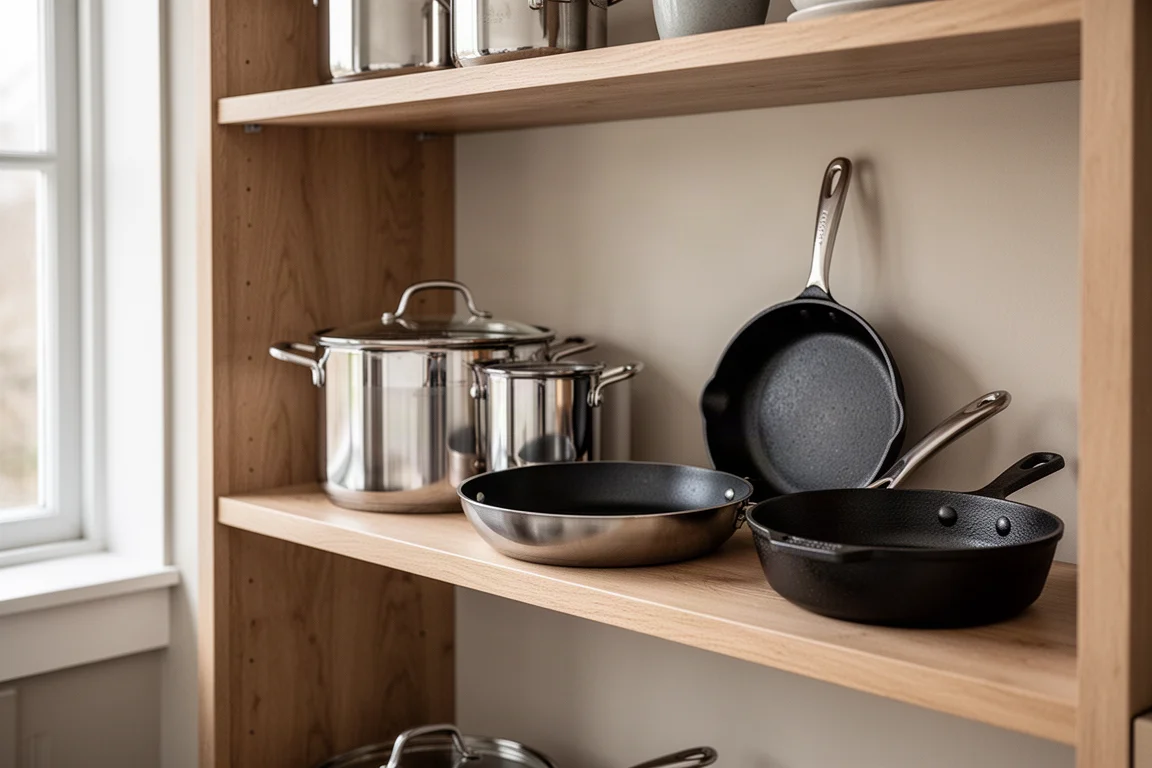
If you want cookware made in the United States or Europe, you have genuinely strong options: All-Clad and Made In for stainless steel, Lodge for affordable cast iron, Le Creuset and Staub for enamed cast iron, Mauviel and Made In for French copper, Hestan and Ballarini for Italian craftsmanship, and Demeyere, Scanpan, and Swiss Diamond for Belgian, Danish, and Swiss quality. Always check the specific collection before buying, because many brands mix manufacturing locations across product lines. Expect to pay more for US- and European-made pieces, but the payoff is cookware that performs better and lasts for decades.
Conclusion
Although it seems like everything is made in China these days, plenty of excellent cookware is produced throughout the rest of the world, especially in the United States and Europe. Match the brand to your cooking style and budget, verify where the specific collection is made, and you will end up with pots and pans that are worth the investment for years to come.
Further reading
Related Reviews
Cookware
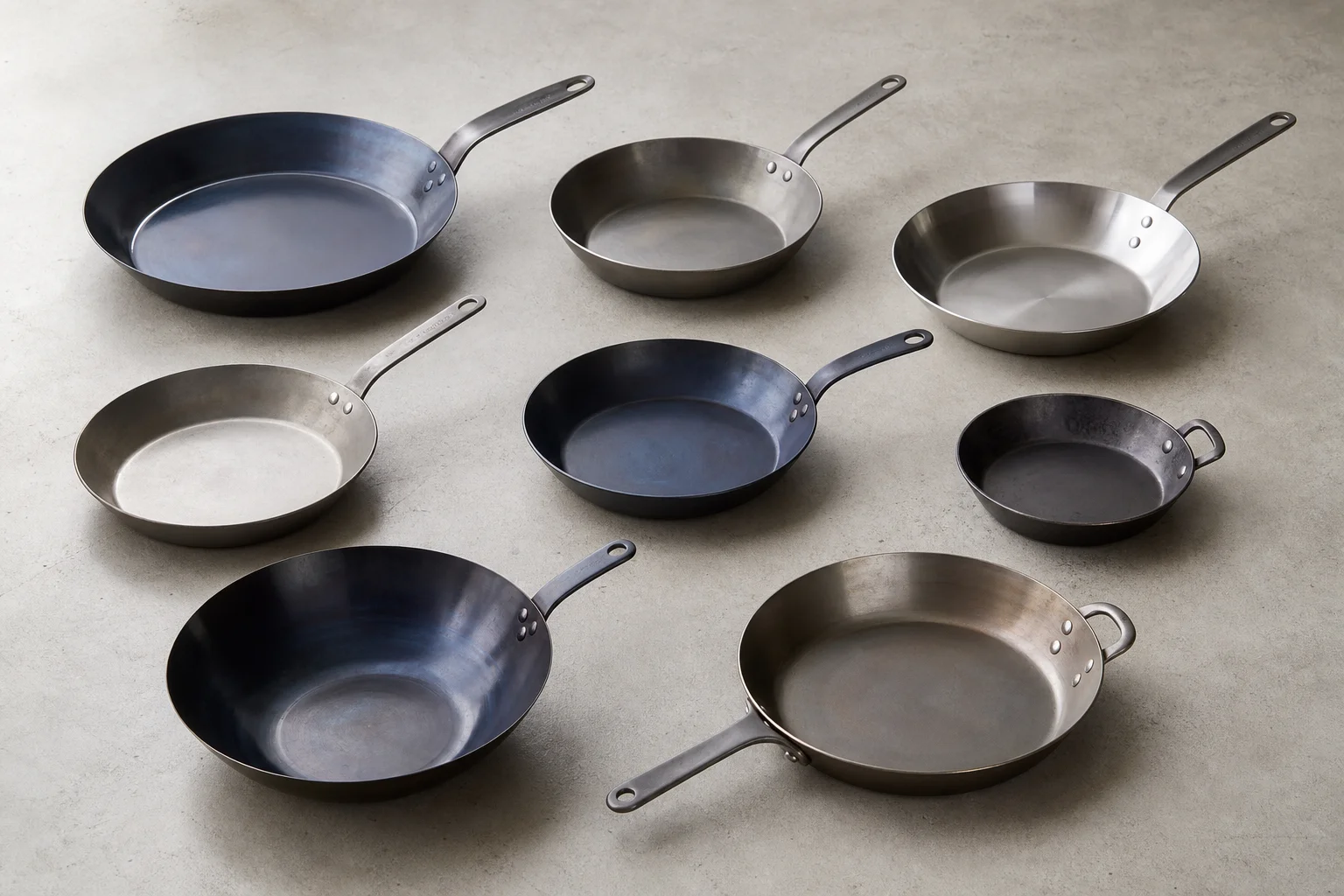
Best Carbon Steel Pans Tested: Which Brands Deliver Real Value
We tested eight popular carbon steel pans with controlled durability, heat, and cooking tests. Here's which ones perform best and which to avoid.
Cookware
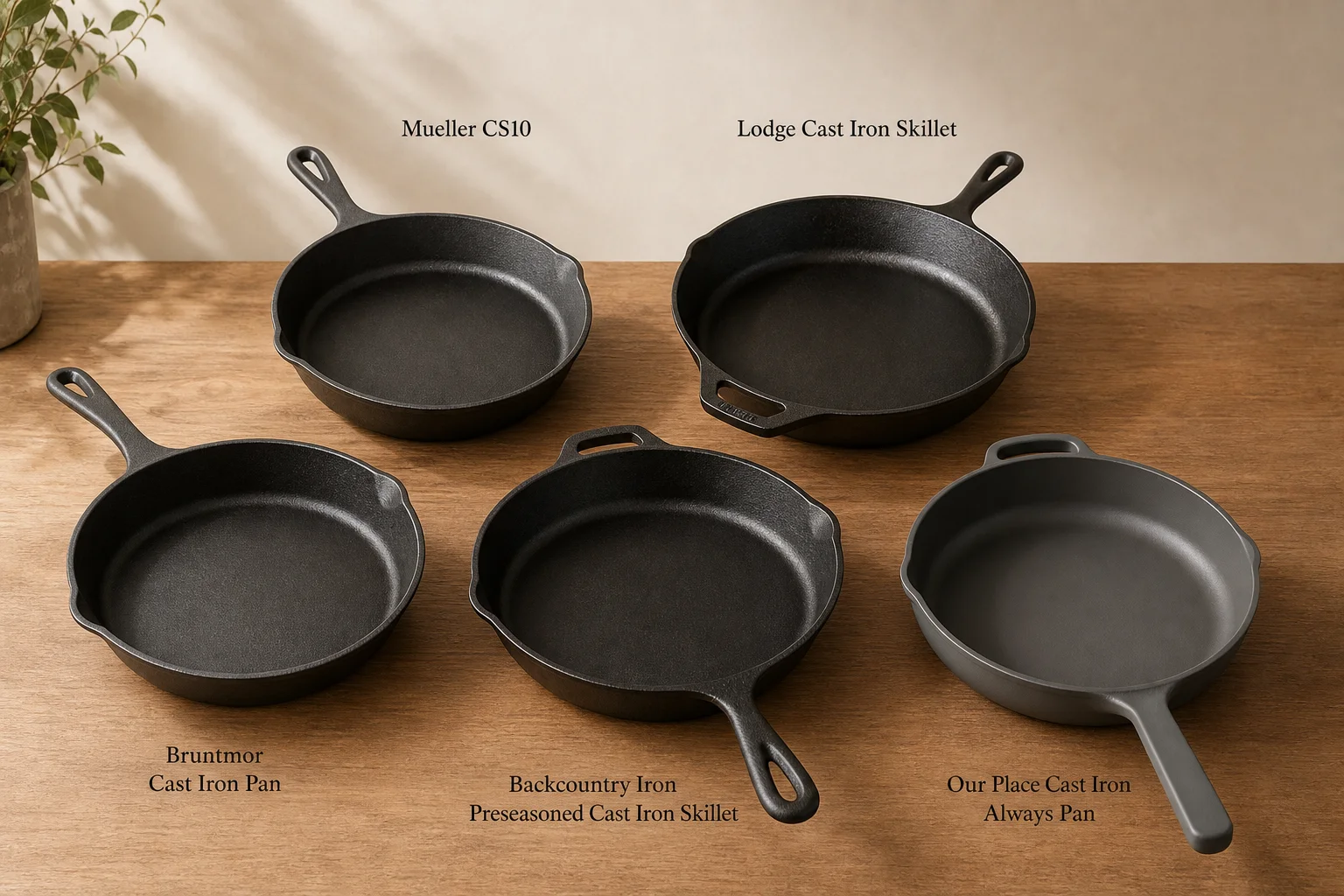
Best Cast Iron Pans 2026: Five Options from Budget to Premium
A practical breakdown of five cast iron skillets, from affordable Mueller to premium Our Place, with clear strengths and trade-offs for different cooking needs.
Cookware
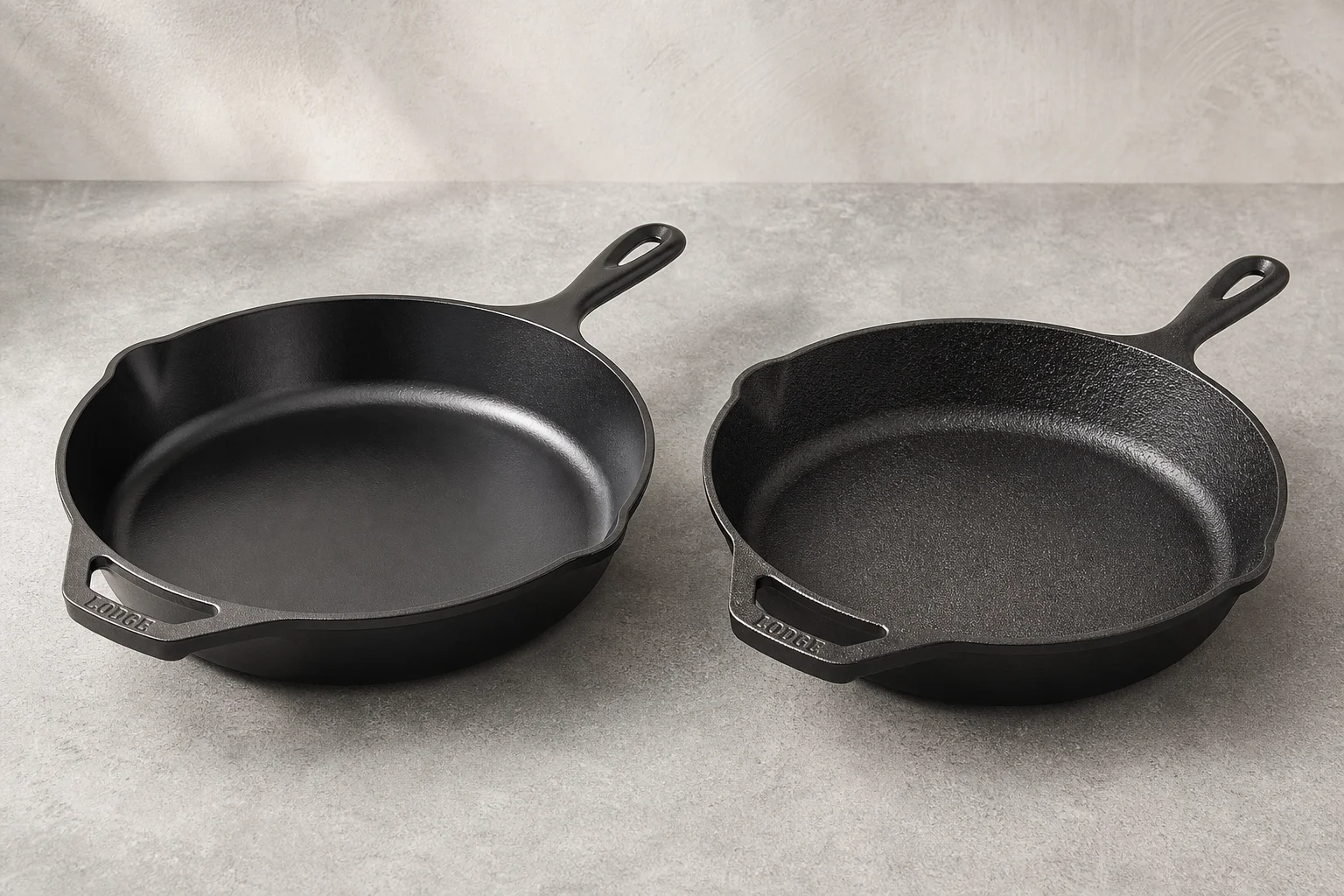
Best 12-Inch Cast Iron Skillets: Premium Craftsmanship vs. Reliable Budget Option
Two standout 12-inch cast iron skillets tested for heat retention, surface finish, and durability. One premium choice and one budget-friendly alternative that both deliver.