Cookware
Best Cookware for Induction Cooktops: 13 Pans Tested Across Every Material
Stainless, non-stick, cast iron, and carbon steel pans go head to head on speed, evenness, noise, and warp resistance on induction.
Introduction
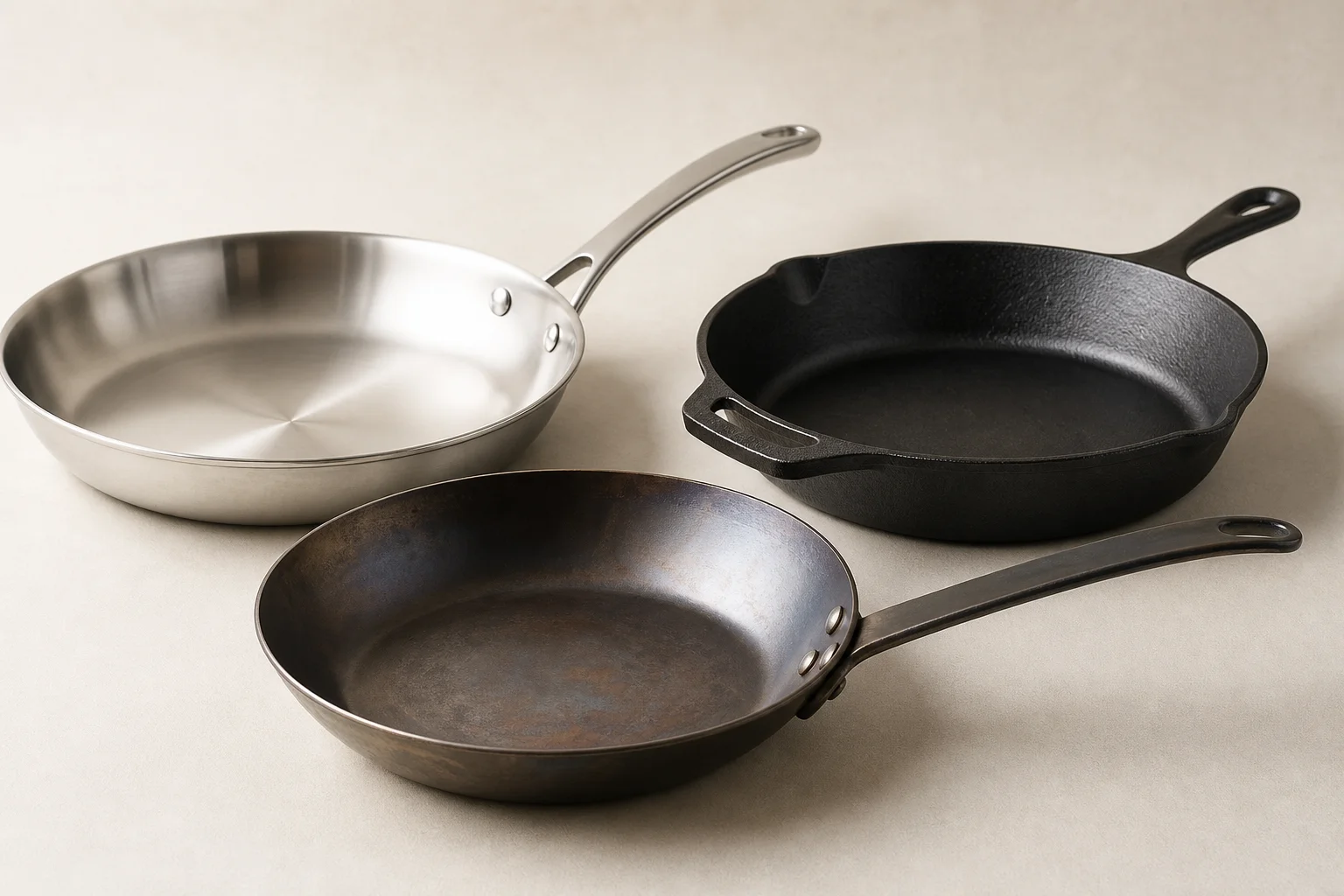
Induction cooktops heat pans faster than almost any other burner, and that speed is exactly what causes trouble. Fast, concentrated heat can warp pan bottoms, cook unevenly, and trigger the buzzing and clicking noises many induction owners know all too well. So which cookware actually handles induction well?
To find out, 13 top-performing cookware collections across stainless steel, non-stick, cast iron, and carbon steel were put through a structured round of induction testing. The results split cleanly: some pans thrive on induction, others warp, buzz, or simply heat too slowly for the material to make sense here.
How the Testing Worked
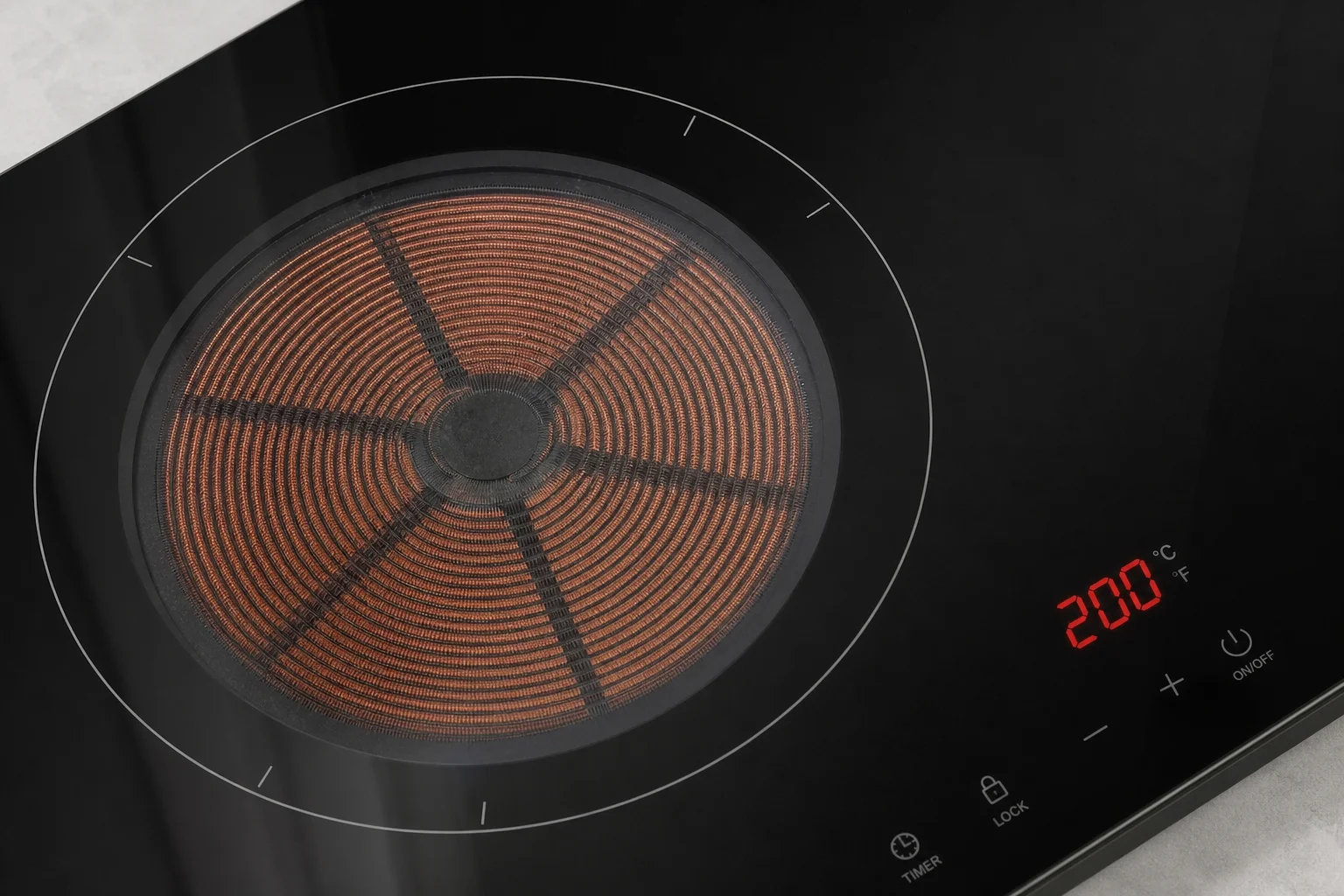
Each pan faced the same series of tests on the same induction burner:
- Speed: time to reach 400F at the pan’s center, with edge temperature measured the moment the center hit 400F to see how evenly heat spread.
- Boiling: how long each pan took to bring 4 cups of 60F water to a boil.
- Warp resistance: bottom flatness measured before and after heating to 475F for two minutes.
- Everyday cooking: eggs, pancakes, chicken, and more, while tracking buzzing, clicking, wobble, and oil pooling near the edges.
Stainless Steel on Induction
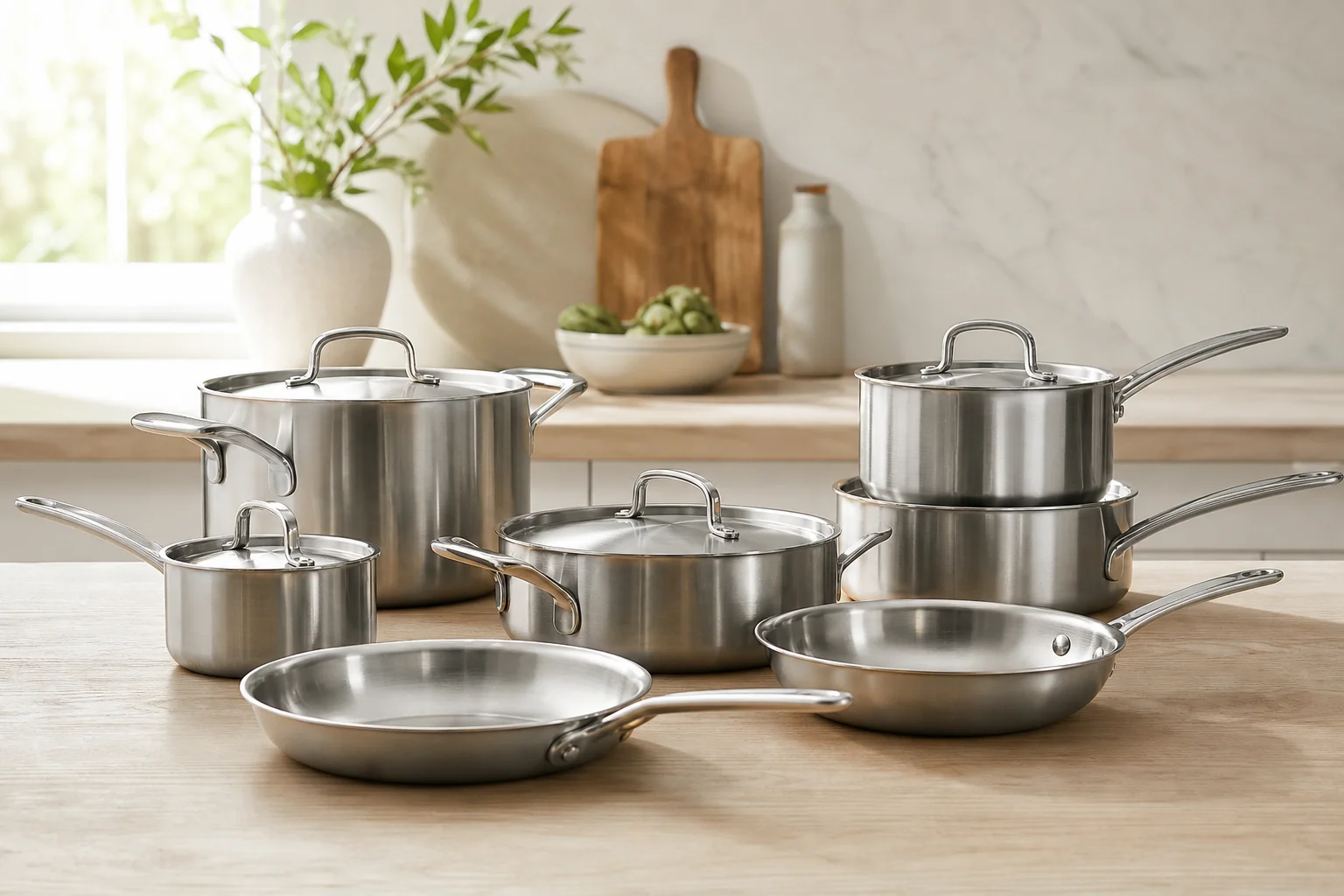
Four top-rated collections were tested: All-Clad D3 Everyday, Hestan NanoBond, Fissler Original-Profi, and Demeyere Atlantis.
All-Clad D3 Everyday
This is the upgraded version of All-Clad’s most popular collection, D3. Instead of the standard U-shape handle, these pans use a subtler groove on top that is noticeably more comfortable. The pan heated fast and evenly, but the bottom warped noticeably during testing.
Hestan NanoBond
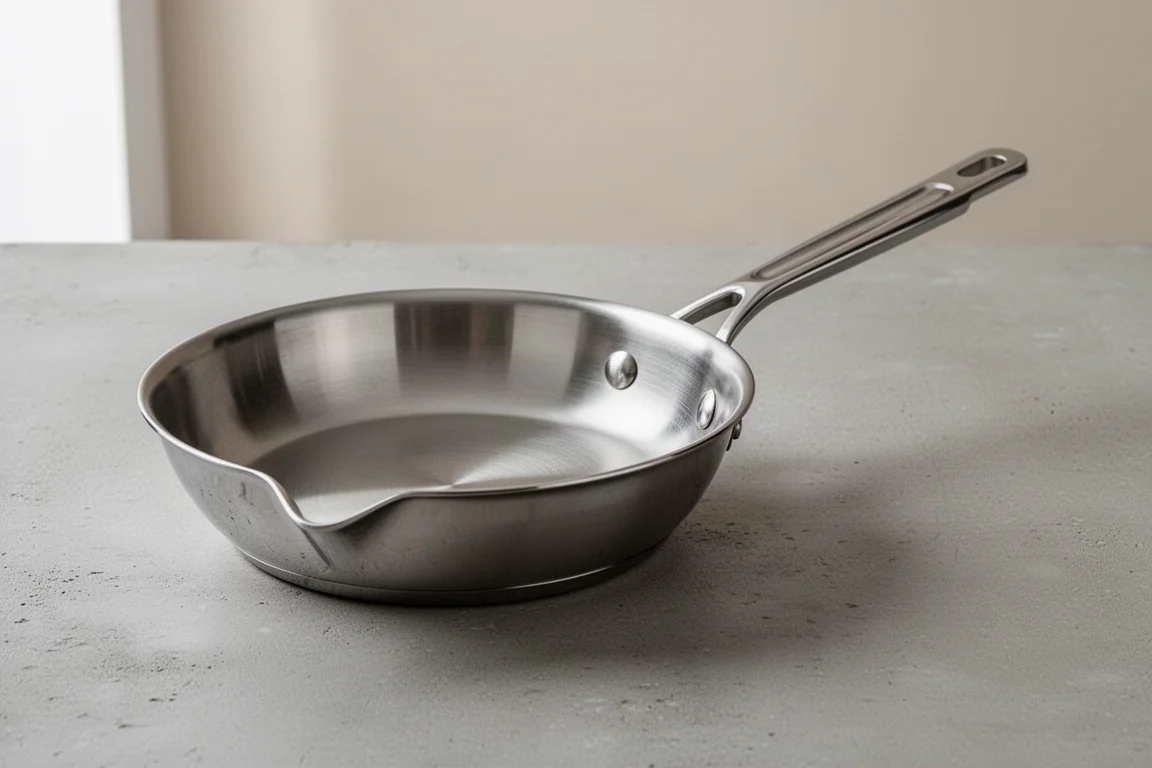
The most expensive collection tested, with a surface coated in titanium ions that make it extremely hard, smooth, and scratch-resistant. That smoothness makes it one of the best stainless steel pans for eggs. On induction it heated quickly when empty but was the slowest stainless steel pan to boil water, the base warped slightly, and it made loud buzzing and pulsing noises throughout testing.
Fissler Original-Profi
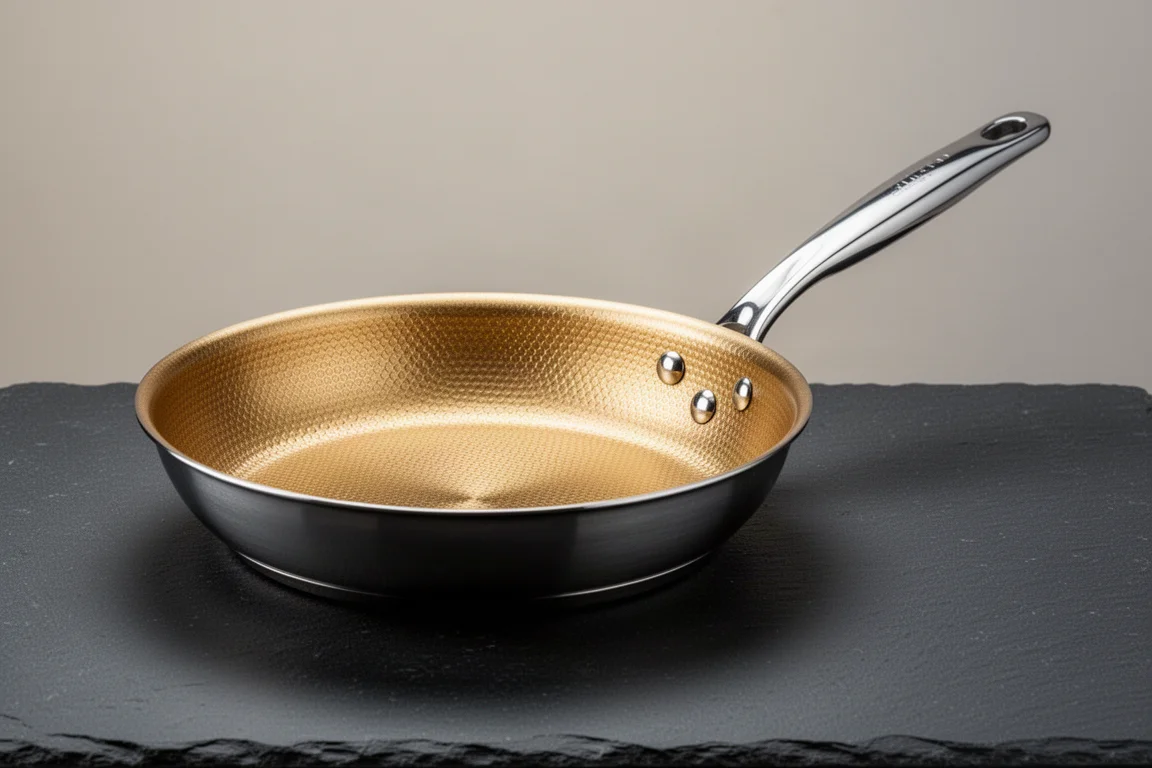
Thin steel walls paired with a super thick 7 mm disc bonded to the base. That thickness means it heats evenly and never warps, but it also slows everything down: it was the slowest stainless steel pan to reach 400F and the second slowest to boil water. It was also one of the loudest pans, with plenty of buzzing and clicking. The textured surface keeps oil under food and reduces sticking slightly, but it makes cleaning harder.
Demeyere Atlantis: The Stainless Steel Winner
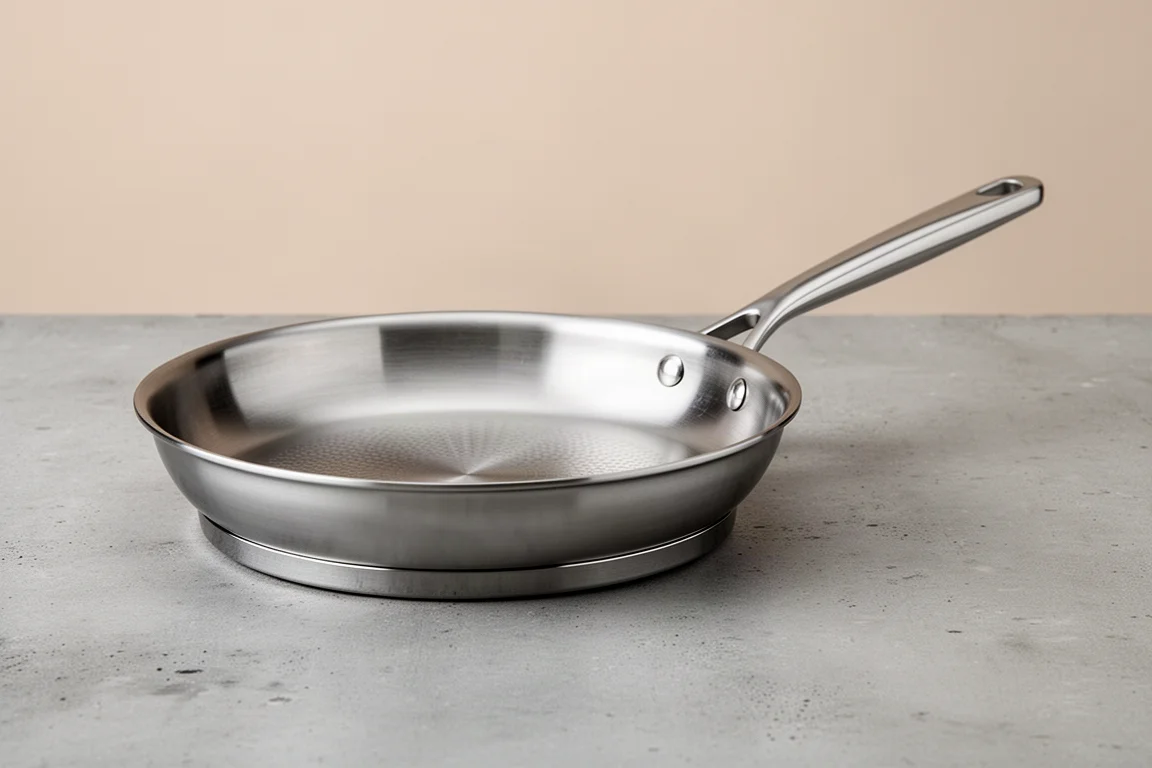
The fry pans here are 5.5 mm thick, more than 2 mm thicker than All-Clad and Hestan, and built from 7 bonded layers including three layers of steel at the bottom that Demeyere calls TriplInduct, designed to boost induction efficiency and prevent warping. The warp prevention is absolutely real: this pan started completely flat and stayed flat after heating.
The efficiency claim is more debatable. It did not heat as fast as thinner pans when empty, but it boiled water quicker than all of them, and the saucepan was faster than one competitor and slightly slower than another. Most importantly, it was the only stainless steel pan that made zero buzzing or clicking sounds across all testing.
Non-Stick on Induction
Three collections were tested: All-Clad HA1 Expert, GreenPan Valencia Pro, and Made In.
All-Clad HA1 Expert
Made of hard-anodized aluminum, which is not ferromagnetic, so a steel plate is bonded to the bottom for induction. It cooks well on gas and electric, but on induction it was a major disappointment: it warped significantly, buzzed constantly, and occasionally lost connection with the burner, at one point needing to be lifted and set back down to start working again.
Made In Non-Stick
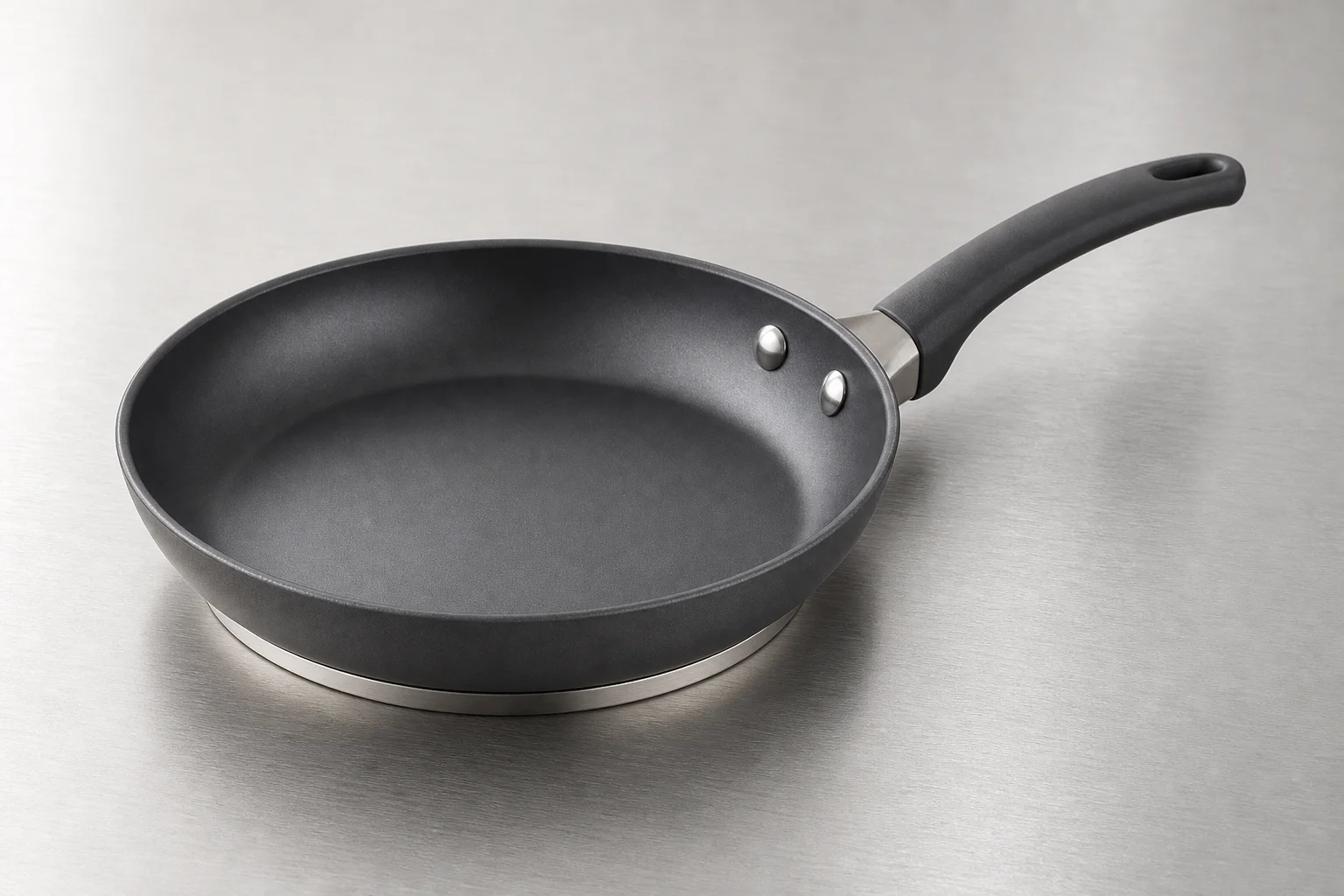
Built on the same 5-ply stainless steel body as the brand’s stainless collection, with a non-stick coating applied to the cooking surface. It comes in both PTFE (Teflon) and Ceramic versions. The pan feels sturdy and performs well in real-world cooking, but it warped slightly and occasionally clicked and buzzed, especially while initially heating up.
GreenPan Valencia Pro: The Non-Stick Winner
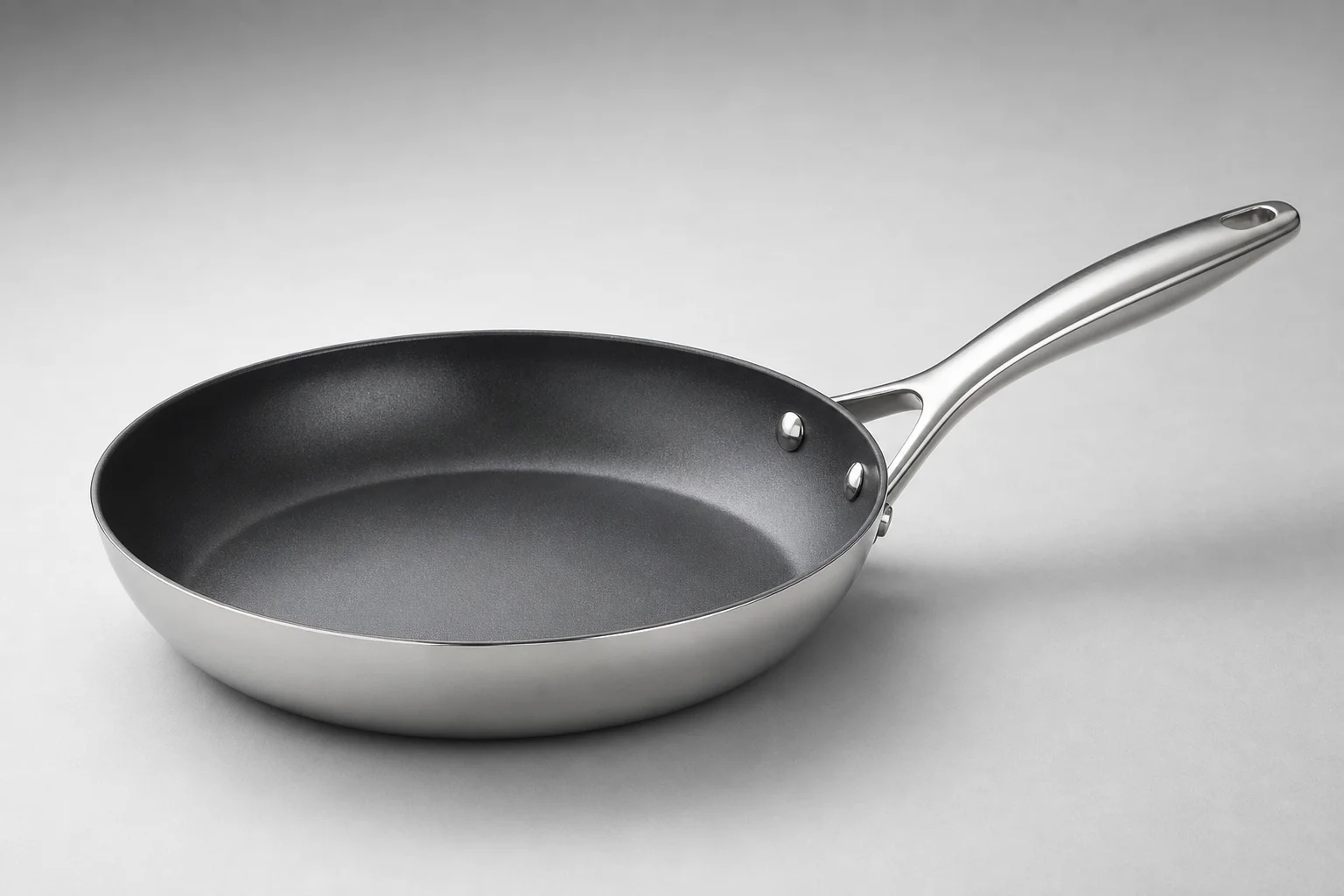
Also hard-anodized aluminum like the All-Clad, but its base includes iron and copper particles designed specifically for induction. It heated more evenly than the others, boiled water faster than Made In, made no buzzing noises, and did not warp. The coating also held up well in past stress testing of several popular non-stick pans.
Most kitchens only need one non-stick fry pan for eggs or other delicate foods; larger non-stick saucepans and stock pots are unnecessary since the coating adds little when cooking with liquids and only shortens the pan’s life. For most home cooks with an induction cooktop, the GreenPan Valencia Pro fry pan is an excellent dedicated egg pan, and it is cheaper than All-Clad and Made In.
Cast Iron on Induction
Three skillets that performed best in previous testing were put on induction: Field Company, Lodge Classic, and Smithey.
Field Company
Lightweight, easy to maneuver, and smooth on the cooking surface. It performs well on gas and electric, but it is hard to recommend for induction: it warped significantly during testing, with the center curving downward and the pan wobbling on the cooktop.
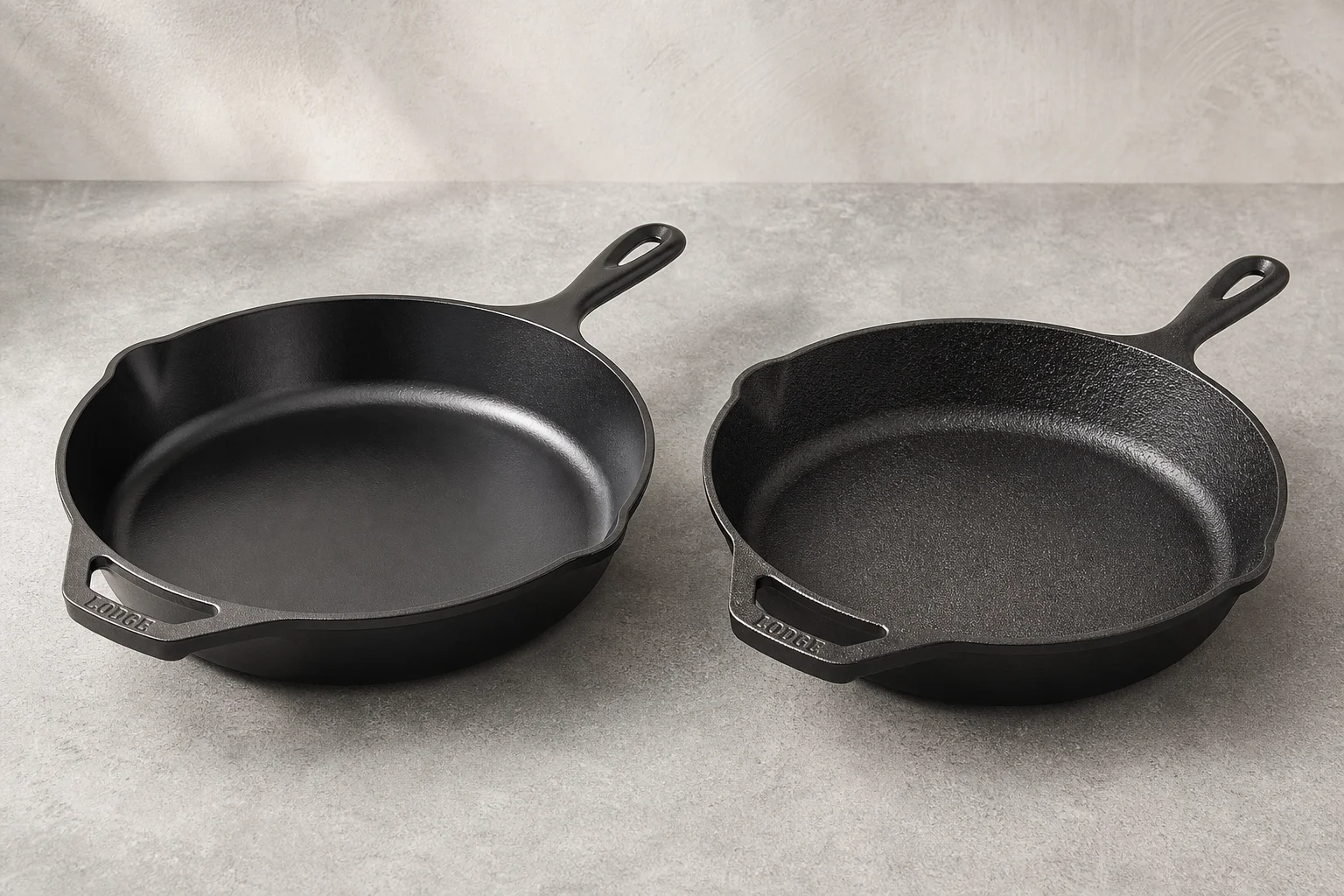
Lodge Classic vs Smithey
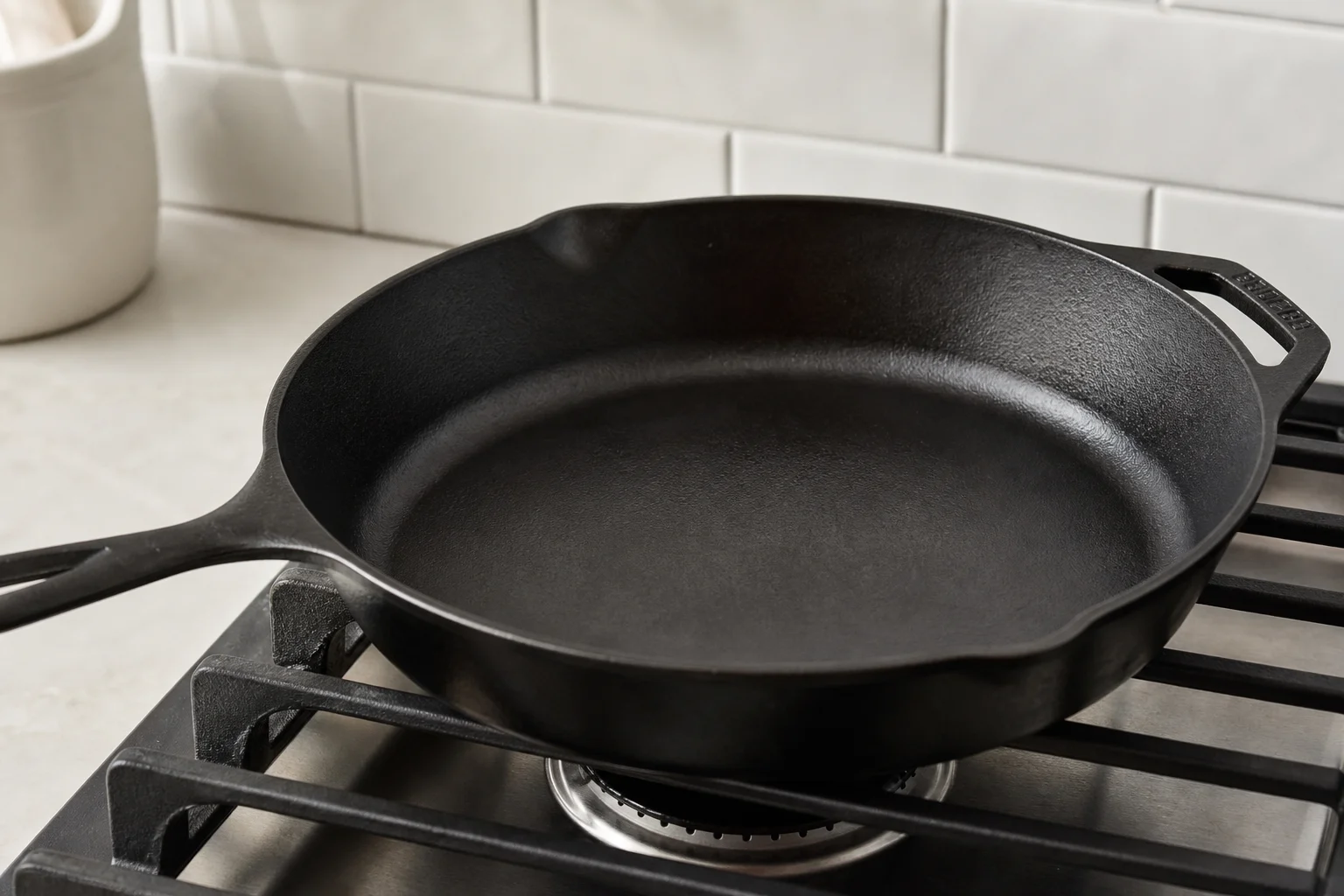
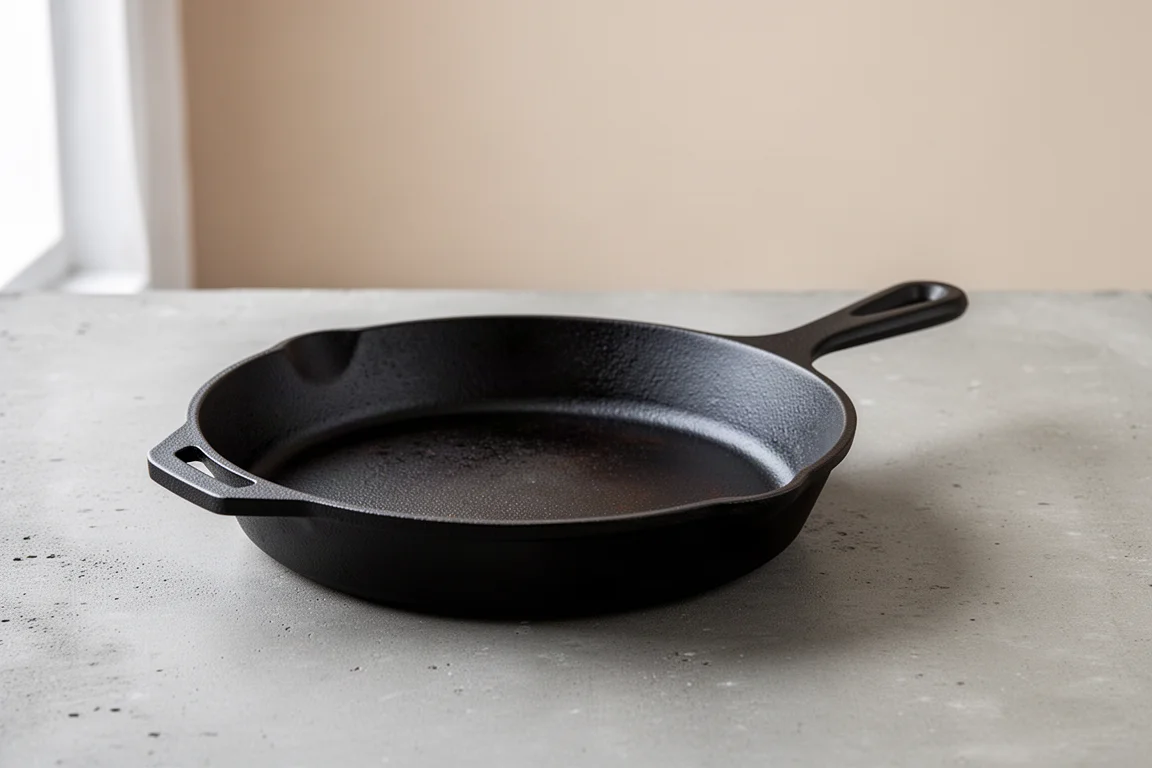
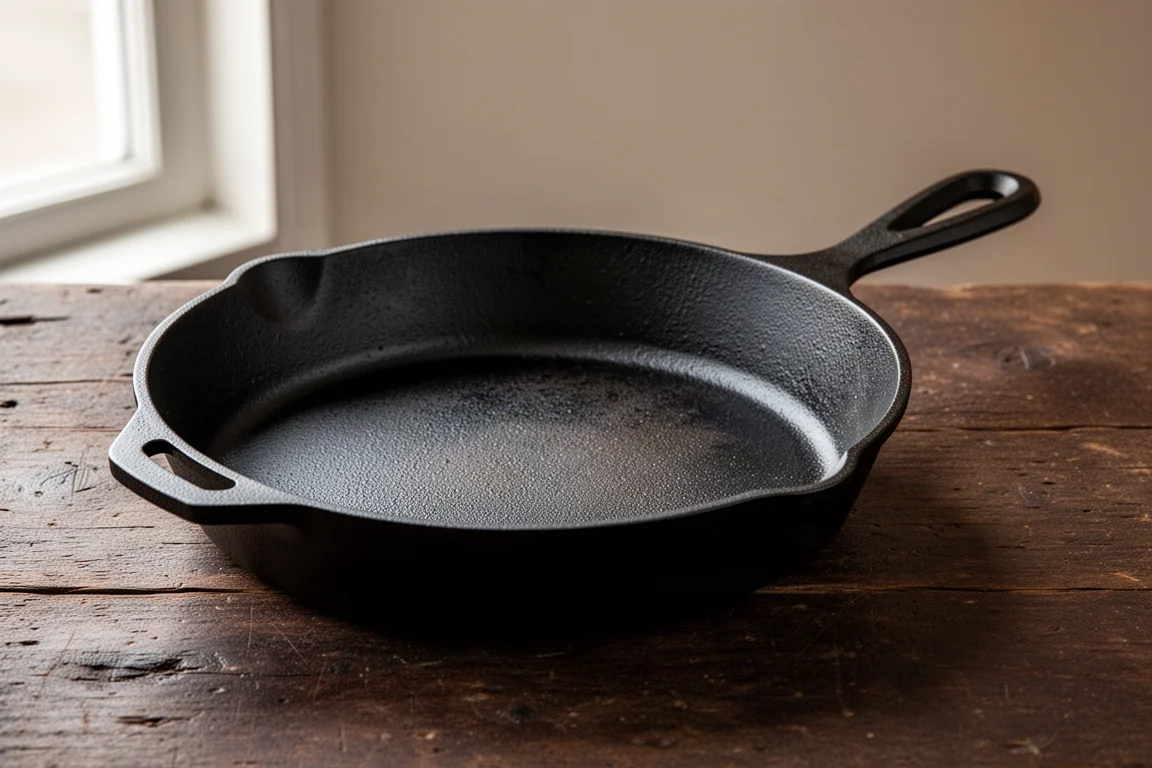
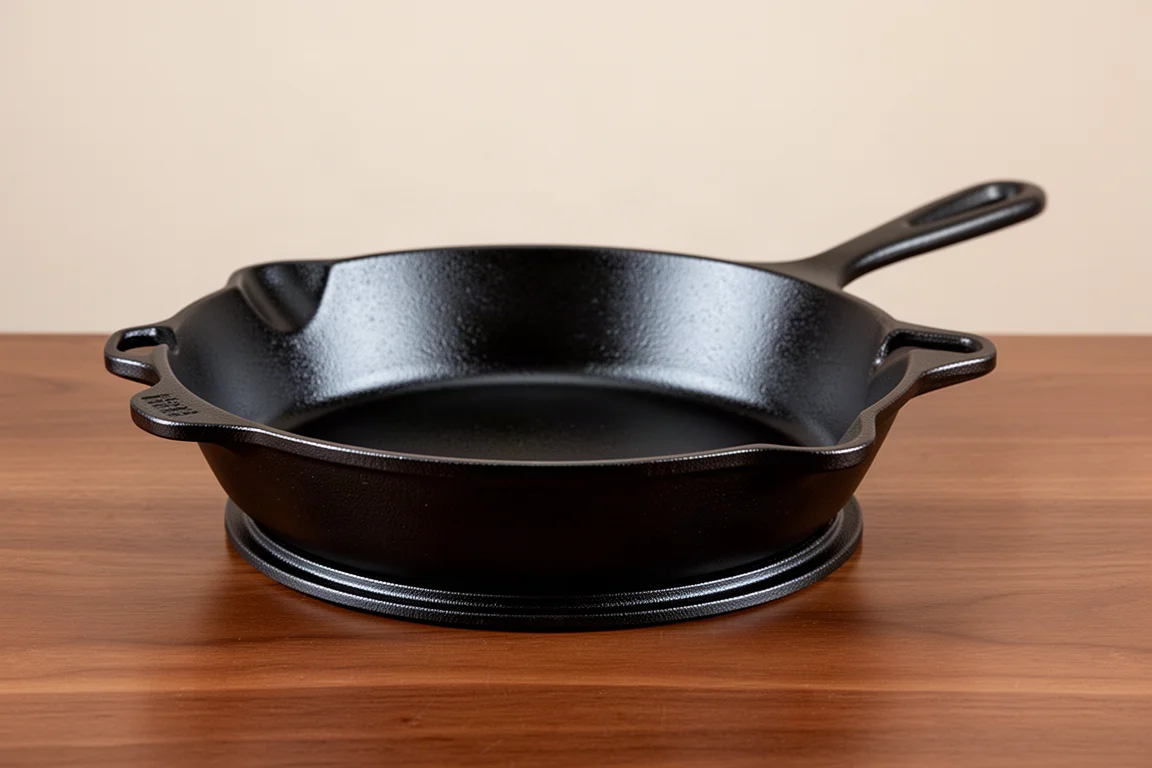
These two performed almost identically in every induction test. Both heated slowly, as expected for cast iron, but neither warped. Their bottoms stayed completely flat before and after heating, and neither made any buzzing or clicking sounds. Smithey’s raised heat ring, which leaves only part of the pan touching the cooktop, made no difference at all.
Choosing between them comes down to price and design. Both are made in the USA, but Lodge is significantly cheaper and has a rougher surface that holds seasoning well. Smithey costs more but offers a polished interior that is great for eggs, larger pour spouts, and a slimmer, more comfortable handle. Since a cast iron skillet can last a lifetime, the investment case for Smithey is real, but Lodge is the clear value winner.
Carbon Steel on Induction
Three pans were tested here: de Buyer Blue Carbon Steel, Strata, and de Buyer Mineral B Pro.
de Buyer Blue Carbon Steel
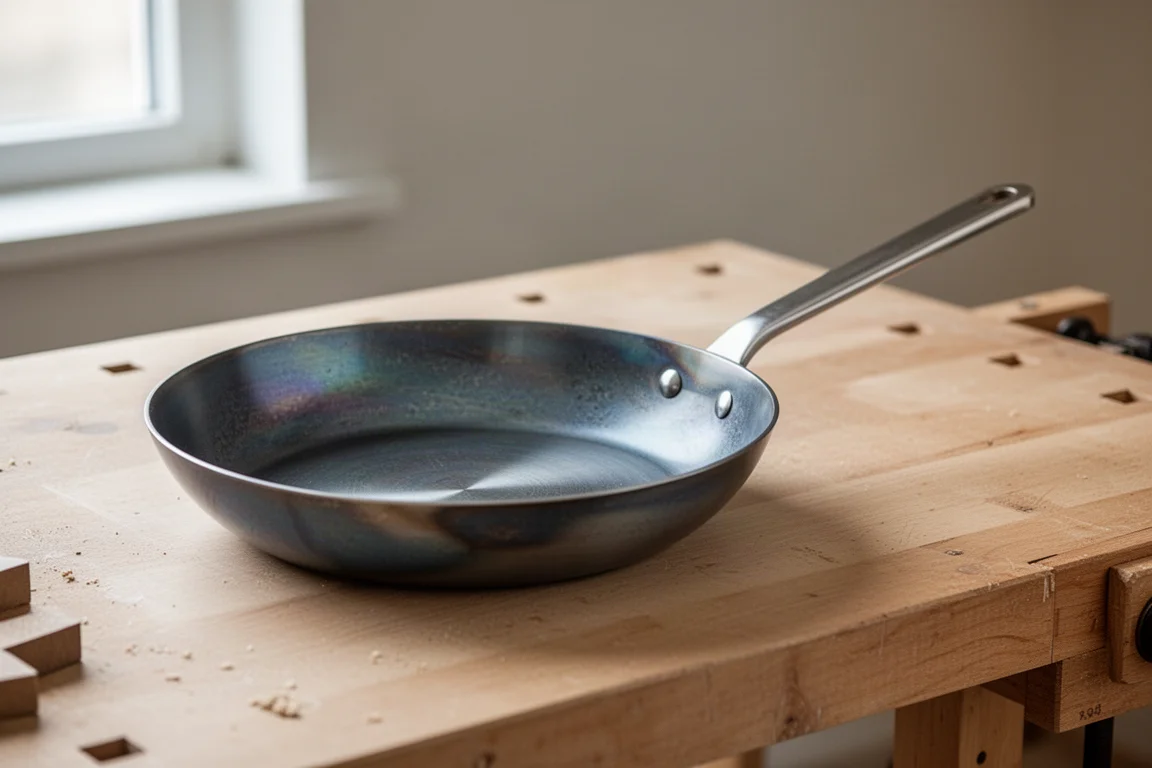
Performs well on gas and electric, but its thin construction warped significantly on induction. Even before the warp test the bottom was concave, and it got much worse after heating.
Strata
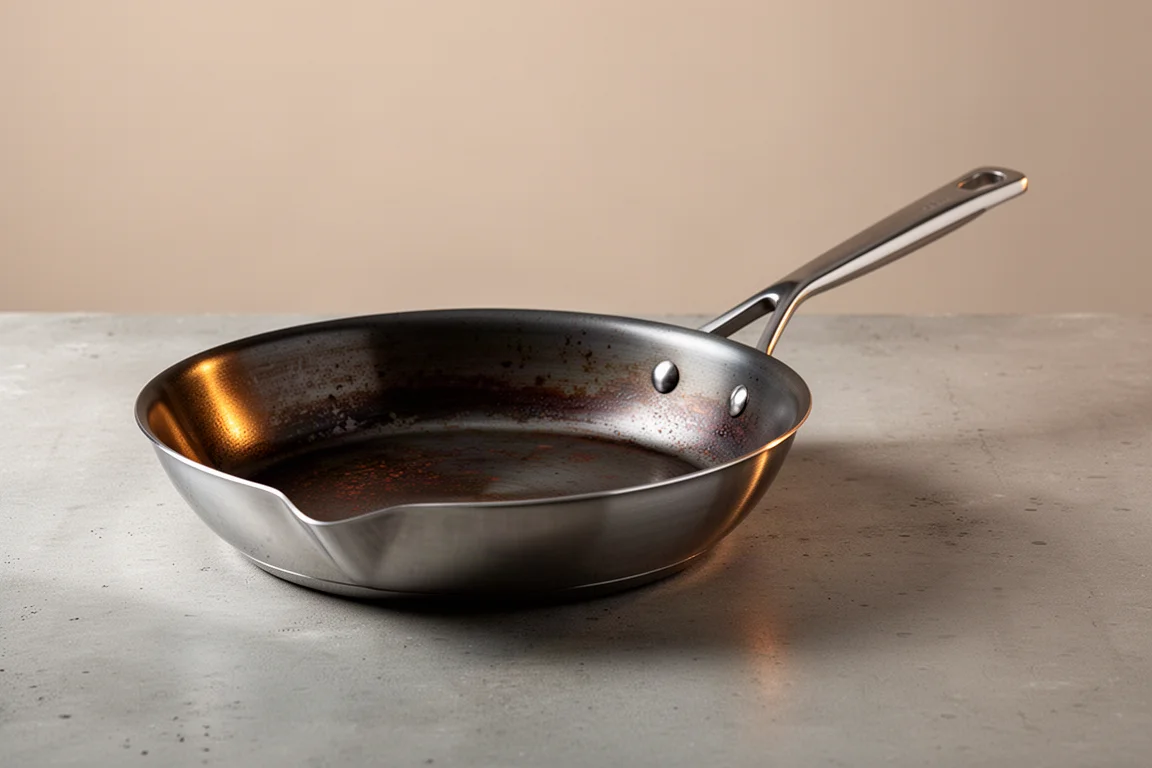
A unique construction: carbon steel cooking surface, aluminum core, and steel bottom. It heated fast and did not warp, but like many multi-layered pans it buzzed, especially while preheating, and it had the worst heat distribution of the group. That said, it performs well in real-world cooking and is genuinely pleasant to use: lightweight, with a wide cooking surface, flared rims, sloped walls, and a comfortable handle. A good pick if you want lightweight carbon steel and can tolerate occasional buzzing.
de Buyer Mineral B Pro
Heavier and slower to heat than Strata, but it did not warp, made minimal noise, and retained heat longer than any other carbon steel pan tested. It feels like a cast iron pan with a smoother surface and a longer, cooler handle. If you want a thicker, heavier pan that holds heat well, this is the one.
The Overlooked Tip: Match the Pan to the Coil
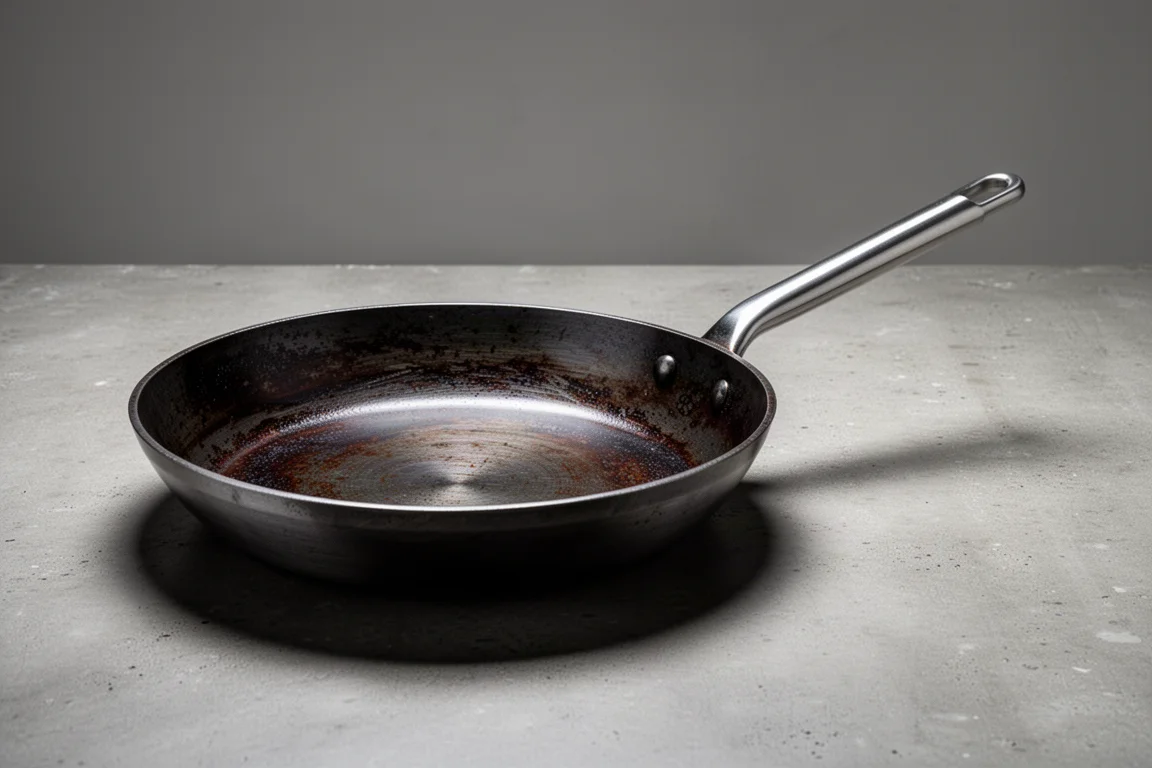
The single most important thing to know before buying induction cookware is the size of the coil in your cooktop. The testing was done on a Breville Control Freak, whose coil is roughly 8 inches based on close inspection, while the pans tested had bottoms around 10 inches, leaving a slight overhang. If the overhang grows beyond a couple of inches, the center of the pan heats far faster than the edges, and that uneven heating is what leads to warping.
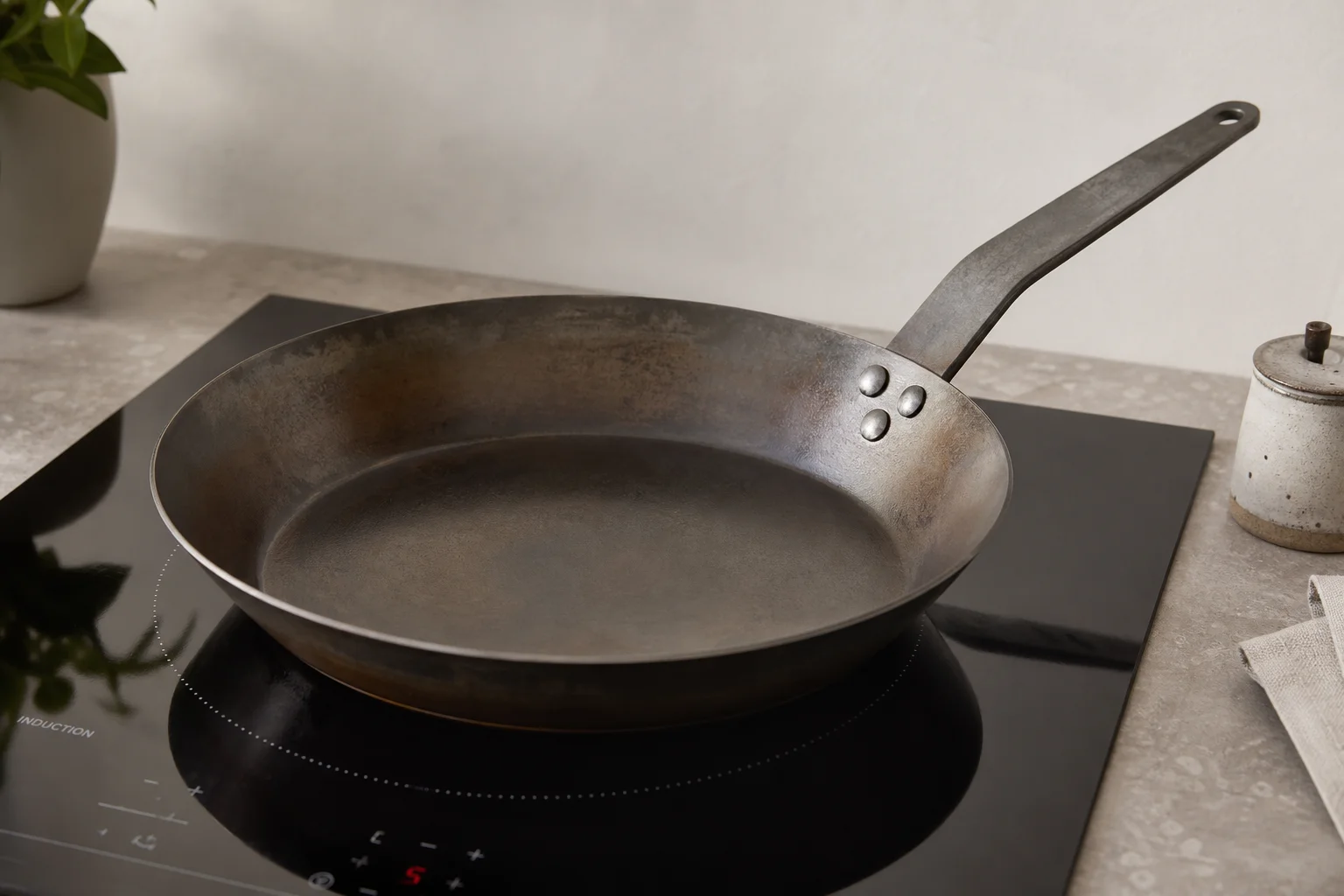
Do not trust the circle painted on your cooktop: the actual coil is usually smaller. Most inexpensive portable induction burners have 6-inch coils, which is far too small for a 12-inch pan.
The best ways to minimize warp risk are simple: buy pans that fit your coil size, preheat slowly, and favor thicker pans. It is no coincidence that the thickest, heaviest pans tested, like Demeyere Atlantis, Fissler, and Smithey, performed best in the warping tests.
Conclusion
On induction, thickness and fit matter more than branding. Demeyere Atlantis is the standout stainless steel collection, GreenPan Valencia Pro is the easiest non-stick recommendation for a dedicated egg pan, Lodge and Smithey both hold flat and quiet in cast iron, and de Buyer Mineral B Pro is the carbon steel pick for heat retention. Match your pan’s bottom to your coil size, preheat gently, and most of the classic induction problems never show up in the first place.
Further reading
Related Reviews
Cookware
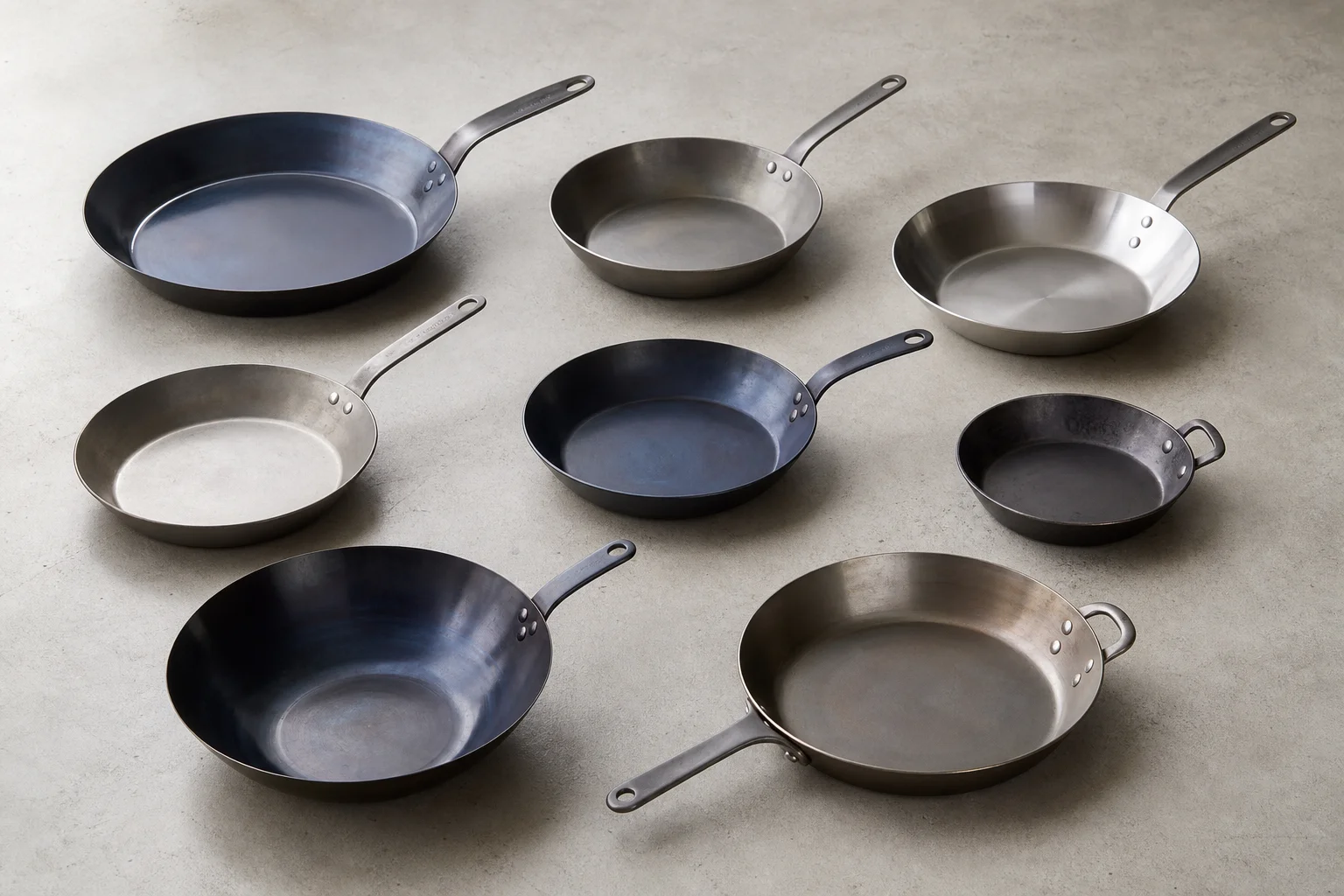
Best Carbon Steel Pans Tested: Which Brands Deliver Real Value
We tested eight popular carbon steel pans with controlled durability, heat, and cooking tests. Here's which ones perform best and which to avoid.
Cookware
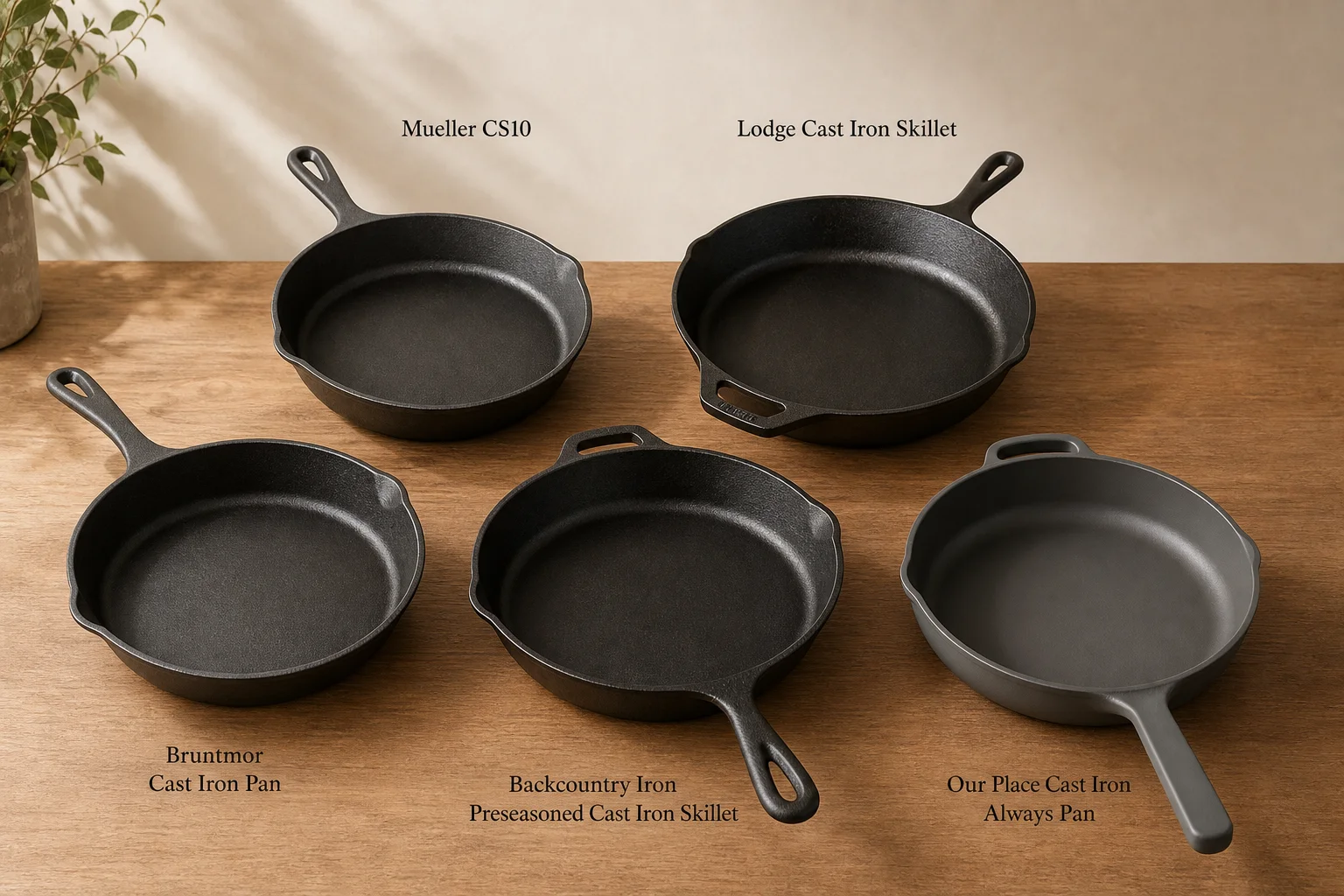
Best Cast Iron Pans 2026: Five Options from Budget to Premium
A practical breakdown of five cast iron skillets, from affordable Mueller to premium Our Place, with clear strengths and trade-offs for different cooking needs.
Cookware
Best 12-Inch Cast Iron Skillets: Premium Craftsmanship vs. Reliable Budget Option
Two standout 12-inch cast iron skillets tested for heat retention, surface finish, and durability. One premium choice and one budget-friendly alternative that both deliver.