Ski Gear
Best Complete Ski Packages 2026: A Practical Buying Guide
Nine package skis across five price tiers, plus what is included, how bindings are adjusted, and how to size boots and poles before you buy.
Introduction
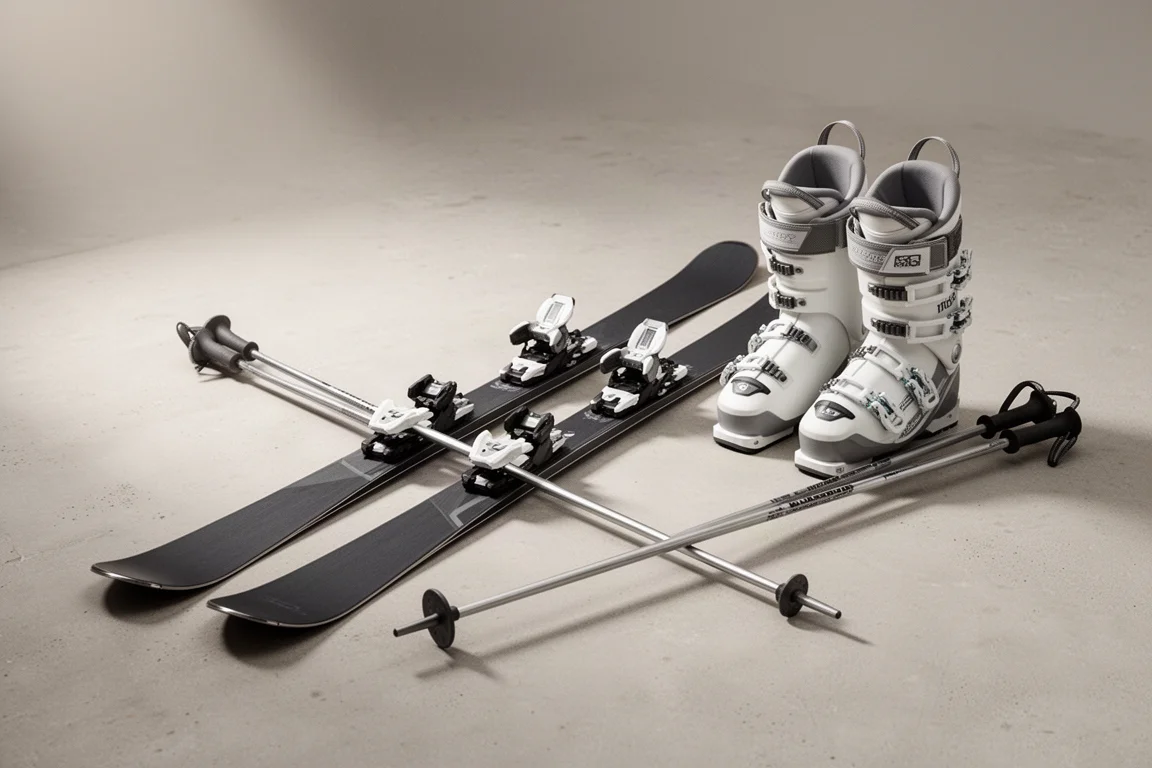
A complete ski package is one of the simplest ways to get on the mountain with your own equipment. Rather than piecing together skis, boots, bindings and poles from separate listings, a package bundles everything into a single purchase, and the value is hard to argue with. At these prices you are effectively buying skis, bindings and poles and getting the boot included.
The range is wider than most shoppers expect. Narrow 70mm beginner shapes sit alongside 82mm all-mountain skis, and at the top of the range there are playful twin tips built for softer snow. What follows is a tier-by-tier look at nine package skis, grouped by price and intended use, so you can match a package to the way you actually ski.
What Comes in a Complete Ski Package
Every package includes skis, boots, bindings and poles. The bindings are mounted before the skis ship, but they still need a final adjustment once they arrive. Binding manufacturers require the skier to be present to sign off on the final settings, and the boot must be present at the same time. That is the only reason a package cannot arrive fully dialled in, and it is worth planning a quick shop visit or a home adjustment before your first day out.
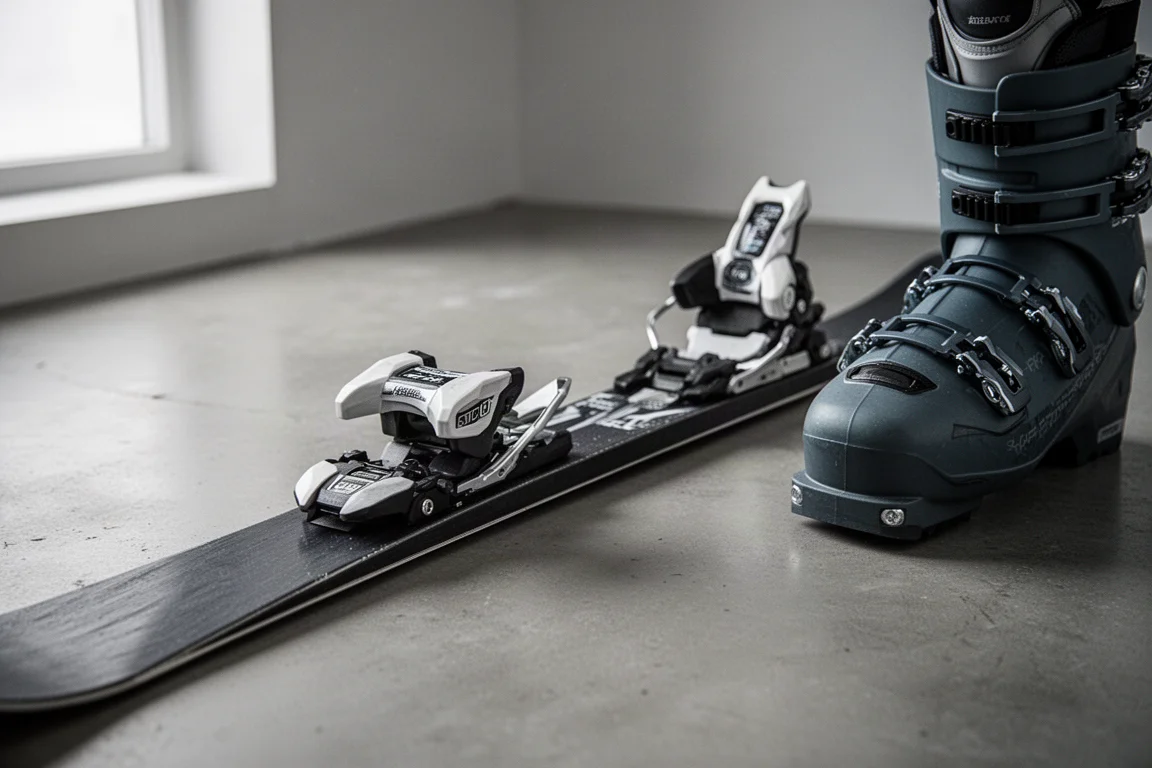
Poles come with every package in this range. They are a simple house-brand model rather than a premium carbon pair, which is entirely appropriate: poles do not need to be fancy, and a straightforward pair will handle everything a package skier asks of it.
The economics deserve spelling out. Five days of rental gear runs close to $250 at most resorts, so two seasons of five-day rentals costs roughly the same as one complete package. A season lease is another route at around $200 a year, which means three years of leasing approaches the price of almost any package here. Owning also means the boots mould to your feet rather than someone else’s, and you skip the rental line on a busy morning. If you live somewhere with nowhere to store skis, renting or leasing may still be the smarter call.
Ski Length and Boot Sizing Basics
Length recommendations shift with ability. The more of a beginner you are, the further below head height you should go, roughly chin or shoulder height. Even as a beginner, avoid dropping below shoulder or chest height. As ability climbs, length creeps up, and for a ski like the 86mm model below, eyebrow height is a sensible target. Very few package skiers need anything above head height. If you are unsure, measure with a tape to your shoulder, chin and nose to see where those lengths land on you.
Boot sizing worries most people more than it should. Most boots in these packages use a higher-volume last, so there is no need to size up. In most cases your normal shoe size is the right starting point. Buckle them up and flex forward a few times when you try them on. A US shoe size to Mondo conversion chart will get you close, and if your athletic shoe size differs from your street shoe size, use the athletic size. Never go up a size from your shoe size, because that lets the foot move around and the fit will feel wrong after a few days on snow. If you know you like a snug fit or have a low-volume foot, you can go down a size.
Boots in the Entry-Level Packages
The boots bundled with the first four packages are broadly similar: wide, comfortable and accommodating, with a forgiving flex around 65 and four buckles with micro adjustment. Injection-moulded plastic detailing shapes the flex, so these are genuinely engineered boots rather than a basic shell with a liner dropped in. They are also considerably lighter and easier to walk in than a typical rental boot. The men’s options include a 104mm last, which is about as wide as ski boots get, and the women’s options use an equally accommodating last. A wide boot is not a downgrade: it is a fit decision, and the narrower alternative only adds the power transfer a ski racer needs.
Head Easy Joy
The Easy Joy is about as narrow as package skis get, at 70mm underfoot, and it pairs that waist with a lightweight composite core. Composite means a synthetic construction that keeps both cost and weight down, and it gives the ski a very easy-going feel. The narrow shape makes edge-to-edge transitions noticeably simpler, which matters most when you are still building balance and confidence. Firm groomed snow is where this ski feels most at home, and repeated turns on a narrow waist take far less effort.
Progression is less of a worry than many beginners assume. A skier who commits to 40 days a season could outgrow a ski like this inside a year, but at five to ten days a year it can stay a genuinely enjoyable daily driver for years.
Head Shape e-V2
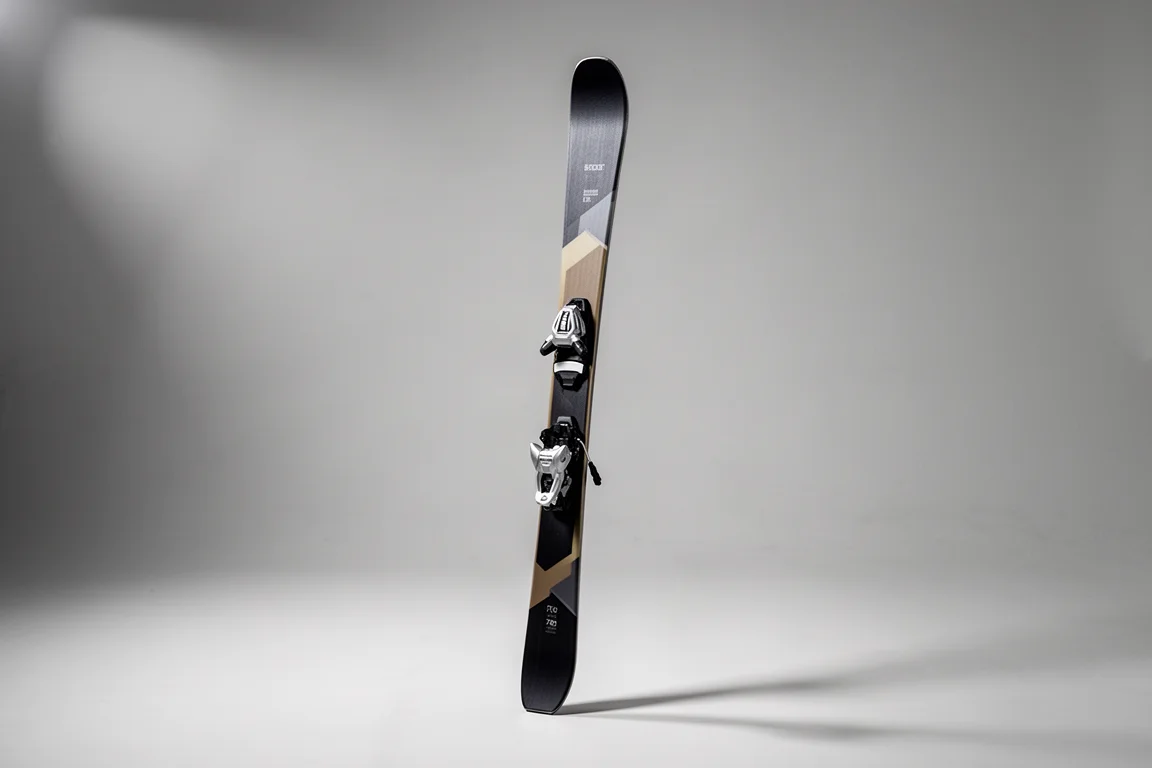
The Shape e-V2 shares the same 70mm platform and the same lightweight composite build, so its character is very close: light, forgiving and quick to roll onto an edge. It suits the same skier, someone learning the fundamentals on groomed terrain, and it is particularly useful in firmer snow regions where a narrow waist pays off turn after turn.
Because both skis occupy the same narrow, easy-going category, the choice between them comes down to fit and availability rather than any meaningful performance gap.
K2 Disruption 75
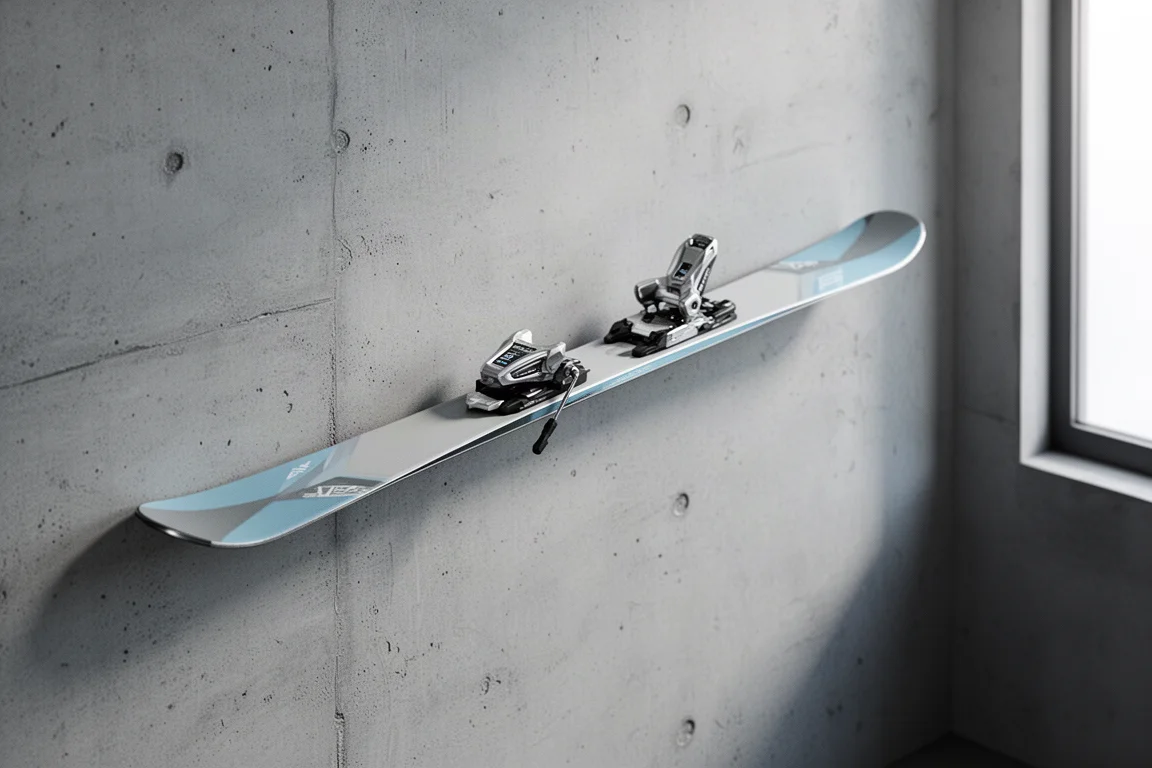
The Disruption 75 is the first step up in width, and those extra millimetres change how the ski behaves when the surface softens. It keeps the fully capped construction and composite core of the narrower Heads, so it stays light and undemanding, but it floats a little better in softer snow. It remains a groomed-trail ski first and foremost.
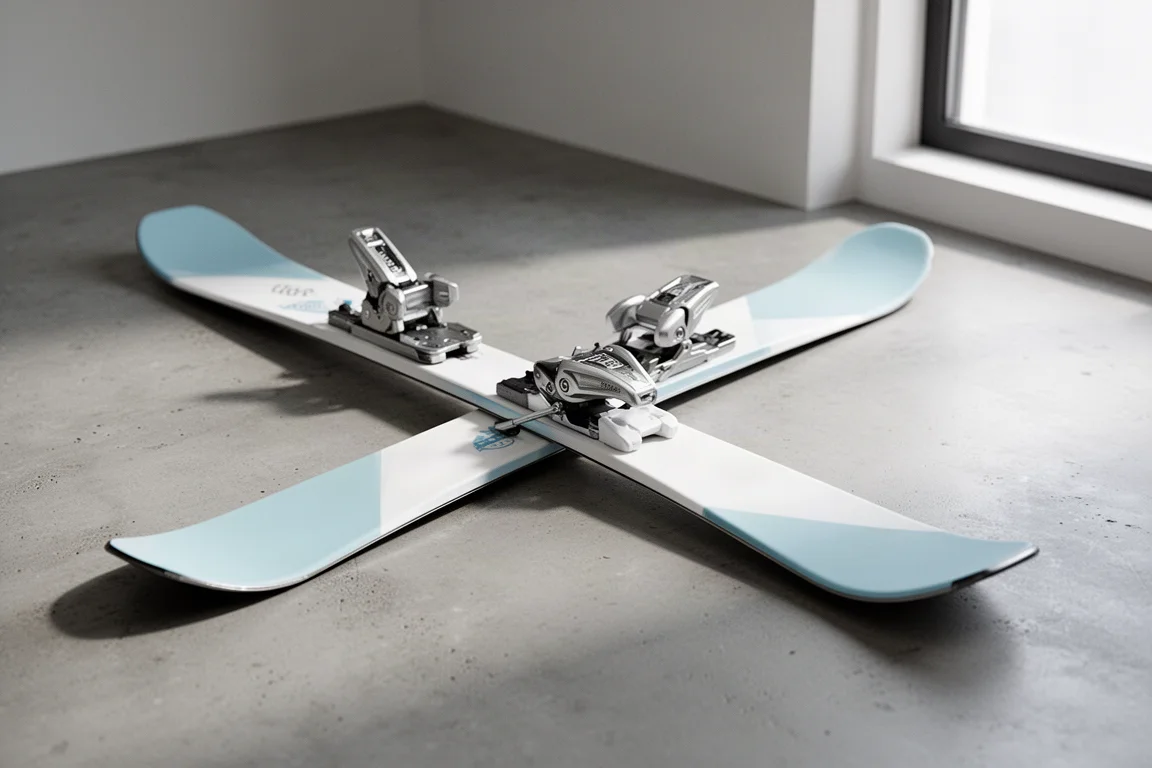
K2 Disruption 76
The Disruption 76 adds a small amount of sidewall underfoot, which is the main technical difference from the 75 and from the narrower Heads. That sidewall delivers a little more underfoot performance without abandoning the composite core or the easy-going feel, and the shape is slightly crisper and a touch more responsive.
Extra width at this level also helps heavier skiers. More weight means more leverage over a ski that is up on edge, so a slightly wider platform can feel more confidence-inspiring for a bigger rider, and it copes better with soft groomed snow.
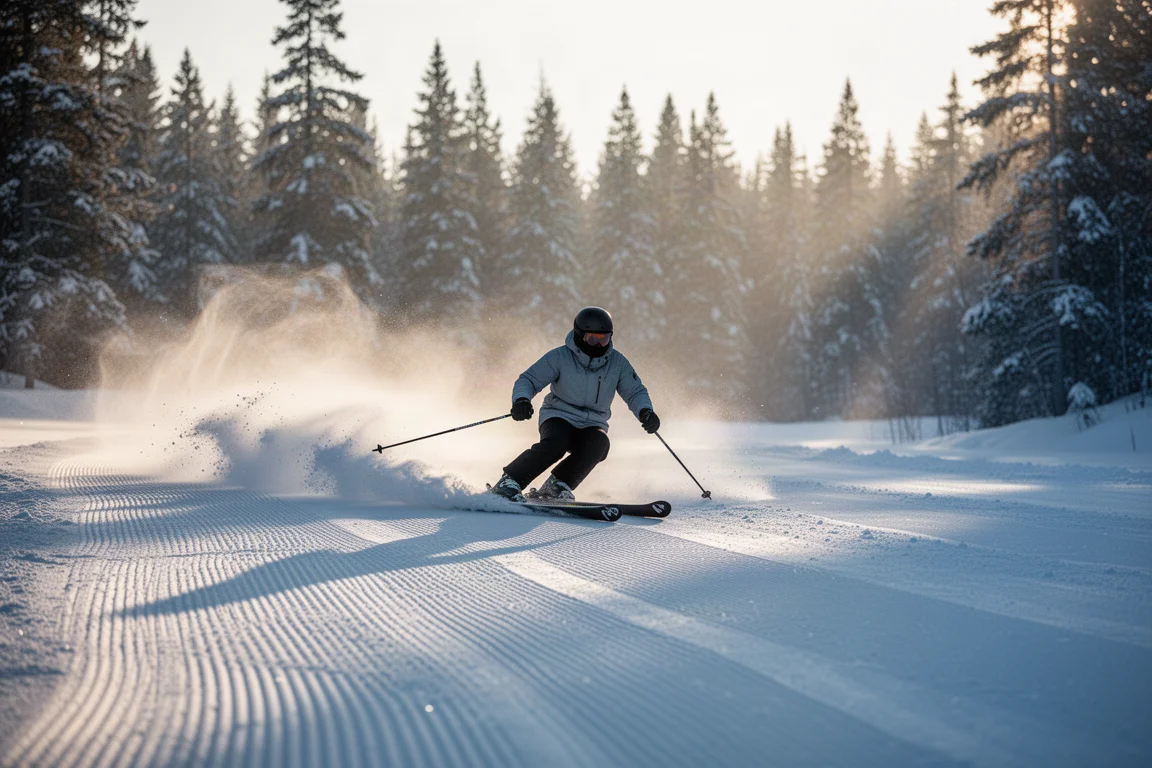
Neither Disruption is designed for ungroomed terrain. These are skis for people who spend essentially all of their time on groomed trails, and they handle that brief very well.
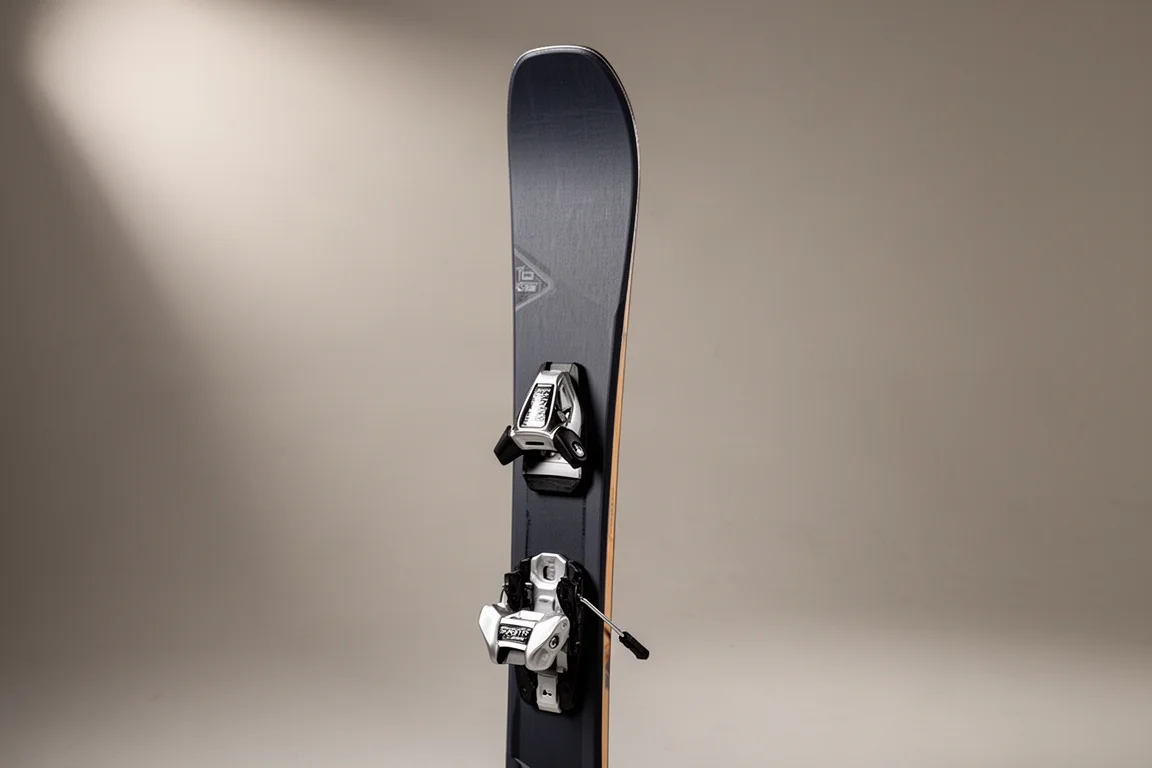
Blizzard Black Pearl 82 SP
The Black Pearl 82 SP moves into all-mountain territory. It has a genuine wood core rather than a composite one, plus a sheet of metal just underneath the binding area, and a full sidewall. The result is a higher-performance ski built from more durable materials, with tip protectors and a tougher top sheet adding to the longevity.
The Black Pearl name is the best-selling women’s ski collection of all time, and the SP takes that shape and concept and repackages it slightly more affordably by tweaking the materials. At $650 it is strong value for a skier who is starting to ski faster and explore different snow and terrain. Expect to grow into it and use it for two to four years. Boots at this tier stay comfort-focused, with full metal buckles and micro adjustment.
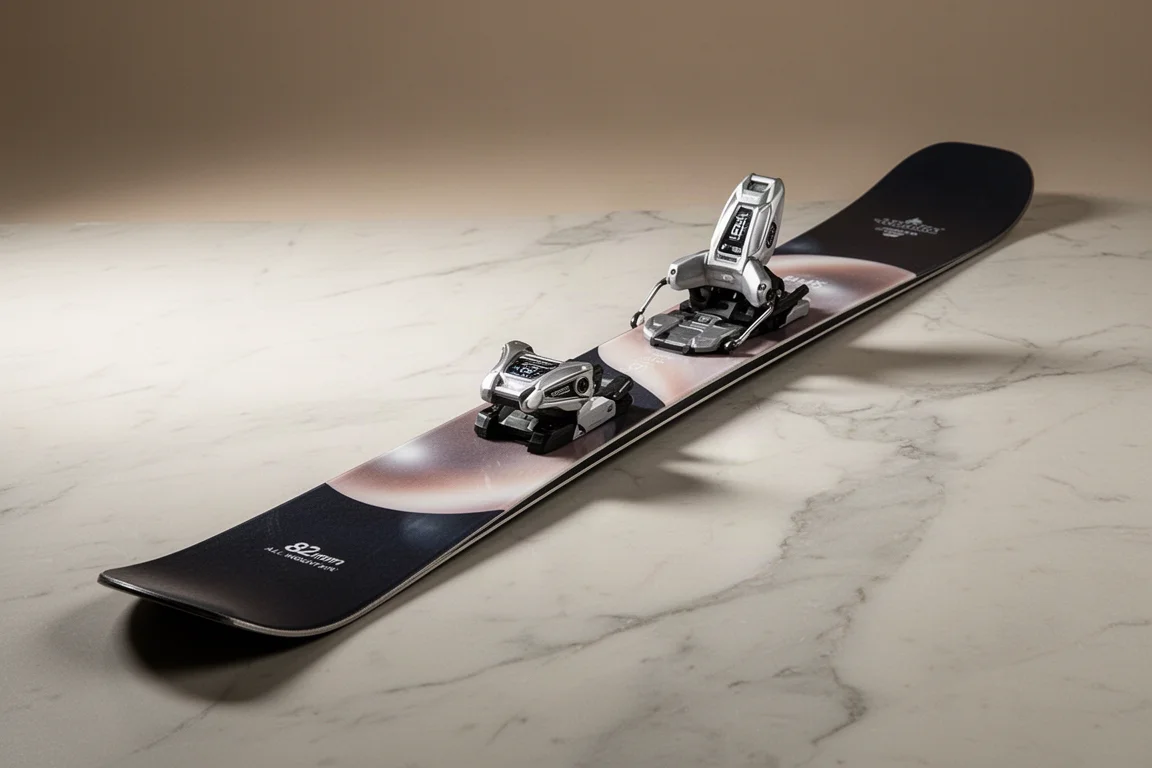
Blizzard Brahma 82 SP
The Brahma 82 SP is the men’s counterpart to the Black Pearl, at $699, and it follows the same formula: an 82mm waist, a wood core, a metal sheet under the bindings and a full sidewall, with tip protectors and a more durable top sheet. This is the point where a package ski starts to feel like a long-term piece of equipment rather than a first purchase.
A reasonably fit and athletic beginner can start here rather than on a 70mm ski, though anyone who feels timid on snow will get more out of the narrower, cheaper options.
Volkl Blaze 86
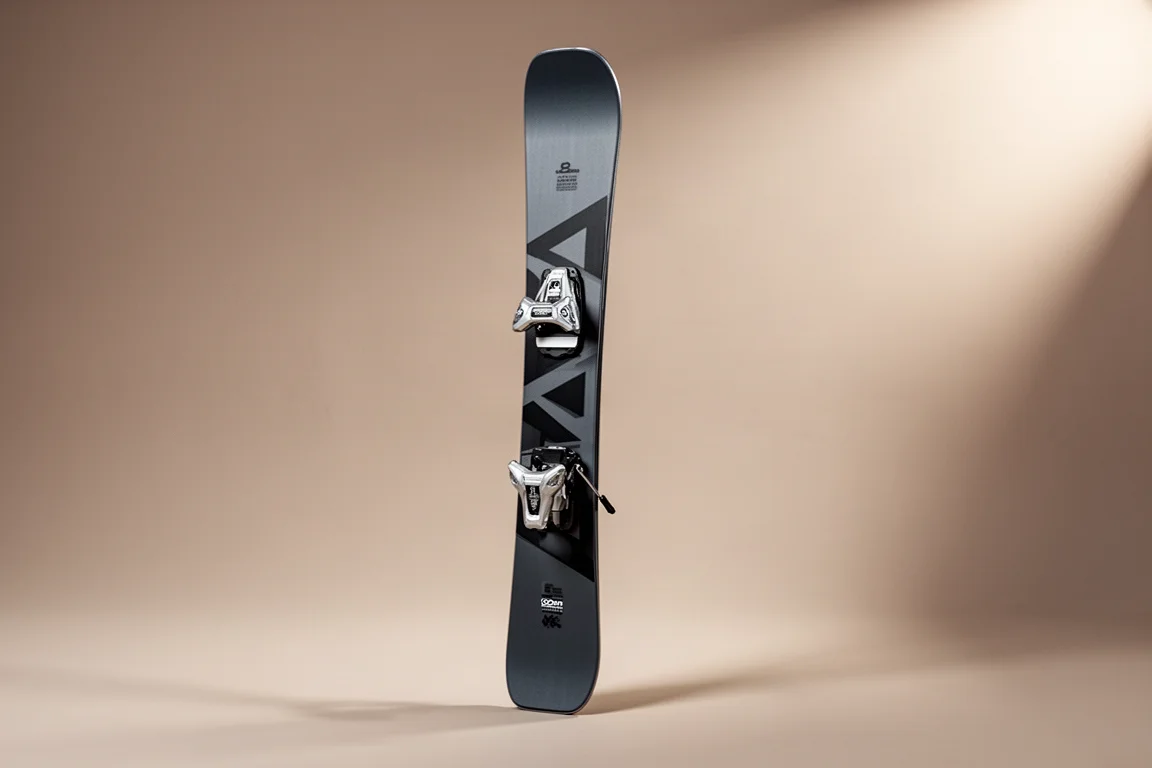
The Blaze 86 is the same ski for men and women, and at $825 it is a genuine all-mountain package ski. The Blaze collection includes 94mm, 106mm and 114mm models, and the narrower 86mm and 82mm versions inherit some of that freeride personality. That shows up in a long, low rocker profile and more early taper, both of which make the ski easy to pivot in moguls and trees while staying composed on a groomer.
There are premium touches too: rubber in the tips and tails to damp vibration, and a 3D turn radius. The binding is also a step up, with a stronger, more durable heel piece than the tier below. The boot that comes with this package is a Lange LX 90 with a 102mm last, slightly narrower than the entry-level boots, which adds a little precision while staying comfortable and accommodating. GripWalk soles are part of that build.
If you are starting to ski off trail, love the trees, or want a package you can keep for several seasons without feeling limited, this is the tier where that becomes realistic.
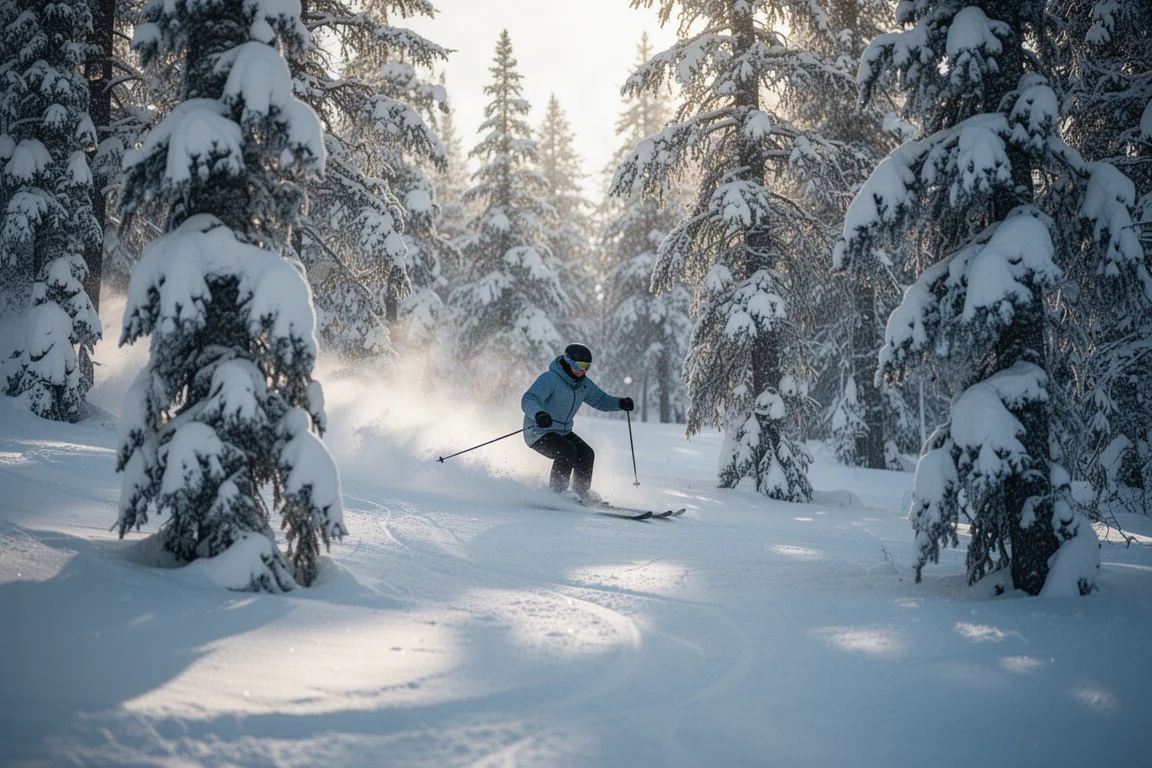
For a lifelong skier looking for a value package rather than a beginner setup, the Blaze 86 is the most versatile option in this group.
K2 Reckoner
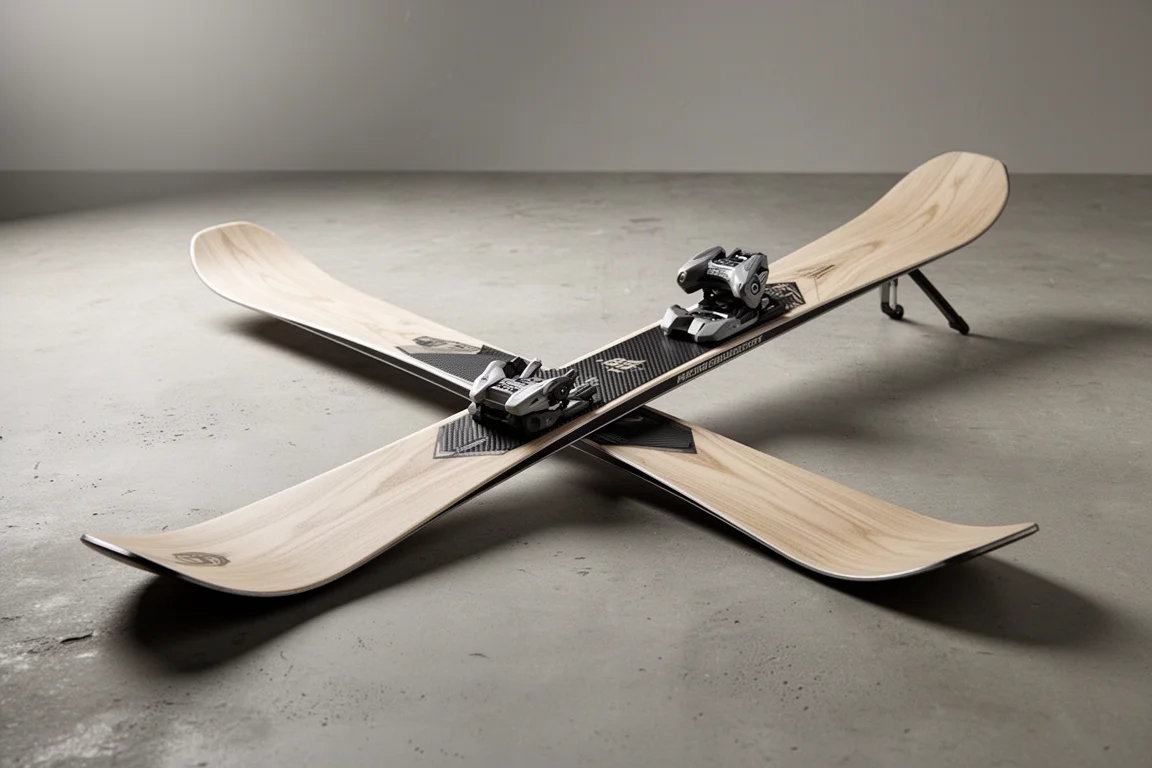
The Reckoner is a twin tip, and twin tips deserve a place in this conversation for a specific reason: they are fun. Easy edge release makes them simple to skid, spin and ride backwards, which is why they appeal to teenagers and tweens who have grown up watching slopestyle and park competitions, and to anyone who wants a more playful, creative feel underfoot.
Like the Blaze, the Reckoner is inspired by much wider skis in the same collection, which runs up to 122mm and is used by pro skiers in the backcountry and powder. Some of that character trickles down. Construction is mostly capped with a small amount of sidewall.
K2 Bent 92
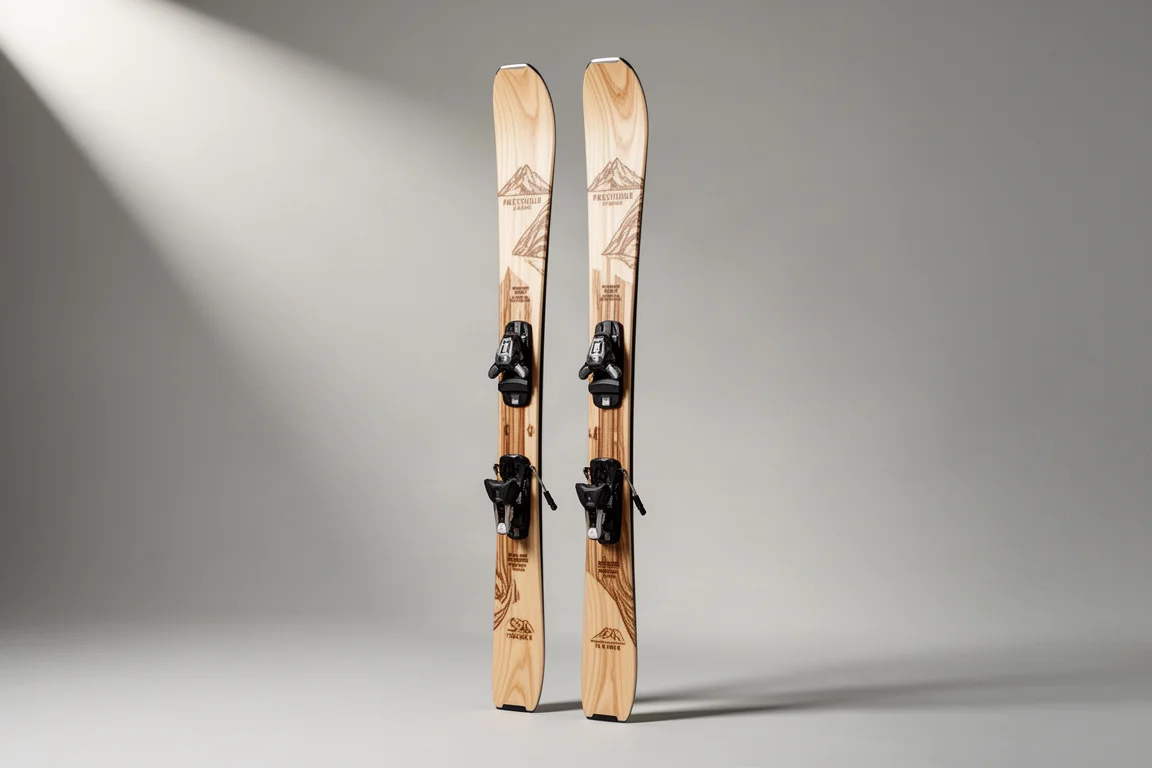
The Bent 92 sits over 90mm underfoot with a flexible flex pattern, which opens up a lot of softer snow. It is also built to take abuse: a durable top sheet plus tip and tail protectors make it one of the toughest shapes in this group, and that matters because twin tips get knocked around more than most skis. Jumps, boxes and simple ski-to-ski contact all chip top sheets over time, and the capped construction and tougher materials are designed to slow that down.
The two twin tips sit at different price points, so it is worth comparing them directly if a playful ski is what you are after.
Overall Buying Advice
Across this range, price and quality track each other closely. A 75mm ski at the same price as a comparable K2 will generally perform in the same league, so you can make a fairly direct connection between what you pay and what you get.
The more useful question is what kind of snow you actually ski. If your days are almost entirely on groomed trails and you get out a handful of times a year, the narrow, inexpensive packages deliver everything you need. If you are athletic, progressing quickly and curious about ungroomed terrain, moving up to a wood-core all-mountain ski is money well spent. If you want a ski that feels playful rather than precise, the twin tips are the obvious pick.
Binding quality rises with price, but every binding in these packages is trustworthy for the skier it is paired with. The higher tiers simply add a stronger, more durable heel piece.
A package sale running during the week of publication took 10% off these prices, though discounts of that kind are never guaranteed to continue.
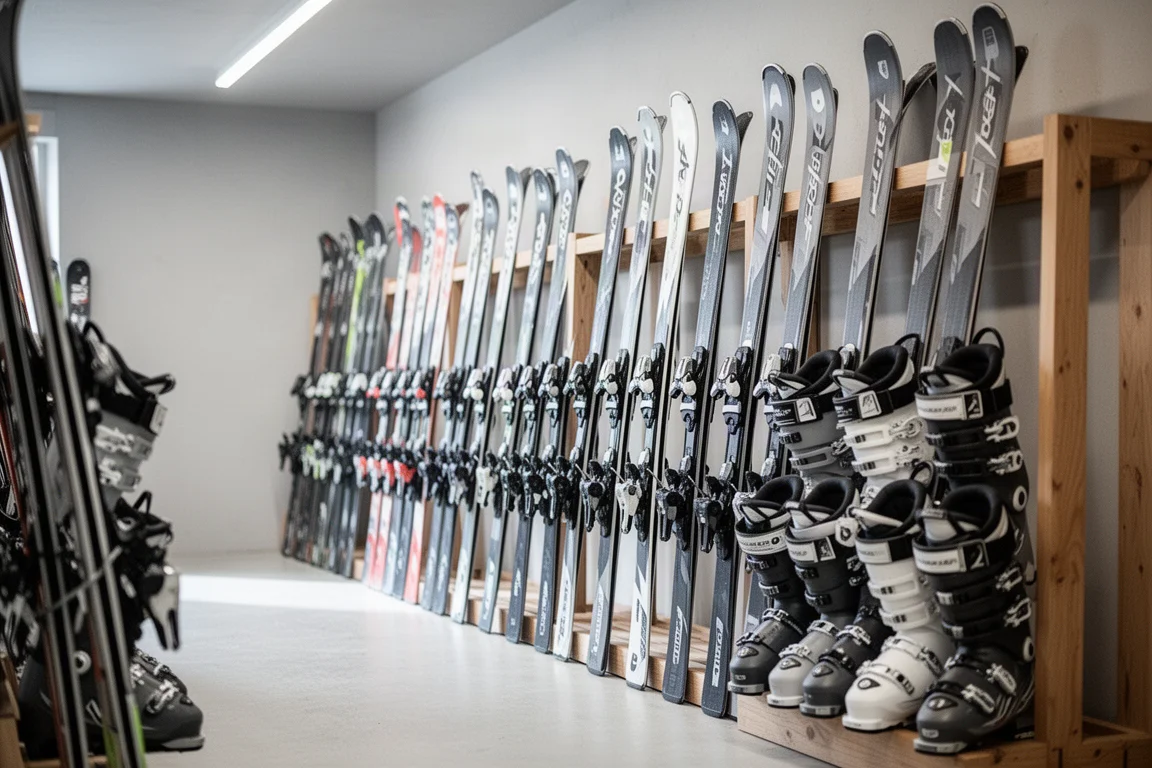
It is also worth remembering that owning is not the only good option. Season leases and rentals suit skiers with limited storage or only a few days on snow each year, and three years of leasing costs about as much as many of the packages here.
Conclusion
Complete ski packages have come a long way. A 70mm beginner ski with a composite core and a four-buckle comfort boot is a far better starting point than it was a decade ago, and the step up to a wood-core, metal-reinforced all-mountain ski now costs only a modest amount more. Match the width to the snow you ski, size the boots from your shoe size rather than your hopes, and either tier will serve you well for years.
Further reading
Related Reviews
Ski Gear
2023 Blizzard Hustle vs Rustler: Six Freeride Skis Compared
Blizzard's 2023 Hustle collection rebuilds the Rustler shape with a lighter core and no metal. Here is how all six skis differ, and which one suits your riding.
Ski Gear
2023 Skis of the Year: Atomic Maverick 88 TI, Salomon QST 106, and Look SPX 12 Pro
Three standout ski picks for all-mountain carving, powder days, and reliable binding performance, with practical buying notes for 2023 models.
Ski Gear
2025 Nordica Enforcer 104 Review: A Directional Charger Replaces the 104 Free
The 2025 Nordica Enforcer 104 drops the Free name and the twin-tip personality, gaining weight, stiffness and composure in rough snow. Here is what changed and who it suits.